
20 Best Email Platforms with Analytics Integrations (2026)

Best email platforms with analytics integrations searches usually mean one of two things: connecting email data to a product analytics tool you already use, or getting revenue attribution out of email without building a custom data pipeline. The two needs call for different features, so this guide covers both across 20 platforms: Sequenzy, Klaviyo, Customer.io, Iterable, Braze, Mailchimp, HubSpot, ActiveCampaign, PostHog Workflows, Ortto, Insider, MoEngage, CleverTap, Salesforce Marketing Cloud, Bloomreach, Dotdigital, Listrak, Optimove, Netcore, and Drip.
Two Kinds of Analytics Integration
- Product analytics integration: Sending email engagement events (opens, clicks, sends) into a tool like PostHog, Mixpanel, or Amplitude, so email behavior sits alongside product usage data in one place.
- Revenue attribution: Connecting email sends to actual revenue, typically through auto-UTM tagging plus payment-provider webhooks, so a campaign or automation can be tied to dollars, not just clicks.
Quick Comparison
| Tool | Product Analytics Integration | Revenue Attribution | Starting Price |
|---|---|---|---|
| Sequenzy | Native PostHog integration | Auto-UTM + native payment provider attribution | $19/mo |
| Klaviyo | None dedicated | Strong, ecommerce-native | $45/mo |
| Customer.io | Via webhook or warehouse sync | Depends on custom setup | $100/mo |
| Iterable | Via enterprise data platform integrations | Cross-channel, enterprise-grade | $500+/mo |
| Braze | Amplitude, Mixpanel, Segment integrations | Cross-channel, enterprise-grade | Custom |
| Mailchimp | None dedicated | Basic ecommerce + Google Analytics | $13/mo |
| HubSpot | Native CRM reporting | CRM-linked, deal-based | $20/mo |
| ActiveCampaign | Via Zapier | Deal-based CRM attribution | $29/mo |
| PostHog Workflows | Native (it is the analytics tool) | Via custom events | Free tier + usage |
| Ortto | Native CDP unification | Unified across data sources | $99/mo |
| Insider | AI-driven cross-channel analytics | Cross-channel, enterprise-grade | Custom |
| MoEngage | Insights-led analytics | Cross-channel, enterprise-grade | $999/mo |
| CleverTap | Native app analytics | App-behavior-linked | $999/mo |
| Salesforce Marketing Cloud | Native Salesforce ecosystem | Deep CRM-linked attribution | $1,500/mo |
| Bloomreach | Native CDP analytics | AI-driven, ecommerce-native | Custom |
| Dotdigital | Via integrations | Ecommerce platform-linked | $500/mo |
| Listrak | Native retail analytics | Retail-focused attribution | Custom |
| Optimove | Predictive analytics native | Predictive, cross-channel | Custom |
| Netcore | AI-powered engagement analytics | Multi-channel attribution | $349/mo |
| Drip | Basic native analytics | Ecommerce revenue tracking | $39/mo |
The 20 Best Options, Reviewed
1. Sequenzy
Best for: SaaS teams wanting native PostHog analytics plus built-in revenue attribution
Sequenzy has a native PostHog integration that sends email events directly into PostHog alongside your product analytics, so email engagement can be analyzed next to signup, activation, and usage events without a custom pipeline. On the revenue side, auto-UTM tracking tags every campaign and automation link automatically, and goals plus revenue attribution connect sends to actual payment events from Stripe, Paddle, Polar, Creem, and Dodo Payments. For teams using a different warehouse or BI tool, webhooks can forward any event to a custom destination.
- Pricing: Free up to 2,500 emails/month, paid plans from $19/month
- Pros: Native PostHog integration, auto-UTM tracking, payment-provider revenue attribution, webhooks to any destination
- Cons: Fewer pre-built BI connectors than enterprise platforms with dedicated data integration teams
2. Klaviyo
Best for: Ecommerce revenue attribution out of the box
Klaviyo's analytics are built around ecommerce revenue: attributed revenue per flow and campaign, synced directly from connected Shopify and other ecommerce platforms, with minimal setup required for stores already on a supported platform.
- Pricing: Free up to 250 contacts, from $45/month
- Pros: Deep ecommerce revenue attribution, strong native reporting
- Cons: Less relevant for SaaS revenue models, no dedicated product analytics integration comparable to PostHog
3. Customer.io
Best for: Teams wanting granular event data piped to a warehouse
Customer.io supports data warehouse syncs and webhook-based event forwarding, letting technical teams route email engagement data into whatever analytics stack they already run, including product analytics tools.
- Pricing: From $100/month
- Pros: Flexible data export, works with most analytics stacks via webhook or warehouse sync
- Cons: Requires engineering setup, no single native "one-click" product analytics integration
4. Iterable
Best for: Enterprise teams needing cross-channel analytics
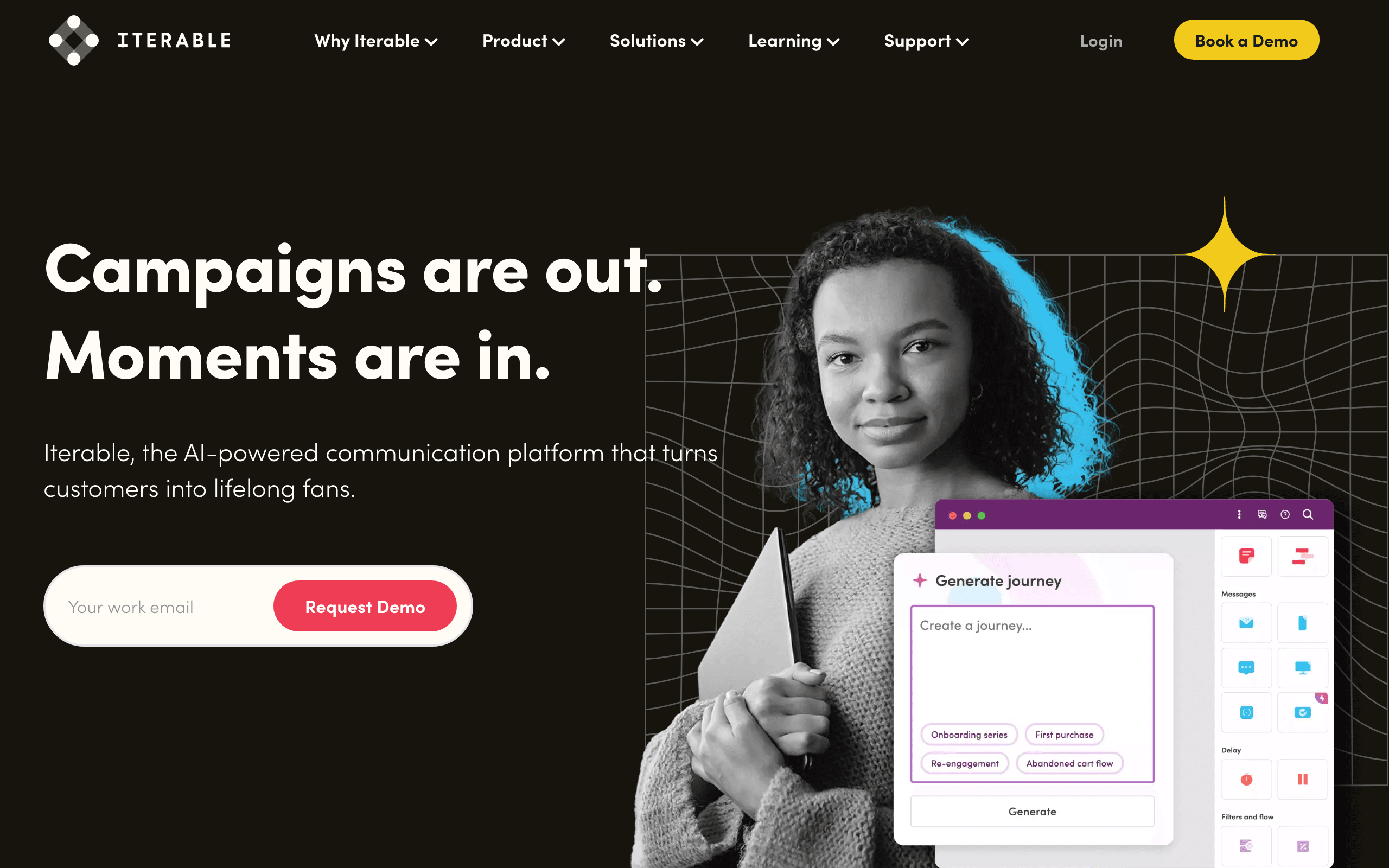
Iterable's analytics cover email alongside push, SMS, and in-app messaging, with experimentation tooling and integrations into enterprise data platforms for teams running complex, multi-channel lifecycle programs.
- Pricing: Custom, typically $500+/month
- Pros: Cross-channel analytics, strong experimentation tooling
- Cons: Enterprise pricing and implementation timeline
5. Braze
Best for: Large consumer apps needing real-time analytics integration
Braze integrates with major analytics and data platforms (including Amplitude, Mixpanel, and Segment) for large-scale consumer apps that need real-time behavioral data feeding both into and out of the email platform.
- Pricing: Custom enterprise pricing
- Pros: Deep third-party analytics integrations, real-time data flow
- Cons: Enterprise-only, overkill for small and mid-size teams
6. Mailchimp
Best for: Small businesses wanting basic built-in reporting
Mailchimp's built-in analytics cover standard email metrics and basic ecommerce revenue reporting for connected stores, with Google Analytics integration for web traffic attribution, but no native product analytics integration.
- Pricing: Free up to 500 contacts, from $13/month
- Pros: Easy to use, built-in reporting, Google Analytics support
- Cons: No native product analytics or payment-provider revenue attribution
7. HubSpot
Best for: Teams wanting analytics tied to CRM and deal data
HubSpot's native reporting ties email performance to CRM lifecycle stage and deal data, useful for teams whose "revenue attribution" really means sales pipeline attribution rather than direct ecommerce revenue.
- Pricing: Free CRM, Marketing Hub from $20/month (deep custom reporting requires Professional, ~$890/month)
- Pros: CRM-native reporting, deal-based attribution, huge ecosystem
- Cons: No dedicated product analytics integration, real reporting depth is expensive
8. ActiveCampaign
Best for: Teams wanting deal-based attribution from a lighter CRM
ActiveCampaign's built-in CRM ties email engagement to deal stages and lead scores, with Zapier available for connecting to external analytics tools.
- Pricing: From $29/month
- Pros: CRM-linked attribution, decent native reporting
- Cons: No native product analytics integration, deeper analytics require Zapier
9. PostHog Workflows
Best for: Product-led teams wanting email actions triggered directly from product analytics
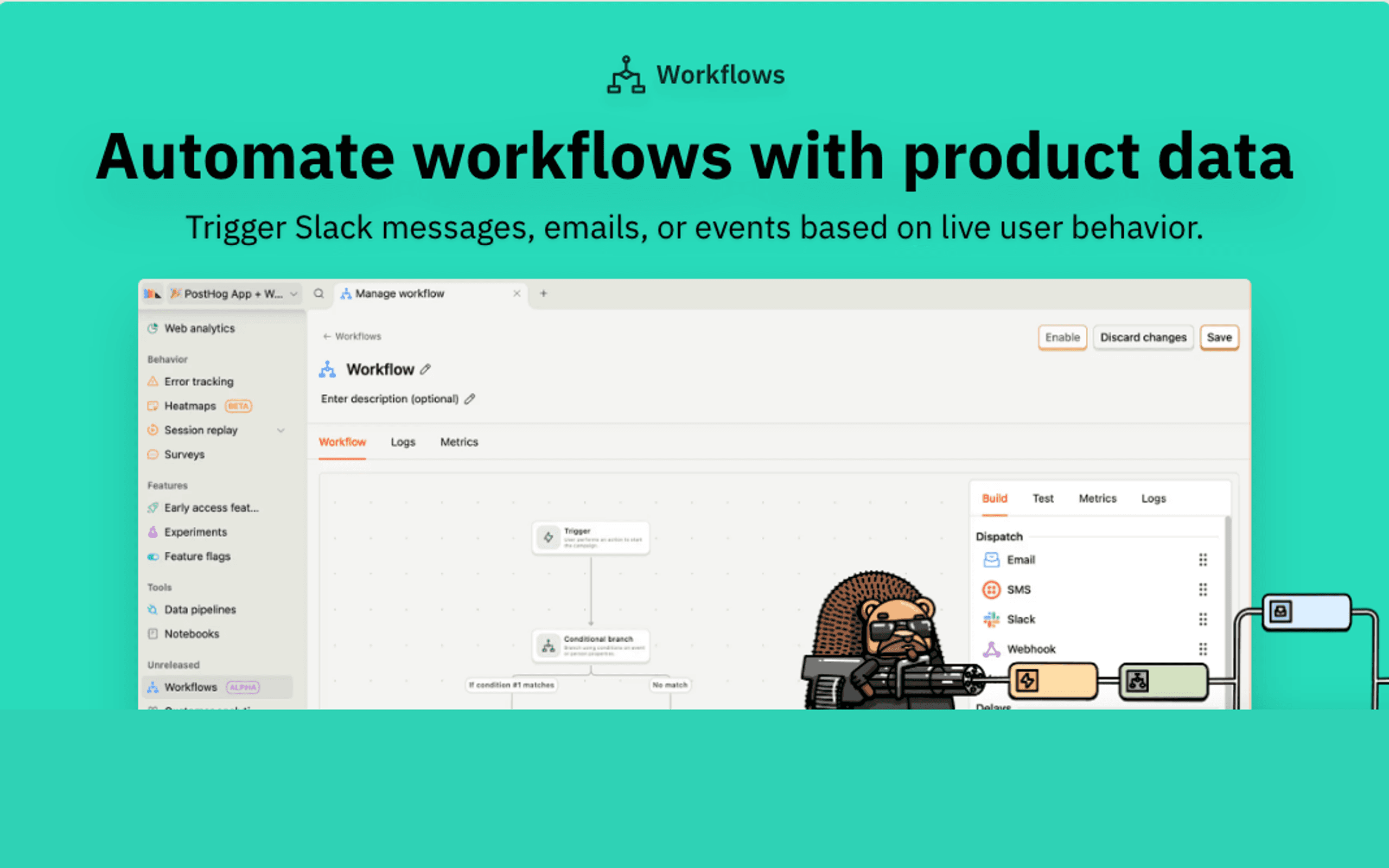
PostHog Workflows lets you trigger emails and messages directly from PostHog's own product analytics and event data, effectively inverting the usual relationship: instead of exporting email data to analytics, you build automation on top of your existing analytics platform.
- Pricing: Free tier available, usage-based pricing beyond that
- Pros: No integration needed if you already use PostHog, automation built on real product events
- Cons: Less mature as a full email marketing platform than dedicated ESPs
10. Ortto
Best for: Teams wanting analytics unified across multiple data sources
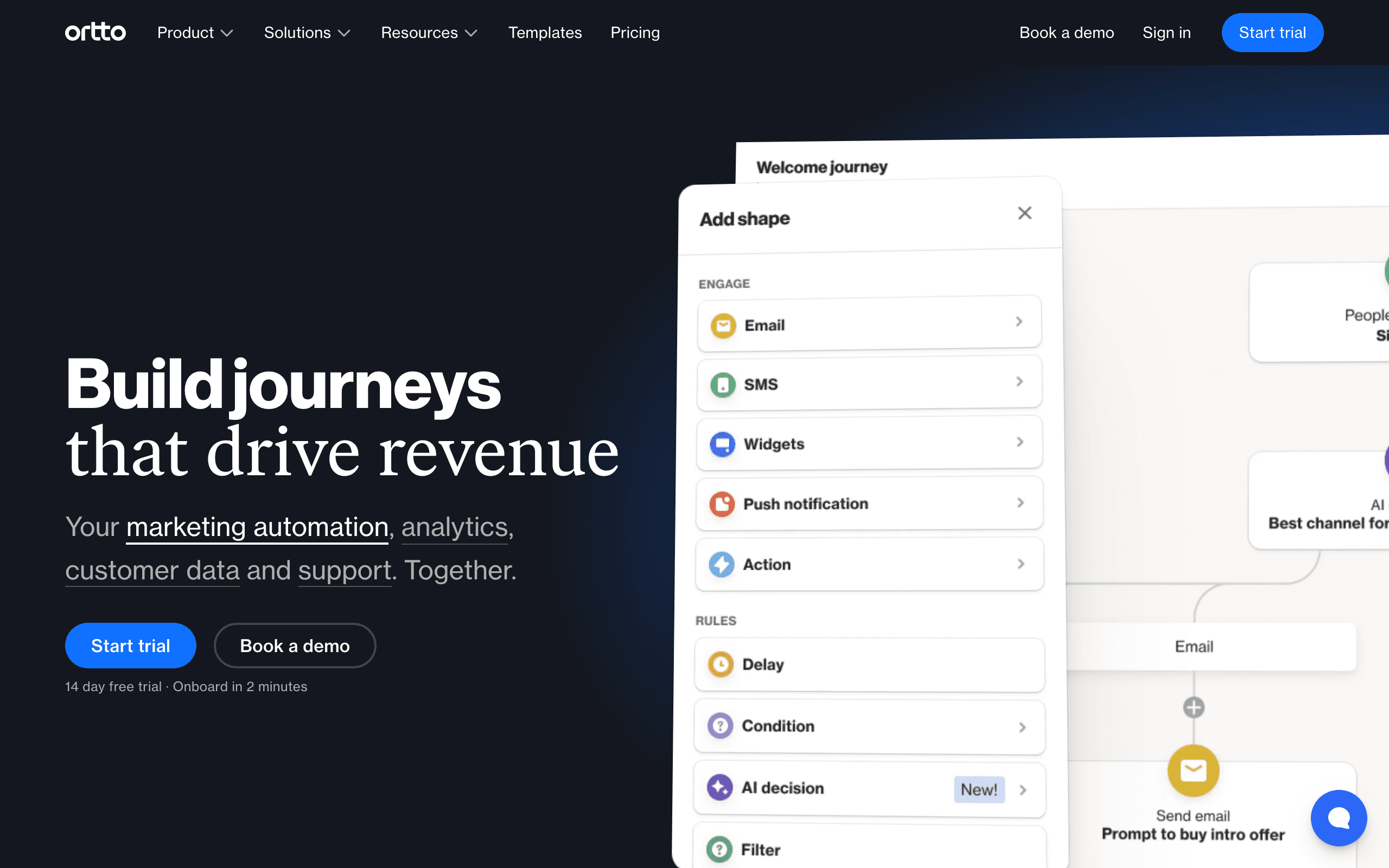
Ortto's CDP layer unifies product, CRM, and support data into one analytics view, so email performance can be analyzed alongside data from systems that would otherwise require separate integrations.
- Pricing: From $99/month
- Pros: Unified customer data analytics, capable journey builder
- Cons: Expensive starting price, broad platform can feel complex to configure
11. Insider
Best for: Enterprise brands wanting AI-driven cross-channel analytics
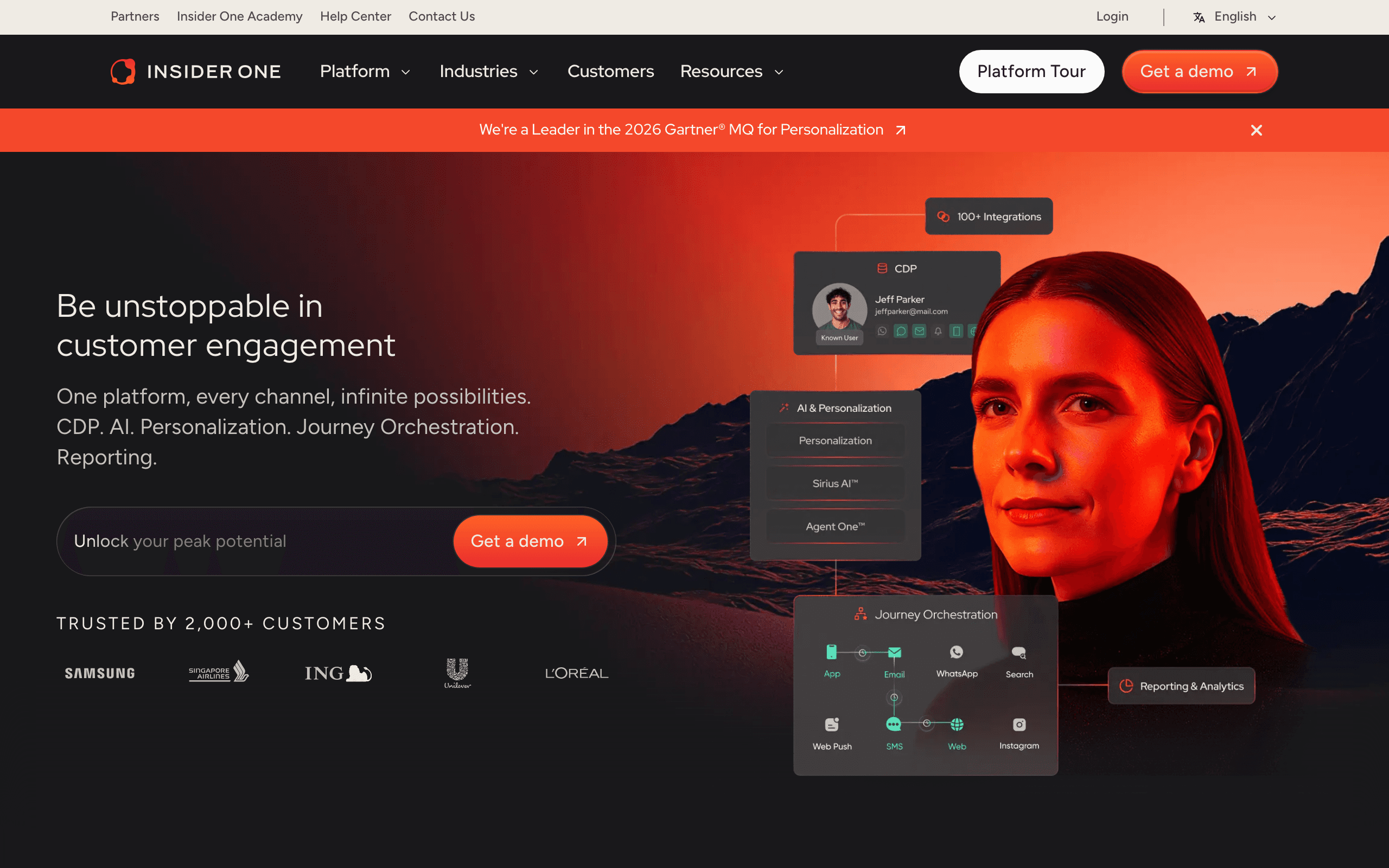
Insider's AI-native architecture analyzes engagement across web, app, and email from one customer profile, with predictive analytics informing both segmentation and attribution.
- Pricing: Custom, commonly starting around $4,800/month
- Pros: True omnichannel analytics, predictive insights
- Cons: No published pricing, enterprise minimums out of reach for small teams
12. MoEngage
Best for: Mobile-first brands wanting insights-led engagement analytics
MoEngage's analytics are built around actionable insights, surfacing which channels and campaigns drive retention across mobile and email touchpoints.
- Pricing: From $999/month for up to 10,000 monthly active users
- Pros: Strong insights-led analytics, cross-channel view
- Cons: No free tier, overkill for email-only teams
13. CleverTap
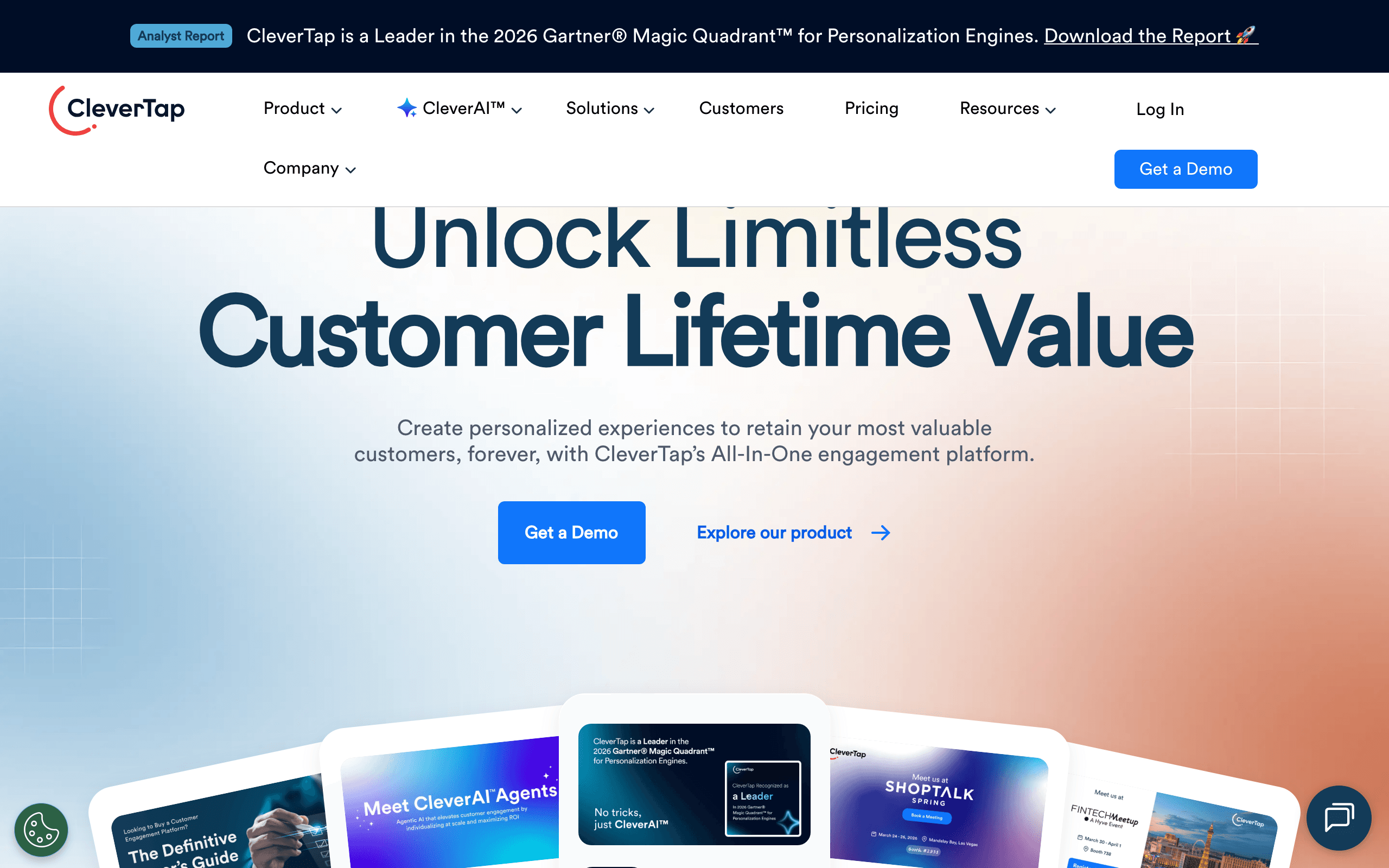
Best for: Mobile app teams wanting analytics tied to in-app behavior
CleverTap's analytics unify app engagement data with email and push performance, useful for teams whose primary analytics questions are about mobile app retention.
- Pricing: From $999/month for 10,000 tracked profiles
- Pros: Deep mobile behavioral analytics, unified engagement data
- Cons: No free tier beyond trial, email analytics secondary to mobile focus
14. Salesforce Marketing Cloud
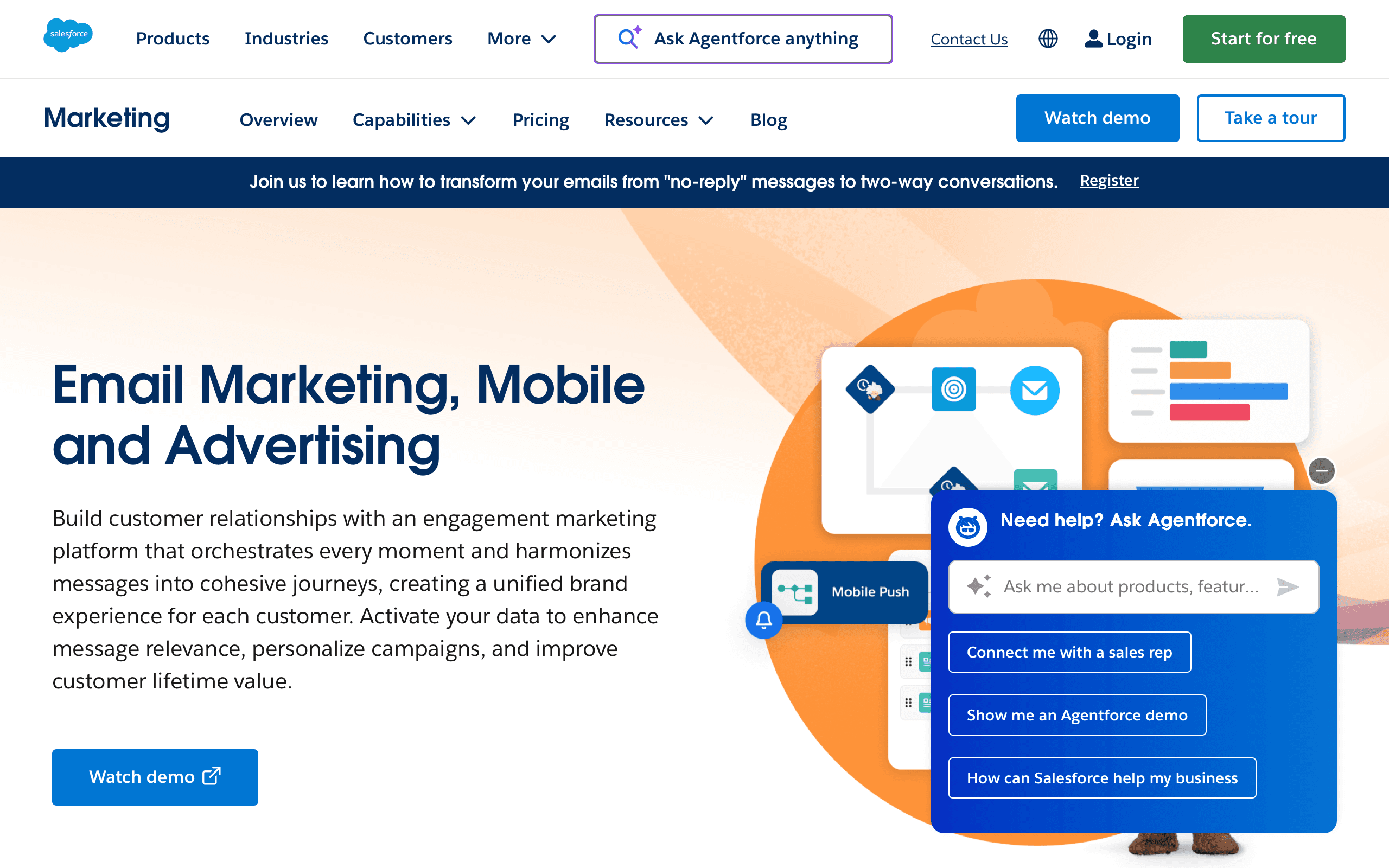
Best for: Enterprises wanting analytics deeply tied to Salesforce CRM data
Marketing Cloud's reporting integrates natively with Salesforce CRM data, giving the deepest CRM-linked attribution available for teams already invested in the Salesforce ecosystem.
- Pricing: From $1,500/org/month (Growth Edition)
- Pros: Deepest CRM-tied analytics for Salesforce shops, Agentforce AI included
- Cons: Expensive, steep learning curve, overkill outside the Salesforce ecosystem
15. Bloomreach
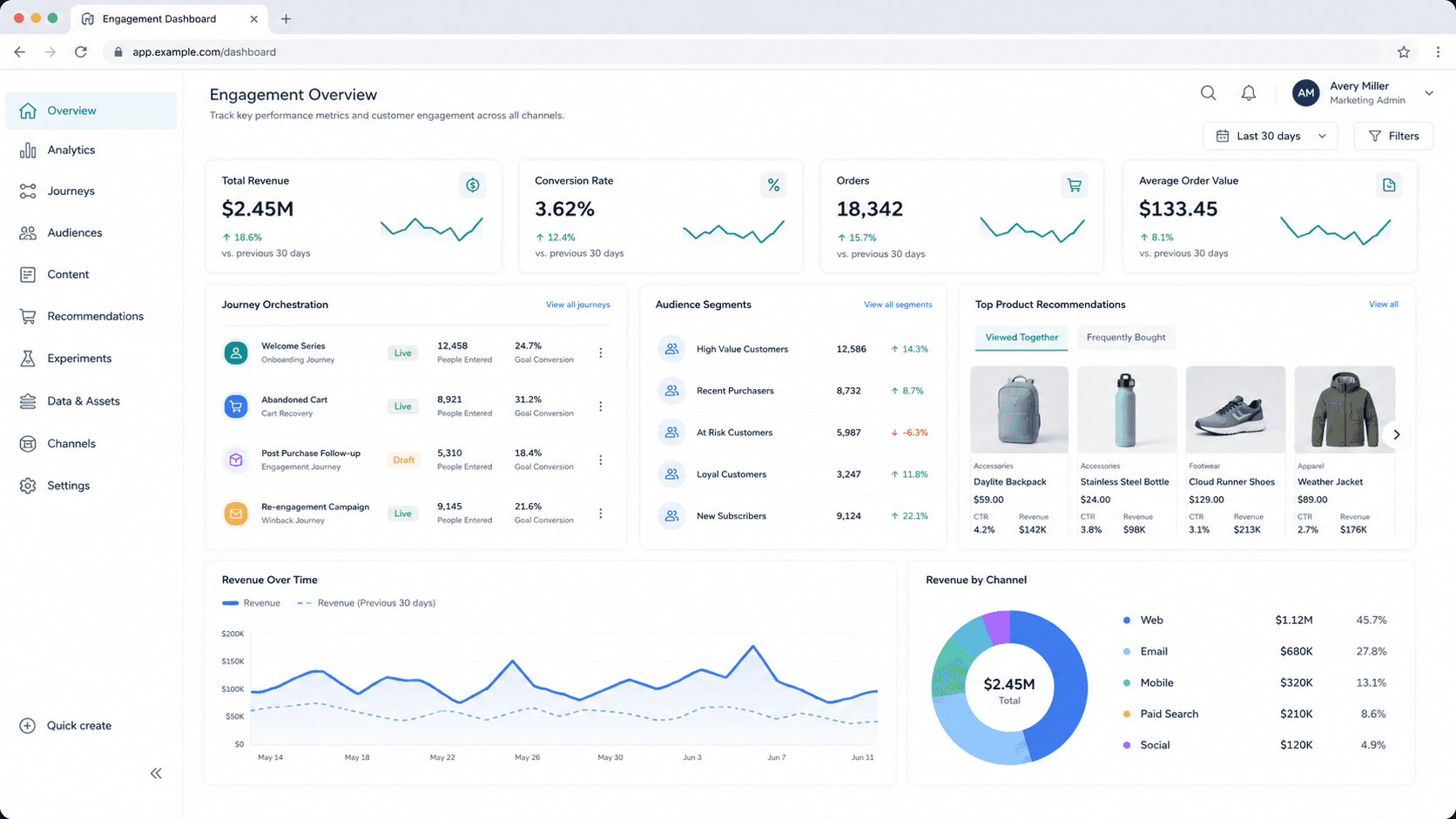
Best for: Enterprise ecommerce brands wanting AI-driven analytics and attribution
Bloomreach Engagement combines a CDP with AI-driven analytics, attributing revenue to campaigns based on predictive affinity models rather than simple last-click rules.
- Pricing: Custom, typically $40,000-$250,000+ annually for non-Shopify deployments
- Pros: Genuine AI-driven attribution, deep CDP integration
- Cons: Enterprise-only pricing, sales-led procurement
16. Dotdigital
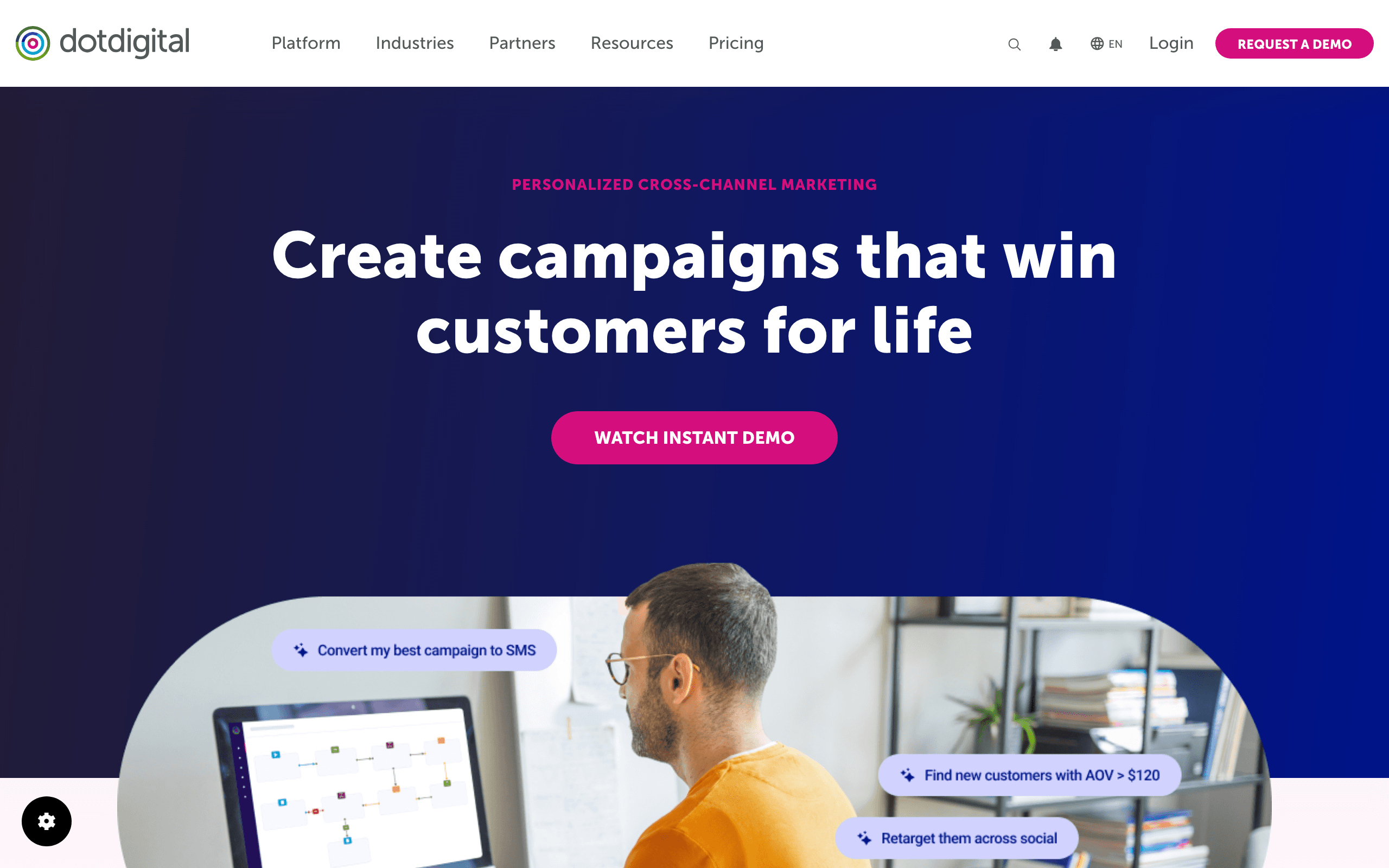
Best for: Mid-market brands wanting analytics tied to ecommerce and CRM integrations
Dotdigital's reporting integrates with connected ecommerce and CRM platforms, giving mid-market brands a reasonably complete view of email-driven revenue without a full CDP investment.
- Pricing: From $500/month
- Pros: Solid integration-based reporting, deep platform integrations
- Cons: No published detailed pricing tiers, higher entry cost than SMB-focused tools
17. Listrak
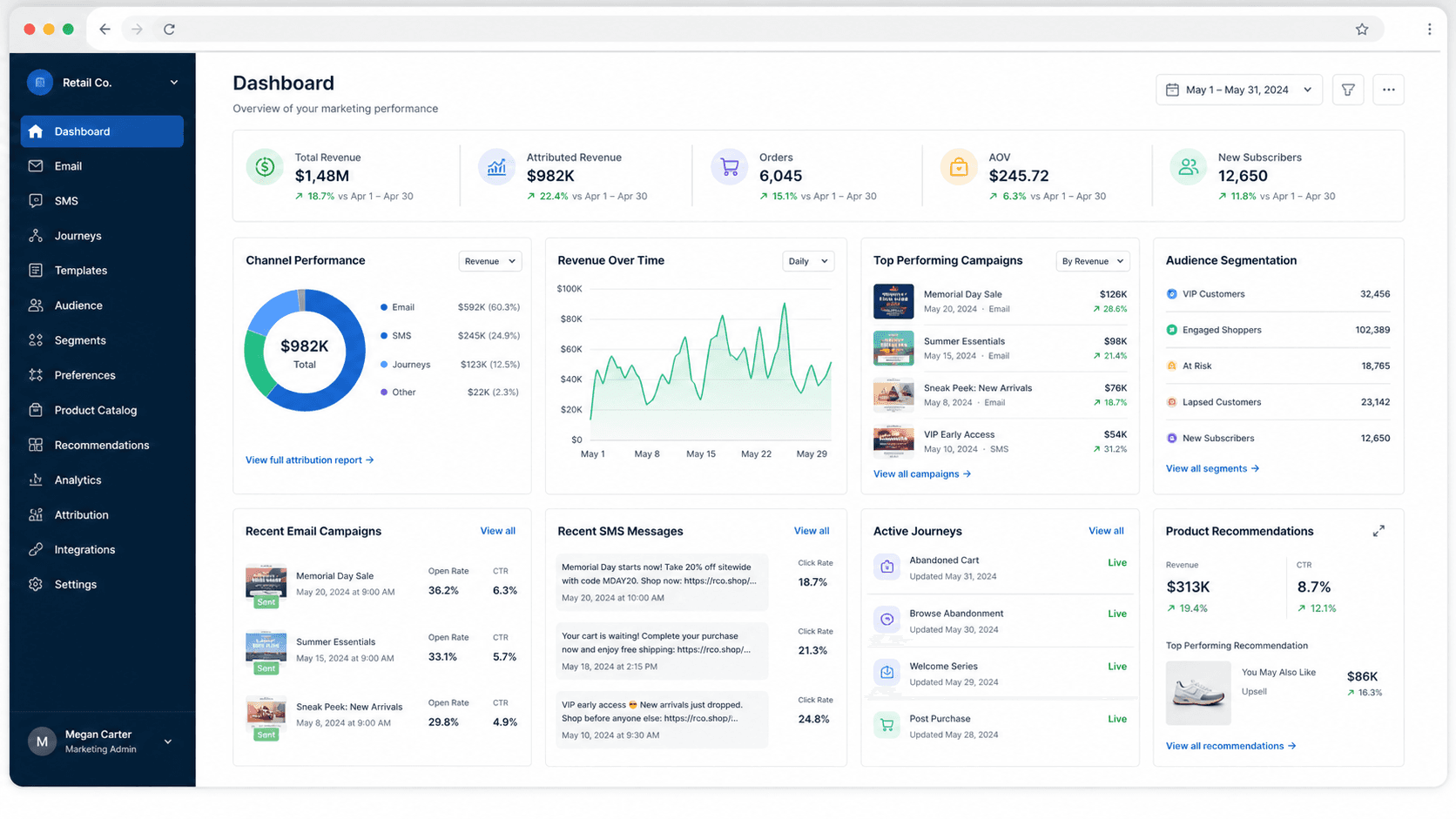
Best for: Retail brands wanting analytics built specifically for retail attribution
Listrak's analytics are tuned for retail, with attribution models built around purchase and browse behavior at scale.
- Pricing: Custom, not published
- Pros: Strong retail-focused attribution, mature reporting for large catalogs
- Cons: No public pricing, sales-led procurement
18. Optimove
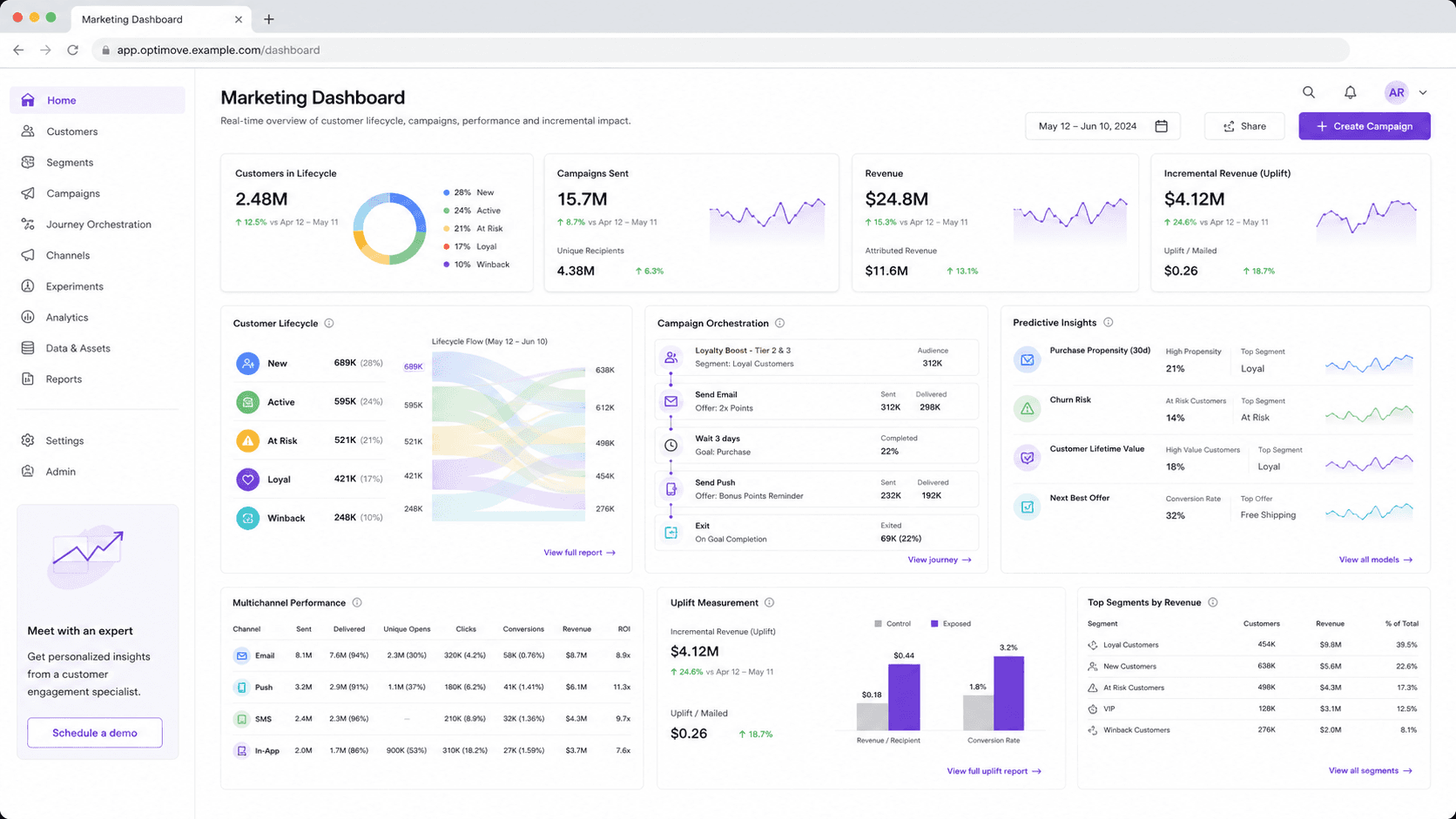
Best for: Enterprise brands wanting predictive analytics across campaigns
Optimove's predictive modeling extends into analytics, forecasting customer lifetime value and campaign impact rather than just reporting on what already happened.
- Pricing: Custom, typically several thousand dollars per month
- Pros: Genuine predictive analytics, strong cross-channel orchestration
- Cons: Enterprise pricing and implementation, not accessible for small teams
19. Netcore
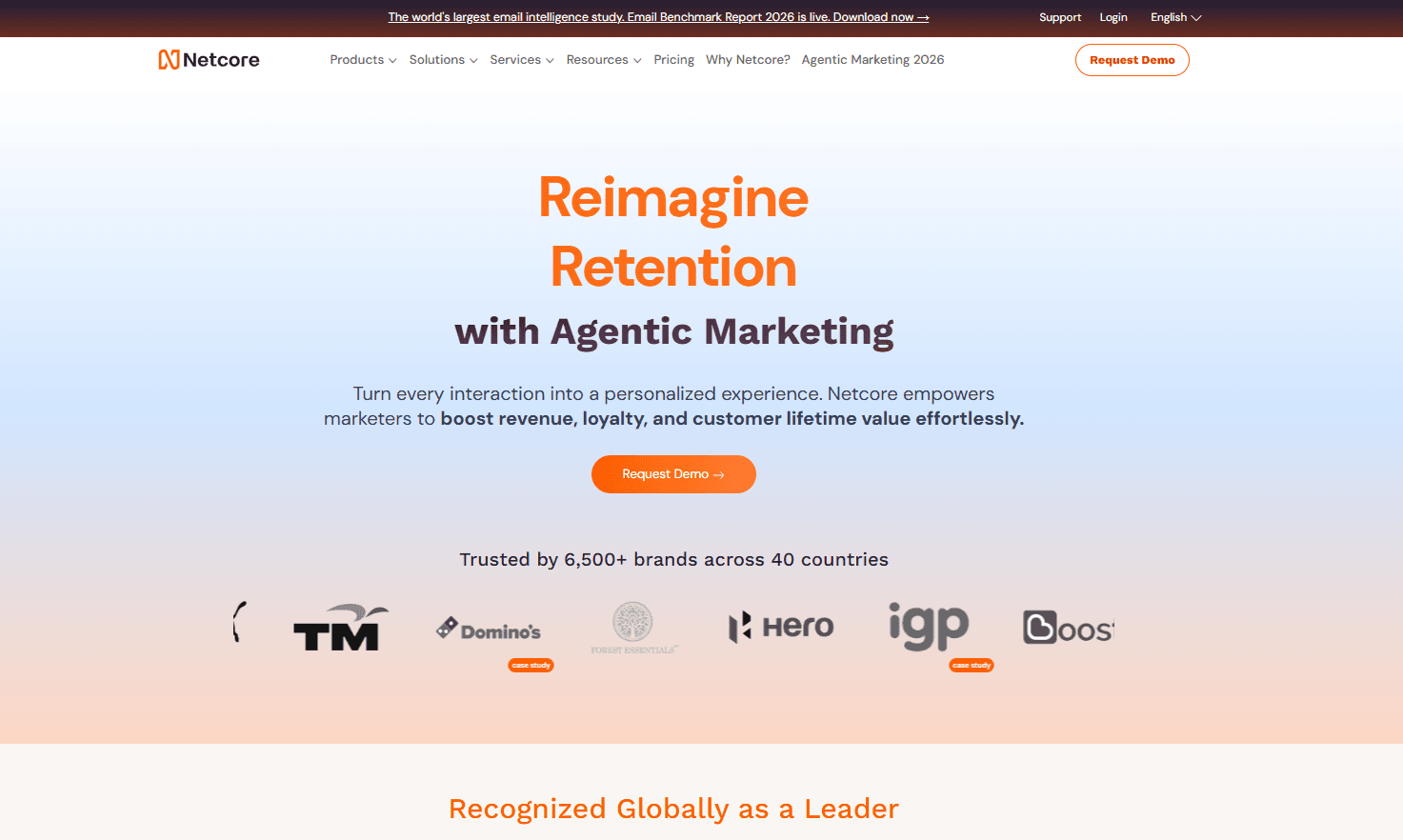
Best for: Mid-size brands wanting AI-powered engagement analytics across channels
Netcore's customer engagement platform includes AI-assisted analytics for cart recovery and lifecycle campaigns across email, SMS, and push, at a more accessible price than the enterprise platforms on this list.
- Pricing: From $349/month
- Pros: AI capabilities included at a mid-market price, multi-channel analytics
- Cons: Less brand recognition in Western markets than Klaviyo or Braze
20. Drip
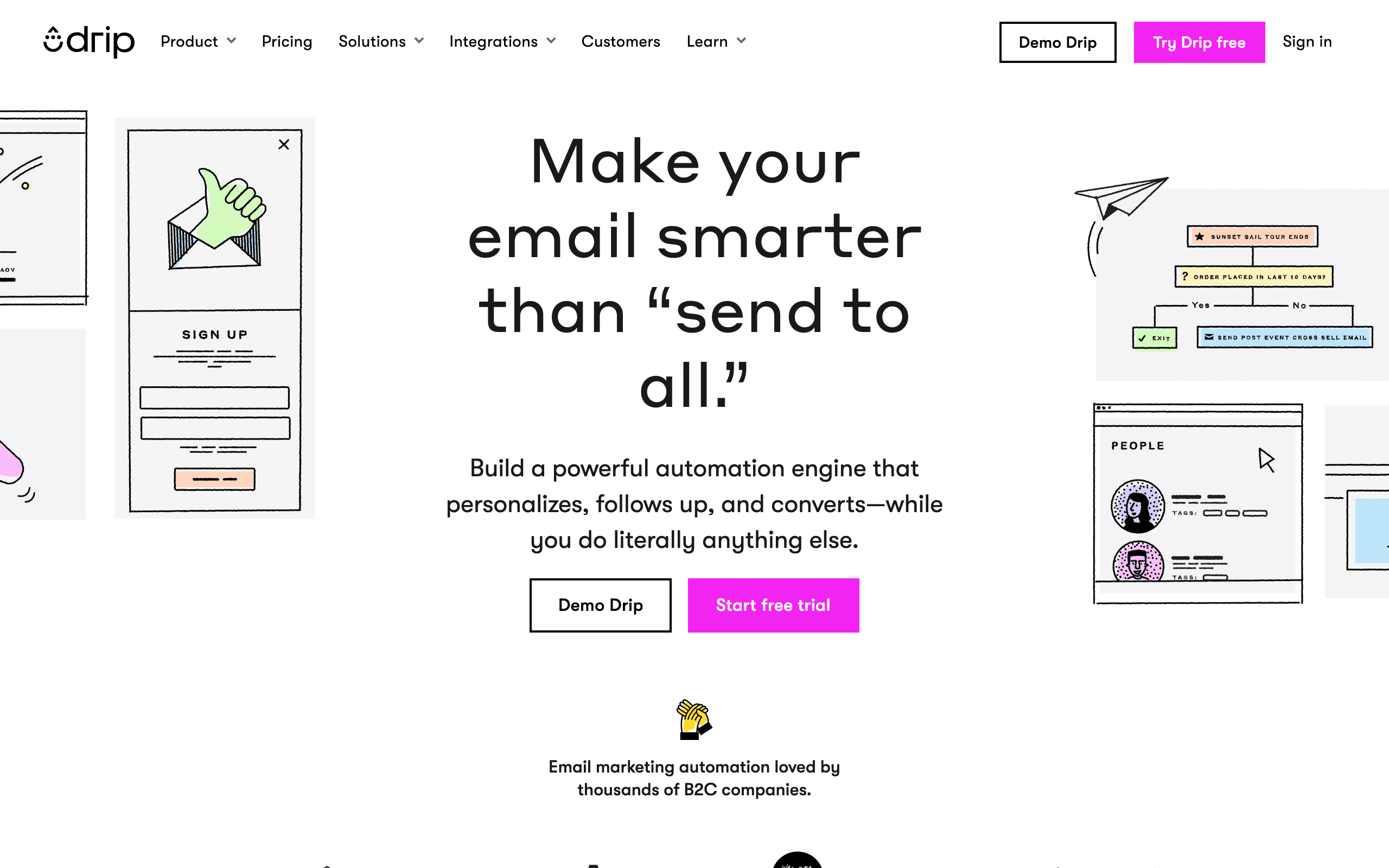
Best for: Ecommerce brands wanting straightforward revenue tracking
Drip's native analytics tie email and automation performance directly to ecommerce revenue, with RFM segmentation informing which customers and campaigns matter most.
- Pricing: From $39/month
- Pros: Straightforward ecommerce revenue tracking, good segmentation
- Cons: No native product analytics integration, purpose-built for ecommerce over SaaS
FAQ
What's the difference between auto-UTM tracking and revenue attribution?
Auto-UTM tracking automatically tags links in your emails so web analytics tools can see which campaign or automation drove a visit. Revenue attribution goes a step further, connecting that visit (or a triggered event) all the way to an actual payment, typically through a payment-provider integration.
Do I need a product analytics integration if I already have revenue attribution?
They answer different questions. Revenue attribution tells you which emails drove payments. A product analytics integration tells you how email engagement relates to broader product behavior, like whether opening a specific email correlates with feature activation. Teams optimizing for growth, not just direct revenue, typically want both.
Can I connect an email platform to a data warehouse instead of a specific analytics tool?
Yes, on platforms that support webhooks or native warehouse syncs, like Customer.io and Sequenzy's webhook support. This is a common pattern for teams whose analytics stack changes over time and don't want to be locked into a single vendor's built-in reporting.
Is native PostHog integration meaningfully different from a generic webhook?
Yes. A native integration typically maps email events into PostHog's expected event schema automatically and requires no custom code, while a generic webhook requires you to build and maintain the mapping and ingestion logic yourself.
Which platforms offer genuinely predictive (not just descriptive) analytics?
Optimove, Bloomreach, and Insider are the three on this list built around genuine predictive modeling (forecasting lifetime value, next purchase, or churn risk) rather than descriptive reporting on past performance, and all three are enterprise-priced as a result.
What's the most affordable option with real revenue attribution?
Sequenzy and Drip both offer revenue attribution starting under $40/month. Sequenzy's is tied to native payment provider integrations (useful for SaaS), while Drip's is tied to ecommerce order data.