
Real talk: Should you actually switch from Mailchimp?
Look, I'm not going to tell you Mailchimp is garbage. It's not. It's a solid platform that's been around forever. But the question isn't whether Mailchimp works - it's whether you're getting good value for what you're paying. With over 1,300 Trustpilot reviews, the feedback is genuinely split: some users praise the screen-sharing support and familiar interface, while long-time customers report declining service quality since the Intuit acquisition. The recurring theme is that Mailchimp keeps adding features (websites, social tools, postcards) while raising prices, leaving many users paying $110-135/month at 10,000 contacts for a platform where they only use the email features. See our detailed Mailchimp comparison for the full breakdown.
Here's my honest take after testing all these alternatives:
| If your team looks like this | Start with | Why it beats Mailchimp for this use case |
|---|---|---|
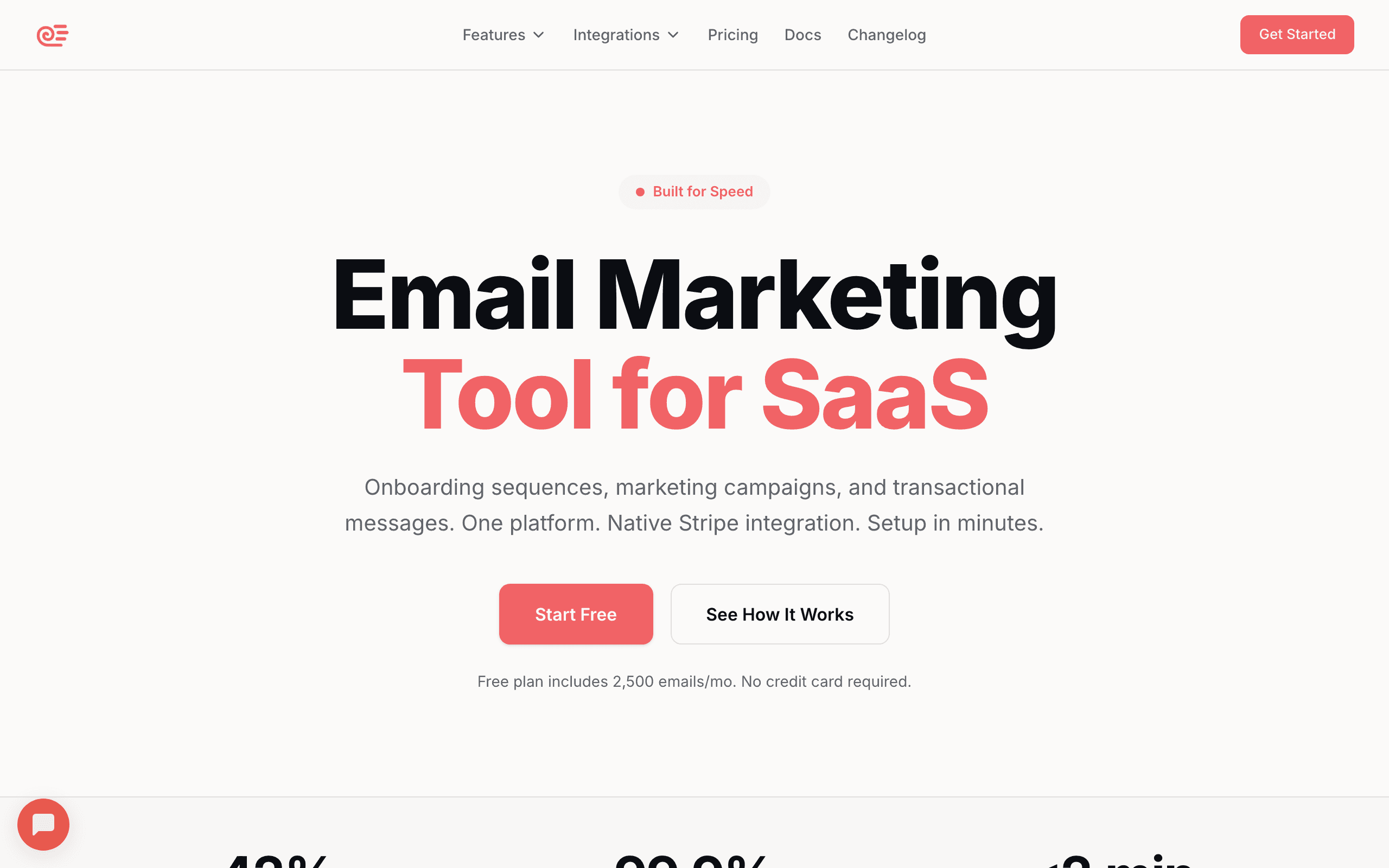
| B2B SaaS with trials, upgrades, and churn risk | Sequenzy | Built around product events, Stripe data, onboarding, lifecycle automation, and transactional email instead of generic list sends. |
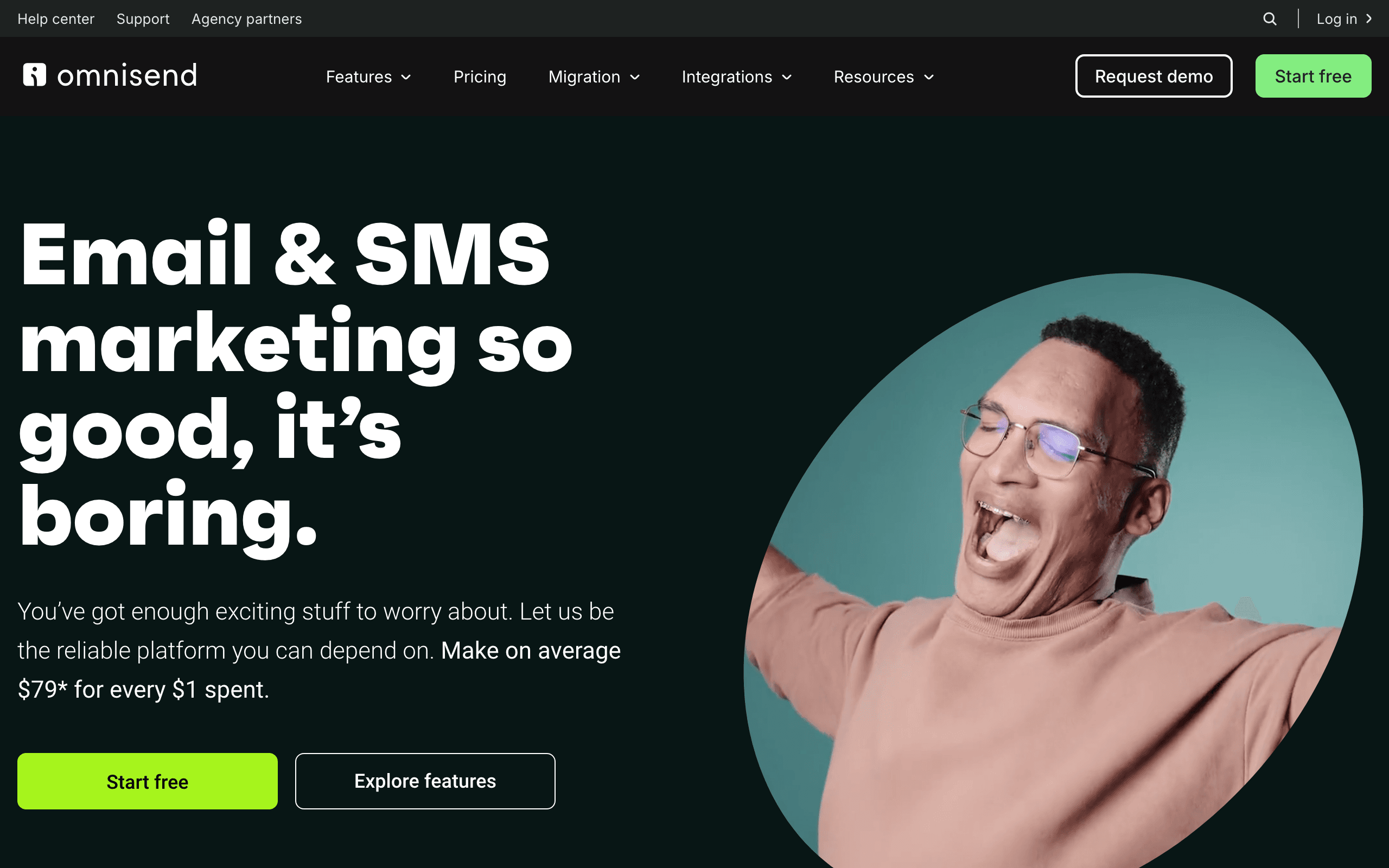
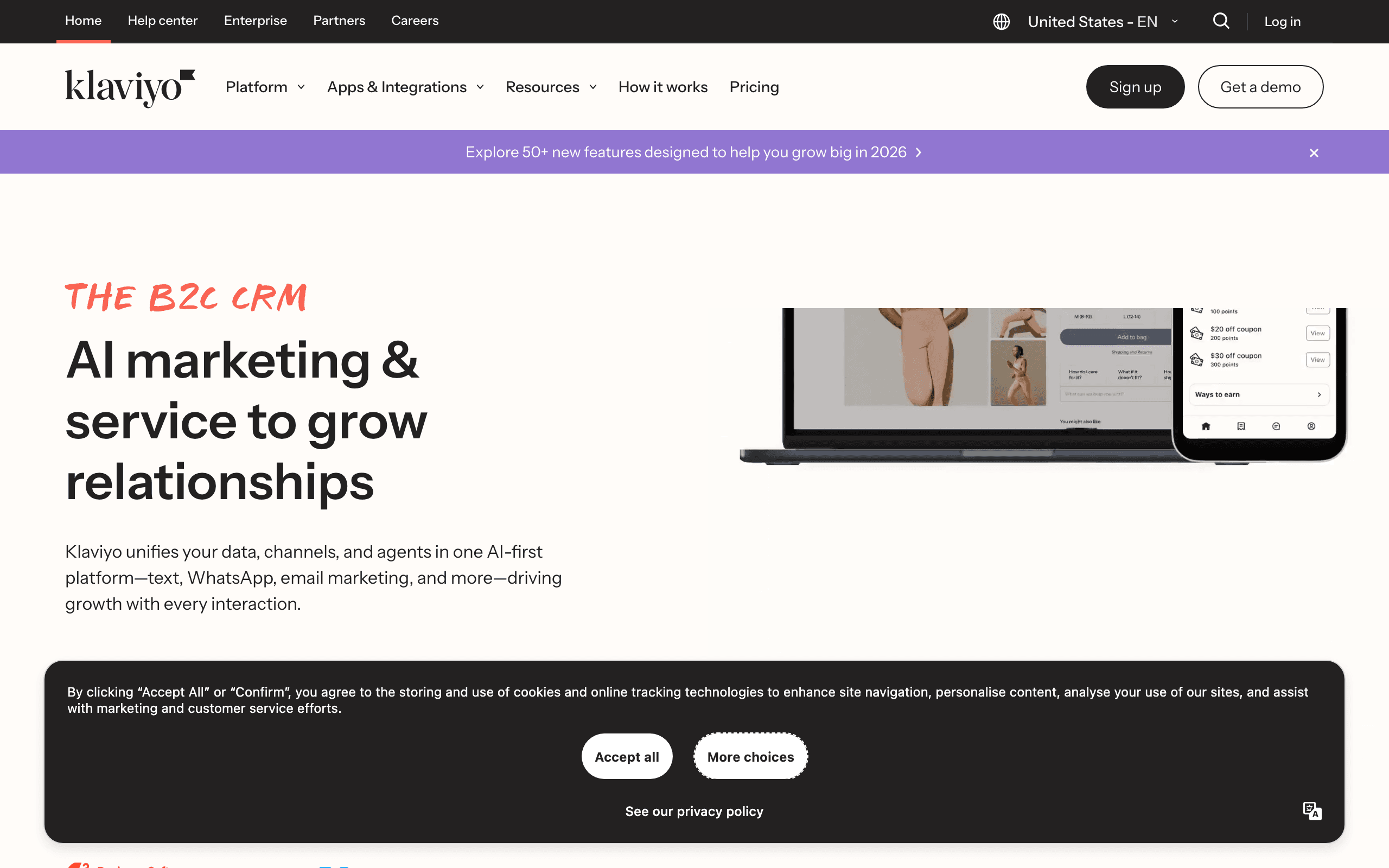
| Shopify or WooCommerce store | Klaviyo | Better purchase-history segmentation, abandoned-cart workflows, and product recommendations than Mailchimp's broader e-commerce layer. |
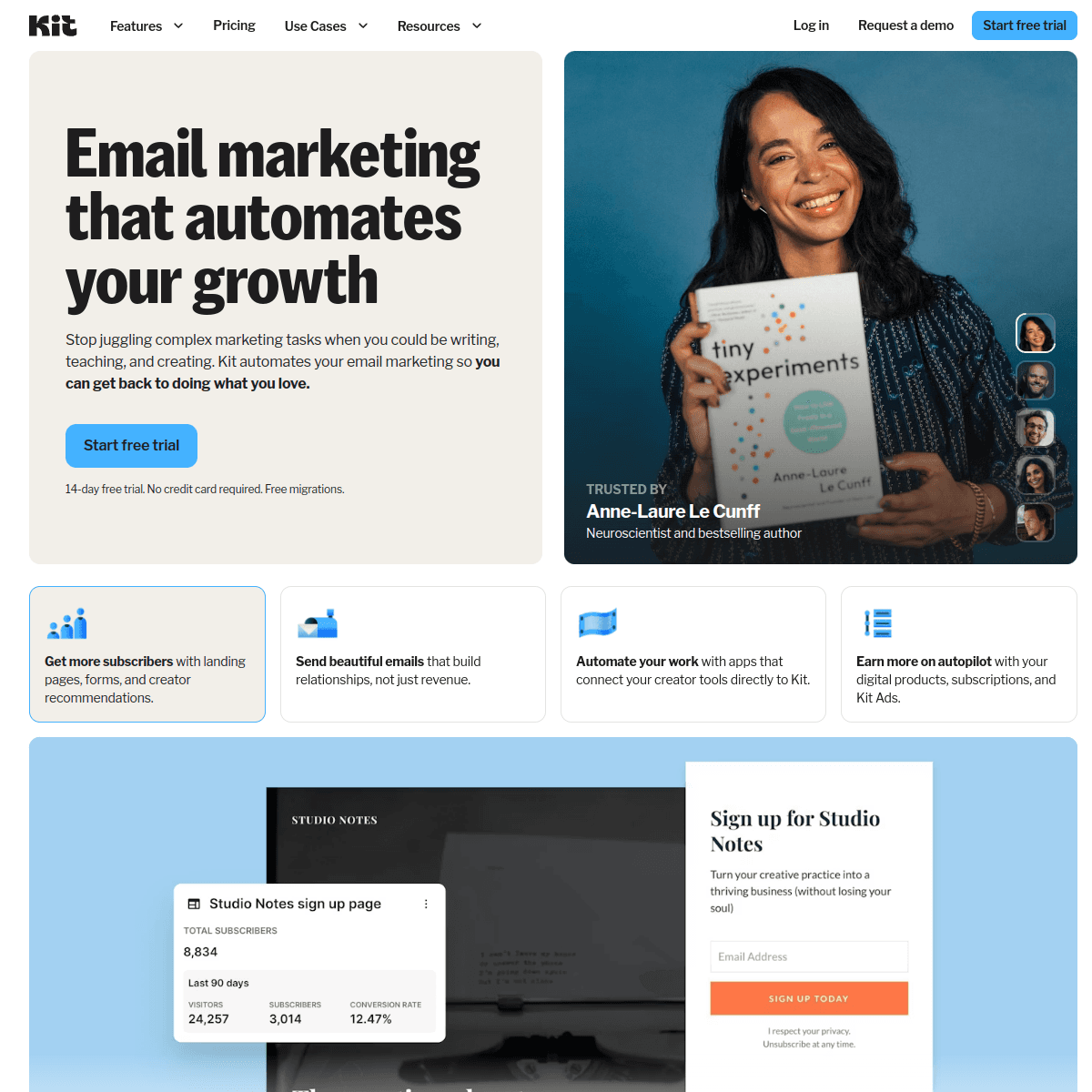
| Creator selling courses, downloads, or paid content | ConvertKit | Landing pages, creator automations, and digital product sales are central features instead of add-ons. |
| Developer team sending app emails | Resend or Postmark | Cleaner APIs, faster transactional delivery, and simpler pricing for receipts, password resets, and notifications. |
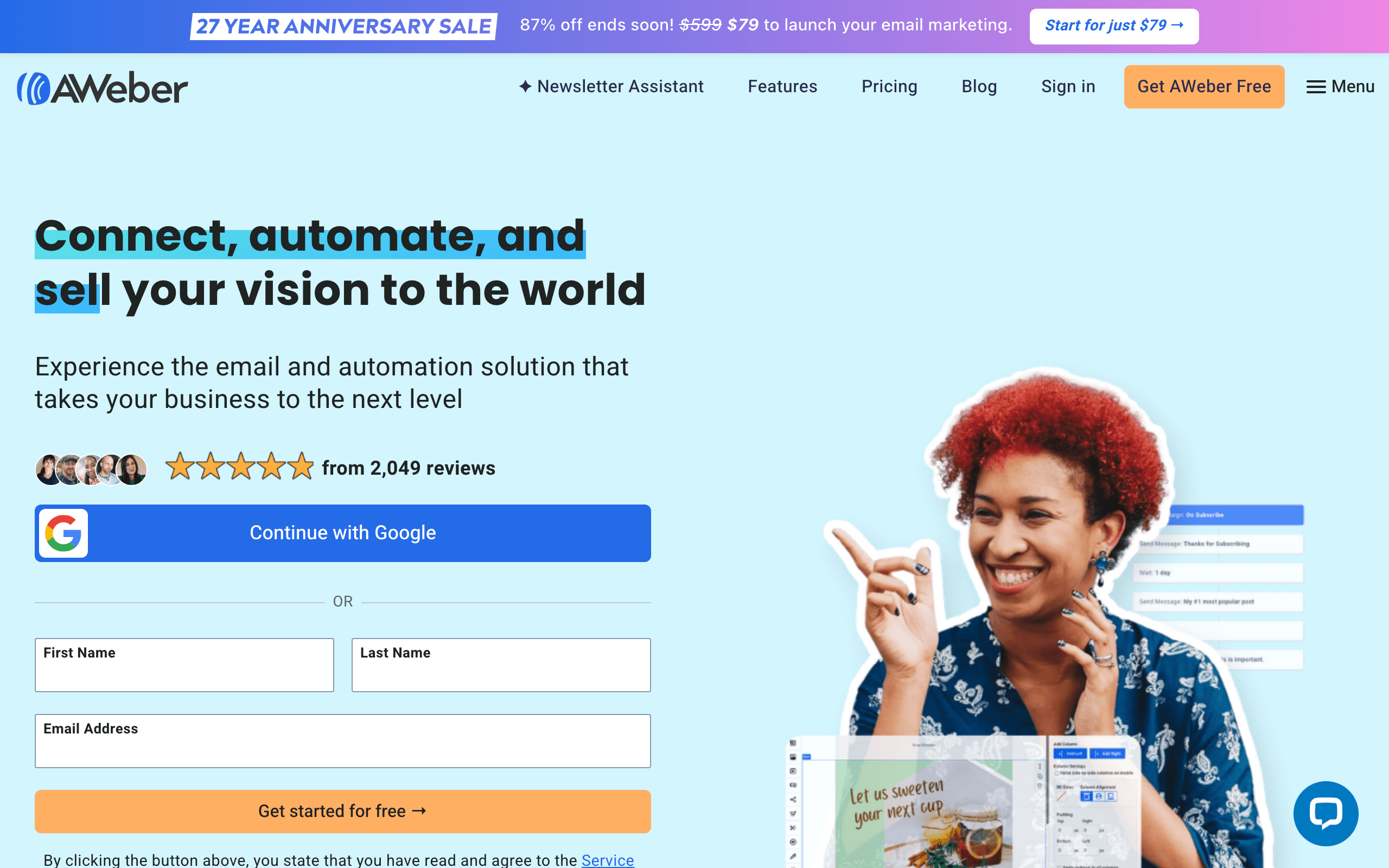
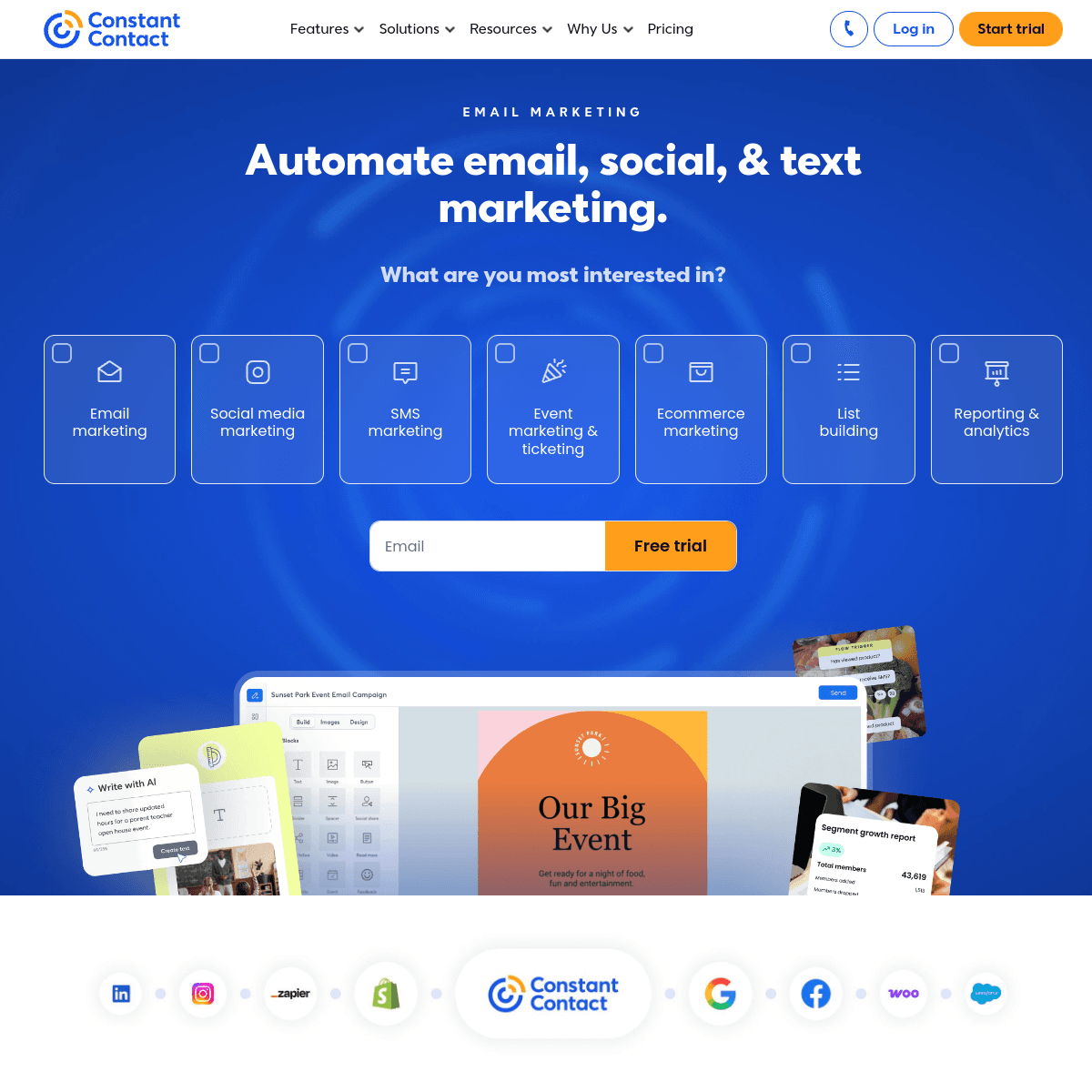
| Local business or nonprofit that wants phone support | Constant Contact or AWeber | More human support and simpler newsletter workflows for non-technical teams. |
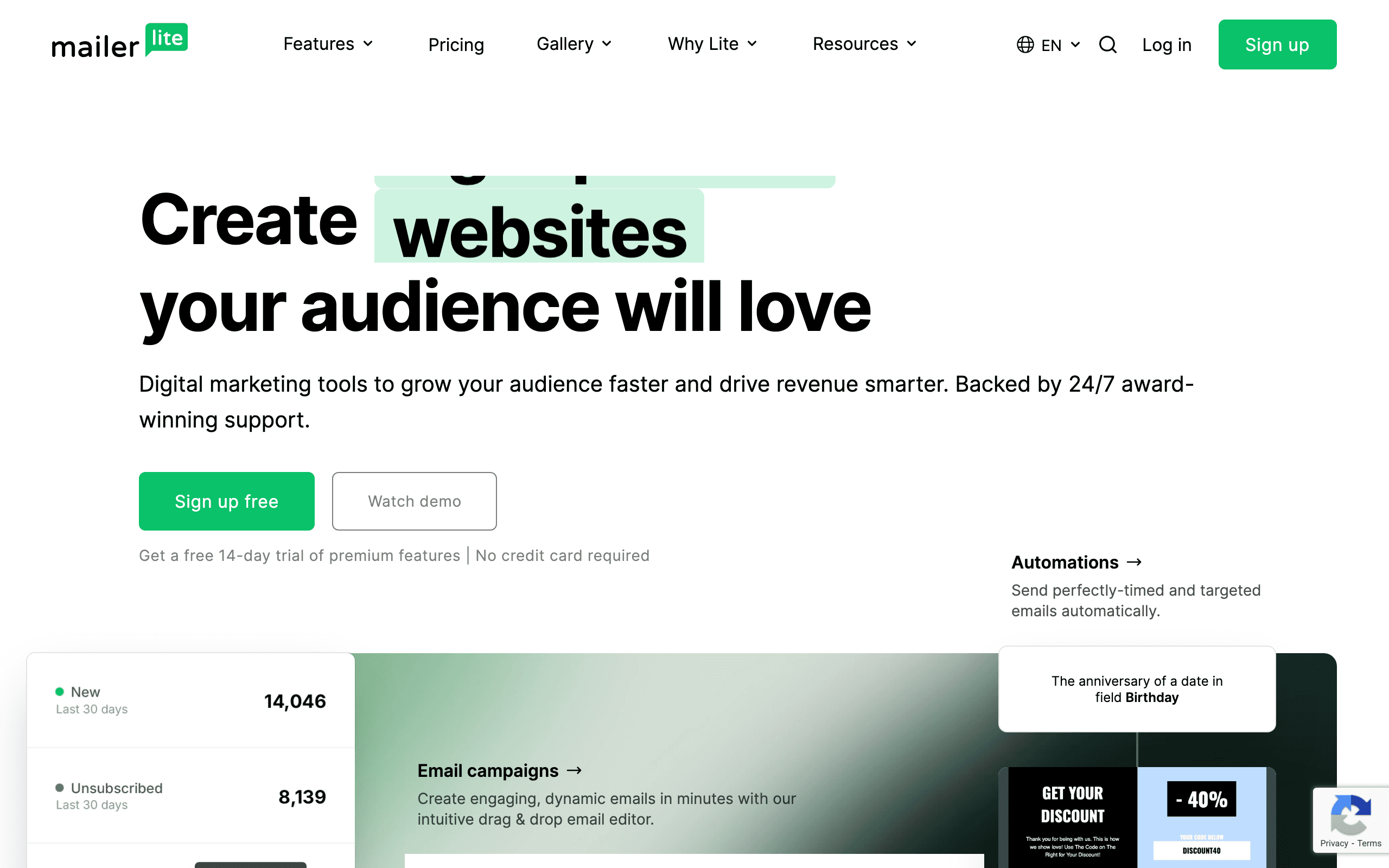
| Price-sensitive list with uneven sending volume | MailerLite | Lower monthly cost at 10,000 contacts, with fewer penalties for list growth. |
Switch if you're a SaaS founder
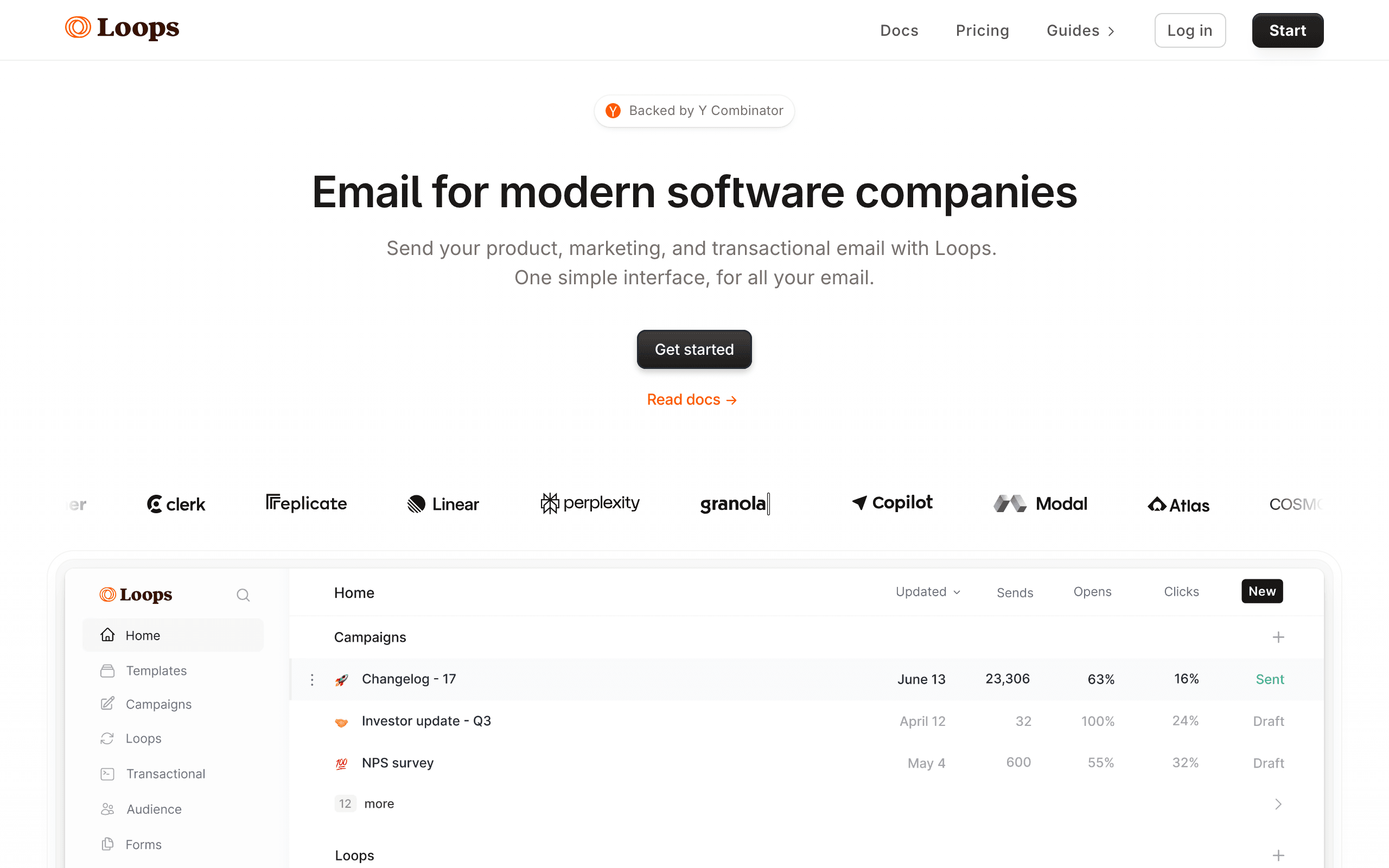
Mailchimp wasn't built for you. You need transactional emails (welcome emails, password resets, receipts) alongside marketing. You want Stripe integration. You probably care about event-based triggers. Tools like Sequenzy and Loops were literally built for your use case. Read our guide on the best email tools for SaaS.
Switch if you're paying for stuff you don't use
Open your Mailchimp dashboard right now. Are you using the website builder? The social media tools? The postcards feature? If you said no to all of those, you're overpaying for a bunch of features that just sit there. Check our transparent pricing tool guide to see how much you could save.
Switch if deliverability is suffering
If your open rates have been declining and you've tried everything else, it might be Mailchimp's shared IP reputation. Platforms that vet their customers more carefully (like Postmark for transactional, or Sequenzy for marketing) tend to have better deliverability. Read our deliverability guide for best practices.
Switch if you're an e-commerce store
Mailchimp's e-commerce features are decent but generic. If you're on Shopify or WooCommerce, dedicated platforms like Klaviyo, Omnisend, or Drip offer deeper integrations, better abandoned cart flows, and smarter product recommendations that Mailchimp can't match. Our e-commerce platform guide covers the broader tool decision.
Don't switch just to save a few bucks
If Mailchimp is working well for you and your team knows it inside out, the cost of switching might outweigh the savings. Migration takes time. Recreating automations is tedious. Factor that in.
The migration isn't as scary as you think
Here's roughly what it takes to move off Mailchimp:
| Migration task | Low-complexity account | High-complexity account | What usually goes wrong |
|---|---|---|---|
| Export contacts and tags | 30-60 minutes | Half day if audiences are messy | Unsubscribed contacts, duplicate audiences, and old tags get imported without cleanup. |
| Rebuild signup forms | 1-2 hours | 1-2 days across many landing pages | Embedded forms are forgotten on old blog posts, partner pages, or gated assets. |
| Recreate automations | 2-4 hours | 1-2 weeks | Teams copy the old flow exactly instead of simplifying it around current lifecycle goals. |
| Update transactional email | Skip if unused | 1-3 days with developer help | Mandrill templates, DNS, and app-level sending logic are undocumented. |
| Warm up new sending | 1 week | 2-4 weeks | Sending the whole list immediately hurts inbox placement on the new platform. |
Export your list - Mailchimp gives you a CSV. Use our email validator to clean it first.
Document your automations - Screenshot everything before you start. Trust me.
Import to new platform - Most tools have Mailchimp importers now.
Recreate automations - This is the annoying part. Budget 2-4 hours depending on complexity. Our AI sequences can speed this up.
Update forms - Swap out embedded forms on your site with new signup forms.
Warm up slowly - Don't blast your whole list day one on a new platform. Use our warmup calculator to plan.
For a simple setup, you're looking at a weekend project. Complex automations might take a week or two of part-time work. We also wrote about why SaaS companies leave Mailchimp if you want the strategic case before doing the migration work.
Related resources before switching from Mailchimp
If you are leaving Mailchimp for SaaS lifecycle email, start with automate onboarding, convert free trials, and the SaaS onboarding templates. If you are switching for e-commerce, use the cart abandonment templates, abandoned cart subject lines, and post-purchase follow-up templates. If the goal is simply lower cost, see the MailerLite comparison and the broader small business email platform guide.
My actual recommendations
After testing all of these, here's what I'd tell a friend:
Best Mailchimp alternative for SaaS companies
Start with Sequenzy if you want AI help, lifecycle sequences, Stripe-aware customer data, and marketing plus transactional email in one tool. Pick Loops if you prefer a cleaner manual writing workflow and already have product events wired up. Mailchimp can send newsletters for a SaaS, but it does not naturally think in activation, upgrade, failed payment, expansion, or churn-prevention moments. See our SaaS email marketing page for more context.
| SaaS need | Better Mailchimp alternative | Why |
|---|---|---|
| Trial conversion and onboarding | Sequenzy | AI-assisted lifecycle sequences and Stripe context make the emails more specific to the user's stage. |
| Simple product-triggered campaigns | Loops | Focused SaaS UI without Mailchimp's general marketing clutter. |
| Complex product-led journeys | Customer.io | Strong event-based messaging when engineering can support setup. |
| Transactional-only app email | Resend or Postmark | Better developer experience and delivery model for receipts, invites, and password resets. |
Best Mailchimp alternative for e-commerce stores
Just use Klaviyo if email revenue is material. Yes, it's expensive. Yes, it's worth it for most serious Shopify stores. The abandoned cart flows, customer lifetime value segments, and product recommendations are what Mailchimp users usually wanted when they connected their store in the first place. If Klaviyo is too heavy for your stage, Omnisend is the more budget-aware e-commerce answer and Drip is a good fit for independent brands that want strong automation without enterprise weight.
Best Mailchimp alternative for creators and bloggers
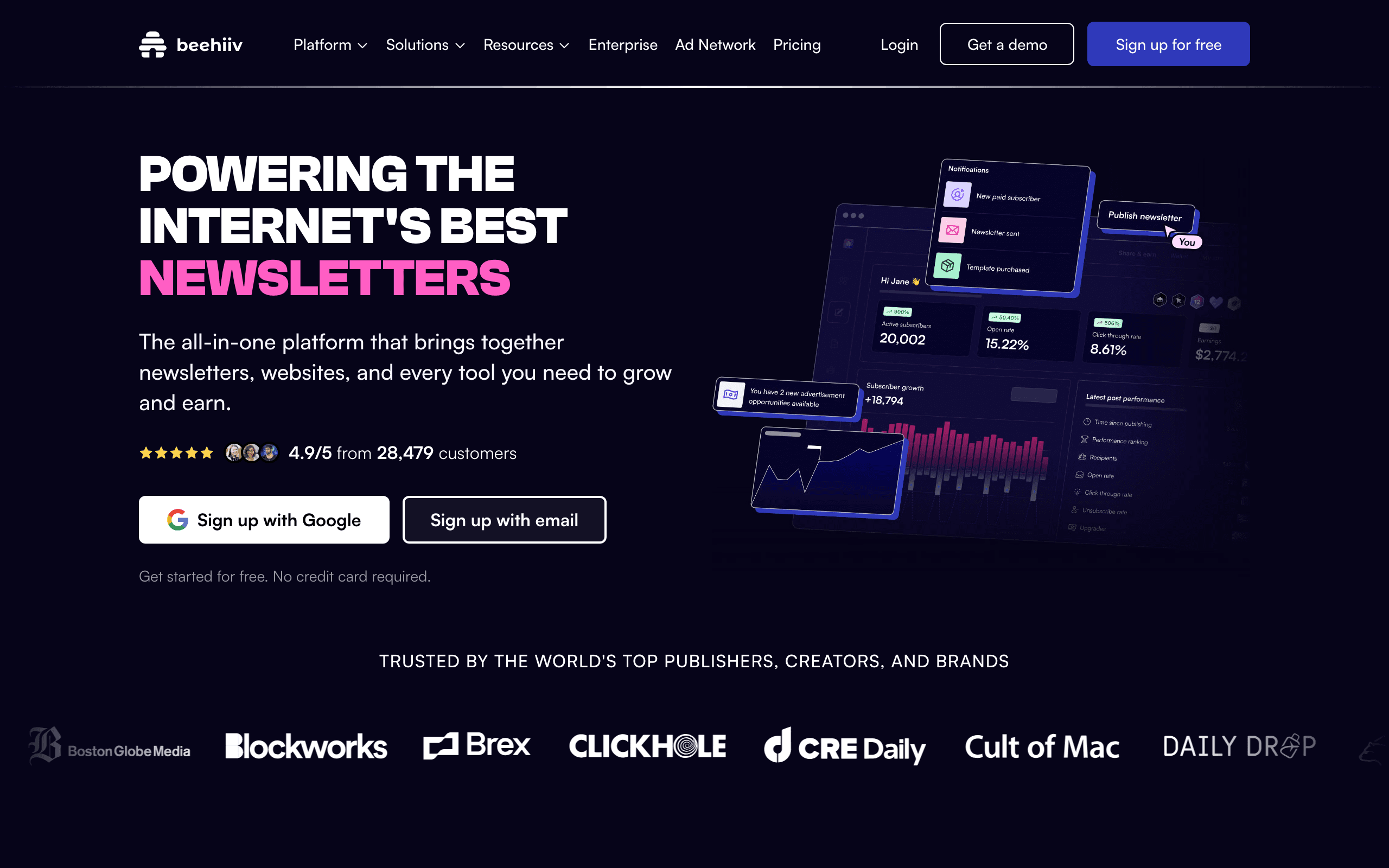
ConvertKit (Kit) is your answer if your email list supports courses, downloads, sponsorships, coaching, or paid content. The landing pages and digital product features are solid, and the automation model fits creators better than Mailchimp's audience-based approach. On a budget, try Beehiiv if the newsletter itself is the business, or Sendfox if you mostly need a cheap way to publish.
Best Mailchimp alternative for developers building an app
Resend is the obvious first move for transactional email, especially if your team cares about API design, React Email, and clean logs. Postmark is the stronger choice when transactional deliverability matters more than dashboard polish. Add Sequenzy or Loops for marketing once you need onboarding, product education, and lifecycle campaigns; trying to force all of that through Mailchimp plus Mandrill usually becomes awkward.
Best Mailchimp alternative for agencies
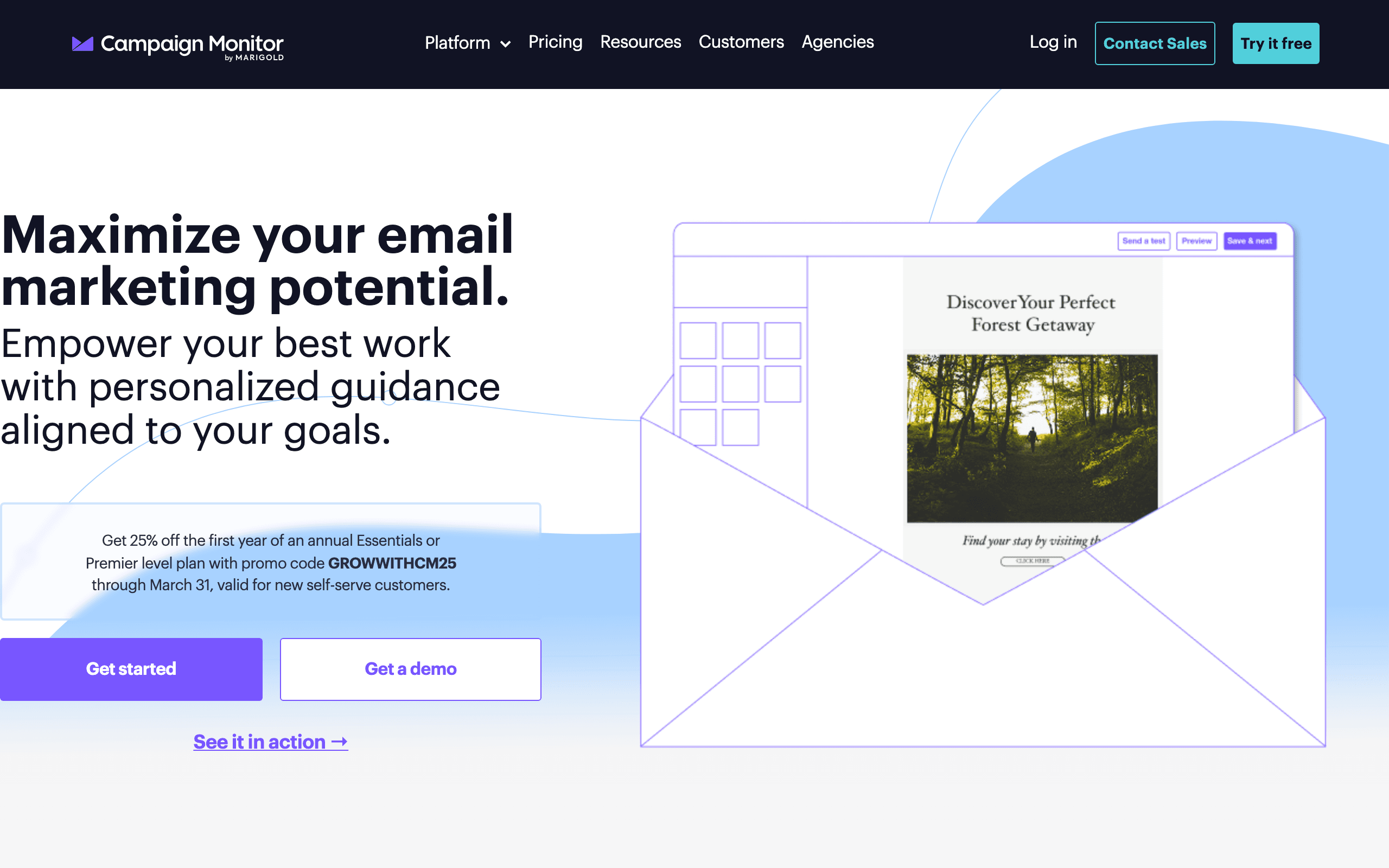
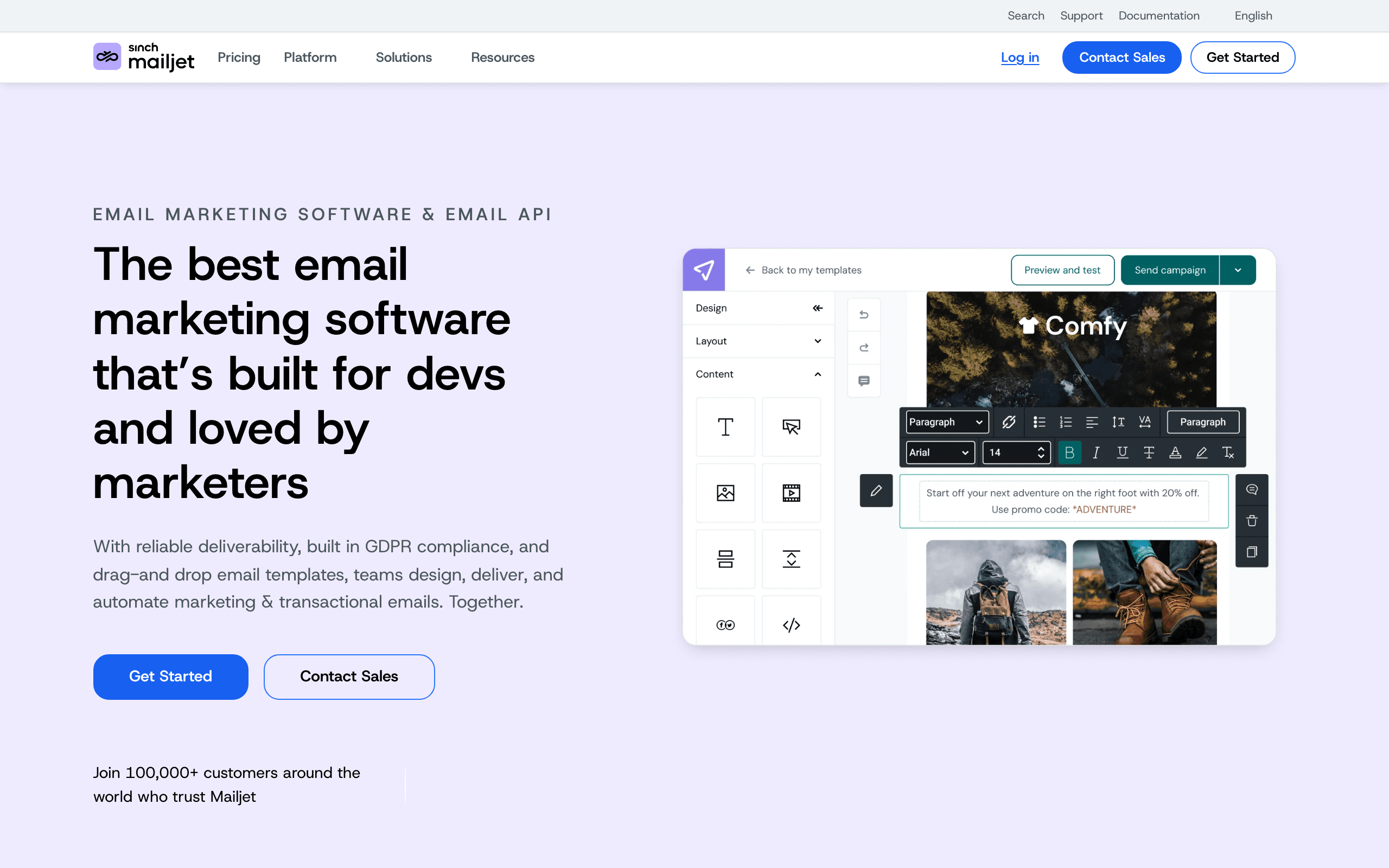
Campaign Monitor is the cleanest agency-style replacement when design control, client approvals, and polished templates matter. Mailjet is worth a look if collaborative editing is the bottleneck. If your agency mainly serves SaaS clients, Sequenzy can be a sharper recommendation because it gives clients lifecycle campaigns instead of another generic newsletter tool.
Best free or cheap Mailchimp alternative
MailerLite is a budget pick when you want a familiar editor, landing pages, and simple automations at a lower price. Sender and EmailOctopus are also worth considering if your main goal is reducing the bill rather than adding advanced features.
Best Mailchimp alternative for complex PLG products
Customer.io is the right pick if you have the engineering resources to set it up properly. It can trigger messages from product behavior, not just list membership or campaign schedules. For PLG teams, that difference is huge: the useful email is usually "you invited a teammate but they did not accept" or "you hit the usage limit," not "you joined List A five days ago."
Best Mailchimp alternative for newsletter businesses
Beehiiv has growth tools (referral programs, ad network, paid subscriptions, and SEO-friendly archives) that Mailchimp does not really try to match. Use it when the newsletter is the product. If the newsletter supports a broader SaaS, e-commerce, or creator business, choose the platform that matches that business model instead.
Best Mailchimp alternative for beautiful emails and simple setup
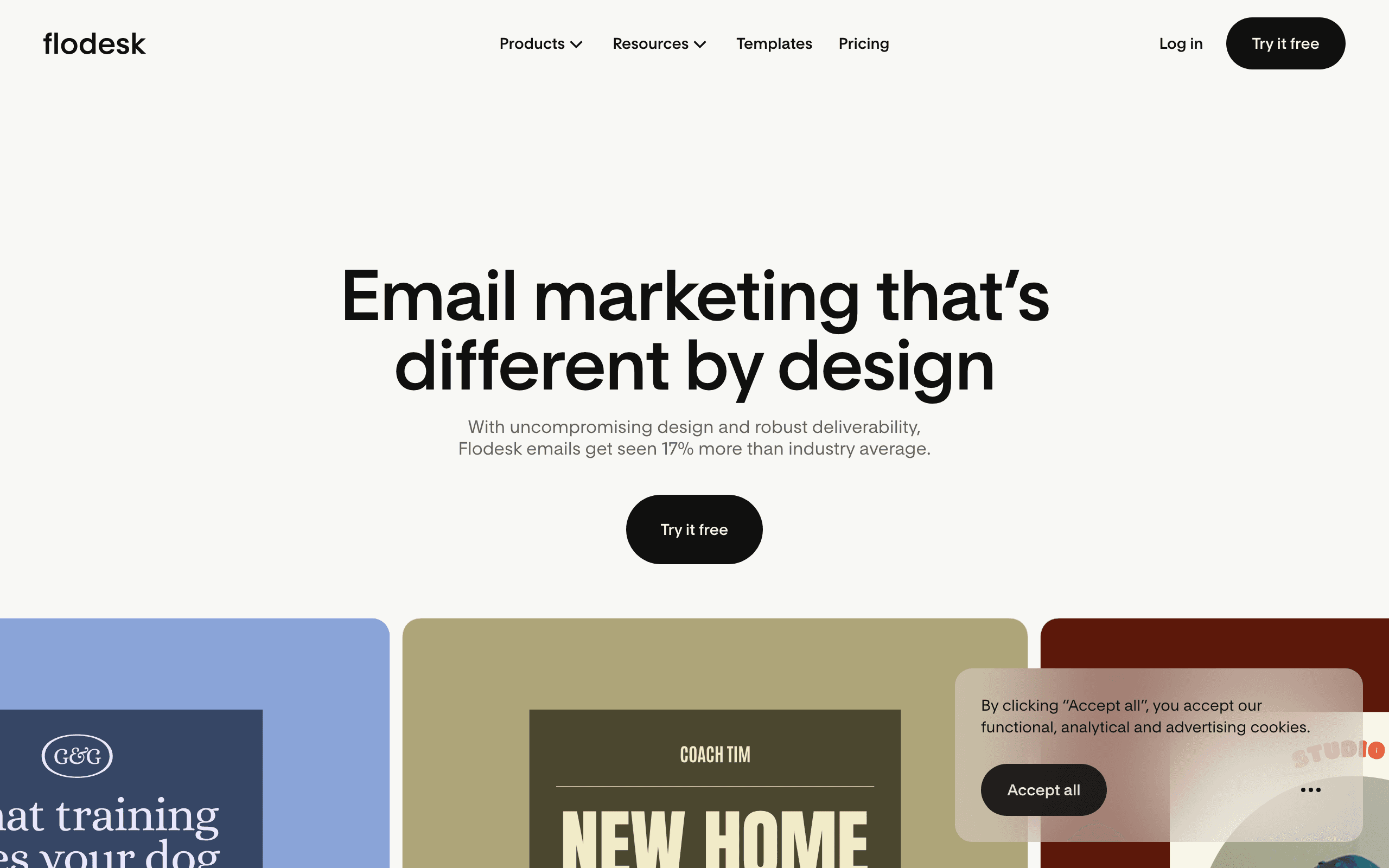
Flodesk is the design-forward option with flat-rate pricing, so you never stress about list growth. It is not the right tool for advanced segmentation or developer workflows, but it is very good for coaches, photographers, designers, and small brands that want attractive campaigns without hiring someone to build templates.
What about deliverability?
Everyone asks this, so let's address it directly: deliverability depends way more on your practices than your platform.
That said, some platforms have better reputations because they're pickier about customers:
Best for transactional: Postmark (they literally reject people to keep reputation clean)
Best for marketing: Platforms that vet customers (Sequenzy manually approves everyone)
Riskier: Any platform that lets anyone sign up instantly without verification
The biggest factor? Your own list hygiene. Clean your list regularly with our email validator, remove bounces, make unsubscribing easy. Use our blacklist checker to monitor your domain. Set up proper SPF, DKIM, and DMARC authentication. Do that and you'll have good deliverability on any decent platform.









