Updated 2026-03-15

Best Email Marketing Tools for Platform SaaS

Communicate across your ecosystem. Onboard developers, alert on API usage, and engage partners at scale.

Platform SaaS companies have a communication challenge that most email tools were never designed for. You are not just emailing end users. You are emailing developers who build on your API, partners who distribute through your ecosystem, and end users who consume the final product. Each audience needs different triggers, different content, and different timing. A developer hitting a rate limit needs an instant alert. A partner launching a new integration needs a co-marketing email. An end user needs onboarding specific to the app they are using. Here are the tools that handle platform complexity best.

TL;DR

Sequenzy is the best fit for most platform SaaS companies because its event-driven triggers and native Stripe integration handle developer onboarding, API usage alerts, and billing lifecycle automatically. For large platforms with complex multi-tenant needs and bigger budgets, Customer.io offers the most advanced multi-audience segmentation.

Why Platform SaaS Needs Email Marketing

Developer Onboarding at Scale

Your platform lives or dies by developer adoption. A well-structured onboarding sequence guides developers from API key generation through their first successful integration, reducing the drop-off that kills platform growth.

API Usage Alerts and Billing

Developers need real-time awareness of their API consumption. Automated emails for rate limit warnings, usage threshold alerts, and billing notifications prevent surprises and build trust in your platform.

Ecosystem Partner Communication

Partners building on your platform need updates about API changes, deprecations, new capabilities, and co-marketing opportunities. Segmented communication keeps partners informed without overwhelming individual developers.

Multi-Tenant End User Engagement

End users interact with your platform through partner apps. Email helps with cross-app discovery, platform-level notifications, and engagement that benefits the whole ecosystem.

Platform SaaS Email Marketing Benchmarks

Know these numbers before you start. They'll help you set realistic goals and pick the right tool.

25-35%
Average Open Rate

Developer-focused emails tend to have higher open rates than typical marketing emails because the content is immediately actionable - API alerts, usage stats, and technical updates.

4-8%
Average Click Rate

API documentation links, usage dashboards, and upgrade paths drive strong click rates when triggered by relevant events.

Tuesday-Thursday, 10 AM (developer local time)
Best Send Time

Developers engage with platform emails during working hours. Usage alerts should be sent immediately regardless of time.

30-50% with onboarding sequence
Developer Activation Rate

Platforms with a structured developer onboarding email sequence see 3-5x higher first-API-call rates compared to platforms that just send a welcome email with API docs.

Important Tips Before You Choose

Lessons from platform saaswho've been doing this for years. Save yourself the trial and error.

Run Separate Onboarding Sequences for Developers, Partners, and End Users

A developer who just registered for API access needs code examples and SDK docs. A partner who just signed up for your marketplace needs co-marketing guidelines. An end user needs app-specific setup help. Never send the same onboarding email to all three.

Trigger API Usage Alerts at 80% and 95% Thresholds

Developers hate surprises. An alert at 80% of their rate limit gives them time to optimize or upgrade. An alert at 95% gives them time to prevent service disruption. Include their current usage stats and a one-click upgrade path.

Send API Deprecation Notices 90 Days in Advance

Breaking API changes require long lead times. Send the first notice 90 days before deprecation, follow up at 60, 30, and 7 days. Only email developers who actually use the affected endpoints - do not flood everyone.

Celebrate Partner Milestones to Drive Deeper Engagement

When a partner's integration reaches 100 installs, or 1,000, send a congratulatory email with usage analytics and suggestions for growth. These milestone emails drive partners to invest more deeply in your platform.

Use Event-Driven Triggers, Not Calendar-Based Campaigns

Platform communication should be triggered by events - API key creation, first successful API call, usage threshold crossed, integration published - not by arbitrary calendar dates. Choose tools with robust event pipeline support.

19 Best Email Marketing Tools for Platform SaaS

#ToolDescriptionBest ForPricing
1SequenzyEmail marketing with native payment integrations and event-driven automation for platform businesses.Platform SaaS wanting event-driven automation across developers, partners, and usersFree up to 2,500 emails/mo, then $19/mo (unlimited contacts)
2Customer.ioPowerful event-driven messaging platform for multi-audience communication.Funded platform companies with complex multi-audience automation$100/month for 5,000 profiles
3LoopsModern email platform for SaaS with clean event-based automations.Platform SaaS wanting clean automation without enterprise complexityFree up to 1,000 contacts, then $49/month
4SendGridHigh-volume email infrastructure from Twilio.High-volume platforms needing reliable email infrastructureFree for 100 emails/day, plans from $19.95/month
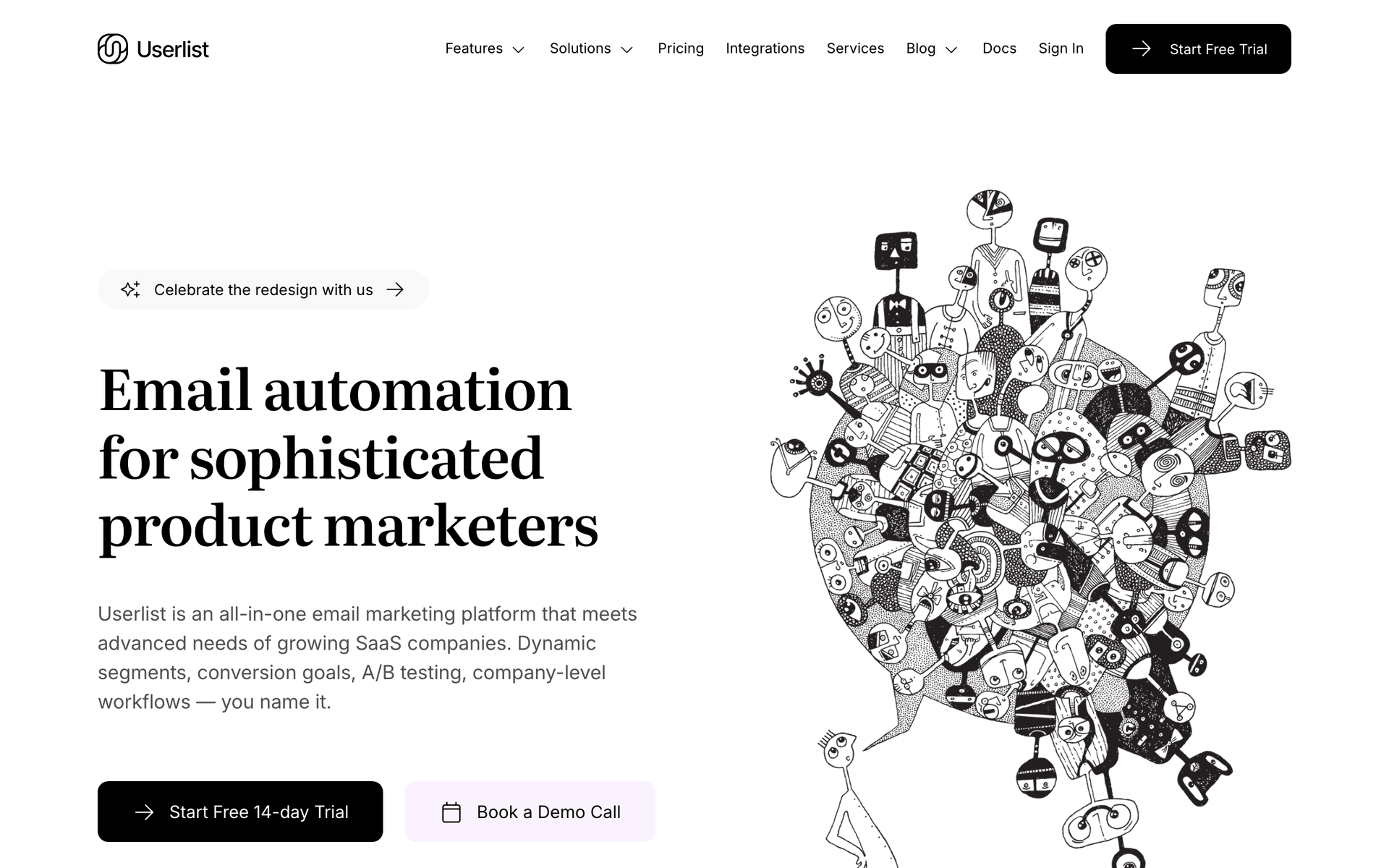
5UserlistEmail automation for SaaS with company-level tracking.B2B platforms selling to organizations and teams$149/month for 5,000 users
6ResendDeveloper-first email API with React Email templates.Platform engineering teams building email infrastructure in codeFree for 3,000 emails/month, then $20/month
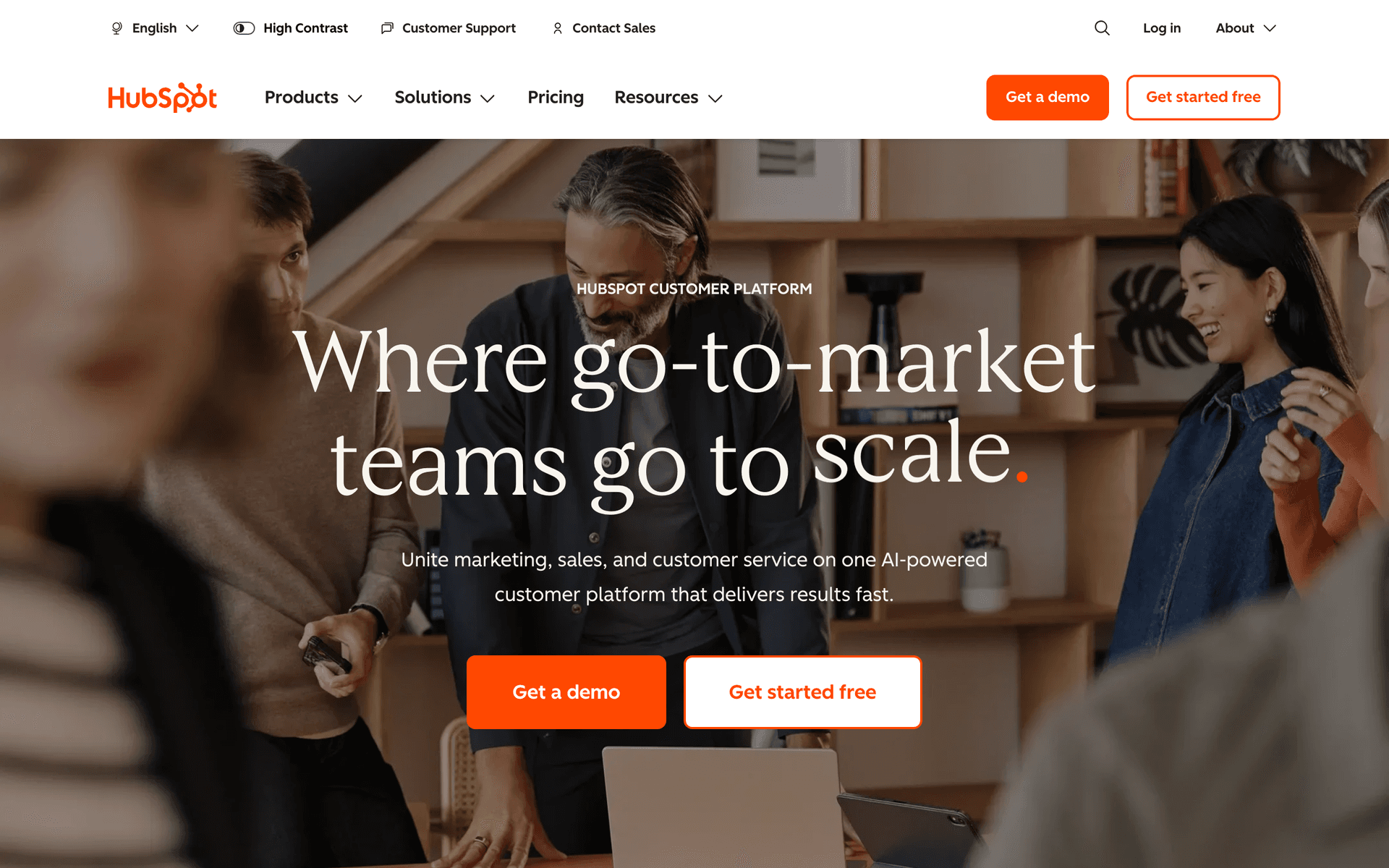
7HubSpotEnterprise CRM and marketing platform.Enterprise platforms with formal partner programs and sales teamsFree CRM, marketing hub from $50/month
8Customer.ioEvent-driven messaging for complex platform ecosystem communication.Platform SaaS coordinating multi-stakeholder communication across customers, developers, and admins$100/month base, scales with profiles
9LoopsModern product email with clean event-driven platform workflows.Growth-stage platform SaaS wanting clean multi-stakeholder email without platform complexityFree tier available, paid from $49/month
10ResendDeveloper-first email API ideal for platform ecosystem notification.Technical platform SaaS engineering teams building notification emails as core platform infrastructureFree for 3,000 emails/month, then $20/month
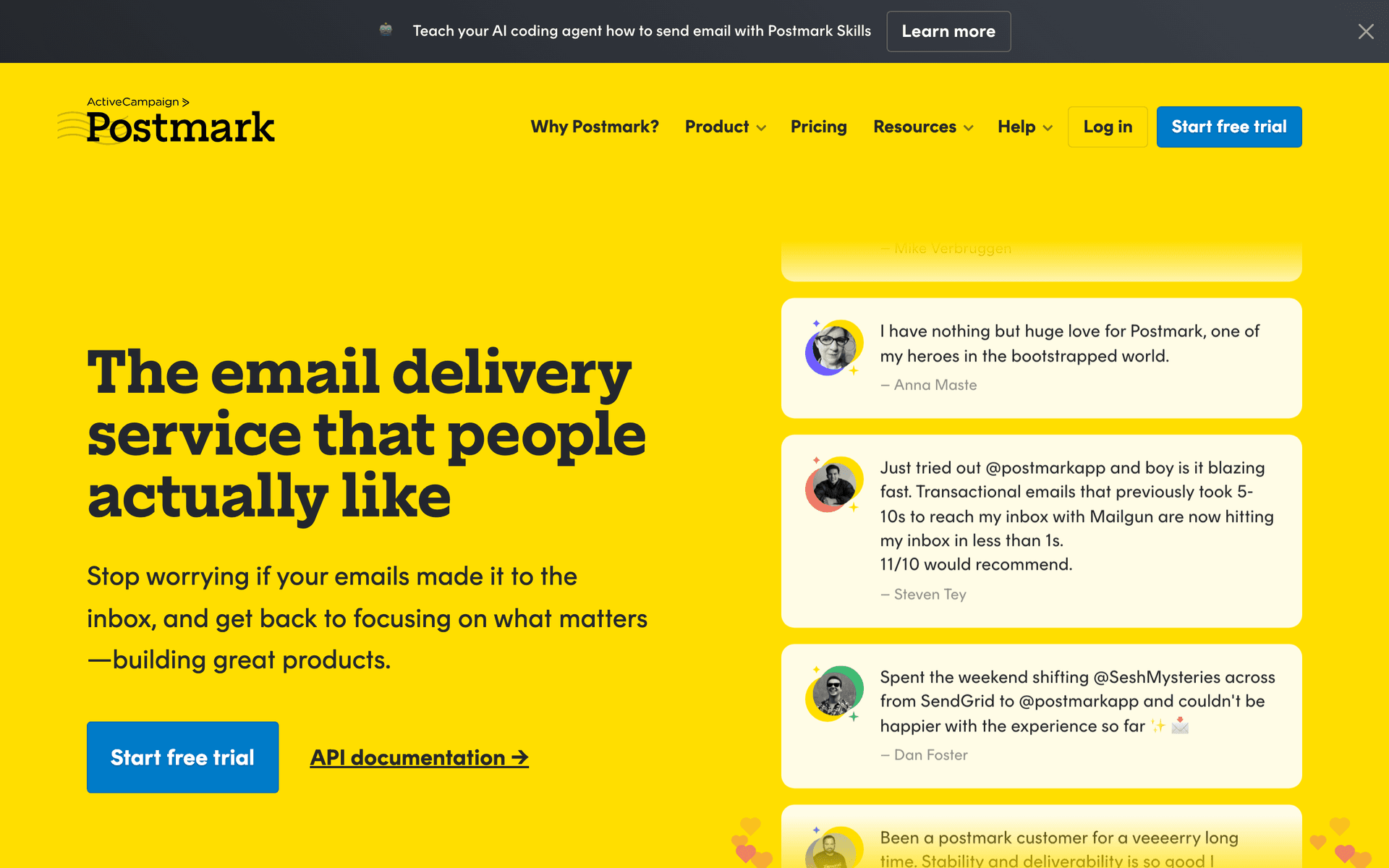
11PostmarkTransactional email for reliable platform-critical notifications.Platform SaaS needing reliable delivery for operational and security-critical notificationsFrom $15/month for 10,000 emails
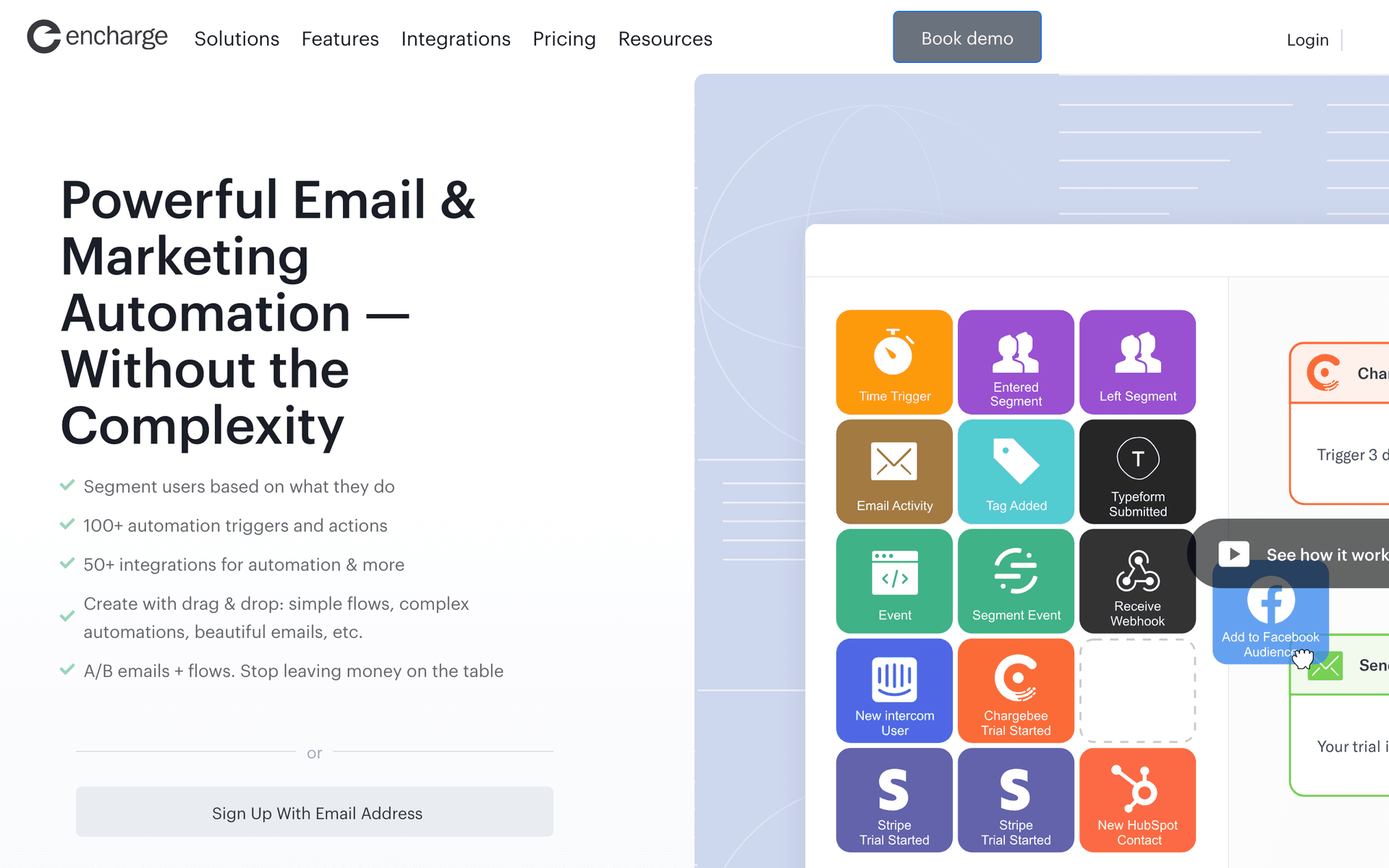
12EnchargeSaaS marketing automation for platform lifecycle sequences.Mid-stage platform SaaS managing separate lifecycle sequences for multiple stakeholder typesFrom $79/month for 2,000 subscribers
13UserlistEmail automation for B2B SaaS with company-level tracking.B2B platform SaaS managing customer organizations with company-level platform adoption trackingFrom $149/month for up to 5,000 users
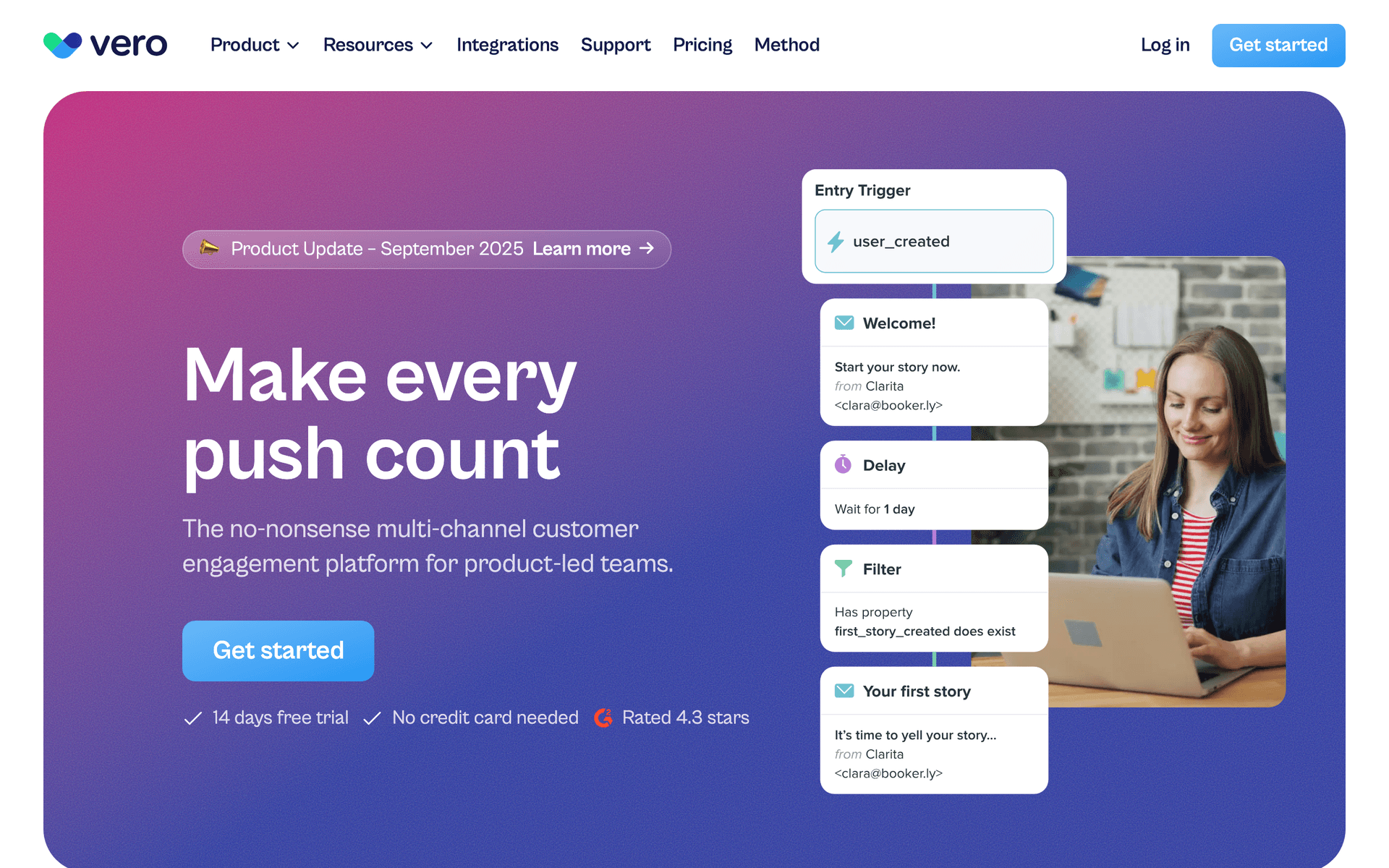
14VeroBehavioral email with API-driven personalization for platform communication.Platform SaaS wanting live usage data injected into personalized developer and customer emailsFrom $99/month
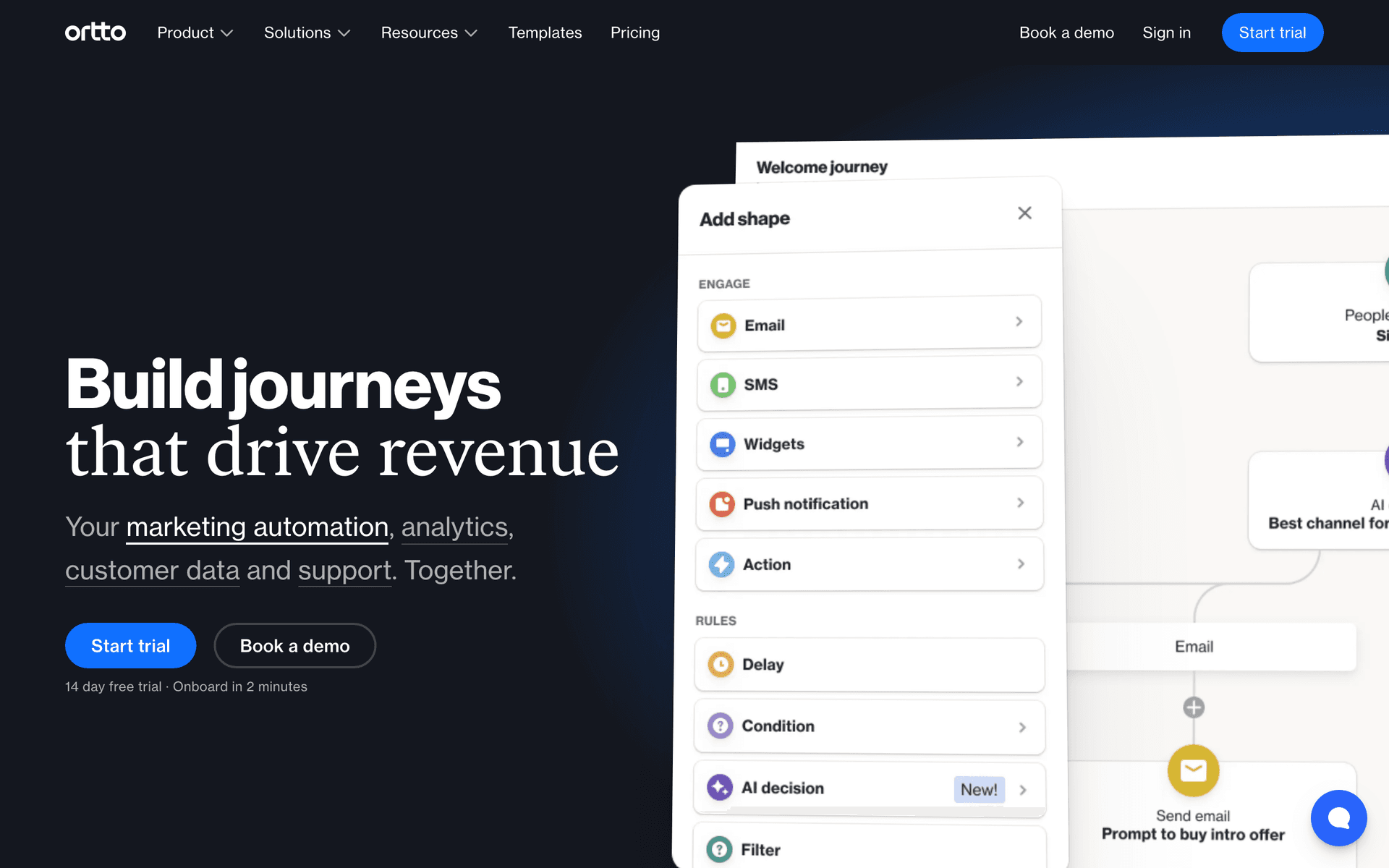
15OrttoCDP with marketing automation for data-driven platforms.Data-driven platform SaaS wanting unified multi-stakeholder analytics and lifecycle automationFrom $99/month
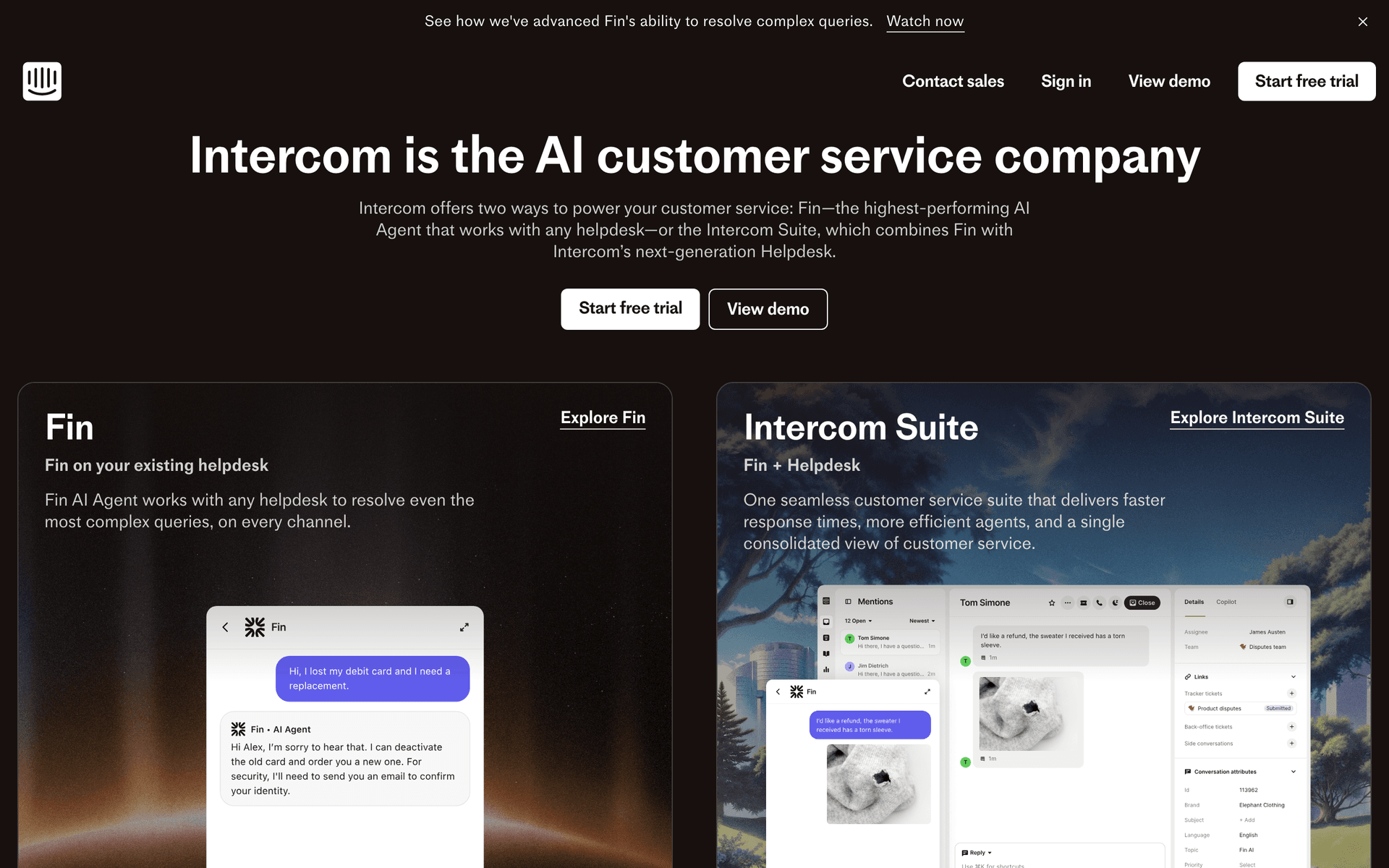
16IntercomCustomer messaging platform for developer support and lifecycle.Platform SaaS with active developer communities needing unified support and lifecycle messagingFrom $74/month, scales with seats
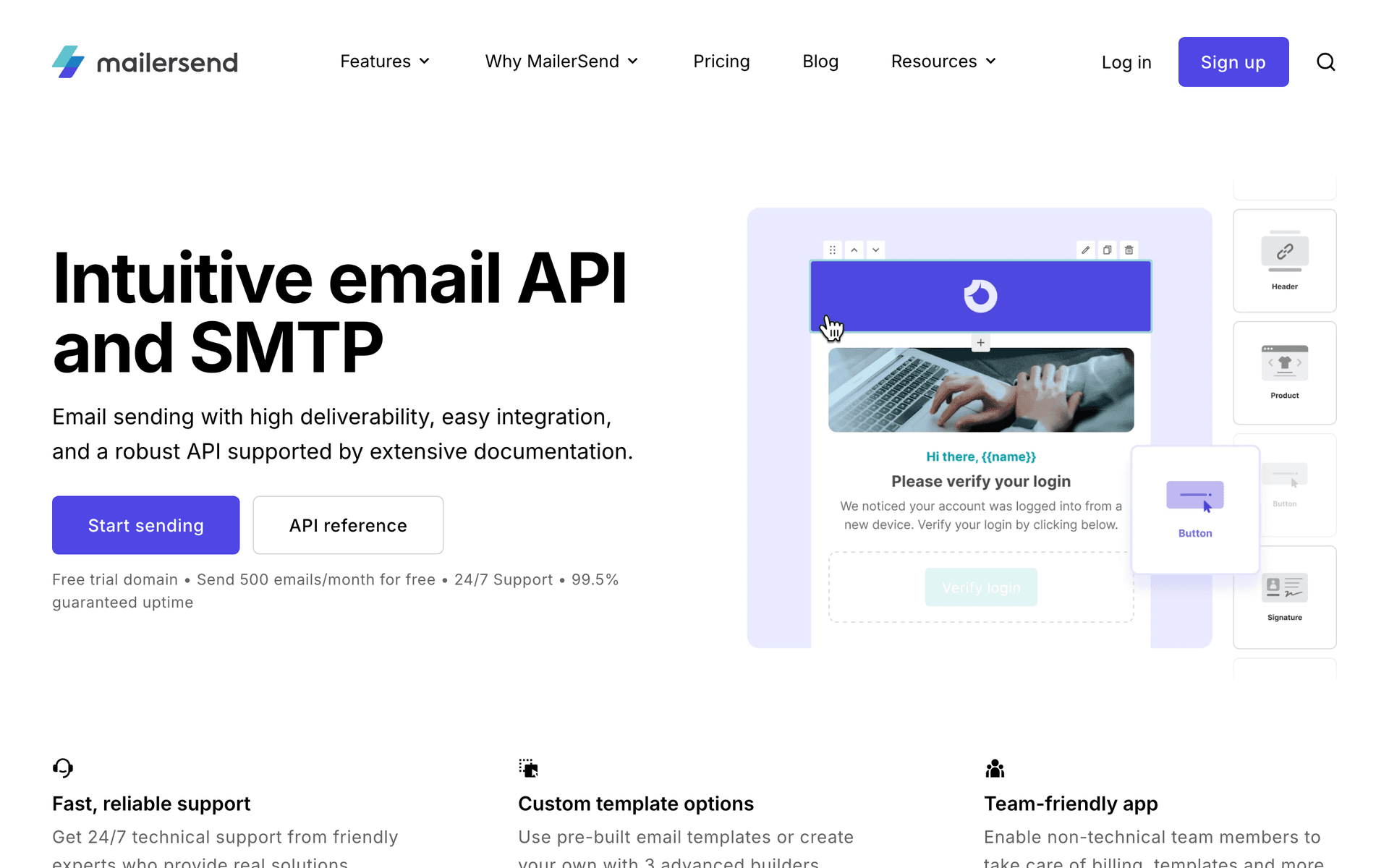
17MailerSendTransactional email API with competitive pricing.Early-stage platform SaaS needing affordable transactional notification email infrastructureFree for 3,000 emails/month, then $25/month
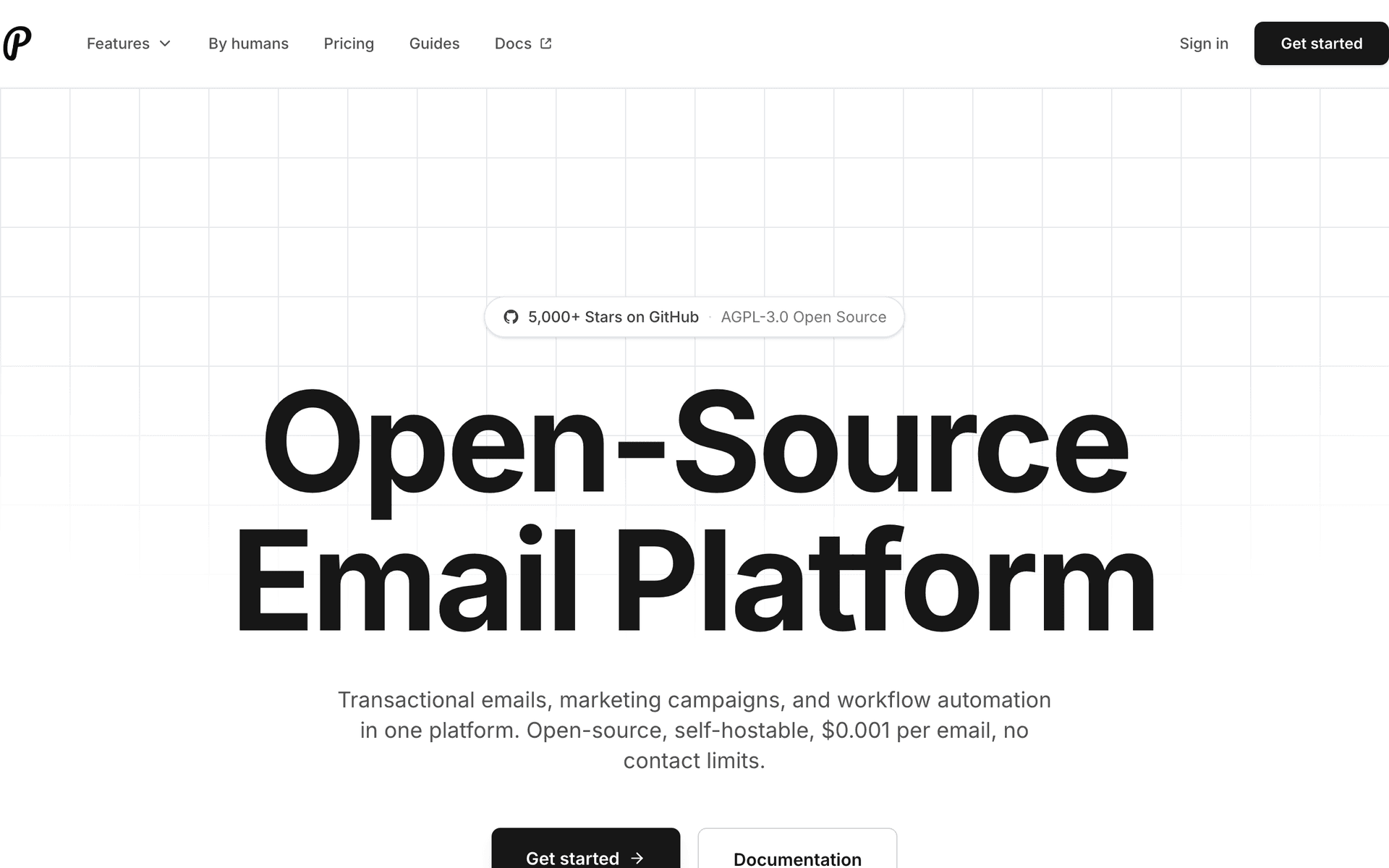
18PlunkOpen-source transactional and marketing email for developers.Developer-first platform SaaS wanting open-source email infrastructure consistent with their platform philosophyFree (open source), cloud plans from $20/month
19SendGridEmail infrastructure for high-volume platform notification sending.Platform SaaS at high notification volume already on SendGrid wanting to consolidate emailFree for 100 emails/day, paid from $19.95/month
Our Top Pick for Platform SaaS
#1
Sequenzy

Email marketing with native payment integrations and event-driven automation for platform businesses.

Visit
Sequenzy dashboard screenshot

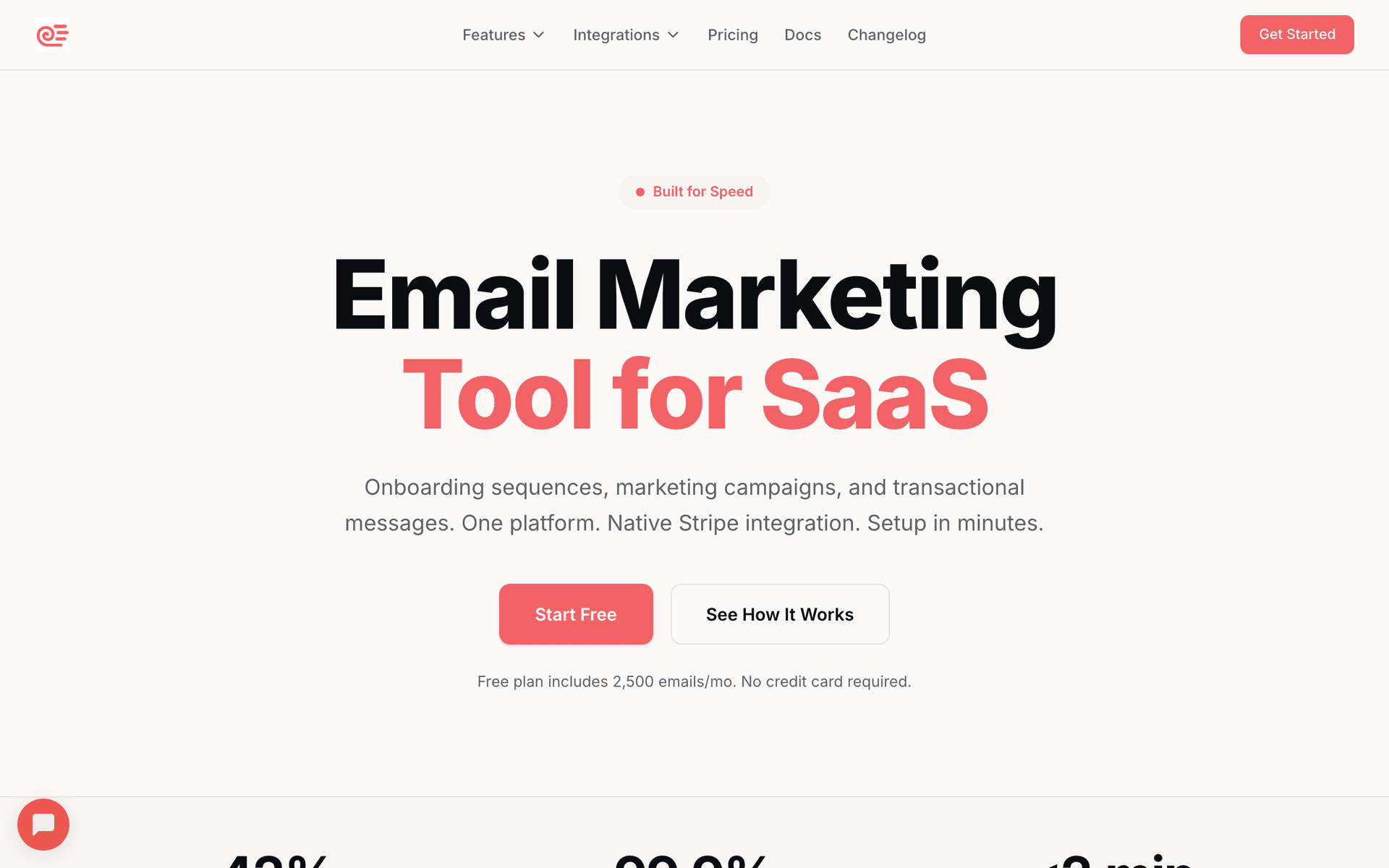
Sequenzy is the top pick for platform SaaS because it combines event-driven automation with native Stripe integration - the two things platform companies need most. When a developer registers for API access, that event triggers a developer onboarding sequence. When API usage crosses a threshold, Sequenzy fires a billing alert. When a partner publishes a new integration, you can trigger a co-marketing sequence. The native Stripe integration handles usage-based billing events automatically, which matters enormously for platforms with metered pricing. The free tier covers up to 2,500 emails per month, which is enough for early-stage platforms with a small developer community. The AI sequence builder generates separate flows for developers, partners, and end users in seconds. Pay-per-email pricing also aligns well with platforms that have large developer communities where most users are on free tiers - you only pay when you actually send.

Best for
Platform SaaS wanting event-driven automation across developers, partners, and users
Pricing
Free up to 2,500 emails/mo, then $19/mo (unlimited contacts)

Pros

  • Native Stripe integration handles usage-based billing events
  • Event-driven triggers for API usage alerts and developer milestones
  • AI sequence builder for separate developer and partner flows
  • Pay per email keeps costs low for large free-tier developer communities
  • Free tier for early-stage platforms

Cons

  • Newer platform with smaller community
  • No built-in in-app messaging for developer portals
  • Template library still growing
#2
Customer.io

Powerful event-driven messaging platform for multi-audience communication.

Visit
Customer.io dashboard screenshot

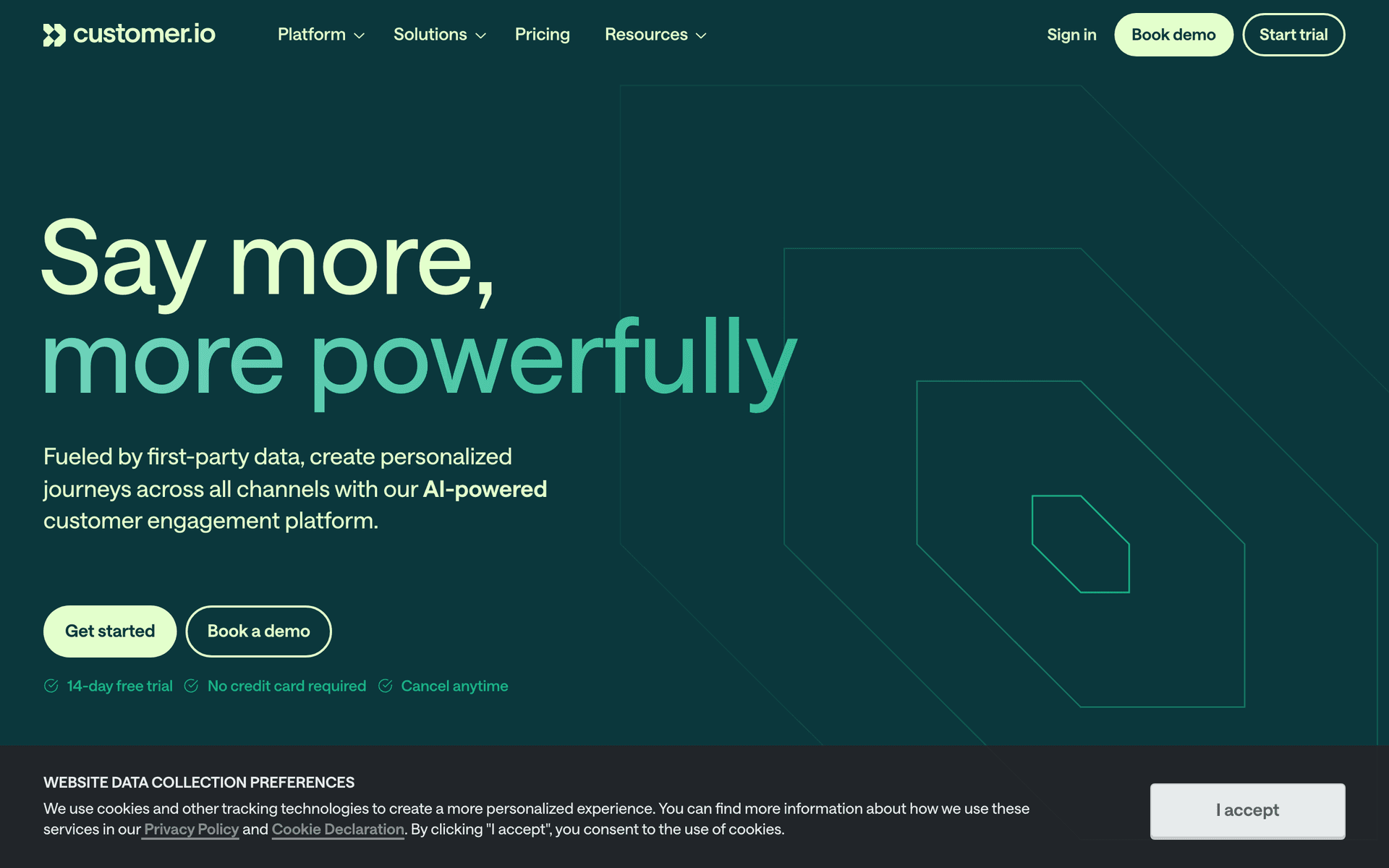
Customer.io is the most powerful option for platforms with complex multi-tenant communication needs. The event pipeline handles different audience types naturally - a single integration event can trigger emails to the developer who built it, the partner who sponsored it, and end users who might benefit. Segmentation is flexible enough to separate developers by tier, partners by integration type, and users by the apps they use. Multi-channel support covers email, push, and in-app messaging. The visual workflow builder with branching logic handles complex multi-audience flows that simpler tools cannot replicate. The $100/month starting price is the significant barrier, but for funded platform companies with established developer communities, the multi-audience capabilities justify the investment.

Best for
Funded platform companies with complex multi-audience automation
Pricing
$100/month for 5,000 profiles

Pros

  • Excellent multi-audience event pipeline
  • Advanced segmentation across audience types
  • Multi-channel messaging (email, push, in-app)
  • Visual workflow builder with branching logic

Cons

  • Expensive starting price
  • Complex to configure for multi-tenant use
  • No native payment provider integration
#3
Loops

Modern email platform for SaaS with clean event-based automations.

Visit
Loops dashboard screenshot

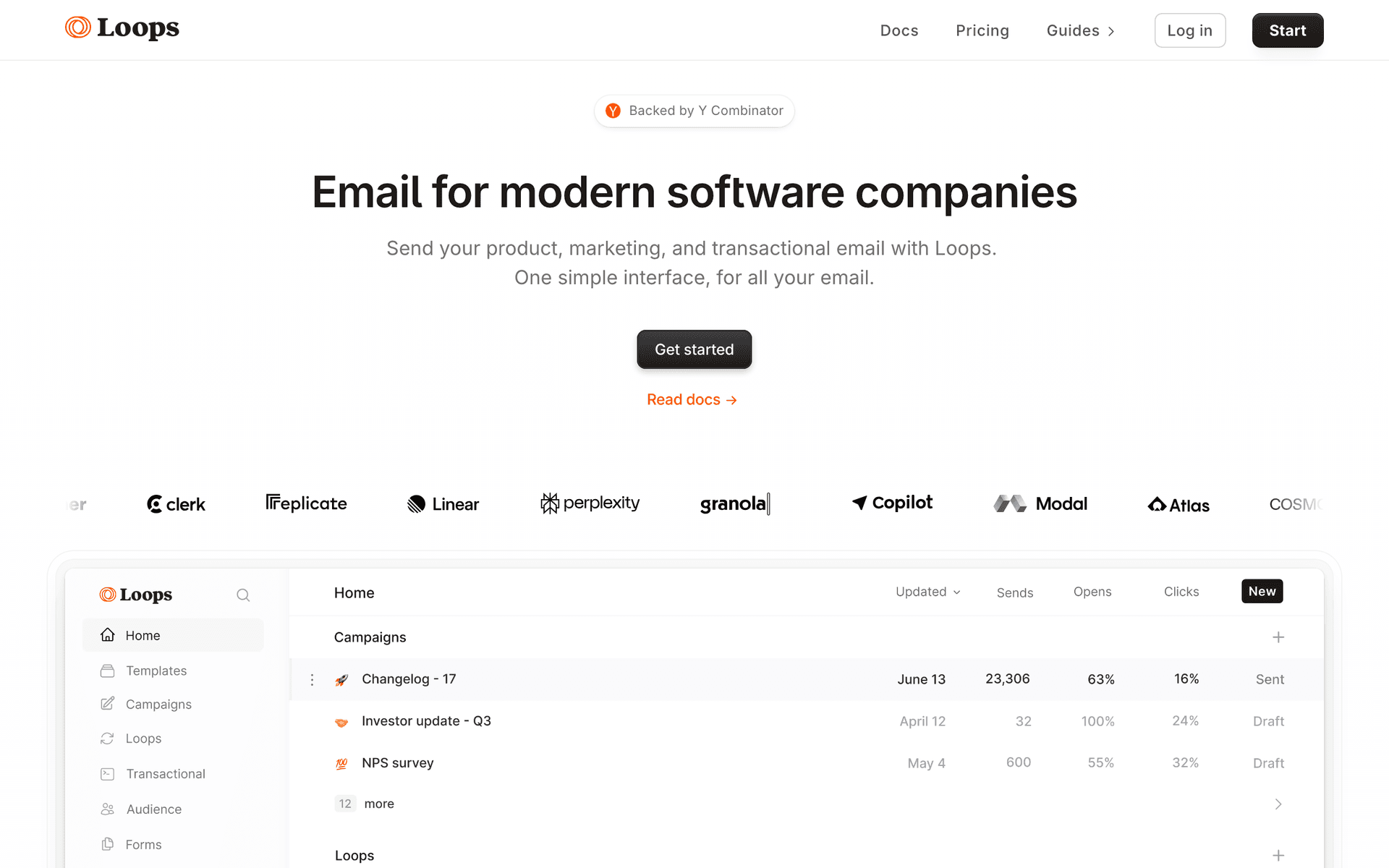
Loops offers a strong middle ground for platform SaaS that wants SaaS-native tooling without enterprise complexity. The event-based automations handle developer onboarding triggers and usage-based alerts cleanly. The modern interface means your growth team can build sequences without engineering help. Transactional and marketing emails live in one place, which simplifies platform communication. The free tier covers 1,000 contacts. Where Loops falls short for platforms is the lack of deep multi-tenant segmentation - you can segment by attributes, but modeling the developer-partner-user hierarchy requires extra work with custom properties. For platforms with simpler communication needs, Loops is an excellent choice.

Best for
Platform SaaS wanting clean automation without enterprise complexity
Pricing
Free up to 1,000 contacts, then $49/month

Pros

  • Clean modern interface
  • Event-based automations for API triggers
  • Combined transactional and marketing emails

Cons

  • Limited multi-tenant segmentation
  • Per-contact pricing adds up with large developer bases
  • No native payment integration
#4
SendGrid

High-volume email infrastructure from Twilio.

Visit
SendGrid dashboard screenshot

For platforms sending millions of API-triggered emails per month, SendGrid handles the volume reliably. Rate limit alerts, usage digests, partner notifications, and ecosystem updates all flow through without delivery issues. The API is mature with SDKs in every language your platform developers might use - Ruby, Python, Go, Node, Java, and more. The marketing automation side is functional but dated. If you need both high-volume transactional emails (API alerts, billing) and sophisticated marketing automation (partner nurture, developer engagement), you might need to pair SendGrid for delivery with a marketing tool like Sequenzy or Loops for automation. Many large platforms end up with this split architecture.

Best for
High-volume platforms needing reliable email infrastructure
Pricing
Free for 100 emails/day, plans from $19.95/month

Pros

  • Handles massive email volumes reliably
  • Mature API with comprehensive SDKs
  • Good deliverability tools and analytics

Cons

  • Dated marketing automation features
  • Complex pricing at scale
  • Not designed for multi-audience lifecycle marketing
#5
Userlist

Email automation for SaaS with company-level tracking.

Visit
Userlist dashboard screenshot

Userlist brings something unique for platform SaaS: company-level tracking. For platforms where developers belong to organizations, Userlist can trigger emails based on company behavior, not just individual actions. When an organization's API usage spikes, when a partner company adds more developers, or when a company's trial ends, Userlist handles it. The SaaS focus means it understands platform lifecycle patterns out of the box. At $149/month for 5,000 users, it is not cheap, but the company-level tracking is genuinely valuable for B2B platforms where the buying unit is a team, not an individual developer.

Best for
B2B platforms selling to organizations and teams
Pricing
$149/month for 5,000 users

Pros

  • Company-level tracking for B2B platforms
  • SaaS-specific automation patterns
  • Behavior-based segmentation

Cons

  • Higher starting price
  • Smaller ecosystem and community
  • Limited to email channel
#6
Resend

Developer-first email API with React Email templates.

Visit
Resend dashboard screenshot

Resend is the natural choice for platform engineering teams that want to own email infrastructure in code. React Email lets you build API alert templates and developer onboarding emails as React components - your email templates live in your codebase alongside your platform code. The API is clean, well-documented, and predictable. The free tier covers 3,000 emails per month. The critical limitation is that Resend is transactional only - no marketing automation, no sequence builder, no segmentation. For platforms that need both transactional alerts and lifecycle marketing, you will need Resend plus a second tool for partner nurture campaigns and ecosystem marketing.

Best for
Platform engineering teams building email infrastructure in code
Pricing
Free for 3,000 emails/month, then $20/month

Pros

  • Excellent developer experience
  • React Email for code-based templates
  • Clean API with great documentation

Cons

  • No marketing automation or sequences
  • No segmentation or audience management
  • Requires a separate marketing tool
#7
HubSpot

Enterprise CRM and marketing platform.

Visit
HubSpot dashboard screenshot

HubSpot makes sense for platform SaaS companies that have outgrown developer-led growth and now have a formal partner program with sales teams managing relationships. The CRM tracks partner deals through a pipeline, the marketing hub automates ecosystem communications, and comprehensive reporting ties everything together. For most platform companies - especially those still in the developer-led growth phase - HubSpot is overkill and the wrong paradigm. The pricing escalates fast ($50/month for basics, realistically $200+/month for useful features), and the developer experience is not great. Consider it only when you have dedicated partner managers, a marketing team, and a sales-assisted motion.

Best for
Enterprise platforms with formal partner programs and sales teams
Pricing
Free CRM, marketing hub from $50/month

Pros

  • Complete CRM for partner relationship management
  • Powerful reporting across the ecosystem
  • Large integration ecosystem

Cons

  • Extremely expensive at scale
  • Not built for developer audiences
  • Overkill for developer-led growth platforms
#8
Customer.io

Event-driven messaging for complex platform ecosystem communication.

Visit
Customer.io dashboard screenshot

Platform SaaS managing both direct customers and ecosystem partners needs to coordinate communication across multiple audiences simultaneously. Customer.io's multi-audience event pipeline handles this: fire a platform event and route distinct emails to the developer who built the integration, the end-user who benefits from it, and the admin who manages the account. The flexibility to define custom objects and relationships means platform SaaS can model their ecosystem architecture in Customer.io's data model without compromise. For platform SaaS at significant scale with dedicated growth teams, Customer.io provides the depth the complexity demands.

Best for
Platform SaaS coordinating multi-stakeholder communication across customers, developers, and admins
Pricing
$100/month base, scales with profiles

Pros

  • Multi-audience event routing
  • Custom objects for platform modeling
  • Deep behavioral automation

Cons

  • Engineering investment required
  • Per-profile pricing
  • Complex to maintain
#9
Loops

Modern product email with clean event-driven platform workflows.

Visit
Loops dashboard screenshot

Platform SaaS teams that want to manage communication across platform stakeholders without enterprise complexity use Loops for clean event-driven email. Connect your platform events (new integration deployed, API rate limit approaching, partner activated) via API and Loops routes the right notification to the right audience. The unified approach means developer notification emails and end-customer lifecycle sequences flow from the same system. For platform SaaS in the growth stage where speed of execution matters, Loops avoids the configuration overhead of larger platforms.

Best for
Growth-stage platform SaaS wanting clean multi-stakeholder email without platform complexity
Pricing
Free tier available, paid from $49/month

Pros

  • Clean event routing across stakeholders
  • Fast to set up new platform notifications
  • Unified transactional and lifecycle

Cons

  • Less advanced for complex ecosystem communication
  • Newer platform
  • Limited multi-tenant features
#10
Resend

Developer-first email API ideal for platform ecosystem notification.

Visit
Resend dashboard screenshot

Platform SaaS often has engineering teams building the core platform and wanting email notifications to be a first-class part of the platform architecture rather than a marketing afterthought. Resend's clean API makes email a code-level concern that engineers can integrate directly into platform events - API key creation notifications, webhook delivery failures, integration health alerts. React Email templates let engineering build platform-branded notification emails with dynamic data. For platform SaaS where the engineering team builds and owns the notification infrastructure, Resend fits the architecture naturally.

Best for
Technical platform SaaS engineering teams building notification emails as core platform infrastructure
Pricing
Free for 3,000 emails/month, then $20/month

Pros

  • Email as platform architecture
  • React Email for platform notifications
  • Clean integration with platform events

Cons

  • No lifecycle automation
  • Build-it-yourself approach
  • Not for non-technical teams
#11
Postmark

Transactional email for reliable platform-critical notifications.

Visit
Postmark dashboard screenshot

Platform SaaS sends high-stakes transactional emails - API key rotations, security alerts, rate limit warnings, billing notifications - that users depend on for platform management. Delayed or missed notifications in a platform context create operational risks for the businesses running on top of your infrastructure. Postmark's near-instant delivery and excellent deliverability ensure platform-critical emails arrive on time every time. The stream separation lets you isolate security notifications (highest priority) from billing reminders in separate delivery streams.

Best for
Platform SaaS needing reliable delivery for operational and security-critical notifications
Pricing
From $15/month for 10,000 emails

Pros

  • Near-instant delivery for platform alerts
  • Stream separation for priority management
  • Excellent for operational notifications

Cons

  • Transactional only
  • No partner or customer lifecycle automation
  • Need a second tool for marketing
#12
Encharge

SaaS marketing automation for platform lifecycle sequences.

Visit
Encharge dashboard screenshot

Platform SaaS in the mid stage uses Encharge for lifecycle automation targeting both direct customers and ecosystem partners without enterprise overhead. Developer onboarding sequences fire when a new API user activates, partner enablement flows trigger when a new integration partner joins the ecosystem, and customer lifecycle sequences handle adoption and expansion. The flow builder handles the distinct lifecycle patterns of different platform stakeholders at accessible pricing. For platform SaaS managing 3-4 distinct stakeholder types with separate email journeys, Encharge provides the segmentation depth needed.

Best for
Mid-stage platform SaaS managing separate lifecycle sequences for multiple stakeholder types
Pricing
From $79/month for 2,000 subscribers

Pros

  • Multi-stakeholder lifecycle automation
  • SaaS-specific features
  • Accessible pricing

Cons

  • Contact-based pricing
  • Less powerful than Customer.io
  • Fewer native integrations
#13
Userlist

Email automation for B2B SaaS with company-level tracking.

Visit
Userlist dashboard screenshot

Platform SaaS where customers are organizations using the platform (not individual consumers) benefits from Userlist's company-user data model for account-level platform lifecycle management. Track platform adoption at the company level - which accounts have integrated their most important workflows, which are under-utilizing the API - and trigger company-level sequences for expansion and health management. Individual user sequences handle developer onboarding within each customer company. For B2B platform SaaS managing hundreds of customer organizations, the account model provides clarity.

Best for
B2B platform SaaS managing customer organizations with company-level platform adoption tracking
Pricing
From $149/month for up to 5,000 users

Pros

  • Company-level platform adoption tracking
  • Account health-based sequences
  • Developer and admin level separation

Cons

  • Email only
  • Higher starting price
  • Less suited for consumer-facing platforms
#14
Vero

Behavioral email with API-driven personalization for platform communication.

Visit
Vero dashboard screenshot

Platform SaaS uses Vero's API-driven personalization to inject live platform usage data into emails - API call counts, active integrations, error rates, usage versus limit - making lifecycle emails feel like platform intelligence rather than generic marketing. A developer who receives an email showing their actual API usage trending toward the rate limit is more likely to upgrade than one who gets a generic 'you might be approaching your limit' message. Vero handles both the personalized platform lifecycle layer and regular ecosystem newsletters.

Best for
Platform SaaS wanting live usage data injected into personalized developer and customer emails
Pricing
From $99/month

Pros

  • Live platform usage data in emails
  • Developer-relevant personalization
  • Newsletter and lifecycle combined

Cons

  • Dated interface
  • Slower product development
  • Less modern than alternatives
#15
Ortto

CDP with marketing automation for data-driven platforms.

Visit
Ortto dashboard screenshot

Platform SaaS generates usage data from multiple stakeholder types that is hard to analyze without a proper data layer. Ortto's CDP unifies platform usage analytics from API consumers, integration partners, and end-customers, enabling platform teams to understand which usage patterns predict expansion and which predict churn. Journey automation fires based on platform behavioral signals for each stakeholder type. For platform SaaS investing in a data-driven ecosystem growth strategy, having the analytics and automation in one platform reduces the data engineering overhead.

Best for
Data-driven platform SaaS wanting unified multi-stakeholder analytics and lifecycle automation
Pricing
From $99/month

Pros

  • Multi-stakeholder usage analytics
  • Ecosystem growth insights
  • Journey automation from platform events

Cons

  • Complex setup
  • Higher cost
  • CDP work required
#16
Intercom

Customer messaging platform for developer support and lifecycle.

Visit
Intercom dashboard screenshot

Platform SaaS with active developer communities benefits from Intercom's combination of developer support and proactive lifecycle communication. The developer-facing inbox handles API questions, integration troubleshooting, and SDK issues while lifecycle email handles developer onboarding, API changelog notifications, and platform health alerts. For platform SaaS where developer support volume is high and the same team handles both support and developer marketing, Intercom's unified platform reduces operational complexity.

Best for
Platform SaaS with active developer communities needing unified support and lifecycle messaging
Pricing
From $74/month, scales with seats

Pros

  • Developer support and lifecycle combined
  • In-app messaging for platform guidance
  • Shared inbox for platform queries

Cons

  • Expensive
  • Email automation less advanced
  • Seat-based pricing scales quickly
#17
MailerSend

Transactional email API with competitive pricing.

Visit
MailerSend dashboard screenshot

Early-stage platform SaaS building their notification infrastructure affordably uses MailerSend for transactional platform alerts before volumes justify Postmark's premium. API key creation emails, integration activation confirmations, and platform status notifications flow through the clean API reliably. For platform SaaS in the first-year-of-growth phase where infrastructure costs need to remain lean, MailerSend provides solid transactional email delivery at a price that reflects the stage of the business.

Best for
Early-stage platform SaaS needing affordable transactional notification email infrastructure
Pricing
Free for 3,000 emails/month, then $25/month

Pros

  • Affordable platform notification email
  • Clean API
  • Good deliverability

Cons

  • Less proven at high platform volume
  • No lifecycle automation
  • Transactional focus
#18
Plunk

Open-source transactional and marketing email for developers.

Visit
Plunk dashboard screenshot

Platform SaaS with developer audiences and infrastructure ownership values sometimes chooses Plunk as an open-source email foundation that aligns with the developer ethos of building on open standards. Self-hostable and MIT licensed, Plunk handles transactional notification email and basic automation without vendor lock-in. For platform SaaS where the product itself is a developer infrastructure tool, using open-source email infrastructure demonstrates consistency with the values the platform promotes. Feature set is more limited than mature commercial alternatives.

Best for
Developer-first platform SaaS wanting open-source email infrastructure consistent with their platform philosophy
Pricing
Free (open source), cloud plans from $20/month

Pros

  • Open-source with no vendor lock-in
  • Aligns with developer-first platform values
  • Self-hostable

Cons

  • Less mature than commercial tools
  • Limited automation features
  • Requires technical setup
#19
SendGrid

Email infrastructure for high-volume platform notification sending.

Visit
SendGrid dashboard screenshot

Platform SaaS at scale generates high-volume notification email from platform events - API usage alerts, integration health notifications, billing events, and partner updates. SendGrid's infrastructure handles this volume reliably and the API is well-known in developer circles, making integration straightforward for platform engineering teams. For platform SaaS already using SendGrid and wanting to extend it to cover basic lifecycle marketing alongside transactional notifications, the consolidated approach avoids introducing a second email vendor in the early growth stage.

Best for
Platform SaaS at high notification volume already on SendGrid wanting to consolidate email
Pricing
Free for 100 emails/day, paid from $19.95/month

Pros

  • Handles high notification volume
  • Developer-familiar API
  • Consolidated transactional and basic marketing

Cons

  • Basic lifecycle automation
  • Less platform-specific features
  • Interface less modern

Feature Comparison

FeatureSequenzyCustomer.ioLoopsSendGrid
Event-driven API triggers
Yes
Advanced
Yes
API only
Native payment integration
Stripe, Paddle, Polar
No
No
No
Multi-tenant segmentation
Via attributes
Advanced
Basic
Basic
Developer onboarding sequences
AI-powered
Visual builder
Yes
No
Transactional emails
Yes
Yes
Yes
Yes
API quality
Excellent
Excellent
Good
Excellent
Free tier friendly
Free tier available
Per profile
Per contact
Per email
Starting price
$29/mo
$100/mo
$49/mo
$19.95/mo

Common Mistakes to Avoid

We see these mistakes over and over. Skip the learning curve and avoid these from day one.

Sending Platform-Level Emails That Should Come from Partners

End users often have a relationship with the partner app, not your platform directly. Sending platform-level marketing emails to end users who signed up through a partner app feels intrusive and confuses the brand relationship. Keep platform emails focused on infrastructure, security, and billing.

Using One Undifferentiated Email List for All Audiences

Developers, partners, and end users need fundamentally different communication. A changelog email that excites developers is meaningless to end users. Segment your audiences from day one.

Neglecting the Developer Onboarding Sequence

Every developer who signs up and fails to make a successful API call is a lost ecosystem node. The onboarding sequence from API key to first working integration is the single most important email flow for platform growth.

Over-Communicating API Changes That Affect No One

Not every API update warrants an email to every developer. Segment by actual endpoint usage and only notify developers who are affected by specific changes. Over-communication trains developers to ignore your emails.

Email Sequences Every Platform SaaS Needs

These are the essential automated email sequences that will help you grow your business and keep clients coming back.

Developer Onboarding Sequence

Developer registers for API access

Guide new developers from API key creation to their first successful platform integration.

Immediate
Your API key + quickstart guide

Welcome email with API credentials, a quickstart code snippet, and links to SDK documentation for their preferred language.

Day 1
Build your first integration in 10 minutes

Step-by-step tutorial for the most common integration pattern. Include a working code example they can copy and run.

Day 3
Your first API calls - here is your usage dashboard

Usage summary showing API calls made, endpoints used, and error rates. Suggest optimization tips and link to advanced documentation.

Day 7
How [Partner] built their integration (and got 10K users)

Case study from a successful platform partner. Show what is possible and link to the partner showcase program.

API Usage Alert Sequence

Developer reaches 80% of rate limit or quota

Alert developers about approaching usage limits and present upgrade options.

At 80% threshold
Heads up: you are at 80% of your API quota

Usage breakdown with current consumption, remaining quota, and projected overage. Link to upgrade options and optimization tips.

At 95% threshold
Your API quota is almost full

Urgent but helpful alert. Present top 3 optimization strategies and a one-click upgrade path to prevent service disruption.

On quota reset
Your API quota has been reset - last month in review

Monthly recap showing usage patterns, peak periods, and cost breakdown. Suggest the optimal plan based on actual usage.

Partner Ecosystem Engagement

Partner publishes integration or reaches milestone

Celebrate partner milestones and encourage deeper ecosystem involvement.

On integration publish
Your integration is live on the marketplace

Confirmation that their integration passed review and is now discoverable. Include tips for driving adoption and a link to the co-marketing toolkit.

At 100 installs
100 users are now using your integration

Milestone celebration with usage analytics. Suggest features that could drive more adoption and link to the partner growth program.

The Platform Communication Challenge

Running a platform SaaS means you are not just building a product. You are building an ecosystem. And ecosystems require communication across multiple layers: the developers who build integrations, the partners who distribute them, and the end users who benefit from it all.

Most email tools were built for a single audience. They assume you are emailing "your users" with a single onboarding flow and a single newsletter. Platform companies need to run parallel communication tracks, each with different triggers, different content, and different success metrics. A developer who just published an integration needs a very different email than an end user discovering that integration for the first time.

The tools that work best for platforms are the ones with strong event-driven automation and flexible segmentation. You need to trigger emails based on API events (rate limits, errors, usage milestones) and segment by audience type, not just by plan or signup date.

Choosing Between Single-Tool and Split Architecture

Many platform companies debate whether to use one email tool for everything or split transactional and marketing email. For most platforms under 100,000 monthly emails, a single tool like Sequenzy handles both effectively. For platforms at higher volume, a common pattern is Resend or SendGrid for high-volume transactional alerts plus Sequenzy or Loops for lifecycle marketing. The split adds complexity but provides better deliverability management at scale.

Developer Onboarding Is Your Growth Lever

The single most important email sequence for any platform SaaS is developer onboarding. Every developer who signs up and fails to build a working integration is a lost node in your ecosystem. Platforms that guide developers to their first successful API call within the first week retain them at 3-5x the rate of platforms that do not.

Your onboarding sequence should be technical, practical, and respectful of developer time. Send the API key immediately. Follow up with a working code example within 24 hours. Show their usage stats on day 3. Share a success story on day 7. Tools like Sequenzy let you build these sequences with AI and trigger them automatically from signup events, so you can focus on making the platform better instead of manually managing email campaigns.

Measuring Developer Onboarding Success

Track three metrics from your onboarding sequence: time to first API call, time to first working integration, and 30-day retention rate. Compare these metrics for developers who received your onboarding emails versus those who did not (or who did not open them). This data justifies further investment in your email program and identifies where developers get stuck.

Balancing Platform-Level and Partner-Level Communication

One of the trickiest parts of platform email marketing is deciding what gets communicated at the platform level versus what partners handle themselves. Platform-level emails (API changes, billing, security alerts) should come from you. Application-level emails (feature updates, user engagement) are often better coming from the partner.

The best approach is to give partners visibility into platform emails through your partner portal, and provide guidelines for when you will contact their end users directly. Keep platform emails focused on infrastructure, security, and billing. Let partners own the relationship with their end users for everything else.

Building a Partner Communication Playbook

Document which emails come from the platform and which come from partners. Share this playbook with every new partner during onboarding. Common platform-level emails include: API deprecation notices, security advisories, billing statements, and platform feature announcements. Common partner-level emails include: user onboarding for their specific app, feature updates, and engagement campaigns.

Common Platform Email Workflows

API Changelog Notifications

Send weekly or monthly digests of API changes. Segment by the endpoints each developer actually uses. Include code migration examples for breaking changes.

Usage-Based Billing Communication

For platforms with metered pricing, send monthly usage summaries before billing. Alert at 80% and 95% of quotas. Include optimization suggestions alongside upgrade paths.

Ecosystem Discovery

Send monthly "new on the platform" emails to end users highlighting recently published integrations. Personalize by the user's existing app usage patterns.

Partner Enablement

Monthly partner newsletter with platform roadmap updates, API improvements, marketing resources, and success stories from other partners.

What a Healthy Platform Email Program Looks Like

A well-run platform email program should have separate sequences for each audience type, event-driven triggers for all critical platform events, and segmentation that prevents cross-audience contamination. Developer emails should have 30%+ open rates. Partner emails should drive marketplace engagement. End user emails should respect the partner relationship.

The cost of your email infrastructure should scale with ecosystem growth. Pay-per-email models (Sequenzy) naturally accommodate platforms where most developers are on free tiers. Per-contact models (Loops, Customer.io) can become expensive as your developer community grows, even if most developers never generate revenue.

How We Evaluated These Tools

We evaluated these tools based on platform-specific requirements: event-driven automation for API triggers and usage alerts, multi-audience segmentation across developers, partners, and end users, transactional email support for billing and alerts, and API quality for integration with platform infrastructure.

Frequently Asked Questions

Ready to grow your platform saa practice?

Start your free trial today. Set up your first email sequence in minutes with AI-powered content generation.

Related Industries

Sequenzy - Complete Pricing Guide

Pricing Model

Sequenzy uses email-volume-based pricing. You only pay for emails you send. Unlimited contacts on all plans — storing subscribers is always free.

All Pricing Tiers

  • 2.5k emails/month: Free (Free annually)
  • 15k emails/month: $19/month ($205/year annually)
  • 60k emails/month: $29/month ($313/year annually)
  • 120k emails/month: $49/month ($529/year annually)
  • 300k emails/month: $99/month ($1069/year annually)
  • 600k emails/month: $199/month ($2149/year annually)
  • 1.2M emails/month: $349/month ($3769/year annually)
  • Unlimited emails/month: Custom pricing (Custom annually)

Yearly billing: All plans offer a 10% discount when billed annually.

Free Plan Features (2,500 emails/month)

  • Visual automation builder
  • Transactional email API
  • Reply tracking & team inbox
  • Goal tracking & revenue attribution
  • Dynamic segments
  • Payment integrations
  • API, MCP, and CLI access
  • Custom sending domain

Paid Plan Features (15k - 1.2M emails/month)

  • Visual automation builder
  • Transactional email API
  • Reply tracking & team inbox
  • Goal tracking & revenue attribution
  • Dynamic segments
  • Payment integrations (Stripe, Paddle, Lemon Squeezy)
  • API, MCP, and CLI access
  • Custom sending domain

Enterprise Plan Features (Unlimited emails)

  • Visual automation builder
  • Transactional email API
  • Reply tracking & team inbox
  • Goal tracking & revenue attribution
  • Dynamic segments
  • Payment integrations
  • API, MCP, and CLI access
  • Custom sending domain

Important Pricing Notes

  • You only pay for emails you send — unlimited contacts on all plans
  • No hidden fees - all features included in the price
  • No credit card required for free tier

Contact

  • Pricing Page: https://sequenzy.com/pricing
  • Sales: hello@sequenzy.com