Compare onsite performance recovery against simple email marketing
Wunderkind and Mailchimp serve very different levels of marketing maturity. Wunderkind is considered when a brand wants identity-led performance marketing: identifying site visitors, triggering messages, and measuring recovered revenue. Mailchimp is considered when a team wants accessible email marketing for newsletters, forms, templates, and basic automations.
This is not a question of which product has more buttons. It is a question of whether the site needs a performance layer or the team needs a simpler campaign tool.
Use-case table
| Use case | Better starting point | Why |
|---|---|---|
| Identify more visitors and trigger recovery messages | Wunderkind | Wunderkind is more relevant when anonymous traffic recovery is central to the business case. |
| Send newsletters and basic automations from a familiar tool | Mailchimp | Mailchimp is easier to adopt when email marketing needs are straightforward. |
| Brand wants vendor-managed performance tied to site behavior | Wunderkind | The value depends on identification, triggers, and measured incremental revenue. |
| Small team wants forms, templates, and regular campaign sending | Mailchimp | A general email tool is enough when the store is not buying identity technology. |
| Email automation plus transactionals and subscription lifecycle | Sequenzy | Sequenzy fits when Mailchimp is too general but Wunderkind is more performance layer than needed. |
Where Wunderkind is stronger
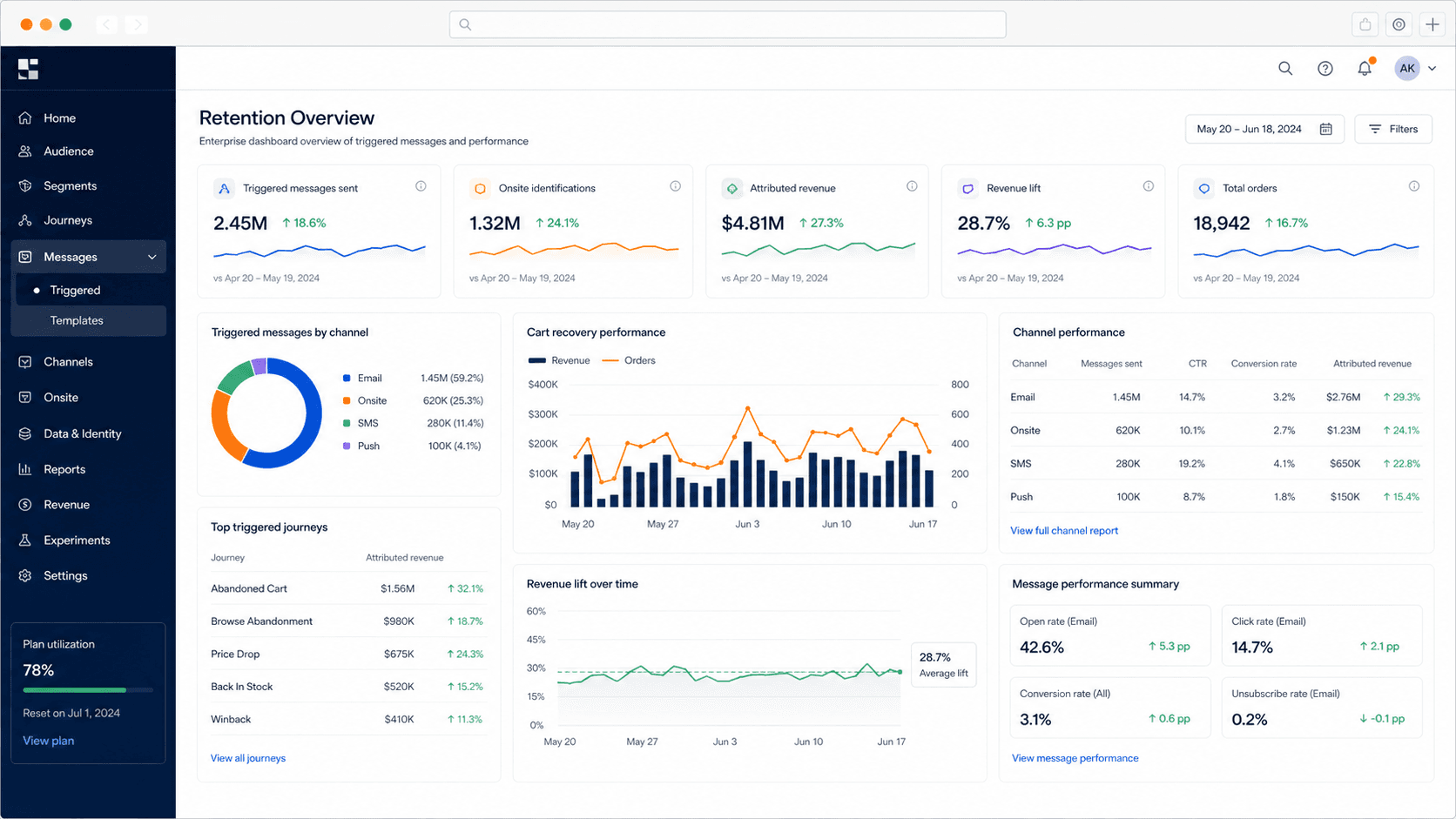
Wunderkind is stronger when the business has meaningful site traffic and wants to recover more revenue from visitors who are not reached by ordinary email flows. Its value should be evaluated through consent handling, identity logic, triggered messages, and incrementality.
It is not a replacement for every day-to-day email marketing workflow. Many teams still need a campaign platform alongside or instead of a performance layer.
Where Mailchimp is stronger
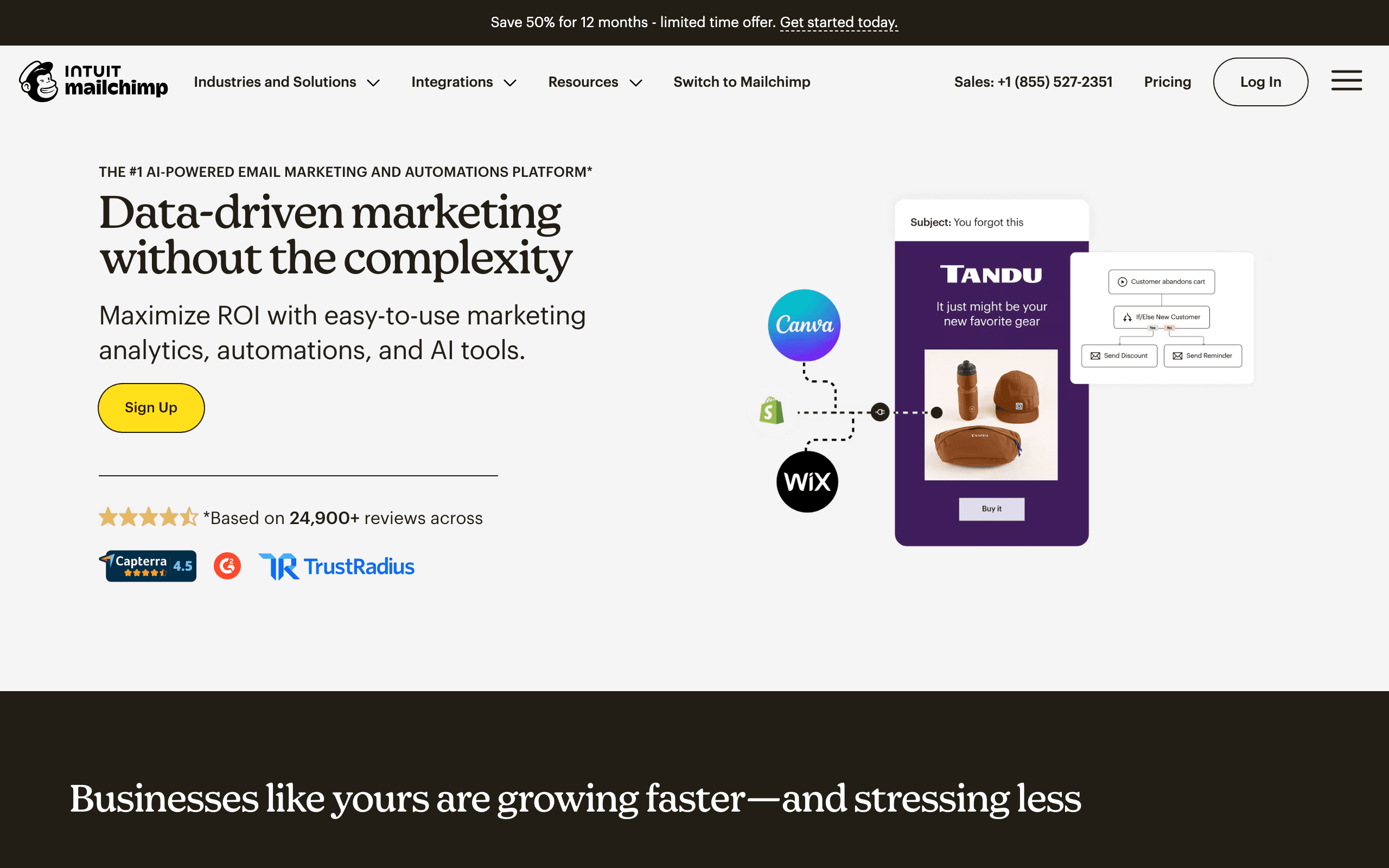
Mailchimp is stronger when the team wants a familiar place to build campaigns, templates, signup forms, and basic automations. It is a more practical option for small teams that do not need a specialist identity-led recovery program.
Before moving from Wunderkind to Mailchimp, confirm whether the site-triggered revenue Wunderkind drives can be replaced by ordinary automations.
Migration checklist
- Inventory which messages are identity-triggered versus ordinary email campaigns.
- Export Mailchimp-ready subscribers, unsubscribes, suppression rules, templates, and segments.
- Confirm whether any Wunderkind identity or trigger data can be replicated elsewhere.
- Rebuild newsletters and lifecycle flows before turning off revenue-critical site triggers.
- Compare recovered revenue with an incrementality method, not only attributed revenue.
Buying questions to ask
- Is the brand solving anonymous visitor recovery or campaign creation?
- What revenue is proven incremental?
- Who controls trigger rules, suppression, creative, and cadence?
- Can Mailchimp cover the same site-triggered moments?
- What happens to consent and identity data if Wunderkind is removed?
Where Sequenzy fits
Sequenzy is the focused email alternative when the team needs Shopify/WooCommerce automations, newsletters, transactional email, and Stripe-aware lifecycle messages without a dedicated identity-recovery platform.
Pricing reality
Wunderkind is quote-based and tied to identity-led ecommerce recovery. Mailchimp should be priced from the exact plan, contact tier, automations, and add-ons your team needs.
Review signals
Wunderkind's review themes center on its onsite identification technology and triggered email and text programs, strong for enterprise retailers running large cart-recovery and performance-based campaigns, alongside notes about setup effort and pricing that require direct comparison against your usage. Mailchimp's themes focus more on everyday campaign work, its broad integrations, and general usability, with the same caution to verify advanced features and pricing against what your team actually needs before committing to either platform.
Use-case matchups
| Situation | Best first look | Why |
|---|---|---|
| Enterprise ecommerce brand wants identity capture and triggered revenue programs | Wunderkind | Wunderkind is the baseline here when anonymous visitor identification, onsite capture, triggered email, and managed ecommerce revenue programs are central. |
| Team wants general-purpose email marketing | Mailchimp | Mailchimp deserves the first demo when that specialist capability matters more than Wunderkind's identity-led ecommerce model. |
| Store or SaaS team wants simpler lifecycle and transactional email | Sequenzy | Sequenzy is more relevant when email automation and transactional messages matter more than enterprise identity resolution. |
| Team needs a managed service motion | Wunderkind | Wunderkind should be evaluated when services, strategy, and performance programs are part of the buying case. |
| Team wants software-first control | Mailchimp | Mailchimp is usually the better first look if the team wants to own configuration and day-to-day execution internally. |
Best Fit by Email Marketing Maturity
Best identity-led revenue partner for enterprise ecommerce brands
Wunderkind fits larger ecommerce teams that need managed visitor identification, onsite capture, and triggered revenue programs.
Best email marketing platform for general-purpose campaigns
Mailchimp is the better fit when newsletters, templates, audiences, landing pages, and familiar campaign workflows matter more than enterprise ecommerce identity recovery.
Best email platform for focused lifecycle and transactionals
Sequenzy fits when the team needs ecommerce or SaaS lifecycle email plus transactional messages without Mailchimp's broad toolkit or Wunderkind's managed model.
Decision checklist
- Is the team buying identity-led managed ecommerce growth from Wunderkind, or a configurable marketing platform like Mailchimp?
- Does Mailchimp's strength in general-purpose email marketing matter more than Wunderkind's onsite identity and triggered revenue model?
- Which vendor can prove incrementality and attribution using the team's actual ecommerce data?
- Are Wunderkind's custom pricing, services scope, and implementation responsibilities spelled out clearly before signing?
- Would a simpler email product like Sequenzy cover the current lifecycle and transactional needs without Wunderkind's enterprise identity tooling?