Compare identity-led recovery against native Shopify email
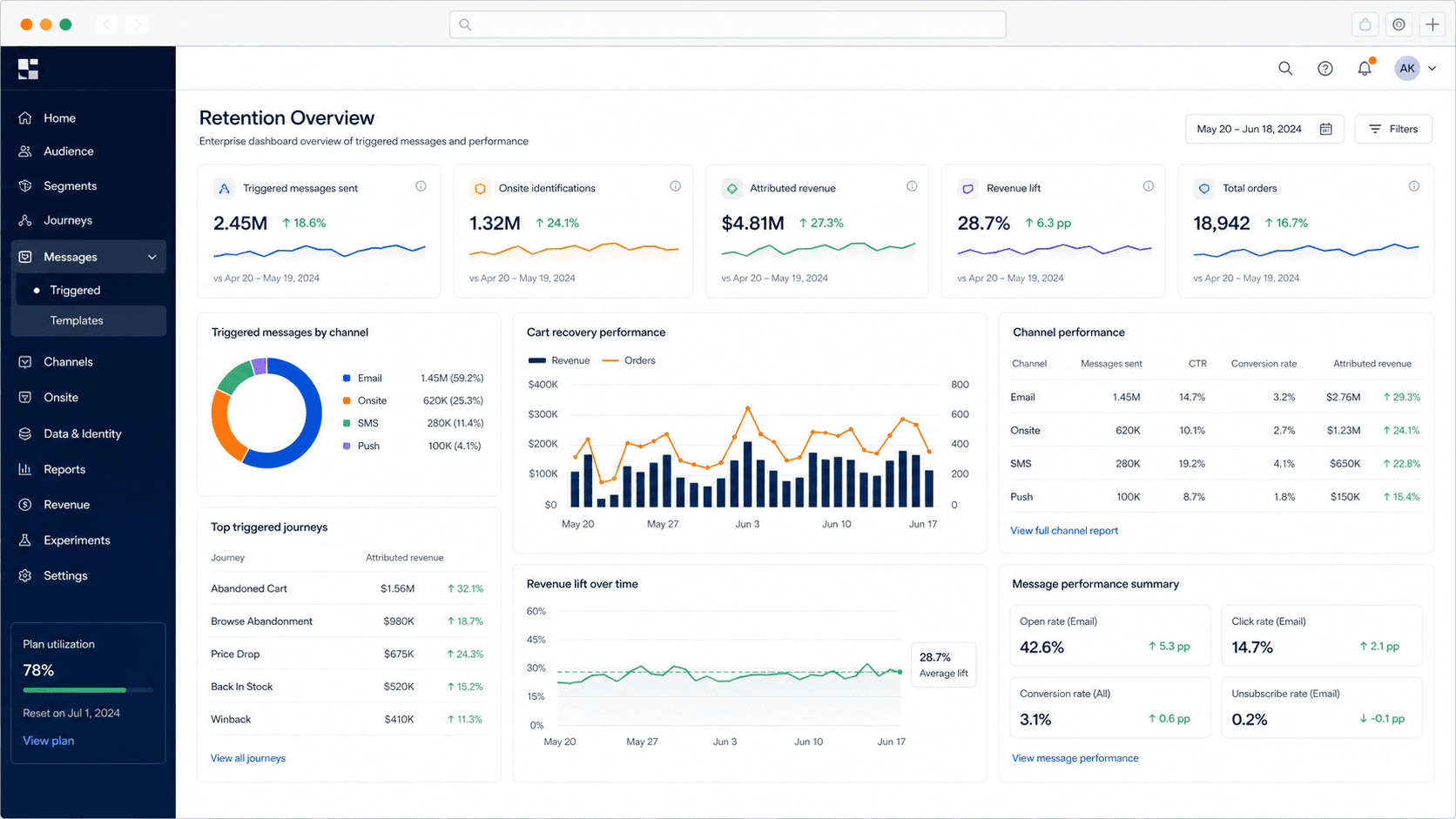
Wunderkind is a specialist performance layer for identifying site visitors and triggering revenue recovery messages. Shopify Email is the native Shopify tool for simple store campaigns and product newsletters.
This is a maturity comparison. Shopify Email can be enough for basic sends. Wunderkind becomes relevant when the brand wants to recover more revenue from site traffic than native campaigns can reach.
Use-case table
| Use case | Better starting point | Why |
|---|---|---|
| Simple promotional emails from inside Shopify | Shopify Email | Native tooling is enough when the store sends occasional campaigns. |
| Recover revenue from high-intent unidentified visitors | Wunderkind | Wunderkind is more relevant when identity and triggered performance are the purchase reason. |
| Owner-operated store wants minimal tooling | Shopify Email | Keeping sends inside Shopify reduces operational overhead. |
| Brand has enough traffic to justify incrementality testing | Wunderkind | Performance recovery only makes sense when there is meaningful traffic and measurable lift. |
| Email automations plus transactionals | Sequenzy | Sequenzy fits when native Shopify Email is too basic but Wunderkind is too specialized. |
Where Wunderkind is stronger
Wunderkind is stronger when the store has traffic and wants to recover more revenue from visitors who are not reached by ordinary Shopify campaigns. It should be evaluated on consent, identity reach, triggers, and incremental lift.
It is not the simplest way to send product announcements or newsletters.
Where Shopify Email is stronger
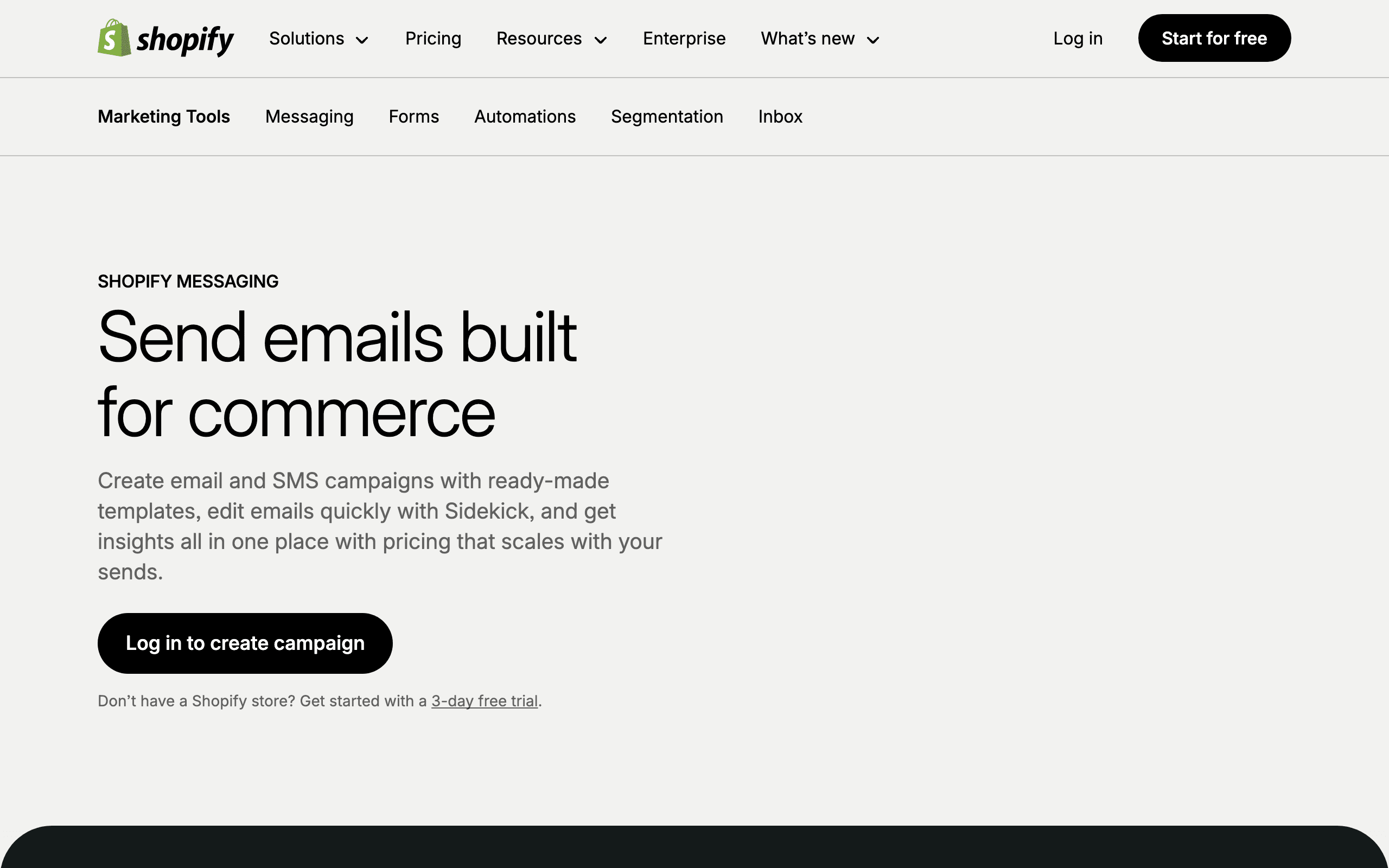
Shopify Email is stronger when the team wants simple native sending and does not need an external performance layer. It keeps campaign work close to products and customers in Shopify.
Before choosing Shopify Email over Wunderkind, confirm that the lost triggered recovery revenue is either small or replaceable through native automations.
Migration checklist
- Separate Shopify-native campaigns from Wunderkind identity-triggered recovery messages.
- Export templates, suppression rules, consent fields, segments, and performance baselines.
- Rebuild simple campaigns inside Shopify before changing recovery triggers.
- Confirm unsubscribe handling between Shopify and any external tools.
- Use holdout or controlled measurement to test whether recovered revenue changes.
Buying questions to ask
- Is the store sending simple campaigns or buying recovery performance?
- What traffic volume supports a Wunderkind-style program?
- What revenue is incremental?
- Can Shopify Email reproduce any of the triggered moments?
- Who owns consent, suppression, and reporting after migration?
Where Sequenzy fits
Sequenzy is the middle path when Shopify Email is too basic but identity-led recovery is not needed. It supports Shopify and WooCommerce automations, newsletters, transactionals, and Stripe lifecycle email.
Pricing reality
Wunderkind requires quote validation. Shopify Email pricing should be checked inside the Shopify account for the store's included sends, extra sends, and whether the built-in feature set is enough.
Review signals
The cited Wunderkind review themes mention onsite identification, reporting, ecommerce retention fit, setup effort, and pricing clarity. The cited Shopify Email review themes should be read around simple campaign work, Shopify-native convenience, and limits that may appear as stores need deeper automation.
Use-case matchups
| Situation | Best first look | Why |
|---|---|---|
| Enterprise ecommerce brand wants identity capture and triggered revenue programs | Wunderkind | Wunderkind is the baseline here when anonymous visitor identification, onsite capture, triggered email, and managed ecommerce revenue programs are central. |
| Team wants basic Shopify-native campaigns | Shopify Email | Shopify Email deserves the first demo when that specialist capability matters more than Wunderkind's identity-led ecommerce model. |
| Store or SaaS team wants simpler lifecycle and transactional email | Sequenzy | Sequenzy is more relevant when email automation and transactional messages matter more than enterprise identity resolution. |
| Team needs a managed service motion | Wunderkind | Wunderkind should be evaluated when services, strategy, and performance programs are part of the buying case. |
| Team wants software-first control | Shopify Email | Shopify Email is usually the better first look if the team wants to own configuration and day-to-day execution internally. |
Best Fit by Shopify Marketing Maturity
Best identity-led revenue partner for enterprise Shopify brands
Wunderkind fits larger Shopify brands that need visitor identification, onsite capture, triggered revenue programs, and managed performance support.
Best native Shopify email tool for basic campaign sending
Shopify Email is the better fit when the store only needs simple campaigns inside Shopify and wants to avoid a separate marketing platform.
Best email platform for deeper Shopify lifecycle and transactionals
Sequenzy fits when Shopify Email is too basic but Wunderkind is too heavy for the team's lifecycle and transactional email needs.
Decision checklist
- Do you want managed, identity-led ecommerce growth from Wunderkind, or a platform your team configures and runs itself?
- Does Shopify Email's strength in basic Shopify-native campaigns matter more than Wunderkind's onsite identity and triggered revenue model?
- Can each vendor show incremental lift and attribution using your store's own ecommerce data?
- Before signing with Wunderkind, have you pinned down custom pricing, the scope of services, and who owns implementation?
- Would a simpler lifecycle and transactional email product, such as Sequenzy, cover your current needs without enterprise identity tooling?