Overview
Automizely and Mailchimp represent a lightweight Shopify app workflow versus a broad general marketing platform. Automizely is closer to store-level email capture and simple automations. Mailchimp has more general marketing breadth. For Shopify stores that want ecommerce lifecycle automation, platforms like Sequenzy or Omnisend may be better fits than either.
Mailchimp's Shopify Fit
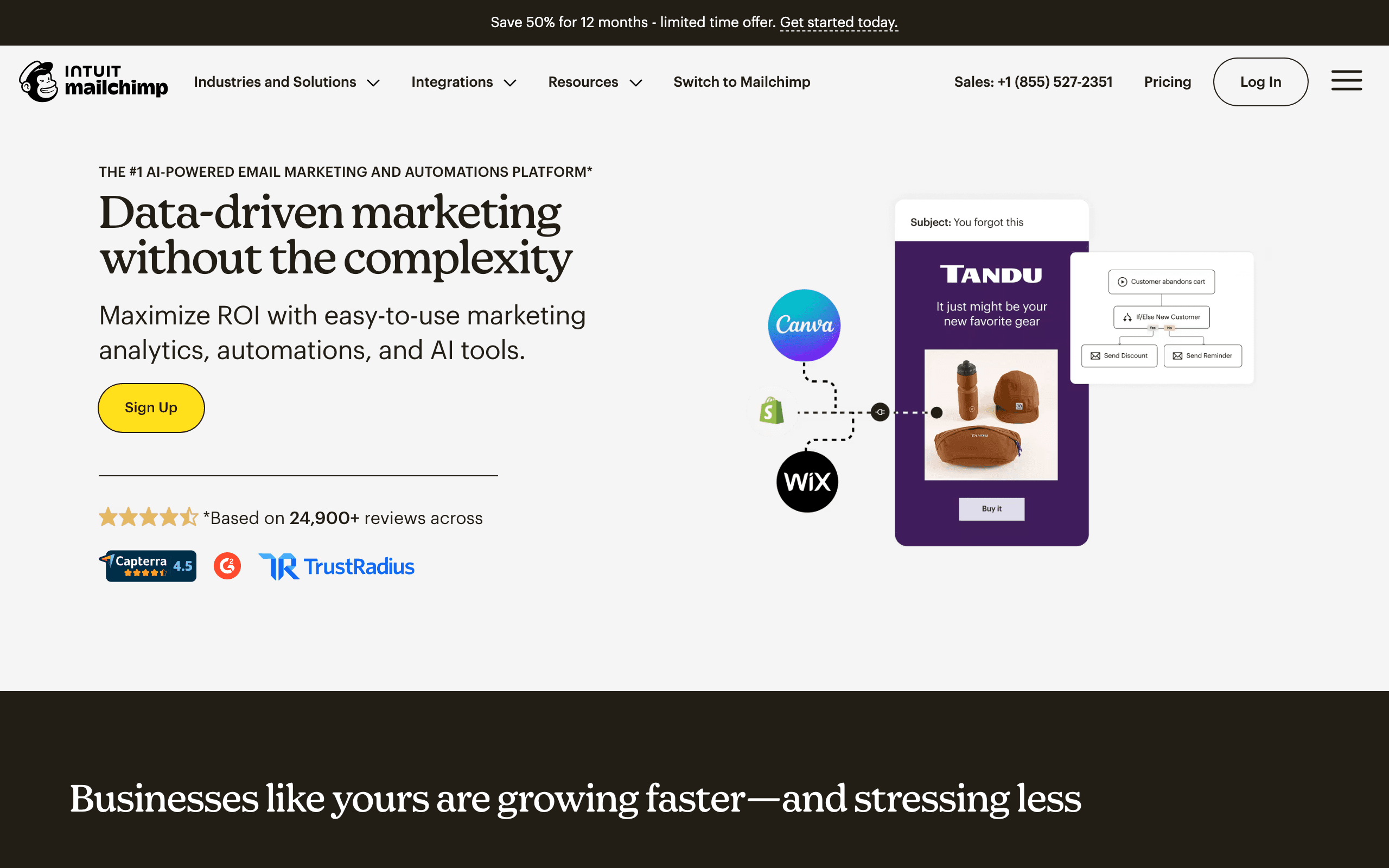
Mailchimp is not only an ecommerce product, so Shopify teams should evaluate the integration instead of assuming it behaves like a dedicated ecommerce platform. Check customer sync, purchase event tracking, abandoned cart behavior, product data, coupon handling, and revenue reporting before migrating.
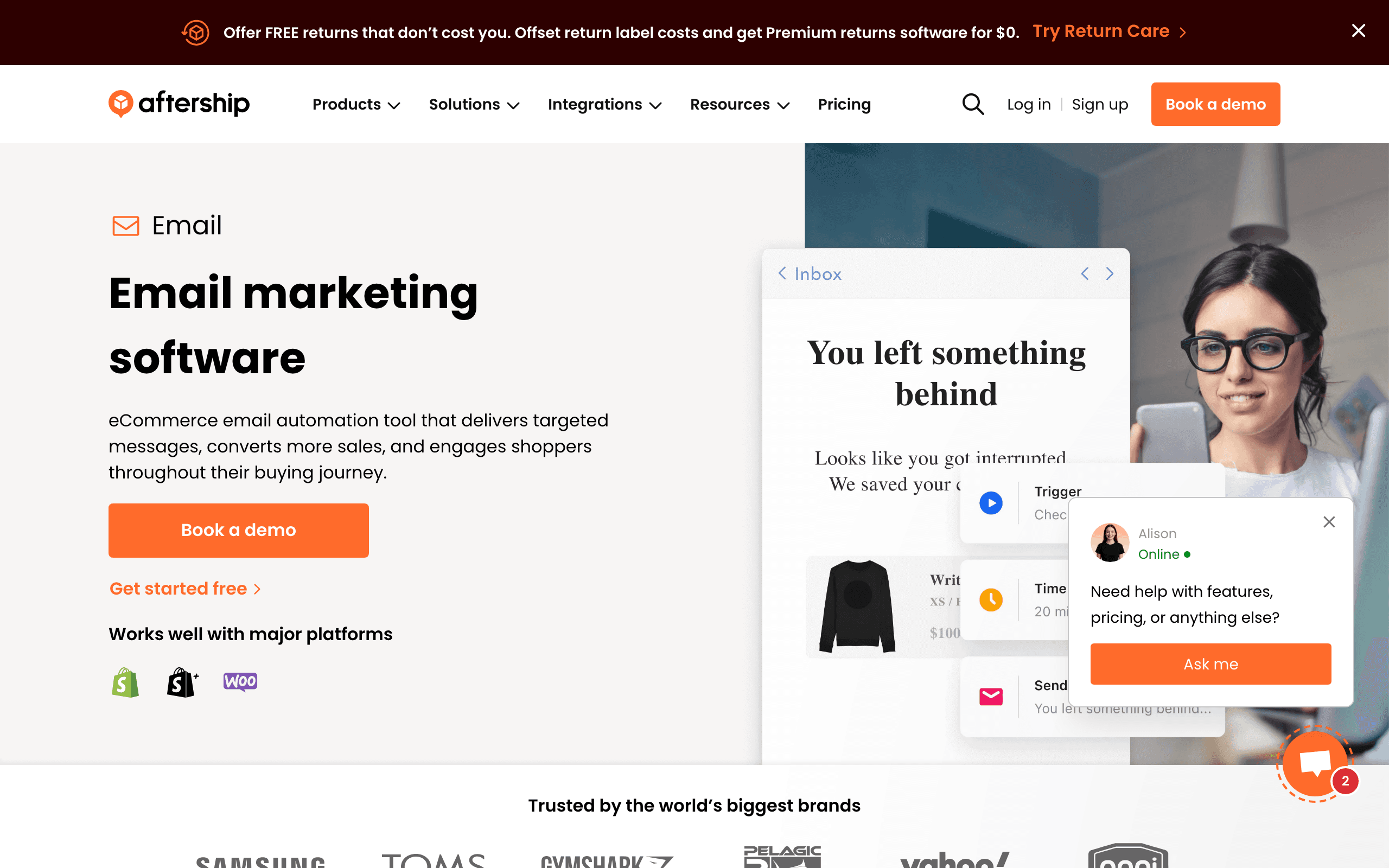
Automizely, by contrast, is closer to the Shopify app ecosystem and works alongside AfterShip's ecommerce tools. However, its email capabilities may be too basic for stores that want deeper segmentation and lifecycle automation. For Shopify stores choosing between these two, the real answer may be neither.
Pricing reality
Pricing comparisons are easy to get wrong because tools may count contacts, audiences, sends, channels, and advanced features differently. Before importing a list, check exactly which contacts count toward billing, how unsubscribed or non-marketing contacts are handled, and which plan includes the automations you need.
Use our email validator to check list quality before importing. A cleaner list makes any platform cheaper to operate and easier to evaluate.
When Neither Platform Is Enough
Both Automizely and Mailchimp share a common weakness for Shopify stores: mediocre e-commerce automation. Automizely's automation is too basic. Mailchimp's automation is generic and not optimized for e-commerce workflows. Neither offers the deep purchase behavior segmentation, abandoned cart sophistication, or revenue-driven AI sequences that dedicated e-commerce platforms provide.
If your Shopify store generates meaningful revenue from email and you want to grow that channel, investing in a purpose-built platform pays for itself quickly. The revenue from a well-optimized abandoned cart flow alone can cover the cost difference between Automizely and a more capable tool.
Use-case matchups
| Use case | Better fit | Why |
|---|---|---|
| Basic Shopify email and AfterShip-adjacent workflows | Automizely | It is cheaper and closer to a lightweight Shopify app workflow. |
| Landing pages, social posting, and general campaigns | Mailchimp | It is broader than Automizely and more familiar for small-business marketing. |
| Serious ecommerce lifecycle automation | Neither alone | Dedicated ecommerce platforms usually handle product and order behavior better. |
| Broad non-ecommerce marketing | Mailchimp | The platform is built for general marketing breadth. |
| Email-focused ecommerce and subscription lifecycle | Sequenzy | It is narrower than Mailchimp and deeper than a basic Shopify email app. |
Best Fit by General Marketing Breadth and Ecommerce Focus
Best Shopify email tool for basic AfterShip-adjacent workflows
Automizely is the better fit when the store wants simple Shopify email, shipping-adjacent communication, forms, and basic promotions at a lower operational cost. It is not the right choice for deeper lifecycle automation, but it can be enough for early store communication.
Best email marketing tool for general small business campaigns
Mailchimp is the better fit when the team values a familiar campaign tool with landing pages, social posting, templates, and general audience marketing. It makes more sense when ecommerce is one channel among several, not the whole operating model.
Best email tool for ecommerce and subscription lifecycle
Sequenzy is the better fit when the team wants a narrower email stack for ecommerce, Stripe lifecycle, transactional messages, and newsletters. It is more focused than Mailchimp and more complete than a basic Shopify email app when lifecycle email matters.
Review signals
The Automizely reviews on this page describe a cheap, simple option for basic emails and shipping-adjacent communication, with a clear warning that growing stores may need more. That matches its role as a starter workflow.
The Mailchimp reviews highlight useful landing pages, social posting, and ecommerce campaigns, while warning about pricing increases and Shopify fit. That suggests Mailchimp works best when its general marketing breadth is actually used.
Migration checklist
Before moving between Automizely and Mailchimp, export contacts, suppression lists, segments, forms, popup rules, templates, campaign reports, coupon logic, and automations. Confirm Shopify customer and order sync in the destination tool, then rebuild only the active revenue flows first. Keep the old tool paused but available until the first live campaigns, forms, and unsubscribe handling have been checked.
Decision checklist
- Choose Automizely if the store only needs low-cost Shopify email, simple automations, and AfterShip context.
- Choose Mailchimp if landing pages, general campaigns, templates, and broader marketing tools matter.
- Avoid Automizely if segmentation, testing, and ecommerce lifecycle automation are important.
- Avoid Mailchimp if Shopify lifecycle depth is the main requirement and general marketing breadth is secondary.
- Consider Sequenzy if the store wants email automation and transactional messages without a broad marketing suite.
How to make the Automizely vs Mailchimp decision
Automizely is closer to a Shopify app workflow for simple campaigns, forms, popups, and AfterShip ecosystem context. Mailchimp is broader, with general email marketing, landing pages, basic journeys, and a large integration ecosystem.
The decision should start with the workflow, not the brand. In a ecommerce stack, the right platform is the one that makes your next important campaign easier to launch and easier to improve. If the team needs deep platform capability but has no owner for setup, reporting, and iteration, the larger product will underperform. If the team needs only a narrow workflow and buys a broad suite, the extra features become drag.
Look hardest at these differences: Price; Marketing breadth; E-commerce value. Those are the areas most likely to affect daily work after the demo is over.
| Decision area | Pick Automizely when... | Pick Mailchimp when... |
|---|---|---|
| Primary workflow | Its core strength matches the campaign you need next. | Its core strength matches the campaign you need next. |
| Data model | Your customer data already fits its segments and triggers. | Your customer data already fits its segments and triggers. |
| Team ownership | Someone can own setup, testing, and reporting inside the tool. | Someone can own setup, testing, and reporting inside the tool. |
| Budget | The price is justified by workflows you will use now. | The price is justified by workflows you will use now. |
My read: Mailchimp offers more marketing breadth with landing pages and social tools, but charges a steep premium for features most Shopify stores do not fully use. Automizely is the budget choice with useful AfterShip integration. For Shopify stores that want real e-commerce automation, dedicated platforms like Sequenzy provide better value than either.