
20 Best Email Marketing Platforms with HubSpot CRM Integration (2026)

Best email marketing platforms hubspot crm integration and hubspot sales hub pipeline integration email marketing platforms searches both come from teams who've standardized on HubSpot's CRM (often for free, or on the Sales Hub) but want to evaluate whether Marketing Hub itself, or a separate email tool connected via API or Zapier, is the better fit for their actual sending needs.
This guide is upfront about which platforms have native HubSpot apps and which connect through Zapier, API, or webhooks instead, comparing 20 platforms in total: HubSpot Marketing Hub, ActiveCampaign, Customer.io, Mailchimp, Sequenzy, Brevo, Keap, Salesforce Marketing Cloud, Pardot, Marketo, SharpSpring, Zoho Campaigns, GetResponse, Drip, Ontraport, Encharge, Userlist, Vero, Moosend, and Klaviyo.
Quick Comparison
| Tool | HubSpot Integration | Starting Price |
|---|---|---|
| HubSpot Marketing Hub | Native (same database as CRM) | $20/seat/mo (Starter) |
| ActiveCampaign | Native app or Zapier | $29/mo |
| Customer.io | API or data warehouse sync | $100/mo |
| Mailchimp | Native app | $13/mo |
| Sequenzy | Zapier, webhooks, or API (no native app) | $19/mo |
| Brevo | Zapier | $9/mo |
| Keap | Zapier | $249/mo |
| Salesforce Marketing Cloud | Native Salesforce ecosystem sync (competing CRM) | $1,500/mo |
| Pardot | Native (requires Salesforce Sales Cloud) | $1,250/mo |
| Marketo | Native Adobe/Salesforce integrations | $895+/mo |
| SharpSpring | Native HubSpot alternative CRM + email | $499/mo |
| Zoho Campaigns | Zapier or Zoho CRM ecosystem | $3/mo |
| GetResponse | Zapier | $19/mo |
| Drip | Zapier | $39/mo |
| Ontraport | Zapier | $79/mo |
| Encharge | Native HubSpot integration | $79/mo |
| Userlist | API/webhooks | $149/mo |
| Vero | API | $99/mo |
| Moosend | Zapier | $9/mo |
| Klaviyo | Native HubSpot integration | $45/mo |
The 20 Best Options, Reviewed
1. HubSpot Marketing Hub
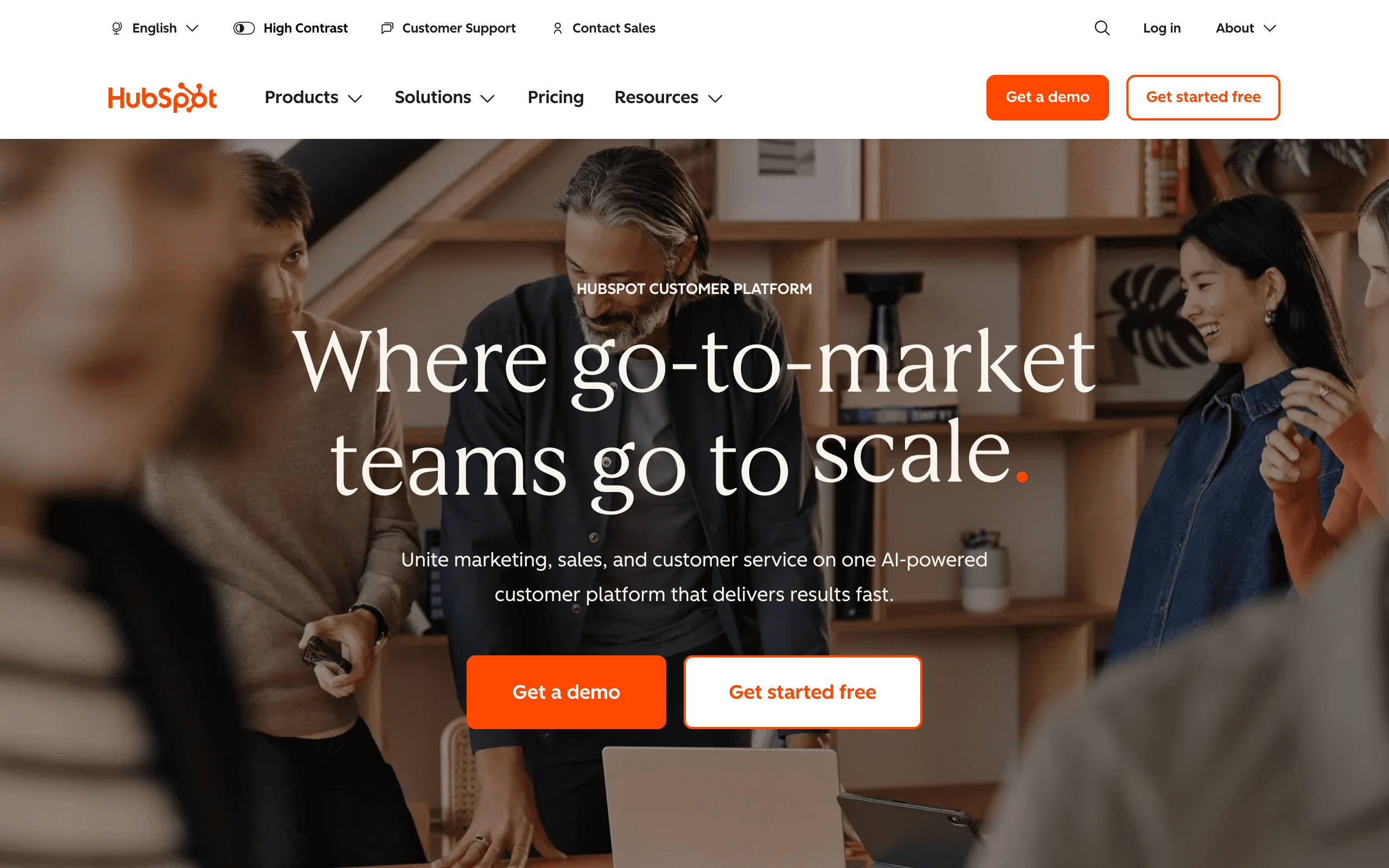
Best for: Teams that want native, zero-integration CRM and email in one system
Marketing Hub is HubSpot's own email and automation product, built directly on top of the CRM. Workflows can reference deal stage, lifecycle stage, and any CRM property natively, since there's no integration layer at all - it's the same database.
- Pricing: Free CRM; Marketing Hub Starter from $20/seat/month; Professional (where real automation and A/B testing live) around $890/month plus a mandatory onboarding fee
- Pros: Zero integration overhead, deepest CRM-native automation, huge ecosystem
- Cons: Real automation depth is expensive, contact-based pricing scales quickly, can feel heavy for lean teams
2. ActiveCampaign
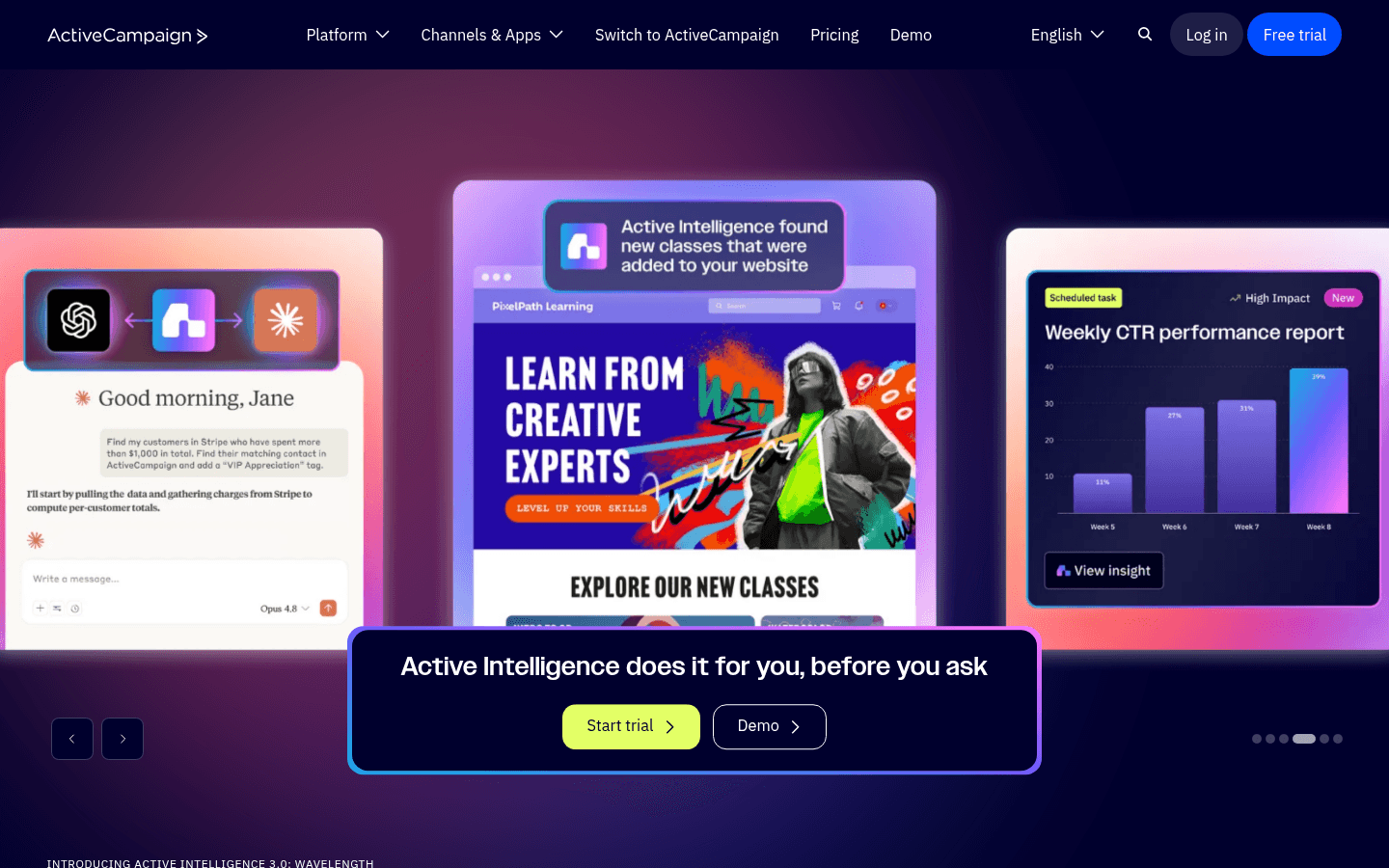
Best for: Teams wanting a lighter CRM with strong native automation
ActiveCampaign includes its own lightweight CRM alongside deep email automation, and also connects to HubSpot via native integration or Zapier for teams that want to keep HubSpot as the system of record for sales while running email through ActiveCampaign.
- Pricing: From $29/month
- Pros: Strong automation builder, native HubSpot connector available, more affordable than Marketing Hub Professional
- Cons: Running two systems (HubSpot CRM + ActiveCampaign email) adds sync complexity
3. Customer.io
Best for: Technical teams wanting granular event-based email alongside HubSpot CRM
Customer.io connects to HubSpot via API or a data warehouse sync, letting technical teams build highly specific behavioral email logic while HubSpot remains the CRM system of record for sales.
- Pricing: From $100/month
- Pros: Most flexible event-based automation, works well as a specialist layer next to HubSpot
- Cons: No native plug-and-play HubSpot app, requires engineering setup
4. Mailchimp
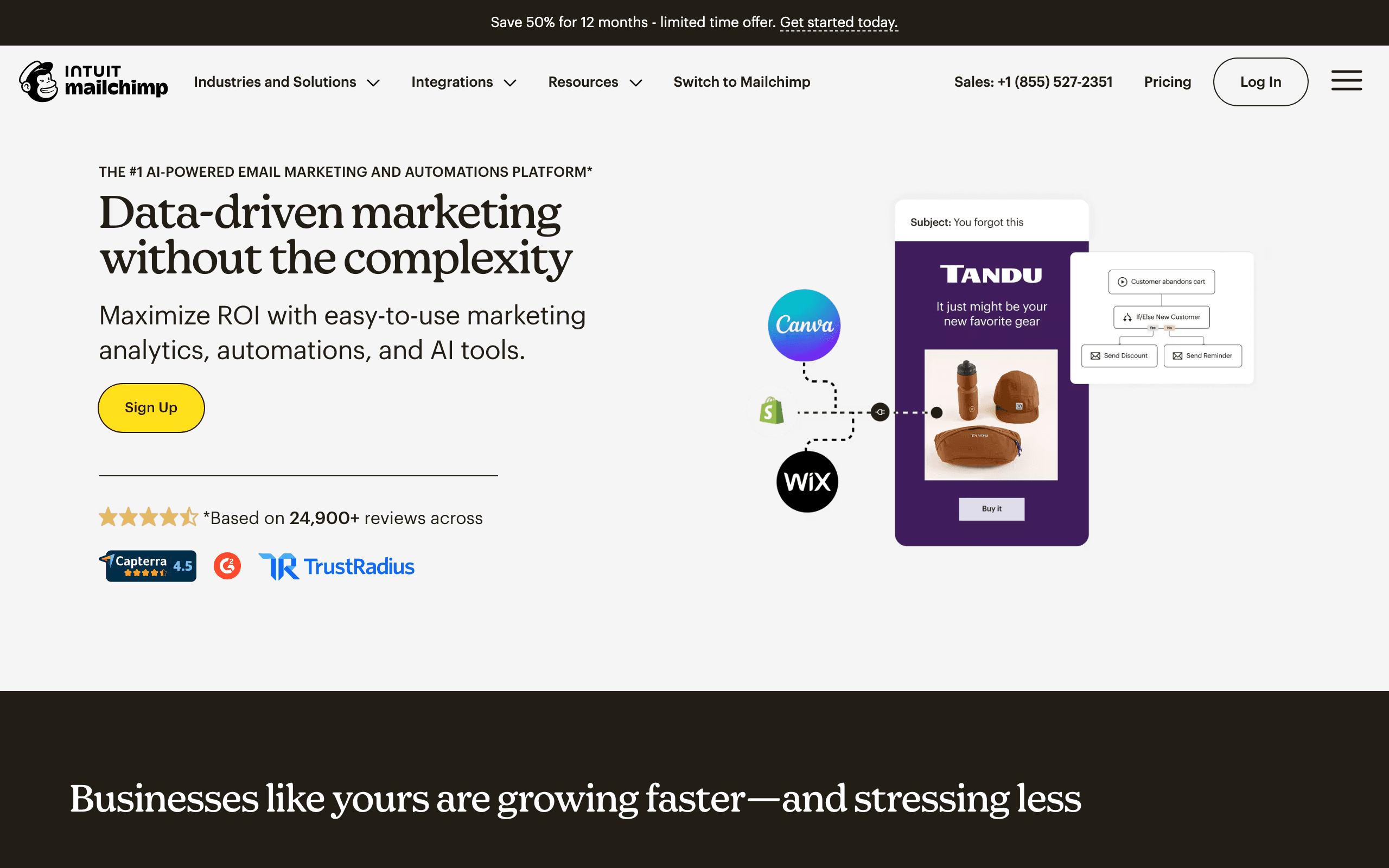
Best for: Simple email needs alongside a free HubSpot CRM
Mailchimp has a native HubSpot integration that syncs contacts and basic engagement data, suited to teams with straightforward email needs who are using HubSpot's free CRM tier for sales tracking.
- Pricing: Free up to 500 contacts, from $13/month
- Pros: Native HubSpot connector, easy setup, affordable at small scale
- Cons: Basic automation compared to HubSpot's own workflows or ActiveCampaign
5. Sequenzy
Best for: SaaS teams wanting a dedicated email layer next to HubSpot CRM
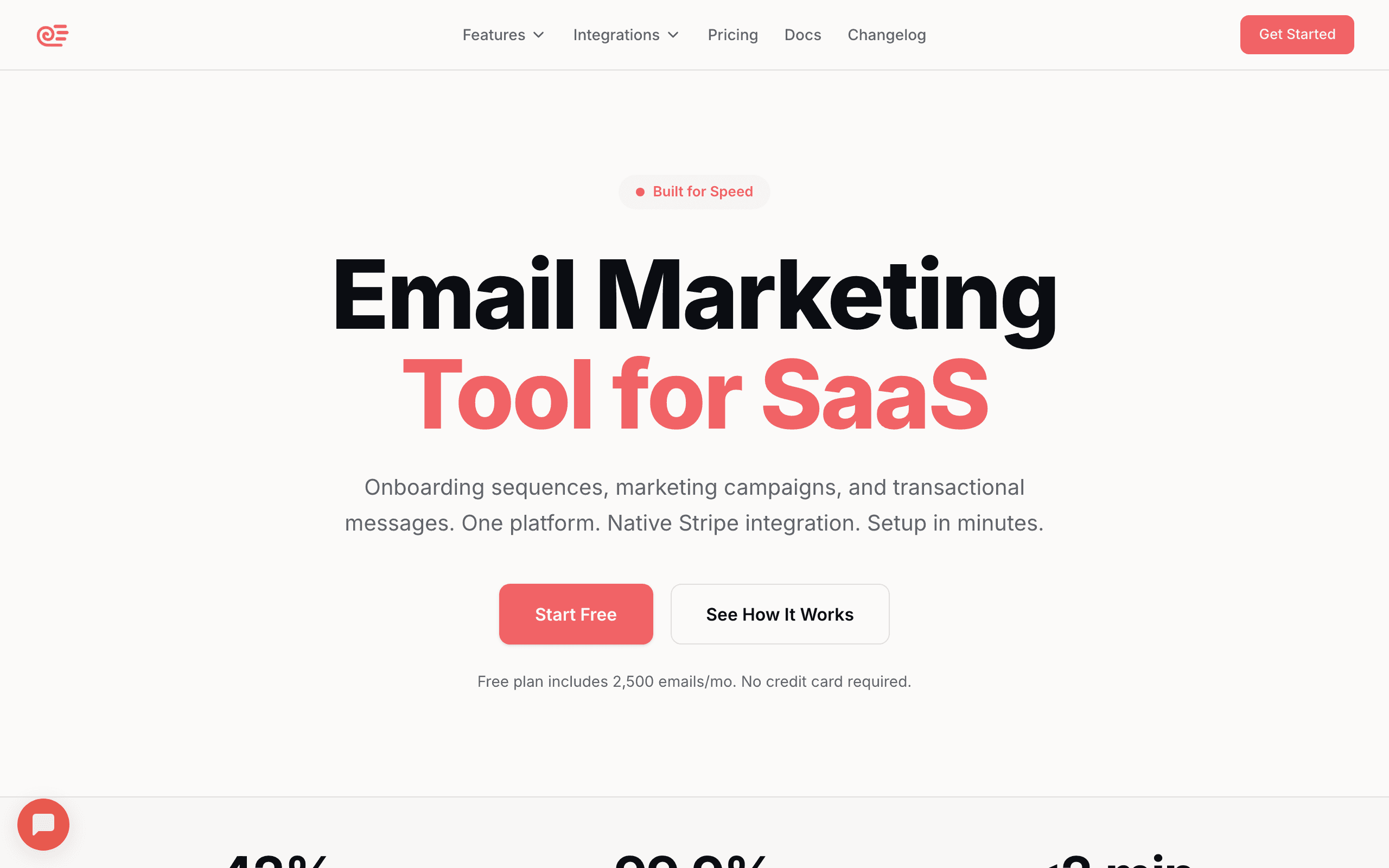
Honestly: Sequenzy does not have a native HubSpot app today. Teams connect Sequenzy to HubSpot through Zapier, webhooks, or the developer API, syncing contacts and deal-stage changes to trigger Sequenzy automations. This positions Sequenzy as an email layer next to HubSpot CRM rather than a HubSpot-native app, which suits SaaS and AI teams who want deeper automation, AI email generation, and agent-native tooling than HubSpot's own email product while keeping HubSpot as the CRM system of record.
- Pricing: Free up to 2,500 emails/month, paid plans from $19/month
- Pros: Deep automation and AI generation, full API/CLI/MCP access, much cheaper than Marketing Hub Professional
- Cons: No native HubSpot app - requires Zapier, webhooks, or API for CRM sync
6. Brevo
Best for: Budget-conscious teams wanting basic HubSpot sync
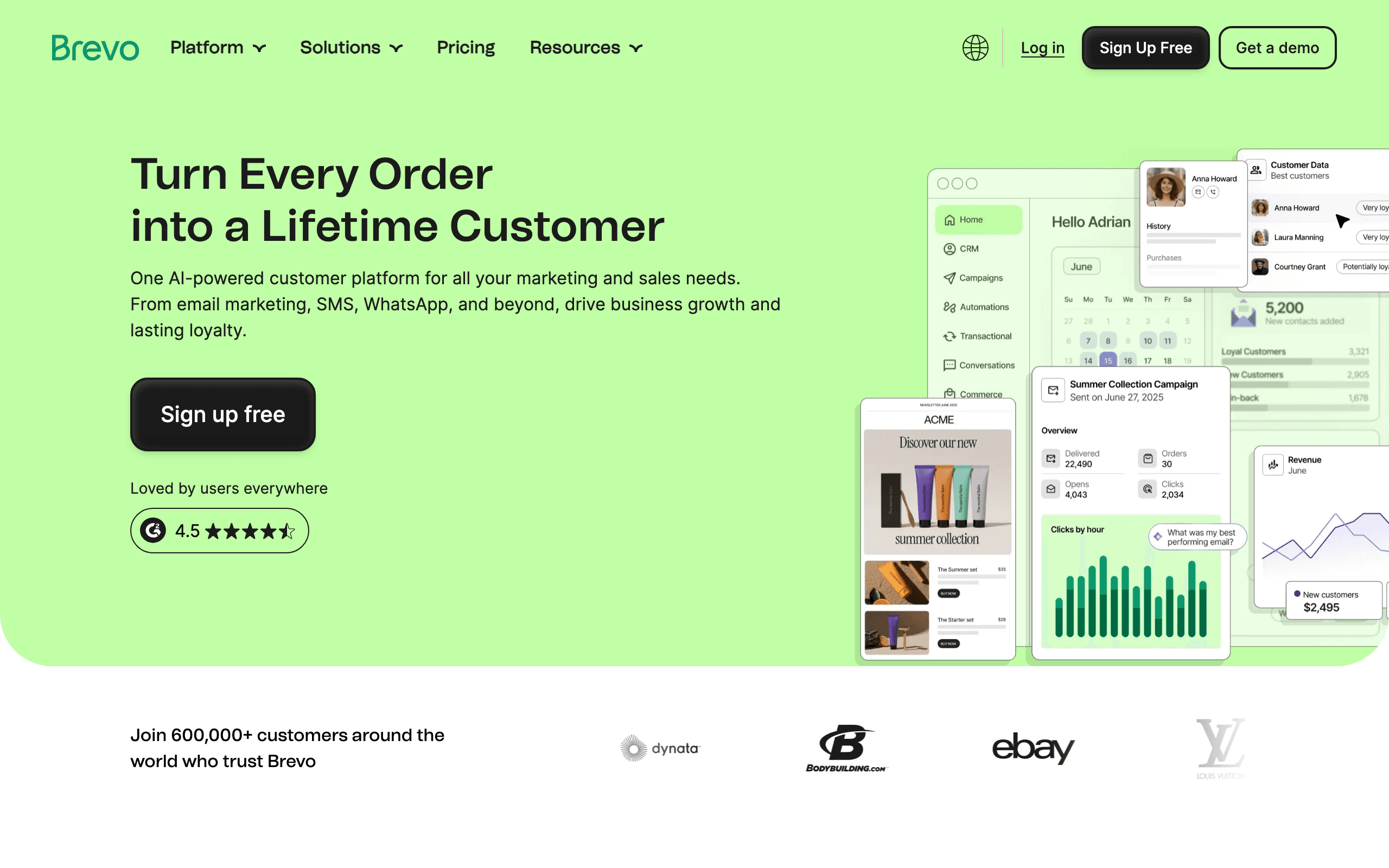
Brevo connects to HubSpot via Zapier for contact and event syncing, offering a low-cost email option for teams who don't need deep CRM-native automation.
- Pricing: Free up to 300 emails/day, from $9/month
- Pros: Very affordable, includes SMS
- Cons: No native HubSpot app, basic automation depth
7. Keap
Best for: Small businesses wanting an all-in-one alternative rather than HubSpot integration
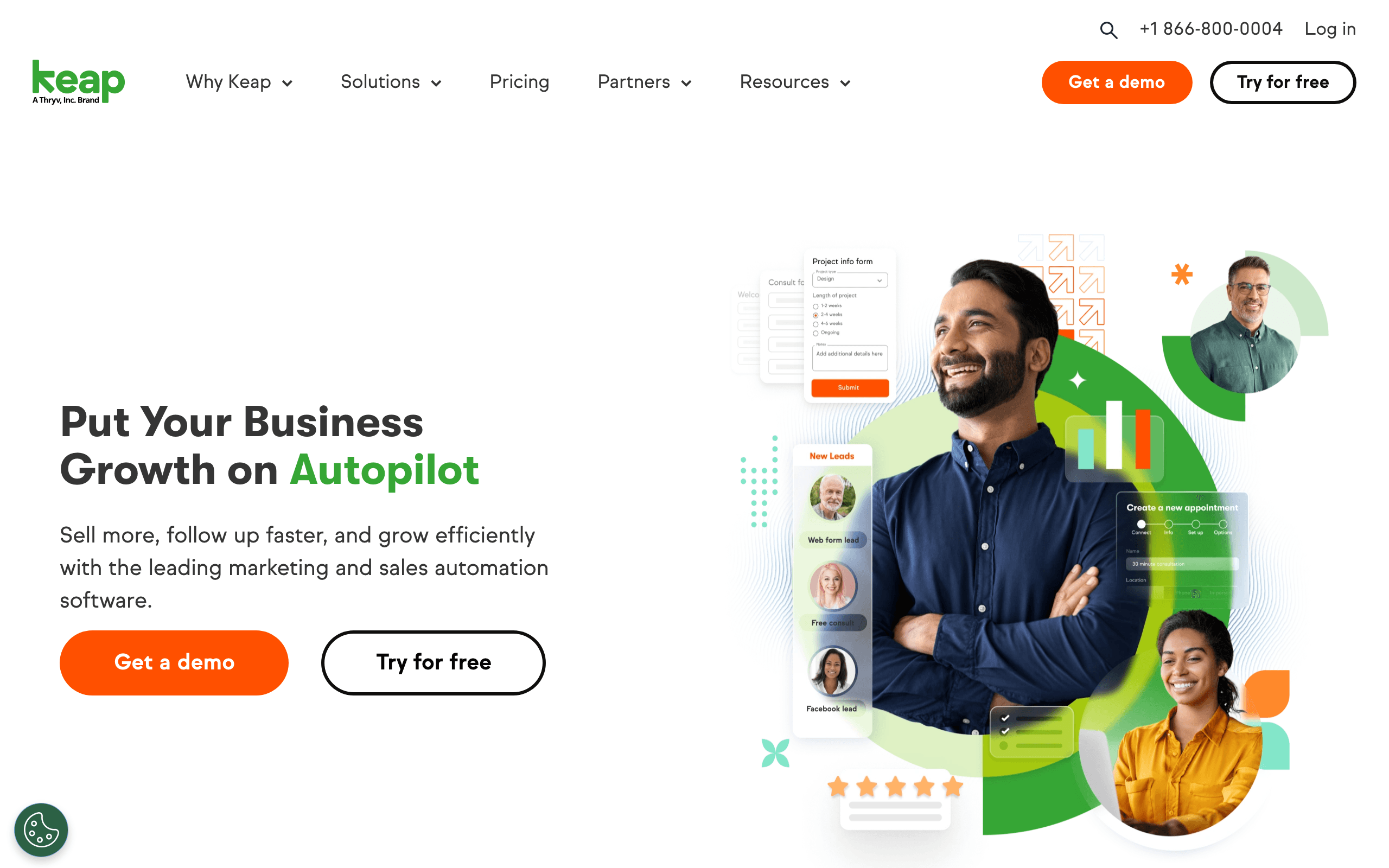
Keap connects to HubSpot via Zapier for teams migrating between the two, but more commonly serves as a full CRM-and-email replacement for small businesses that find HubSpot's tiered pricing confusing.
- Pricing: $249-299/month (single bundled plan), plus a mandatory implementation fee from $500
- Pros: One simple bundled plan, includes SMS and invoicing
- Cons: No native HubSpot app, mandatory implementation fee
8. Salesforce Marketing Cloud
Best for: Enterprises using Salesforce CRM instead of HubSpot
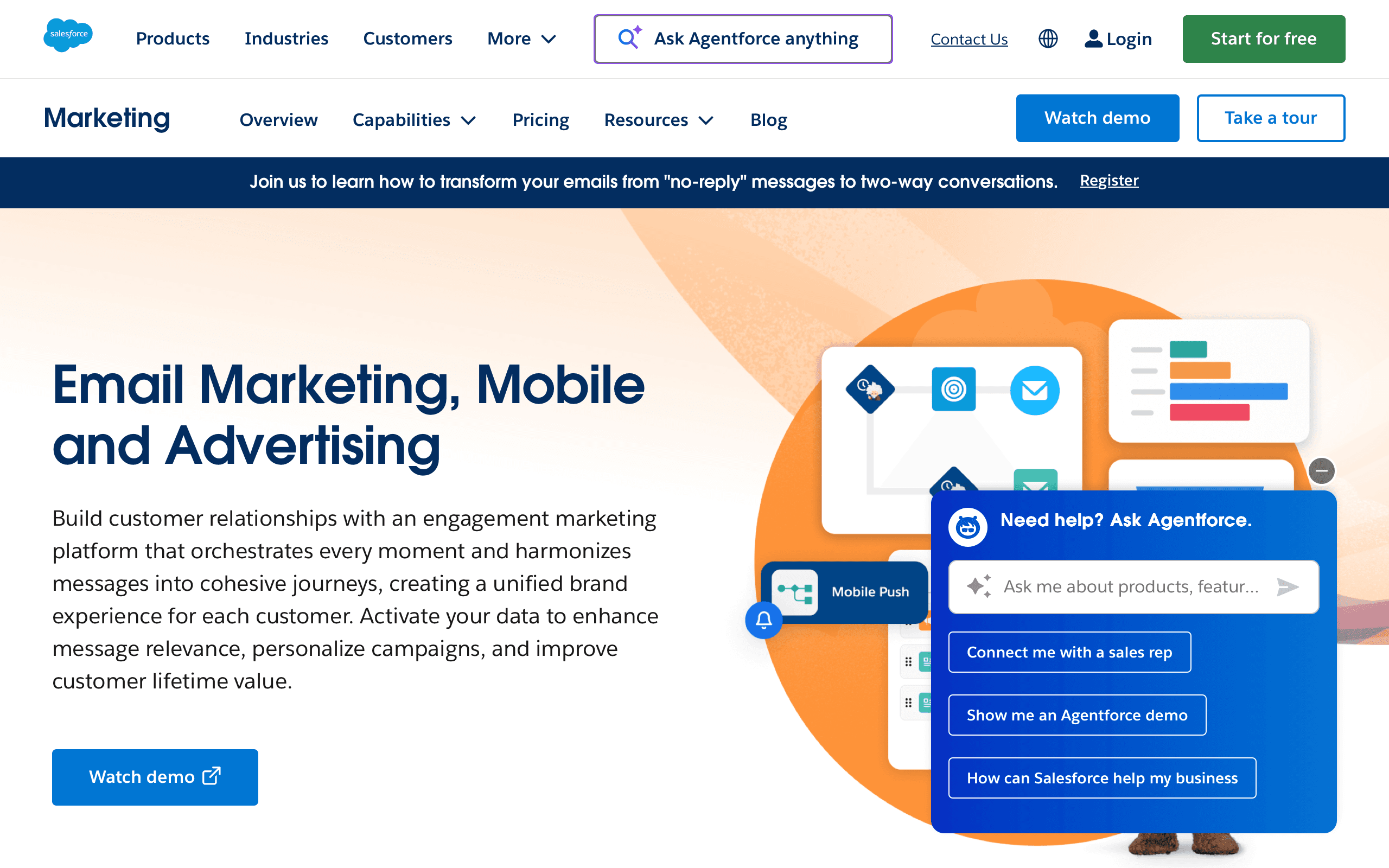
Marketing Cloud is Salesforce's own marketing product, a direct competitor to HubSpot Marketing Hub for teams whose CRM is Salesforce rather than HubSpot.
- Pricing: From $1,500/org/month (Growth Edition)
- Pros: Deepest personalization for Salesforce-native teams, Agentforce AI included
- Cons: Not built for HubSpot integration - it's a competing ecosystem, expensive
9. Pardot (Marketing Cloud Account Engagement)
Best for: B2B teams on Salesforce wanting native lead scoring
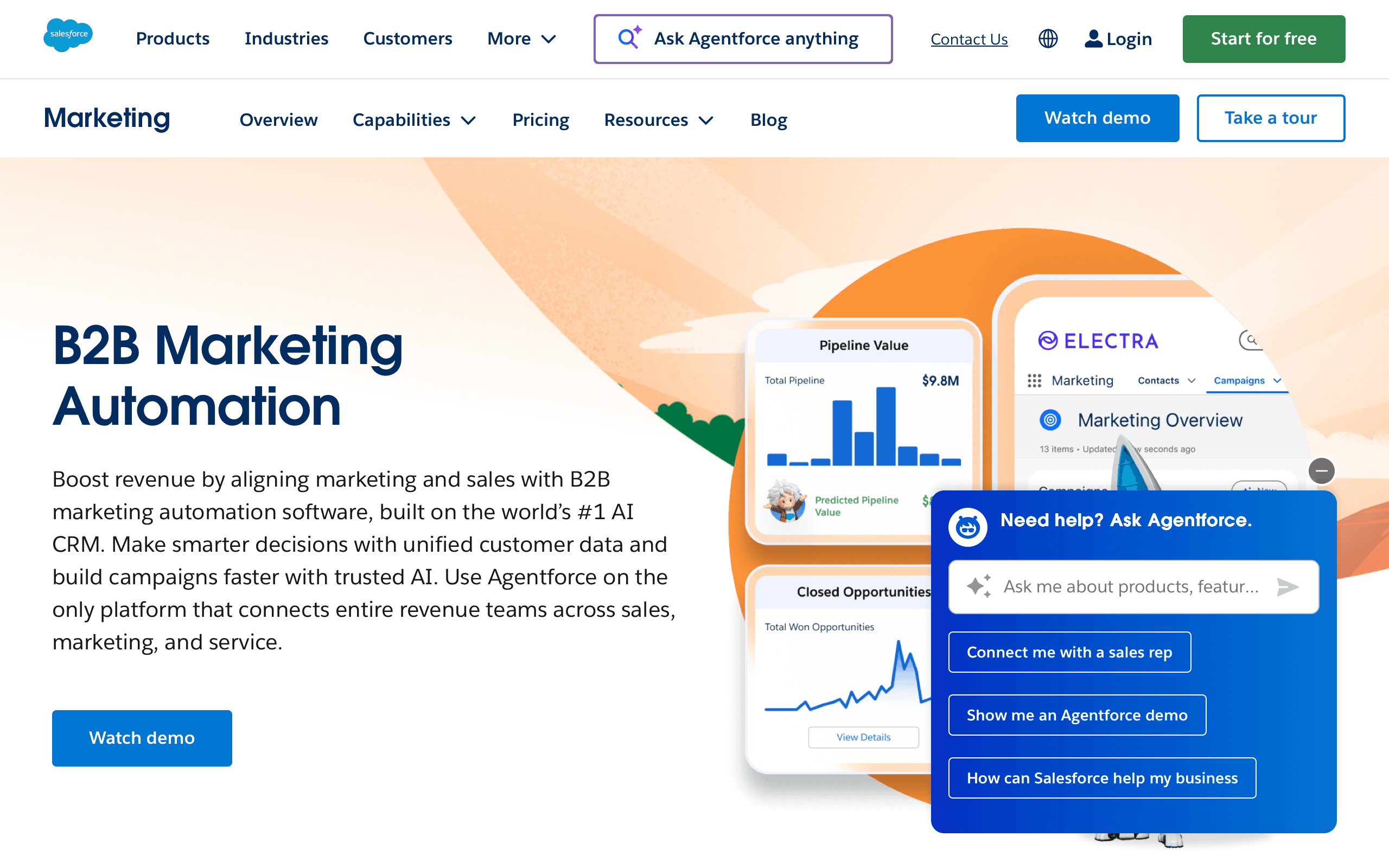
Pardot is Salesforce's B2B marketing automation product, requiring Salesforce Sales Cloud licenses to operate, positioning it as a Salesforce-native alternative rather than a HubSpot companion.
- Pricing: From $1,250/month for 10,000 prospects (annual commitment required)
- Pros: Deep native Salesforce lead scoring and attribution
- Cons: Requires Salesforce Sales Cloud, expensive, no monthly billing option
10. Marketo (Adobe Marketo Engage)
Best for: Enterprise B2B teams wanting sophisticated lead scoring outside HubSpot
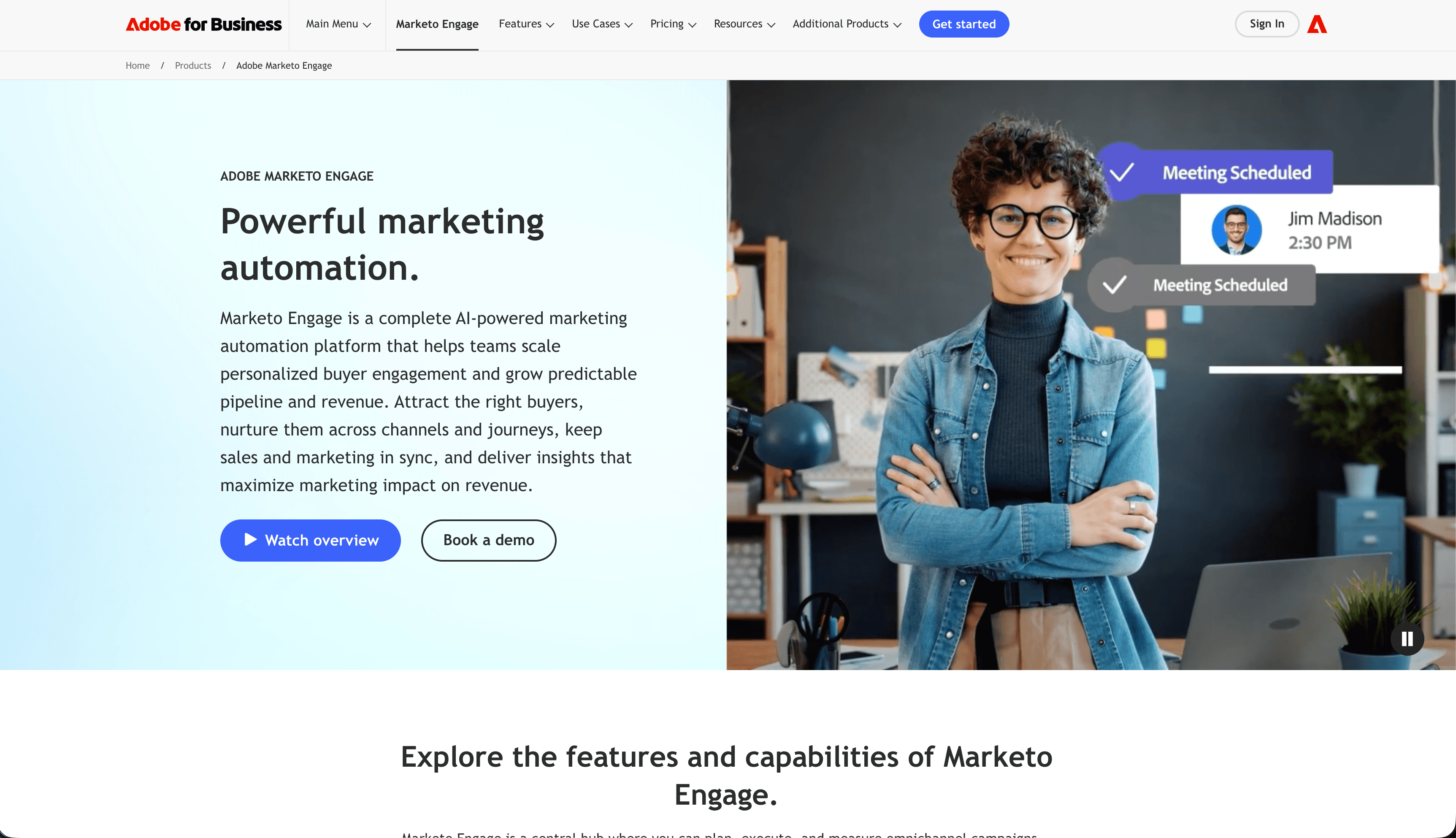
Marketo is Adobe's enterprise marketing automation platform, integrating with both Salesforce and HubSpot CRMs but most commonly deployed by enterprise teams that have outgrown HubSpot's own automation depth.
- Pricing: Custom, starting around $895-3,200/month depending on database size and tier
- Pros: Sophisticated lead scoring and account-based marketing features
- Cons: No self-serve pricing, requires a sales process, steep learning curve
11. SharpSpring
Best for: Budget-conscious teams wanting a HubSpot alternative, not just an integration
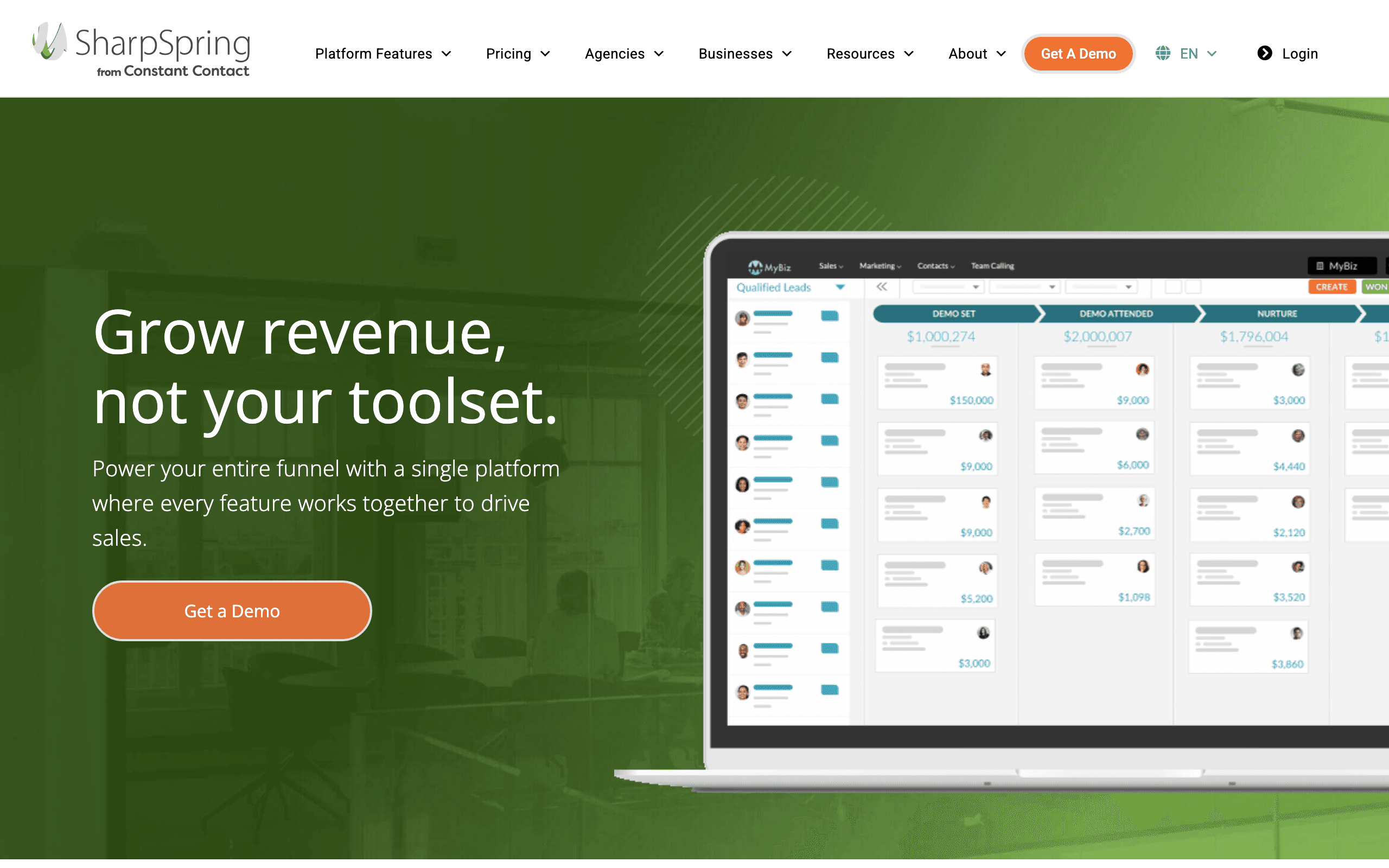
SharpSpring positions itself directly as a more affordable HubSpot alternative, bundling CRM and email automation at a fraction of Marketing Hub Professional's price.
- Pricing: From $499/month
- Pros: Significantly cheaper than HubSpot Professional or Marketo, bundled CRM
- Cons: Smaller ecosystem and brand recognition than HubSpot
12. Zoho Campaigns
Best for: Teams already using Zoho CRM instead of HubSpot
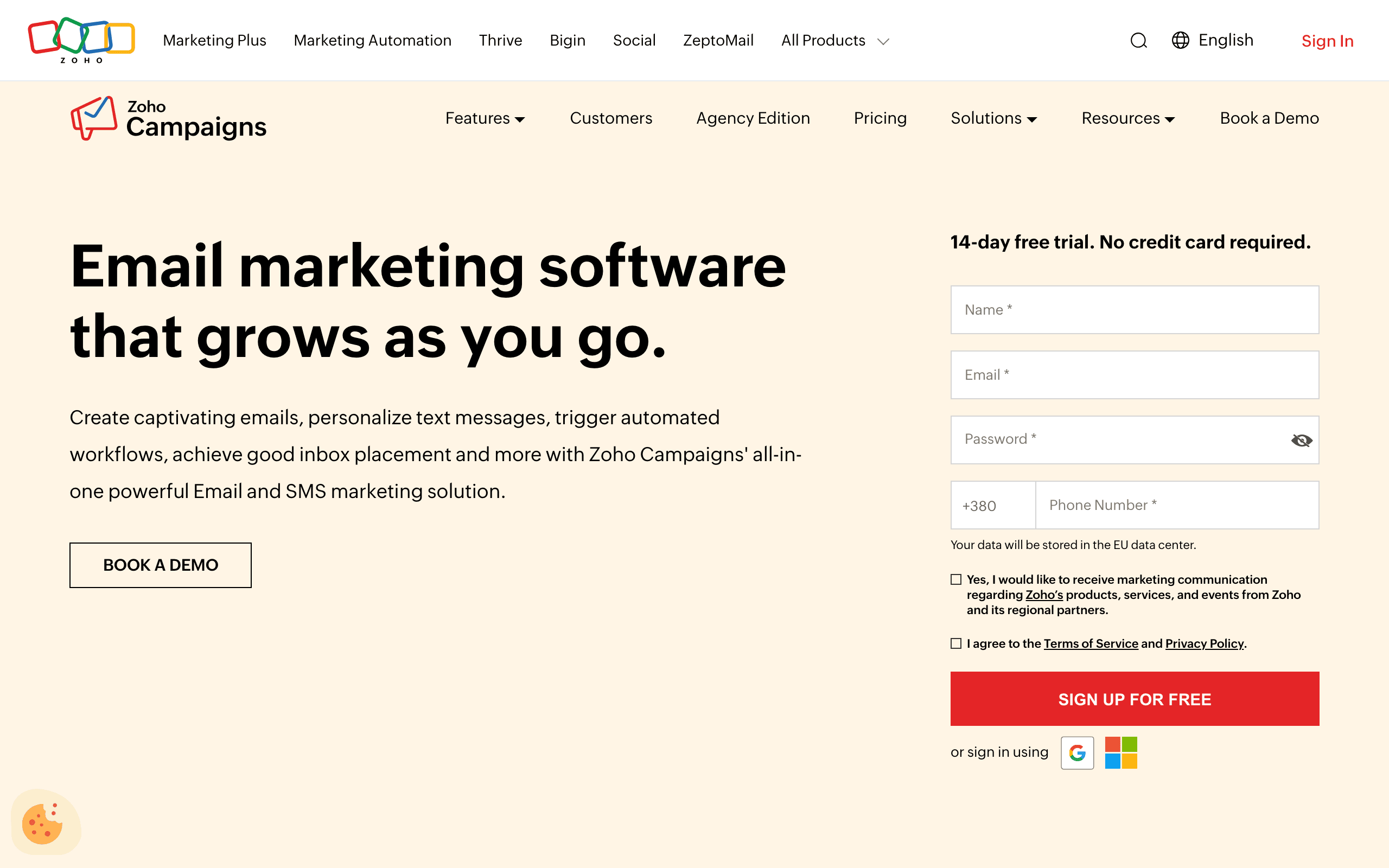
Zoho Campaigns connects to HubSpot via Zapier, though it's more naturally paired with Zoho CRM for teams who've chosen the Zoho ecosystem over HubSpot.
- Pricing: Free up to 2,000 contacts, paid from $3/month
- Pros: Cheapest entry point in this comparison, Zoho ecosystem integration
- Cons: No native HubSpot app, automation depth behind dedicated platforms
13. GetResponse
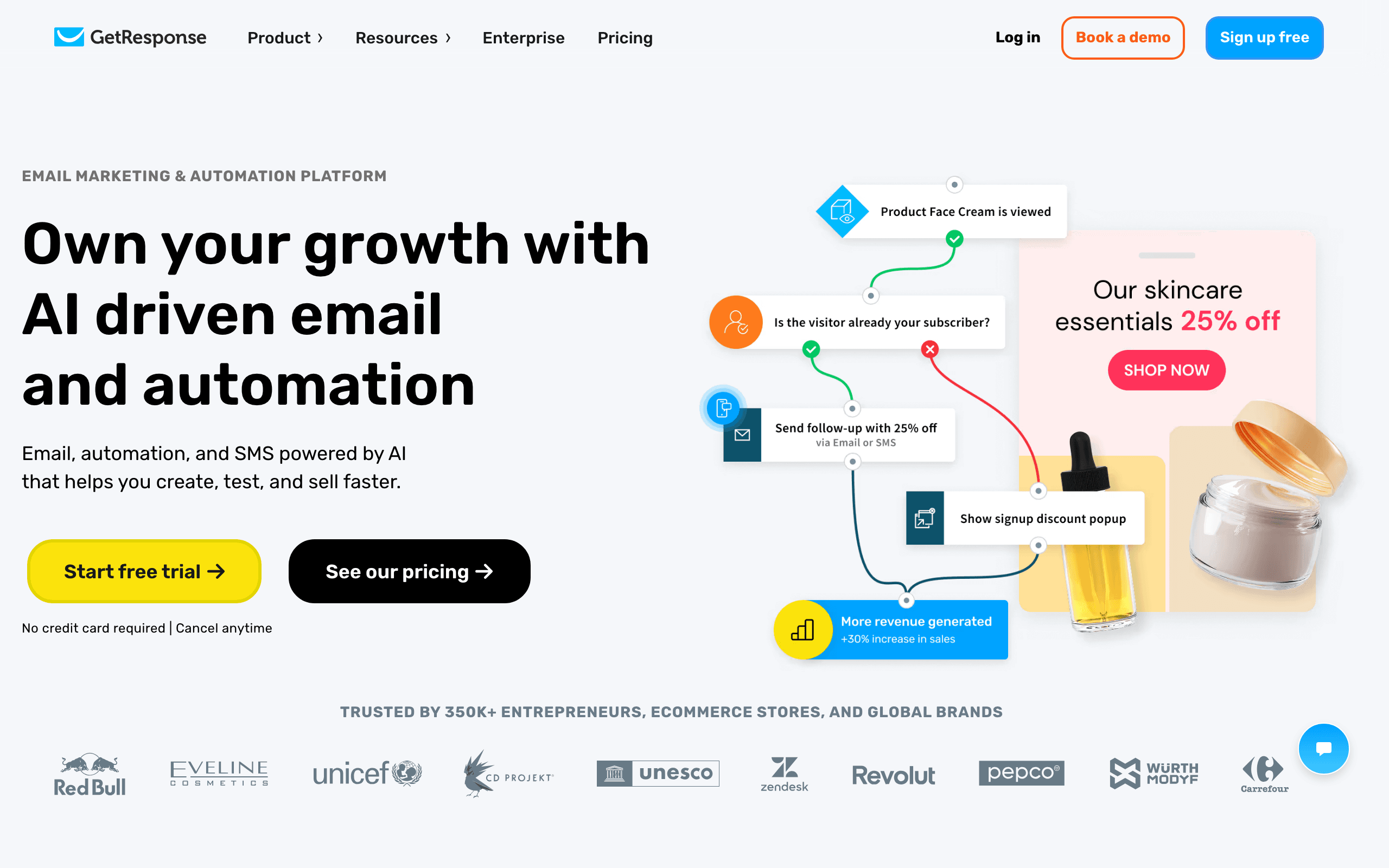
Best for: Teams wanting email plus landing pages alongside HubSpot CRM
GetResponse connects to HubSpot via Zapier, bringing landing pages and webinar hosting alongside email for teams using HubSpot purely as a CRM.
- Pricing: Free tier available, from $19/month
- Pros: All-in-one marketing platform, competitive pricing
- Cons: No native HubSpot app, busy interface
14. Drip
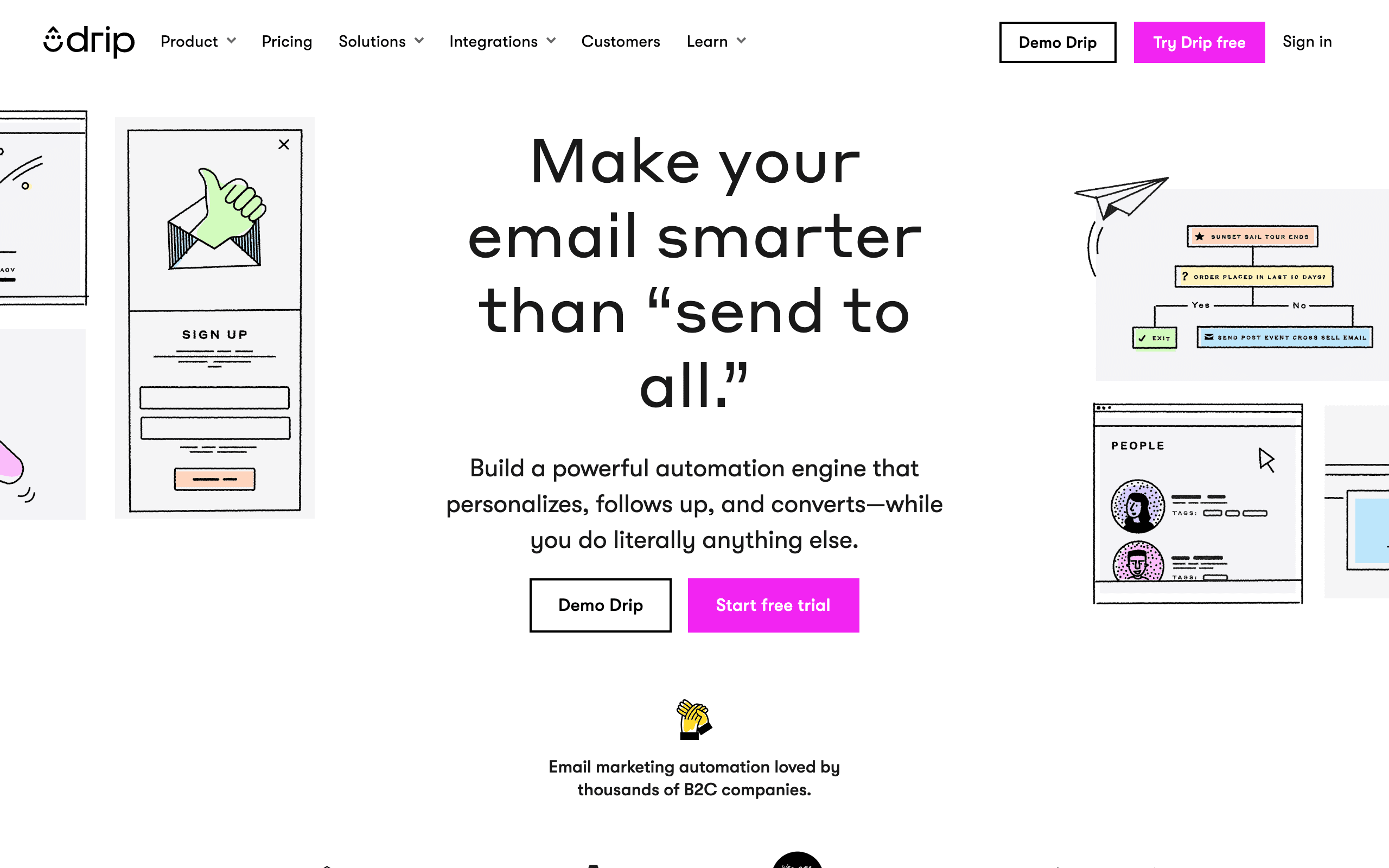
Best for: Ecommerce teams using HubSpot CRM for wholesale or B2B sales
Drip connects to HubSpot via Zapier, useful for ecommerce brands that also run a B2B or wholesale channel tracked in HubSpot's CRM.
- Pricing: From $39/month for 2,500 contacts
- Pros: Strong ecommerce automation and revenue tracking
- Cons: No native HubSpot app, purpose-built for ecommerce over B2B
15. Ontraport
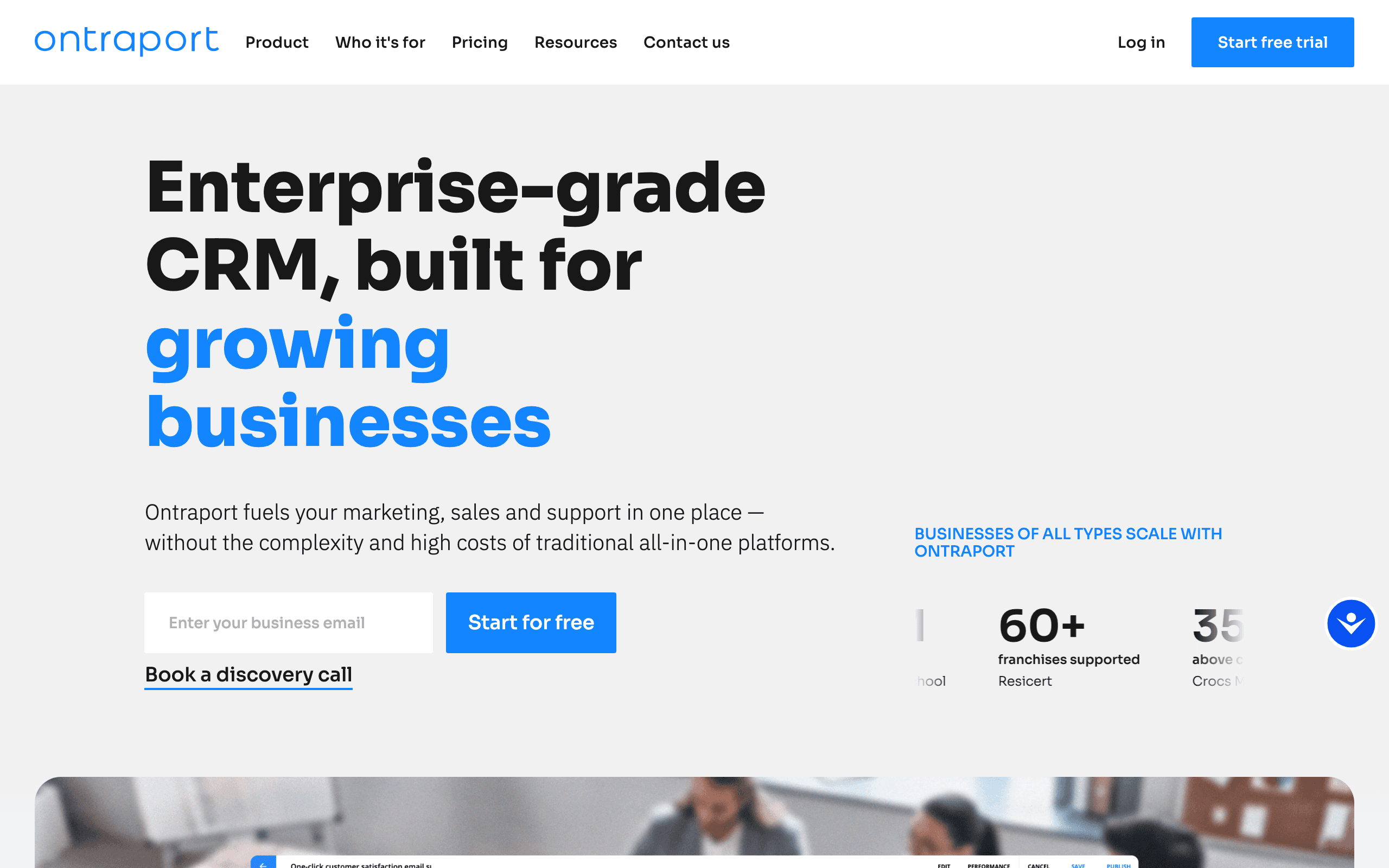
Best for: Small businesses wanting a bundled CRM and email alternative
Ontraport connects to HubSpot via Zapier, but more commonly serves as a direct alternative bundling CRM, automation, and membership features for small businesses.
- Pricing: Basic plan around $79/month, Plus around $147/month
- Pros: CRM and automation bundled together, membership and affiliate tools
- Cons: No native HubSpot app, dated interface
16. Encharge
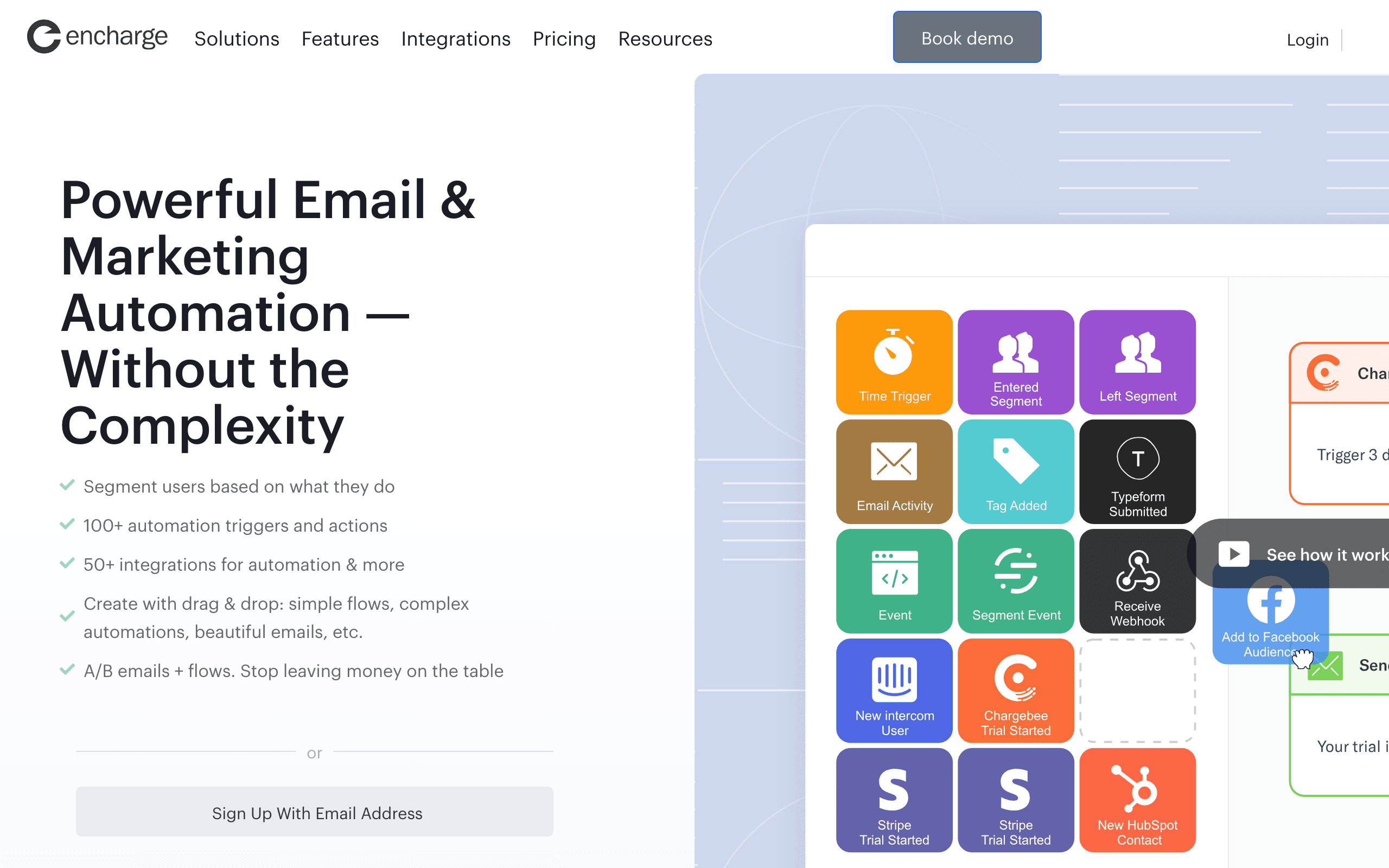
Best for: SaaS teams wanting a native HubSpot integration for behavioral automation
Encharge has a native HubSpot integration, syncing contact and deal data to trigger visual, score-based automation flows without requiring Zapier as a middle layer.
- Pricing: From $79/month
- Pros: Native HubSpot integration, visual builder, score-based triggers
- Cons: Mid-range pricing, smaller ecosystem than HubSpot itself
17. Userlist
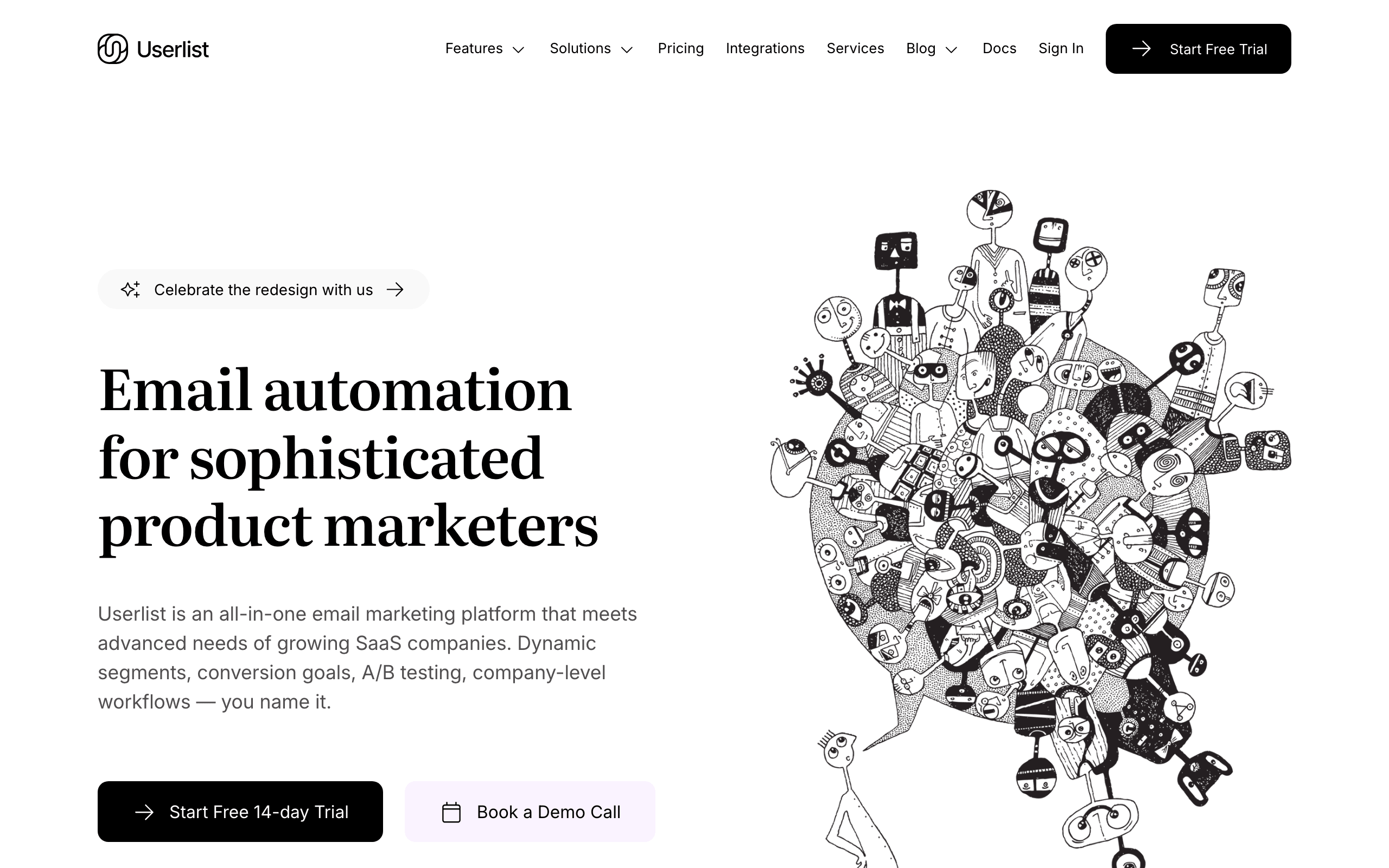
Best for: B2B SaaS teams wanting account-level data alongside HubSpot CRM
Userlist connects to HubSpot via API or webhooks, letting B2B SaaS teams layer account-level behavioral automation on top of HubSpot's CRM data.
- Pricing: From $149/month
- Pros: Account-aware automation, B2B-native design
- Cons: No native HubSpot app, higher starting price
18. Vero
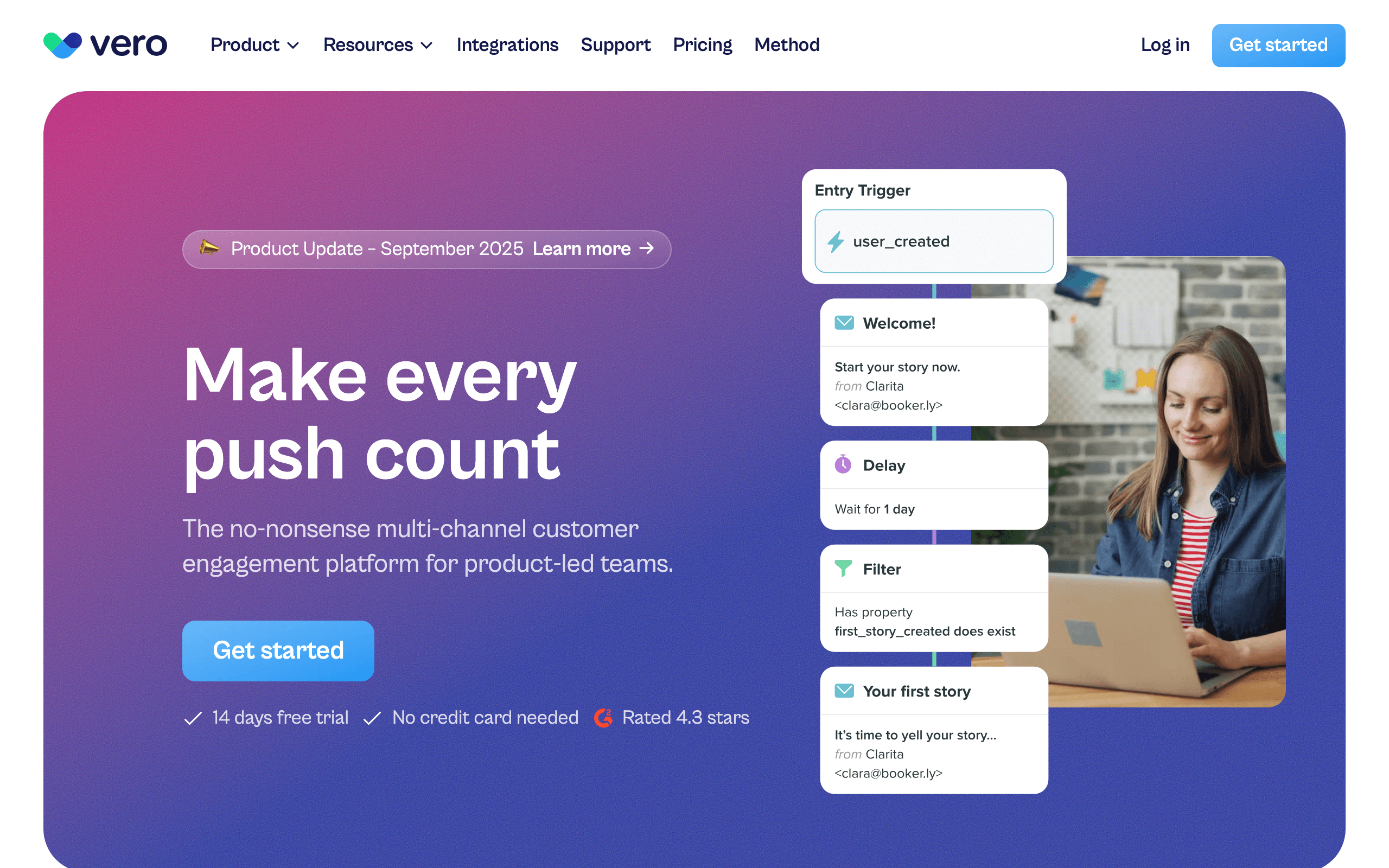
Best for: Engineering teams building custom HubSpot-adjacent automation
Vero's API-first design lets engineering teams pull HubSpot CRM data programmatically to build fully custom behavioral email logic.
- Pricing: From $99/month
- Pros: Full API control, event-driven automation
- Cons: No native HubSpot app, requires engineering resources
19. Moosend
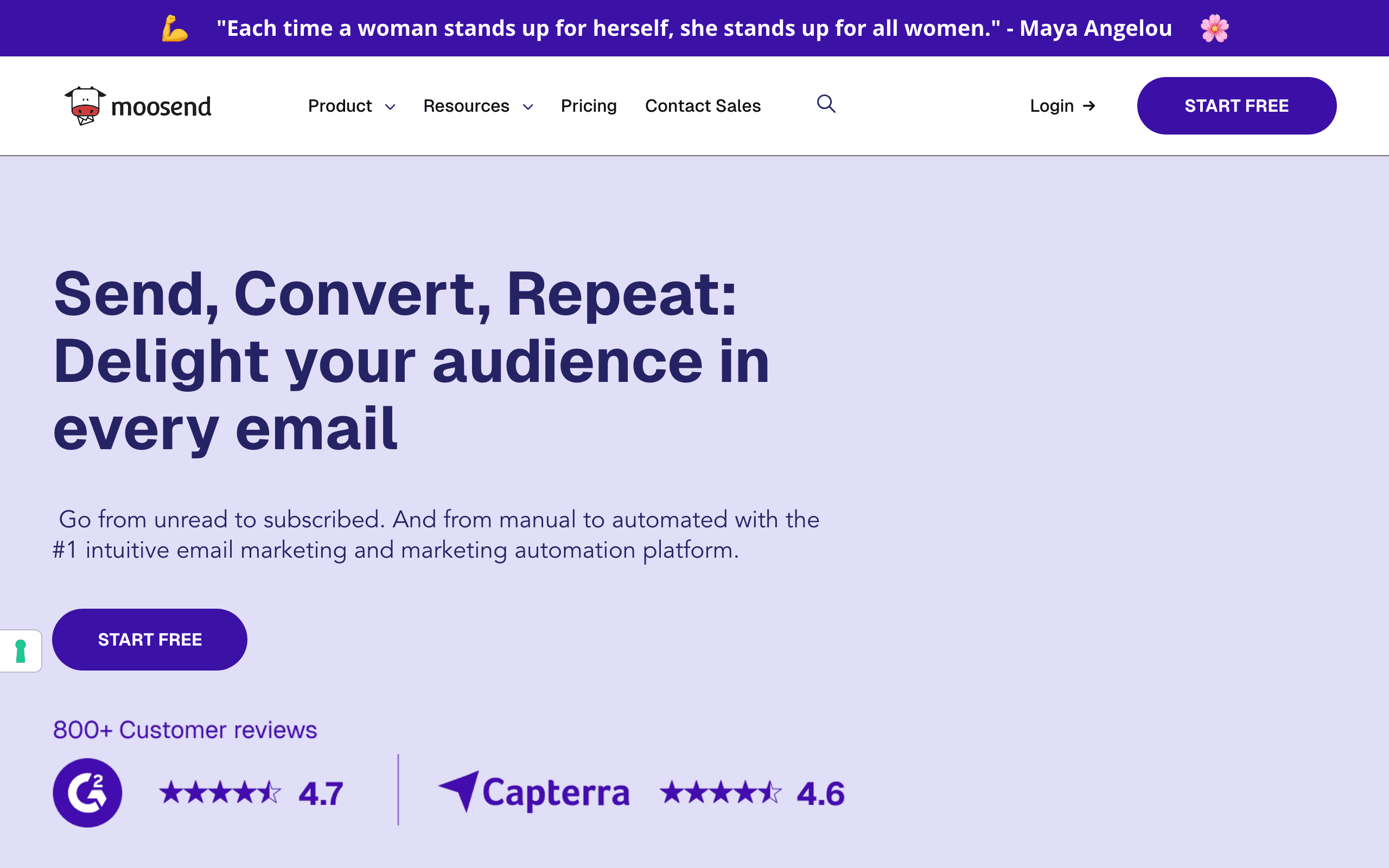
Best for: Budget-conscious teams wanting basic HubSpot sync
Moosend connects to HubSpot via Zapier, offering behavior-based automation at one of the lowest price points among tools with real automation depth.
- Pricing: From $9/month for 500 subscribers
- Pros: Very affordable, decent automation for the price
- Cons: No native HubSpot app, smaller ecosystem
20. Klaviyo
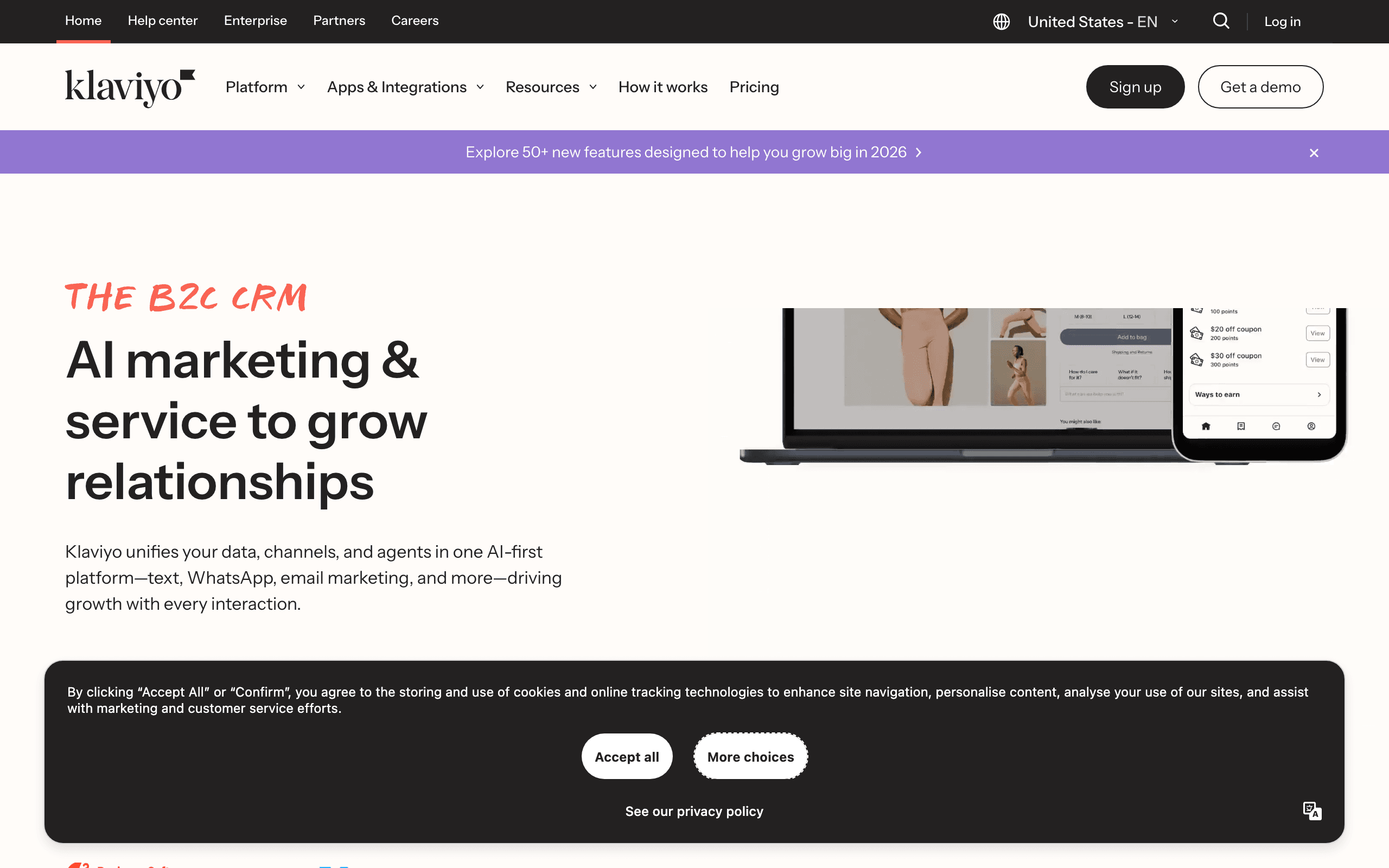
Best for: Ecommerce brands using HubSpot CRM for B2B or wholesale accounts
Klaviyo has a native HubSpot integration, syncing ecommerce data for brands that use HubSpot's CRM to manage wholesale or B2B accounts alongside their direct-to-consumer store.
- Pricing: Free up to 250 contacts, from $45/month
- Pros: Native HubSpot integration, deep ecommerce automation
- Cons: Pricing scales quickly, less natural fit outside ecommerce
FAQ
Does Sequenzy have a native HubSpot app?
No. Sequenzy connects to HubSpot through Zapier, webhooks, or the developer API, functioning as an email layer alongside HubSpot CRM rather than a native HubSpot Marketplace app.
Is HubSpot Marketing Hub worth it if I already use HubSpot CRM for free?
It depends on volume and automation needs. The free CRM plus a separate email tool (like ActiveCampaign or Sequenzy) is often more cost-effective than upgrading to Marketing Hub Professional, unless you specifically need CRM-native workflow triggers without any integration layer.
What is the hubspot sales hub pipeline integration email marketing platforms angle here?
If your priority is triggering email based on Sales Hub pipeline and deal-stage changes specifically, ActiveCampaign's native HubSpot connector, Encharge's native integration, and HubSpot's own Marketing Hub all handle this most directly. Platforms connecting via Zapier or generic API sync can replicate this but require more manual setup to map deal-stage changes into email triggers.
Should I consider Salesforce Marketing Cloud, Pardot, or Marketo if I use HubSpot?
Generally no. These three are competing ecosystems built around Salesforce CRM, not HubSpot integrations. They only make sense if you're evaluating a move away from HubSpot entirely, not as a companion tool.
Can I use HubSpot's CRM without any of HubSpot's email tools?
Yes. This is a common and reasonable setup: keep HubSpot as the CRM system of record and free, then run email marketing through a separate specialized tool connected via API, Zapier, or webhooks.
What's the most affordable native HubSpot integration on this list?
Mailchimp, at $13/month with a native HubSpot app, is the most affordable option with a genuine one-click integration. Zoho Campaigns is cheaper overall but requires Zapier to connect to HubSpot specifically.