
Honest take: Do you need HubSpot?
HubSpot is genuinely excellent. The CRM is best-in-class, the email marketing automation is powerful, and having marketing + sales + service in one platform is valuable. The ecosystem, training, and community are unmatched. Learn more about email analytics. With over 1,000 Trustpilot reviews and a mixed reputation, the pattern is clear: teams love the free CRM and the breadth of the platform, but costs escalate sharply once you move beyond Starter tier. Marketing Hub Professional at $800+/month with mandatory onboarding fees represents a significant commitment, and many growing teams find themselves paying enterprise prices before they need enterprise features.
But starting at $800+/month for Marketing Hub Professional (plus mandatory onboarding fees), it's a significant investment. Here's when alternatives make sense:
| HubSpot use case | Best alternative to evaluate | Why |
|---|---|---|
| Email automation plus lightweight CRM | ActiveCampaign | Stronger email automation at a fraction of Marketing Hub Professional pricing. |
| Budget email, SMS, and basic CRM | Brevo | Much cheaper if you only need contact management and campaigns. |
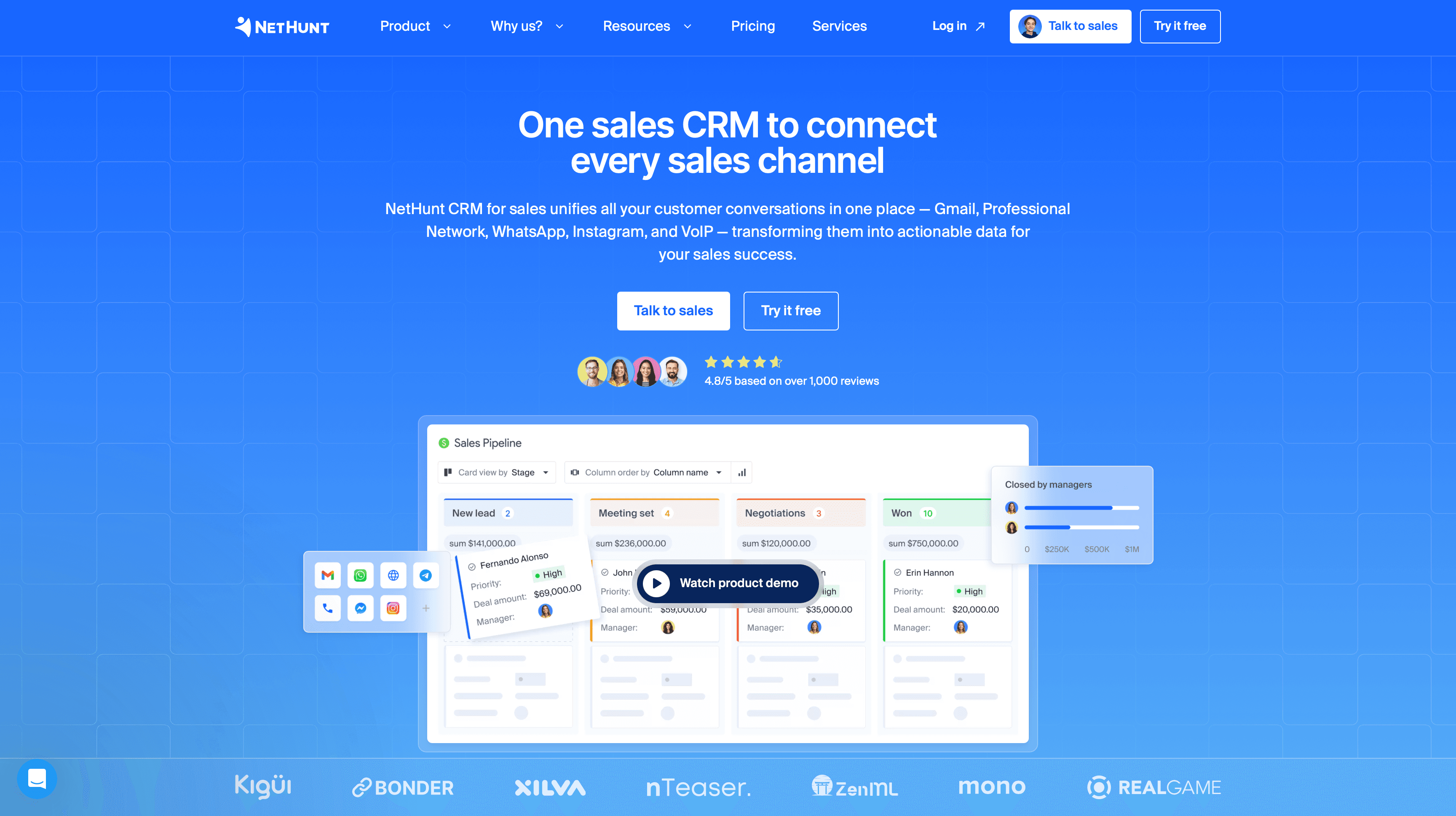
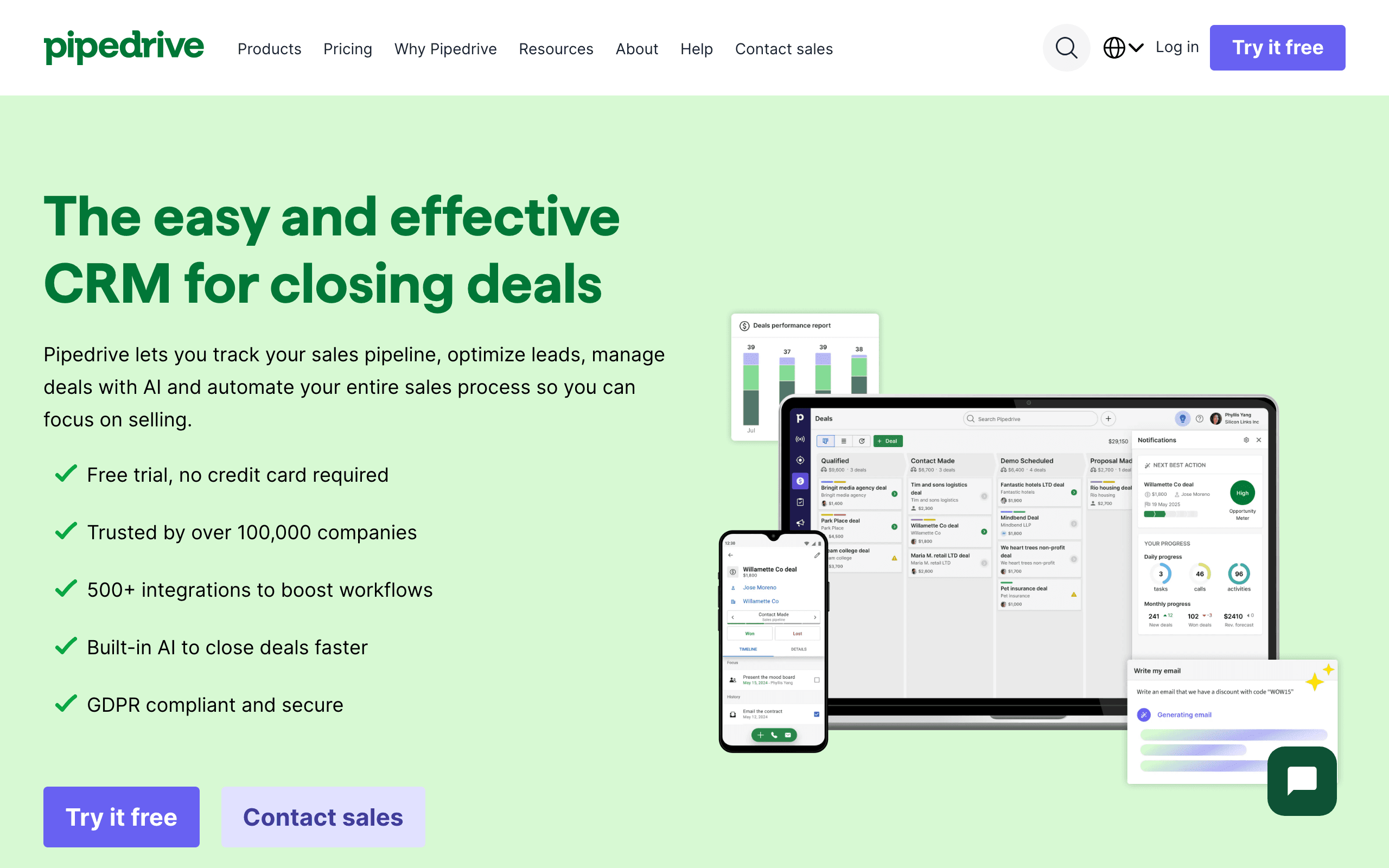
| Sales pipeline is the main job | Pipedrive | Simpler sales CRM without buying the full HubSpot marketing suite. |
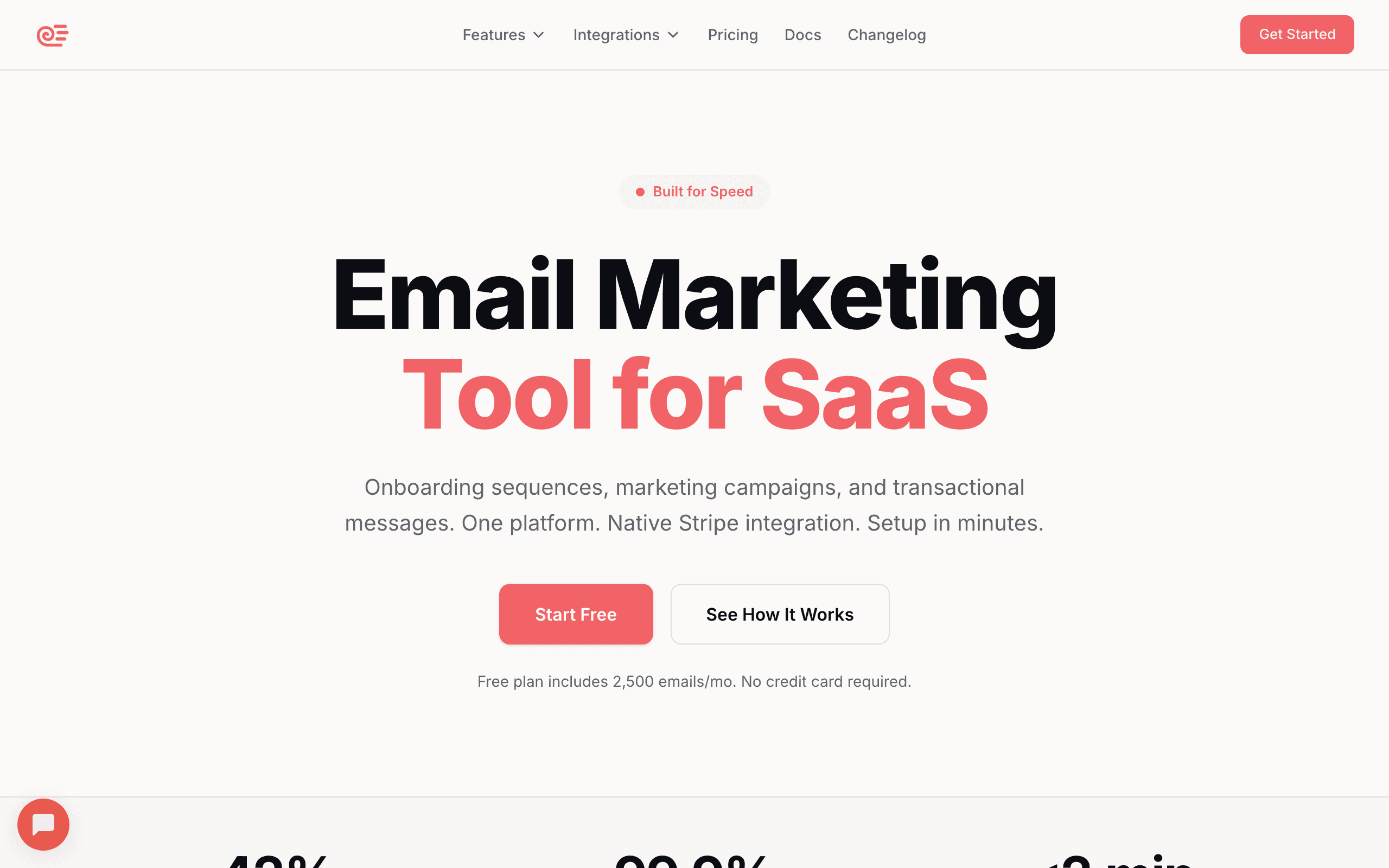
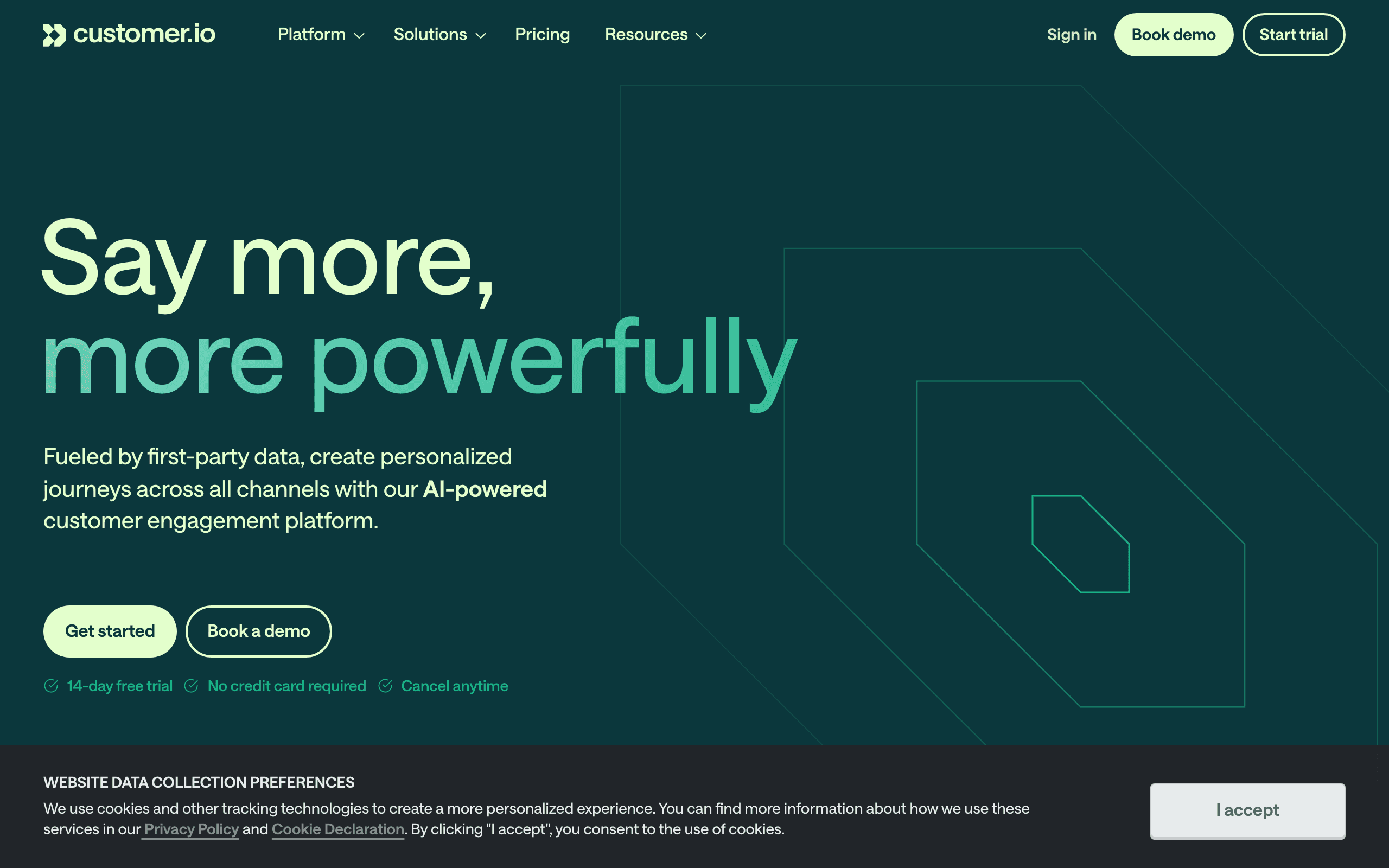
| SaaS lifecycle email | Sequenzy or Customer.io | Product events, Stripe data, and behavioral journeys matter more than HubSpot's broad suite. |
| DTC/e-commerce marketing | Klaviyo or Omnisend | Store data and product recommendations are stronger than HubSpot's retail fit. |
| Full marketing, sales, service, reporting | Stay with HubSpot | The suite value is real when every hub is used. |
Best HubSpot alternative for automation and CRM
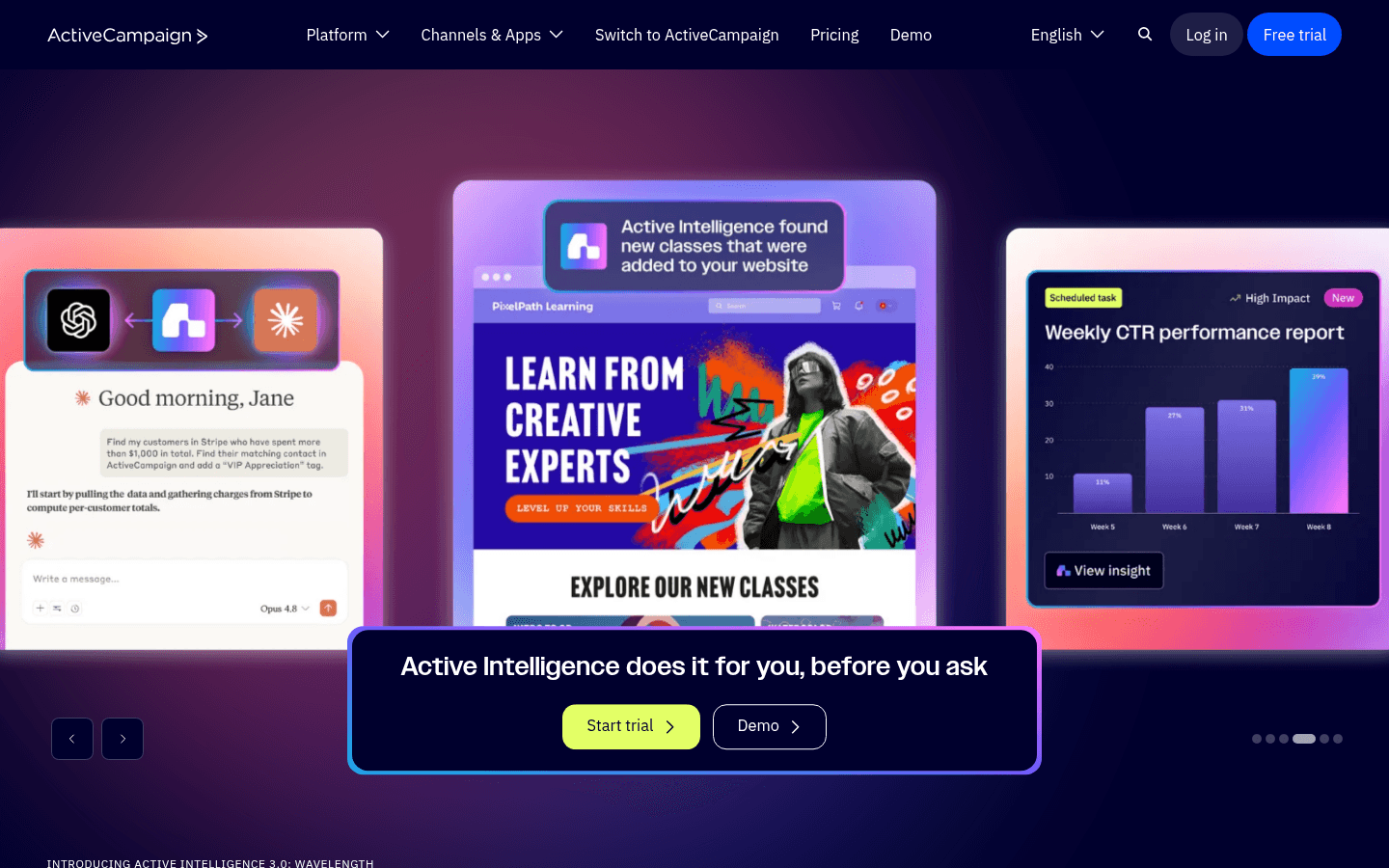
ActiveCampaign offers the most powerful email automation with CRM included at $79/month for 10k contacts. That's 10x cheaper than HubSpot for comparable automation capabilities. See our ActiveCampaign comparison. If you're already thinking about switching email providers, ActiveCampaign makes the transition relatively painless with import tools and workflow migration guides.
Best cheap HubSpot alternative
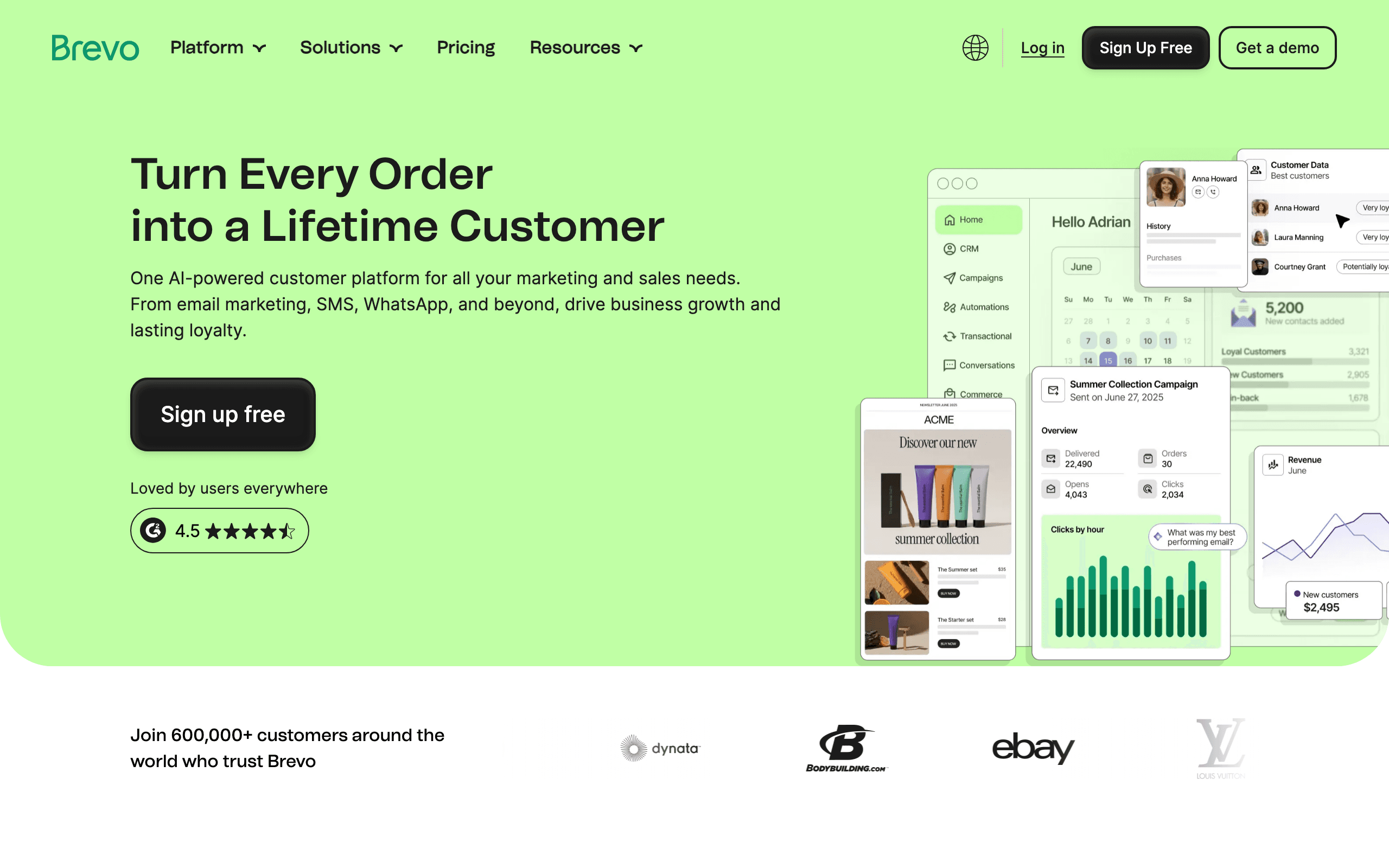
Brevo includes unlimited contacts, basic CRM, and SMS for $25+/month. The CRM isn't as good as HubSpot's, but for teams watching every dollar, it covers the basics. Check our Brevo comparison. Their transactional email support means you can consolidate marketing and transactional sending into one platform.
Best HubSpot alternative for sales teams
Pipedrive is a sales-focused CRM that's much simpler than HubSpot. If sales pipeline matters more than email marketing automation, Pipedrive is easier to use and more affordable. Read our guide to email tools for more options.
| Team priority | HubSpot fit | Better-fit alternative |
|---|---|---|
| Sales pipeline visibility | Strong | Pipedrive if marketing automation is secondary. |
| Email automation depth | Good but expensive | ActiveCampaign for automation-first teams. |
| SaaS onboarding and churn prevention | Workable with setup | Sequenzy or Customer.io for product-led lifecycle messaging. |
| Basic newsletters and CRM notes | Overpowered | Brevo or MailerLite plus a simple CRM. |
| Full revenue operations suite | Excellent | Stay with HubSpot if the suite is central. |
Best HubSpot alternative for SaaS companies
For SaaS companies, the HubSpot tax hits especially hard because you're paying for e-commerce and B2C features you'll never use. Sequenzy handles email marketing with native Stripe integration for subscription businesses, while Customer.io excels at behavioral automation triggered by product usage data. Both are purpose-built for the product-led growth motion that HubSpot awkwardly tries to support through workarounds.
Before replacing HubSpot with another broad CRM suite, map the emails that actually drive SaaS revenue: automate onboarding, convert free trials, recover failed payments, and SaaS lifecycle email tools. If most of the value lives there, a focused lifecycle platform may beat a cheaper CRM clone.
Best HubSpot alternative for e-commerce
E-commerce stores often end up on HubSpot because of brand recognition, then realize the platform wasn't built for DTC. Klaviyo's Shopify integration and product recommendation engine are genuinely better than anything HubSpot offers for online retail. Omnisend adds SMS and push notifications into unified automation workflows at a lower price point.
What to keep from HubSpot before switching
HubSpot is sticky because it stores more than email campaigns. Exporting lists is not enough; decide which operating system each workflow moves into.
| HubSpot workflow | Better next page | Why |
|---|---|---|
| Marketing automation with CRM handoff | ActiveCampaign comparison | Stronger value if email automation and lead follow-up matter more than the full HubSpot suite. |
| Product-led SaaS lifecycle email | Customer.io vs ActiveCampaign | Clarifies whether product events or sales CRM should own the automation model. |
| Billing-triggered SaaS email | Recover failed payments and trial conversion templates | HubSpot usually needs middleware for subscription state; validate that gap before choosing another platform. |
| E-commerce retention | Best e-commerce email platforms and cart abandonment templates | Store revenue workflows should be compared against Klaviyo/Omnisend-style tools, not CRM breadth. |
The pricing comparison
At 10,000 contacts:
| Platform | Approx. 10k price | What the price buys |
|---|---|---|
| HubSpot | $800+/month Professional | Full marketing suite, CRM ecosystem, reporting, and automation. |
| ActiveCampaign | $79/month Plus | Strong email automation with CRM at far lower cost. |
| Brevo | $25+/month | Budget campaigns, SMS, transactional email, and basic CRM. |
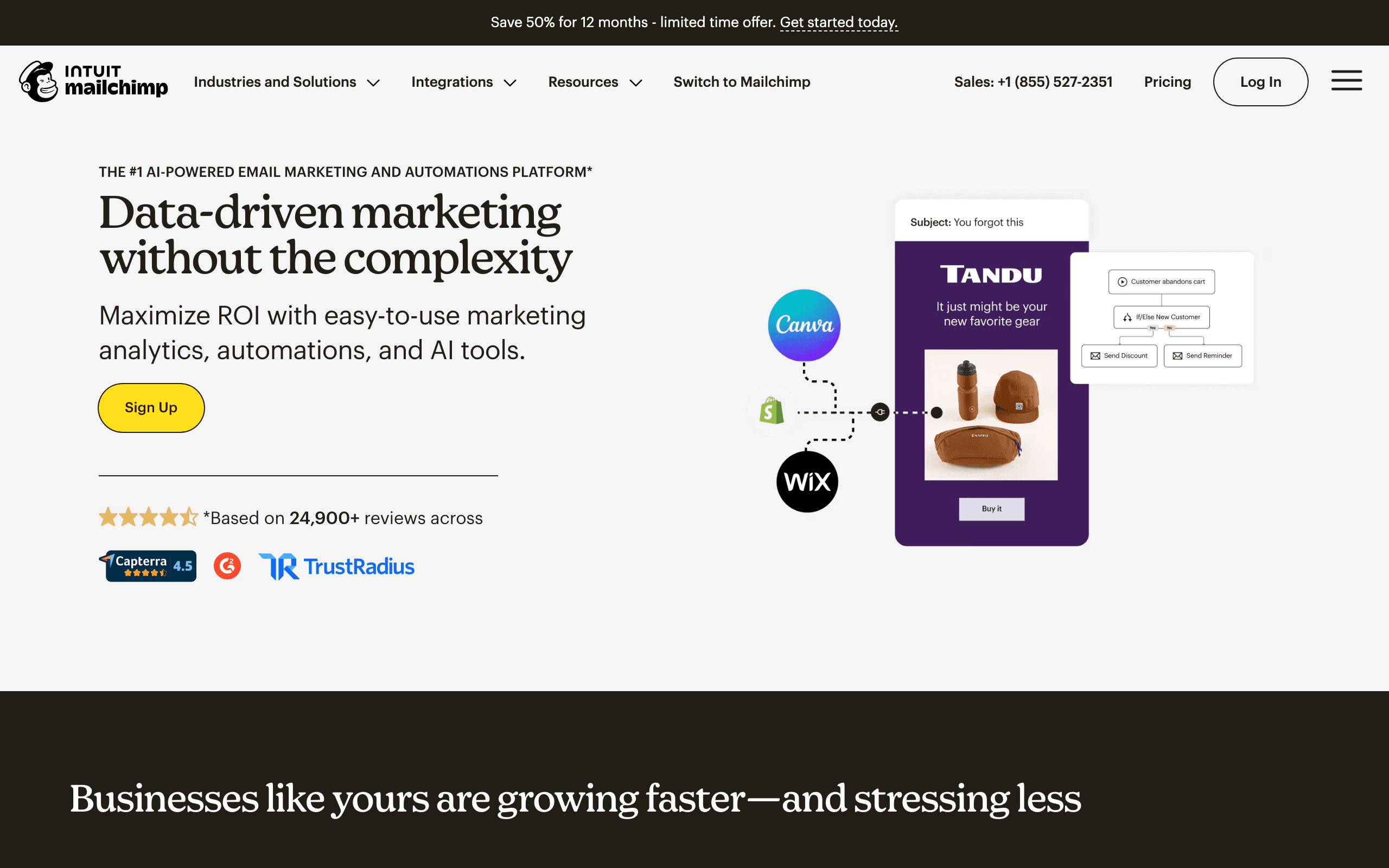
| Mailchimp | $110-135/month | Familiar general email marketing without full CRM depth. |
| Omnisend | $59/month | E-commerce email/SMS automation at lower cost than HubSpot. |
| Pipedrive | $49/user/month | Sales CRM and pipeline management, with marketing as secondary. |
| Sequenzy | $49/month | SaaS email lifecycle automation without CRM overhead. |
| MailerLite | $50/month | Simple email marketing and landing pages. |
The gap between HubSpot and everything else is staggering. You could literally use ActiveCampaign, MailerLite, AND a separate CRM tool and still pay less than HubSpot Professional. See our full pricing comparison page and use the email ROI calculator to figure out what makes financial sense for your team.
When HubSpot is still the right choice
Stick with HubSpot if:
| Stay with HubSpot when... | Switch when... |
|---|---|
| You need complete marketing + sales + service integration. | You only use email campaigns and a few contact properties. |
| The HubSpot CRM is already central to your operations. | CRM data can live in Pipedrive, Salesforce, or another existing system. |
| Budget is not a primary constraint. | Marketing Hub Professional blocks other growth investments. |
| You value the ecosystem, training, and community. | Your team does not use the training enough to justify the platform premium. |
| Your team has already invested in HubSpot certifications and workflows. | New workflows are slow because every change touches too many HubSpot objects. |
HubSpot's free CRM is genuinely excellent. Many teams start there and upgrade when they need marketing automation. But for email-focused teams, the Marketing Hub premium is hard to justify. Use our email warmup calculator and email validator to optimize your email operations before committing to a platform. And if you're curious how specific alternatives stack up head-to-head, check our Mailchimp vs alternatives and ActiveCampaign vs alternatives pages for more context.









