

Why People Consider Marketo Alternatives
Marketo is genuinely powerful enterprise marketing automation. But power comes with trade-offs. With only 5 Trustpilot reviews - all from years ago - Marketo's public review footprint is surprisingly thin for a platform of its stature. The feedback acknowledges strong functionality and deliverability but consistently notes the steep learning curve and premium pricing. Since Adobe's acquisition, the platform has deepened its enterprise positioning, which means growing companies that adopted Marketo early increasingly find themselves paying for capabilities they've outgrown the need for - or never needed in the first place.
The Cost Problem
Starting at $895/month with annual contracts, plus $5,000-100,000+ implementation, Marketo requires serious budget. Many companies discover they're paying enterprise prices for features they never use. If your marketing team is 1-2 people, you're likely underutilizing Marketo's capabilities. Read our Marketo comparison page for a detailed breakdown.
| Marketo cost layer | What it means in practice | Lower-friction alternative |
|---|---|---|
| $895+/mo subscription | Annual budget commitment before implementation | ActiveCampaign, Encharge, Sequenzy |
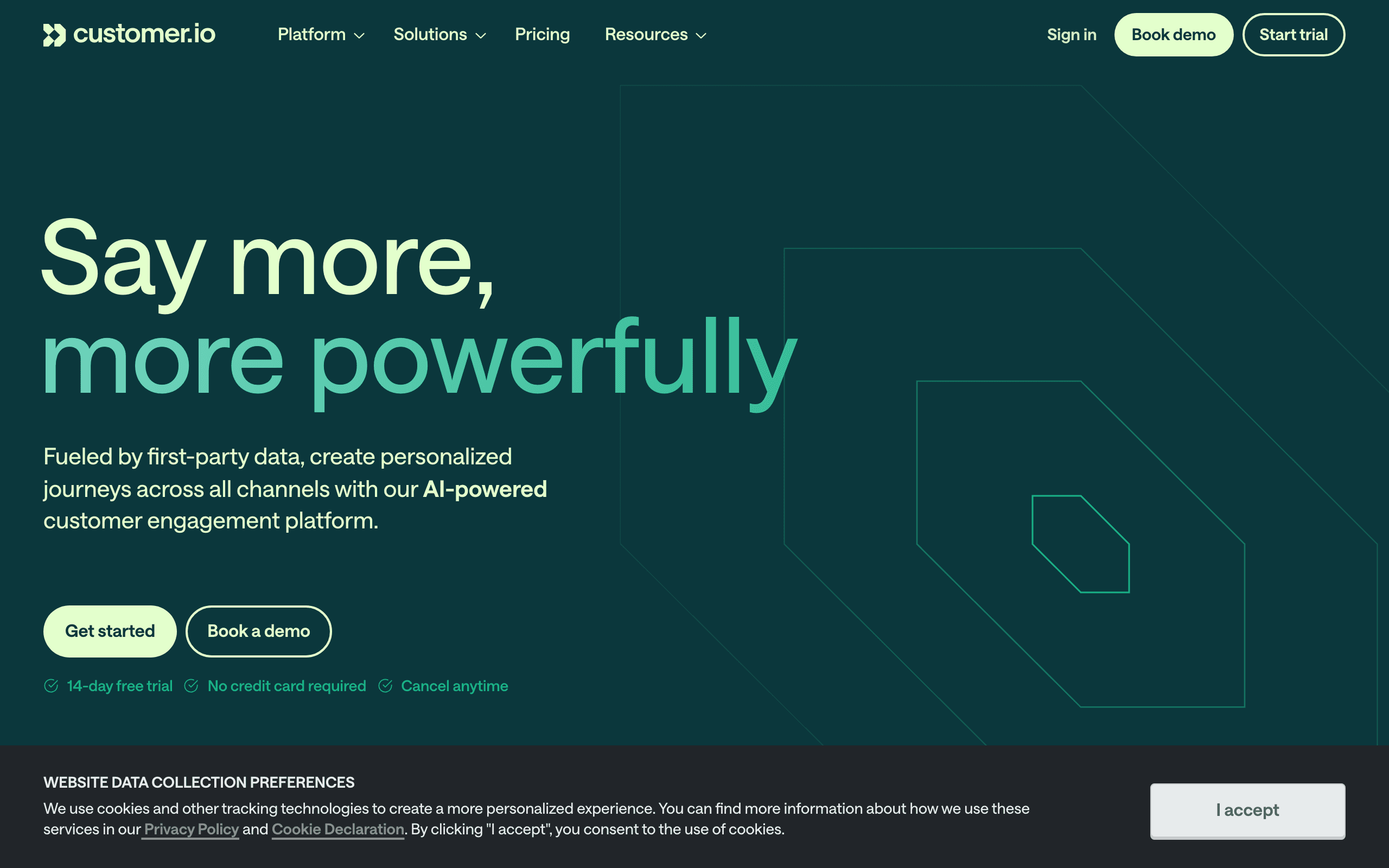
| Implementation services | Weeks or months before full value | HubSpot, ActiveCampaign, Customer.io |
| Marketing ops headcount | Someone must own scoring, routing, and reporting | Sequenzy or MailerLite for simpler email |
| Adobe ecosystem fit | Valuable only if the stack is already enterprise Adobe | HubSpot or Pardot if CRM fit matters more |
| Annual contract lock-in | Hard to right-size when strategy changes | Self-serve monthly tools |
The Complexity Problem
Revenue attribution, account-based marketing, predictive lead scoring, multi-touch campaigns - these features require expertise to configure and maintain. Companies without dedicated marketing ops often struggle to unlock Marketo's value. Simpler tools might serve you better. Check our email automation glossary for what most teams actually need.
The Flexibility Problem
Annual contracts lock you in. If your business changes - budget cuts, team changes, pivot - you're committed. Monthly options with simpler tools offer more flexibility for growing companies.
The Implementation Problem
Weeks to months of setup, training programs, often external consultants. If you need to move fast, Marketo's overhead can block progress. Self-serve alternatives let you start sending today. See our guide on getting started with email marketing for a smoother path.
The Alternatives, Honestly
Best Marketo alternative for easier enterprise marketing: HubSpot
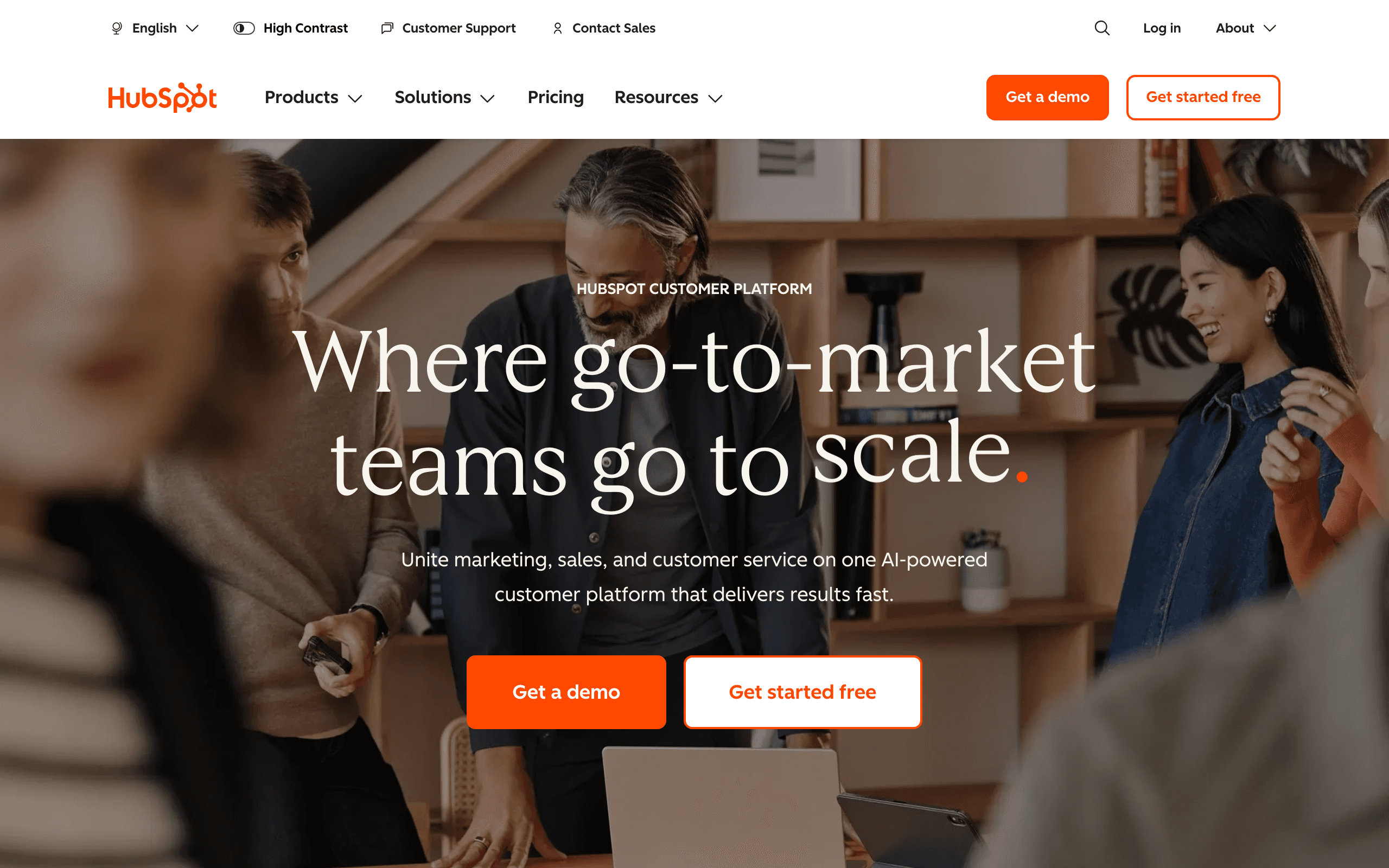
HubSpot Marketing Hub is the most popular Marketo alternative. Full marketing automation with CRM, CMS, sales, and service tools. Easier to learn than Marketo with excellent documentation. Check our HubSpot alternatives page for more context.
The trade-off: still expensive at scale (Enterprise $3,600/mo), and less sophisticated B2B lead management.
Best Marketo alternative for Salesforce teams: Pardot
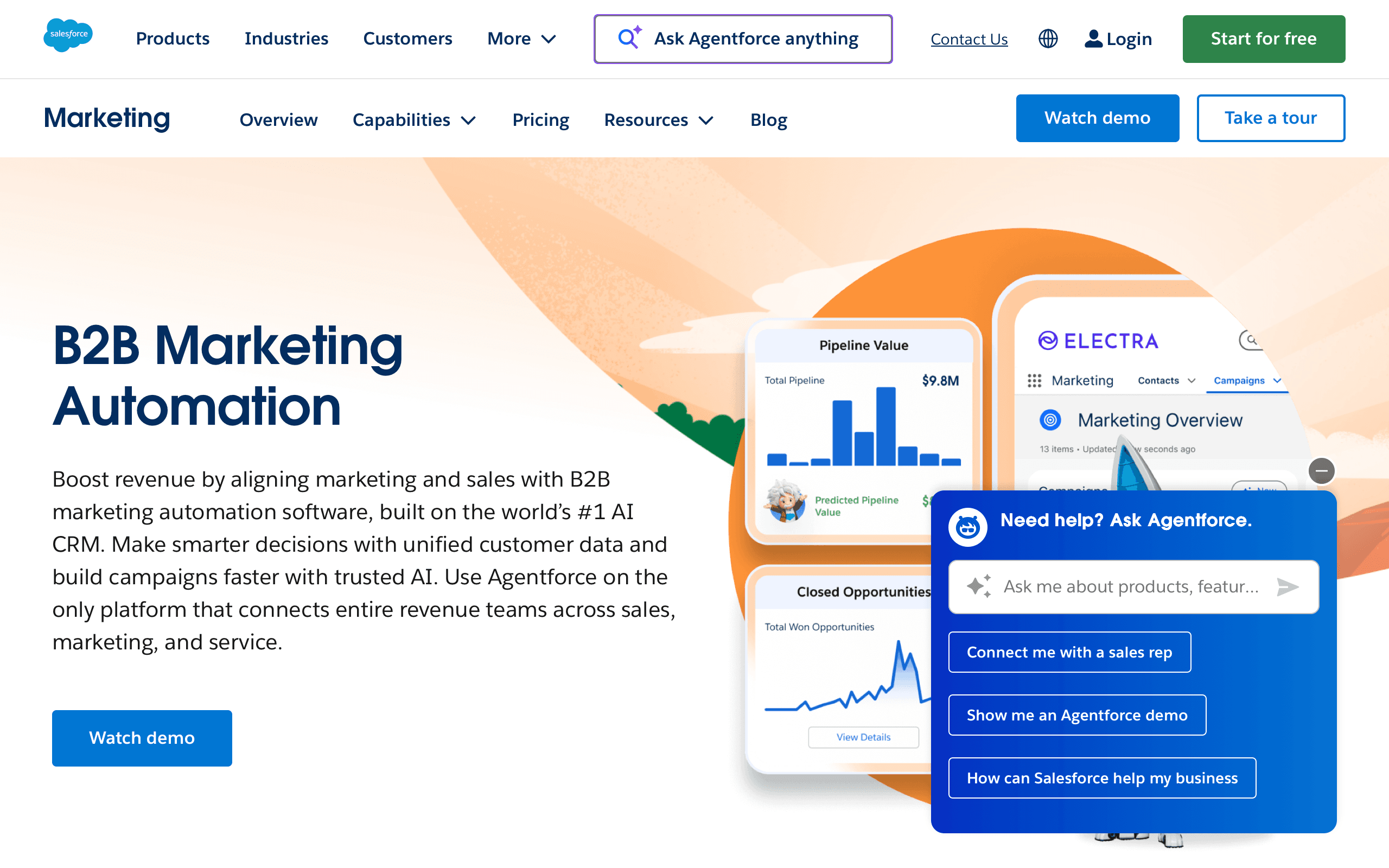
Pardot (now Salesforce Marketing Cloud Account Engagement) integrates natively with Salesforce CRM. If Salesforce is your source of truth, Pardot maintains that ecosystem. See our Pardot alternatives page for comparisons.
The trade-off: requires Salesforce, expensive ($1,250+/mo), and you're deeper in Salesforce lock-in.
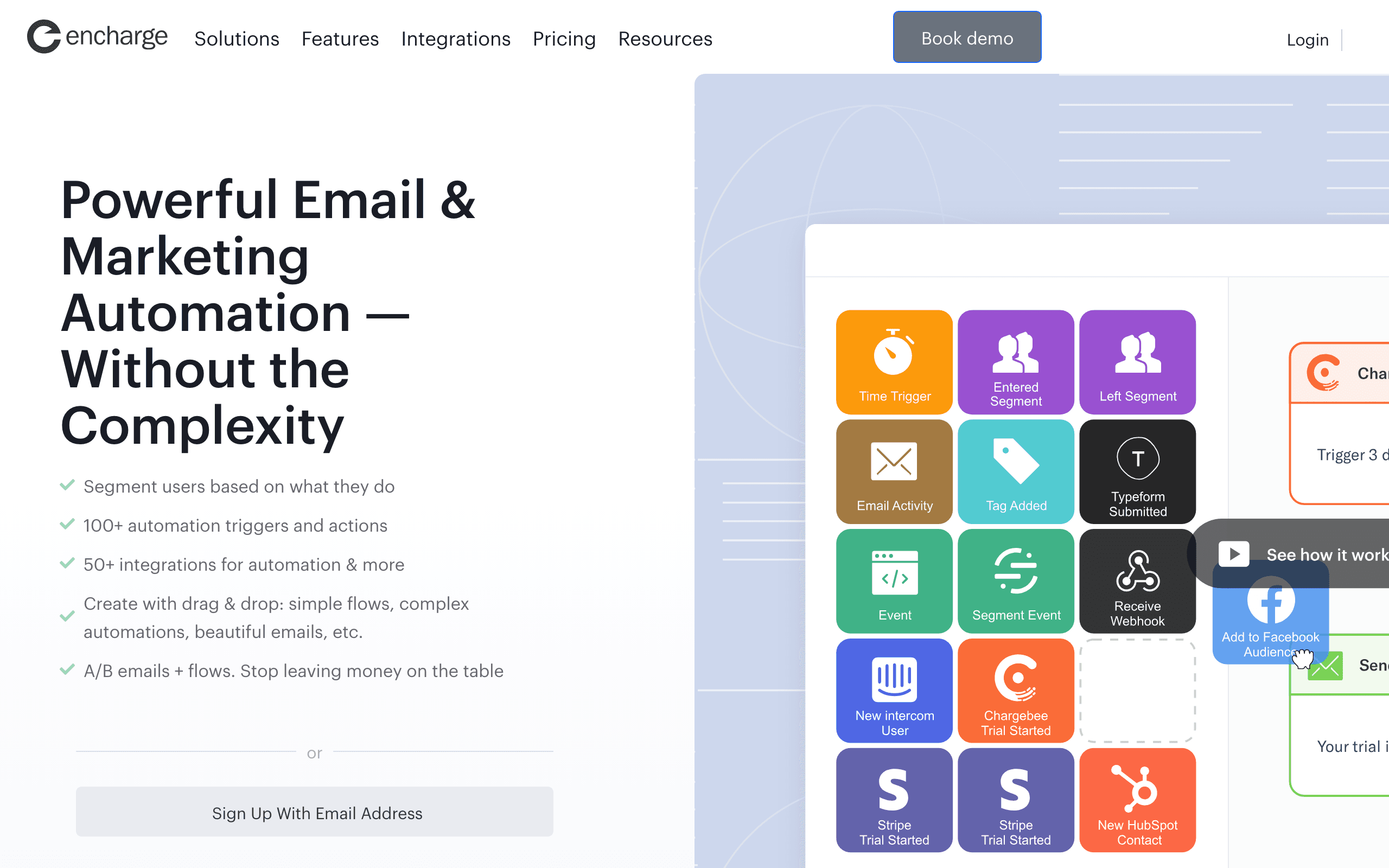
Best Marketo alternative for mid-market automation: ActiveCampaign
ActiveCampaign delivers excellent automation with CRM at a fraction of Marketo's cost. Pro tier ($149/mo) handles most marketing automation needs.
The trade-off: lacks enterprise revenue attribution and ABM, but most mid-market doesn't need those.
Best Marketo alternative for SaaS email: Sequenzy
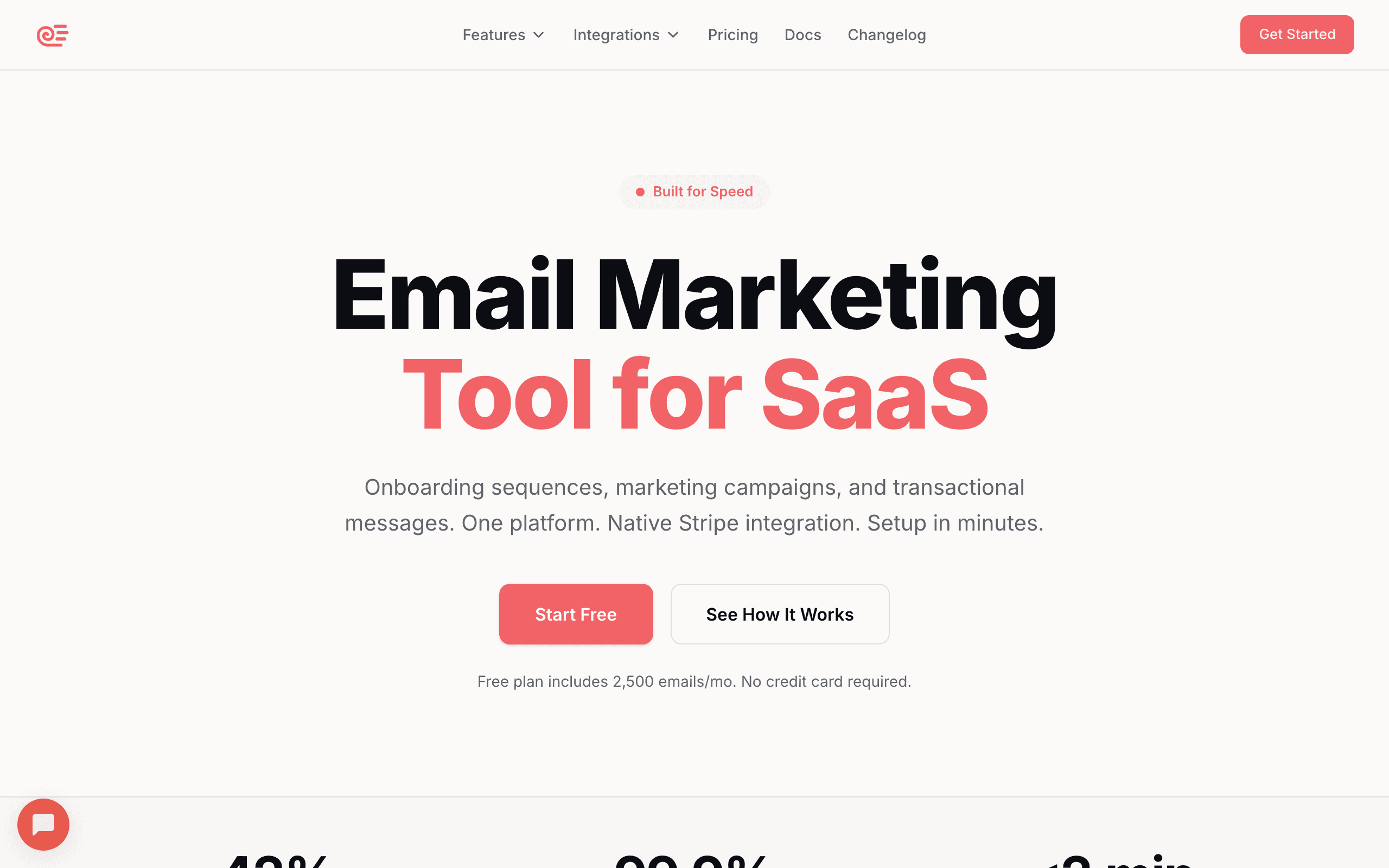
Sequenzy is focused email marketing for SaaS at $19/month. AI-generated sequences, Stripe integration, transactional + marketing. If Marketo is overkill, this might be enough.
The trade-off: no revenue attribution, no ABM, email only. But also 18x cheaper.
| Team type | Marketo fit | Better fit |
|---|---|---|
| Enterprise B2B with dedicated marketing ops | Strong | Stay with Marketo or compare HubSpot Enterprise |
| Salesforce-first B2B team | Good, but not native | Pardot |
| Mid-market B2B with small ops team | Often too heavy | ActiveCampaign |
| SaaS founder-led marketing | Overkill | Sequenzy |
| Technical team wanting control | Expensive and closed | Mautic |
Best open-source Marketo alternative: Mautic
Mautic is free, open-source marketing automation with CRM, landing pages, and visual workflows. Full Marketo-like power if you can self-host.
The trade-off: significant DevOps commitment, steep learning curve, DIY everything.
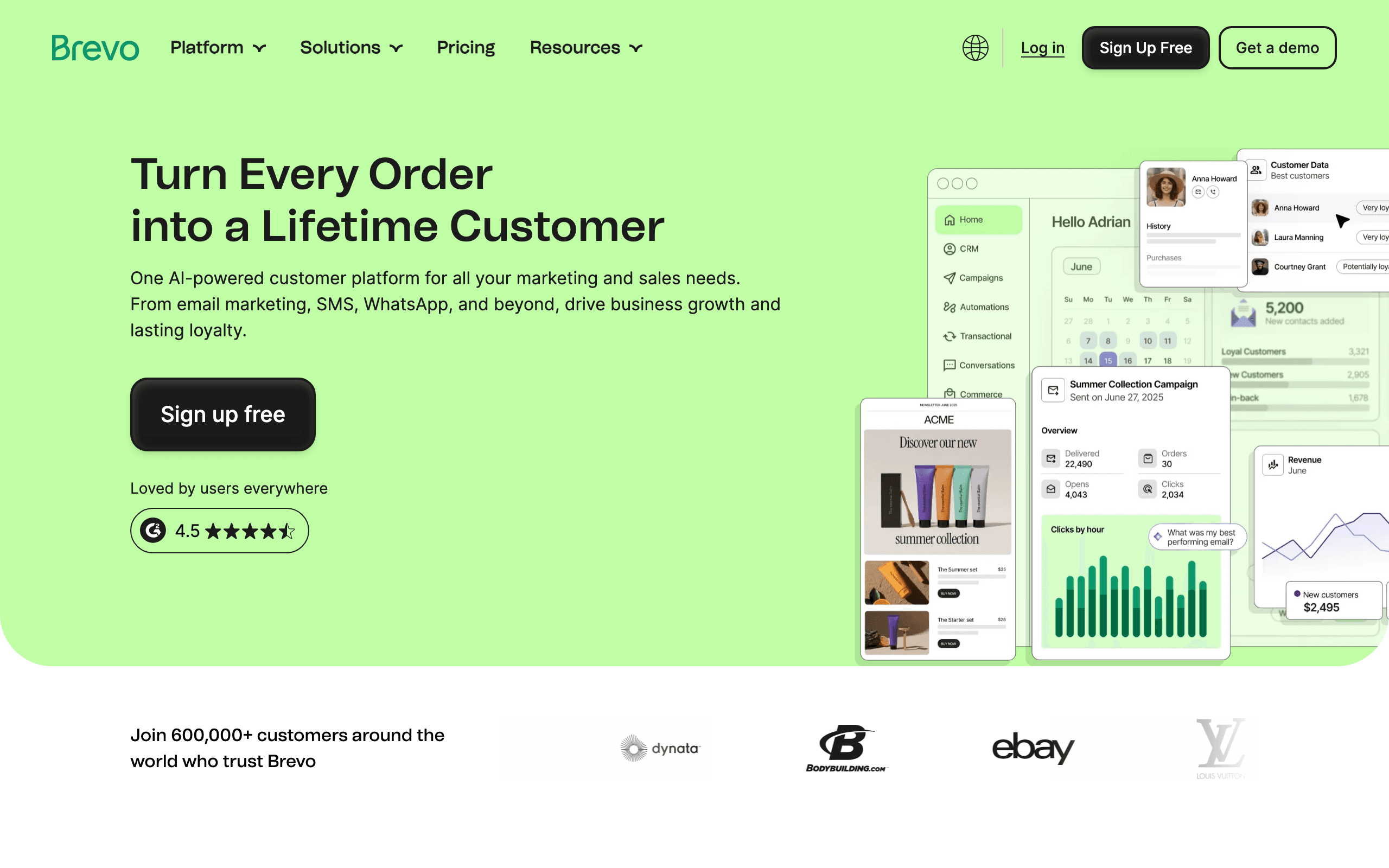
Cheapest Marketo alternative for basic automation: Brevo
Brevo (formerly Sendinblue) offers unlimited contacts with marketing automation from $65/month. Dramatically cheaper than Marketo. Great for teams that need transactional email alongside marketing.
The trade-off: less sophisticated automation, basic lead scoring, dated interface.
The Cost Reality
At 10,000 contacts, annual cost comparison:
| Platform | Annual Cost | Notes |
|---|---|---|
| Marketo Select | $10,740+ | Plus $5-50k implementation |
| HubSpot Pro | $9,600 | Plus onboarding |
| Pardot Growth | $15,000 | Plus Salesforce |
| Ortto Professional | $6,108 | Self-serve |
| ActiveCampaign Pro | $1,788 | Self-serve |
| Customer.io | $1,200+ | Self-serve |
| Encharge | $1,188 | Self-serve |
| Sequenzy | $588 | Self-serve |
| Brevo | $780 | Self-serve |
| MailerLite | $600 | Self-serve |
| Mautic | ~$420 | Self-hosted |
Marketo makes sense when revenue justifies the investment. For most companies under 500 employees, mid-market alternatives deliver 80% of the value at 10-20% of the cost.
When Marketo Is Still the Right Choice
Stay with Marketo if:
| Stay with Marketo when... | Switch when... |
|---|---|
| Revenue attribution across complex B2B sales cycles is critical | You mainly send campaigns and nurture sequences |
| Account-based marketing is core to your strategy | ABM is more aspirational than operational |
| You have dedicated marketing operations resources | One marketer is trying to maintain everything |
| Adobe ecosystem integration adds value | Adobe is not central to your go-to-market stack |
| Enterprise compliance and support are required | Monthly flexibility matters more than enterprise procurement |
| Marketing drives millions in attributable revenue | Software cost is ahead of marketing maturity |
Marketo is excellent software for its target market. The question is whether you're in that market.
Migration Considerations
Moving away from Marketo:
- Contact export: Straightforward via Smart Lists and CSV
- Workflow recreation: Manual process in new platform
- Lead scores: Don't transfer meaningfully - rebuild scoring logic
- Integrations: Custom integrations need rebuilding
- Training: Team retraining on new platform
- Timeline: Plan for 4-8 weeks minimum
Companies typically migrate when they realize Marketo complexity exceeds their needs. The migration is work, but simplified operations often justify it.
Use our email validator tool to verify your list quality, check our SPF checker and DKIM checker to ensure your email authentication is configured correctly, and review our email deliverability guide before migrating.








