
Overview
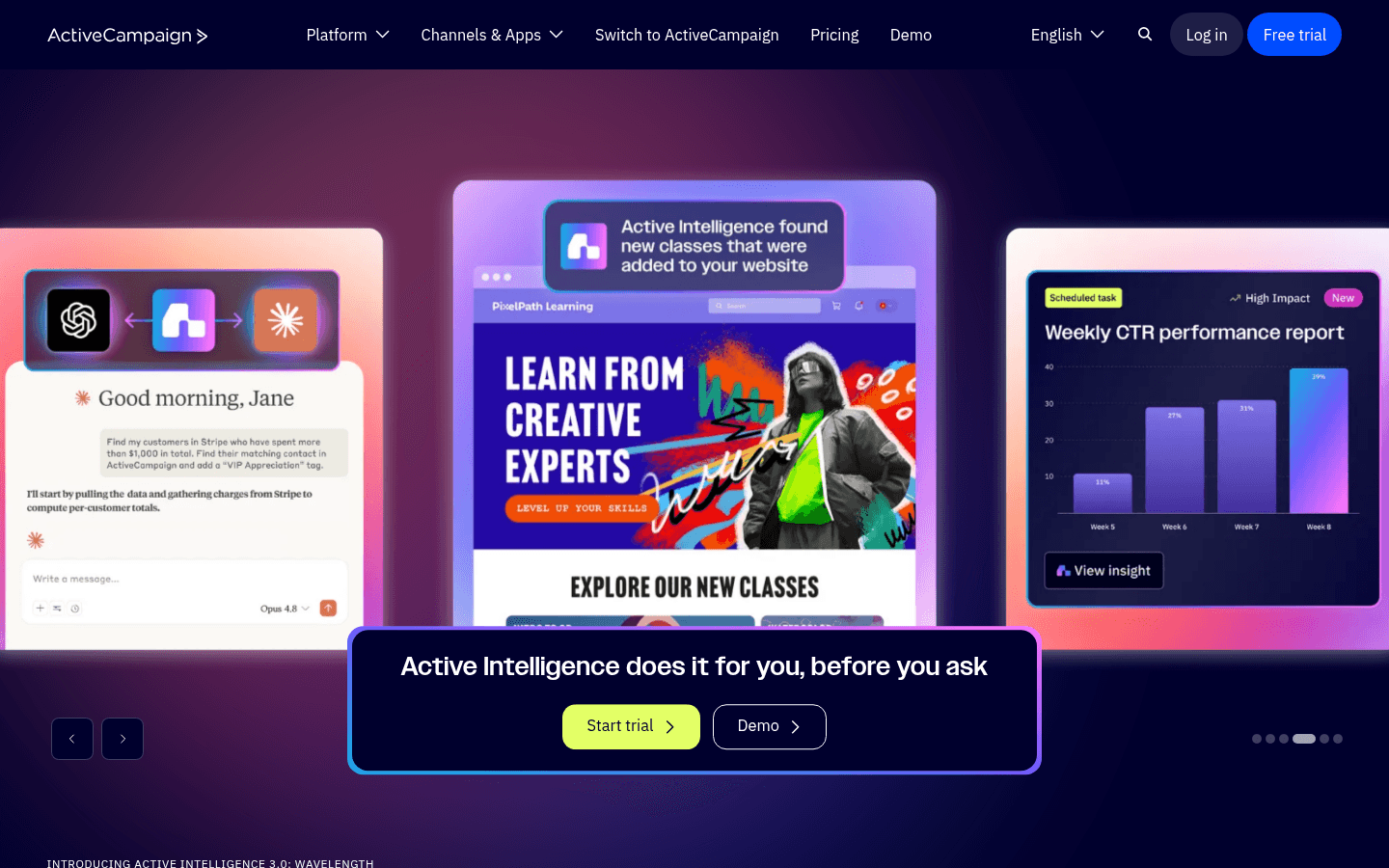
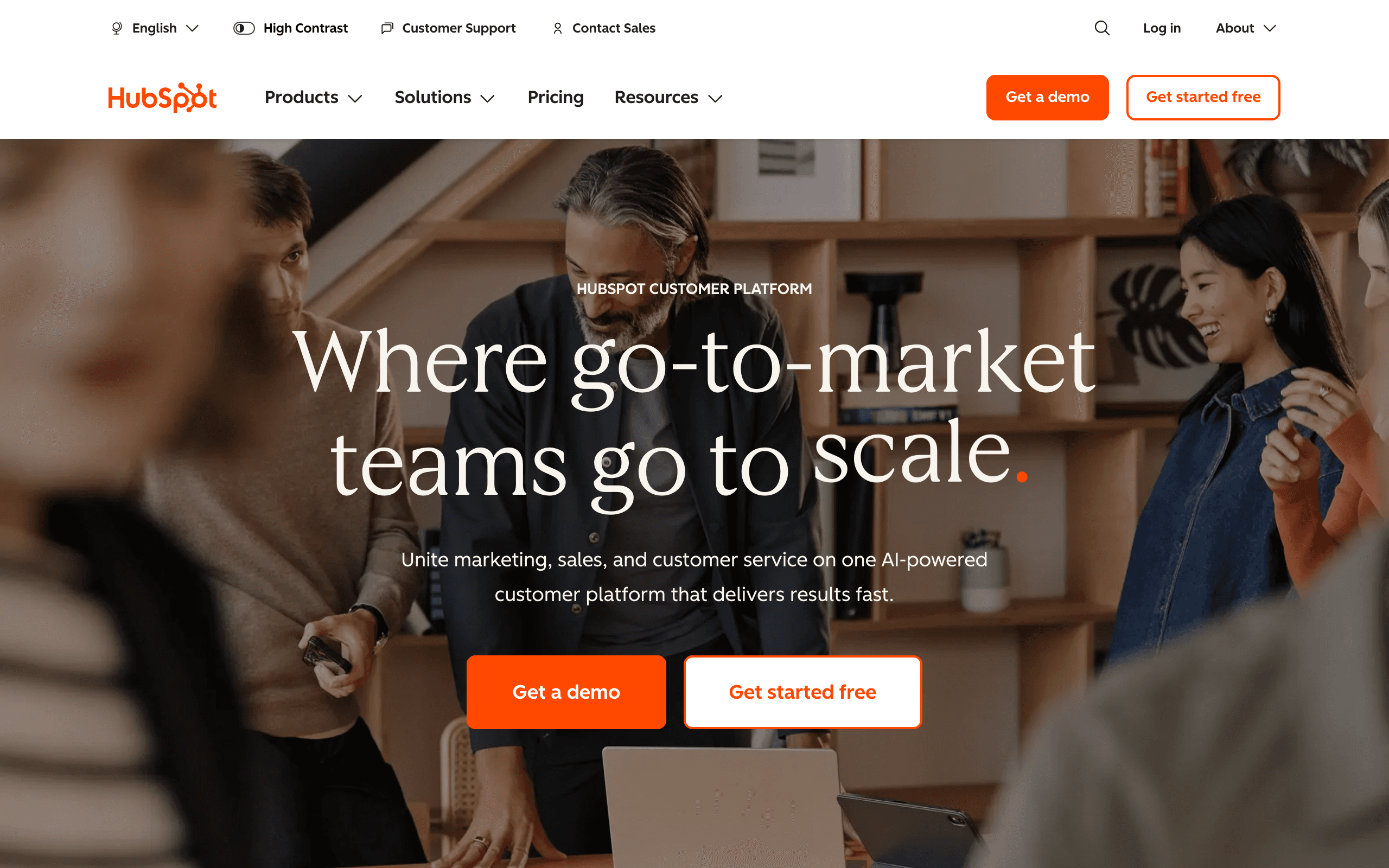
ActiveCampaign and HubSpot are both powerful marketing automation platforms, but they serve different markets with vastly different pricing models. See our ActiveCampaign comparison and HubSpot comparison for detailed analysis.
ActiveCampaign has built its reputation on sophisticated email automation with CRM-style follow-up. HubSpot offers a broader business platform with marketing, sales, service, CMS, reporting, and operations capabilities. That wider scope can be valuable, but it also means the buying process should model more than the marketing email subscription.
Pricing reality
This is where these platforms differ most dramatically, but the comparison needs a real buying checklist rather than one sample contact tier:
ActiveCampaign: model contact count, required automation tier, users, CRM add-ons, SMS, custom reporting, and transactional email needs.
HubSpot: model the exact hubs, tiers, seats, marketing contacts, onboarding requirements, reporting needs, CMS needs, and whether sales or service teams will use it.
Sequenzy: model subscriber count, monthly sends, Stripe usage, transactional email needs, and lifecycle automation requirements.
HubSpot can cost materially more because it is often bought as a platform, not only as an email tool. ActiveCampaign is easier to justify when the core job is marketing automation. Sequenzy is easier to compare when the core job is SaaS lifecycle email. Compare current Sequenzy tiers on our pricing page.
Use-case matchups
| Use case | Better fit | What to verify |
|---|---|---|
| Email automation plus lighter CRM | ActiveCampaign | Confirm automation depth, CRM needs, users, SMS, reporting, and contact-tier pricing. |
| Unified revenue platform | HubSpot | Confirm Marketing, Sales, Service, CMS, Operations, seats, contacts, onboarding, and reporting requirements. |
| Complex sales and service alignment | HubSpot | The ecosystem is strongest when multiple departments use the same customer record. |
| Budget-conscious automation | ActiveCampaign | It can cover sophisticated email workflows without buying a full business suite. |
| SaaS lifecycle and transactional email | Sequenzy | If the job is Stripe-triggered product email, a narrower platform can be cleaner. |
Best Fit by Operating Model
Best ActiveCampaign vs HubSpot choice for lean marketing automation teams
Choose ActiveCampaign when the team mainly needs email automation, segmentation, and lighter CRM at a more manageable platform cost. It is the better fit when marketing owns the tool and sales only needs basic pipeline or lead follow-up context.
Best ActiveCampaign vs HubSpot choice for full revenue operations
Choose HubSpot when marketing, sales, service, CMS, reporting, and operations teams all need one shared customer system. HubSpot is easiest to justify when the platform replaces several tools, not when it is only being used to send email campaigns.
Best HubSpot or ActiveCampaign alternative for SaaS lifecycle email
Choose Sequenzy when subscription events are the center of the workflow: trial starts, payment failures, upgrades, cancellations, product usage, onboarding, and transactional email. That is narrower than HubSpot and more SaaS-specific than ActiveCampaign.
Migration checklist
| Step | What to confirm |
|---|---|
| Contacts and companies | Export contacts, companies, custom properties, lifecycle stages, lists, segments, consent, unsubscribes, bounces, and suppression records. |
| CRM and pipeline | Map deals, owners, pipelines, tasks, lead scores, campaign membership, sales activity, and lifecycle definitions. |
| Workflows | Rebuild nurture, scoring, sales alerts, handoffs, onboarding, re-engagement, and suppression logic manually. |
| Assets | Move email templates, landing pages, forms, CTAs, files, snippets, and CMS content where relevant. |
| Integrations | Reconnect ecommerce, payments, ads, analytics, calendar, CRM, support, forms, and Zapier/API workflows. |
| Reporting | Export attribution, campaign, funnel, lifecycle, sales, and service reports before cutting over. |
| Sender setup | Reverify SPF, DKIM, DMARC, branded links, sender identities, unsubscribe behavior, and tracking domains. |
Review signals
The ActiveCampaign reviews on this page emphasize automation flexibility, value versus HubSpot, and a CRM that is good enough for smaller sales teams. They also imply the boundary: ActiveCampaign is strongest when email automation is the center of the system, not when every department needs a shared enterprise platform.
The HubSpot reviews point to the integrated marketing, sales, and service ecosystem as the real value, while also calling out pricing pressure and onboarding friction. Treat HubSpot's review profile as a sign to model the full platform rollout before buying.
Decision checklist
- Choose ActiveCampaign if the main need is sophisticated email automation with lighter CRM at a lower platform cost.
- Choose HubSpot if marketing, sales, service, CMS, attribution, and operations teams need one shared customer system.
- Avoid ActiveCampaign if enterprise reporting, service workflows, CMS, and multi-department governance are must-haves.
- Avoid HubSpot if the team only needs email automation and will not use the wider hub ecosystem.
- Consider Sequenzy if the specific job is SaaS lifecycle, transactional, and Stripe-triggered email rather than broad CRM automation.
Where ActiveCampaign Wins
Value for money
ActiveCampaign delivers enterprise-grade automation at SMB prices. For teams focused on email marketing and automation, it's hard to beat the value.
Automation flexibility
ActiveCampaign's automation builder is incredibly powerful with over 500 pre-built recipes. Complex multi-step workflows with conditional logic are straightforward to create.
Integrated CRM included
The CRM is included in ActiveCampaign plans, not a separate product. This makes it easier to connect sales and marketing activities without additional costs.
No mandatory onboarding fees
Unlike HubSpot's required Professional onboarding ($3,000+), ActiveCampaign offers optional onboarding and extensive self-serve resources.
Where HubSpot Wins
Complete business platform
HubSpot's ecosystem includes Marketing, Sales, Service, CMS, and Operations hubs that work together seamlessly. If you need all of these, the integration value is real.
Enterprise features
Advanced attribution modeling, custom reporting, and team management features are more mature in HubSpot for enterprise needs.
Free CRM
HubSpot's free CRM is genuinely useful and can be a good starting point before investing in paid hubs.
Content management
HubSpot's CMS Hub provides a complete website solution. ActiveCampaign offers landing pages but not full website management.
Why Sequenzy Is Better for SaaS
If you're a SaaS company, both ActiveCampaign and HubSpot are overkill - and overpriced. Here's why Sequenzy makes more sense:
Purpose-built for subscription businesses
Sequenzy's native Stripe integration means you can trigger emails based on billing events: trial started, payment failed, subscription upgraded, cancellation. Set up a dunning sequence in minutes, not hours.
One platform for all email
Welcome emails, password resets, receipts, onboarding sequences, upgrade prompts - all from one platform. ActiveCampaign and HubSpot focus on marketing, forcing you to bolt on transactional email services.
Pricing that matches a narrower job
Sequenzy is narrower than HubSpot and more SaaS-specific than ActiveCampaign. That can make the cost easier to justify for early SaaS teams that need billing-aware email, not a complete CRM/CMS/service platform.
Developer-first architecture
Clean API, webhooks, event tracking - Sequenzy is built for teams who want email integrated into their product, not just their marketing department.
Direct founder support
Talk to the founders who built the product. No ticket queues, no enterprise sales calls. Just helpful humans who understand SaaS.
The Hidden Cost of HubSpot
HubSpot's sticker price is only the beginning. Buyers should explicitly budget for onboarding, seats, marketing contacts, multiple hubs, reporting requirements, CMS usage, and implementation time. Adding Sales Hub, Service Hub, CMS Hub, or Operations Hub can make the real platform cost very different from the first marketing plan quote.
ActiveCampaign's pricing is usually easier to reason about for email automation, but it still depends on contact count, plan tier, and add-ons. For SaaS companies watching burn rate, Sequenzy is worth evaluating when the needed system is product and billing lifecycle email rather than a full revenue platform.
Team Collaboration and Permissions
HubSpot excels at team collaboration with granular permissions, team-based views, and cross-departmental workflows. Marketing teams, sales reps, and support agents can all work within the same ecosystem. This integration creates genuine value for companies with 20+ people who need shared context around customer interactions.
ActiveCampaign supports team collaboration but at a simpler level. User roles and permissions exist but are not as granular. For smaller teams where everyone wears multiple hats, this is usually sufficient. For SaaS startups with small teams, tools like Sequenzy keep things simple with the features that matter most for product-led growth.
Content Marketing and SEO Capabilities
HubSpot's CMS Hub provides a complete website solution with SEO tools, blogging, and content strategy features. This makes it a genuine all-in-one platform for companies that want marketing, sales, and web presence managed together. ActiveCampaign offers landing pages but not a full CMS or SEO toolkit.
If content marketing is central to your strategy and you want everything under one roof, HubSpot has a real advantage here. However, most companies are better served by a dedicated CMS like WordPress combined with a specialized email platform. The bundled approach saves integration effort but limits flexibility with any single tool.
Long-Term Platform Lock-In
Both platforms create switching costs, but HubSpot's lock-in effect is stronger. Years of CRM data, custom properties, workflow logic, attribution models, and content stored in HubSpot CMS make migration a significant project. ActiveCampaign's lock-in is primarily around automation workflows and CRM data, which is less extensive.
Before choosing either platform, consider your five-year trajectory. If you are a growing SaaS company, you may outgrow ActiveCampaign's CRM or find HubSpot's pricing unsustainable. Building on a platform designed for your specific business model - like Sequenzy for SaaS - reduces the risk of a painful migration later.









