Overview
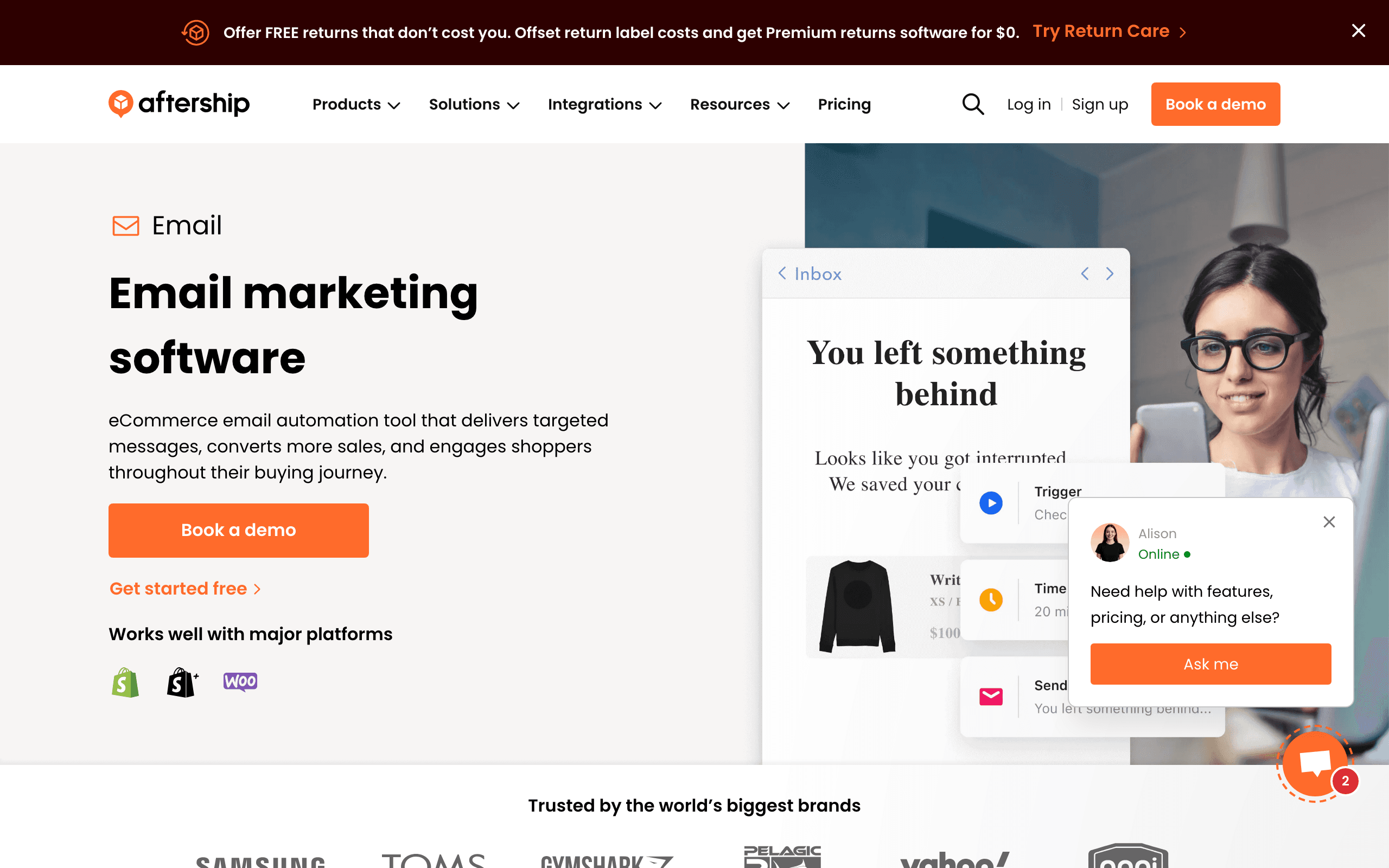
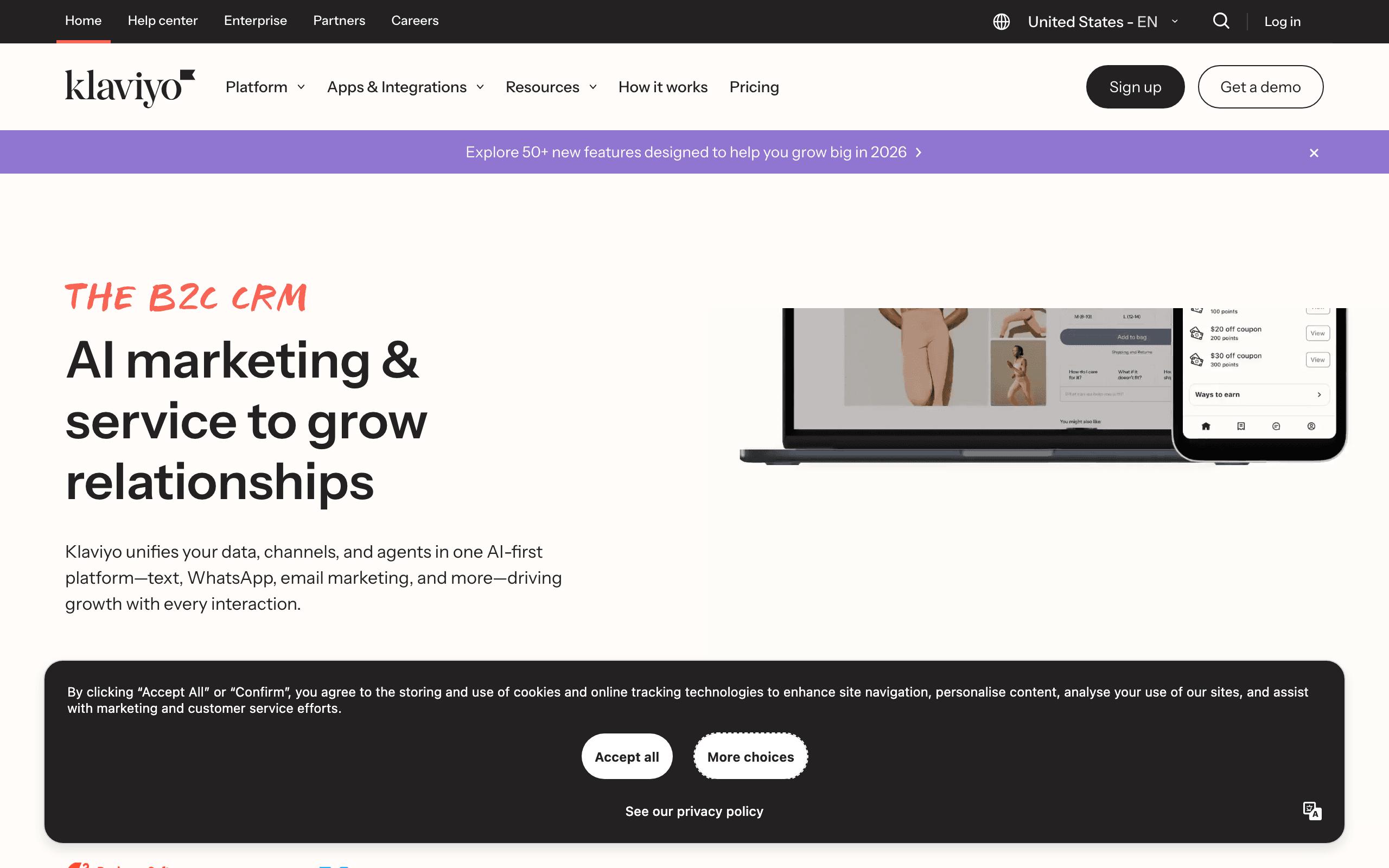
Automizely and Klaviyo sit at different ends of the Shopify email market. Automizely is a lightweight app-style option with AfterShip ecosystem context. Klaviyo is a deeper ecommerce lifecycle platform for teams that want customer profiles, flow logic, revenue attribution, and multi-channel campaign operations. For stores that want more than basic popups but less than a full suite, Sequenzy is a simpler email automation alternative.
The Feature Gap
Klaviyo offers deeper ecommerce segmentation, flow branching, revenue attribution, SMS options, testing, product data, and personalization features. Automizely is more about basic email campaigns, forms, and Shopify-friendly workflows. Choosing between them is really about choosing your ambition level for email marketing.
For stores with small lists and limited marketing time, Automizely's simplicity may be adequate. Any store that sees email as a major revenue driver will likely want more segmentation, attribution, and automation depth. The question is whether Klaviyo's larger operating model is justified for your specific situation.
When Budget Constraints Are Real
Not every Shopify store should buy a complex lifecycle platform immediately, and that is a legitimate consideration. If email is still a small channel, a lightweight tool that covers the basics can preserve cash flow for inventory, ads, creative, and product work.
The smartest approach for budget-conscious stores is to start with a tool you can actually operate, focus on building your list and testing messaging, and upgrade only when your email revenue potential justifies the investment. Use our email validator tool to keep your list clean from the start.
Revenue Attribution and Proving ROI
Klaviyo's revenue attribution is one of its strongest selling points. Email, flow, and campaign activity can be tied back to ecommerce performance, making it easier to prove ROI and justify the platform cost. Automizely is more limited when you need deeper reporting.
For store owners who need to justify marketing spend to partners or investors, Klaviyo's reporting creates accountability. You can see exactly how much revenue each automated flow generates and optimize accordingly. This data-driven approach is what separates professional e-commerce email marketing from basic newsletter sending.
The Middle Ground Option
Between Automizely's simplicity and Klaviyo's complexity lies a sweet spot that many Shopify stores are looking for. Platforms like Sequenzy offer meaningful automation capabilities including AI-generated sequences and behavioral triggers without the enterprise pricing of Klaviyo. At $49/month, it costs only slightly more than Automizely while providing substantially more marketing power for growing stores.
Use-case matchups
| Use case | Better fit | Why |
|---|---|---|
| Small Shopify store with basic email needs | Automizely | It is cheaper and easier for lightweight campaigns and forms. |
| Ecommerce lifecycle revenue engine | Klaviyo | It is built around profiles, product data, flows, attribution, SMS, and segmentation. |
| AfterShip-centered shipping communication | Automizely | The ecosystem context can matter if shipping workflows are the main need. |
| Advanced product and order-based personalization | Klaviyo | Klaviyo's value comes from clean ecommerce data and ongoing optimization. |
| Email-focused ecommerce without SMS suite complexity | Sequenzy | It gives a narrower ecommerce email path with transactional support. |
Pricing reality
At 5,000 subscribers, this page lists Automizely at $25/month and Klaviyo at $100+/month. Klaviyo is a major price jump, so it needs to pay back through revenue attribution, better flows, segmentation, SMS, and product-data personalization.
Automizely is acceptable when the list and email revenue are still small. Klaviyo becomes more compelling when email is already a meaningful revenue channel and someone will optimize flows every month.
Review signals
The Automizely reviews on this page describe a basic but affordable option that small stores can use, while warning that serious marketing teams outgrow it. That is exactly the intended positioning.
The Klaviyo reviews emphasize transformed Shopify revenue, predictive analytics, flow contribution, and ROI despite high cost. That makes Klaviyo a stronger choice when ecommerce email has enough revenue potential to justify the spend.
Migration checklist
Before moving from Automizely to Klaviyo, export contacts, suppression lists, forms, templates, coupons, segments, and automation logic. Rebuild the highest-impact flows first: welcome, abandoned checkout, browse abandonment, post-purchase, review request, replenishment, winback, and VIP. Confirm that Shopify events, product catalog data, consent status, and historical order data are syncing correctly before turning off old flows.
Best Fit by Ecommerce Growth Stage
Best email marketing tool for budget Shopify stores
Choose Automizely when the store needs basic email, forms, and simple AfterShip-adjacent workflows at a low cost. It is a better fit for early stores than for teams trying to optimize every lifecycle flow.
Best email marketing tool for serious Shopify email revenue
Choose Klaviyo when segmentation, product data, SMS, predictive analytics, flow revenue, and attribution justify the cost. Klaviyo is the better fit once email is a revenue channel that someone actively manages.
Best email marketing tool for moving beyond basic ecommerce apps
Choose a deeper platform when welcome, cart, browse, post-purchase, review, replenishment, win-back, and VIP flows are all becoming important. The migration only pays off if those flows will be rebuilt and maintained.
Decision checklist
- Choose Automizely if the store needs affordable basic email, forms, and AfterShip-adjacent workflows.
- Choose Klaviyo if email revenue, segmentation, product data, SMS, and attribution justify a deeper platform.
- Avoid Klaviyo if nobody will maintain flows, tests, and ecommerce segments.
- Avoid Automizely if advanced lifecycle marketing is already a revenue requirement.
- Consider Sequenzy if the store wants stronger email automation and transactional email without buying a full ecommerce suite.