Overview
MailerSend and Elastic Email both offer email verification but at very different price points. MailerSend has cleaner DX. Elastic Email is dramatically cheaper.
Price Comparison
Elastic Email is much cheaper. At 50k: ~$4.50/month vs $25/month. At 500k: ~$45/month vs $250+. For cost-conscious senders, Elastic Email wins.
Developer Experience
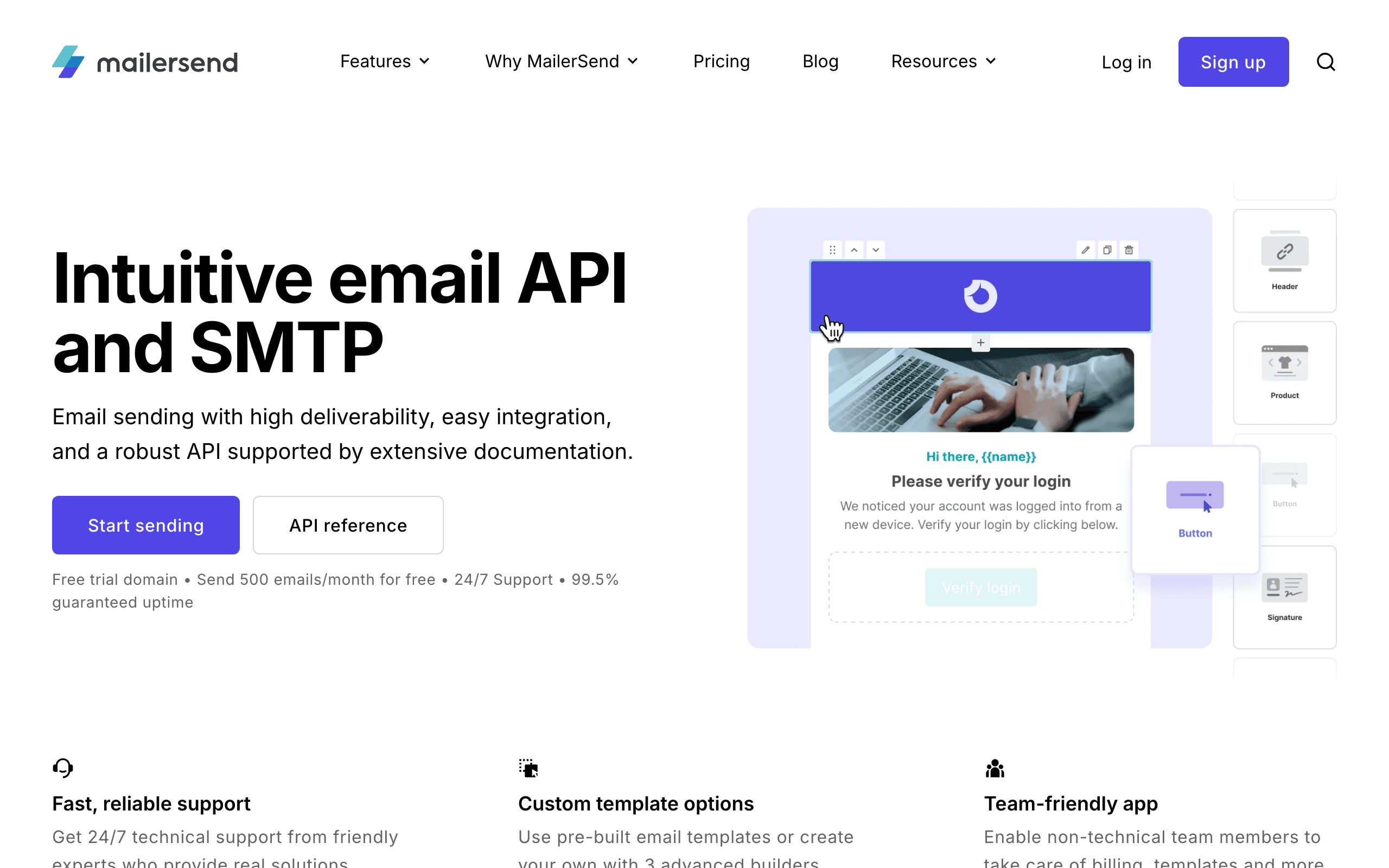
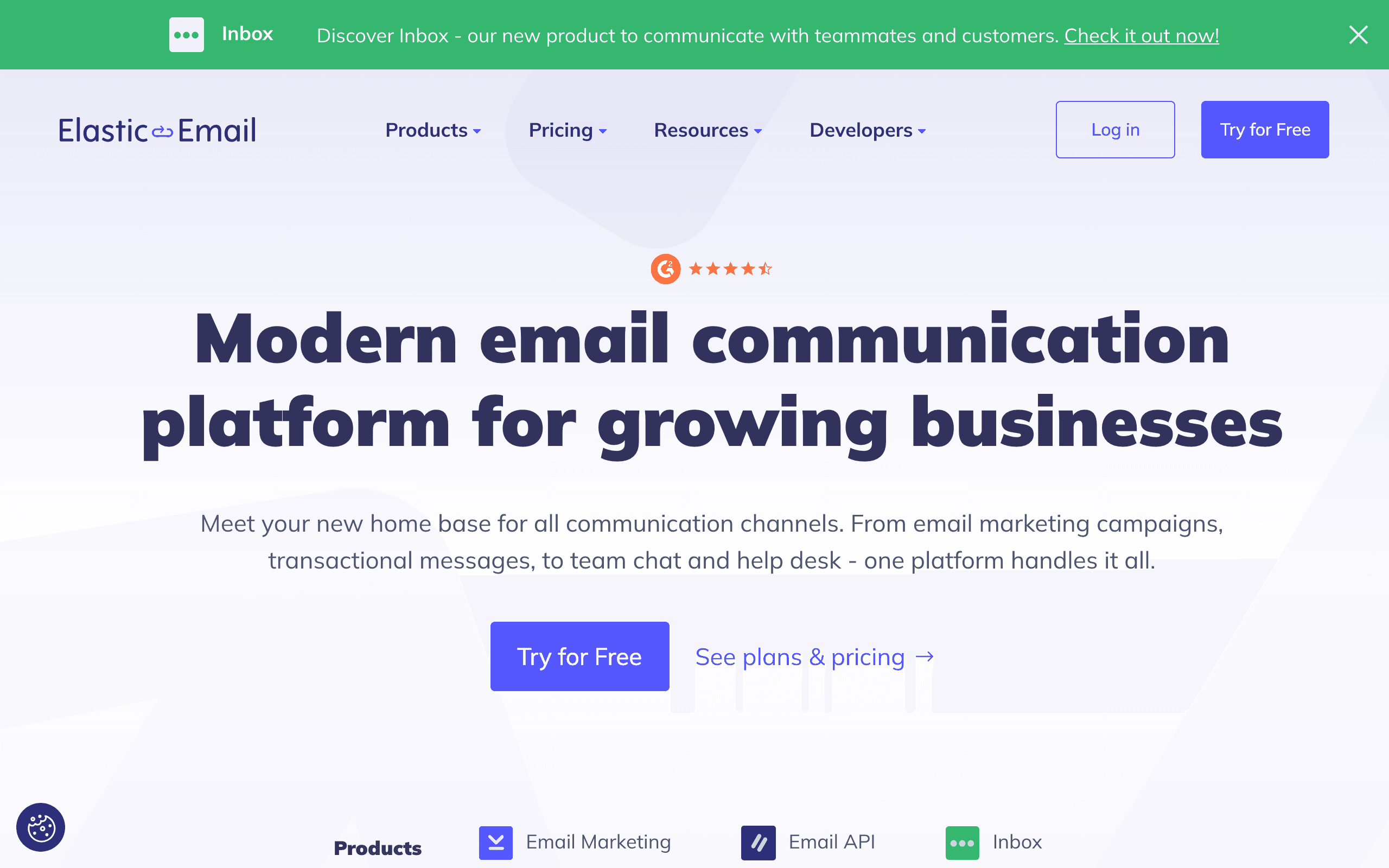
MailerSend has cleaner, more modern APIs and dashboard. Elastic Email's interface feels dated. For DX, MailerSend wins.
Email Verification
Both include email verification for validating addresses. Similar capability on this key feature.
For SaaS Companies
Neither has native Stripe integration. Sequenzy offers Stripe integration for subscription businesses with modern unified platform.
Making the Choice
Choose MailerSend for modern DX with MailerLite ecosystem. Choose Elastic Email for maximum cost savings at scale.
When Budget Drives the Decision
For startups and side projects where every dollar matters, Elastic Email's pricing is genuinely compelling. At 500,000 emails per month, you are paying roughly $45 compared to MailerSend's $250 or more. That is a five-fold difference that can matter significantly for bootstrapped businesses or high-volume newsletter operations.
However, budget pricing comes with trade-offs. Elastic Email's interface feels like it was designed in 2015, and the developer experience reflects that era. If your team values clean APIs, modern SDKs, and polished documentation, MailerSend delivers a substantially better experience at a moderate premium.
Email Verification Comparison
Both platforms include email verification, which sets them apart from competitors like Resend and Postmark. MailerSend's verification is tightly integrated into its dashboard with a polished interface. Elastic Email also offers verification but with a less refined experience. For teams that prioritize list hygiene without paying for a separate verification service, either platform works.
Deliverability at Scale
MailerSend maintains more consistent deliverability through careful IP management and sender reputation monitoring. Elastic Email's shared infrastructure can sometimes lead to variable delivery rates, particularly for marketing email. For business-critical transactional messages like password resets and payment confirmations, MailerSend's reliability edge matters.
For marketing newsletters where occasional delivery variance is acceptable, Elastic Email's cost advantage makes it a pragmatic choice. Many senders find the deliverability perfectly adequate for their needs.
Delivery Speed and Reliability
For transactional email, delivery speed is non-negotiable. Receipts, password resets, and verification codes need to arrive in seconds. Both MailerSend and Elasticemail prioritize fast delivery, but their approaches differ in infrastructure and routing.
API Design and Developer Experience
MailerSend and Elasticemail both target developers, but with different philosophies. The quality of API documentation, SDK support, and error handling directly impacts how quickly your team can integrate and how much ongoing maintenance is needed.
Scaling and Cost at Volume
Email costs become significant at scale. What starts as a few hundred emails per day can grow to millions. Understanding how MailerSend and Elasticemail price at different volume tiers helps you plan for growth without budget surprises.
Use-case matchups
| Situation | Best first look | Why |
|---|---|---|
| Team wants modern transactional DX and cleaner API | MailerSend | MailerSend is stronger when dashboard polish, documentation, SDK quality, and deliverability consistency matter. |
| High-volume sender optimizing for raw cost | Elastic Email | Elastic Email's pricing is the main reason to evaluate it first at scale. |
| Team needs built-in email verification either way | Compare both | Both include verification, so implementation quality and workflow matter more than feature presence. |
| Marketing newsletters where occasional tooling roughness is acceptable | Elastic Email | Lower cost can outweigh a dated interface for cost-sensitive marketing sends. |
| SaaS team needs transactional plus lifecycle campaigns with customer events | Sequenzy | Sequenzy is relevant when the email system needs more than delivery and verification. |
Best Fit by Cost Sensitivity
Best transactional email service for modern developer workflow
MailerSend is the better fit when API clarity, dashboard polish, documentation, templates, and reliable day-to-day operations matter more than squeezing out the lowest possible send cost.
Best email platform for high-volume cost optimization
Elastic Email is the better fit when raw email volume economics dominate the decision and the team can tolerate a less polished workflow. It is a cost-first option for senders that can operate around rougher edges.
Best email platform for SaaS lifecycle campaigns and transactional email
Sequenzy is the better fit when the missing requirement is not cheaper delivery, but lifecycle automation. Product events, subscription states, and campaigns should share context with transactional messages.
Pricing reality
MailerSend's premium over Elastic Email buys a cleaner product experience, stronger developer workflow, and MailerLite ecosystem confidence. Include support, deliverability, SMS, inbound parsing, and verification usage in the calculation.
Elastic Email can be dramatically cheaper at high volume, but the tradeoff is dated UX, lighter advanced features, smaller market presence, and possibly more internal effort to operate confidently.
Sequenzy should be compared only if the team needs marketing automation and transactional email together. It is not intended to win on raw cost per email against Elastic Email.
Review signals
The MailerSend snippets praise the MailerLite backing, SMS, free-tier value, and transactional reliability, with cautions around limited marketing features and maturity.
The Elastic Email snippets praise competitive pricing, usability, and feature breadth, with cautions around advanced-feature limits and smaller market presence.
Migration checklist
| Workstream | Moving to MailerSend | Moving to Elastic Email | Moving to Sequenzy |
|---|---|---|---|
| API and SMTP | Replace credentials, SDK calls, webhooks, inbound parsing, and verification flows. | Replace SMTP/API calls, verification flows, tracking, and reporting integrations. | Move transactional templates and lifecycle events into Sequenzy. |
| Sending domains | Configure authentication, tracking, suppressions, and dedicated IPs if needed. | Configure authentication, tracking, suppressions, and shared/dedicated sending settings. | Authenticate domains for campaigns and transactional messages. |
| Verification | Test validation workflow, API behavior, and costs. | Test validation workflow, bulk checks, and reporting quality. | Clean subscriber imports and preserve suppression history. |
| Marketing scope | Pair with MailerLite or another marketing tool if campaigns matter. | Rebuild basic campaigns and automations if using Elastic Email for marketing. | Rebuild campaigns, transactional messages, and lifecycle sequences together. |
| Reporting | Validate delivery, bounce, complaint, validation, and activity events. | Validate delivery, bounce, complaint, campaign, and verification reports. | Validate campaign, automation, transactional, and subscription reporting. |
Decision checklist
- Is the volume high enough for Elastic Email's savings to dominate?
- Does your team value modern developer experience enough to pay for MailerSend?
- Are marketing campaigns part of the same system or handled elsewhere?
- Which platform gives enough deliverability visibility for critical messages?
- Do you need customer lifecycle automation beyond sending and verification?