



Why people leave Elastic Email
Elastic Email is genuinely cheap. At $0.09 per 1,000 emails, few platforms can compete on price. So why look elsewhere? To understand modern email platform expectations, read our guide to best email marketing tools for SaaS. The platform has been around since 2010 and serves a broad range of senders, from small businesses to high-volume marketers, but that budget-friendly positioning comes with trade-offs. Shared IP deliverability can be inconsistent depending on who else is sharing your pool, the interface hasn't kept pace with modern competitors like Resend or Loops, and support response times on lower tiers can stretch into days. If price is truly your only criterion, Elastic Email is hard to beat - but if you value developer experience, deliverability guarantees, or SaaS-specific features, the alternatives below offer meaningful upgrades.
The deliverability gamble
Budget pricing attracts everyone - legitimate businesses and spammers alike. On shared IPs, your reputation depends partly on neighbors you can't control. Some users report great deliverability, others struggle. Platforms that vet customers (Postmark) or focus on specific niches have more consistent results. If you're considering a switch, our email deliverability glossary explains what factors matter most.
| Elastic Email trade-off | When it is acceptable | When to switch |
|---|---|---|
| Cheap shared sending pools | Newsletters and non-critical bulk mail | Password resets, billing emails, and 2FA codes |
| Dated dashboard | You only need basic API/SMTP access | Your team works in email daily |
| Slower support on lower tiers | Email is not revenue-critical | Outages block signups, logins, or purchases |
| Basic automation | Simple broadcasts and drip campaigns | Product-led lifecycle messaging or segmentation |
| Low per-email cost | High volume with strong internal email ops | Smaller teams where engineering time is more expensive than software |
The dated experience
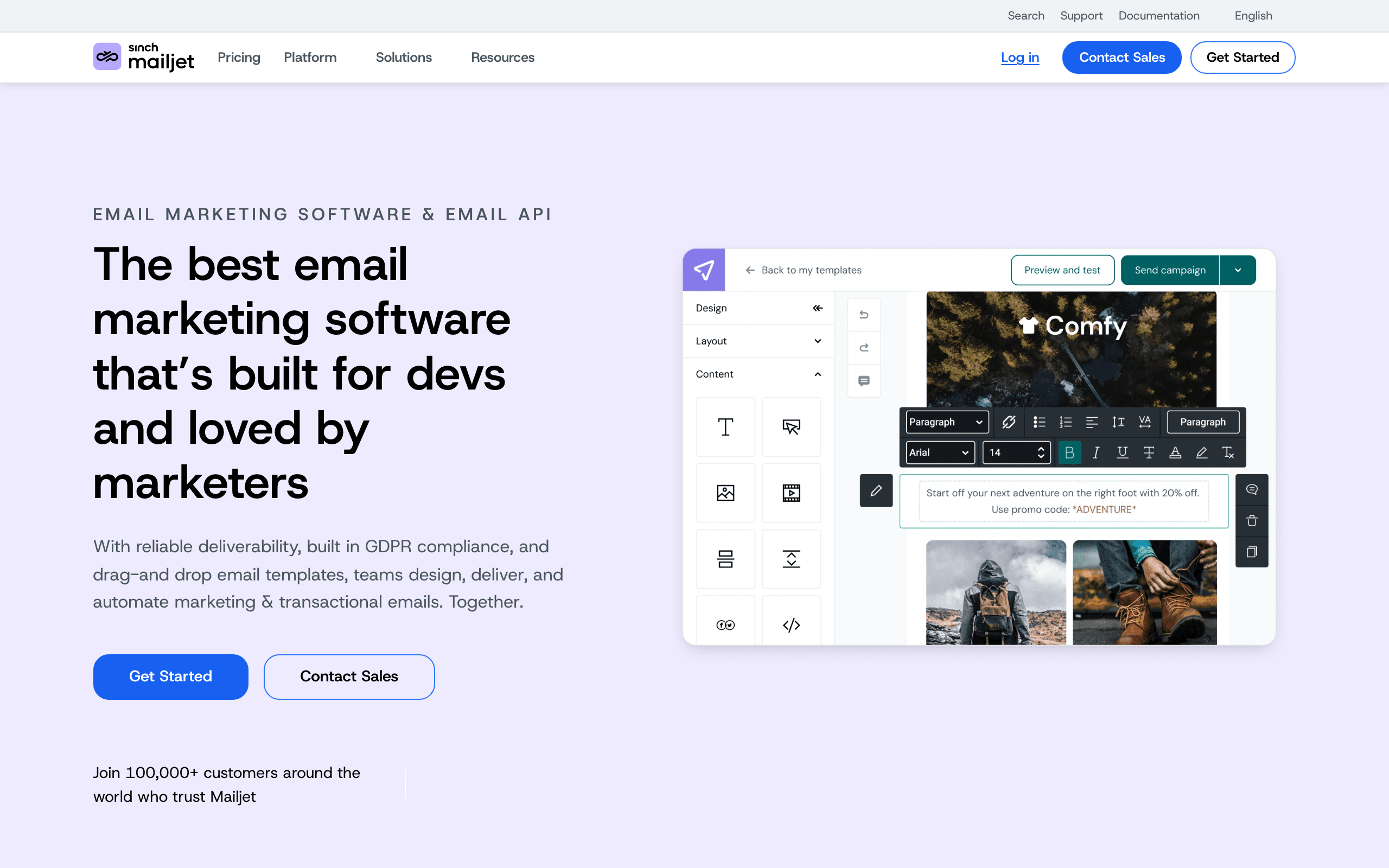
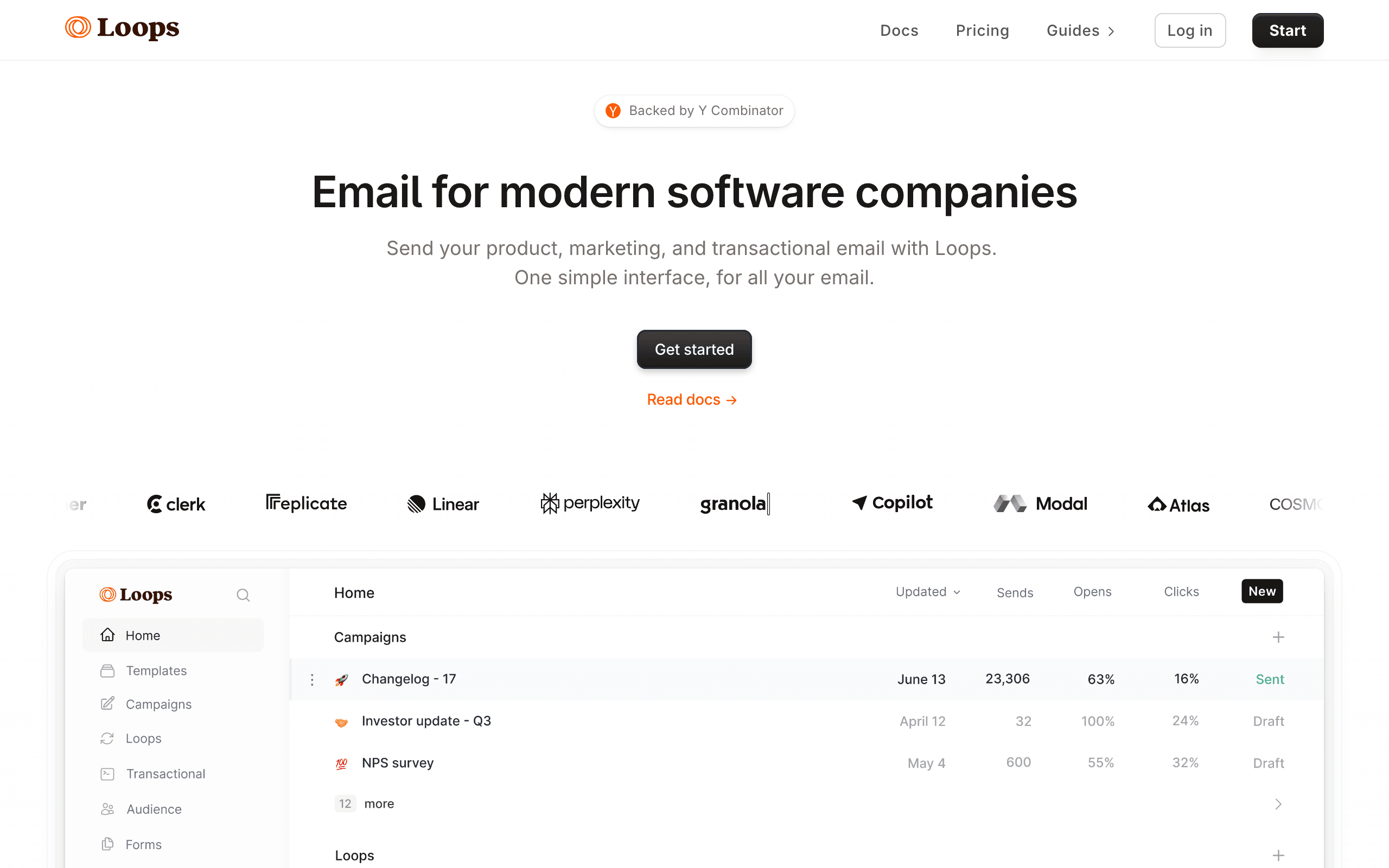
Elastic Email's interface and developer experience feel 2015-era. If you've used Resend's clean API or Loops' modern dashboard, the difference is jarring. Modern tools make development faster and integration smoother. Check our Elastic Email comparison page for a detailed feature breakdown.
The support lottery
On free and lower paid tiers, support response times can stretch days. When email is broken, waiting days isn't acceptable. Premium alternatives offer better support at every level. Use our SPF checker and DKIM checker to diagnose issues yourself while waiting.
The marketing features gap
While Elastic Email's Pro plan adds automation, it's basic compared to dedicated marketing platforms like ActiveCampaign or Customer.io. If your business has outgrown simple campaigns and needs advanced drip sequences, behavioral triggers, or multi-channel messaging, you'll quickly hit Elastic Email's ceiling.
The alternatives, honestly
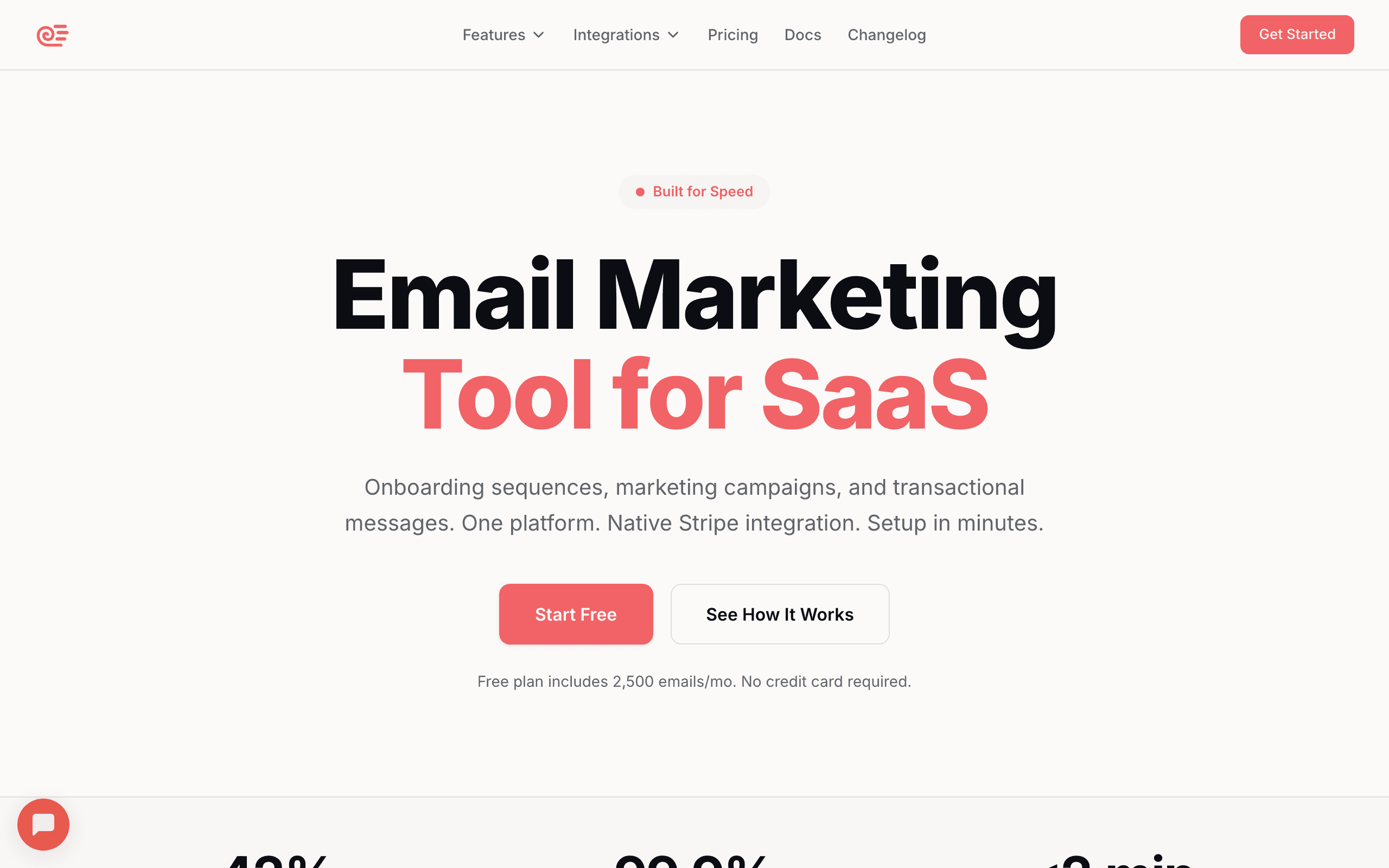
Best Elastic Email alternative for SaaS companies: Sequenzy
Sequenzy combines transactional emails, marketing campaigns, and automation in one platform. AI generates entire sequences from your product description. Stripe integration syncs billing data for automated trial/churn flows.
The tradeoff: $49/mo is 2-3x Elastic Email's price. See our pricing page for details.
| SaaS need | Elastic Email | Sequenzy | Customer.io |
|---|---|---|---|
| Transactional email | Good | Built in | Built in |
| Trial onboarding | Basic | Strong | Advanced |
| Stripe-triggered email | Manual setup | Native fit | Possible with events |
| AI-generated lifecycle content | No | Yes | No |
| Best for | Cost-sensitive senders | SaaS founders who want less setup | Mature product-led teams |
Cheapest Elastic Email alternative: Amazon SES
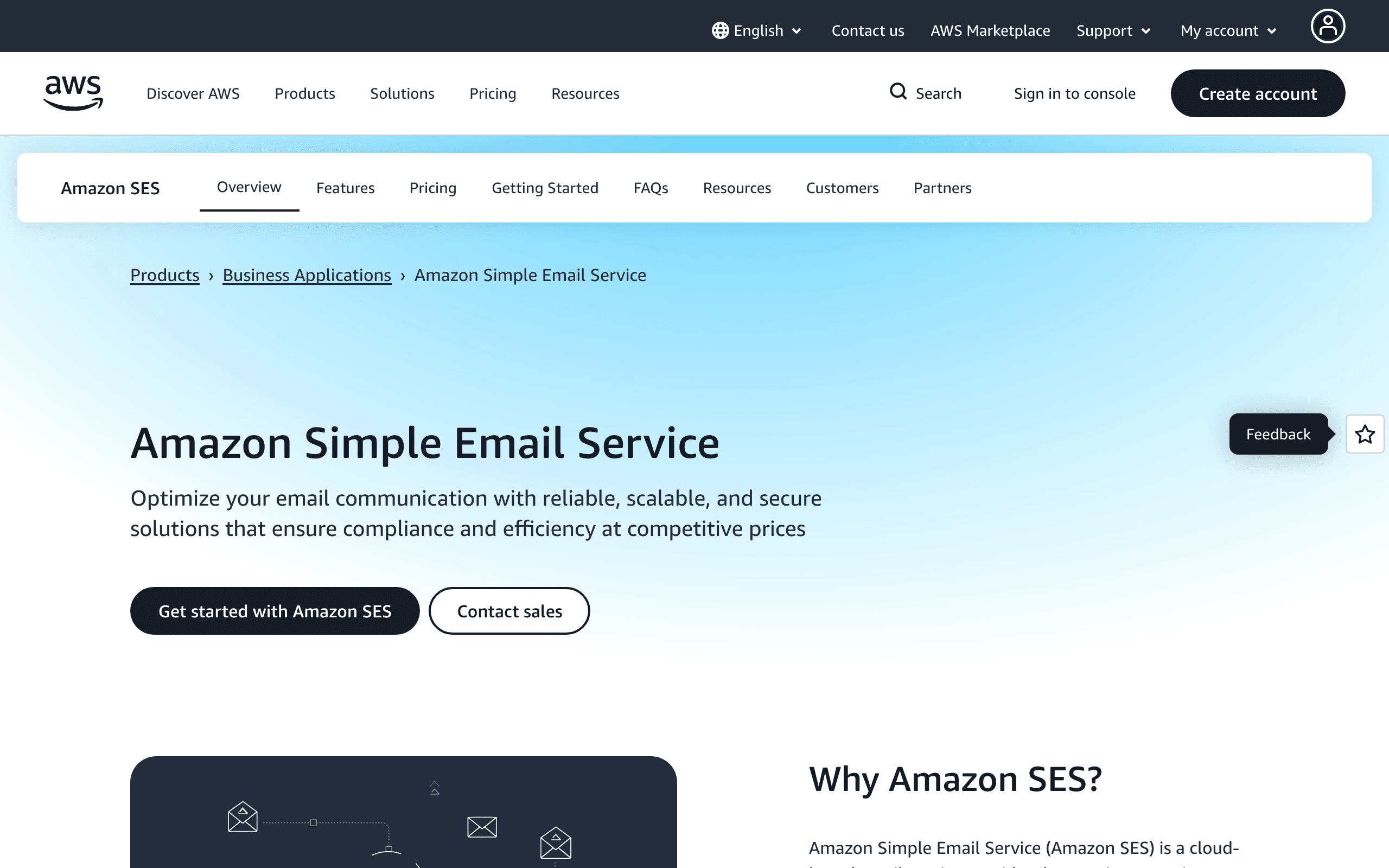
At $0.10 per 1,000 emails, SES is the only real budget alternative. But you get zero features - no dashboard, no templates, no analytics. You build everything. Only choose SES if you have engineering resources and want full control. See our Amazon SES alternatives page for context.
Best Elastic Email alternative for developers: Resend
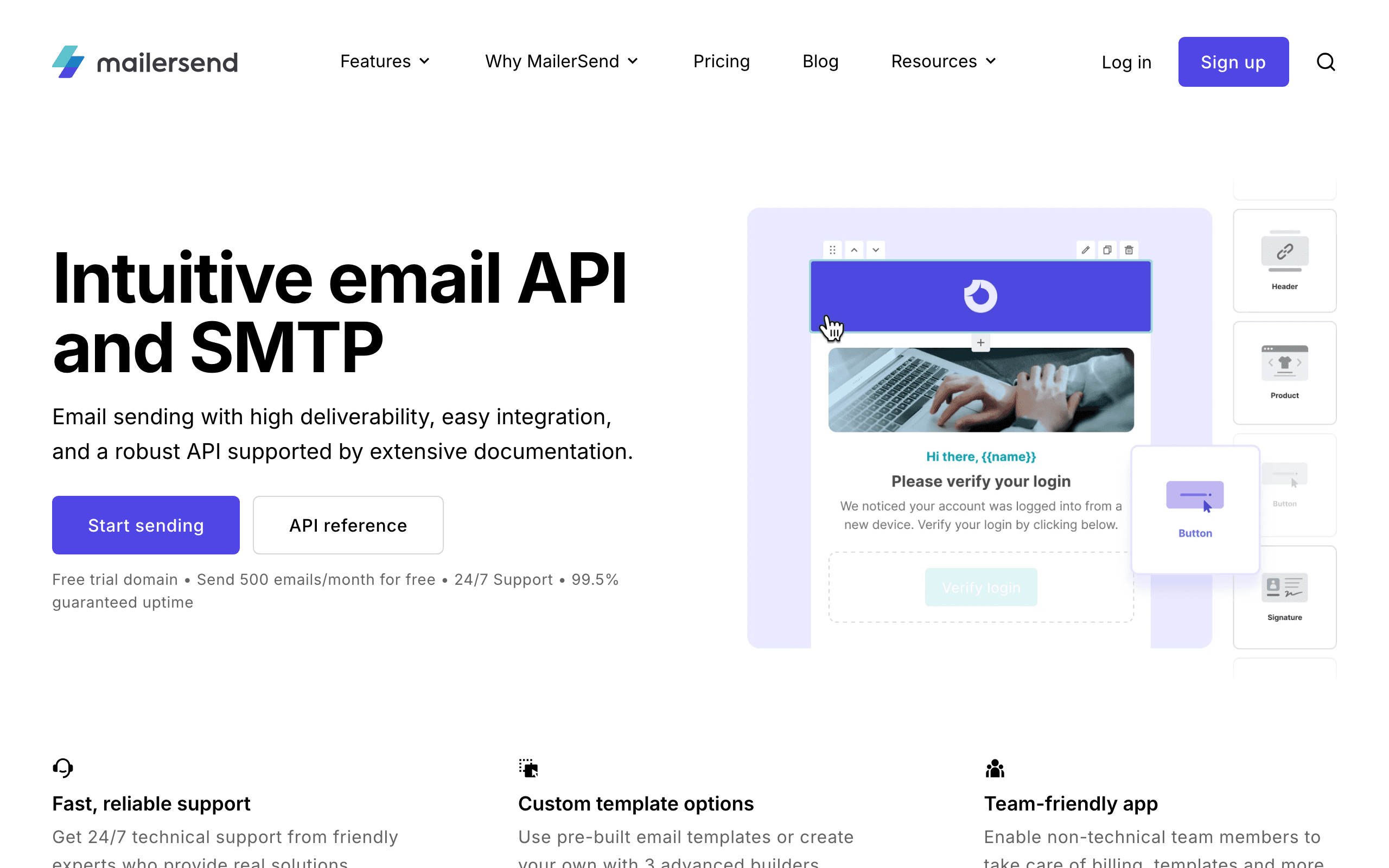
Resend is what modern email API should look like. Beautiful React Email integration, clean SDKs, intuitive dashboard. More expensive than Elastic Email but significantly better experience. Transactional only though - no marketing. Read the full Resend comparison.
Best Elastic Email alternative for deliverability: Postmark
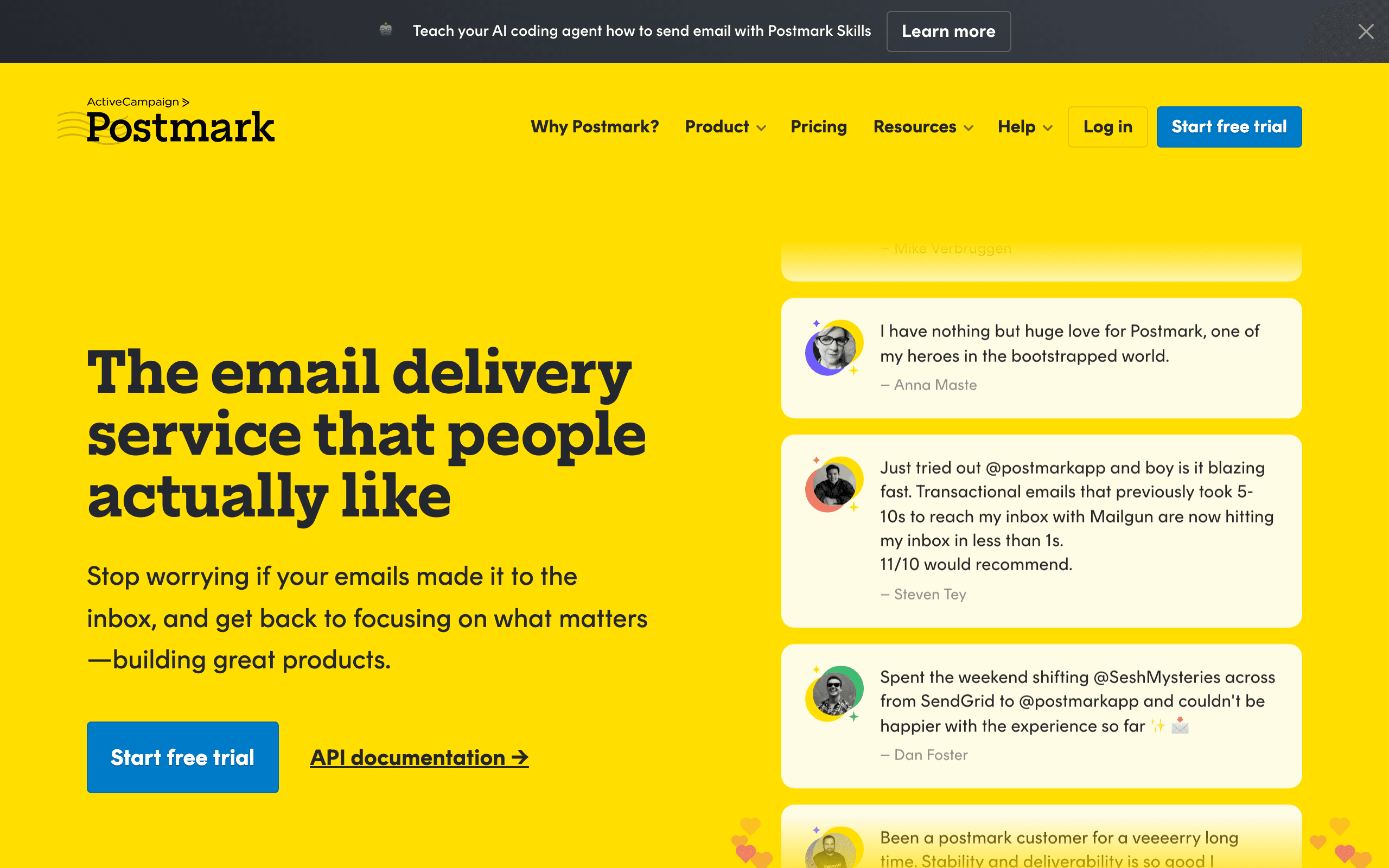
Postmark's exceptional deliverability comes from strict customer vetting. They'll reject sketchy senders to protect IP reputation. For password resets, 2FA codes, order confirmations - emails that must arrive - Postmark is worth the premium. Check our DMARC checker to optimize your setup.
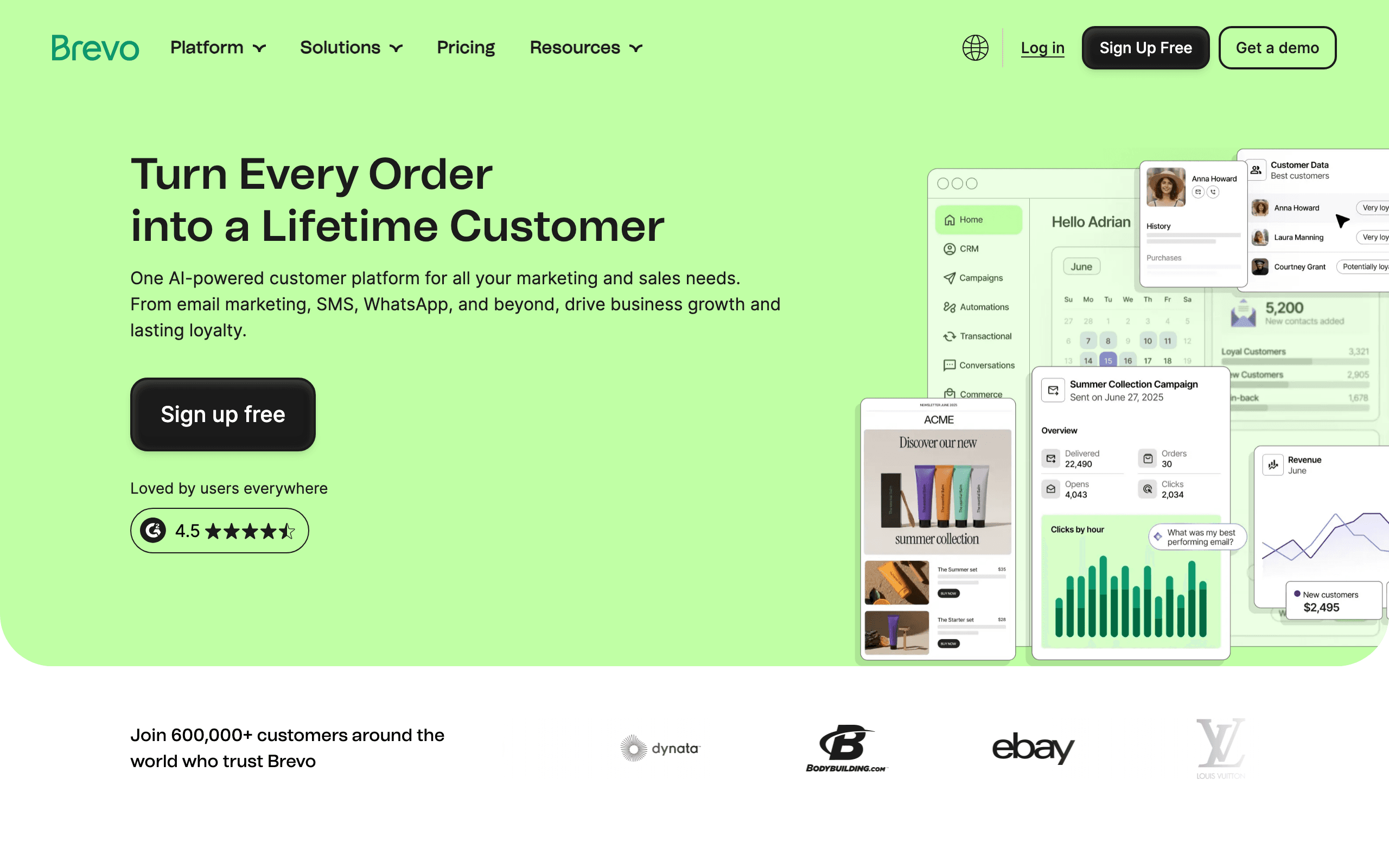
Best Elastic Email alternative for budget marketing: Brevo
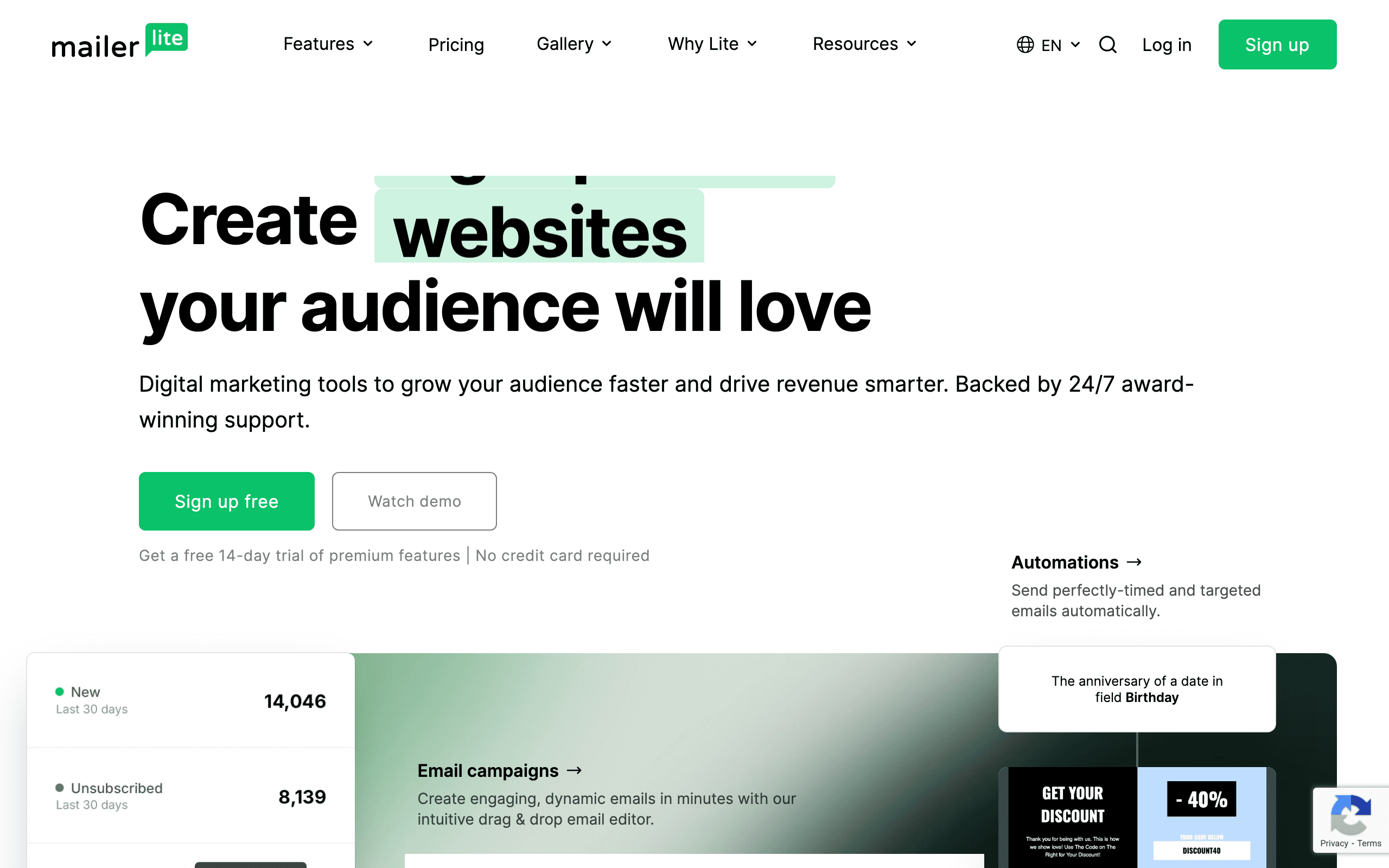
Brevo offers unlimited contacts, transactional + marketing, and SMS - all at budget-friendly prices. Interface is dated like Elastic Email, but more features for the money. Good middle ground between budget and premium. Compare at our Brevo alternatives page.
Best Elastic Email alternative for automation power: ActiveCampaign
ActiveCampaign's visual automation builder is the best in the industry. If you've outgrown Elastic Email's basic flows and need branching logic, lead scoring, and CRM integration, this is the upgrade path. See our ActiveCampaign comparison for details.
Best Elastic Email alternative for e-commerce newsletters: Mailchimp or MailerLite
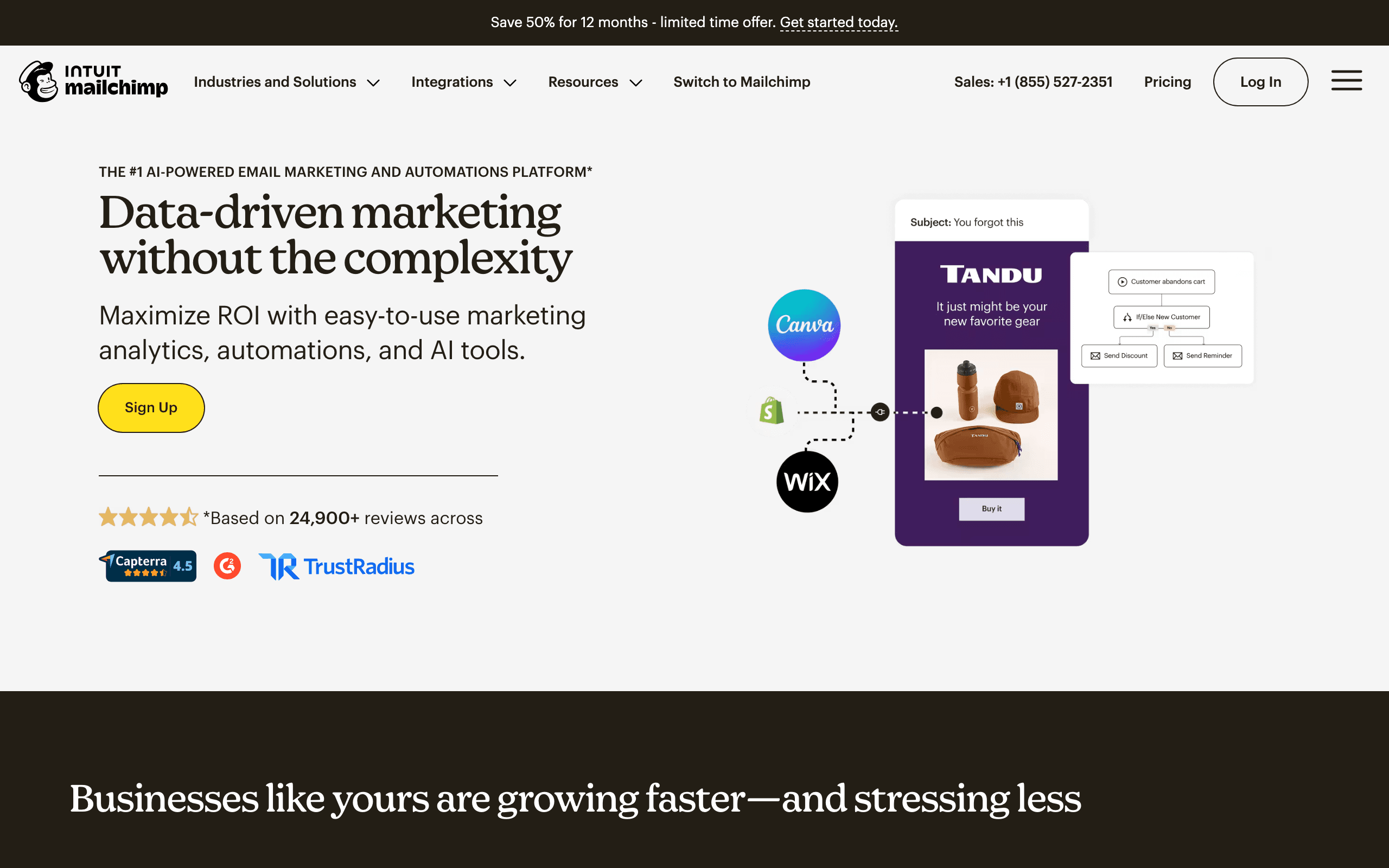
Mailchimp has the largest ecosystem and template library, while MailerLite offers similar features at a fraction of the cost. Both are better choices than Elastic Email for marketing-focused teams who need polished campaign tools.
The pricing comparison
At 50,000 emails/month:
| Provider | Approx. cost at 50k emails/mo | Main upgrade or trade-off |
|---|---|---|
| Elastic Email API | $19 | Cheapest managed option, but basic support and dated UX |
| Amazon SES | $5 | Cheaper raw sending, but DIY everything |
| Resend | $20 | Much better developer experience, transactional only |
| SendGrid Essentials | $19.95 | Larger ecosystem, still not especially modern |
| Brevo | $29 | Better all-in-one marketing value with unlimited contacts |
| Postmark | $50 | Premium transactional deliverability |
| Sequenzy | $49/month for 60k emails (unlimited subscribers) | SaaS features, AI content, marketing plus transactional |
Note: Some prices are per email while others are per subscriber. Compare based on your actual usage. Use our email cost calculator to estimate.
When Elastic Email is still the right choice
Elastic Email wins if:
| Stay with Elastic Email when... | Switch when... |
|---|---|
| Budget is genuinely your top priority | Deliverability failures cost more than software savings |
| You send enough volume that $0.09/1k creates real savings | Your volume is modest and team time matters more |
| A dedicated IP around $40/mo solves your reputation concern | You need reputation help, not just your own IP |
| Emails are lower-stakes newsletters | Emails unlock accounts, purchases, or onboarding |
| Your team can work around the dated DX | Developers or marketers are losing time in the workflow |
Don't switch just because something looks shinier. If Elastic Email's price works and deliverability is acceptable, the premium of alternatives may not be worth it. But if you're frustrated with inconsistent deliverability, slow support, or need SaaS-specific features, the alternatives are genuinely better options. Use our email validator tool to audit your list before migrating, and check our email infrastructure glossary for migration best practices.









