
Overview
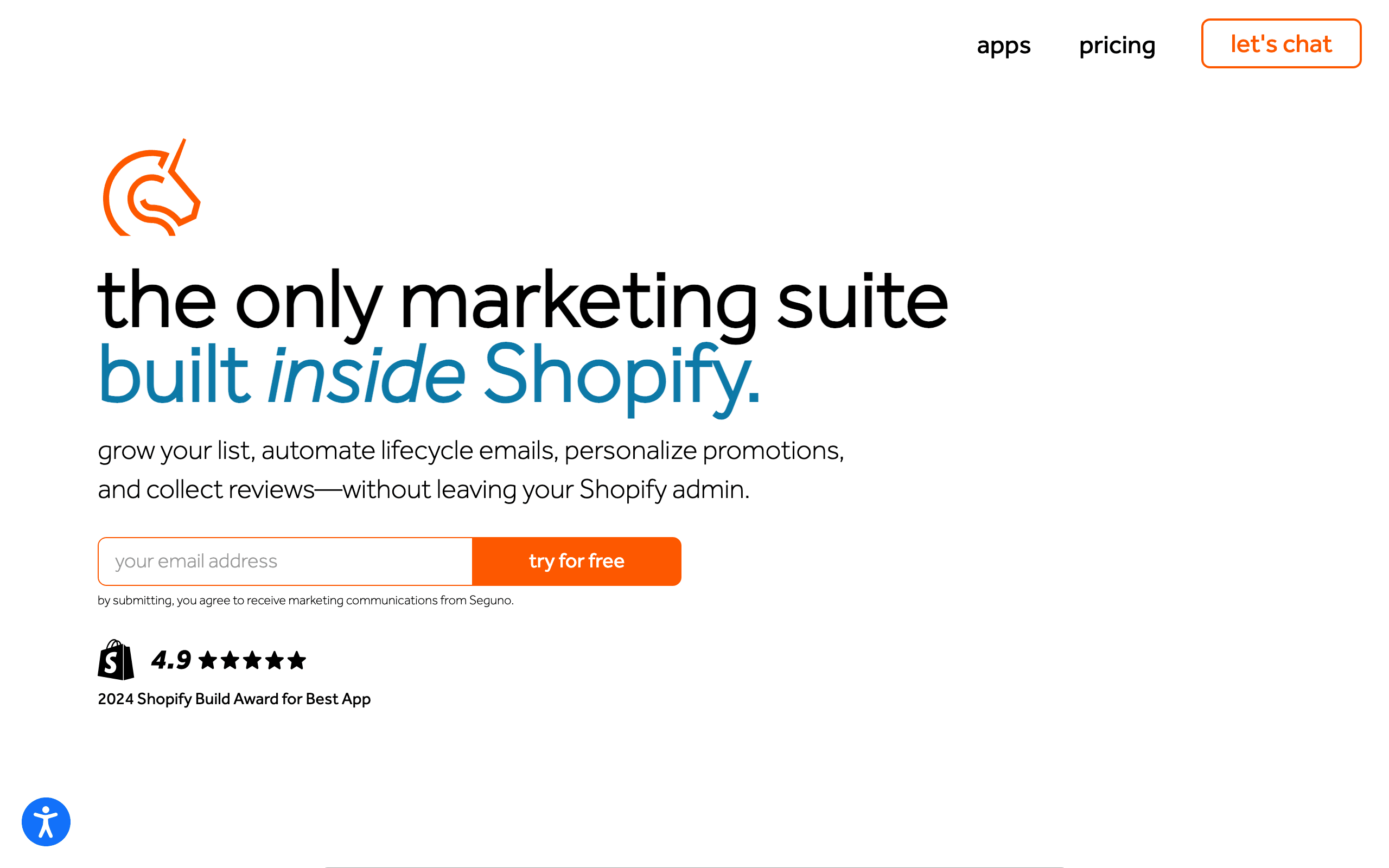
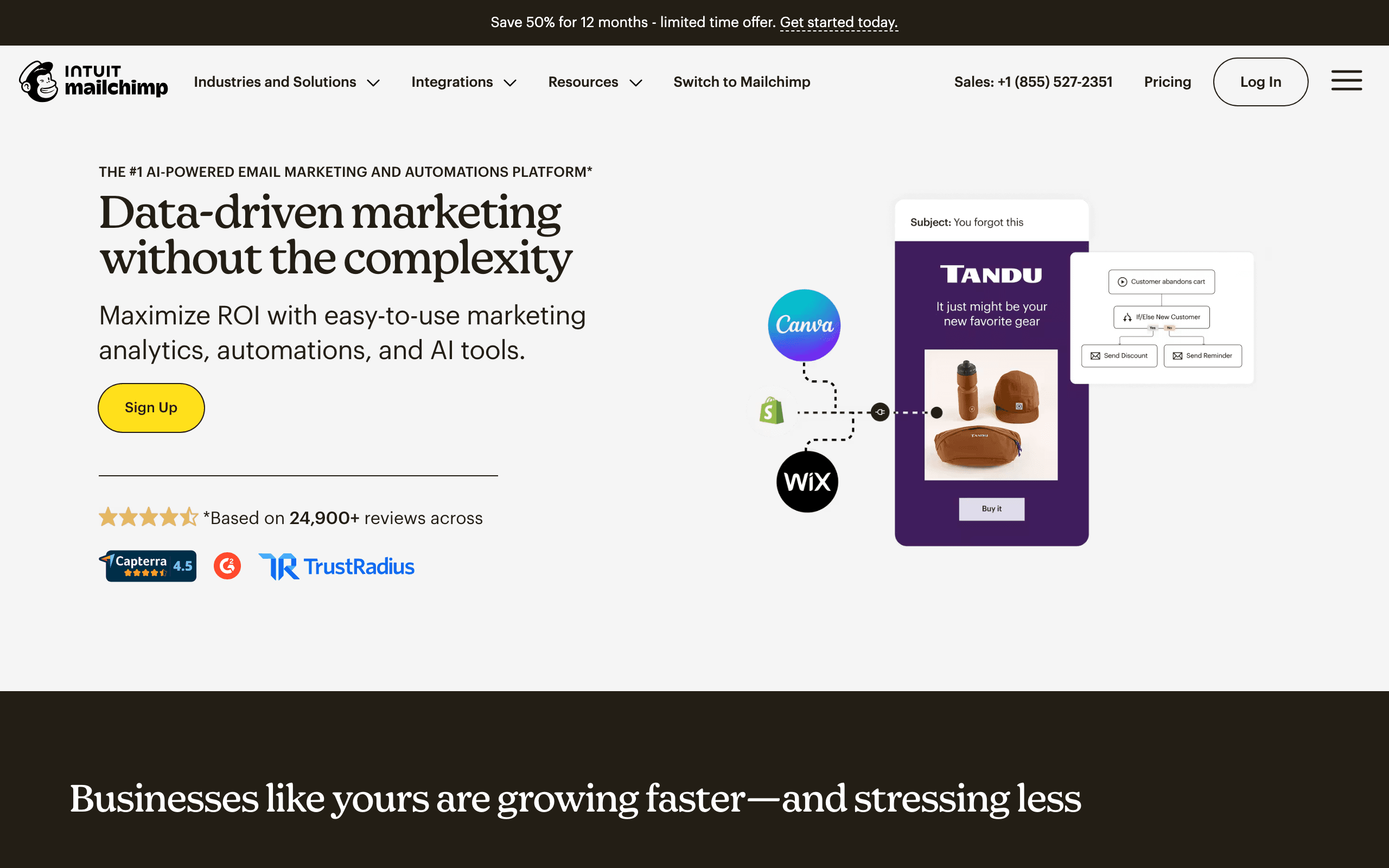
Seguno and Mailchimp come from different worlds. Seguno is a simple Shopify email app. Mailchimp is the world's largest email platform. But for Shopify stores specifically, the choice between them is less obvious than you would think. Neither excels at e-commerce email. For stores that want real e-commerce automation, platforms like Sequenzy, Omnisend, or Klaviyo are usually better investments.
The Middle Ground Problem
Both Seguno and Mailchimp sit in an awkward position for Shopify stores. Seguno is too basic for stores that want serious automation but good enough for simple newsletters. Mailchimp has more features overall but most of them are not e-commerce relevant. Landing pages, social posting, and postcards do not help with abandoned cart recovery or post-purchase sequences.
The result is that both platforms serve a transitional role. Store owners start with one, outgrow it within six to twelve months, and migrate to a dedicated e-commerce platform. The migration costs time and effort that could have been avoided by starting with a more capable platform from the beginning.
For stores that know they will need automation eventually, starting with a platform like Sequenzy or Omnisend saves the eventual migration. For stores that genuinely only need basic newsletters, both Seguno and Mailchimp do the job, though Seguno's Shopify-native experience is more convenient.
Brand Recognition vs Practical Value
Mailchimp's brand recognition is a double-edged sword for Shopify stores. Many store owners choose Mailchimp because they have heard of it, not because it is the best fit for e-commerce. The platform's strength lies in broad marketing capabilities for businesses that operate across multiple channels, not in deep Shopify integration.
Seguno is unknown outside the Shopify ecosystem, which means fewer resources, community forums, and third-party tutorials. But for pure Shopify email, its in-admin experience eliminates context switching and keeps everything in one place. The convenience factor is real for solo store owners juggling multiple responsibilities.
Neither platform invests heavily in email deliverability features specific to e-commerce. Dedicated platforms like Klaviyo and Omnisend have built their deliverability infrastructure around transactional and promotional e-commerce patterns, which can result in better inbox placement for store-related messages.
What Growing Stores Actually Need
As stores grow past their first few thousand subscribers, the limitations of both platforms become apparent. Abandoned cart sequences, post-purchase upsells, browse abandonment emails, and win-back campaigns are the revenue drivers for e-commerce email. Neither Seguno nor Mailchimp handles these particularly well.
The natural upgrade path from Seguno is to Omnisend, Klaviyo, or Sequenzy since these platforms were built from the ground up for e-commerce automation. The natural path from Mailchimp is usually the same direction. Both roads lead to the same destination, which raises the question of why not start there.
The honest answer is that many stores are not ready for advanced automation when they launch. They need to build their subscriber list, find their voice, and establish basic email habits. Both Seguno and Mailchimp serve that purpose. The key is recognizing when you have outgrown them and moving to a platform that can drive real revenue from your email list. Use our email validator to clean your list before migrating to ensure you start fresh on your new platform.
Use-case matchups
| Need | Better fit | Why |
|---|---|---|
| Shopify-native email inside the admin | Seguno | Seguno is stronger when the merchant wants simple email workflows without leaving Shopify. |
| General email marketing and broad campaign workflows | Mailchimp | Mailchimp is stronger when general email marketing and broad campaign workflows are the main jobs. |
| Email-first store and subscription lifecycle | Sequenzy | Sequenzy fits when the team wants Shopify, WooCommerce, Stripe, newsletters, and transactional email in one focused email workflow. |
Pricing reality
The page data lists Seguno at $75/month, Mailchimp at $75/month, and Sequenzy at $49/month for the cited comparison tier. Seguno should be priced as a Shopify-native email tool. Mailchimp should be priced around general email marketing and broad campaign workflows.
Also compare what happens outside Shopify. Seguno's native workflow is useful for Shopify-only teams, while Sequenzy is more relevant when WooCommerce, Stripe lifecycle events, or transactional email also matter.
Review signals
The existing review data on this page includes G2, Capterra, and Trustpilot signals. Use them to validate ease of use, Shopify fit, support, pricing, automation depth, and whether the tool matches the buyer's store maturity.
For Seguno, focus on native Shopify convenience and limits. For Mailchimp, focus on general email marketing and broad campaign workflows, support, setup effort, pricing, and reporting depth.
Best Fit by Shopify Workflow
Best email marketing tool for Shopify-native store teams
Seguno fits Shopify merchants who want email creation, product data, discounts, and store workflows to stay inside Shopify. It is strongest for lean ecommerce teams that do not want to manage a separate marketing workspace.
Best email marketing platform for multi-channel small businesses
Mailchimp fits businesses that sell beyond Shopify or need a broader marketing platform with landing pages, forms, and integrations across more channels. It is more flexible when Shopify is important but not the entire business system.
Best ecommerce email choice for stores outgrowing basic campaigns
For growing stores, the decision depends on whether Shopify-native speed or broader segmentation matters more. Seguno is cleaner for Shopify-first execution; Mailchimp offers more general tooling when the marketing program expands beyond store emails.
Migration checklist
| Workstream | What to verify |
|---|---|
| Subscriber data | Export subscribers, tags, segments, consent, unsubscribes, bounces, and suppressions. |
| Shopify data | Map customers, products, carts, orders, discounts, and purchase history. |
| Flow rebuild | Recreate welcome, cart, post-purchase, winback, newsletter, and promotional campaign workflows. |
| Templates | Rebuild email templates, product blocks, coupon logic, branding, and mobile rendering. |
| Integrations | Reconnect Shopify, analytics, forms, SMS if used, and any lifecycle or transactional sources. |
| Reporting | Export campaign, automation, flow revenue, list growth, and segment-performance reports before cutover. |
Decision checklist
- Choose Seguno if staying native inside Shopify is the main priority.
- Choose Mailchimp if general email marketing and broad campaign workflows matter more than Shopify-admin convenience.
- Avoid Seguno if lifecycle automation needs to extend beyond native Shopify email.
- Avoid Mailchimp if the team wants the simplest Shopify-native workflow.
- Consider Sequenzy if Shopify, WooCommerce, Stripe, transactional email, and lifecycle campaigns should live together.








