Updated 2026-08-28

Best Email Marketing Tools for Grok Bot

Give Grok Bot a structured, reviewable way to inspect, plan, draft, test, and measure email—then keep live changes behind approval.

Grok Bot is a persistent AI teammate with connectors, MCP support, computer use, and repeatable routines. The best email platform for it is not simply the tool with the most automation features. It is the one Grok Bot can control through a reliable, documented surface with explicit permissions, structured data, reversible draft states, useful errors, and outcome analytics. We reviewed 19 platforms across four integration patterns: hosted remote MCP, lifecycle and marketing APIs, transactional email APIs, and notification infrastructure. The list separates what a Bot can manage programmatically from what still requires a human in the dashboard.

TL;DR

Sequenzy is the most direct full-program connection in this list because Grok Bot can use its hosted remote MCP server through OAuth for campaigns, subscribers, segments, sequences, templates, analytics, and related email operations. Customer.io, Braze, Klaviyo, HubSpot, and ActiveCampaign are stronger fits when your team already operates their lifecycle systems and wants Grok Bot to analyze data, manage supported objects, or trigger established workflows through APIs. Resend, Postmark, SendGrid, and Mailgun are better for developer-owned transactional sending than for autonomous lifecycle-program management. Whatever you choose, begin read-only and require explicit approval for audience changes, activation, scheduling, and live sends.

Why Grok Bot Needs a Real Email Platform

A Bot needs structured actions, not only a browser

Computer use can handle tools without integrations, but MCP and APIs expose clearer inputs, outputs, permissions, and errors. That makes email work easier to validate and audit.

Email work spans planning through measurement

A useful email operator must inspect audience state, create a draft, run QA, respect suppressions, prepare a test, and read customer outcomes. A send endpoint alone covers only one step.

The risk is concentrated at execution

Research and drafting are reversible. Subscriber changes and live sends are not. The platform should support a staged workflow where Grok Bot can prepare work without silently publishing it.

Persistent context improves recurring operations

Grok Bot can retain operating preferences and turn a stable health review into a routine. A well-instrumented platform lets those recurring reviews use current evidence instead of stale exports.

Important Tips Before You Choose

Lessons from grok bot users who've been doing this for years. Save yourself the trial and error.

Choose the control surface before the feature list

Ask whether Grok Bot will connect through remote MCP, a vendor API, a custom internal service, or approved computer use. MCP and APIs are easier to constrain, test, and audit than repeated browser clicking.

Test the same bounded workflow

Have each shortlisted tool retrieve account context, inspect one campaign, define a segment with exclusions, create a draft, send an internal test, and return outcome metrics. Do not score a platform from a copywriting demo alone.

Prefer reversible states

A useful agent integration can save drafts, preview audiences, send tests, validate content, and pause work before external execution. Live-only endpoints make safe review unnecessarily difficult.

Restrict tools and permissions

Expose only the operations the Bot needs. Start with read access, then add draft creation. Keep deletion, bulk subscriber changes, activation, scheduling, and sends behind explicit approval.

Measure customer outcomes

Require activation, repeat purchase, retention, recovery, or expansion data. Opens and clicks can diagnose a message but do not prove that an agent-managed program helped customers.

19 Best Email Marketing Tools for Grok Bot Users

#ToolDescriptionBest ForPricing
1SequenzyHosted remote MCP for program-level email operations with OAuth and approval-friendly workflows.Grok Bot users who want a hosted MCP connection for full email-program operationsFree tier available; paid plans are based primarily on sending volume
2Customer.ioEvent-driven lifecycle messaging with APIs for people, events, transactional sends, and reporting.Existing Customer.io teams using Grok Bot around established lifecycle journeysPaid profile- and message-based plans; verify current workspace pricing
3BrazeEnterprise cross-channel engagement with extensive APIs, segmentation, and governance.Enterprise teams with Braze expertise and a governed agent integration layerCustom enterprise pricing
4KlaviyoCommerce-focused customer data, segmentation, flows, campaigns, and APIs.Ecommerce teams already operating Klaviyo customer data and flowsContact- and channel-based plans; verify current account estimate
5HubSpotCRM-centered marketing platform with broad APIs and strong account context.B2B teams that want Grok Bot to work from shared CRM and marketing contextFree CRM tools; paid marketing capabilities vary significantly by tier
6ActiveCampaignAutomation and CRM platform with APIs for contacts, tags, deals, and supported campaign objects.Teams with established ActiveCampaign automations and CRM processesContact- and feature-based paid plans
7IterableEnterprise cross-channel platform with event, campaign, template, and data APIs.Larger lifecycle teams with Iterable infrastructure and integration resourcesCustom enterprise pricing
8OrttoCustomer data and journey automation with APIs and visual reporting.Teams using Ortto as a combined customer-data and journey platformPaid plans vary by contacts, features, and messaging volume
9LoopsSaaS-focused email with a clean API for contacts, events, and transactional sends.SaaS teams wanting a clean API around human-designed lifecycle emailFree entry tier and paid contact-based plans
10BrevoMarketing and transactional messaging APIs with contacts, campaigns, and multichannel options.Budget-conscious teams building a custom marketing and transactional integrationFree entry tier; paid plans vary by volume and features
11MailchimpEstablished marketing suite with a large Marketing API and broad ecosystem.Existing Mailchimp accounts that need a controlled Grok Bot API layerFree and paid contact-based tiers; features and limits vary
12KitCreator email platform with APIs for subscribers, tags, forms, sequences, and broadcasts.Creators using Grok Bot to assist an established Kit email programFree newsletter tier and paid subscriber-based plans
13Twilio SendGridHigh-volume email APIs spanning transactional delivery and marketing campaigns.Developer teams needing high-volume delivery plus marketing APIsFree trial or entry options and paid volume-based plans
14ResendDeveloper-first transactional email API with strong SDKs and code-based templates.Developer-owned Grok Bot workflows sending transactional emailFree entry tier and paid volume-based plans
15PostmarkTransactional email delivery with message streams, templates, webhooks, and detailed activity.Critical transactional messages with controlled templates and delivery feedbackPaid volume-based plans with trial availability
16MailgunDeveloper email API with sending, validation, events, and inbound routing.Custom Grok Bot applications that need inbound and outbound email infrastructureTrial or flex options and paid volume-based plans
17KnockDeveloper notification infrastructure with workflows, preferences, and multiple channels.Product teams using Grok Bot around event-driven notificationsDeveloper entry tier and paid usage-based plans
18CourierNotification orchestration that can route messages across providers and channels.Provider-agnostic product notification workflows controlled through named actionsFree developer tier and paid usage-based plans
19NovuOpen-source notification infrastructure with workflows, preferences, and self-hosting options.Engineering teams needing open-source, customizable notification infrastructureOpen-source self-hosting and paid cloud plans
Our Top Pick for Grok Bot Users
#1
Sequenzy

Hosted remote MCP for program-level email operations with OAuth and approval-friendly workflows.

Visit
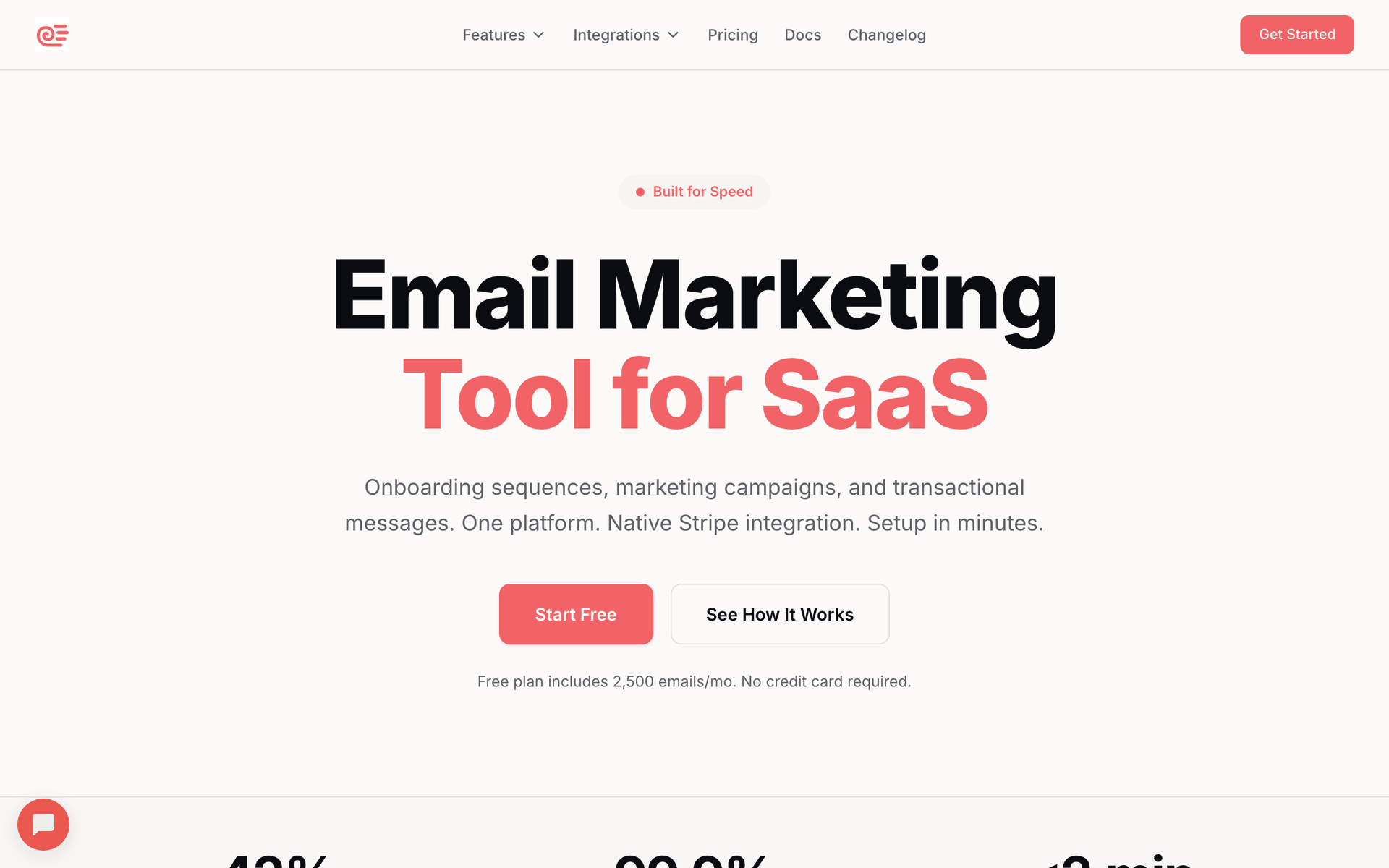
Sequenzy dashboard screenshot

Sequenzy is the most direct full-program fit for Grok Bot in this comparison because it publishes a hosted Streamable HTTP MCP endpoint at https://api.sequenzy.com/v1/mcp. Add it as a custom remote MCP server, complete browser OAuth, and the Bot can work through structured tools rather than browser automation or a hand-built API wrapper. The surface covers campaigns, subscribers, lists and segments, sequences, templates, transactional email, analytics, forms, webhooks, inbox operations, and other supporting workflows. That breadth matters: Grok Bot can inspect the current workspace, plan against real objects, create drafts, and retrieve results without pretending an individual send API is a marketing system. Permissions and explicit confirmation should still protect audience changes, activation, scheduling, and live sends. The tradeoff is ecosystem maturity: Sequenzy is younger than the largest suites and has a smaller integration marketplace.

Best for
Grok Bot users who want a hosted MCP connection for full email-program operations
Pricing
Free tier available; paid plans are based primarily on sending volume

Pros

  • Hosted remote MCP endpoint with browser OAuth
  • Program-level campaign, audience, sequence, template, and analytics tools
  • Draft-first workflows can keep consequential actions behind approval
  • Marketing and transactional email share one operating context

Cons

  • Newer platform with a smaller ecosystem
  • Not a built-in connector maintained by xAI
  • Advanced teams may still need custom data plumbing
#2
Customer.io

Event-driven lifecycle messaging with APIs for people, events, transactional sends, and reporting.

Visit
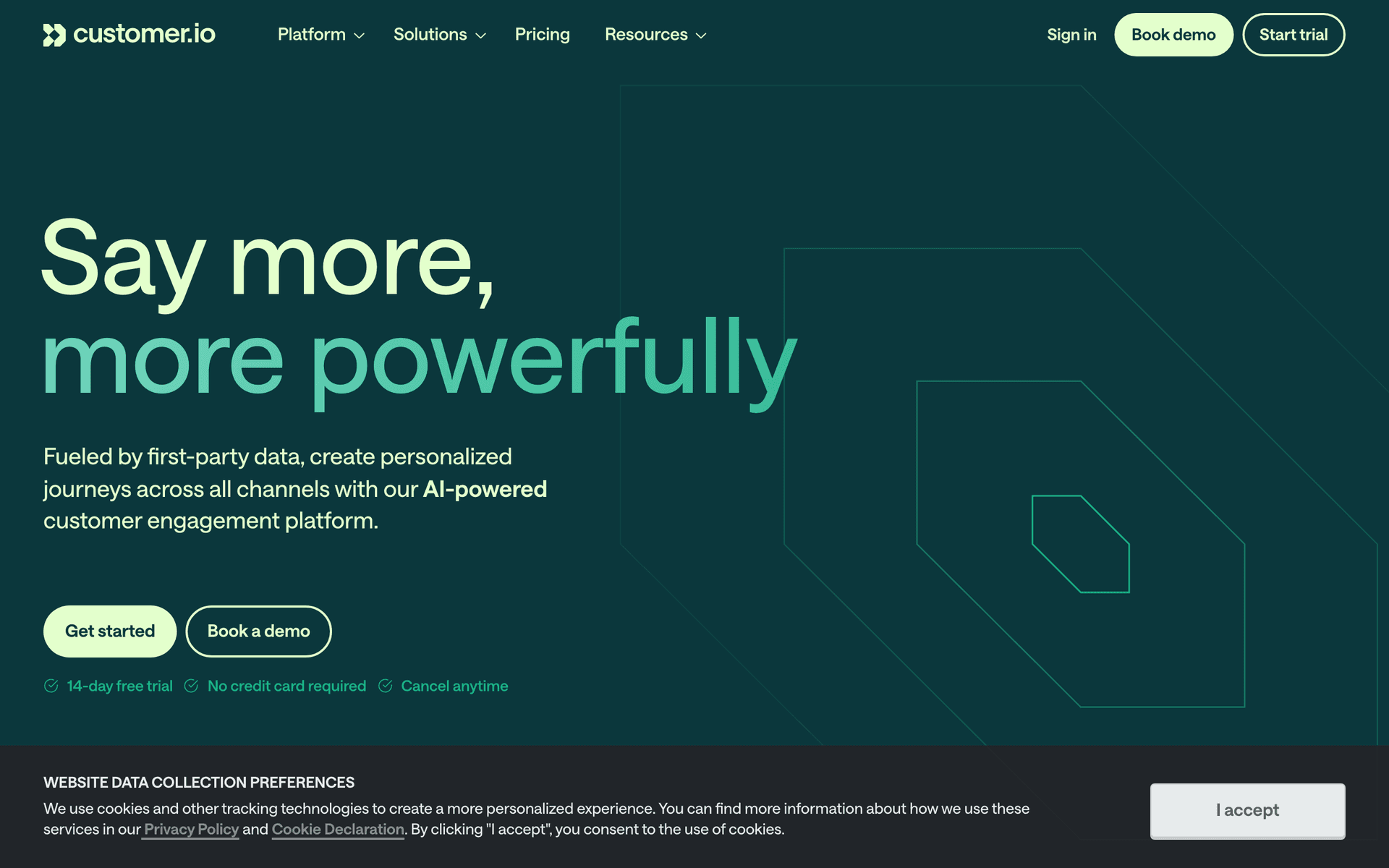
Customer.io dashboard screenshot

Customer.io is a strong choice when the lifecycle program already lives in Customer.io and Grok Bot needs to inspect people, send events, trigger messages, or analyze results. Its event-driven model gives the Bot a clean division of responsibility: your product or agent supplies customer state, while established journeys handle orchestration. APIs and webhooks support useful feedback loops. The limitation is complete autonomous program creation. Important workflow design and configuration remain centered in the product UI, so verify every object the current API exposes before promising that Grok Bot can build a journey end to end. It works best when a human owns architecture and the Bot assists with evidence, drafts, QA, supported data updates, and analysis.

Best for
Existing Customer.io teams using Grok Bot around established lifecycle journeys
Pricing
Paid profile- and message-based plans; verify current workspace pricing

Pros

  • Strong event and customer data model
  • APIs and webhooks support agent feedback loops
  • Mature lifecycle orchestration

Cons

  • No hosted Sequenzy-style full-program MCP surface
  • Some workflow design remains dashboard-led
  • Can be expensive for large profile volumes
#3
Braze

Enterprise cross-channel engagement with extensive APIs, segmentation, and governance.

Visit
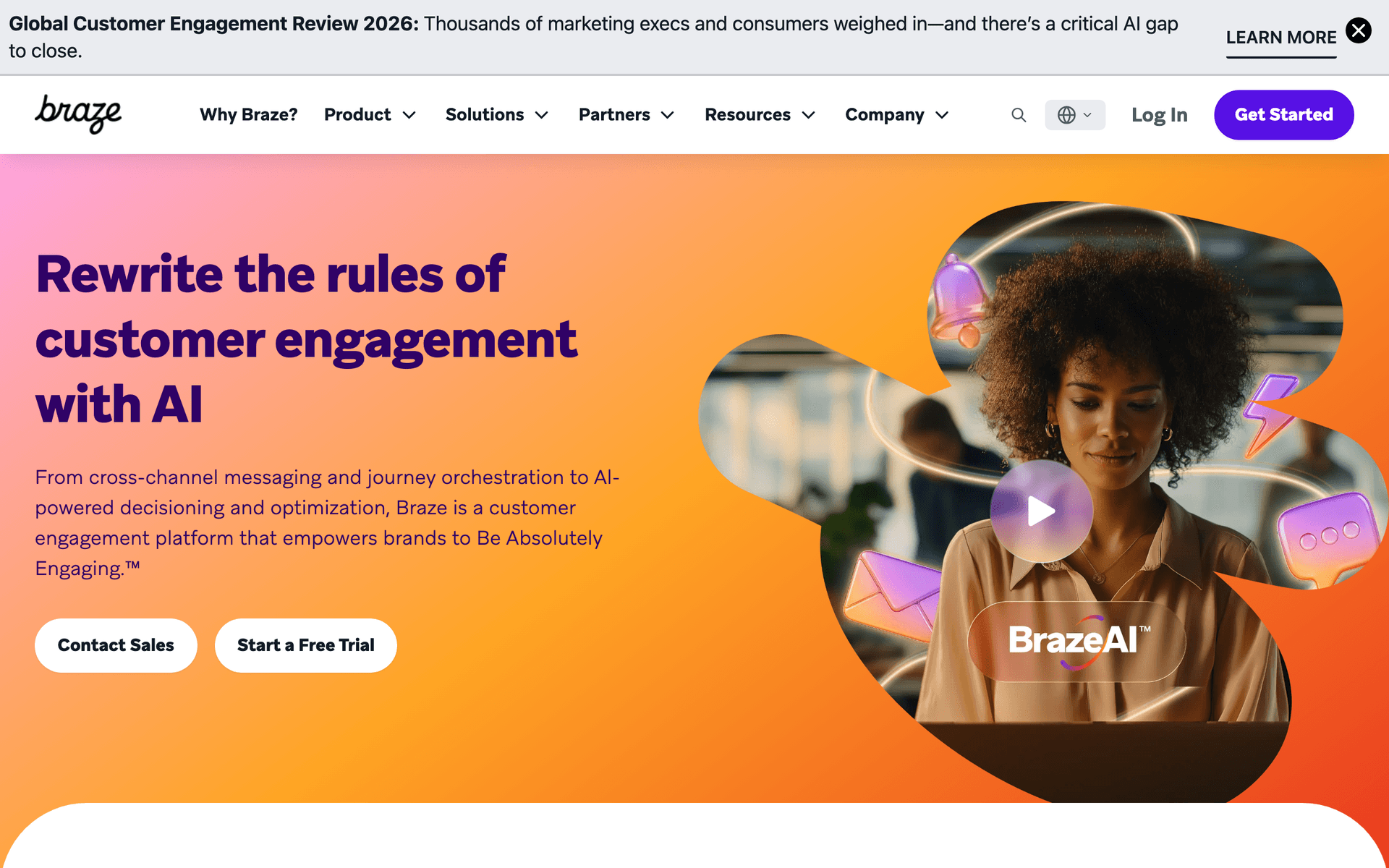
Braze dashboard screenshot

Braze suits enterprises that already have governed customer data, cross-channel journeys, and teams capable of building a controlled service between Grok Bot and the Braze APIs. The platform is deep across segmentation, Canvas orchestration, content, data ingestion, and reporting. That depth also raises the integration burden: object permissions, workspace boundaries, rate limits, and review policies need careful design, and many operations are still best managed by specialists. Grok Bot is most useful here as an analyst, brief writer, QA assistant, and operator of narrowly exposed internal tools—not as an unrestricted administrator. Braze is powerful but disproportionate for a small team seeking a quick agent-to-email connection.

Best for
Enterprise teams with Braze expertise and a governed agent integration layer
Pricing
Custom enterprise pricing

Pros

  • Deep cross-channel lifecycle capabilities
  • Enterprise data and governance options
  • Extensive APIs and reporting surfaces

Cons

  • High implementation and operating complexity
  • Custom integration required for Grok Bot
  • Not designed for a lightweight agent setup
#4
Klaviyo

Commerce-focused customer data, segmentation, flows, campaigns, and APIs.

Visit
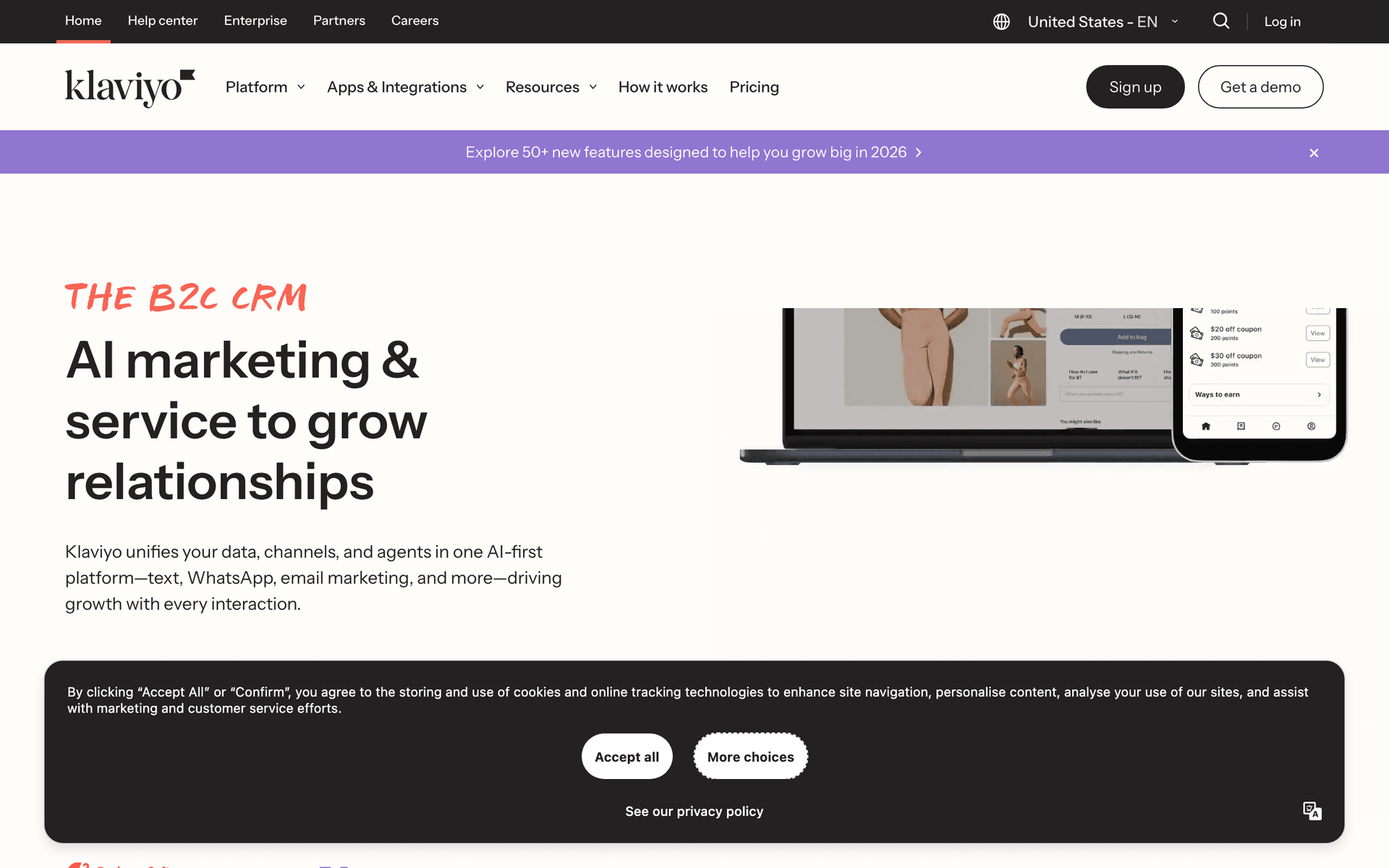
Klaviyo dashboard screenshot

Klaviyo is a practical option for ecommerce teams whose customer, order, catalog, and messaging context already lives there. Grok Bot can assist through approved API-backed tools with profile data, events, catalog context, campaign analysis, and supported marketing operations. The main benefit is domain depth: the platform understands commerce objects and common retention flows. The main caution is control coverage. Do not assume every dashboard flow, template, or reporting action is fully writable through the API, and do not let a Bot interpret attributed revenue as incremental lift. Klaviyo fits best when the Bot improves an established program while marketers retain approval for segmentation, flow changes, discounts, and sends.

Best for
Ecommerce teams already operating Klaviyo customer data and flows
Pricing
Contact- and channel-based plans; verify current account estimate

Pros

  • Strong ecommerce data and segmentation
  • Mature campaign and flow ecosystem
  • APIs support custom agent tooling

Cons

  • Custom integration needed for Grok Bot
  • API does not necessarily mirror every dashboard action
  • Contact growth can materially change cost
#5
HubSpot

CRM-centered marketing platform with broad APIs and strong account context.

Visit
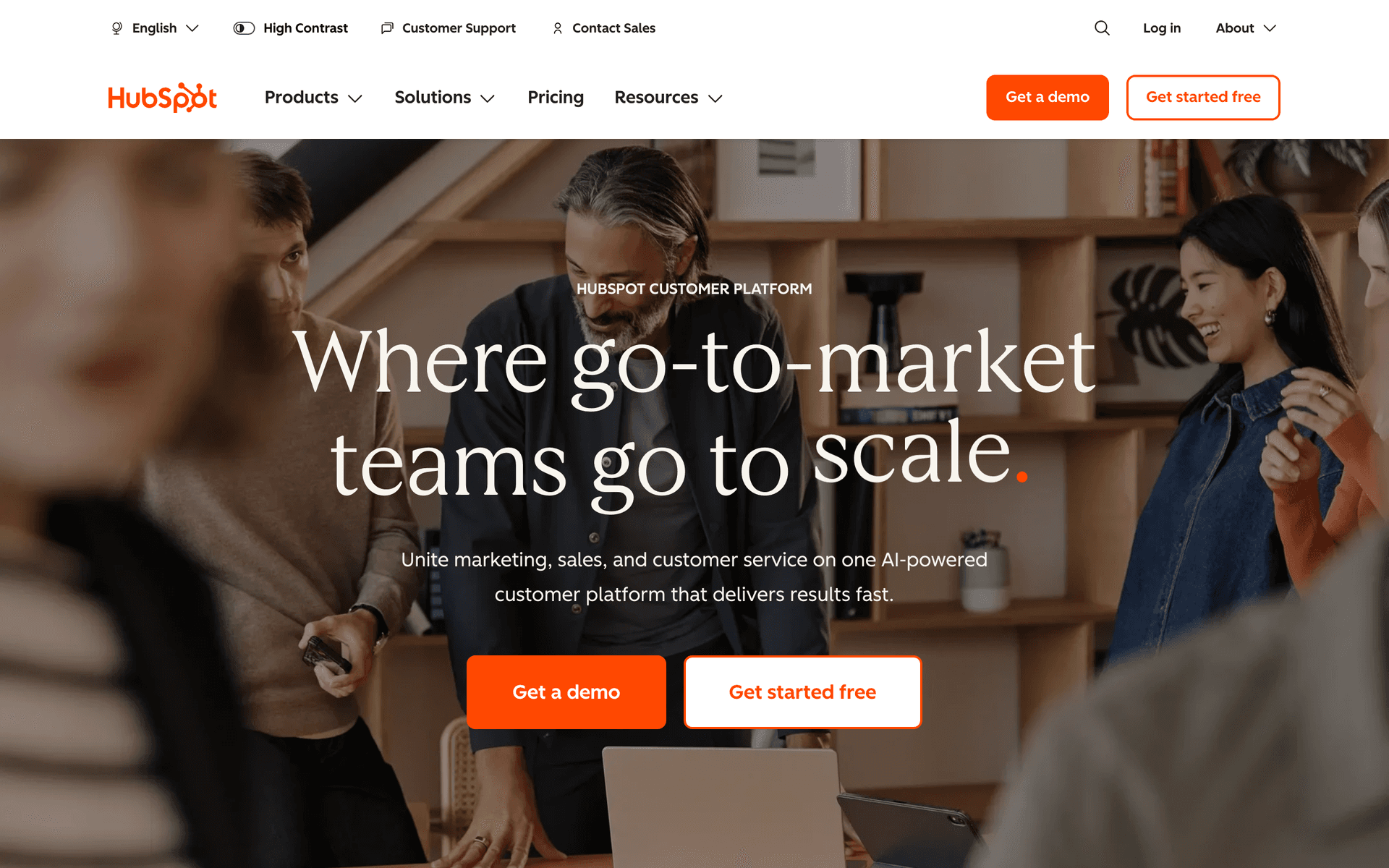
HubSpot dashboard screenshot

HubSpot works well when Grok Bot needs CRM, company, contact, deal, ticket, and marketing context in one system. Its public APIs make it possible to build narrow tools for account research, list inspection, property updates, campaign context, and reporting. That cross-functional context is especially useful in B2B lifecycle marketing. HubSpot's breadth can also hide edition and scope limitations: marketing email, workflow, and reporting capabilities vary by plan, and not every UI operation has equivalent write access. Use a private app or internal service with the minimum scopes required, and separate CRM data updates from live email actions.

Best for
B2B teams that want Grok Bot to work from shared CRM and marketing context
Pricing
Free CRM tools; paid marketing capabilities vary significantly by tier

Pros

  • Rich contact, company, deal, and service context
  • Broad public API ecosystem
  • Strong fit for B2B handoffs

Cons

  • Feature and API access depend on edition
  • Custom Grok Bot integration required
  • Suite complexity can create permission sprawl
#6
ActiveCampaign

Automation and CRM platform with APIs for contacts, tags, deals, and supported campaign objects.

Visit
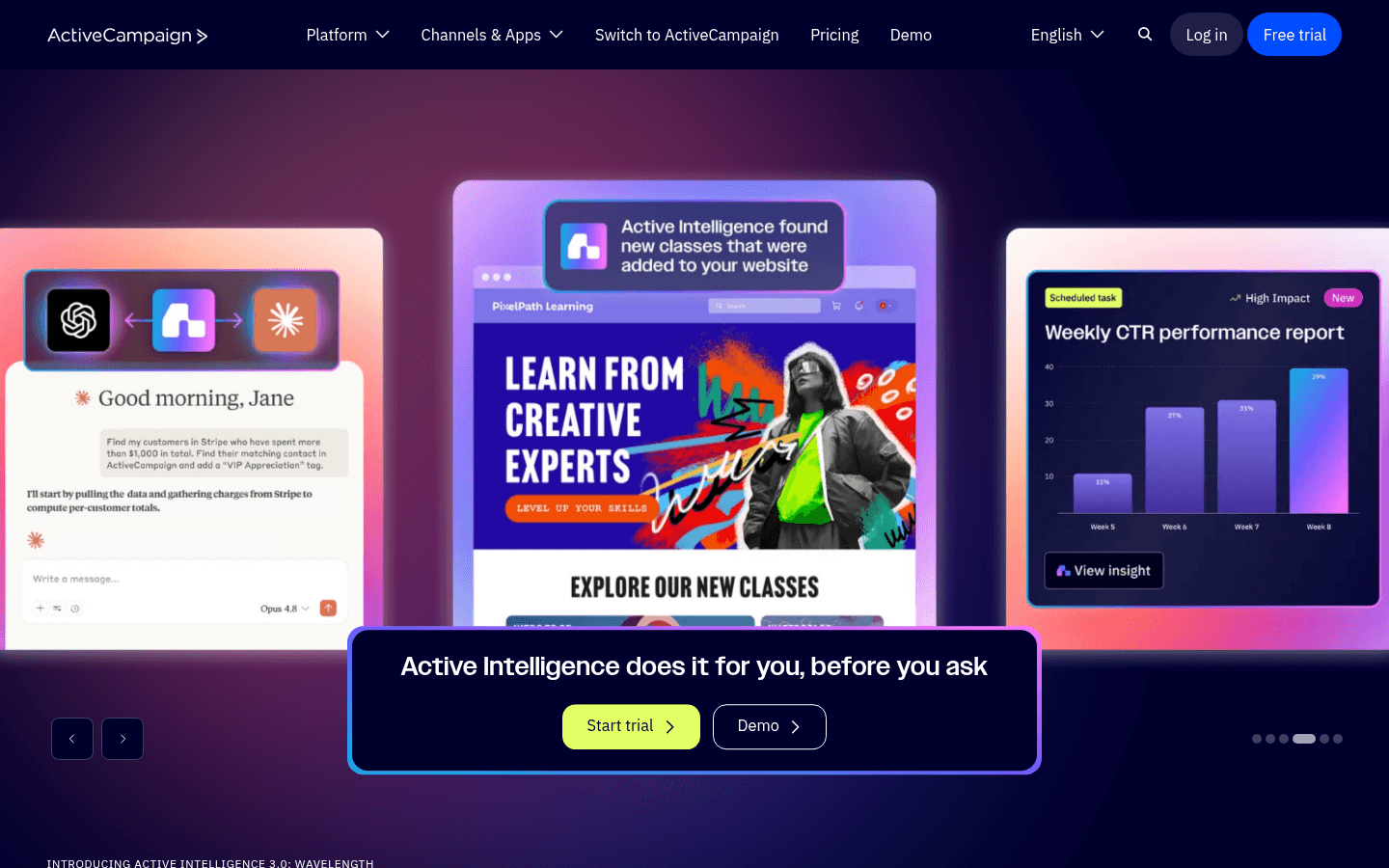
ActiveCampaign dashboard screenshot

ActiveCampaign is useful when a team has already invested in its automations and wants Grok Bot to manage supported contact data, apply tags, inspect campaigns, or coordinate CRM activity through a custom API layer. Its automation depth exceeds many lightweight email tools. The agent tradeoff is complexity: IDs, custom fields, list membership, automations, and deal state can become difficult to reason about without a carefully designed abstraction. Expose outcome-oriented operations such as 'prepare at-risk cohort' rather than handing the Bot every low-level endpoint. Confirm current API coverage for any workflow editing requirement before committing.

Best for
Teams with established ActiveCampaign automations and CRM processes
Pricing
Contact- and feature-based paid plans

Pros

  • Deep automation and CRM capabilities
  • Public API for core contact and marketing operations
  • Good fit for established small and midsize programs

Cons

  • Low-level object complexity
  • Custom wrapper needed for safe Grok Bot use
  • Programmatic workflow control should be verified
#7
Iterable

Enterprise cross-channel platform with event, campaign, template, and data APIs.

Visit
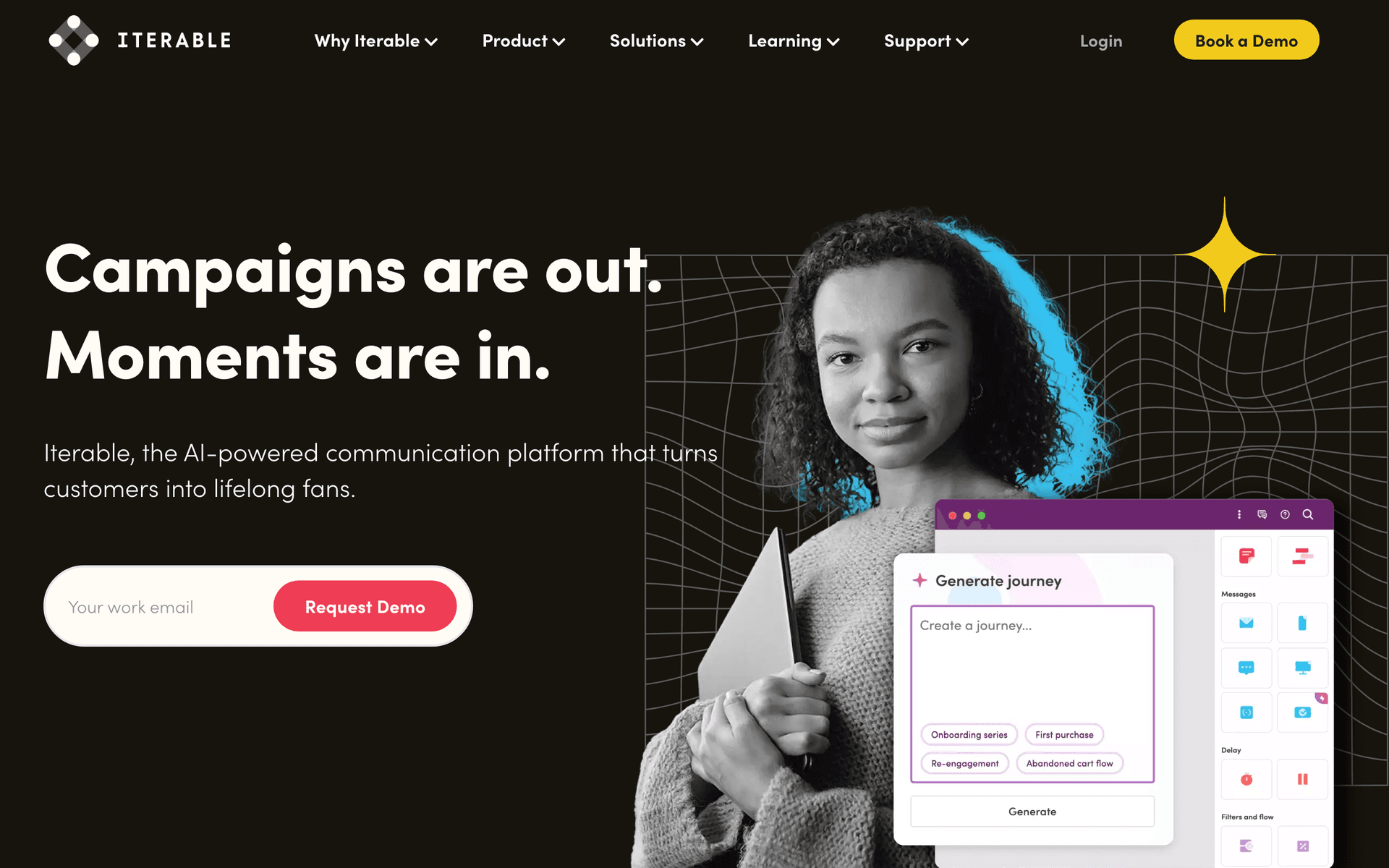
Iterable dashboard screenshot

Iterable provides a broad API surface for teams running sophisticated cross-channel programs and event-driven customer journeys. A governed Grok Bot integration can use customer and event data, inspect or manage supported campaign assets, and analyze results. As with Braze, the real work is not making an HTTP request; it is defining safe abstractions, permissions, workspace boundaries, and review. Iterable is most appropriate when the organization already has data engineering and lifecycle operations in place. It is not the shortest path for a founder who wants to add one remote connector and start auditing email today.

Best for
Larger lifecycle teams with Iterable infrastructure and integration resources
Pricing
Custom enterprise pricing

Pros

  • Broad event-driven and cross-channel coverage
  • Enterprise-scale API and data capabilities
  • Supports sophisticated lifecycle programs

Cons

  • Custom integration and governance required
  • Enterprise cost and operational overhead
  • Too complex for many small teams
#8
Ortto

Customer data and journey automation with APIs and visual reporting.

Visit
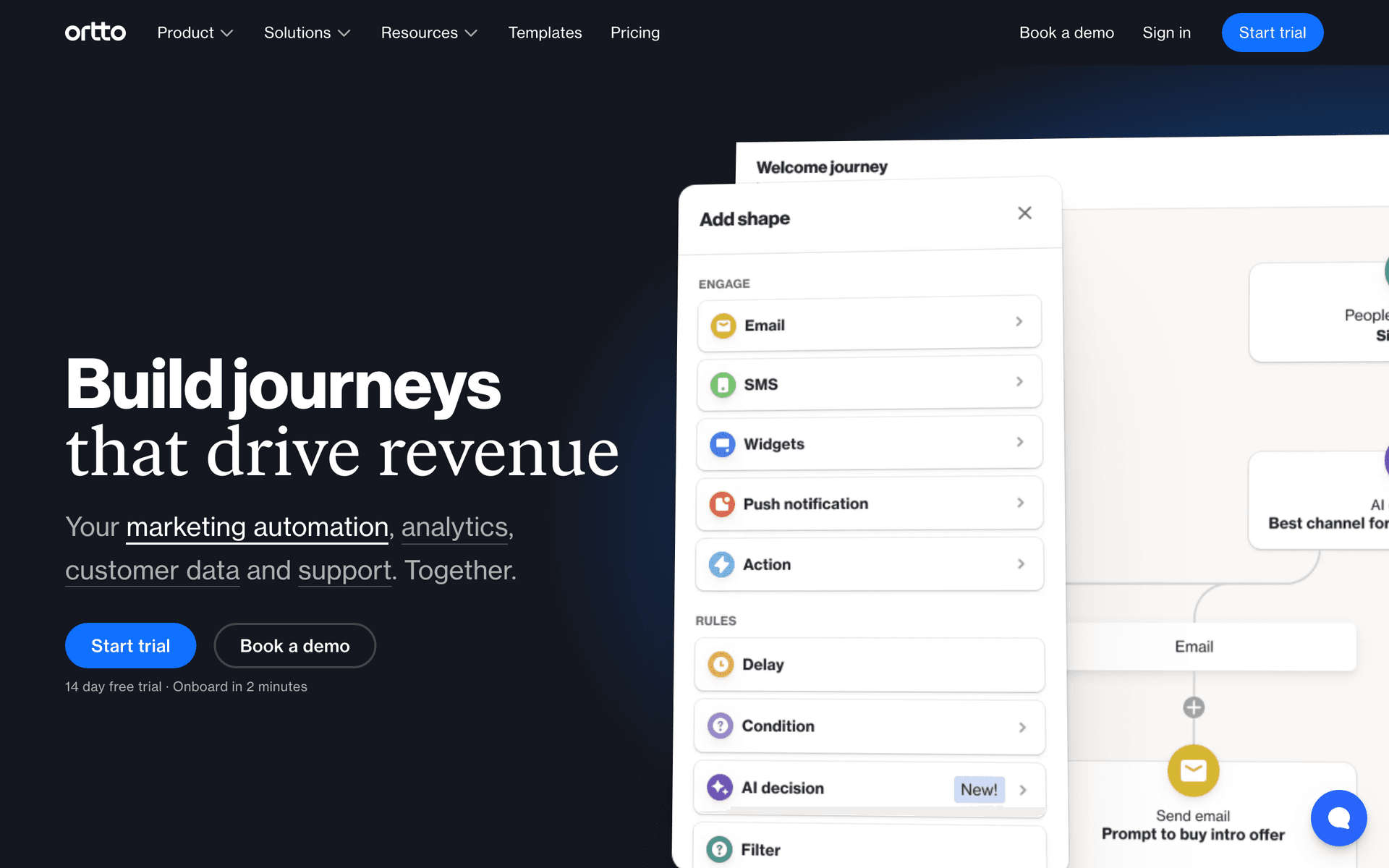
Ortto dashboard screenshot

Ortto combines customer profiles, event data, journeys, and analytics in a way that can give Grok Bot useful lifecycle context. A custom integration can let the Bot inspect people and activity, support data synchronization, or analyze journey outcomes. The platform is friendlier to teams that want a unified customer-data and automation layer without adopting the largest enterprise suites. The limitation for Grok Bot is the lack of a general hosted MCP connection and the need to verify which journey-building and content operations are available programmatically. It is a good established-system option, not a plug-in-and-delegate setup.

Best for
Teams using Ortto as a combined customer-data and journey platform
Pricing
Paid plans vary by contacts, features, and messaging volume

Pros

  • Unified profile, event, journey, and analytics context
  • Lifecycle-friendly operating model
  • API available for custom tooling

Cons

  • No direct Grok Bot MCP setup
  • Journey write coverage requires verification
  • Smaller ecosystem than major suites
#9
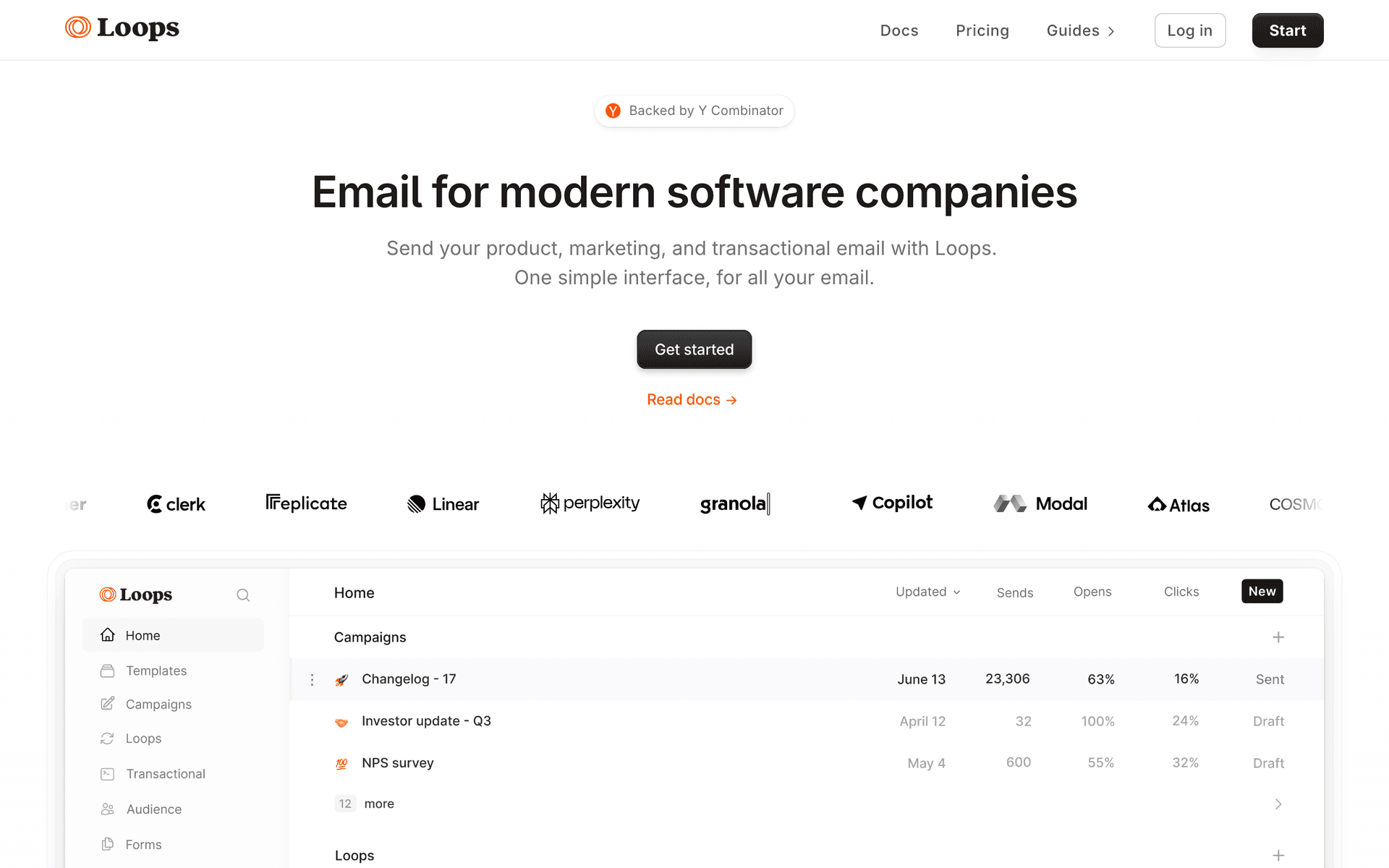
Loops

SaaS-focused email with a clean API for contacts, events, and transactional sends.

Visit
Loops dashboard screenshot

Loops is appealing for SaaS teams that want a smaller, understandable integration surface. Grok Bot can work through a custom API tool to create or update contacts, send events, and trigger supported transactional behavior while existing loops handle orchestration. The simplicity reduces the number of low-level decisions an agent needs to make. The tradeoff is program-level autonomy: verify current API support for creating and editing loops, campaigns, and analytics before expecting the Bot to run the whole email function. It is best when a human builds the lifecycle architecture and the Bot manages evidence, data, briefs, and supported execution.

Best for
SaaS teams wanting a clean API around human-designed lifecycle email
Pricing
Free entry tier and paid contact-based plans

Pros

  • Clean developer-oriented API
  • Good SaaS lifecycle fit
  • Lower conceptual overhead than enterprise suites

Cons

  • Custom tool wrapper required
  • Limited programmatic workflow management
  • Smaller multichannel scope
#10
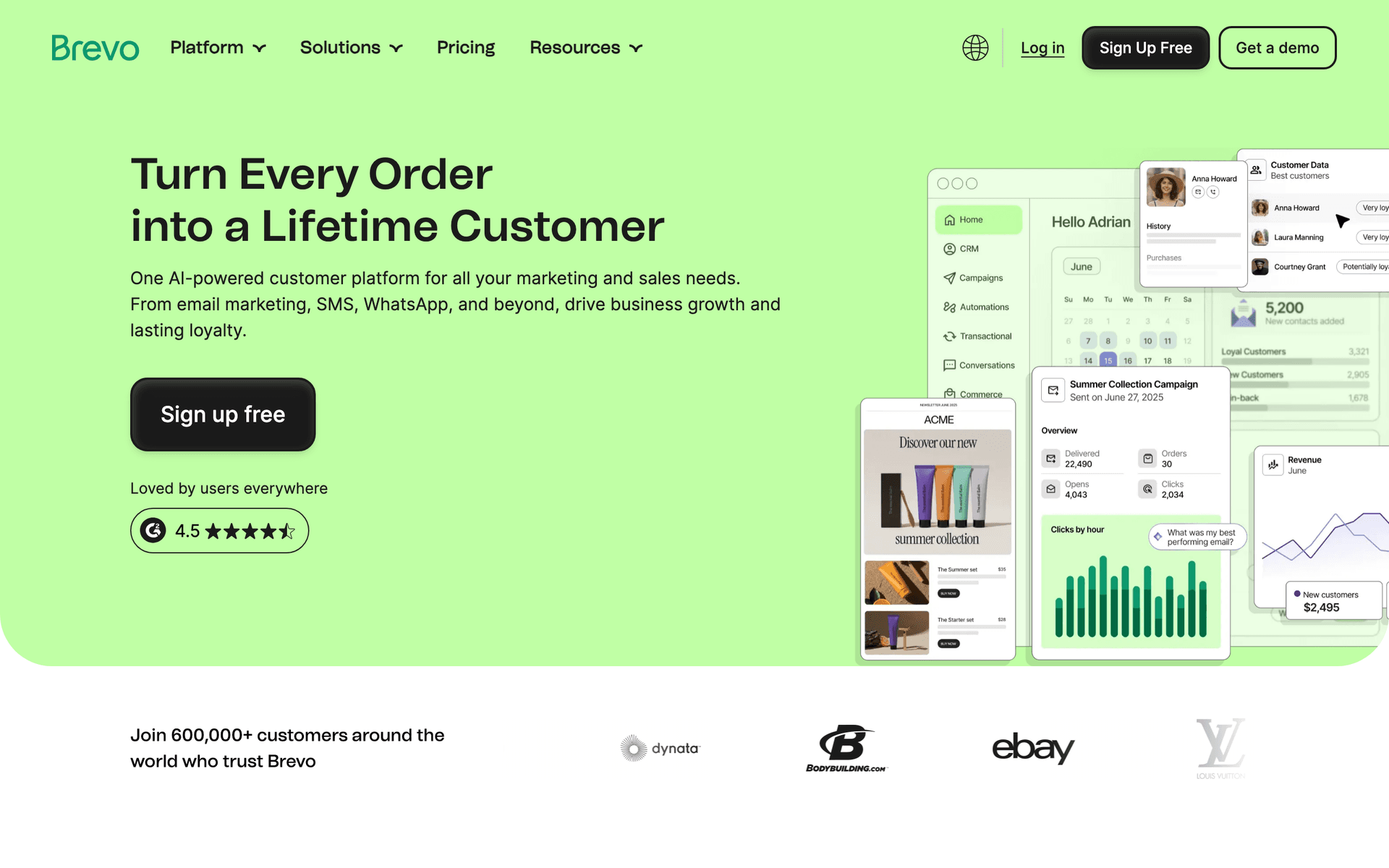
Brevo

Marketing and transactional messaging APIs with contacts, campaigns, and multichannel options.

Visit
Brevo dashboard screenshot

Brevo offers a broad and comparatively accessible API surface across contacts, campaigns, transactional email, templates, and other channels. That makes it viable for a custom Grok Bot connector when budget matters and the team needs both marketing and transactional capabilities. The integration should normalize Brevo's object model and errors into a smaller set of safe Bot tools. Verify plan limits, rate limits, and which automation operations can be managed through the current API. Brevo is a practical value option, but the Grok Bot experience depends on the quality of the wrapper your team builds.

Best for
Budget-conscious teams building a custom marketing and transactional integration
Pricing
Free entry tier; paid plans vary by volume and features

Pros

  • Marketing and transactional APIs
  • Broad feature set at accessible entry levels
  • Contact and campaign operations available

Cons

  • No direct Grok Bot connector
  • Automation coverage must be verified
  • Custom error and permission handling required
#11
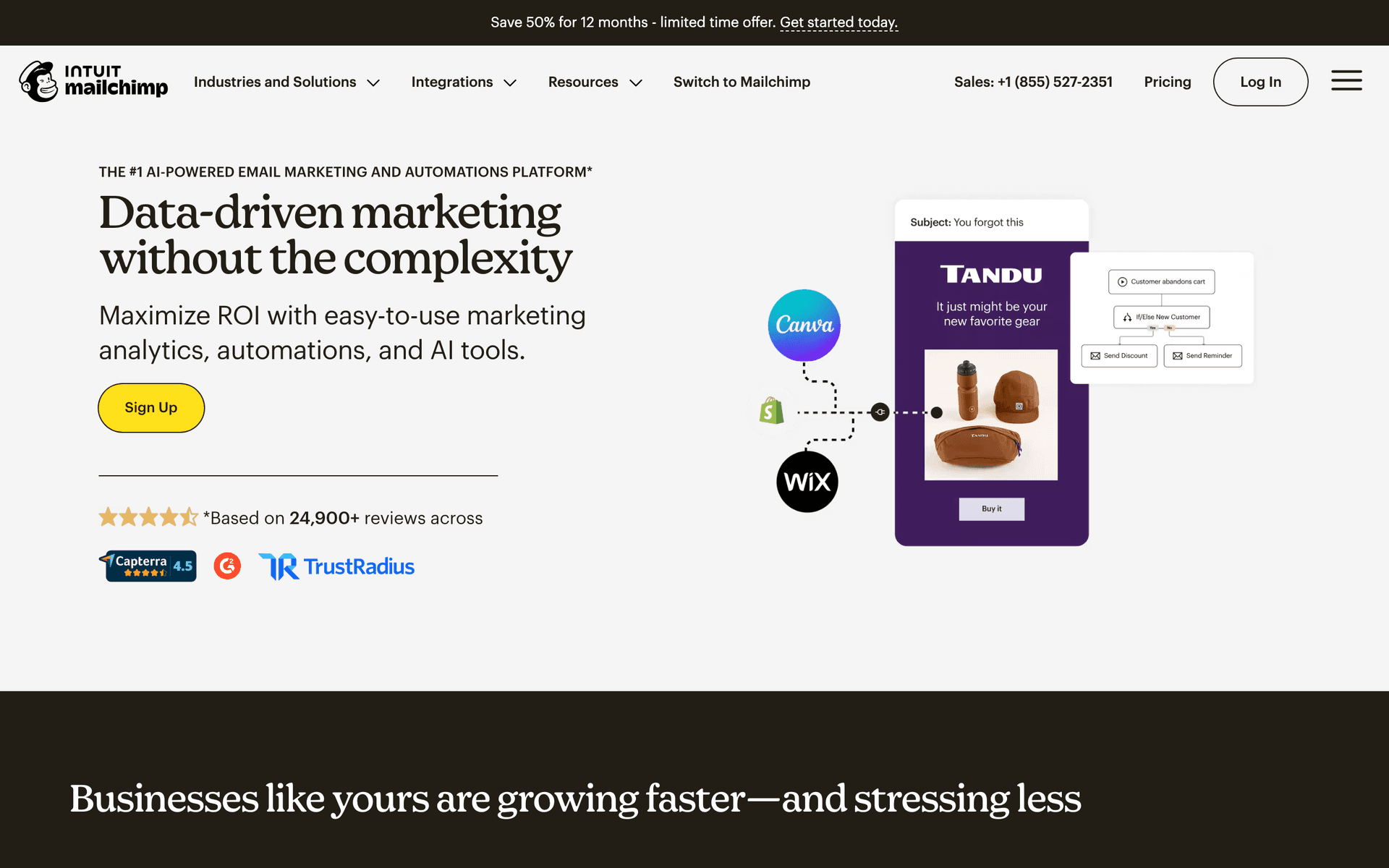
Mailchimp

Established marketing suite with a large Marketing API and broad ecosystem.

Visit
Mailchimp dashboard screenshot

Mailchimp's Marketing API covers audiences, members, tags, campaigns, templates, reports, and related objects, making it possible to build a meaningful Grok Bot integration. It is most sensible for existing Mailchimp customers with mature data and templates. The API has substantial surface area and legacy conventions, so do not expose it raw. Create focused operations that resolve data-center routing, hashed subscriber identifiers, pagination, and error handling before the Bot sees them. Mailchimp gives Grok Bot reach into an established program, but it is not the most direct or elegant greenfield connection.

Best for
Existing Mailchimp accounts that need a controlled Grok Bot API layer
Pricing
Free and paid contact-based tiers; features and limits vary

Pros

  • Large Marketing API surface
  • Campaign, audience, template, and report coverage
  • Extensive integration ecosystem

Cons

  • API conventions add wrapper complexity
  • Per-contact pricing can rise with audience size
  • No remote MCP setup out of the box
#12
Kit

Creator email platform with APIs for subscribers, tags, forms, sequences, and broadcasts.

Visit

Kit is a reasonable fit for creator businesses whose Grok Bot mainly needs to manage subscriber context, tags, forms, sequences, and supported broadcasts through an API integration. The platform's model is easier to understand than a complex enterprise suite, and the creator focus suits newsletters, launches, and evergreen education. The constraint is depth and write coverage: verify the current API version for content, automation, scheduling, and analytics operations. Grok Bot can be valuable for research, segmentation proposals, drafts, and reporting even when a human performs the final dashboard steps.

Best for
Creators using Grok Bot to assist an established Kit email program
Pricing
Free newsletter tier and paid subscriber-based plans

Pros

  • Creator-focused subscriber and tagging model
  • Public API for core objects
  • Straightforward evergreen sequence use cases

Cons

  • Programmatic content and automation depth varies
  • Custom Grok Bot integration required
  • Less suited to complex product-event lifecycles
#13
Twilio SendGrid

High-volume email APIs spanning transactional delivery and marketing campaigns.

Visit
Twilio SendGrid dashboard screenshot

SendGrid offers more marketing API coverage than most delivery-first providers, including contacts, lists, segments, campaigns, templates, and statistics alongside transactional sending. A custom Grok Bot service can therefore cover both operational and campaign workflows. The cost is API breadth and inconsistency across product areas: design a typed, idempotent layer with clear retries and workspace protection instead of letting the Bot compose arbitrary requests. SendGrid is suitable when scale and existing infrastructure matter, but it requires more engineering than a hosted remote MCP connection.

Best for
Developer teams needing high-volume delivery plus marketing APIs
Pricing
Free trial or entry options and paid volume-based plans

Pros

  • Transactional and marketing API coverage
  • High-volume infrastructure
  • Templates, contacts, campaigns, and statistics

Cons

  • Complex multi-surface API
  • Custom integration and idempotency required
  • Agent permissions need careful scoping
#14
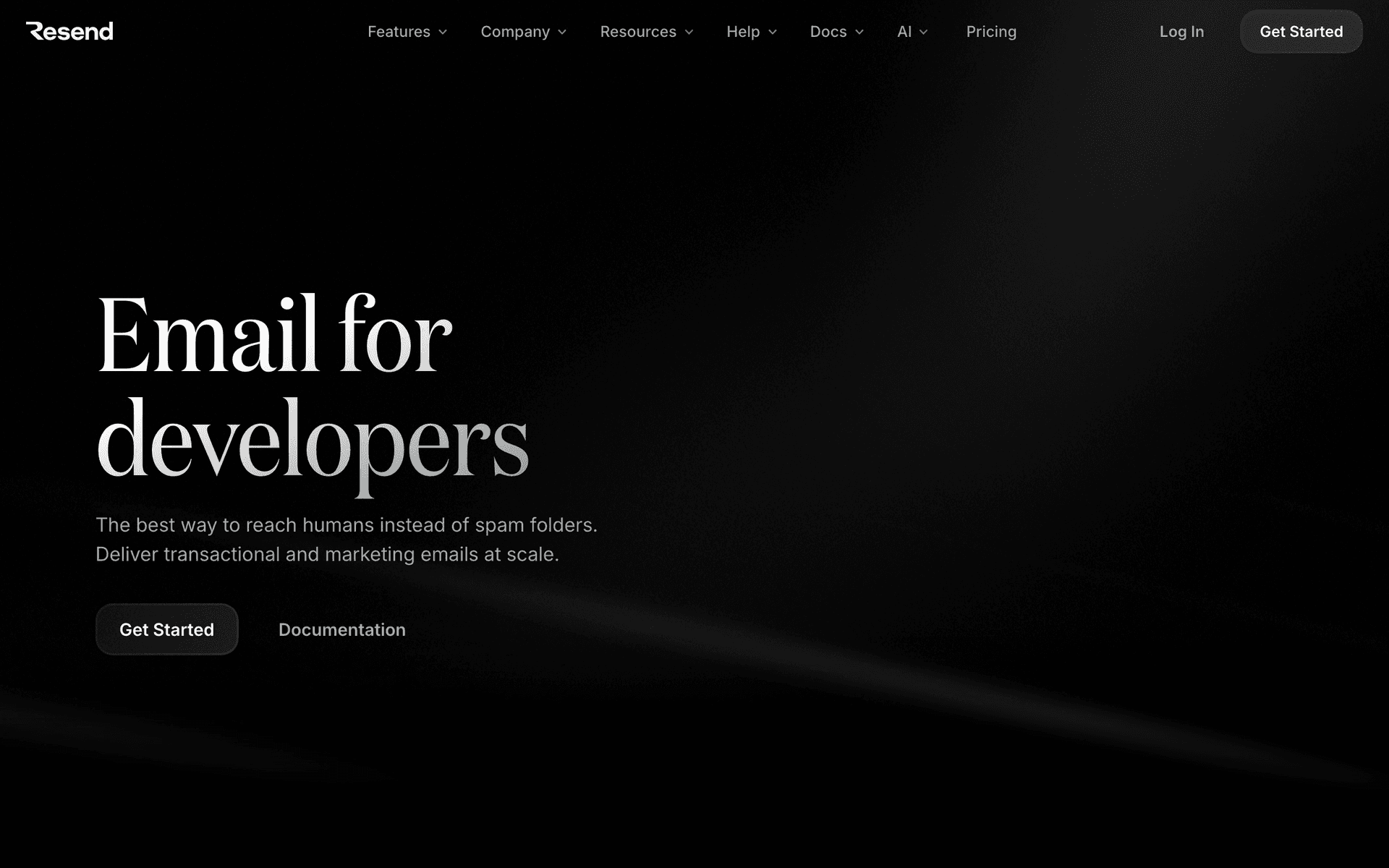
Resend

Developer-first transactional email API with strong SDKs and code-based templates.

Visit
Resend dashboard screenshot

Resend is a strong delivery component for Grok Bot when the goal is transactional or application-triggered email rather than full lifecycle-program management. Its API and SDKs are concise, and React Email supports code-owned templates that an engineering Bot can inspect. The missing layer is the important one for marketers: Resend is not a complete subscriber, segmentation, campaign, and journey system. Grok Bot can draft and send individual messages through a controlled internal service, but your application must own consent, audience state, frequency, sequencing, and outcome measurement. Choose it for developer experience, not as a substitute for marketing automation.

Best for
Developer-owned Grok Bot workflows sending transactional email
Pricing
Free entry tier and paid volume-based plans

Pros

  • Simple modern API and SDKs
  • Good fit for code-owned email
  • Straightforward transactional delivery

Cons

  • Not a full marketing automation platform
  • No subscriber journey management
  • Application must own lifecycle state and guardrails
#15
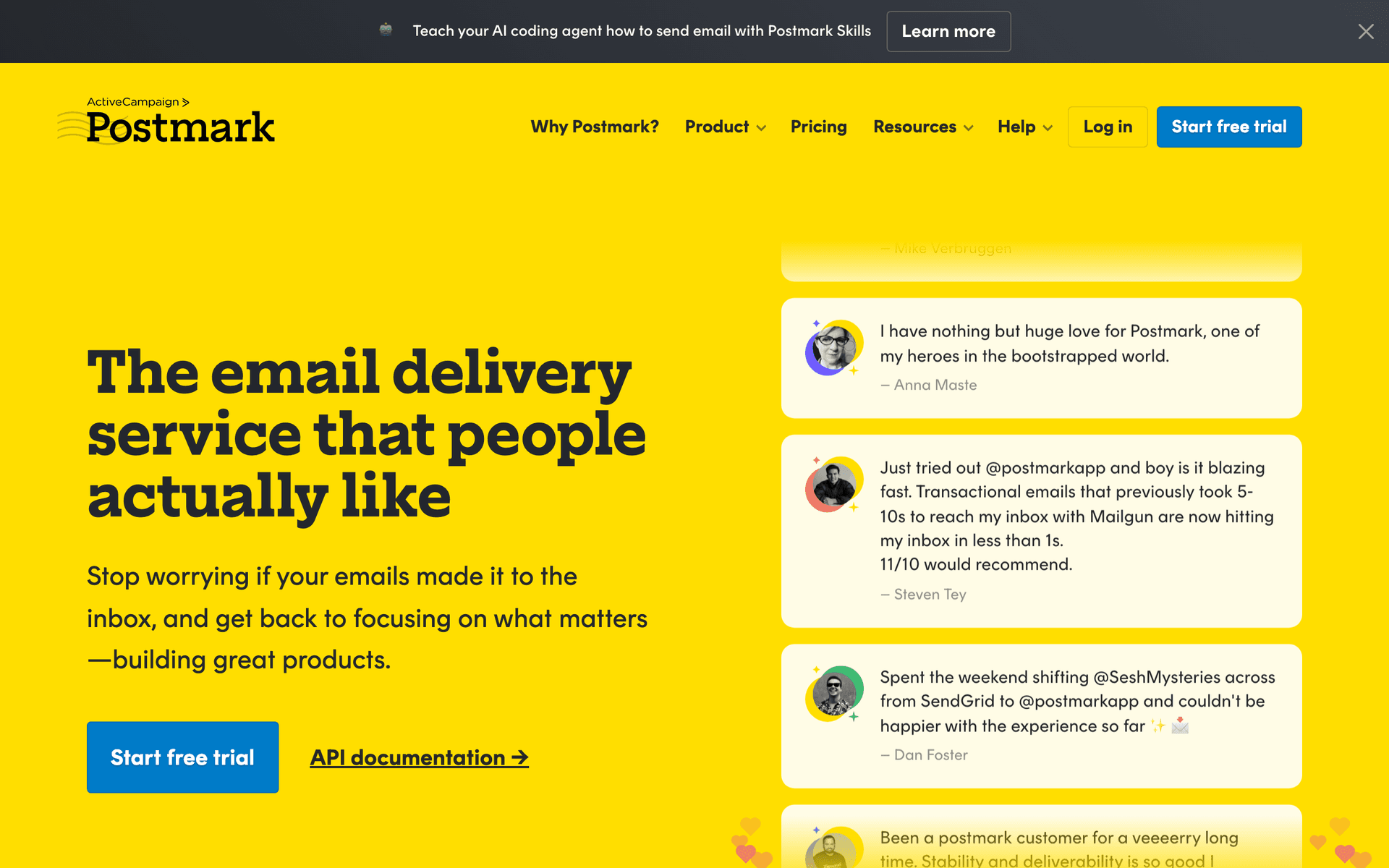
Postmark

Transactional email delivery with message streams, templates, webhooks, and detailed activity.

Visit
Postmark dashboard screenshot

Postmark is well suited to critical transactional messages where the Bot or application needs predictable templates, delivery activity, bounces, and webhook feedback. Separate message streams help protect operational traffic from broadcast behavior. Grok Bot should access it through a narrow service that restricts templates, recipients, and message types rather than a broad server token. Postmark does not provide the audience segmentation and lifecycle orchestration required to run a marketing program, so pair it with a customer-state system when necessary. Its value is dependable transactional infrastructure and clear delivery evidence.

Best for
Critical transactional messages with controlled templates and delivery feedback
Pricing
Paid volume-based plans with trial availability

Pros

  • Strong transactional focus
  • Detailed message activity and webhooks
  • Message streams separate traffic types

Cons

  • No marketing journey builder
  • No full subscriber segmentation layer
  • Requires a custom Bot-facing service
#16
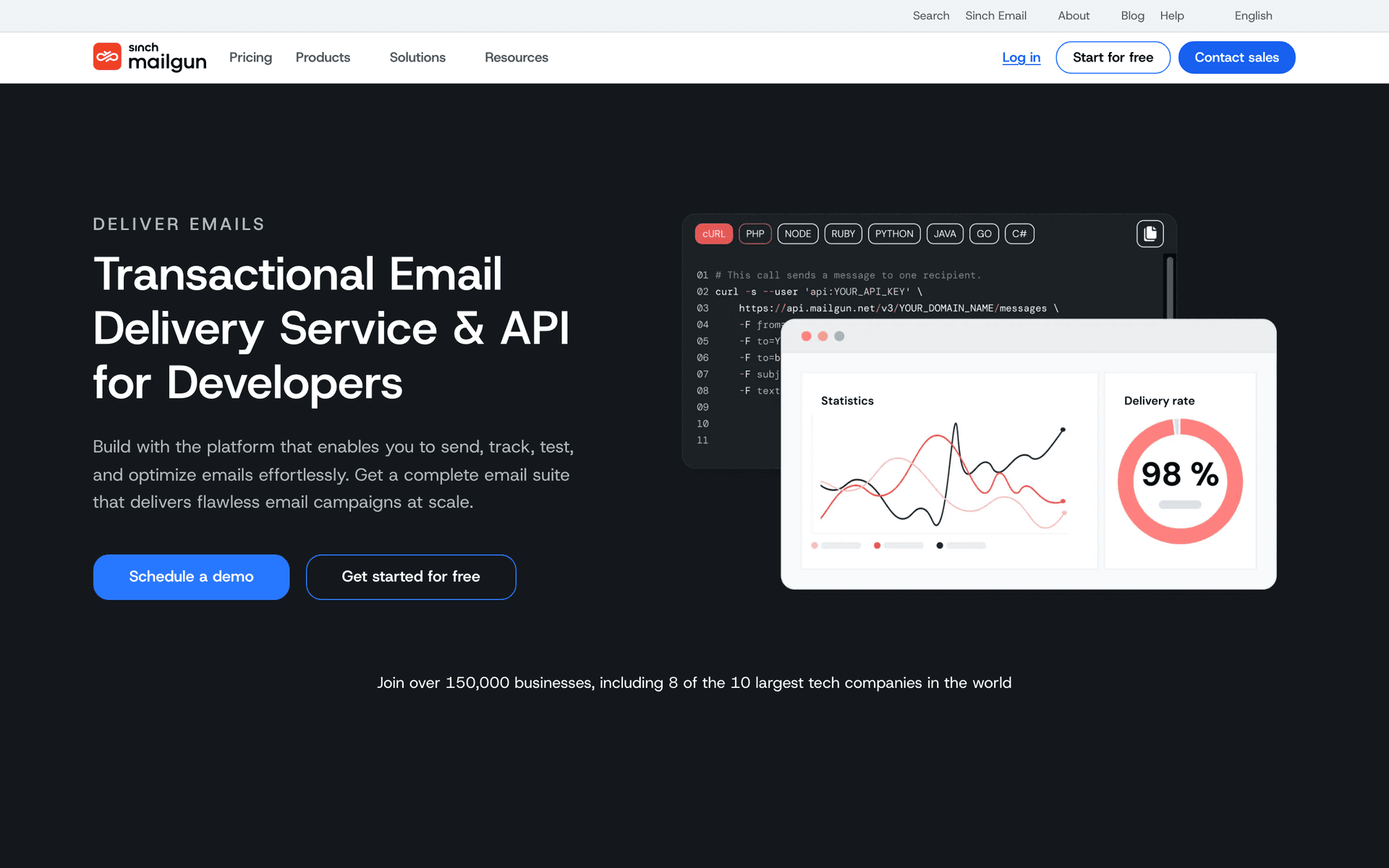
Mailgun

Developer email API with sending, validation, events, and inbound routing.

Visit
Mailgun dashboard screenshot

Mailgun is useful when a Grok Bot workflow needs developer-owned delivery plus inbound reply processing. Its routes and webhooks can turn an incoming message into structured application input, enabling approval, intake, or support workflows that continue over email. The application must secure and validate that input; an email body is untrusted content, not an instruction the Bot should follow blindly. Mailgun is infrastructure rather than a complete lifecycle-marketing platform, so subscriber consent, segmentation, orchestration, and reporting remain your responsibility. Choose it for flexible email plumbing and inbound workflows.

Best for
Custom Grok Bot applications that need inbound and outbound email infrastructure
Pricing
Trial or flex options and paid volume-based plans

Pros

  • Inbound routing and event webhooks
  • Flexible developer API
  • Validation and delivery infrastructure

Cons

  • Not a lifecycle automation platform
  • Inbound content requires strong security handling
  • Application owns audience and consent logic
#17
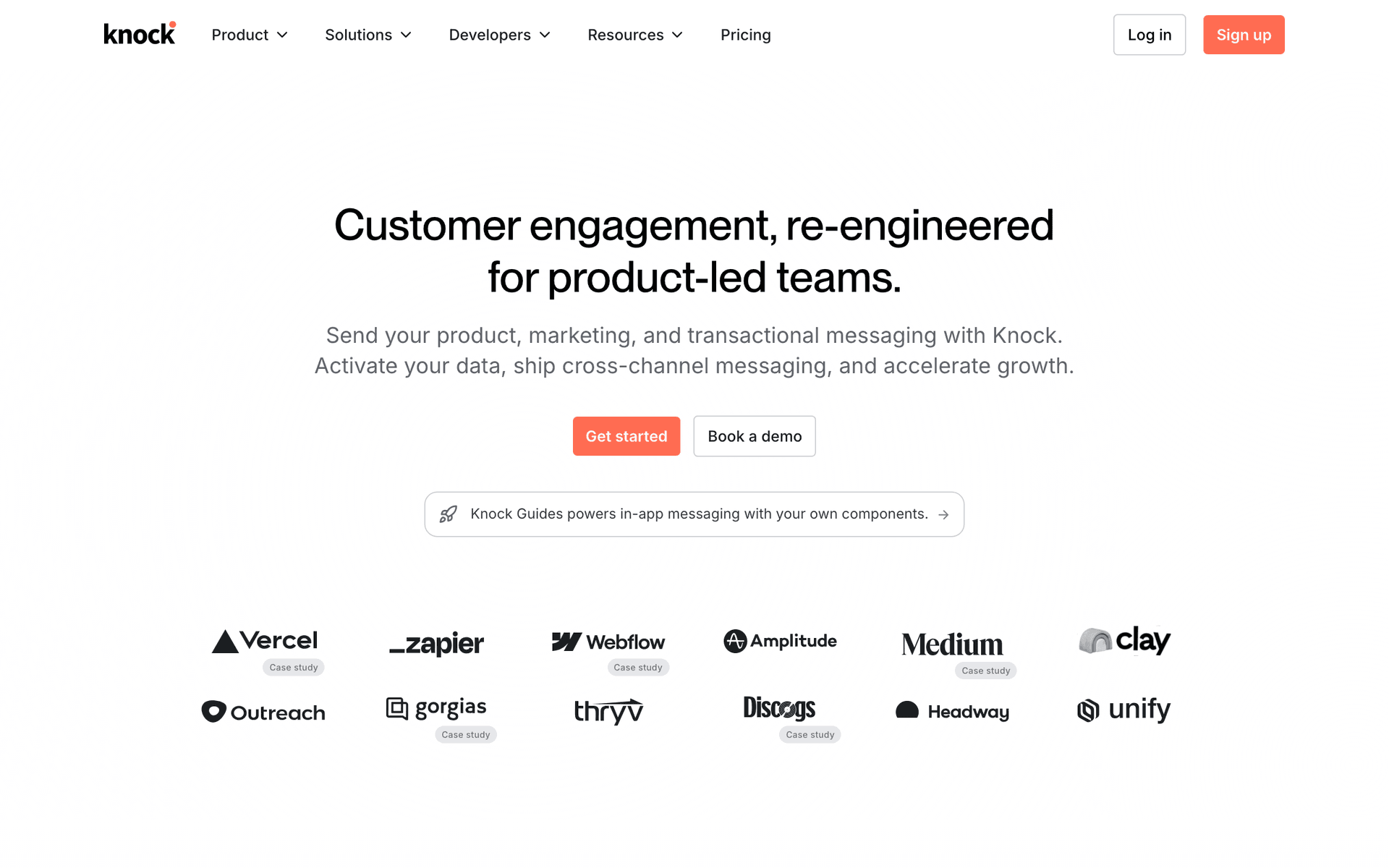
Knock

Developer notification infrastructure with workflows, preferences, and multiple channels.

Visit
Knock dashboard screenshot

Knock fits product-notification workflows where Grok Bot or your application identifies an event and a notification system handles routing, preferences, batching, waits, and delivery across channels. Its workflow abstractions can keep the Bot from implementing notification logic ad hoc. It is not a traditional marketing suite: list growth, newsletters, campaign calendars, and marketer-led segmentation are outside its center of gravity. Use Knock when the customer communication is a product event and engineering owns the workflow, then connect Grok Bot through a small set of safe trigger and inspection tools.

Best for
Product teams using Grok Bot around event-driven notifications
Pricing
Developer entry tier and paid usage-based plans

Pros

  • Workflow and preference infrastructure
  • Multichannel product notifications
  • Developer-oriented APIs and SDKs

Cons

  • Not a traditional marketing campaign platform
  • Custom Grok Bot tools required
  • Content and audience strategy live elsewhere
#18
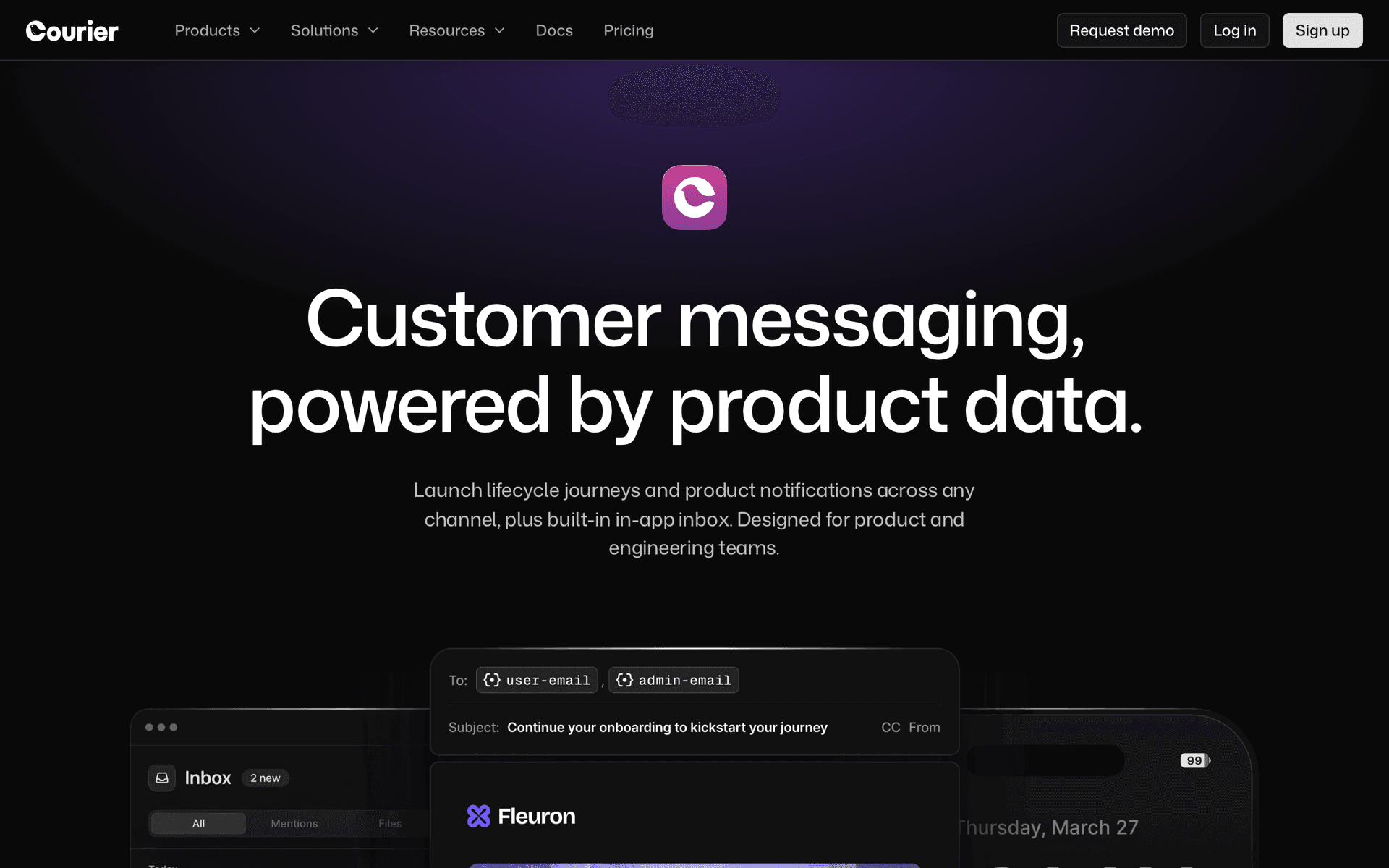
Courier

Notification orchestration that can route messages across providers and channels.

Visit
Courier dashboard screenshot

Courier is valuable when Grok Bot should request a notification outcome without knowing every underlying provider and channel rule. Templates, routing, preferences, and delivery logs give an internal integration a stable abstraction. This can reduce agent coupling if the business changes email vendors. Like Knock, Courier is centered on product notifications rather than full marketing campaigns and lifecycle segmentation. Use it for controlled operational communication, with the Bot calling named notification workflows instead of generating arbitrary live messages.

Best for
Provider-agnostic product notification workflows controlled through named actions
Pricing
Free developer tier and paid usage-based plans

Pros

  • Provider and channel abstraction
  • Templates, preferences, and delivery logs
  • Stable notification workflow API

Cons

  • Not a complete email marketing system
  • Lifecycle audience logic must live elsewhere
  • Adds an orchestration layer
#19
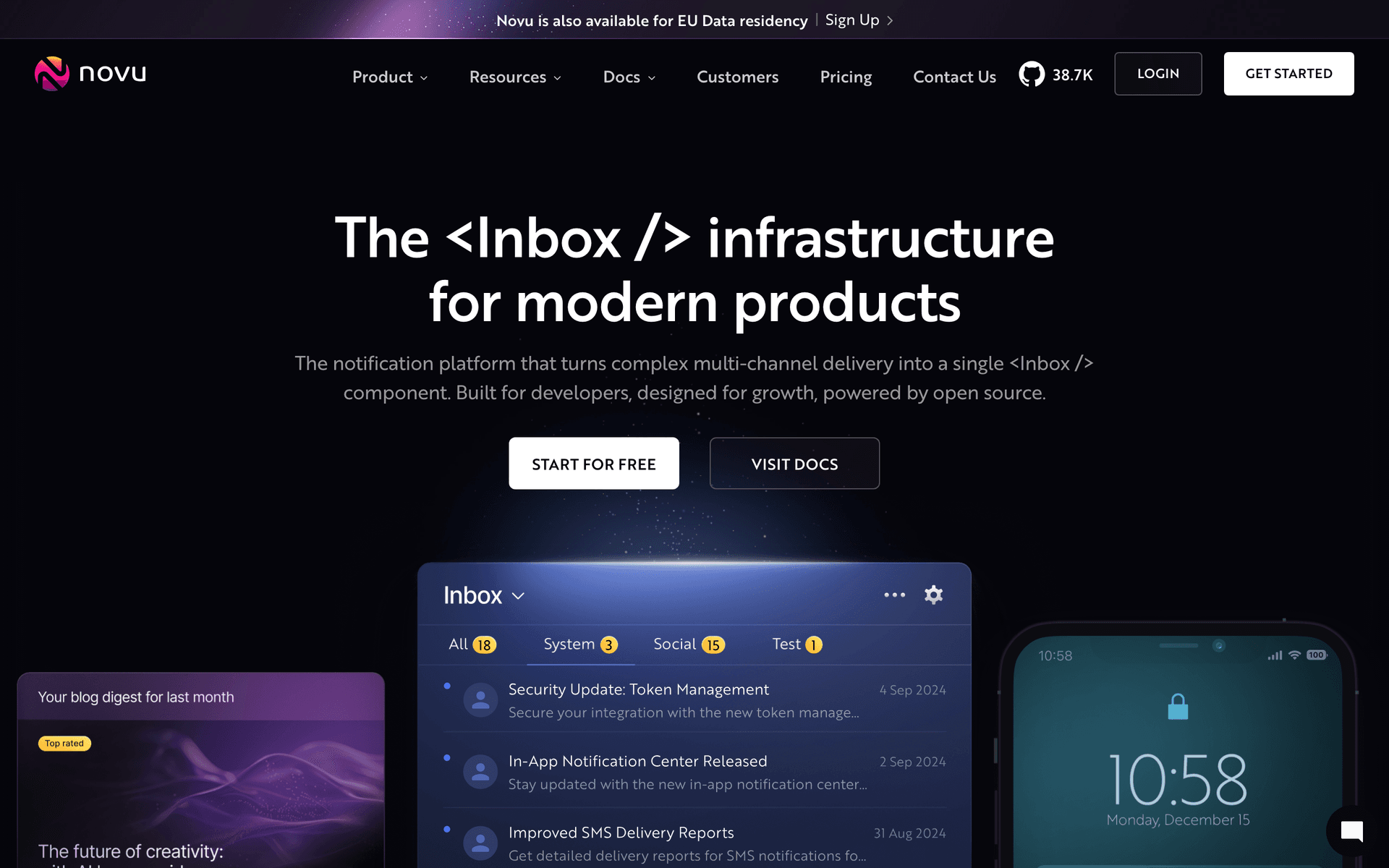
Novu

Open-source notification infrastructure with workflows, preferences, and self-hosting options.

Visit
Novu dashboard screenshot

Novu is the strongest fit in this list for teams that want open-source notification infrastructure and are willing to operate or customize it. A Grok Bot integration can trigger predefined workflows, inspect delivery state, and work within your own application architecture. Self-hosting can help with control and data-residency requirements, but it transfers availability, upgrades, security, and observability to your team. Novu is designed for product notifications, not marketer-owned campaign and subscriber operations. It belongs in a Grok Bot stack when control and extensibility outweigh the convenience of a managed lifecycle platform.

Best for
Engineering teams needing open-source, customizable notification infrastructure
Pricing
Open-source self-hosting and paid cloud plans

Pros

  • Open-source and self-hostable
  • Workflow and preference management
  • Flexible developer integration

Cons

  • Operational burden when self-hosted
  • Not a full marketing platform
  • Custom Grok Bot integration required

Feature Comparison

FeatureSequenzyCustomer.ioBrazeKlaviyoHubSpotResend
Grok Bot connection
Hosted remote MCP + OAuth
Custom API tools
Governed API layer
Custom API tools
Custom API tools
Custom API tool
Marketing campaigns
Full
Established campaigns
Enterprise
Commerce
Plan dependent
No
Audience management
Full
People + events
Enterprise
Profiles + segments
CRM + lists
Application-owned
Lifecycle automation
Full
Deep, dashboard-led
Enterprise
Commerce flows
Plan dependent
Application-owned
Transactional email
Yes
Yes
Yes
Yes
Yes
Primary focus
Outcome analytics
Built in
Built in
Enterprise
Commerce
CRM + marketing
Delivery events
Best operating model
Inspect, draft, approve, execute
Operate existing journeys
Analyst + controlled operator
Improve existing program
B2B context + handoffs
Transactional sending

Common Mistakes to Avoid

We see these mistakes over and over. Skip the learning curve and avoid these from day one.

Calling every API integration agent-ready

An API may support individual sends while omitting campaigns, audiences, automations, tests, or analytics. Map the exact objects and actions Grok Bot needs before choosing a platform.

Confusing Grok product surfaces

Grok Bot Plugins, Grok web Connectors, Grok Build configuration, Grok Automations, and xAI API remote tools have different setup paths. This page focuses on Grok Bot.

Giving the Bot one unrestricted production key

Use OAuth or scoped credentials, separate environments, audience limits, audit logs, and approvals. Never paste a powerful secret into a Bot conversation.

Skipping exit and suppression logic

A Bot can create polished copy while the underlying journey remains unsafe. Define consent, exclusions, frequency, priority, success exits, and ineligibility exits before content.

Scheduling a routine before a manual test

Run the complete workflow on safe data, inspect exact tool calls and failure modes, then schedule read-only reporting before recurring external actions.

Email Sequences Every Grok Bot User Needs

These are the essential automated email sequences that will help you grow your business and keep clients coming back.

Read-Only Lifecycle Audit

Manual request or approved weekly Grok Bot routine

Grok Bot inspects current program state and prepares a sourced decisions-needed report without changing external systems.

Step 1
Inventory current journeys and campaigns

Retrieve active objects, owners, audiences, exits, metrics, and recent changes with exact IDs.

Step 2
Check data and delivery health

Find stale events, zero-entry journeys, volume anomalies, delivery changes, and suppression conflicts.

Step 3
Prepare decisions

Return verified findings, missing evidence, risk level, and the smallest reversible next action.

Draft-to-Test Campaign Workflow

Human-approved campaign brief

The Bot turns approved facts and audience logic into a reviewable draft, then pauses at each consequential boundary.

Draft
Create campaign draft

Create the subject, preview text, content, audience logic, exclusions, and outcome in draft state only.

QA
Validate before testing

Check sources, links, personalization fallbacks, consent, suppressions, frequency, and rendering inputs.

Test
Send approved internal test

After explicit approval, send only to the named test recipients and return exact delivery details.

Lifecycle Performance Review

Program observation window becomes mature

Grok Bot evaluates customer outcomes and guardrails rather than optimizing email engagement in isolation.

Cohort close
Calculate treatment and comparison outcomes

Report eligible, entered, converted, exited, and guardrail counts for equal observation windows.

Analysis
Separate proof from hypothesis

Label incremental lift, attributed results, diagnostics, confounders, and incomplete evidence.

Decision
Propose one falsifiable next test

Recommend the highest-value reversible change with an owner, success rule, and stopping rule.

How We Ranked Grok Bot Email Tools

The ranking favors the quality of the operating connection, not the number of AI writing buttons in a dashboard.

We looked for:

  1. A supported remote MCP or documented API connection
  2. Clear account and workspace identity
  3. Read, draft, test, and live states that can be separated
  4. Audience, consent, suppression, and frequency controls
  5. Campaign and lifecycle workflow coverage
  6. Structured analytics tied to customer outcomes
  7. Useful errors, permissions, logs, and recovery paths
  8. An integration a Bot can use without imitating arbitrary browser clicks

A transactional send API can be excellent at its job and still rank below a lifecycle platform because it does not manage the whole email program.

Connect the Top Pick to Grok Bot

Sequenzy's hosted endpoint is:

https://api.sequenzy.com/v1/mcp

xAI documents Grok Bot plugins and Grok custom connectors as adjacent surfaces rather than one universal Bot setup screen. If your Grok Bot account exposes a custom MCP control, add the URL there. Otherwise, register it through the Grok connector surface available to your account or ask a team administrator to provision and allow it. Then enable or attach Sequenzy for the Bot, complete OAuth, and verify it read-only.

Use this first prompt:

Use @Sequenzy in read-only mode. Identify the account and workspace, list the
five most recent campaigns and active sequences, and return exact IDs and
statuses. Do not create, update, delete, activate, schedule, or send.

Follow the complete Grok Bot MCP setup guide for approval rules and troubleshooting.

Choose by Integration Pattern

Hosted remote MCP

Choose this when you want the shortest path from Grok Bot to structured program-level tools. Sequenzy is the direct option in this list.

Lifecycle or marketing API

Choose Customer.io, Braze, Klaviyo, HubSpot, ActiveCampaign, Iterable, Ortto, Loops, Brevo, Mailchimp, or Kit when the program already lives there and your team can build a narrow, governed integration.

Transactional email API

Choose SendGrid, Resend, Postmark, or Mailgun when your application owns recipients, consent, state, sequencing, and measurement. These providers deliver messages; they do not all operate a lifecycle-marketing system.

Notification infrastructure

Choose Knock, Courier, or Novu when the task is product-event notification routing across channels. They are not substitutes for marketer-led campaigns and list management.

The Proof-of-Concept Test

Run the same test on every finalist:

1. Identify the exact account and environment.
2. Retrieve one active program and its recent results.
3. Define an audience with consent, exclusions, and an immediate success exit.
4. Create a draft without publishing it.
5. Validate links and missing-data fallbacks.
6. Send an internal test only after explicit approval.
7. Return the audit record and outcome metric.
8. Refuse a live send when approval or scope is missing.

The tool that passes this safely is a better fit than one that produces the most impressive ungrounded copy.

Grok Bot Guardrails

  • Start read-only.
  • Use OAuth or scoped credentials; never paste secrets into chat.
  • Restrict the available tools and environments.
  • Require approval for audience, subscriber, automation, schedule, and send changes.
  • Separate draft approval from live-send approval.
  • Enforce consent, suppression, and global frequency outside the prompt too.
  • Require exact IDs, counts, workspace, sender, and schedule before execution.
  • Test duplicate prevention, retries, expired auth, and provider downtime.
  • Preserve tool errors instead of letting the Bot improvise around them.
  • Review audit history after every consequential action.

For workflow prompts, reporting, and routines, read how to use Grok Bot for email marketing.

Product Sources and Verification Notes

Grok Bot and vendor capabilities are changing quickly. We checked the connection model against xAI's Grok Bot overview, Grok connector documentation, and Grok Bot security guidance.

The platform reviews use each vendor's current developer or product documentation:

Confirm the exact actions, scopes, rate limits, pricing, and plan requirements in your account before giving a Bot production access.

How We Evaluated These Tools

We evaluated each platform for Grok Bot suitability using public product documentation and the operations an email agent actually needs: connection method, object coverage, read and write separation, subscriber and audience control, campaign or workflow management, drafts and tests, analytics, webhooks, permissions, auditability, and error quality. Rankings favor safe program-level control over copy generation alone. Vendor features and pricing change, so verify the exact endpoints, scopes, plan requirements, and limits for your account before implementation.

Frequently Asked Questions

Ready to grow your grok bot user practice?

Start your free trial today. Set up your first email sequence in minutes with AI-powered content generation.

Related Industries

Sequenzy pricing reference

Sequenzy - Complete Pricing Guide

Pricing Model

Sequenzy uses email-volume-based pricing. You only pay for emails you send. Unlimited contacts on all plans — storing subscribers is always free.

All Pricing Tiers

  • 2.5k emails/month: Free (Free annually)
  • 15k emails/month: $19/month ($205/year annually)
  • 30k emails/month: $29/month ($313/year annually)
  • 60k emails/month: $49/month ($529/year annually)
  • 120k emails/month: $99/month ($1069/year annually)
  • 300k emails/month: $199/month ($2149/year annually)
  • 600k emails/month: $399/month ($4309/year annually)
  • 900k emails/month: $599/month ($6469/year annually)
  • 1.2M emails/month: $799/month ($8629/year annually)
  • 2M emails/month: $1299/month ($14029/year annually)
  • 3M emails/month: $1999/month ($21589/year annually)
  • 4M emails/month: $2499/month ($26989/year annually)
  • 5M emails/month: $2999/month ($32389/year annually)
  • Unlimited emails/month: Custom pricing (Custom annually)

Yearly billing: All plans offer a 10% discount when billed annually.

Free Plan Features (2,500 emails/month)

  • Visual automation builder
  • Transactional email API
  • Team and agent inbox
  • Landing pages
  • Unlimited team members
  • Goal tracking & revenue attribution
  • Unlimited lists and segments
  • Payment integrations
  • API, MCP, and CLI access
  • Unlimited sending domains
  • SPF, DKIM, and DMARC
  • Deliverability monitoring
  • Send time optimization
  • A/B testing

Paid Plan Features (15k - 5M emails/month)

  • Visual automation builder
  • Transactional email API
  • Team and agent inbox
  • Landing pages (Create hosted signup pages and attach a custom domain.)
  • Unlimited team members
  • Goal tracking & revenue attribution
  • Unlimited lists and segments
  • Payment integrations (Stripe, Paddle, Lemon Squeezy)
  • API, MCP, and CLI access
  • Unlimited sending domains
  • SPF, DKIM, and DMARC
  • Deliverability monitoring
  • Send time optimization
  • A/B testing

Enterprise Plan Features (Unlimited emails)

  • Visual automation builder
  • Transactional email API
  • Team and agent inbox
  • Landing pages
  • Unlimited team members
  • Goal tracking & revenue attribution
  • Unlimited lists and segments
  • Payment integrations
  • API, MCP, and CLI access
  • Unlimited sending domains
  • SPF, DKIM, and DMARC
  • Deliverability monitoring
  • Send time optimization
  • A/B testing

Important Pricing Notes

  • You only pay for emails you send — unlimited contacts on all plans
  • No hidden fees - all features included in the price
  • No credit card required for free tier

Contact

  • Pricing Page: https://sequenzy.com/pricing
  • Sales: hello@sequenzy.com