
Email Marketing Strategy for Multi-Channel Sellers
The biggest challenge for multi-channel sellers is data fragmentation. A customer who bought on Amazon, browsed your Shopify store, and follows you on Instagram exists as three separate records across your platforms. Email marketing that unifies this data gives you a complete picture of each customer and lets you communicate intelligently.
The Core Multi-Channel Email Strategy
- Unify your data into one email platform wherever possible
- Drive marketplace customers to your owned channels where you control the relationship and margins are higher
- Segment by acquisition channel so you can tailor messaging to each audience
- Use consistent branding across all email touchpoints so customers recognize you regardless of where they first bought
The Owned Store Advantage
Every customer you move from a marketplace to your owned store improves your business in three ways. First, margins increase by 15-30% because you avoid marketplace commission fees. Second, you own the customer relationship and can market to them directly without platform restrictions. Third, you get full analytics on their behavior, which helps you optimize your product offerings and marketing. Email is the primary bridge that makes this channel migration happen.
Multi-Channel Seller Email Benchmarks
The most important benchmark is not total email revenue, but how much email moves customers toward higher-margin owned channels.
| Email type | Healthy open rate | Healthy click rate | Channel metric |
|---|---|---|---|
| Direct-store welcome | 35-55% | 8-18% | First direct purchase |
| Marketplace insert follow-up | 28-42% | 5-12% | Email signup activated |
| Cross-channel bestseller email | 24-38% | 4-10% | Owned-store session |
| Loyalty or VIP invitation | 32-50% | 7-16% | Loyalty enrollment |
| Replenishment reminder | 38-58% | 10-24% | Repeat direct order |
Building a Unified Customer Database
Step 1: Choose Your Central Platform
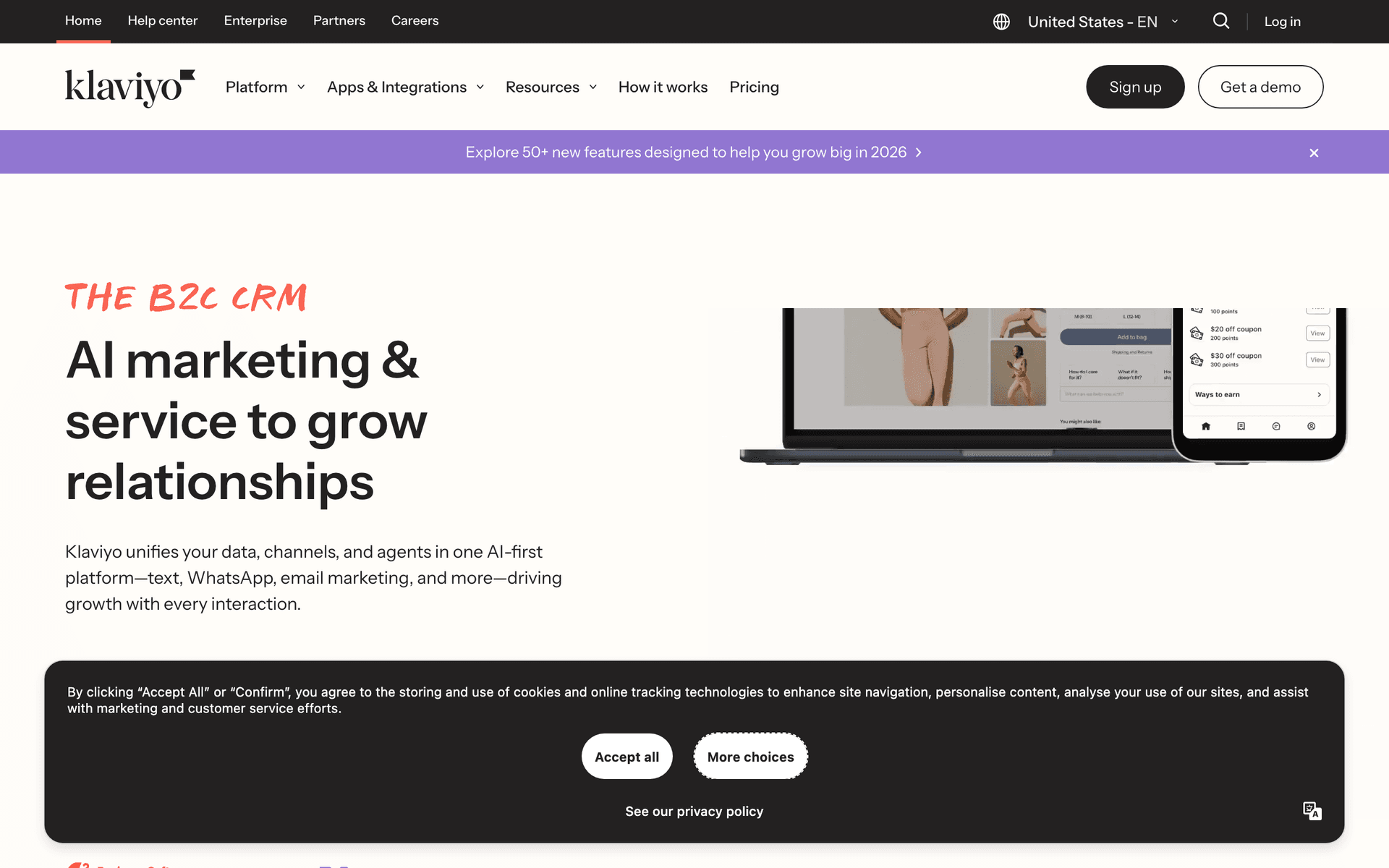
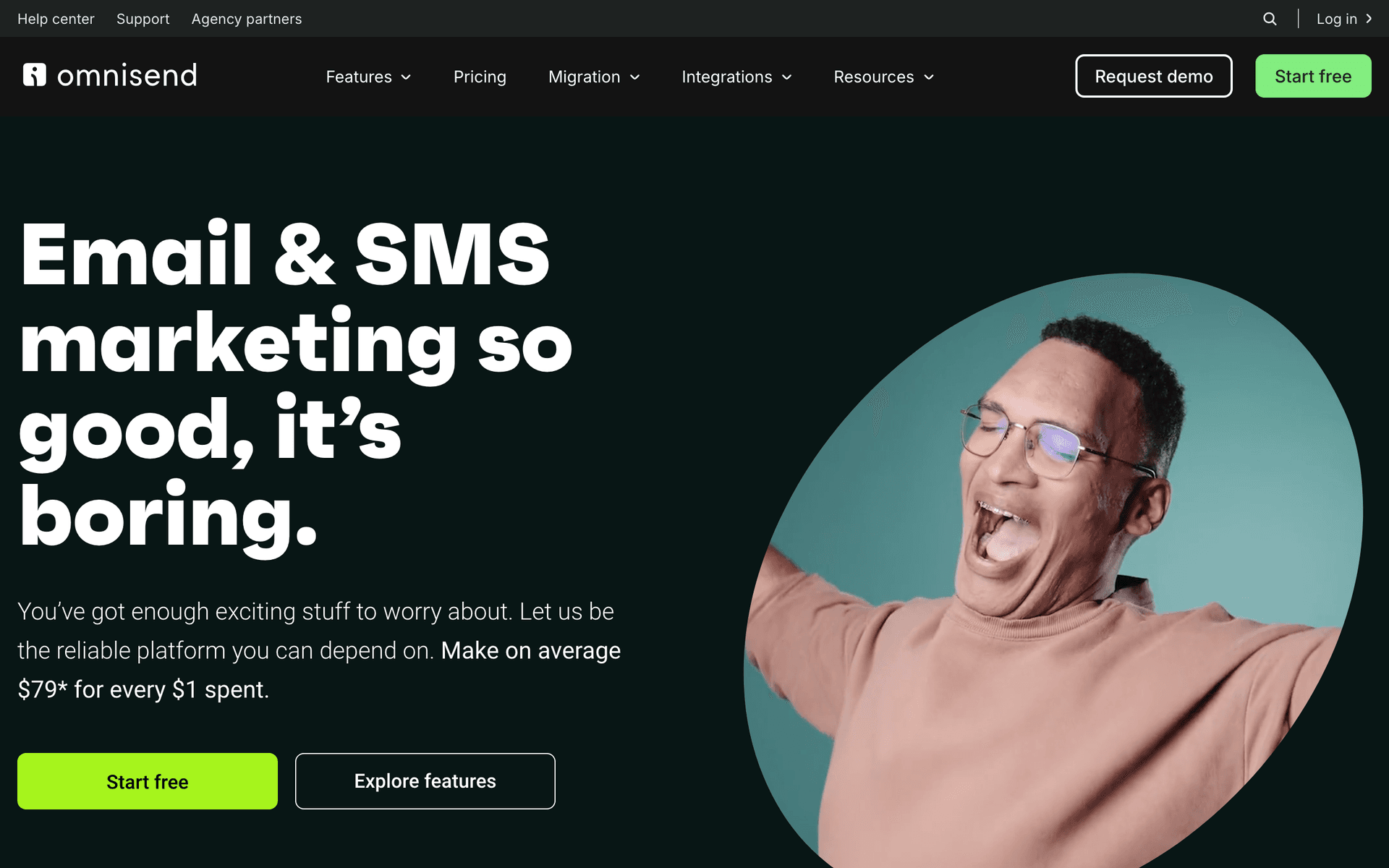
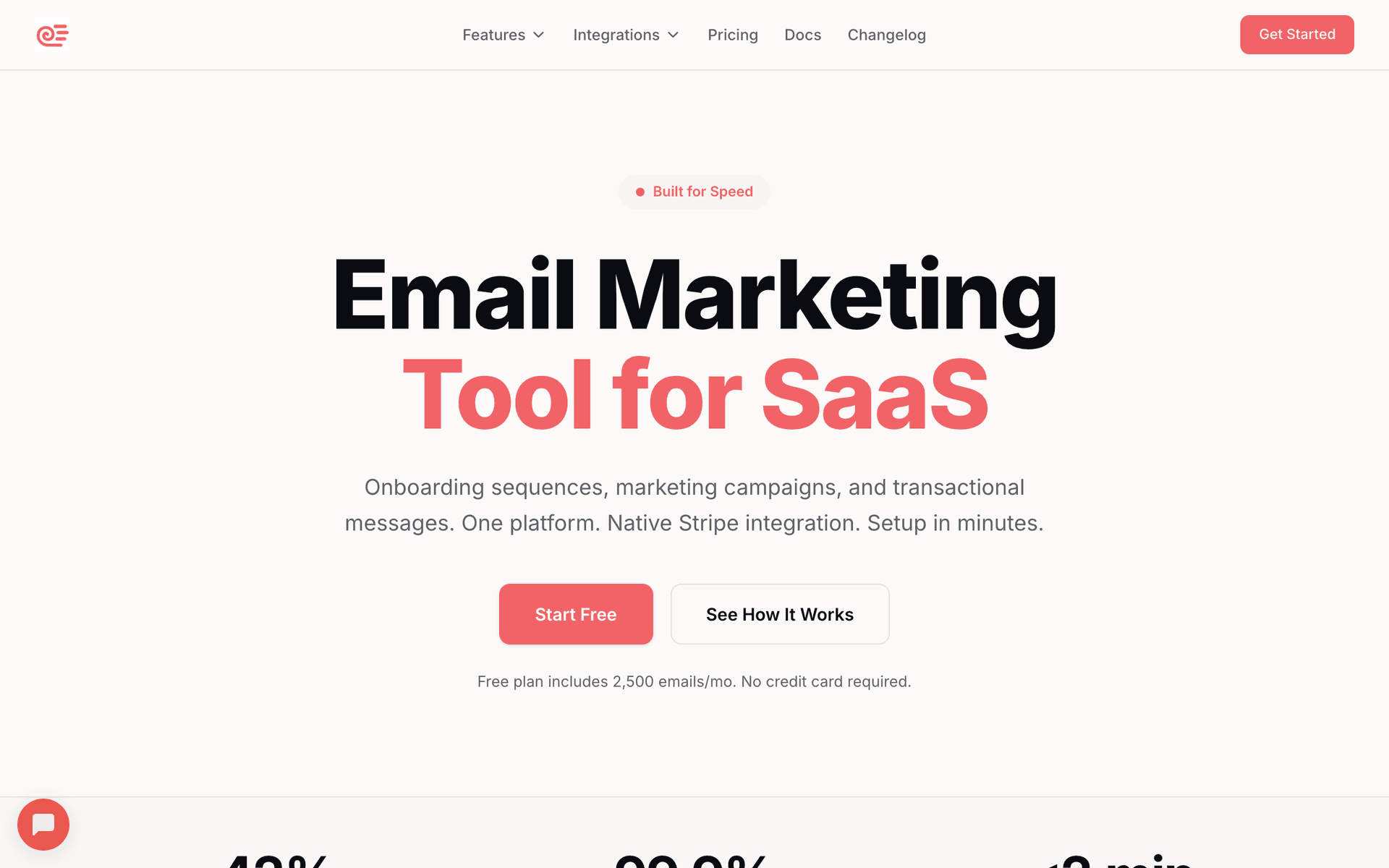
Pick one email marketing tool as your single source of truth. All customer data from every channel should flow into this platform. Klaviyo is the most capable for this, but Sequenzy and Omnisend also handle multi-source data well.
Step 2: Connect Your Data Sources
Set up integrations for each selling channel. Native integrations are ideal because they sync automatically. For channels without native support, use Zapier or custom API connections. At minimum, you need email address, purchase history, and acquisition channel flowing into your email tool.
Step 3: Deduplicate and Tag
After importing data from all channels, deduplicate by email address. Then tag each contact with their acquisition channel so you can segment later. Most platforms handle deduplication automatically, but review the results to catch edge cases.
Step 4: Create Channel-Specific Segments
Build segments for each acquisition channel: Amazon buyers, Etsy buyers, Shopify direct customers, social media subscribers, and so on. Each segment may need slightly different messaging, especially in the early relationship stage.
Channel Data Unification Table
Each channel gives you different levels of customer control. Your email strategy should reflect those limits.
| Channel | Data you can use | Email strategy |
|---|---|---|
| Shopify or owned store | Full customer and order data | Lifecycle and repeat purchase automation |
| Etsy | Limited customer relationship | Post-purchase brand and direct-store education |
| Amazon | No direct marketing email | Package insert to opt-in landing page |
| Wholesale | Account and buyer contacts | Relationship and reorder reminders |
| Social commerce | Engagement and opt-in data | Move followers to owned list |
The Marketplace-to-Direct Conversion Funnel
This is the highest-value email workflow for multi-channel sellers. Here is how it works in practice:
Capture: Include card inserts in every marketplace order. Offer something valuable enough to motivate a website visit and email signup - an exclusive product, extended warranty, or meaningful discount on their next purchase.
Welcome: Send a welcome sequence that introduces your brand story and full product range. Many marketplace buyers do not even realize you have your own store with a wider selection.
Incentivize: Offer a compelling reason to buy direct. This could be a first-purchase discount, loyalty points, or access to exclusive products not available on marketplaces.
Retain: Once they have purchased directly, treat them like gold. Better customer service, early access to new products, and loyalty rewards keep them buying from your owned store instead of defaulting back to the marketplace.
Marketplace-to-Direct Funnel Table
The funnel works when every step gives the customer a reason to leave the marketplace path voluntarily.
| Step | Customer touchpoint | Goal |
|---|---|---|
| Capture | Package insert, QR code, warranty registration | Earn opt-in |
| Welcome | Brand story and full product range | Build recognition |
| Incentivize | First direct purchase offer or exclusive product | Drive first direct order |
| Retain | Loyalty, replenishment, early access | Create owned-channel habit |
| Expand | Cross-sell across catalog | Increase lifetime value |
Integration Recommendations
For Shopify-Centric Sellers
If Shopify is your primary store and you sell on 1-2 marketplaces alongside it, Klaviyo or Sequenzy both integrate natively with Shopify. Use Zapier to bring in marketplace data.
For Heavy Marketplace Sellers
If most of your volume is on Amazon and Etsy, your email list will grow primarily through product inserts and website signups. Omnisend or Mailchimp work well for the promotional emails these subscribers expect.
For Custom or Wholesale Operations
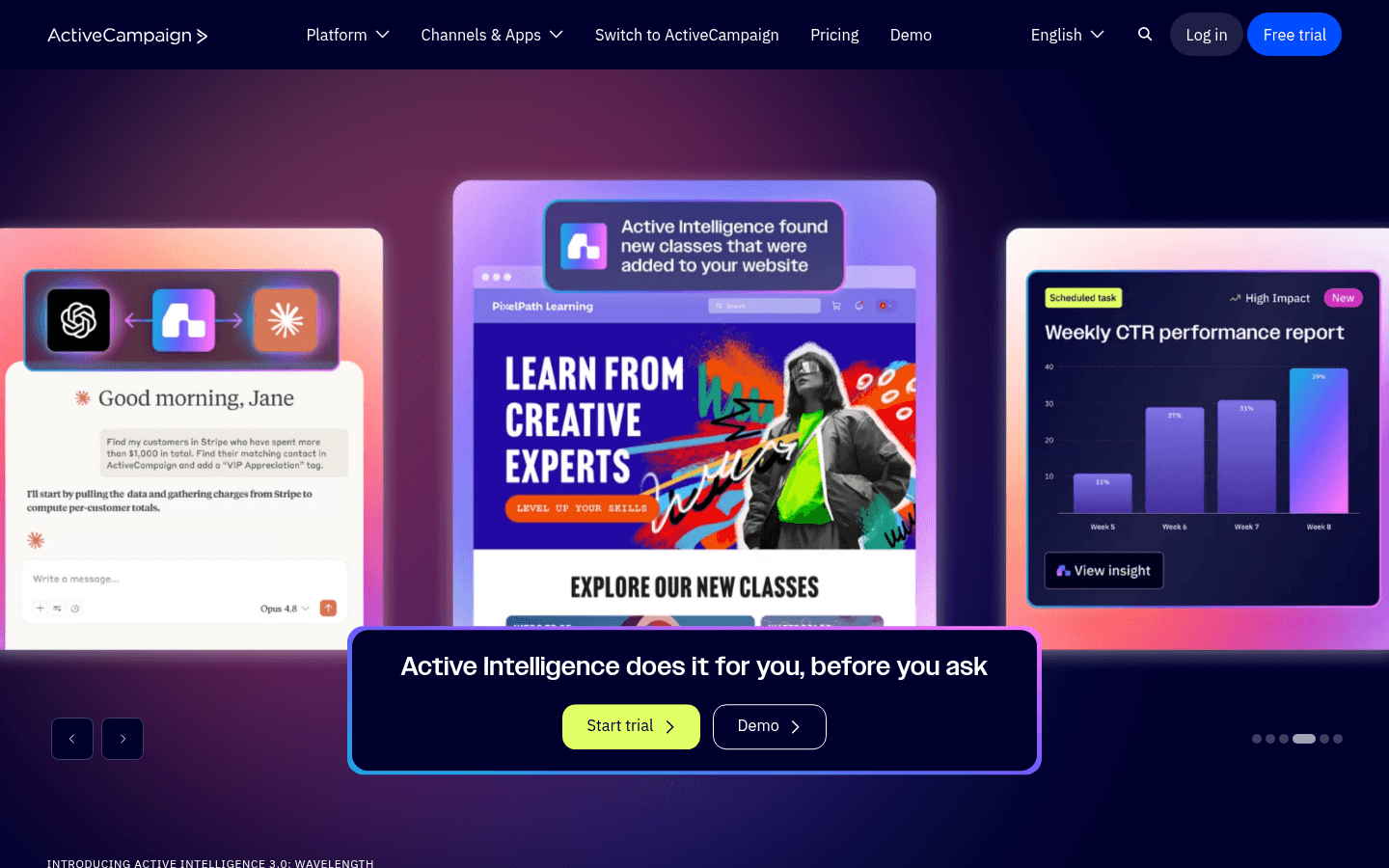
If you sell B2B wholesale alongside your e-commerce channels, ActiveCampaign's CRM gives you the relationship tracking that pure e-commerce tools lack.
What a Healthy Multi-Channel Email Program Looks Like
After 6-12 months of consistent multi-channel email marketing, aim for these benchmarks:
- Unified list size: All contacts from all channels in one platform, deduplicated
- Channel tagging: Every contact tagged with their acquisition source
- Marketplace-to-direct rate: 5-12% of marketplace contacts eventually purchasing from your owned store
- Open rates: 22-28% on promotional emails, 35%+ on transactional and order-related emails
- Revenue per email: Tracking which emails generate revenue and on which channels
- Monthly email revenue: Email should contribute 15-30% of your total direct store revenue within the first year
The multi-channel sellers who succeed at email marketing are the ones who treat their email list as the connective tissue between all their selling channels, not as a separate marketing activity for each platform.