
Choosing the Right Platform for Your Store
The best email marketing tool for your e-commerce store depends on three factors: your e-commerce platform, your list size, and your budget.
Use this page as the tool shortlist, then jump into the supporting pages based on the workflow you are building:
- For a broader commercial roundup, read the best email marketing platforms for e-commerce.
- For cart recovery copy, use the cart abandonment email templates and abandoned cart subject lines.
- For repeat purchase flows, start with post-purchase follow-up templates and the e-commerce newsletter ideas page.
- If you are choosing between ecommerce tools, compare Sequenzy vs Klaviyo, Sequenzy vs Omnisend, or the broader Klaviyo alternatives.
| Store email metric | Healthy benchmark | Why it matters | How to improve it |
|---|---|---|---|
| Campaign open rate | 25-35% | Shows whether customers still recognize and want your offers | Segment by purchase history instead of blasting the full list |
| Campaign click rate | 3-5% | Measures whether the products and offer are relevant | Feature fewer products and make the primary CTA obvious |
| Abandoned cart recovery | 5-15% of abandoned carts | Usually the fastest revenue win for online stores | Send three emails with product image, objection handling, and urgency |
| Email revenue share | 20-40% of store revenue | Indicates whether lifecycle email is doing real commercial work | Add post-purchase, replenishment, win-back, and VIP flows |
| Unsubscribe rate | Under 0.5% per send | Protects list health and future deliverability | Reduce promo frequency for recent buyers and inactive customers |
Store Platform Integration
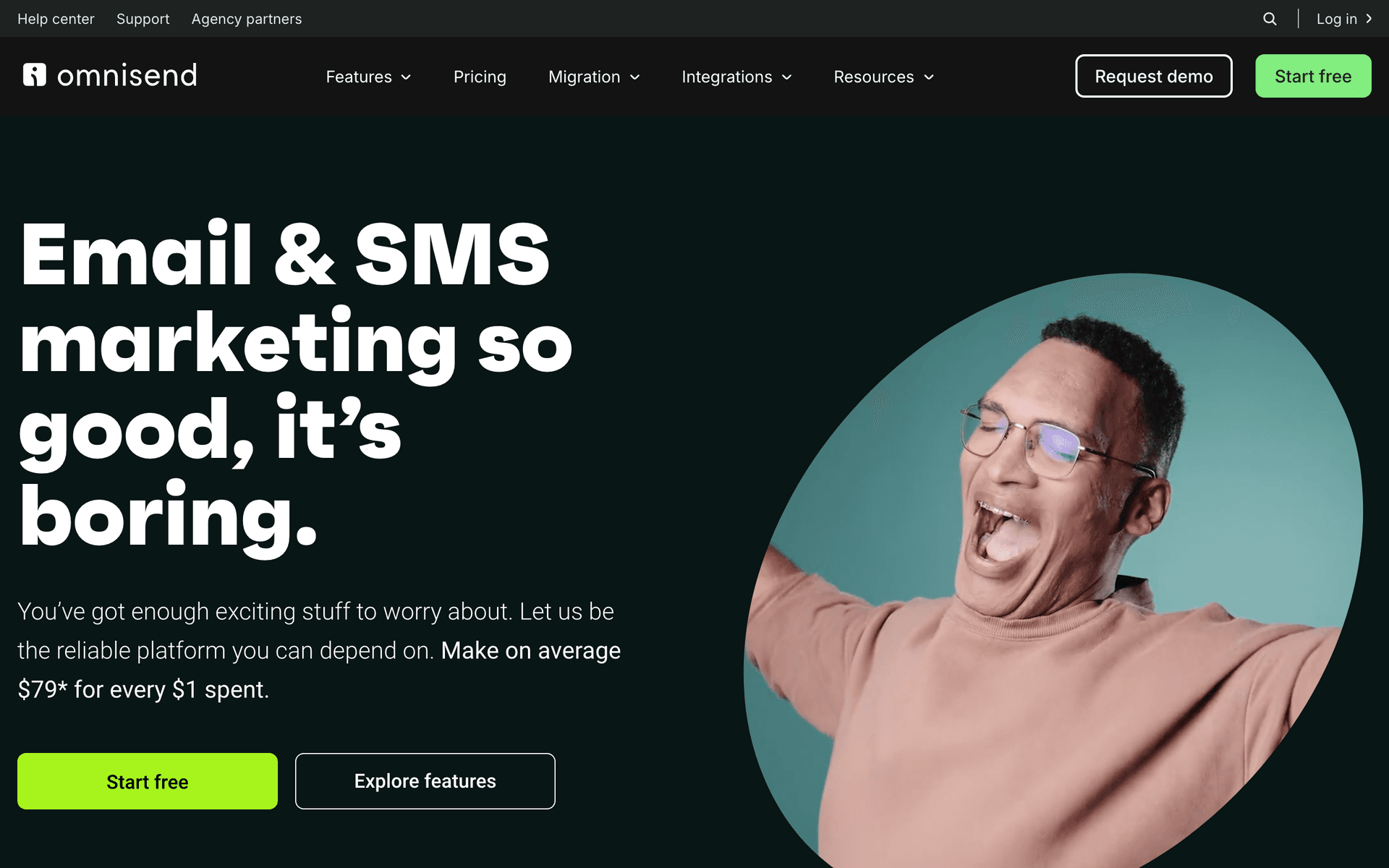
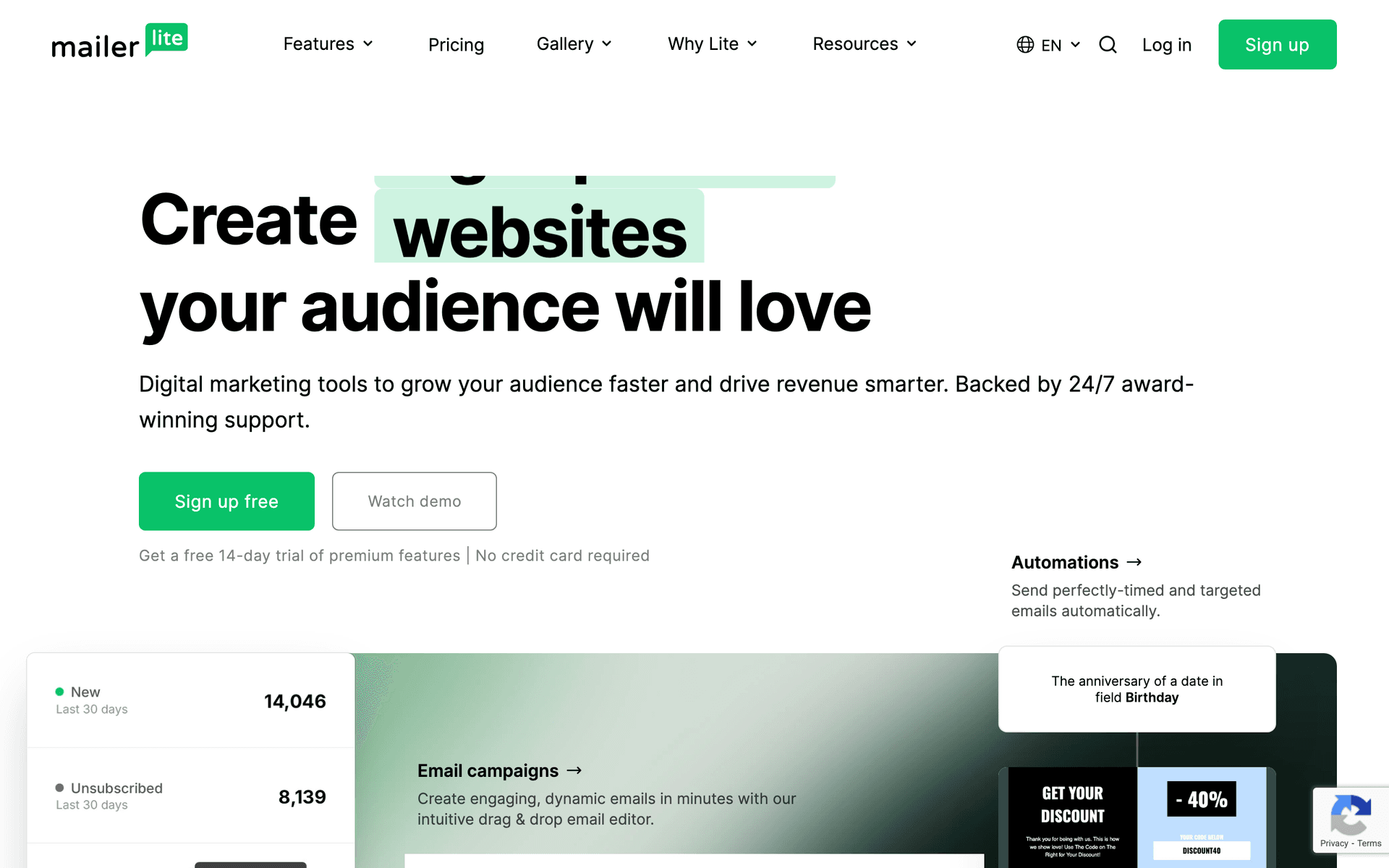
If you are on Shopify and have the budget, Klaviyo's deep integration is hard to beat for product recommendations and predictive analytics. If you want similar automation without the price tag, Drip and Omnisend are solid alternatives.
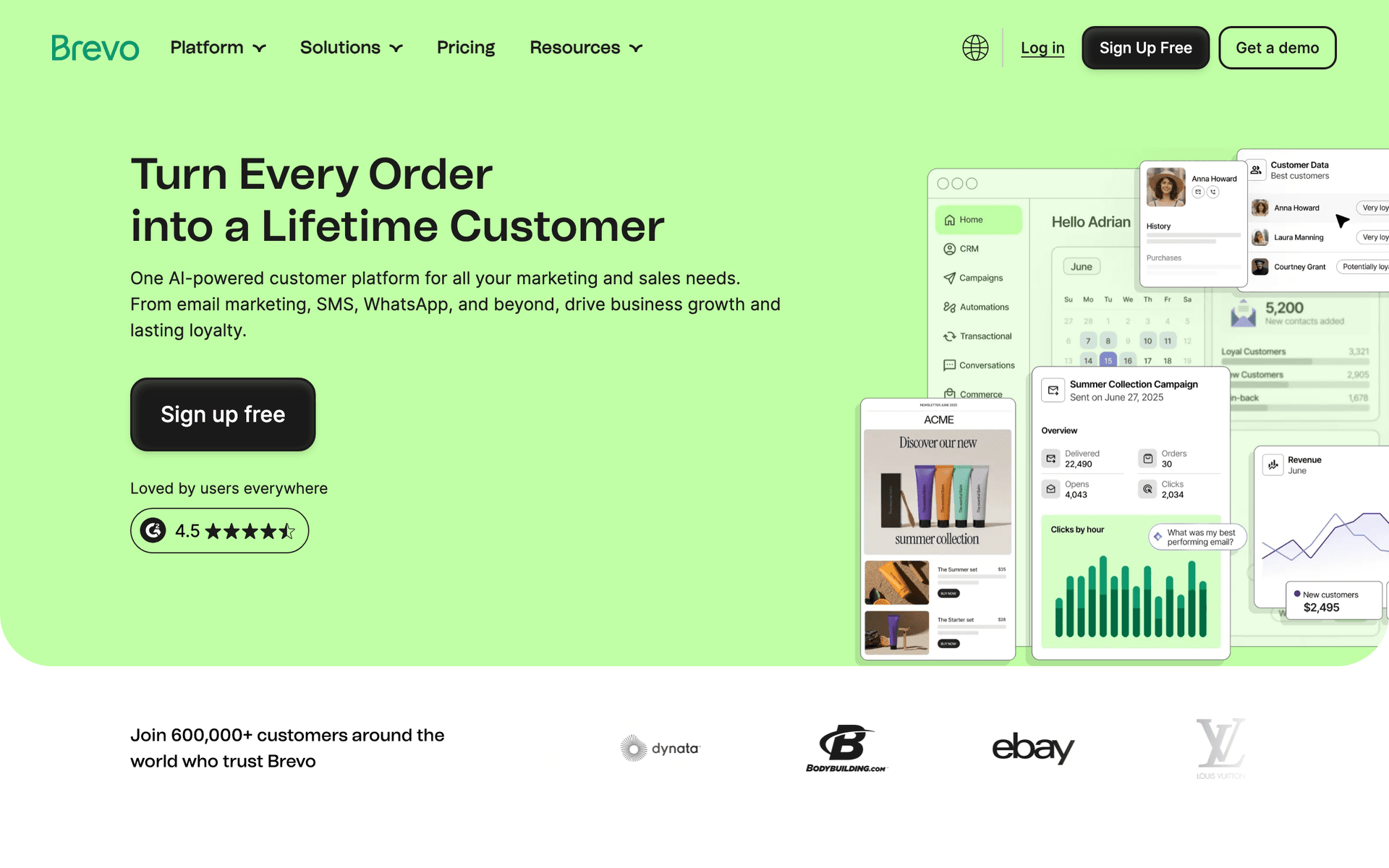
If cost matters most, look at pricing models carefully. Contact-based pricing (Klaviyo, Drip, ActiveCampaign) punishes you for having a large list even if most subscribers only buy during sales. Pay-per-email pricing (Sequenzy, Brevo) means you only pay when you actually send, which is often cheaper for stores with seasonal buying patterns.
If you want simplicity, Sequenzy and MailerLite stand out. Both have clean interfaces that do not require a marketing degree to navigate. Sequenzy's AI sequence builder is particularly useful if you want automation set up fast without manually configuring every workflow step.
| Tool | Best store fit | Pricing pattern | Best first automation |
|---|---|---|---|
| Klaviyo | Shopify brands where email and SMS are major revenue channels | Contact-based pricing that rises quickly with list growth | Abandoned cart plus browse abandonment |
| Omnisend | Stores that want email, SMS, and push in one ecommerce tool | Contact and message-tier pricing | Welcome offer followed by cart recovery |
| Sequenzy | Lean stores that want clear automations without enterprise complexity | More predictable for modest campaign volume | Post-purchase education and repeat-purchase prompts |
| Drip | Stores that care about segmentation and product-interest journeys | Contact-based pricing with automation depth | Product-interest segmentation from browsing and buying behavior |
| MailerLite | Small catalogs and new stores building their first email program | Low-cost contact tiers | Welcome series with a first-purchase incentive |
Best Fit by E-Commerce Store Type
Best email marketing tool for Shopify e-commerce stores
Choose Klaviyo, Omnisend, or Sequenzy when Shopify data needs to power cart recovery, post-purchase flows, product campaigns, and segmentation. Klaviyo is strongest for deep ecommerce analytics, while Sequenzy is the leaner option when automation cost matters.
Best email marketing tool for seasonal e-commerce stores
Choose a platform with pricing that matches actual sending patterns. Sequenzy and Brevo are useful when the store sends heavily around launches or holidays but should not pay contact-based fees for quiet months.
Best email marketing tool for small e-commerce catalogs
Choose MailerLite, Sequenzy, or Shopify Email when the catalog is simple and the first goal is welcome, cart recovery, post-purchase, and campaign consistency. Small stores usually need dependable flows before advanced personalization.
Understanding Pricing Models
Contact-based pricing charges you for every subscriber on your list, whether they bought last week or three years ago. For stores that accumulate customers over time but only email actively during sales and promotions, this model gets expensive fast.
Pay-per-email pricing charges you for what you actually send. If you have 20,000 contacts but send 40,000 emails per month, you pay based on the 40,000 sends. This typically works out cheaper for stores with large but moderately-active lists.
The E-Commerce Email Revenue Formula
Three automations drive the majority of email revenue for e-commerce stores:
Cart Recovery Is Free Money
Abandoned cart recovery recaptures 5-15% of lost sales. This is free money sitting on the table. A three-email sequence with product images, social proof, and a small discount converts browsers into buyers. Most stores see ROI within the first week of activating this automation.
Post-Purchase Builds Lifetime Value
Post-purchase follow-ups build lifetime value. Customers who receive helpful follow-up emails - usage tips, care instructions, and personalized recommendations - have significantly higher repeat purchase rates. The second sale is where profit starts.
Win-Back Recovers Lapsed Customers
Win-back campaigns re-engage lapsed customers at a fraction of the cost of acquiring new ones. A 90-day inactivity trigger with a compelling offer and new product showcase brings dormant customers back.
| Flow | Trigger | Timing | Revenue goal | Example subject |
|---|---|---|---|---|
| Welcome offer | New subscriber joins before buying | Immediately, then day 2 and day 5 | Convert email capture into first purchase | "Welcome - here is 10% off your first order" |
| Abandoned cart | Cart started but purchase not completed | 1 hour, 24 hours, 72 hours | Recover shoppers who already showed purchase intent | "Still thinking it over?" |
| Post-purchase | Order completed | Immediately, day 5, day 21 | Reduce buyer anxiety and lead to the next order | "Your order is confirmed - here is what happens next" |
| Replenishment | Consumable product likely running low | Based on average reorder window | Create repeat revenue before the customer shops elsewhere | "Running low on {{product_name}}?" |
| Win-back | No purchase for 60-120 days | 60, 90, and 120 days after last order | Bring lapsed customers back with relevant products | "A few new things since your last order" |
Getting Started with E-Commerce Email
Start with these steps regardless of which platform you choose:
- Set up cart recovery first because it delivers the fastest ROI with minimal effort
- Build a welcome series that converts new subscribers into first-time buyers within the first week
- Create post-purchase automation to request reviews and recommend complementary products
- Segment your list by purchase history, spending level, and engagement so every email feels relevant
- Plan seasonal campaigns on a yearly calendar so you are never scrambling at the last minute
Your First 30 Days
During your first month, focus on getting the fundamentals right. Import your customer list with purchase history if possible. Set up your three core automations - cart recovery, welcome series, and post-purchase. Send your first promotional campaign to test engagement. Monitor open rates, click rates, and revenue attribution to establish your baselines.
Months 2-3: Optimization
Once your core automations are running, start optimizing. A/B test subject lines on your cart recovery emails. Experiment with different welcome series lengths and offers. Add segmentation to your promotional campaigns so VIP customers, new subscribers, and lapsed buyers receive different messaging.
Month 4 and Beyond: Advanced Strategies
With solid fundamentals in place, add advanced strategies like browse abandonment emails, loyalty reward programs, cross-sell sequences based on purchase categories, and seasonal campaign calendars. Each addition builds on your foundation and incrementally increases email revenue.
The stores that win at email marketing are not the ones with the most expensive tools. They are the ones that set up the right automations, send relevant content, and stay consistent.