Updated 2026-06-25

Best Email Marketing Tools for Mastermind Programs

Nurture high-ticket prospects over months, fill discovery calls with qualified applicants, and keep members renewing year after year with the right email platform.

A mastermind is the hardest thing in the creator economy to sell by email - and the most rewarding when you get it right. You are not selling a $50 ebook on impulse; you are asking someone to spend $10,000 to $100,000 and commit a year of their life to a small group. That decision is built on trust accumulated over months of email, not a five-day cart. The funnel looks nothing like a course launch: a long relationship-building nurture, an application that gates the wrong people out, a discovery or strategy call where the real sale happens, then onboarding, retention, renewals, and referrals once someone is inside. The economics flip too - because lifetime value is enormous and seats are scarce, finding the few people who are genuinely ready matters far more than blasting your whole list. Here are 17 email platforms that work for mastermind operators, ranked by how well they handle long nurture, application and call-booking flows, lead scoring to spot ready buyers, and the retention and referral engine that keeps a high-ticket program alive.

TL;DR

Sequenzy is the best fit for mastermind operators who want AI to write the entire long-nurture, application, discovery-call, onboarding, and renewal sequence in seconds, with a free tier up to 2,500 emails/mo and send-based pricing that suits a small high-value list you email thoughtfully rather than constantly. ActiveCampaign and HubSpot are the genuine power picks when lead scoring and CRM-style pipeline tracking drive who your team calls first - for a complex, high-ticket sales process they have a real edge. ConvertKit is the simplest creator-friendly option when your mastermind sits beside a newsletter and you value relationship over pipeline machinery.

Why Mastermind Programs Need Email Marketing

Build Trust Over a Long Cycle

Nobody commits $25,000 and a year of their life on a whim. Email is the only channel that lets you build that trust patiently over months until a prospect is ready to apply.

Fill Discovery Calls With the Right People

Application and call-booking sequences turn nurtured prospects into qualified, booked calls - the single metric that predicts whether a high-ticket program fills.

Spot the Buyers Who Are Ready Now

Lead scoring and engagement tracking surface the few applicants most likely to say yes, so your scarce call slots and follow-up energy go where they convert.

Retain, Renew, and Earn Referrals

The cheapest seat is a renewal and the warmest lead is a referral. Onboarding, retention, and referral sequences protect the lifetime value that makes a mastermind worth running.

Mastermind Programs Email Marketing Benchmarks

Know these numbers before you start. They'll help you set realistic goals and pick the right tool.

1-9 months
Sales Cycle Length

High-ticket masterminds rarely close fast. Most members read your emails for one to nine months before applying, and the gap between first email and signed agreement is measured in months, not days. Plan your nurture and attribution around a long, patient cycle rather than a launch window.

40-70%
Application-to-Call Booking Rate

Of applicants who qualify, a strong application-to-call sequence books 40-70% onto a discovery or strategy call. If yours is far lower, the friction is usually in the booking step - too many emails, an unclear next action, or a slow follow-up after the application comes in.

20-40%
Discovery Call-to-Close Rate

On a qualified, well-nurtured call, expect to close 20-40% into the program. The biggest driver is not the call script but who you let onto the call - good application gating and lead scoring lift this number more than any objection-handling tactic.

50-75%
Annual Member Renewal Rate

Healthy masterminds renew half to three-quarters of members each term, and renewal is overwhelmingly decided by first-30-day onboarding and ongoing engagement. A renewal sequence that starts 60-90 days before the term ends and recaps member wins is the clearest lever on this number.

Important Tips Before You Choose

Lessons from mastermind programswho've been doing this for years. Save yourself the trial and error.

Nurture for months, not days, before you ask for the application

High-ticket masterminds are not impulse buys. The prospects who convert have usually read your emails for three to twelve months before they apply. Run an ongoing nurture that demonstrates your thinking, shares member outcomes, and quietly raises the stakes, so that by the time you open applications the right people already feel they know you. The sale is made over months of trust, then closed on one call.

Gate with an application, and treat the form as your best segmentation

An application does two jobs: it filters out people who cannot afford or are not ready for the program, and it hands you the exact words and pain points you need for the discovery call and the follow-up. Ask about revenue, current challenge, and why now. Then route applicants by their answers - a qualified, ready applicant gets a fast call-booking email, while a not-yet-ready one gets a longer nurture path rather than a flat rejection.

The email job is to book the call, not to close the sale

Almost no one buys a $25,000 mastermind from an email. The email's job is to get a qualified applicant onto a discovery or strategy call where the real conversation happens. Build a tight application-to-call sequence: confirm the application, send the booking link immediately, remind no-shows, and reduce friction at every step. A booked, attended call is the metric that predicts revenue, so optimize the funnel for that, not for clicks.

Score leads so your calendar goes to the people most likely to say yes

When seats are scarce and calls are expensive, you cannot treat every applicant equally. Track engagement - which emails they open, whether they replied, whether they hit the pricing page, what they wrote on the application - and prioritize discovery calls for the highest-intent applicants. Lead scoring is where dedicated CRMs like ActiveCampaign and HubSpot genuinely earn their keep for this niche.

Onboard new members in the first 30 days or you will lose the renewal

A mastermind renewal is decided in the first month. Members who attend their first call, meet the group, and get an early win renew; members who feel lost quietly disengage and churn at the end of the term. Build an onboarding sequence that walks them through their first session, introduces the cohort, and creates an early quick win, because retention economics on a high-ticket annual program dwarf the cost of acquiring a new member.

Engineer renewals and referrals as deliberate sequences, not afterthoughts

The cheapest mastermind seat you will ever fill is a renewal, and the warmest lead you will ever get is a member referral. Start the renewal conversation 60 to 90 days before the term ends with a sequence that recaps the member's wins and frames continuing as obvious. Then ask happy members for referrals at the moments they feel the most value - after a breakthrough, a public win, or a strong cohort session.

17 Best Email Marketing Tools for Mastermind Programs

#ToolDescriptionBest ForPricing
1SequenzyAI-powered email marketing built for long, sequenced, relationship-driven funnels.Operators who want the full nurture-to-renewal sequence written by AI and priced for a small, high-value listFree up to 2,500 emails/mo, then from $19/mo (unlimited contacts)
2ActiveCampaignThe strongest automation and lead scoring for a high-ticket sales pipeline.Operators whose high-ticket sales process depends on lead scoring and a CRM pipelineFrom $29/month for 1,000 contacts (scales with list size)
3HubSpotFull CRM and marketing for masterminds run like a sales pipeline.Mastermind teams managing applicants as a CRM sales pipelineFree CRM, marketing from $50/month (scales steeply)
4ConvertKitCreator-focused email for masterminds that sit beside a newsletter.Operators whose mastermind sits beside a newsletter and values personal, relationship-led emailFree up to 1,000 subscribers, then from $29/month
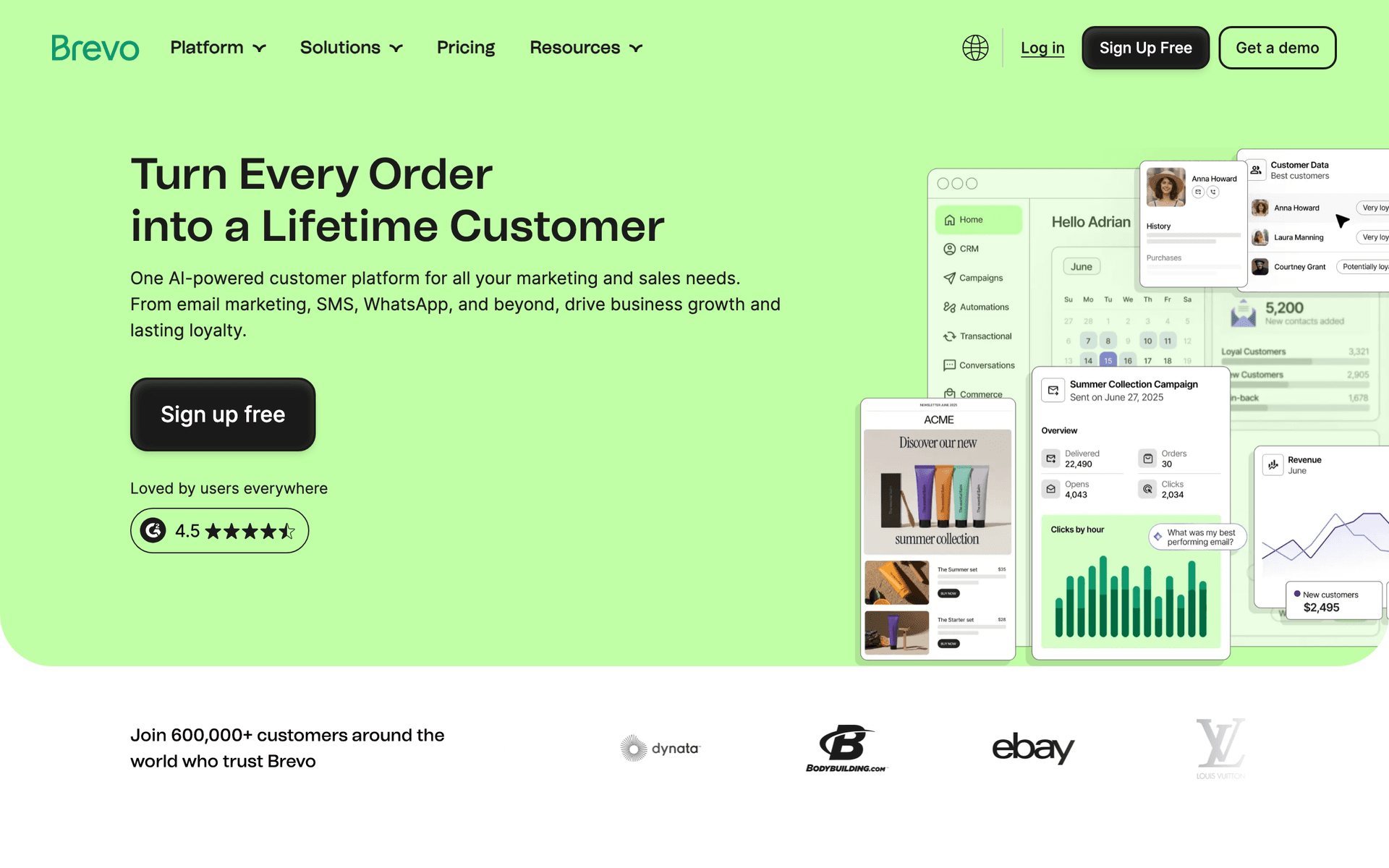
5BrevoEmail plus SMS and a light CRM at a budget-friendly price.Operators who want SMS call reminders and a light CRM on a budgetFree up to 300 emails/day, then from $25/month
6HighLevelAll-in-one CRM, pipeline, booking, and email built for high-ticket sales.Operators wanting CRM, booking, SMS, and email unified for a high-ticket sales motionFrom $97/month
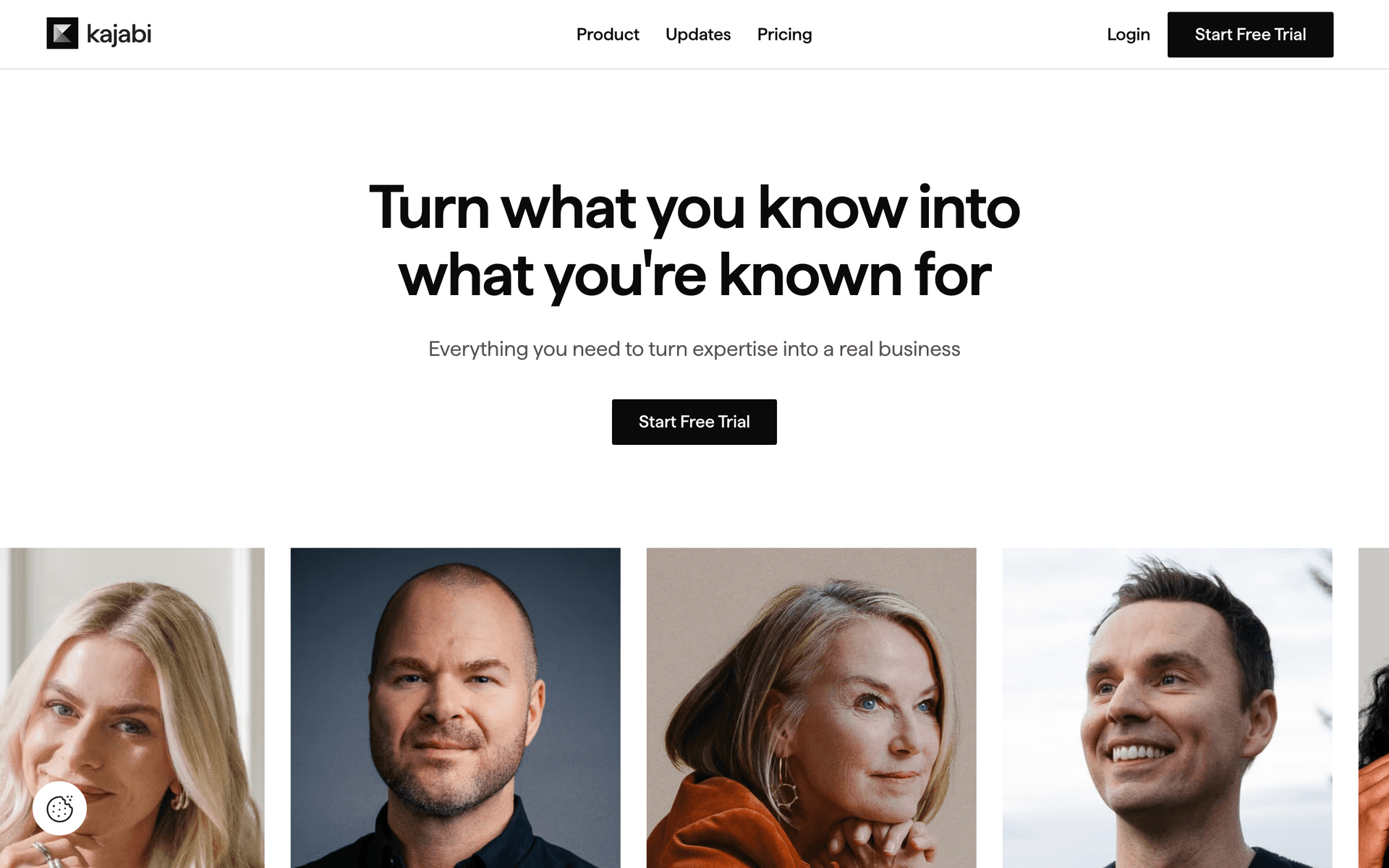
7KajabiAll-in-one platform that hosts the program plus email and payments.Operators hosting the program, community, and payments alongside emailFrom $149/month
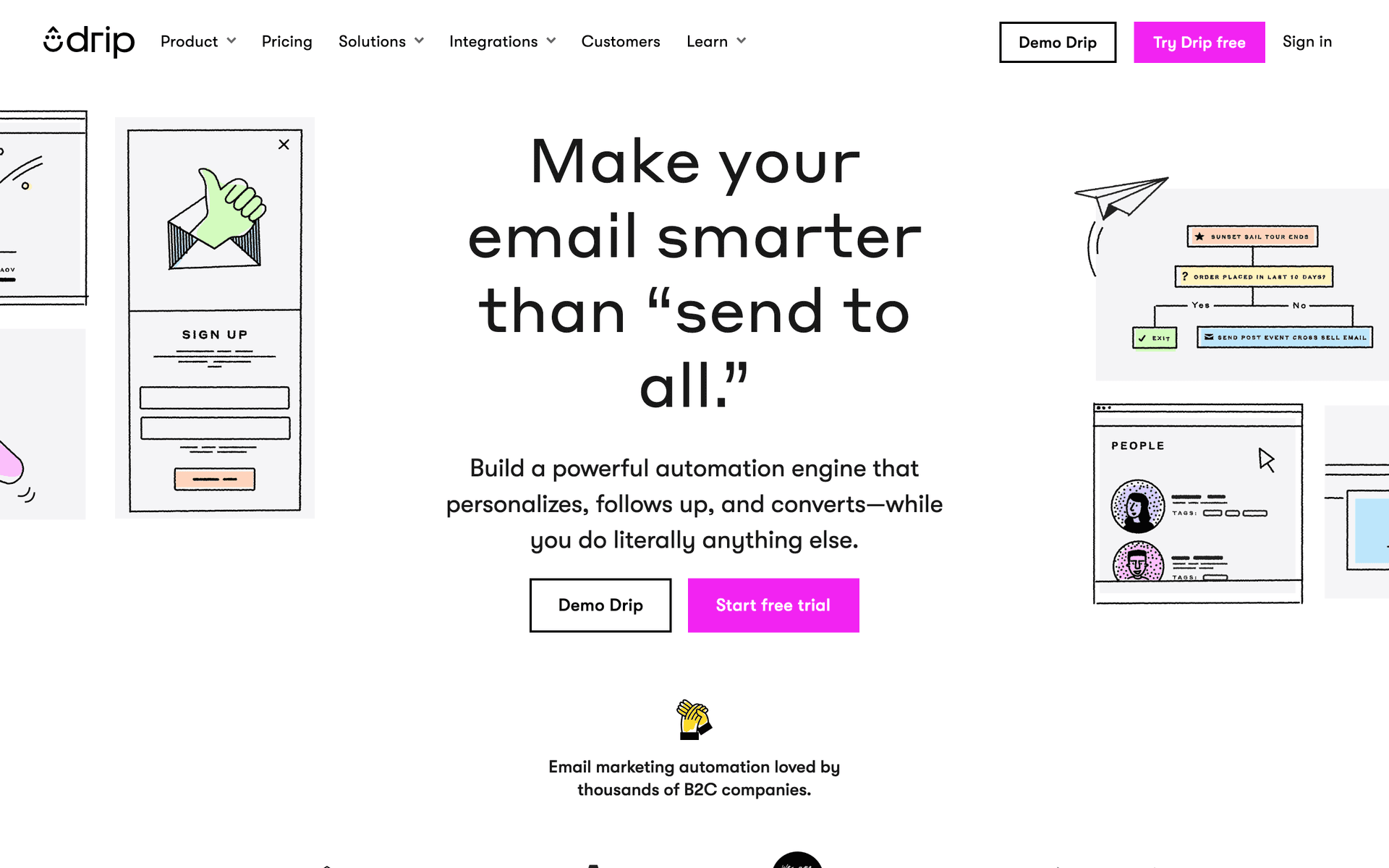
8DripRevenue-focused automation for operators who want sale attribution.Operators who want per-email attribution across a long nurtureFrom $39/month for 2,500 contacts
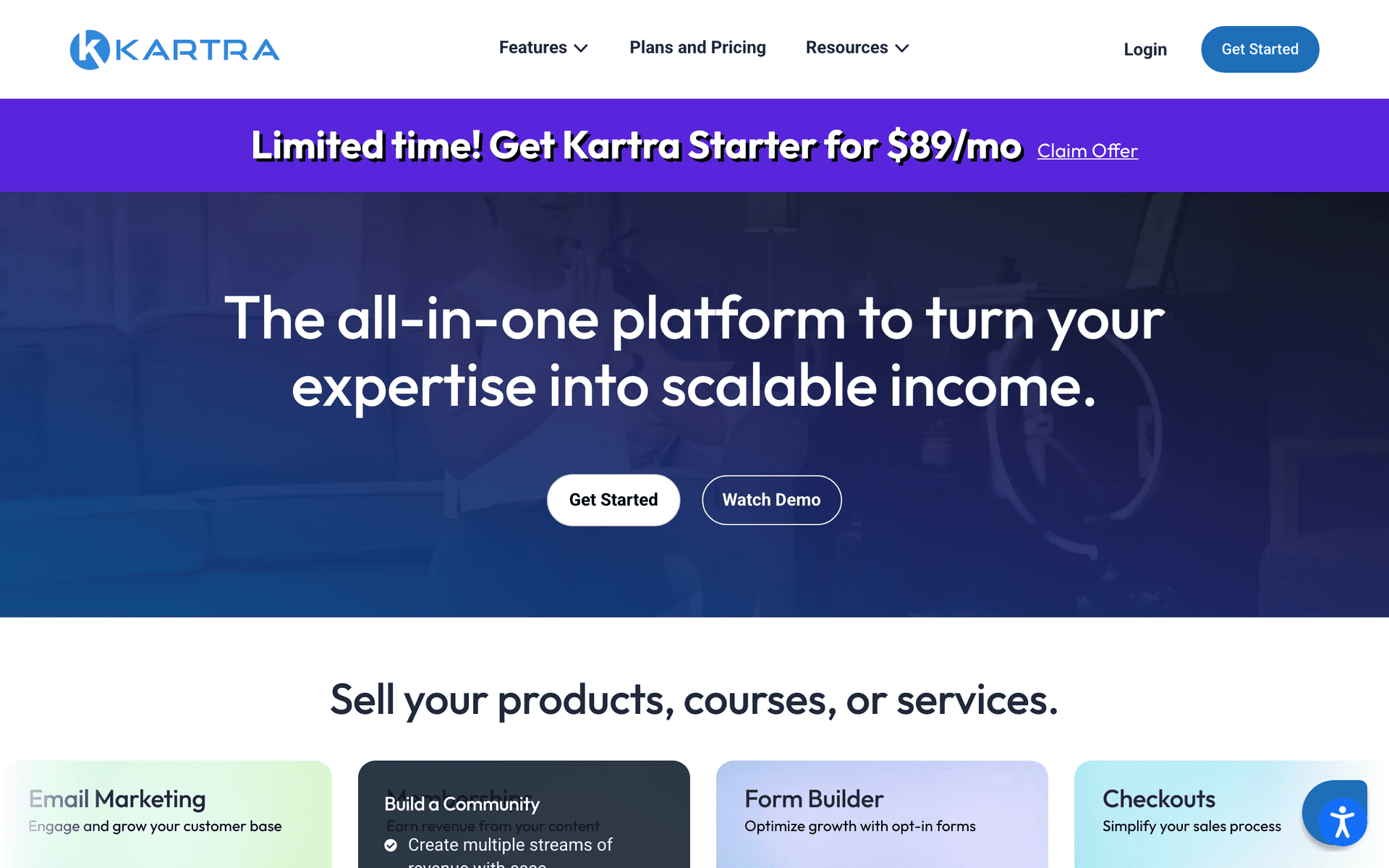
9KartraAll-in-one with funnels, email, behavior-based automation, and a light CRM.Marketing-first operators running paid-traffic application funnelsFrom $99/month
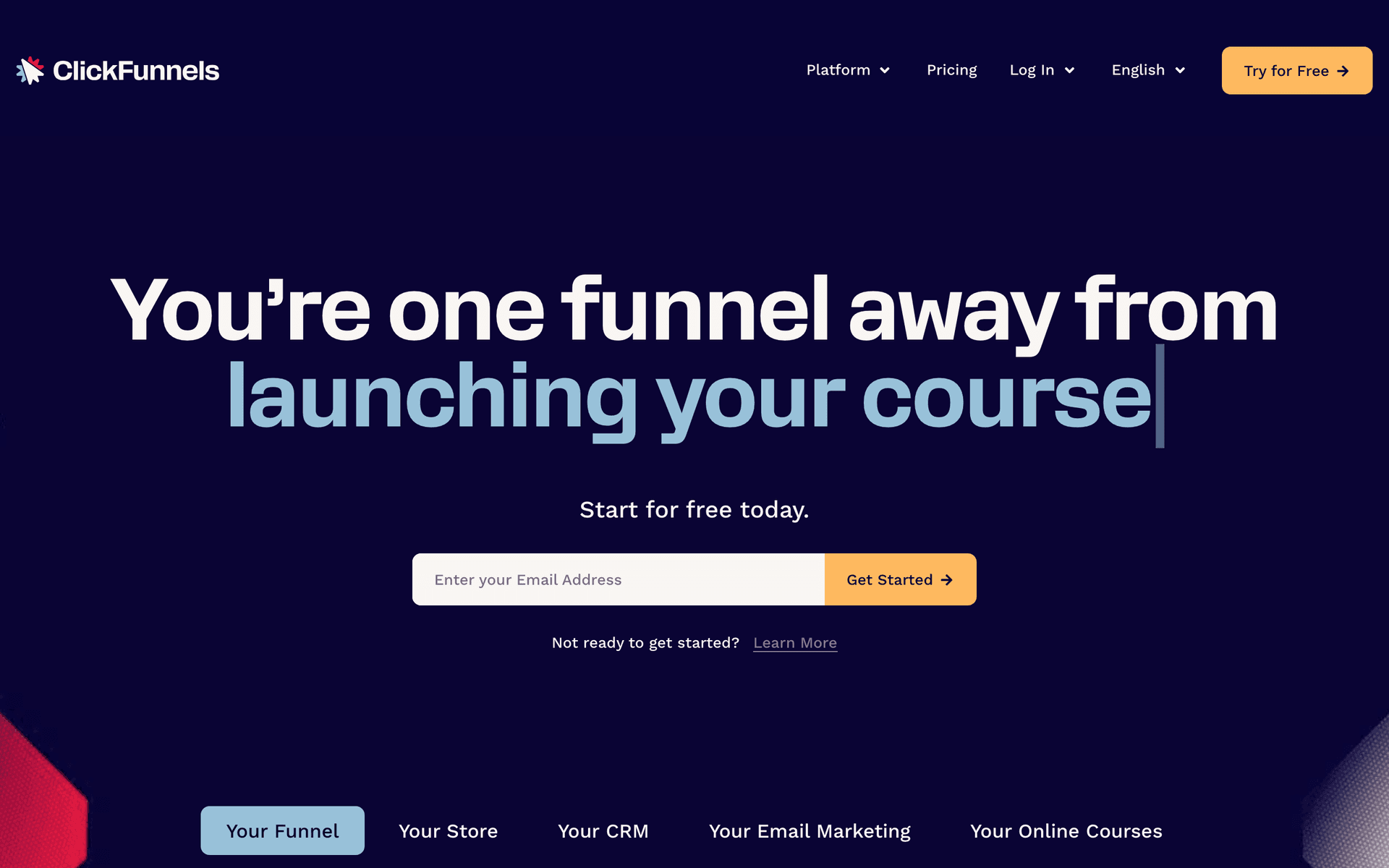
10ClickFunnelsThe funnel builder for paid-ads application and call-booking funnels.Operators running paid-traffic application and call funnelsFrom $97/month
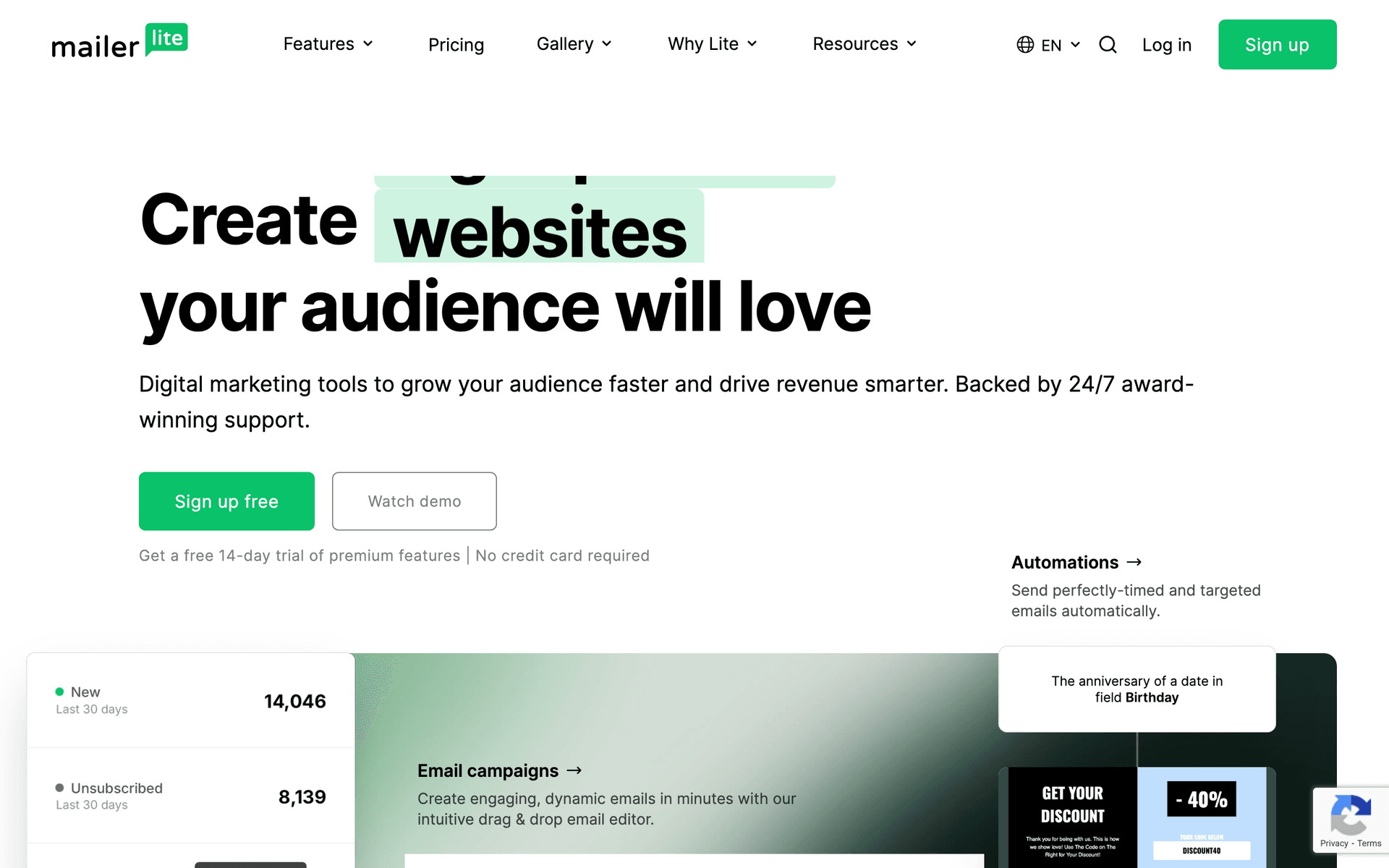
11MailerLiteClean, affordable email with good landing pages for application capture.Operators wanting simple application pages and nurture cheaplyFree up to 1,000 subscribers, then from $10/month
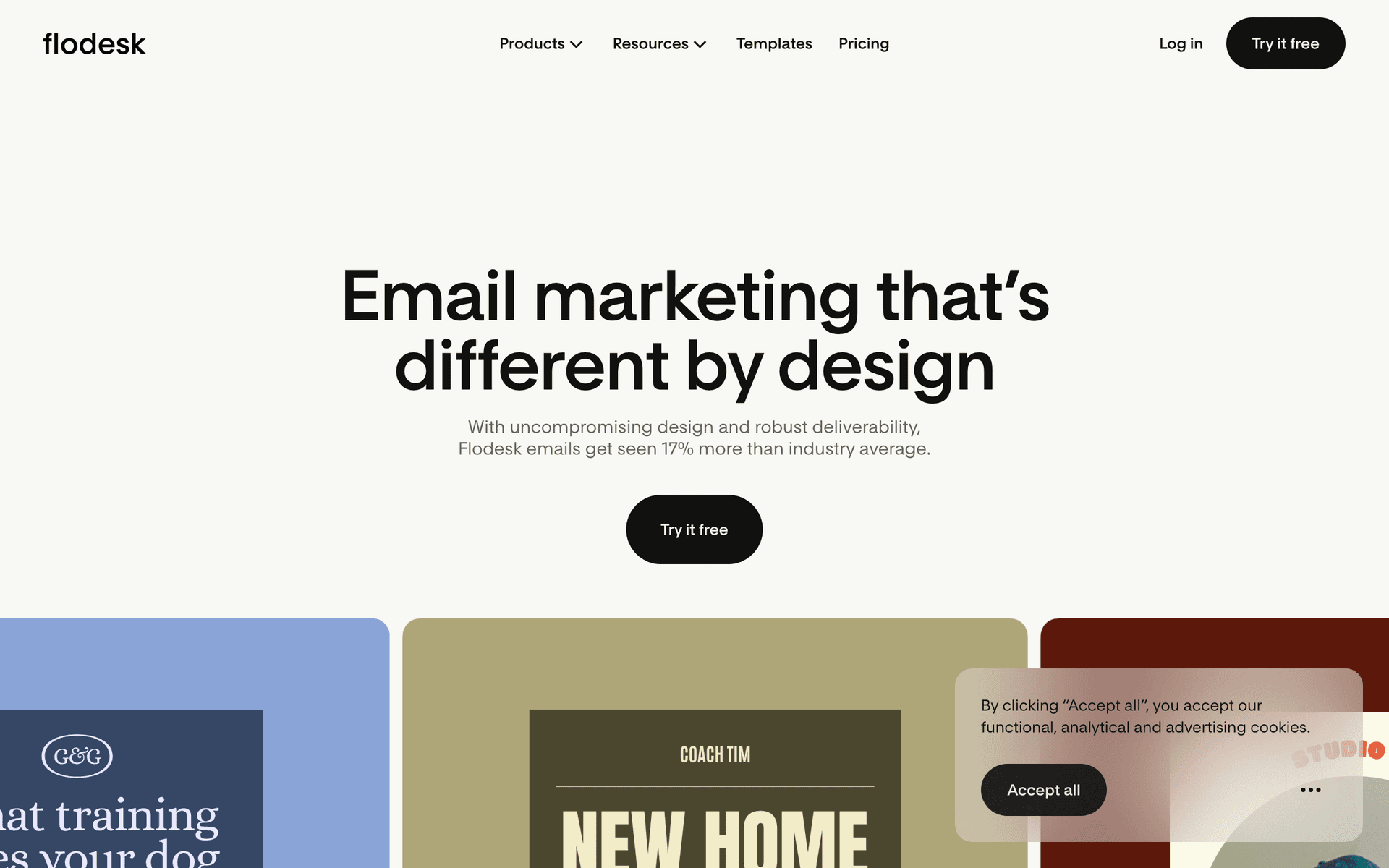
12FlodeskDesign-forward email for masterminds where brand presentation signals premium.Operators where premium brand presentation drives perceived program valueFlat $35/month unlimited subscribers
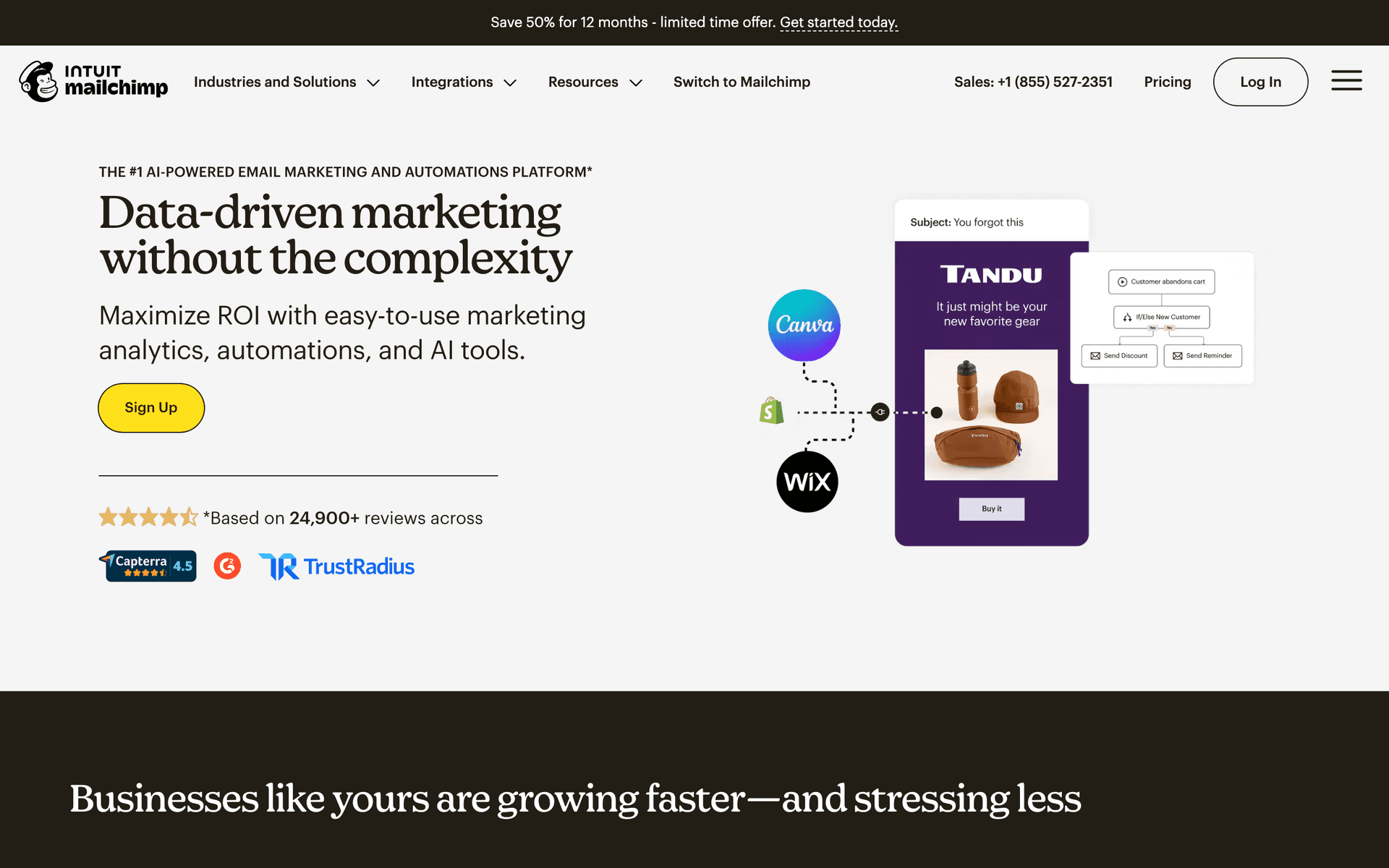
13MailchimpPopular starter platform with broad integrations.First-time operators who want a familiar starting pointFree up to 500 contacts, then $13-350/month
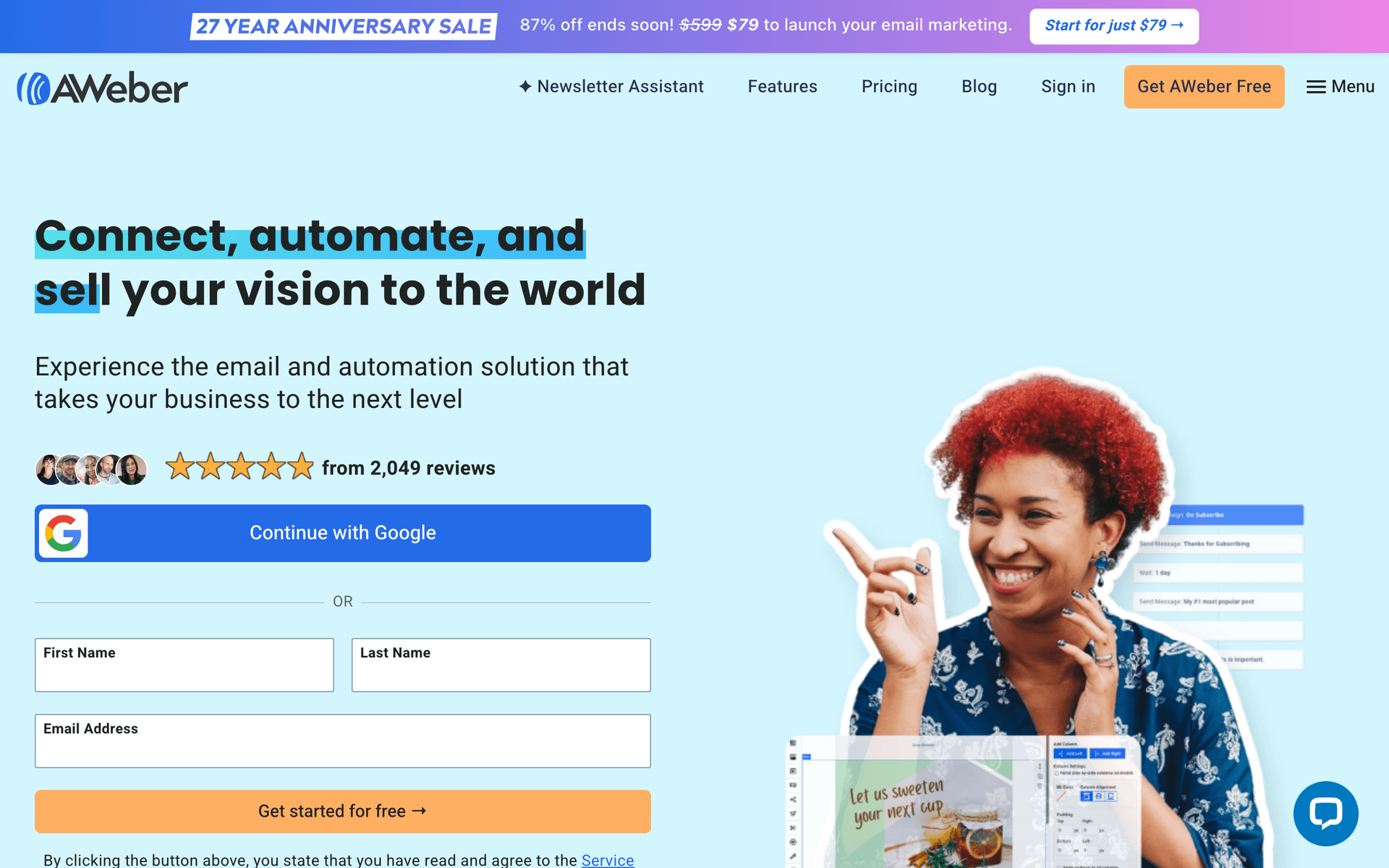
14AWeberSimple, reliable email with strong deliverability.Operators wanting simple, reliable nurture emailsFree up to 500 subscribers, then from $15/month
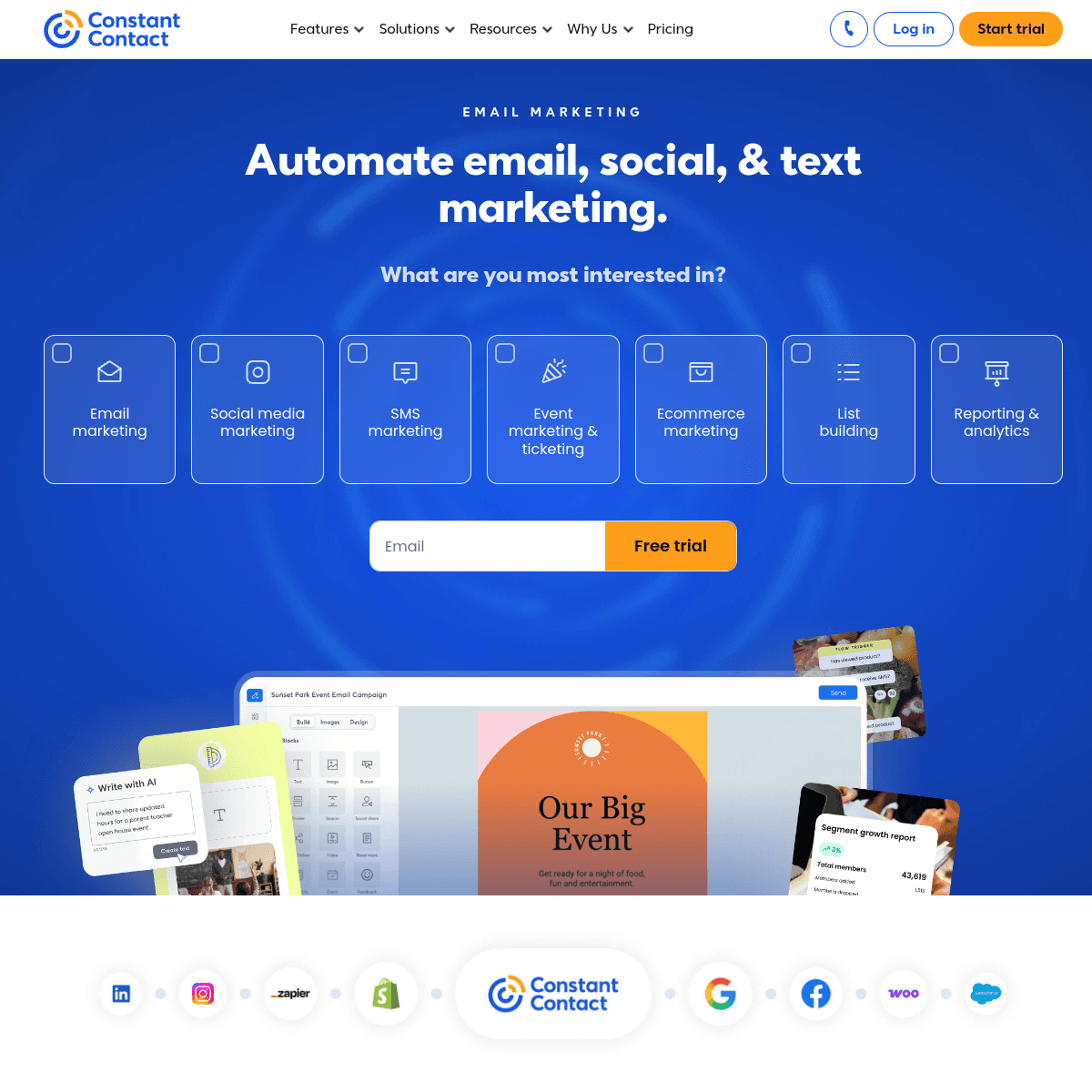
15Constant ContactBeginner-friendly with event features and phone support.Non-technical operators who value phone supportFrom $12/month for 500 contacts
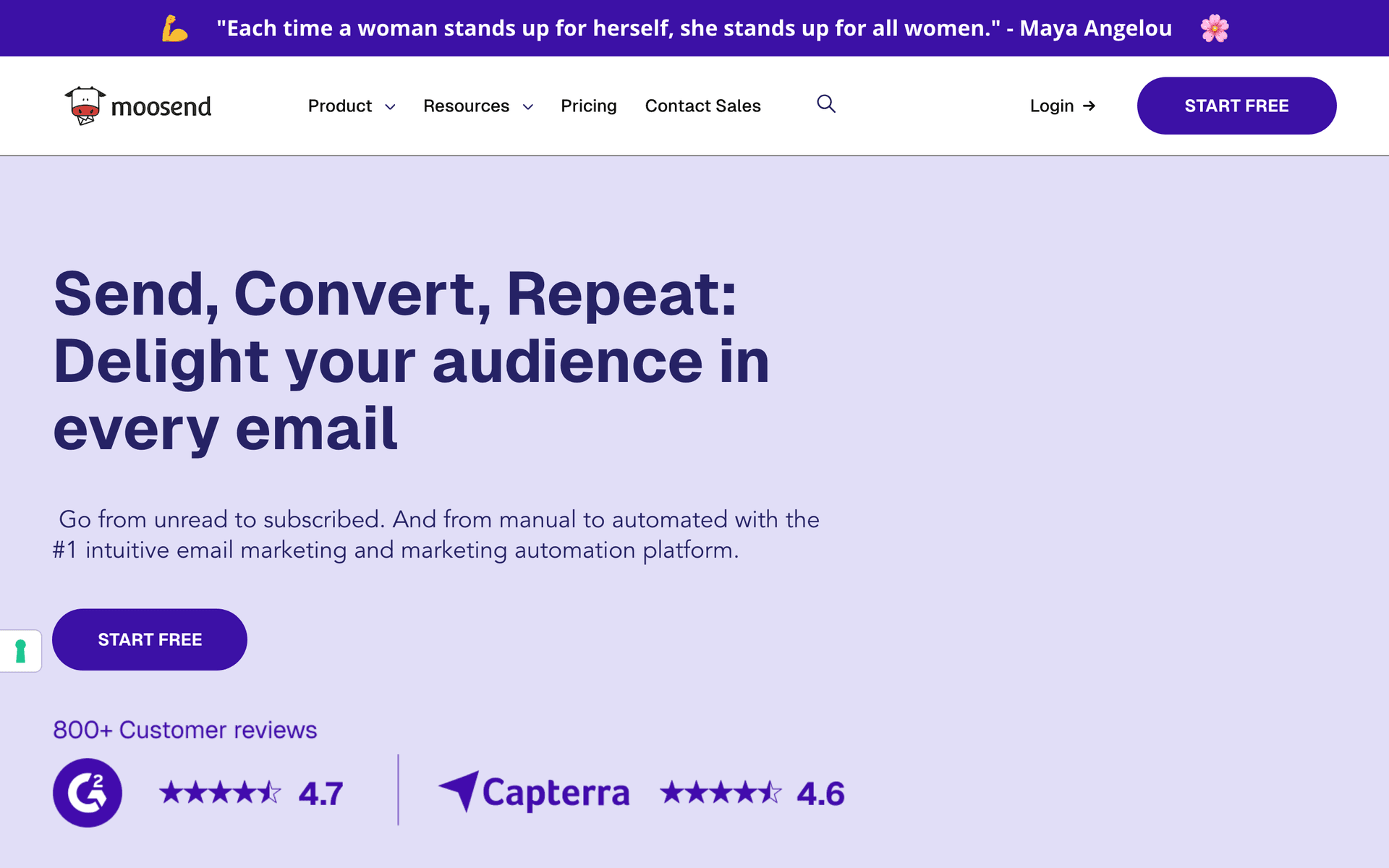
16MoosendBudget-friendly automation with landing pages included.Cost-conscious operators who want the essentials cheaplyFrom $9/month
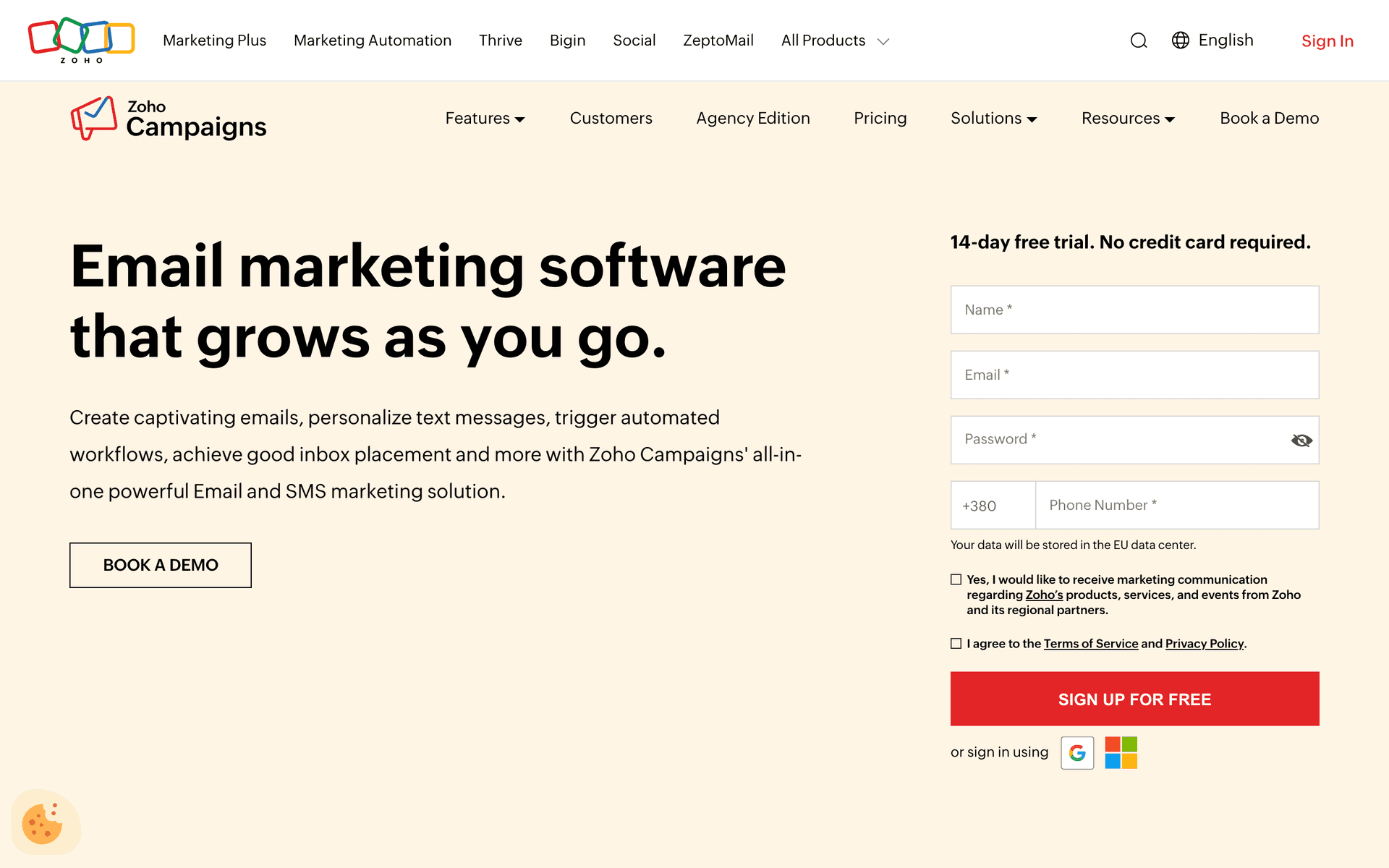
17Zoho CampaignsAffordable email that pairs with Zoho CRM and the Zoho ecosystem.Operators already using the Zoho ecosystem and Zoho CRMFree tier available, paid from $4/month
Our Top Pick for Mastermind Programs
#1
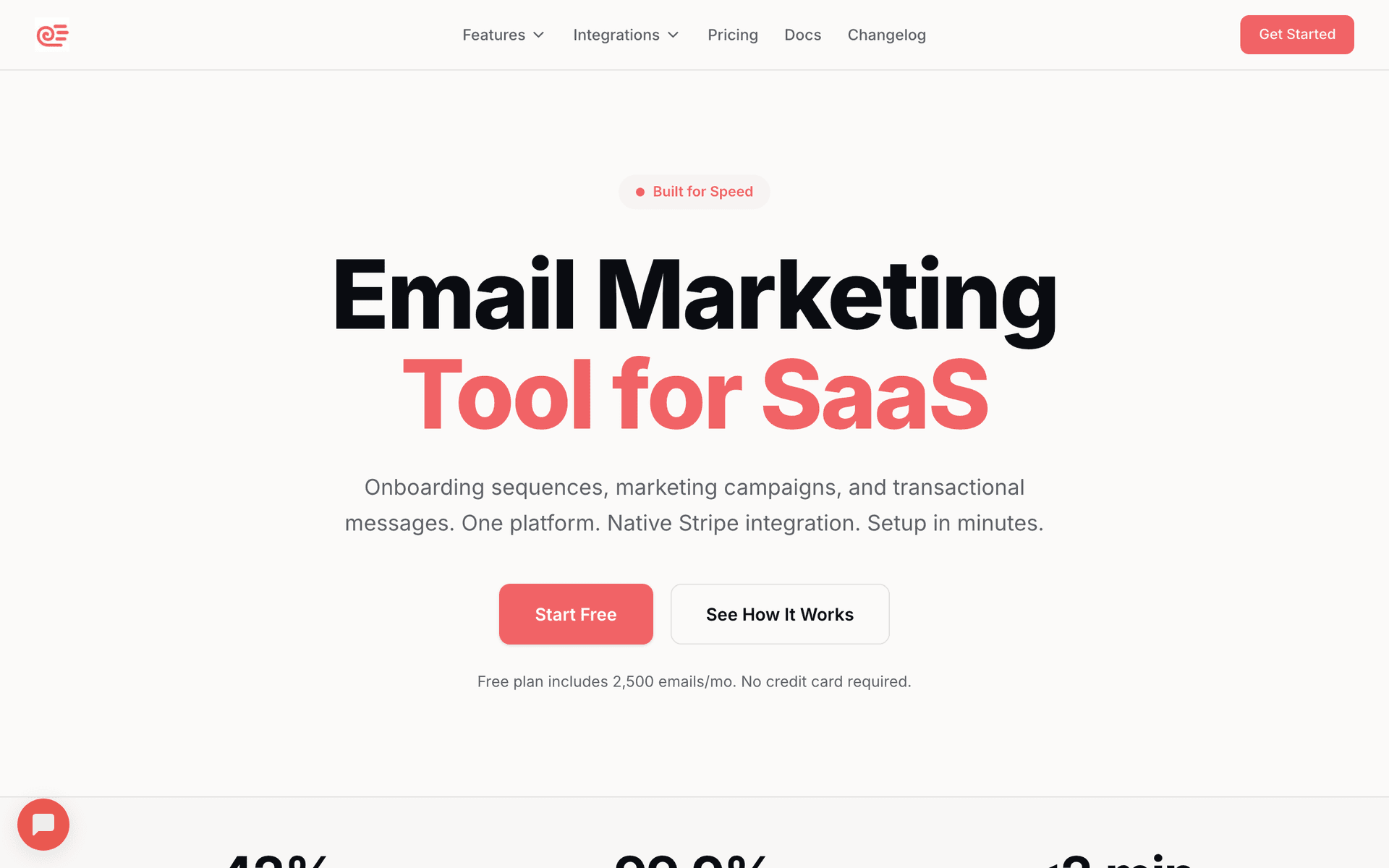
Sequenzy

AI-powered email marketing built for long, sequenced, relationship-driven funnels.

Visit
Sequenzy dashboard screenshot

Sequenzy fits mastermind operators because the whole high-ticket funnel is a series of long, deliberate sequences, and the AI builds them from a prompt in seconds. Describe your program, your ideal member, and your price point, and the AI generates a complete set of flows: a months-long nurture that builds trust and demonstrates your thinking, an application confirmation that routes people by readiness, an application-to-discovery-call booking sequence with no-show reminders, a 30-day member onboarding flow, and a renewal-plus-referral sequence timed before the term ends. The send-based pricing suits this niche well - a mastermind list is small and high-value, emailed thoughtfully rather than daily, so paying per email sent rather than per idle contact keeps costs low. The free tier covers up to 2,500 emails per month, enough to run a tight high-ticket funnel end to end, and paid plans start at $19/mo with unlimited contacts. The native Stripe integration means a deposit or first payment can automatically move someone out of the sales nurture and into onboarding. The honest trade-offs matter here more than in most niches: Sequenzy launched in 2025, so it has a shorter track record than legacy platforms, and its native CRM and lead-scoring are lighter than ActiveCampaign or HubSpot. If your sales process depends on a sophisticated scored pipeline with a sales team working deals, those tools have a real edge. If you want the entire mastermind sequence written and running fast at a price that matches a small list, Sequenzy is the strongest fit.

Best for
Operators who want the full nurture-to-renewal sequence written by AI and priced for a small, high-value list
Pricing
Free up to 2,500 emails/mo, then from $19/mo (unlimited contacts)

Pros

  • AI writes the full long-nurture-to-renewal funnel
  • Send-based pricing suits a small high-value list
  • Free tier to run a complete high-ticket funnel
  • Stripe payment events trigger onboarding automatically

Cons

  • Launched in 2025, shorter track record
  • Lighter native CRM and lead scoring than ActiveCampaign or HubSpot
  • No built-in SMS for call reminders
#2
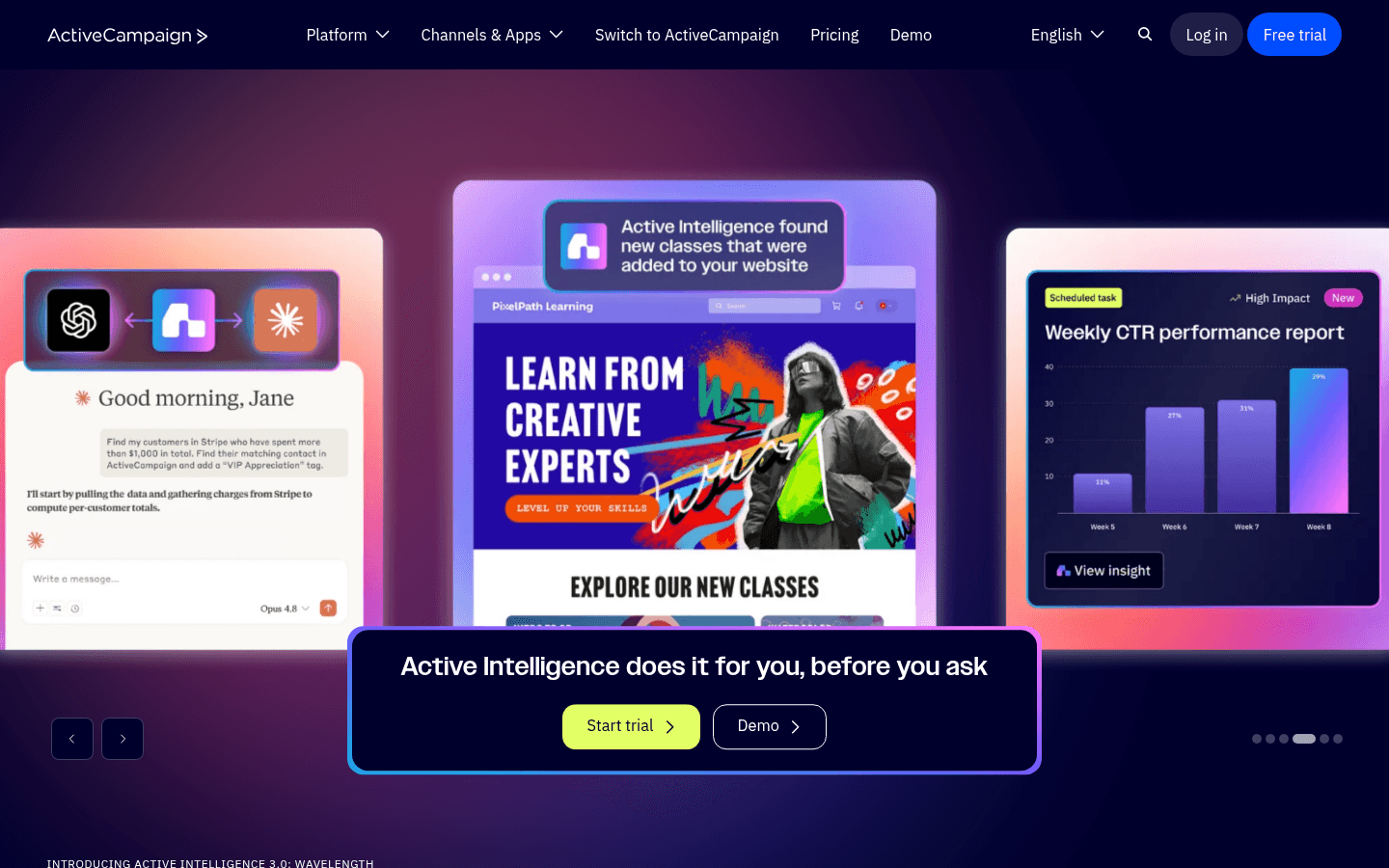
ActiveCampaign

The strongest automation and lead scoring for a high-ticket sales pipeline.

Visit
ActiveCampaign dashboard screenshot

ActiveCampaign is a genuine power pick for masterminds because high-ticket selling lives or dies on knowing who is ready, and its lead scoring is best-in-class. Score applicants on engagement - emails opened, replies, pricing-page visits, application answers - and surface the hottest prospects so your discovery calls go to the people most likely to close. The CRM with deals and pipelines lets you track each prospect through nurture, application, call booked, call attended, and proposal, which mirrors how a real high-ticket sale actually flows. Branching automation handles routing applicants by readiness and sending different paths to members, alumni, and cold leads. For an operator running a serious program with a long sales cycle - and especially with anyone doing sales calls who needs pipeline visibility - this sophistication pays off. Be honest about the cost: the automation builder has a steep learning curve, and contact-based pricing charges you for a list you email selectively. But if lead scoring and a CRM pipeline drive your process, ActiveCampaign has a real edge over the simpler tools here.

Best for
Operators whose high-ticket sales process depends on lead scoring and a CRM pipeline
Pricing
From $29/month for 1,000 contacts (scales with list size)

Pros

  • Best-in-class lead scoring for spotting ready buyers
  • CRM with deals and pipeline for the call process
  • Powerful branching for application routing
  • Deep integrations with booking and call tools

Cons

  • Steep learning curve
  • Contact-based pricing on a list you email selectively
  • Overkill for a simple one-cohort program
  • Can be overwhelming to set up
#3
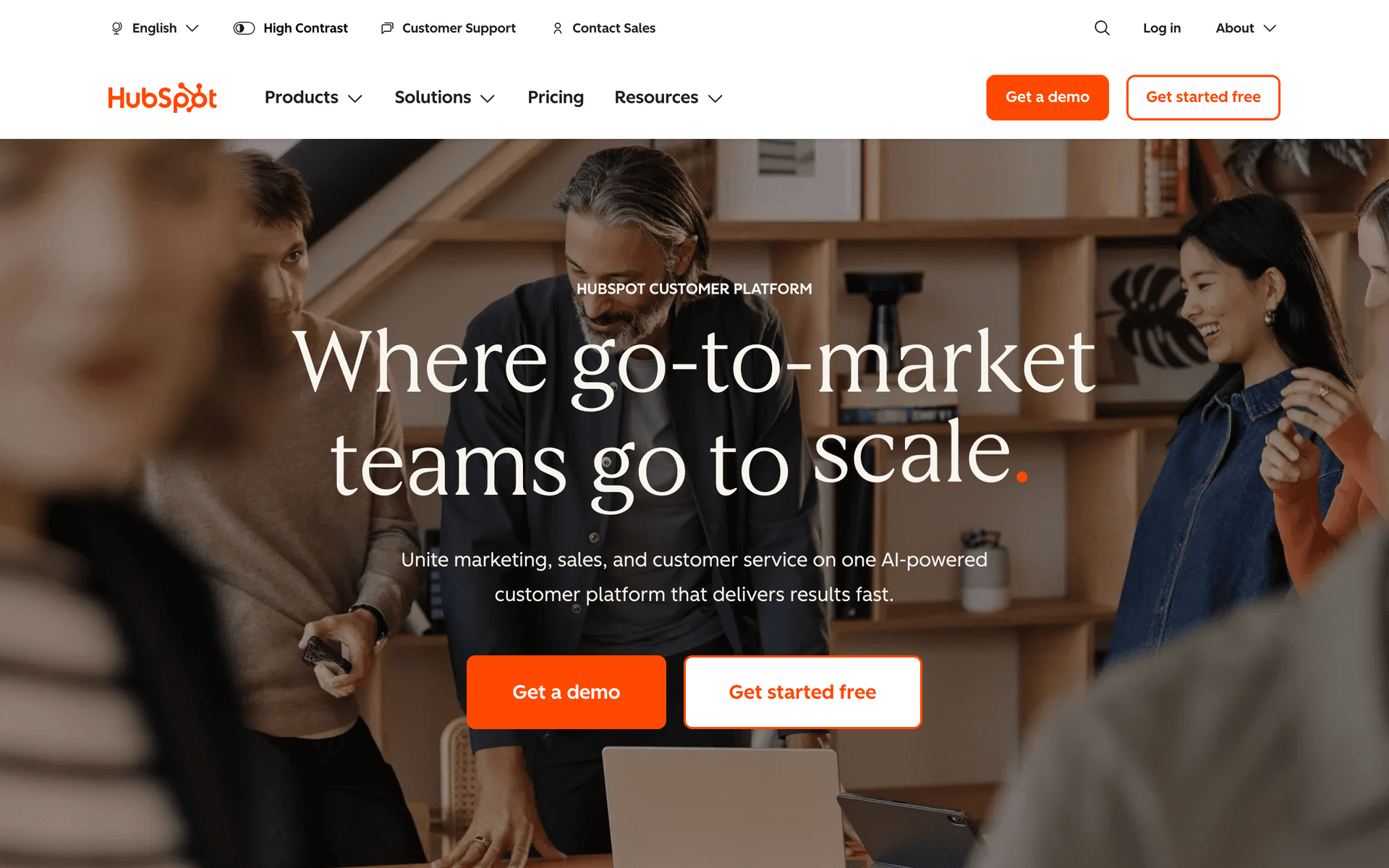
HubSpot

Full CRM and marketing for masterminds run like a sales pipeline.

Visit
HubSpot dashboard screenshot

HubSpot is the other genuine power pick, and it shines when a mastermind is run like a high-ticket sales operation with a team. The CRM ties every email, application, and call to a deal record, so whoever runs your discovery calls sees the full history - which emails the prospect opened, what they wrote on the application, where they stalled. Lead scoring and pipeline stages let you manage applicants like enterprise deals, which is exactly the right mental model for a $25,000-plus program. Meetings booking, sequences, and tasks live in the same place, so the handoff from nurture to call to close is seamless. The honest catch is cost and complexity: the free CRM is genuinely useful, but the marketing automation that matters for nurture sits behind expensive Marketing Hub tiers that scale steeply. For a solo operator it is overkill. For a mastermind with a small sales team and serious deal flow, HubSpot's CRM-plus-marketing integration is hard to beat and is a legitimate edge over creator-focused tools.

Best for
Mastermind teams managing applicants as a CRM sales pipeline
Pricing
Free CRM, marketing from $50/month (scales steeply)

Pros

  • Full CRM ties emails, applications, and calls to deals
  • Strong lead scoring and pipeline stages
  • Built-in meetings booking and sales sequences
  • Excellent for teams running discovery calls

Cons

  • Marketing automation gated behind expensive tiers
  • Overkill for a solo operator
  • Complex setup
  • Costs scale steeply with contacts and features
#4
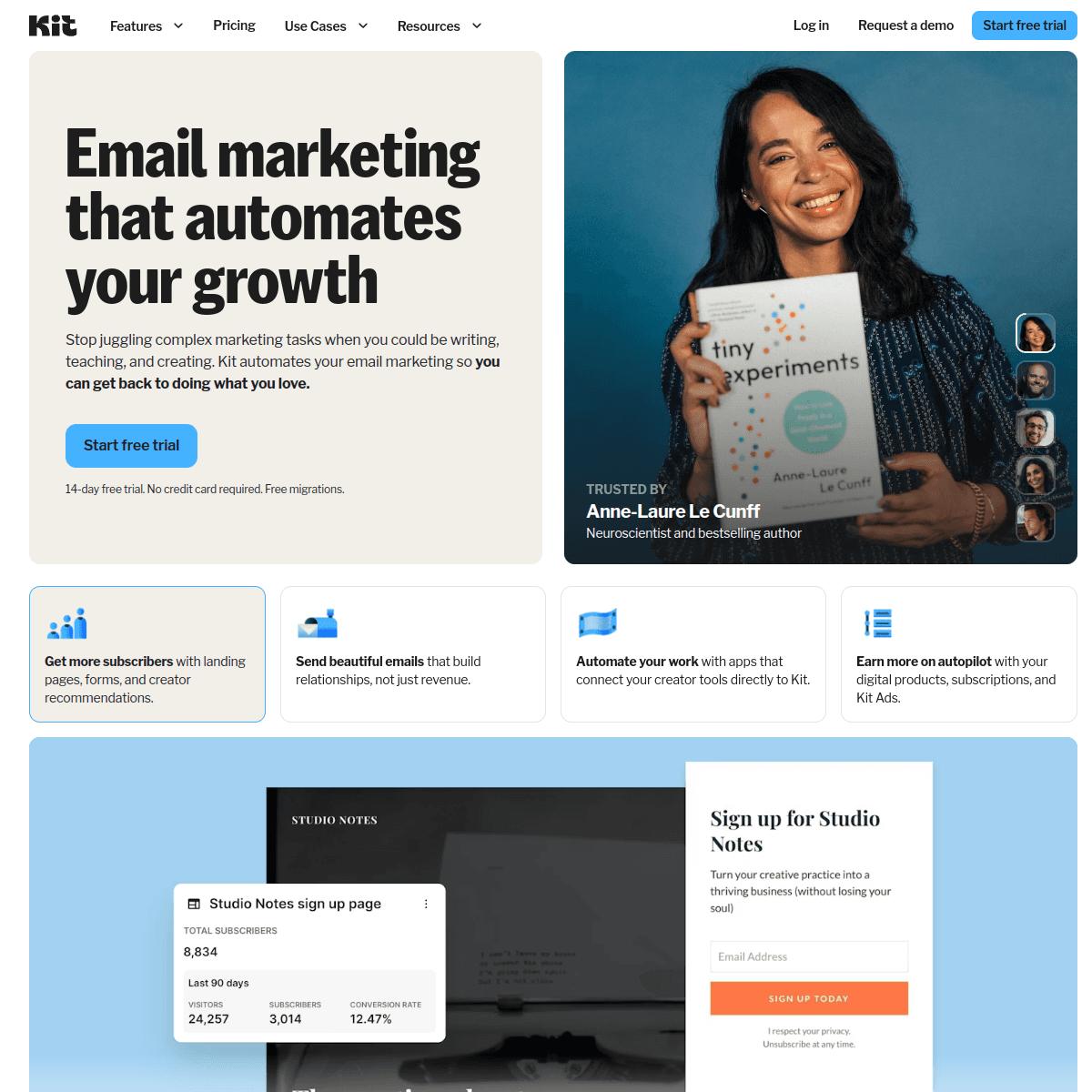
ConvertKit

Creator-focused email for masterminds that sit beside a newsletter.

Visit
ConvertKit dashboard screenshot

ConvertKit (Kit) is the natural choice when your mastermind grows out of an audience business - a newsletter, a podcast, a body of free content - rather than a sales pipeline. The tag-based system handles the segmentation a high-ticket funnel needs: tag prospects by nurture stage, applicants by readiness, members by cohort, and alumni for renewal asks. The automation builds clean application, call-booking, and onboarding sequences, and Kit's plain-text, personal-feeling emails suit high-ticket selling unusually well, because a $25,000 program is sold by a trusted person, not a corporate template. The free tier covers 1,000 subscribers, enough to nurture a high-ticket list. The honest limitation versus ActiveCampaign and HubSpot is lead scoring and CRM depth - Kit can tag and segment, but it does not give you a true scored sales pipeline, so if your process leans on prioritizing applicants by score and managing deals, you will feel the ceiling. For relationship-led operators who value the personal touch over pipeline machinery, Kit is a strong fit.

Best for
Operators whose mastermind sits beside a newsletter and values personal, relationship-led email
Pricing
Free up to 1,000 subscribers, then from $29/month

Pros

  • Clean tag-based segmentation across funnel stages
  • Personal-feeling emails suit high-ticket selling
  • Free tier to nurture a high-ticket list
  • Strong creator ecosystem and community

Cons

  • No true lead scoring or CRM pipeline
  • Subscriber-based pricing climbs with list size
  • Minimal visual design
  • Weaker for team sales processes
#5
Brevo

Email plus SMS and a light CRM at a budget-friendly price.

Visit
Brevo dashboard screenshot

Brevo earns a spot for masterminds specifically because SMS is built in, and a text reminder before a discovery call meaningfully cuts no-show rates on calls you fought hard to book. The automation handles nurture, application, and onboarding sequences, the included light CRM and pipeline give you basic deal tracking without a separate tool, and the free tier (300 emails/day, unlimited contacts) is plenty for a small high-ticket list. For an operator who wants email, SMS call reminders, and rudimentary pipeline tracking together on a budget, Brevo is strong value. The honest limits are that its lead scoring and CRM are far lighter than ActiveCampaign or HubSpot, the interface is less polished, booking-tool integrations often need Zapier, and the daily sending cap on the free plan can pinch during an application window.

Best for
Operators who want SMS call reminders and a light CRM on a budget
Pricing
Free up to 300 emails/day, then from $25/month

Pros

  • Built-in SMS for discovery-call reminders
  • Light CRM and pipeline included
  • Generous free tier for a small list
  • Transactional email included

Cons

  • Lead scoring and CRM far lighter than ActiveCampaign or HubSpot
  • Daily sending limits on free plan
  • Less polished interface
  • Booking integrations often need Zapier
#6
HighLevel

All-in-one CRM, pipeline, booking, and email built for high-ticket sales.

Visit

HighLevel (GoHighLevel) is purpose-built for the high-ticket coaching and mastermind world, which is exactly this niche. It bundles a CRM with pipelines, a booking calendar, email, SMS, and funnel pages into one tool, so the entire flow - nurture, application, call booked, call attended, deal won - lives in a single pipeline you can watch. For an operator who thinks in terms of leads and appointments and wants to run discovery-call booking and reminders natively rather than wiring Calendly to an email tool, the consolidation is genuinely valuable. The trade-offs are real: HighLevel is built for agencies and can feel sprawling and technical, the email and page editors are functional rather than premium, and setup is a project. But as a single tool that matches the high-ticket sales motion end to end, it is one of the closest fits to how masterminds actually sell.

Best for
Operators wanting CRM, booking, SMS, and email unified for a high-ticket sales motion
Pricing
From $97/month

Pros

  • CRM, pipeline, booking, SMS, and email in one tool
  • Built for the high-ticket coaching sales motion
  • Native call booking and reminders
  • Strong pipeline visibility for deal flow

Cons

  • Sprawling, agency-oriented, and technical
  • Email and page editors are functional, not premium
  • Setup is a real project
  • Overkill for a simple relationship-led program
#7
Kajabi

All-in-one platform that hosts the program plus email and payments.

Visit
Kajabi dashboard screenshot

Kajabi suits operators who want to host the mastermind content, community, and payments in the same place they email from. For a program with a member portal, recorded sessions, and a community space, having email tied to that data is convenient - you can trigger onboarding when someone joins and reach members where the program lives. The pipeline and automation handle nurture and onboarding sequences well enough, and there are no transaction fees on payments. The honest trade-offs for this niche: Kajabi is priced for creators selling courses and memberships rather than running a lean high-ticket sales pipeline, its lead scoring is basic compared to ActiveCampaign or HubSpot, and at $149/month starting it is expensive if you only need the email and sales side. Reach for it when you want the program platform and the email engine unified.

Best for
Operators hosting the program, community, and payments alongside email
Pricing
From $149/month

Pros

  • Hosts program content, community, and payments
  • Email tied to member and purchase data
  • No transaction fees
  • Strong onboarding when the program lives here

Cons

  • Expensive for the email and sales side alone
  • Basic lead scoring versus dedicated CRMs
  • Priced for course sellers, not lean pipelines
  • Steeper learning curve
#8
Drip

Revenue-focused automation for operators who want sale attribution.

Visit
Drip dashboard screenshot

Drip suits mastermind operators who sell adjacent products or want to see exactly which email moved a prospect toward applying. The revenue tracking attributes value back to specific emails, so over a long nurture you can see which messages actually drive applications and calls rather than guessing. Strong automation handles nurture, application, and onboarding flows. The honest caveats: Drip is built primarily for ecommerce, so its model is a slightly awkward fit for a long, call-driven high-ticket sale that closes off-platform, its lead scoring is lighter than ActiveCampaign or HubSpot, and at $39/month minimum it is priced for senders already generating revenue. Consider it when attribution across a long nurture genuinely matters to you and you sell some digital products alongside the program.

Best for
Operators who want per-email attribution across a long nurture
Pricing
From $39/month for 2,500 contacts

Pros

  • Per-email revenue and conversion attribution
  • Strong automation for long nurtures
  • Detailed analytics
  • Good if you sell adjacent products

Cons

  • Built primarily for ecommerce
  • Lighter lead scoring than dedicated CRMs
  • Awkward for off-platform call closes
  • Higher entry price
#9
Kartra

All-in-one with funnels, email, behavior-based automation, and a light CRM.

Visit
Kartra dashboard screenshot

Kartra packages funnels, email, membership, payments, and behavior-based automation into one tool, which fits operators running a mastermind funnel with paid traffic into an application. Build the nurture, the application page, the booking step, and the member area in one place, with automation that responds to whether someone applied, booked, or attended a call. The included lead tagging and basic scoring help prioritize follow-up. For marketing-first operators who think in funnels and want everything unified, Kartra is capable. The honest trade-offs are a steep learning curve, an email editor that is average, and lead scoring that does not reach ActiveCampaign or HubSpot depth, plus a price that only makes sense once the program is generating real revenue.

Best for
Marketing-first operators running paid-traffic application funnels
Pricing
From $99/month

Pros

  • Funnels, email, and membership unified
  • Behavior-based automation for application routing
  • Light lead tagging and scoring
  • Good for paid-traffic funnels

Cons

  • Steep learning curve
  • Average email editor
  • Lead scoring short of dedicated CRMs
  • Priced for revenue-generating programs
#10
ClickFunnels

The funnel builder for paid-ads application and call-booking funnels.

Visit
ClickFunnels dashboard screenshot

ClickFunnels is purpose-built for the 'run paid ads to an application funnel' playbook that fills many high-ticket programs. Email and automation tie directly to funnel steps - opt-in, application, call booked, call attended, won - which mirrors how a paid-traffic mastermind funnel actually flows. For operators driving cold traffic into applications and discovery calls, the funnel-centric structure fits. The downsides for this niche: it is expensive, the email is built around the funnel rather than being a best-in-class standalone nurture tool, its lead scoring is limited, and organic, relationship-led operators do not need this much funnel machinery. Reach for it when paid ads drive your applications.

Best for
Operators running paid-traffic application and call funnels
Pricing
From $97/month

Pros

  • Best funnel builder for application flows
  • Email tied to funnel and call steps
  • Purpose-built for paid traffic
  • Strong sales-page tools

Cons

  • Only worth it with paid traffic
  • Email is funnel-centric, not best-in-class
  • Limited lead scoring
  • Expensive and steep learning curve
#11
MailerLite

Clean, affordable email with good landing pages for application capture.

Visit
MailerLite dashboard screenshot

MailerLite is the value pick for operators who want simple, attractive application landing pages and reliable nurture automation without complexity. The landing page builder is genuinely good for application and waitlist capture, the automation handles welcome and nurture sequences, and the free tier covers 1,000 subscribers with most features. For an operator running a relationship-led program who wants email that just works, MailerLite is hard to fault on price or ease. The honest limits for this niche are basic automation branching, no real lead scoring or CRM pipeline (so prioritizing applicants is manual), and a strict account approval process that can take a few days when you start out.

Best for
Operators wanting simple application pages and nurture cheaply
Pricing
Free up to 1,000 subscribers, then from $10/month

Pros

  • Strong landing page builder for applications
  • Very affordable
  • Clean, easy interface
  • Generous free tier

Cons

  • Basic automation branching
  • No lead scoring or CRM pipeline
  • Strict approval process
  • Manual applicant prioritization
#12
Flodesk

Design-forward email for masterminds where brand presentation signals premium.

Visit
Flodesk dashboard screenshot

Flodesk fits operators whose program is sold partly on prestige, where every email needs to look as premium as the price tag. For a $25,000 program, presentation shapes perceived value, and Flodesk's editorial templates make nurture and invitation emails look genuinely high-end. The flat $35/month for unlimited subscribers scales with a growing list without penalty. The honest trade-offs are real for this niche: automation is basic, there is no lead scoring or CRM, and application routing or call-pipeline tracking is beyond it. Use Flodesk for the broadcast nurture and invitation emails where brand presentation matters, and pair it with a booking tool and lighter pipeline tracking elsewhere if your process needs it.

Best for
Operators where premium brand presentation drives perceived program value
Pricing
Flat $35/month unlimited subscribers

Pros

  • Editorial, premium-looking emails
  • Flat unlimited-subscriber pricing
  • Great for prestige-led nurture
  • Simple to use

Cons

  • Basic automation
  • No lead scoring or CRM
  • Cannot run a call pipeline
  • Best paired with a booking tool
#13
Mailchimp

Popular starter platform with broad integrations.

Visit
Mailchimp dashboard screenshot

Mailchimp is where many first-time mastermind operators begin because it is familiar and integrates with most booking and form tools out of the box. Templates look professional, the free tier covers 500 contacts, and basic nurture automation is workable. The frustration appears quickly for high-ticket selling: Mailchimp's automation is basic, it has no real lead scoring or sales pipeline, and the cost climbs as your list grows even though you email it selectively. Most operators who get serious about a high-ticket program migrate to a tool with lead scoring and CRM (ActiveCampaign or HubSpot) or to a send-priced AI tool (Sequenzy) within their first year of running cohorts.

Best for
First-time operators who want a familiar starting point
Pricing
Free up to 500 contacts, then $13-350/month

Pros

  • Familiar and easy to start
  • Broad integrations
  • Professional templates
  • Good basic analytics

Cons

  • Basic automation branching
  • No lead scoring or sales pipeline
  • Gets expensive fast
  • Contact-based pricing
#14
AWeber

Simple, reliable email with strong deliverability.

Visit
AWeber dashboard screenshot

AWeber is dated but dependable, with deliverability built over 25+ years and real phone support. For operators who want straightforward nurture and application-confirmation emails without complexity, AWeber handles the basics reliably. The free tier covers 500 subscribers. The limitation for high-ticket selling is automation and pipeline - you can build a linear nurture but not the conditional application routing, lead scoring, or call-pipeline tracking that the strongest mastermind funnels rely on. AWeber sends a nurture well; it does not run a high-ticket sales process.

Best for
Operators wanting simple, reliable nurture emails
Pricing
Free up to 500 subscribers, then from $15/month

Pros

  • Reliable deliverability
  • Phone support
  • Simple to use
  • Long track record

Cons

  • Dated interface
  • No lead scoring or pipeline
  • Limited branching automation
  • Little innovation
#15
Constant Contact

Beginner-friendly with event features and phone support.

Visit
Constant Contact dashboard screenshot

Constant Contact stands out for operators who are not technical and want a real person to call. It includes basic event-management features that can help organize application webinars or info sessions. For an operator running an occasional cohort who values phone support over automation depth, it is a safe, reliable choice. The honest limits are that its automation is basic and it has no lead scoring or sales pipeline, so it handles nurture and application confirmations well enough but is not built for the readiness-based routing or call-pipeline tracking a high-ticket program benefits from.

Best for
Non-technical operators who value phone support
Pricing
From $12/month for 500 contacts

Pros

  • Easy for beginners
  • Phone support
  • Built-in event features
  • Reliable sending

Cons

  • Basic automation
  • No lead scoring or pipeline
  • Dated templates
  • Higher prices at scale
#16
Moosend

Budget-friendly automation with landing pages included.

Visit
Moosend dashboard screenshot

Moosend is the cheapest capable option here, with automation and landing pages included from a low starting price. For operators who have outgrown free tiers but are not yet generating enough mastermind revenue to justify premium tools, Moosend covers application pages and nurture sequences without breaking the budget. It is less known and has fewer integrations than the bigger names, and like most tools at this price it lacks real lead scoring or a CRM pipeline. For cost-conscious operators who want the essentials of a nurture and application flow, it delivers solid value.

Best for
Cost-conscious operators who want the essentials cheaply
Pricing
From $9/month

Pros

  • Very affordable
  • Landing pages included
  • Good automation for the price
  • Responsive support

Cons

  • Less known
  • No lead scoring or CRM
  • Fewer integrations
  • Smaller template library
#17
Zoho Campaigns

Affordable email that pairs with Zoho CRM and the Zoho ecosystem.

Visit
Zoho Campaigns dashboard screenshot

Zoho Campaigns is a sensible choice for operators already inside the Zoho ecosystem, especially those using Zoho CRM and Zoho Bookings. The integration means application and call data can flow into the CRM and email sequences without third-party connectors, which gives you more pipeline visibility than most tools at this price. Pricing is affordable and the automation covers nurture and onboarding sequences. Outside the Zoho world it is a capable but unremarkable email tool, and on its own its lead scoring is lighter than ActiveCampaign or HubSpot. The real value is the tight CRM integration for operators already standardized on Zoho.

Best for
Operators already using the Zoho ecosystem and Zoho CRM
Pricing
Free tier available, paid from $4/month

Pros

  • Tight Zoho CRM integration for pipeline visibility
  • Very affordable
  • Pairs with Zoho Bookings
  • Solid automation

Cons

  • Best only inside Zoho
  • Lighter lead scoring standalone
  • Less polished outside the ecosystem
  • Interface can feel dated

Feature Comparison

FeatureSequenzyActiveCampaignHubSpotConvertKitBrevo
Long-term nurture automation
Application routing/segmentation
Lead scoring for ready buyers
CRM / sales pipeline
AI content generation
SMS call reminders
Free tier available

Common Mistakes to Avoid

We see these mistakes over and over. Skip the learning curve and avoid these from day one.

Selling like it is a course launch

Mastermind operators who copy the five-day open-close-cart playbook from low-ticket courses get crickets. A $30,000 program cannot be sold with manufactured 48-hour urgency to a list that barely knows you. High-ticket requires a longer relationship, an application, and a real conversation. Compressing months of trust-building into a launch week is the single most common reason expensive programs fail to fill.

Skipping the application and discovery call

Trying to sell directly off a sales page and a checkout button leaves money and fit on the table. Without an application you admit the wrong people and burn calls on the unqualified; without a call you never handle the real objections that stop a $25,000 purchase. The application gates fit and the call closes the sale - removing either breaks the high-ticket funnel.

Treating every lead and member identically

Sending the same broadcast to cold prospects, hot applicants, current members, and lapsed alumni wastes your most valuable relationships. A current member should never get a sales pitch for the seat they already hold, and a hot applicant should not be stuck in the same slow nurture as someone who just joined your list. Without segmentation and lead scoring, you cannot tell who is ready, so your scarce call slots go to the wrong people.

Ignoring retention until renewal season

Because the sale is so hard-won, operators pour effort into acquisition and neglect the members already inside. But on a high-ticket annual program the renewal is worth as much as a new sale and costs almost nothing to earn. Operators who only think about members when the term is ending discover that disengaged members had already mentally left months earlier.

Picking a tool priced for a giant list you do not have

A mastermind list is small and high-value - a few hundred to a few thousand qualified prospects - and you email it thoughtfully rather than daily. Contact-based pricing built for ecommerce senders charges you for volume you do not have, while the features you actually need are lead scoring and clean segmentation, not bulk-send discounts. Match the tool to a small, precise, relationship-driven funnel.

Email Sequences Every Mastermind Program Needs

These are the essential automated email sequences that will help you grow your business and keep clients coming back.

Long-Term Nurture to Application

When someone joins your list as a high-ticket prospect

Build trust over weeks and months until the right people are ready to apply.

Day 1
Welcome - here's how I think about {{topic}}

Set the tone. Share your philosophy and what makes the program different. No pitch yet.

Week 1
The mistake most {{audience}} make at this stage

Teach something genuinely useful. Demonstrate the thinking members pay for.

Week 3
How {{member_name}} went from {{before}} to {{after}}

Member outcome story. Show the kind of transformation the program produces.

Week 6
What being inside the room actually looks like

Describe the cohort, the calls, the peer group. Raise the stakes gently.

Week 8
Applications for the next cohort are open

Invite qualified readers to apply. Frame it as fit, not a hard sell. Link the application.

Application to Discovery Call

When a qualified applicant submits the application

Turn an application into a booked, attended discovery call - the email job is the booking.

Immediately
Got your application - here's the next step

Confirm receipt. Lead with the booking link for the discovery call. Reduce friction.

1 day later (if not booked)
Let's find a time to talk, {{first_name}}

Gentle nudge to book. Restate what the call covers and that seats are limited.

Before the call
Our call is tomorrow - one thing to think about

Reduce no-shows. Confirm time and link. Ask them to come with their biggest goal.

After a no-show
Missed you - want to grab another time?

Recover the no-show. Offer a new slot. Keep it warm, not pushy.

Member Onboarding (First 30 Days)

When a new member pays the deposit or first payment

The first month decides the renewal - get members to an early win fast.

Immediately
Welcome to {{program_name}}, {{first_name}}

Confirm the spot. Logistics: portal access, first call date, community link, what to do first.

Day 2
Meet your cohort

Introduce the group. Encourage them to post an intro. Belonging drives retention.

Day 7
Your first quick win this week

Point them at one early action that produces a result. Momentum predicts renewal.

Day 30
One month in - how's it going?

Check in. Surface any friction early. Celebrate progress and reinforce the path ahead.

Renewal and Referral

60-90 days before the member's term ends

Earn the cheapest seat (a renewal) and the warmest lead (a referral).

90 days before term ends
Your year so far, {{first_name}}

Recap their specific wins. Make continuing feel like the obvious next step.

60 days before term ends
Let's talk about next year

Invite a renewal conversation. Outline what the next term includes.

After a renewal or a big win
Know someone who'd be a fit?

Ask happy members for a referral at the peak-value moment. Make the intro easy.

Related Resources for Mastermind Email Marketing

Mastermind funnel need Best next page Why it helps
Warm up high-ticket prospects Welcome email templates and welcome subject lines High-ticket buyers need months of trust before they are ready to apply.
Build the nurture and application flow Email sequence templates A mastermind needs a long nurture, an application step, and a call-booking sequence working together.
Sell to one-on-one and group clients Coach email tools and Consultant email tools Masterminds usually sit inside a broader high-ticket coaching or consulting business.
Keep members engaged after they join Community email tools Retention and renewal depend on the same engagement engine community operators rely on.

How to Choose the Right Email Tool for Masterminds

The right platform depends on how much of your high-ticket sale runs on a scored sales pipeline versus a personal relationship, and how big your team is.

Mastermind email benchmark Healthy target What it tells you
Sales cycle length 1-9 months Your nurture is built for patience, not a launch week.
Application-to-call booking rate 40-70% Your application-to-call sequence has low enough friction.
Discovery call-to-close rate 20-40% Your application gating is letting the right people onto calls.
Annual member renewal rate 50-75% Your onboarding and engagement are protecting lifetime value.
Referral share of new members 20-40% Your members are happy enough to send you warm leads.

Decide How Much Your Sale Runs on a Pipeline

The first fork is simple: is your high-ticket sale managed like a CRM sales pipeline, or like a personal relationship? If you (or a small sales team) work applicants as deals - scoring them, tracking calls, prioritizing by readiness - then ActiveCampaign or HubSpot are worth their complexity, because lead scoring and pipeline stages are exactly what they do best. If your program is sold by a trusted person to an audience that already follows you, ConvertKit or Sequenzy keep the relationship front and center without pipeline overhead. Deciding this early narrows the list fast.

Lead Scoring Is the Real Differentiator

Any tool can send a nurture. The tools worth paying a premium for are the ones that tell you which applicant is most likely to say yes, so your scarce call slots go to the right people. This is where ActiveCampaign and HubSpot genuinely lead - their scored pipelines rank applicants by engagement and intent. Tag-based tools like ConvertKit can segment by readiness but cannot truly score and rank, and send-priced AI tools like Sequenzy lean on segmentation and AI-built sequences rather than a deep scoring engine. Be honest with yourself about whether you will actually use scoring before you pay for it.

Match Pricing to a Small, High-Value List

Mastermind operators do not send daily to a giant list. They nurture a small, precise audience over months. Contact-based pricing built for ecommerce charges you for volume you do not have, while send-based pricing rewards thoughtful sending. Calculate your real annual cost based on how many emails you will actually send across your nurture, application, onboarding, and renewal flows, not on raw list size.

Tool Best mastermind-operator fit Sales-process strength Cost pattern
Sequenzy AI-built nurture, application, onboarding, and renewal sequences. Strong sequencing; lighter native scoring. Pay by emails sent.
ActiveCampaign Complex, scored, high-ticket pipelines. Strongest lead scoring and CRM. Contact-based.
HubSpot Teams managing applicants as CRM deals. Strongest CRM-plus-marketing integration. Free CRM, marketing scales steeply.
ConvertKit Masterminds beside a newsletter. Clean tag-based segmentation, no scoring. Subscriber-based.
Brevo Email plus SMS call reminders on a budget. Good, with a light CRM and SMS. Send-based, generous free tier.

Best Fit by Mastermind Sales Model

Best email tool for relationship-led masterminds

Sequenzy is a strong fit when a program is sold by a trusted operator to an audience built over time, and the result depends on the quality and timing of a long nurture, a clean application flow, a call-booking sequence, and a retention engine. It works best when you want those sequences written and running quickly, and when send-based pricing matches a small, high-value list emailed thoughtfully rather than constantly. The honest trade-off is lighter native lead scoring, so if a scored pipeline is central to your process, pair it carefully or look at the CRM-led tools.

Best email tool for pipeline-driven, high-ticket masterminds

ActiveCampaign is the better fit when filling seats depends on scoring applicants, tracking them through pipeline stages, and prioritizing discovery calls by readiness. The added complexity pays off when you have more qualified applicants than call slots and need the system to tell you who to call first. HubSpot is the natural alternative when a small sales team needs every email, application, and call tied to a deal record with full history.

Best all-in-one for operators who want booking and email in one place

HighLevel is the natural pick when an operator wants the CRM, the booking calendar, SMS reminders, and email living in a single pipeline rather than wired together from separate tools. Application, call-booked, call-attended, and won all flow through one view, which mirrors the high-ticket sales motion - at the cost of a sprawling, agency-oriented setup.

The Mastermind Email Playbook

Before the Application: Nurture and Earn Trust

A high-ticket program is sold over months, not days. Nurture your audience with emails that demonstrate your thinking, share specific member outcomes, and quietly raise the stakes about what being inside the room is worth. Do not rush to pitch - the goal of this phase is that by the time applications open, the right people already feel they know you and have been waiting for the invitation.

Pre-application email Timing Purpose Example subject
Philosophy welcome Day 1 Set your worldview and what makes the program different. "How I think about {{topic}}"
Useful teaching Week 1 Demonstrate the thinking members pay for. "The mistake most {{audience}} make"
Member outcome Week 3 Show the transformation the program produces. "How {{member_name}} got {{result}}"
The room Week 6 Describe the cohort and raise the stakes. "What being inside the room looks like"
Open applications Week 8 Invite qualified readers to apply. "Applications for the next cohort are open"

During the Application Window: Book the Calls

Once applications are open, the email job changes from teaching to booking. The moment a qualified application lands, confirm it and lead with the discovery-call booking link. Nudge applicants who have not booked, remind them before the call to cut no-shows, and recover anyone who misses. Keep these emails short and friction-free - a booked, attended call is the number that predicts revenue.

After Someone Joins: Onboard, Retain, Renew

The first 30 days decide the renewal, so onboarding is not an afterthought - it is the most important sequence in the funnel after acquisition. Get new members to their first call, introduce them to the cohort, and engineer an early quick win. Then keep the relationship warm through the term and start the renewal conversation 60 to 90 days before it ends, recapping each member's specific wins. Ask happy members for referrals at their peak-value moments, because a member referral is the warmest lead you will ever get.

Integration Recommendations for Mastermind Operators

Your email tool should connect with where you qualify, book, and bill:

Calendly, SavvyCal, or your booking tool - The application-to-call flow depends on a frictionless booking step. Make sure the booking tool syncs with your email platform so reminders and no-show recovery fire automatically. HighLevel and HubSpot include booking natively; most other tools connect through Zapier.

Your application form (Typeform, native forms) - Application answers are your best segmentation and call-prep material. Ensure submissions route into your email tool tagged by readiness so qualified applicants get the fast booking path and not-yet-ready ones get a longer nurture.

Stripe or your checkout - When a member pays a deposit or first installment, payment integration can automatically move them out of the sales nurture and into onboarding. Sequenzy has native Stripe integration; others connect through Zapier.

What a Healthy Mastermind Funnel Looks Like

Sales cycle: One to nine months from first email to signed agreement. If you are trying to close high-ticket buyers in days, the funnel - not the offer - is the problem.

Application-to-call booking: 40-70% of qualified applicants booking a call. If yours is lower, the friction is usually in the booking step or a slow follow-up after the application arrives.

Call-to-close: 20-40% of attended discovery calls converting. The biggest lever is who you let onto the call, which means application gating and lead scoring matter more than the call script.

Renewal rate: 50-75% of members renewing each term, driven by first-30-day onboarding and ongoing engagement, not by the renewal email alone.

Getting Started: Your First Mastermind Email System

  1. Build a long nurture sequence that demonstrates your thinking and shares member outcomes over weeks, not days
  2. Create an application landing page and route applicants by readiness using tags or scoring
  3. Set up the application-to-call sequence with immediate booking link, a nudge, a pre-call reminder, and no-show recovery
  4. Build a 30-day onboarding sequence that gets members to a first call, the cohort, and an early quick win
  5. Plan the renewal-and-referral sequence starting 60-90 days before each term ends, recapping member wins

Start with one nurture, one application-to-call sequence, and one onboarding flow. Once the funnel is filling calls and retaining members, layer in lead scoring and a deliberate renewal-and-referral engine to protect the lifetime value that makes a mastermind worth running.

How We Evaluated These Tools

Each tool was evaluated for the full high-ticket mastermind funnel: long-term relationship nurture over months, application capture and routing, application-to-discovery-call booking flows, lead scoring to surface the most ready buyers, member onboarding and retention sequences, renewal and referral automation, and pricing that suits a small, high-value list emailed thoughtfully rather than in bulk. We gave extra weight to lead scoring and CRM-style pipeline tracking, because for a long, high-ticket sales cycle those features genuinely change who your team calls and when.

Frequently Asked Questions

Ready to grow your mastermind program practice?

Start your free trial today. Set up your first email sequence in minutes with AI-powered content generation.

Related Industries

Sequenzy pricing reference

Sequenzy - Complete Pricing Guide

Pricing Model

Sequenzy uses email-volume-based pricing. You only pay for emails you send. Unlimited contacts on all plans — storing subscribers is always free.

All Pricing Tiers

  • 2.5k emails/month: Free (Free annually)
  • 15k emails/month: $19/month ($205/year annually)
  • 60k emails/month: $29/month ($313/year annually)
  • 120k emails/month: $49/month ($529/year annually)
  • 210k emails/month: $99/month ($1069/year annually)
  • 300k emails/month: $149/month ($1609/year annually)
  • 600k emails/month: $299/month ($3229/year annually)
  • 900k emails/month: $399/month ($4309/year annually)
  • 1.2M emails/month: $499/month ($5389/year annually)
  • 2M emails/month: $999/month ($10789/year annually)
  • 3M emails/month: $1499/month ($16189/year annually)
  • 4M emails/month: $1999/month ($21589/year annually)
  • 5M emails/month: $2499/month ($26989/year annually)
  • Unlimited emails/month: Custom pricing (Custom annually)

Yearly billing: All plans offer a 10% discount when billed annually.

Free Plan Features (2,500 emails/month)

  • Visual automation builder
  • Transactional email API
  • Reply tracking & team inbox
  • Landing pages
  • Unlimited team members
  • Goal tracking & revenue attribution
  • Unlimited lists and segments
  • Payment integrations
  • API, MCP, and CLI access
  • Unlimited sending domains
  • SPF, DKIM, and DMARC
  • Deliverability monitoring
  • Send time optimization
  • A/B testing

Paid Plan Features (15k - 1.2M emails/month)

  • Visual automation builder
  • Transactional email API
  • Reply tracking & team inbox
  • Landing pages (Create hosted signup pages and attach a custom domain.)
  • Unlimited team members
  • Goal tracking & revenue attribution
  • Unlimited lists and segments
  • Payment integrations (Stripe, Paddle, Lemon Squeezy)
  • API, MCP, and CLI access
  • Unlimited sending domains
  • SPF, DKIM, and DMARC
  • Deliverability monitoring
  • Send time optimization
  • A/B testing

Enterprise Plan Features (Unlimited emails)

  • Visual automation builder
  • Transactional email API
  • Reply tracking & team inbox
  • Landing pages
  • Unlimited team members
  • Goal tracking & revenue attribution
  • Unlimited lists and segments
  • Payment integrations
  • API, MCP, and CLI access
  • Unlimited sending domains
  • SPF, DKIM, and DMARC
  • Deliverability monitoring
  • Send time optimization
  • A/B testing

Important Pricing Notes

  • You only pay for emails you send — unlimited contacts on all plans
  • No hidden fees - all features included in the price
  • No credit card required for free tier

Contact

  • Pricing Page: https://sequenzy.com/pricing
  • Sales: hello@sequenzy.com