
How to Choose the Right Email Tool for Your Staging Business
Choosing the right email platform for your staging business comes down to three factors: how you work, what you prioritize, and what you can afford.
Relationship-Driven Marketing
Staging is a relationship business. Most of your revenue comes from agent referrals, which means your email tool needs to support long-term agent nurture sequences. Look for platforms that let you tag agents by market area, track engagement over time, and automate monthly touchpoints without manual effort.
Visual Presentation Quality
Before-and-after photos are your primary marketing asset. The email platform you choose must display high-quality images beautifully across desktop and mobile. If your stunning staging photos look pixelated or cramped in an email template, you are undermining your brand. Campaign Monitor, Mailchimp, and Sequenzy all handle visual content well. Test how your photos render before committing.
Budget at Your Actual Scale
Calculate your real cost, not the starting price. If you have 1,200 contacts (agents, past clients, prospects) and send one email per month, a pay-per-email platform like Sequenzy costs $49/month regardless of list size. A per-contact platform at 1,200 contacts could cost $45-70/month. The difference compounds over a year.
What Actually Works for Home Stagers
After talking to dozens of successful home stagers about their email marketing:
Agent Relationships Drive Revenue
The stagers who consistently book projects are the ones who maintain regular, valuable communication with their agent network. This does not mean weekly emails - it means monthly touchpoints that provide genuine value. The most effective stagers send project results (with sale data), staging tips agents can use with their sellers, and seasonal design insights.
Photos Sell Everything
Your before-and-after transformations are your most powerful marketing asset. Feature them prominently in every email. Include context like room type, project scope, and results when available. A single stunning transformation photo with "Sold in 6 days, $30K over asking" generates more business than a 500-word newsletter.
Consistency Wins Over Volume
Agents who receive your monthly portfolio email for 12 months straight develop trust and familiarity. They recommend you because they have seen your work consistently over time. Stagers who email sporadically - three emails in January then nothing until April - lose that momentum.
Industry-Specific Email Strategies for Stagers
The Portfolio Drip Strategy
Instead of cramming all your recent work into one monthly email, create a portfolio drip sequence for new agent contacts. Over six weeks, send six emails each featuring one project with detailed before-and-after photos, the challenge you solved, and the listing result. This builds a complete picture of your capabilities without overwhelming recipients.
The Listing Season Ramp-Up
Real estate listing activity peaks in spring and early summer. Start your agent outreach in January and February to secure relationships before agents finalize their staging vendor preferences for the season. A three-email sequence in January (availability announcement, recent results, booking incentive) positions you ahead of competitors who wait until March.
The Post-Sale Results Broadcast
When a staged home sells, send a targeted email to all agents in that market area within 48 hours. Include the before-and-after photos, days on market, and sale price relative to list price. This transforms one successful project into a marketing asset that reaches every potential referral source in the neighborhood.
Integration Recommendations
Photography Workflow
Connect your email platform with your photo storage (Google Drive, Dropbox) for easy image access when building emails. Some stagers create a shared album for each project that feeds directly into email templates.
CRM Coordination
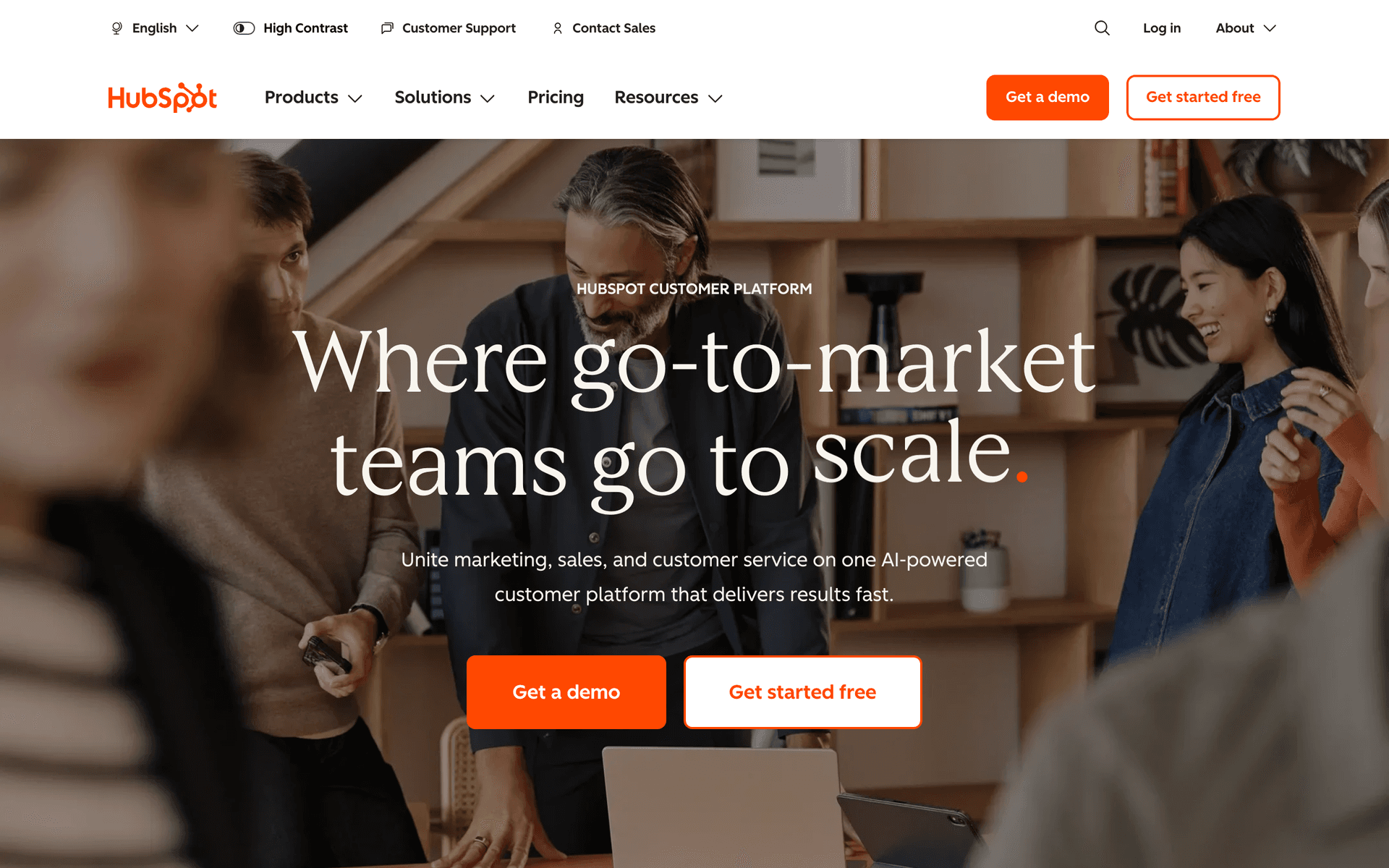
If you track agent relationships in a CRM or spreadsheet, look for email tools that sync contact data. ActiveCampaign includes a CRM. HubSpot's free CRM integrates with most email platforms. At minimum, keep notes on which agents book you most frequently.
Scheduling Tools
Connect your email inquiry automation with your scheduling tool (Calendly, Acuity) so prospects can book consultations directly from your automated response email. This eliminates the back-and-forth scheduling that delays bookings.
Getting Started Guide
Pick a tool from this list. Then follow this sequence for the first 30 days:
- Week 1: Import your agent and client contacts into separate lists. Tag agents by market area and referral frequency.
- Week 2: Set up an inquiry response automation that sends immediately when someone contacts you. Include your portfolio, pricing overview, and consultation booking link.
- Week 3: Create an agent nurture sequence (3-4 emails over 30 days) for new agent contacts. Lead with your best before-and-after photos.
- Week 4: Build your first monthly portfolio showcase email and send it to your full agent list.
After the first month, add a post-project follow-up sequence and refine your monthly newsletter based on what content gets the most engagement.
What a Healthy Email List Looks Like for Stagers
For a solo home stager doing 40-60 projects per year, a healthy email list after two years typically includes:
- 200-500 real estate agents segmented by market area
- 100-300 past clients (direct homeowners and listing agents)
- 30-40% open rate on portfolio showcase emails
- Monthly portfolio newsletter with 2-3 recent projects
- Automated inquiry response triggering within minutes
- Post-project follow-up running after every completed staging
Focus on engagement quality over list size. Fifty agents who open every email and refer you regularly are worth more than 500 who never engage.
Home Stager Email Benchmarks
Staging emails should be judged by agent replies and consultation requests. A strong before-and-after result can create business weeks after the email is sent.
| Email type | Healthy open rate | Healthy click rate | Business metric |
|---|---|---|---|
| Portfolio showcase | 32-48% | 6-12% | Consultation requests |
| Post-sale result | 38-58% | 8-16% | Agent replies |
| New agent nurture | 35-52% | 5-11% | Intro calls booked |
| Listing season ramp-up | 30-46% | 5-10% | Pre-booked projects |
| Seller education | 26-40% | 4-8% | Forwarded resources |
Staging Portfolio Email Table
A portfolio email should prove business value, not just show pretty rooms. Pair visuals with sale context whenever possible.
| Section | What to include | Why it works |
|---|---|---|
| Hero before/after | One room transformation | Creates instant visual proof |
| Listing challenge | Empty room, awkward layout, dated finish | Shows the problem you solved |
| Staging choice | Furniture, flow, color, focal point | Demonstrates expertise |
| Sale result | Days on market or price outcome | Gives agents ROI evidence |
| Agent CTA | Book staging consult or check availability | Converts interest into pipeline |
Agent Segment Strategy Table
Not every agent needs the same email. Segment by listing volume and relationship stage so top referral sources get higher-touch communication.
| Agent segment | Best email content | Follow-up style |
|---|---|---|
| Top referral agents | Early availability and personal project recaps | Personal note or call |
| High-volume agents | Recent results and scheduling capacity | Direct booking CTA |
| New agent contacts | Portfolio drip and process overview | Automated nurture |
| Luxury agents | Premium transformations and ROI stories | White-glove consultation offer |
| Inactive agents | Strong recent win in their market | Soft reactivation |