
How to Choose the Right Email Tool
The best email marketing tool depends on your situation:
Solo vs team. Solo nutritionists can use simpler tools with free tiers. Larger practices with staff need platforms with more organization and team features.
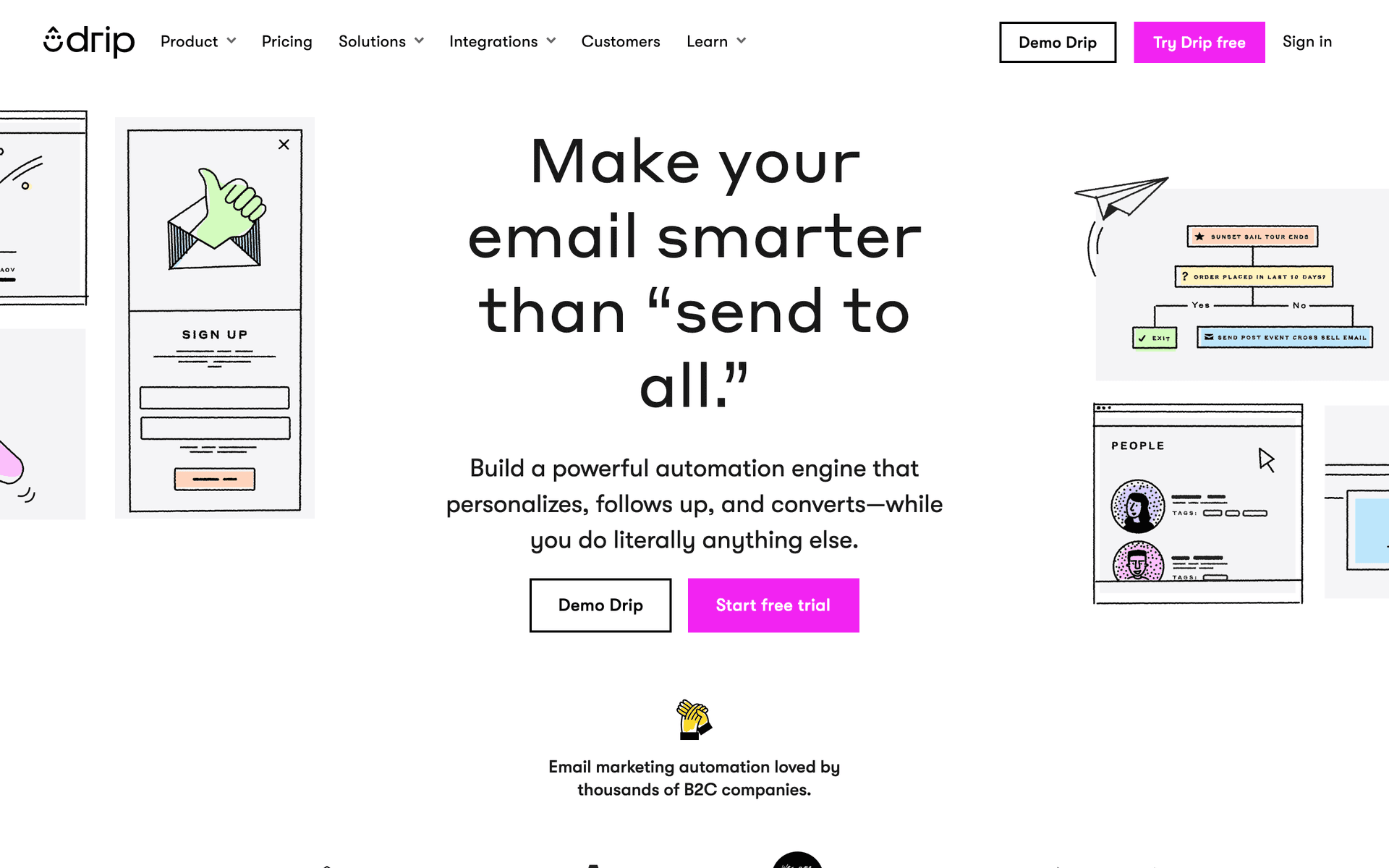
Products vs services. If you sell meal plans, courses, or supplements alongside your practice, consider e-commerce features like Drip offers. For services only, simpler tools work better.
Budget is real. Calculate cost at your expected list size, not starting prices. A tool costing $13/month for 500 contacts might cost $100/month with your actual database.
What Actually Works for Nutritionists
After talking to many nutritionists about email marketing:
Recipes drive engagement. Nothing gets opened like a good recipe with an appetizing photo. Lead with recipes, then add your tips and insights. Your audience wants practical, actionable food content above all else.
Accountability matters. Regular check-in emails help clients stay on track between sessions. Monday morning emails with weekly goals and meal prep tips set the tone for the week. The nutritionists who send consistent check-ins retain more clients.
Segment by dietary approach. A keto client and a plant-based client need completely different content. Use tags from day one to send relevant recipes and tips to each group. Even basic segmentation dramatically improves engagement.
Nutritionist Email Benchmarks
Nutrition email should measure recipe engagement, client accountability, and program enrollment.
| Email type | Healthy open rate | Healthy click or reply rate | Practice metric |
|---|---|---|---|
| Recipe newsletter | 38-58% | 8-18% | Recipe saved or clicked |
| Weekly accountability check-in | 45-68% | 15-32% reply/click | Client stays on track |
| Meal prep guide | 35-55% | 8-20% | Guide downloaded |
| Program launch | 30-48% | 6-16% | Program signup |
| Dietary segment email | 40-62% | 10-24% | Relevant content engagement |
The Recipe Email Formula
The highest-performing email format for nutritionists follows a simple pattern:
- Appetizing photo that makes the reader want to try the recipe
- Brief intro connecting the recipe to a health benefit or seasonal theme
- Full recipe with clear instructions and ingredient list
- One nutrition tip related to the recipe's ingredients
- Call to action - book a consultation, join a program, or try another recipe
This format consistently drives high open rates, clicks, and forwards. Your recipe emails become your best marketing when they are genuinely useful.
Nutrition Content Segment Table
Dietary segmentation turns one recipe list into several highly relevant mini-newsletters.
| Segment | Best email content | CTA |
|---|---|---|
| Weight loss client | High-satiety meals and weekly planning | Book check-in |
| Plant-based subscriber | Vegan recipes and protein guidance | View recipe |
| Sports nutrition client | Meal timing and recovery snacks | Download plan |
| Family meal planner | Batch recipes and grocery lists | Save shopping list |
| Program prospect | Transformation stories and program details | Join program |
Seasonal Content Calendar
Plan your email content around seasonal nutrition patterns:
| Season | Content theme | Best offer |
|---|---|---|
| January | Reset plans and goal setting | New client consult |
| Spring | Seasonal produce and lighter meal prep | Recipe guide |
| Summer | Hydration, grilling, travel eating | Summer meal plan |
| Back-to-school | Lunch prep and family routines | Meal planning workshop |
| Holidays | Balanced holiday eating | Accountability program |
- January: New Year reset programs, clean eating guides, goal-setting
- March-April: Spring detox content, seasonal produce guides
- May-June: Summer body preparation, grilling recipes, hydration tips
- September: Back-to-school meal prep, lunchbox ideas
- November-December: Healthy holiday recipes, navigating holiday eating
Use AI-generated sequences to create your seasonal campaigns quickly and check your deliverability to ensure your recipe emails land in inboxes, not spam folders.
Getting Started
Pick a tool from this list. Then:
- Import your client and lead list
- Set up a new client onboarding sequence
- Create a weekly or bi-weekly recipe newsletter
- Build a program promotion template for your next launch
- Segment by dietary preference with tags
Start simple and expand later. The nutritionists who grow their practices through email are the ones who show up consistently with valuable, practical content.
What Nutritionists should prioritize first
For Nutritionists, email works when it supports trust, timing, and clear patient communication. The software matters, but the operating habit matters more: collect the right contacts, send messages at the right moments, and keep the content useful enough that people keep opening.
Start by comparing the ranked tools above around the workflows you will actually run. A good tool for Nutritionists should make it easy to segment contacts, write a campaign quickly, automate the obvious follow-ups, and see whether the email produced a booking, sale, reply, renewal, or return visit.
The first workflows to build are usually simple. For this page, the natural starting points are New Client Onboarding, Weekly Accountability Check-In, Recipe and Resource Sequence, Program Promotion Sequence. Do not build a complicated journey until those basics are working.
A practical rollout looks like this:
| Week | Focus |
|---|---|
| 1 | Import contacts, clean segments, and write the first useful campaign. |
| 2 | Launch the highest-value reminder or follow-up automation. |
| 3 | Add one educational or trust-building email that is not a promotion. |
| 4 | Review opens, clicks, replies, bookings, purchases, or returned customers. |
The most important page-specific ideas are Lead with recipes in your email marketing - nothing gets opened faster; Set up weekly accountability check-ins for active clients; Segment your list by dietary approach from day one. Those should become your first campaigns before you worry about advanced automation.
Choose the tool that makes this cadence realistic. If a platform has more features but makes weekly sending harder, it is the wrong fit. If a simpler platform helps the team communicate consistently and measure the result, it will usually produce more value.