
How to Choose the Right Email Tool for Your Training Business
The best email marketing tool depends on your specific situation as a personal trainer.
Training Style Determines Your Needs
Solo trainers can use simpler tools like Sequenzy or MailerLite. Your priority is session reminders, motivation emails, and building a prospect list. You do not need complex segmentation or multi-user accounts.
Online trainers selling programs and digital products should consider tools with e-commerce tracking like Drip. Revenue attribution helps you understand which email campaigns drive the most program sales.
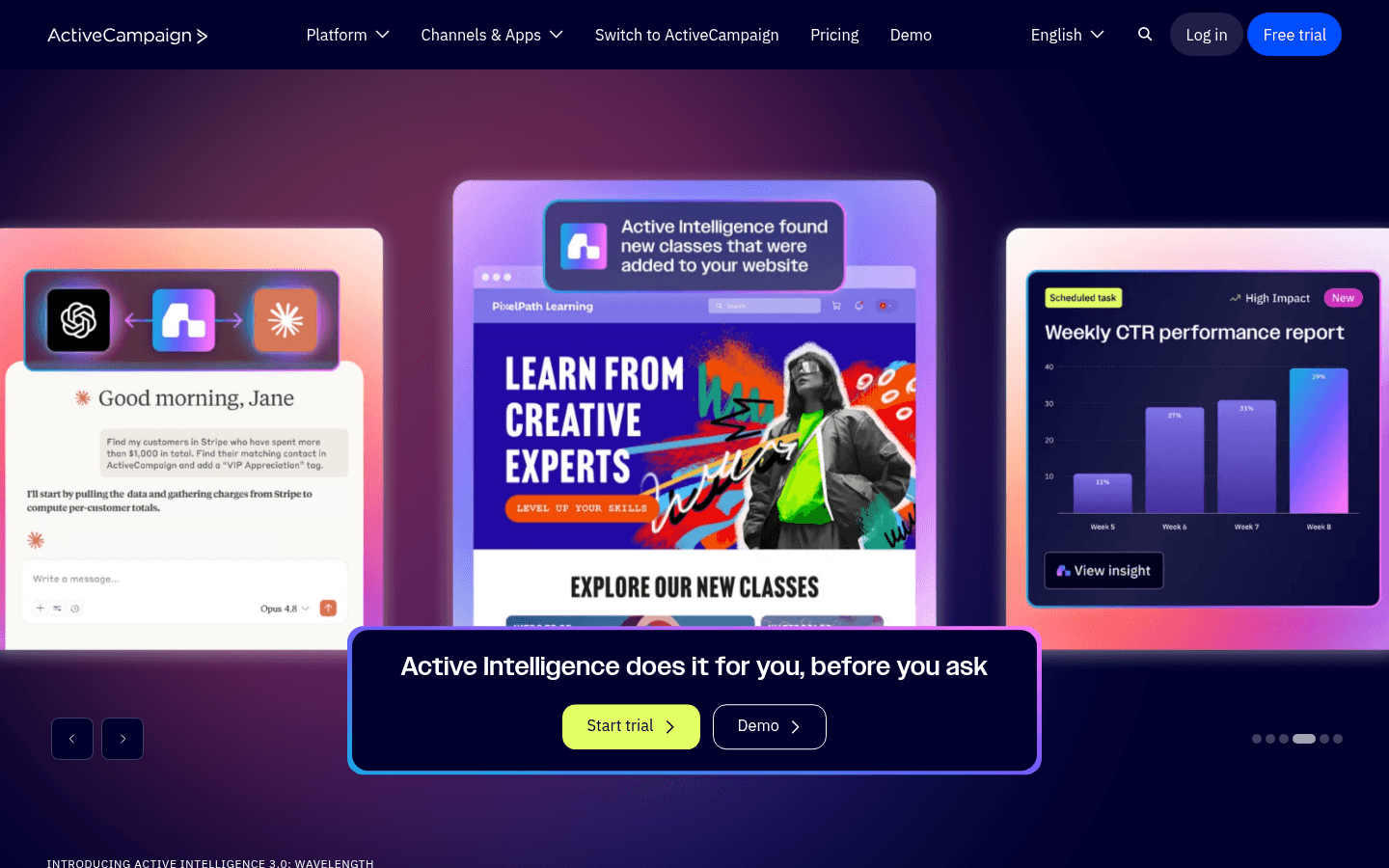
Studio owners with multiple trainers need platforms that handle more complexity - ActiveCampaign or HubSpot can manage multiple client segments, trainer assignments, and location-based campaigns.
Mobile Matters More Than You Think
You are not sitting at a desk all day. Whatever tool you choose should work well on your phone. You need to be able to check campaign results, quickly send a personalized note, or approve a scheduled email between sessions at the gym. Test the mobile experience before committing.
Budget Calculation Is Essential
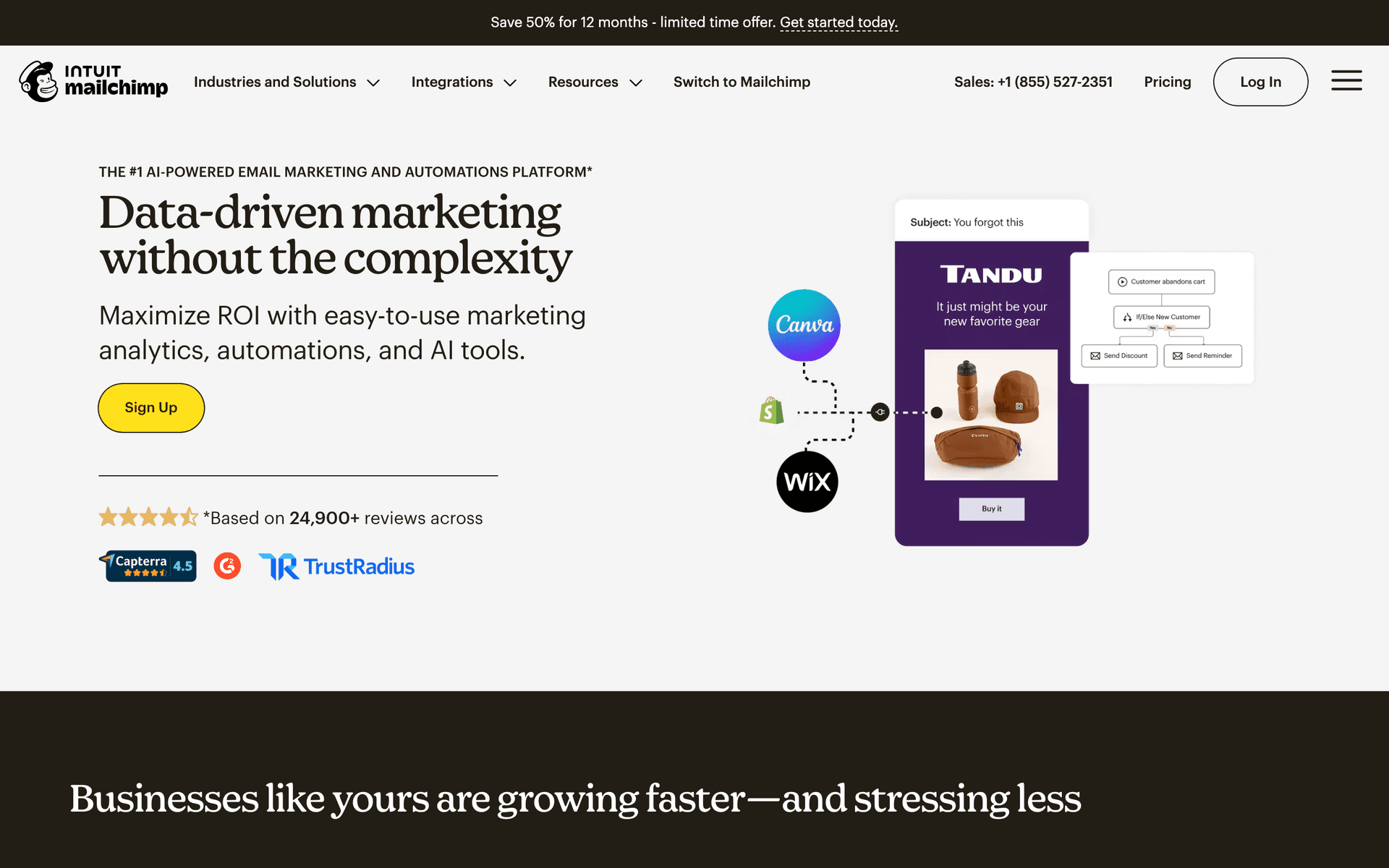
Many trainers run lean operations. Before choosing a platform, calculate the real cost at your actual list size, not the advertised starting price. If you have collected 3,000 leads over the years but only actively email 200 clients, a pay-per-email model from Sequenzy will cost far less than a per-contact plan from Mailchimp.
What Actually Works for Personal Trainers
After talking to many trainers about email marketing, here is what separates those seeing results:
Automate the Essentials First
Session reminders alone justify the cost of email marketing. Trainers who automate reminders see significantly fewer no-shows, which directly impacts revenue. After reminders, set up a new client welcome sequence. These two automations take 30 minutes to set up and run forever.
Personal Trainer Email Benchmark Table
| Email type | Healthy open rate | Healthy click or booking rate | Business metric to connect |
|---|---|---|---|
| Session reminder | 50-70% | 20-35% confirmation clicks | No-show rate reduction |
| New client welcome | 42-55% | 10-18% resource clicks | First-month retention |
| Weekly motivation email | 30-42% | 4-8% click rate | Repeat sessions booked |
| Re-engagement sequence | 35-48% | 6-12% booking clicks | Inactive clients returning |
Stay Motivational, Not Salesy
Your emails should feel like a virtual coaching session. Quick tips, encouragement, and accountability content keeps clients engaged between sessions. The trainers who see the best email results write as if they are talking to a friend, not advertising a business.
Track the Metrics That Matter
Open rates are nice to know, but session bookings and client retention rates are what matter to your business. Track how many sessions are booked through email links and whether your retention rate improves after implementing automated check-ins. These numbers tell you if email marketing is actually working.
| Client status | Email motion | Best timing | Main CTA |
|---|---|---|---|
| New lead | Fitness goal nurture | 3-5 emails over 10 days | Book an assessment |
| New client | Welcome and expectation setting | First week | Confirm schedule and complete intake |
| Active client | Motivation and accountability | Weekly between sessions | Book next session or log progress |
| Inactive client | Restart sequence | 14 days after missed cadence | Pick a comeback session |
Getting Started with Email Marketing
Pick a tool from this list. Then focus on these four steps:
- Import your client contacts from your phone, scheduling tool, and any spreadsheets
- Set up session reminder emails - this is your highest-impact automation
- Create a new client welcome sequence - first impressions matter
- Send a weekly motivation email - keep clients thinking about their fitness goals
Building Your Prospect List
Beyond current clients, build a list of potential future clients:
- Create a free workout guide or nutrition PDF as a lead magnet
- Add an email signup to your social media profiles
- Collect emails from everyone who inquires, even if they do not sign up immediately
- Ask satisfied clients for referrals with a simple forwarding link
Content Calendar for Personal Trainers
A simple monthly calendar keeps your email marketing consistent:
| Week | Content theme | Best example | Conversion angle |
|---|---|---|---|
| Week 1 | Technique tip | How to improve squat depth safely | Builds coaching authority |
| Week 2 | Nutrition habit | High-protein breakfast ideas for busy mornings | Supports results between sessions |
| Week 3 | Client story | Permission-based progress story with specific obstacle | Creates social proof without hype |
| Week 4 | Challenge or offer | 14-day consistency challenge or assessment slots | Turns engagement into bookings |
- Week 1: Workout tip or technique spotlight
- Week 2: Nutrition advice or recipe
- Week 3: Client success story or testimonial
- Week 4: Promotional content or challenge announcement
Start simple and expand later. Consistency beats perfection in email marketing.
What Personal Trainers should prioritize first
For Personal Trainers, email works when it supports habit building, renewals, class attendance, and personal motivation. The software matters, but the operating habit matters more: collect the right contacts, send messages at the right moments, and keep the content useful enough that people keep opening.
Start by comparing the ranked tools above around the workflows you will actually run. A good tool for Personal Trainers should make it easy to segment contacts, write a campaign quickly, automate the obvious follow-ups, and see whether the email produced a booking, sale, reply, renewal, or return visit.
The first workflows to build are usually simple. For this page, the natural starting points are Session Reminder Sequence, New Client Onboarding, Between-Session Motivation, Re-Engagement Sequence. Do not build a complicated journey until those basics are working.
A practical rollout looks like this:
| Week | Focus |
|---|---|
| 1 | Import contacts, clean segments, and write the first useful campaign. |
| 2 | Launch the highest-value reminder or follow-up automation. |
| 3 | Add one educational or trust-building email that is not a promotion. |
| 4 | Review opens, clicks, replies, bookings, purchases, or returned customers. |
The most important page-specific ideas are Automate session reminders to eliminate no-shows; Send between-session motivation that ties to their specific goals; Create a 'results recap' email after milestone sessions. Those should become your first campaigns before you worry about advanced automation.
Choose the tool that makes this cadence realistic. If a platform has more features but makes weekly sending harder, it is the wrong fit. If a simpler platform helps the team communicate consistently and measure the result, it will usually produce more value.