
How to Choose the Right Email Tool
The best email marketing tool depends on your meditation teaching practice:
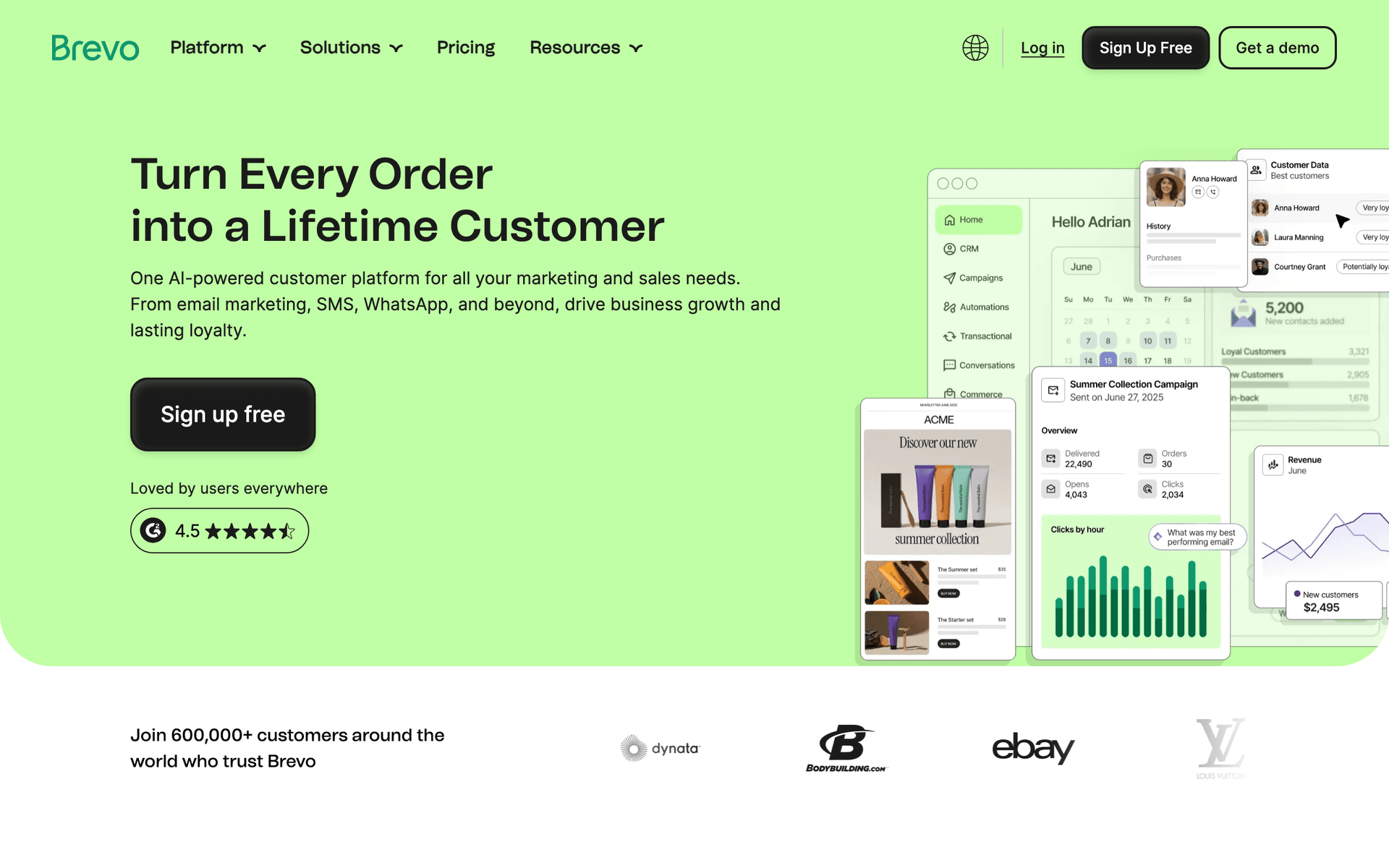
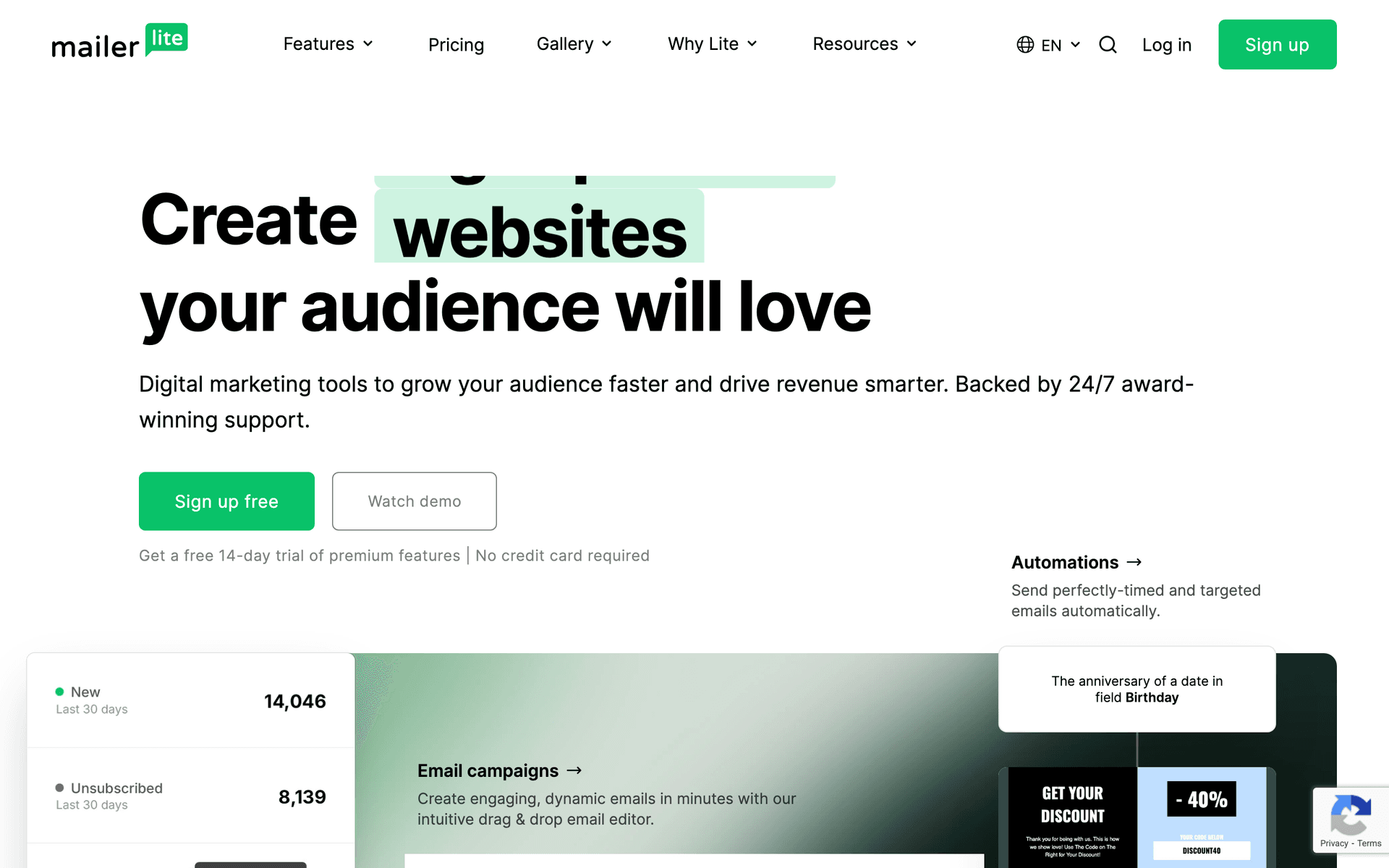
Practice size matters. Solo instructors can use simple tools like Sequenzy or MailerLite. Instructors with teams, multiple programs, or meditation centers need platforms with more organization like ActiveCampaign.
Online offerings. If you sell online courses, guided meditation libraries, or digital content, consider tools with e-commerce features. For in-person sessions only, simpler tools work better.
Budget is real. Most meditation instructors run lean practices. Calculate cost at your expected list size over the next year, not just starting prices. Free tiers from Sequenzy, Mailchimp, and MailerLite let you start at zero cost.
What Actually Works for Meditation Instructors
After talking to many meditation teachers about email marketing:
Daily tips build habits. Students who receive brief daily reminders maintain their practice more consistently. A simple 30-day email sequence with one mindfulness tip per day helps more students than occasional newsletters.
Retreats fill with email. Your existing community is your best audience for retreats and intensives. Email them first before public promotion. This consistently fills 50-70% of seats before external marketing.
Gentle re-engagement works. When students drift away, compassionate check-ins bring them back. A simple 'your practice is waiting' message with a mini-meditation attached outperforms any aggressive win-back campaign.
Meditation Instructor Email Benchmarks
Meditation email should measure practice continuity and program enrollment, not just campaign clicks.
| Email type | Healthy open rate | Healthy click or reply rate | Practice metric |
|---|---|---|---|
| New student welcome | 45-68% | 10-24% | Second session attended |
| Daily mindfulness tip | 38-58% | 5-14% | Practice streak maintained |
| Weekly teaching email | 32-48% | 4-10% | Community engagement |
| Retreat invitation | 35-55% | 8-18% | Seat reserved |
| Lapsed student check-in | 28-42% | 5-12% | Student returns |
The Meditation Teacher Email System
Three automations drive the most value:
New student welcome guides beginners through their first week with practice tips, encouragement, and community introduction. Students who feel supported in the first week are far more likely to develop a consistent practice.
Daily mindfulness tips (opt-in) deliver brief daily wisdom that becomes part of the student's morning routine. This is the single most effective tool for helping students maintain consistent practice between live sessions.
Retreat promotion follows a 4-week sequence starting with the vision and experience, building through testimonials and early registration, and closing with final availability. Email your community first before public promotion.
Meditation Practice Email Table
Keep practice-support emails short and repeatable. The goal is to become part of the student's rhythm.
| Cadence | Email content | Best fit |
|---|---|---|
| Daily | One breath cue or short reflection | Opt-in habit-building series |
| Weekly | Teaching, practice prompt, session reminder | General student list |
| Monthly | Longer reflection and upcoming programs | Broad community |
| Before retreat | Vision, preparation, testimonials | Committed students |
| After absence | Compassionate check-in and easy restart | Lapsed students |
Getting Started
Pick a tool from this list. Then:
- Import your student list from your scheduling or community platform
- Set up a new student welcome automation with practice tips
- Create a re-engagement sequence for students who have not attended in 30 days
- Consider building a daily or weekly mindfulness tip series
- Plan your next retreat promotion as a 4-week email sequence
Start with the welcome sequence and re-engagement automation - these have the most immediate impact on student retention. Add the daily tip series and retreat promotion as you build your email rhythm.
Creating Mindful Email Marketing
The most effective meditation teacher emails do not feel like marketing. They feel like receiving a letter from a wise friend. Brief, genuine, and focused on the student's practice rather than your business goals.
Meditation Student Segment Table
Segment by relationship to the practice so each email feels supportive instead of promotional.
| Segment | Best email content | CTA |
|---|---|---|
| New student | Beginner encouragement and simple practice tips | Attend next session |
| Regular student | Weekly teaching and community reminders | Continue practice |
| Retreat prospect | Experience, preparation, and testimonials | Reserve a spot |
| Online student | Guided audio and course reminders | Continue lesson |
| Lapsed student | Gentle restart and no-pressure invitation | Rejoin when ready |
Write as you teach - with clarity, warmth, and spaciousness. Let your wisdom come through naturally. When your emails consistently provide genuine value, the business outcomes follow. Students who experience your teaching through email want more of it through sessions, courses, and retreats.
The meditation teachers who build the largest, most engaged email communities are the ones who treat every email as an opportunity to serve rather than sell. Start there, and the rest follows.
What Meditation Instructors should prioritize first
For Meditation Instructors, email works when it supports clear communication, consistent follow-up, and measurable customer action. The software matters, but the operating habit matters more: collect the right contacts, send messages at the right moments, and keep the content useful enough that people keep opening.
Start by comparing the ranked tools above around the workflows you will actually run. A good tool for Meditation Instructors should make it easy to segment contacts, write a campaign quickly, automate the obvious follow-ups, and see whether the email produced a booking, sale, reply, renewal, or return visit.
The first workflows to build are usually simple. For this page, the natural starting points are New Student Welcome, Daily Mindfulness Tips, Retreat and Workshop Promotion, Re-engagement for Lapsed Students. Do not build a complicated journey until those basics are working.
A practical rollout looks like this:
| Week | Focus |
|---|---|
| 1 | Import contacts, clean segments, and write the first useful campaign. |
| 2 | Launch the highest-value reminder or follow-up automation. |
| 3 | Add one educational or trust-building email that is not a promotion. |
| 4 | Review opens, clicks, replies, bookings, purchases, or returned customers. |
The most important page-specific ideas are Create a daily mindfulness tip series as an opt-in drip sequence; Fill retreats by emailing your community first, then going public; Use gentle re-engagement instead of aggressive win-back tactics. Those should become your first campaigns before you worry about advanced automation.
Choose the tool that makes this cadence realistic. If a platform has more features but makes weekly sending harder, it is the wrong fit. If a simpler platform helps the team communicate consistently and measure the result, it will usually produce more value.