


Updated 2026-03-15

Best Email Marketing Tools for Therapists

Keep clients engaged between sessions, reduce cancellations, and grow your therapy practice with the right email marketing platform.

Running a therapy practice means more than providing excellent care. You need to keep clients engaged between sessions, reduce no-shows, and attract new clients through referrals. Email marketing helps you stay connected with clients while respecting boundaries. But most email tools are built for retail businesses. Here are 13 platforms that actually work for therapists, ranked by ease of use, automation features, and value for money.

TL;DR

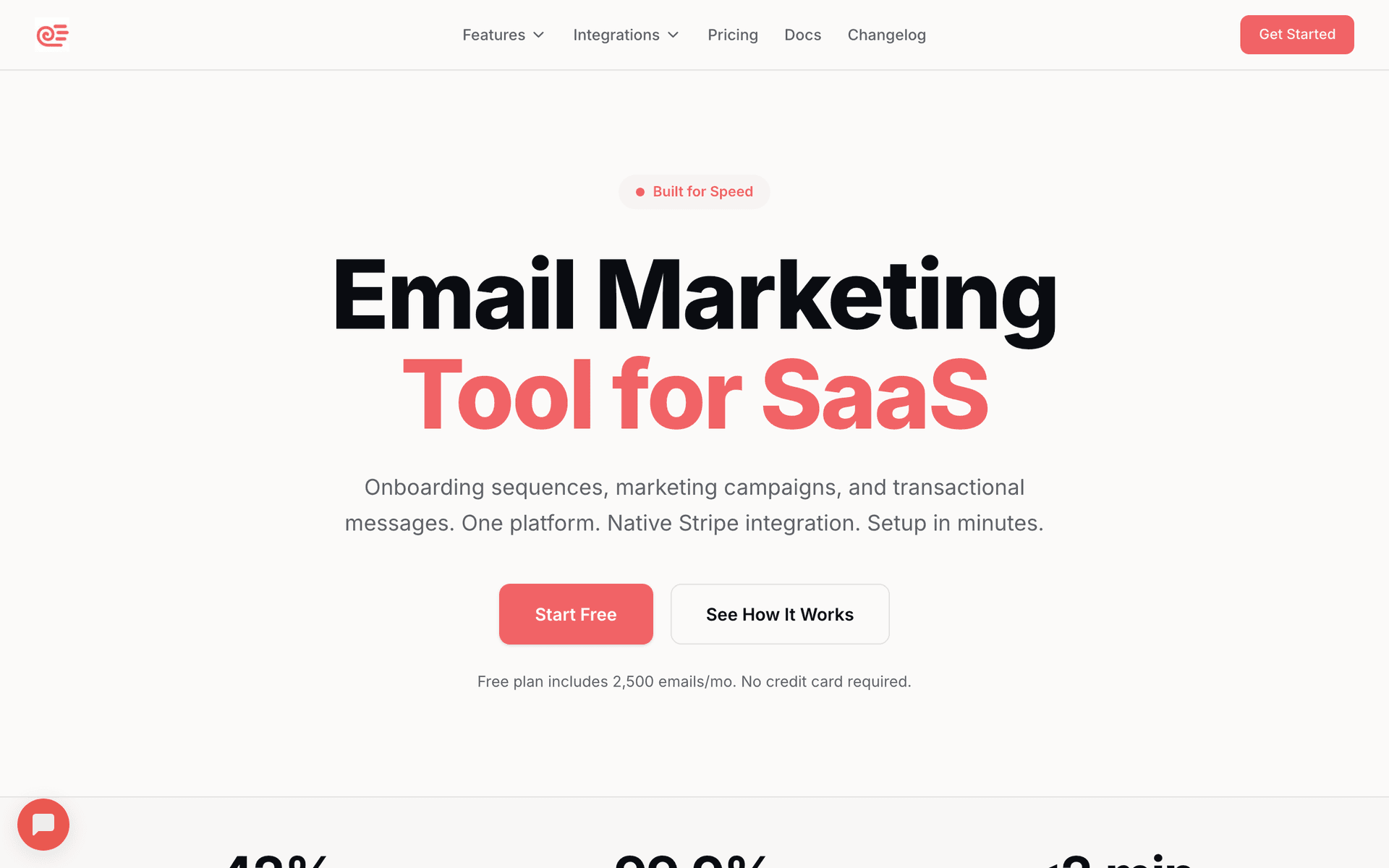
For most therapists, Sequenzy offers the best value - the AI creates supportive client welcome sequences and resource-sharing campaigns, and you can start free with up to 2,500 emails/month. If you want a well-known brand with wide integrations, Mailchimp works but costs add up. For practices wanting phone support and simplicity, Constant Contact is worth the premium.

Why Therapists Need Email Marketing

Support Clients Between Sessions

Growth happens between sessions. Thoughtful emails with resources, exercises, or encouragement support client progress and show you care.

Reduce No-Shows and Cancellations

Automated session reminders reduce missed appointments. That means more consistent progress for clients and steadier income for you.

Nurture Potential Clients

Finding the right therapist takes time. Email sequences help potential clients get to know your approach until they are ready to book.

Build Referral Relationships

Stay connected with referral sources like doctors, schools, and other therapists. Regular updates keep you top of mind.

Therapists Email Marketing Benchmarks

Know these numbers before you start. They'll help you set realistic goals and pick the right tool.

25-33%
Average Open Rate

Therapy practice emails typically see 25-33% open rates. Wellness tips and resource-sharing emails perform best. If you are below 20%, your subject lines may be too clinical or your send frequency too inconsistent.

2-4%
Average Click Rate

Click rates of 2-4% are typical for therapy practice emails. Downloadable resources like worksheets, meditation guides, and journal prompts drive the most clicks. Emails without clear CTAs often fall below 1%.

Tuesday-Wednesday, 9-11am
Best Send Time

Mental health content performs best mid-week during morning hours when people are reflective and planning their week. Avoid Monday mornings (inbox overload) and Friday afternoons (checked out). Weekend mornings also work well for wellness content.

Under 0.3%
Unsubscribe Rate

Therapy practices should maintain unsubscribe rates under 0.3% per email. Higher rates suggest your content is too frequent, too promotional, or not relevant to your audience. For past clients, rates above 0.5% may indicate boundary concerns.

Important Tips Before You Choose

Lessons from therapistswho've been doing this for years. Save yourself the trial and error.

Keep marketing emails separate from clinical communication

Your clients need to clearly understand when they are receiving a wellness newsletter versus a personal message from their therapist. Use a different sender name or email address for marketing content. This protects the therapeutic relationship and avoids confusion about boundaries.

Share general wellness content, not clinical advice

The best therapy newsletters focus on general mental health education - stress management techniques, sleep hygiene tips, mindfulness exercises. Avoid anything that could be perceived as therapy-by-email. Think psychoeducation, not treatment. This approach helps your entire list, not just active clients.

Automate between-session resource sharing

After each session, trigger an automated email with a relevant worksheet, article, or exercise related to what you discussed. This adds value between sessions and demonstrates ongoing support. Most EHR systems can trigger these through Zapier integrations.

Use referral source nurturing to grow consistently

Doctors, schools, and other therapists are your best referral sources. Send them a quarterly update about your specialties, availability, and any new services. A brief, professional email keeps you top of mind when they need to refer a patient.

Segment by client status for appropriate communication

Active clients, past clients, prospective clients, and referral sources all need different messaging. A prospective client needs information about your approach and availability. A past client might appreciate a quarterly wellness check-in. An active client benefits from between-session resources.

Promote workshops and groups through email sequences

If you run group therapy, workshops, or psychoeducation classes, email is your most effective promotion channel. Build a 3-email sequence: announcement with details, FAQ follow-up addressing common concerns, and a final availability reminder. Personal, warm language outperforms clinical copy.

13 Best Email Marketing Tools for Therapists

Our Top Pick for Therapists
#1
Sequenzy

AI-powered email marketing built for service businesses. Creates client sequences automatically.

Visit

Sequenzy is the best fit for most therapy practices because it removes the biggest barrier - finding time to create email content between sessions. The AI sequence builder generates welcome sequences, resource-sharing campaigns, and gentle check-ins in seconds. Describe what you need in plain language and get a complete, boundary-appropriate sequence ready to review and send. The free tier covers up to 2,500 emails per month, which is enough for most solo practitioners to run their entire email program at zero cost. The $29/month paid plan covers 50,000 emails with unlimited contacts, so you never pay extra for maintaining years of client records. The interface is simple enough to manage between sessions without technical help.

Best for
Therapists wanting automated client communication without complexity
Pricing
Free up to 2,500 emails/mo, then $29/mo for 50K emails (unlimited contacts)

Pros

  • AI writes supportive client sequences
  • Simple interface you can manage yourself
  • Pay for emails sent, not contacts stored
  • Direct founder support

Cons

  • Launched in 2025, less track record
  • No built-in SMS
  • Fewer templates than established competitors
#2
Mailchimp

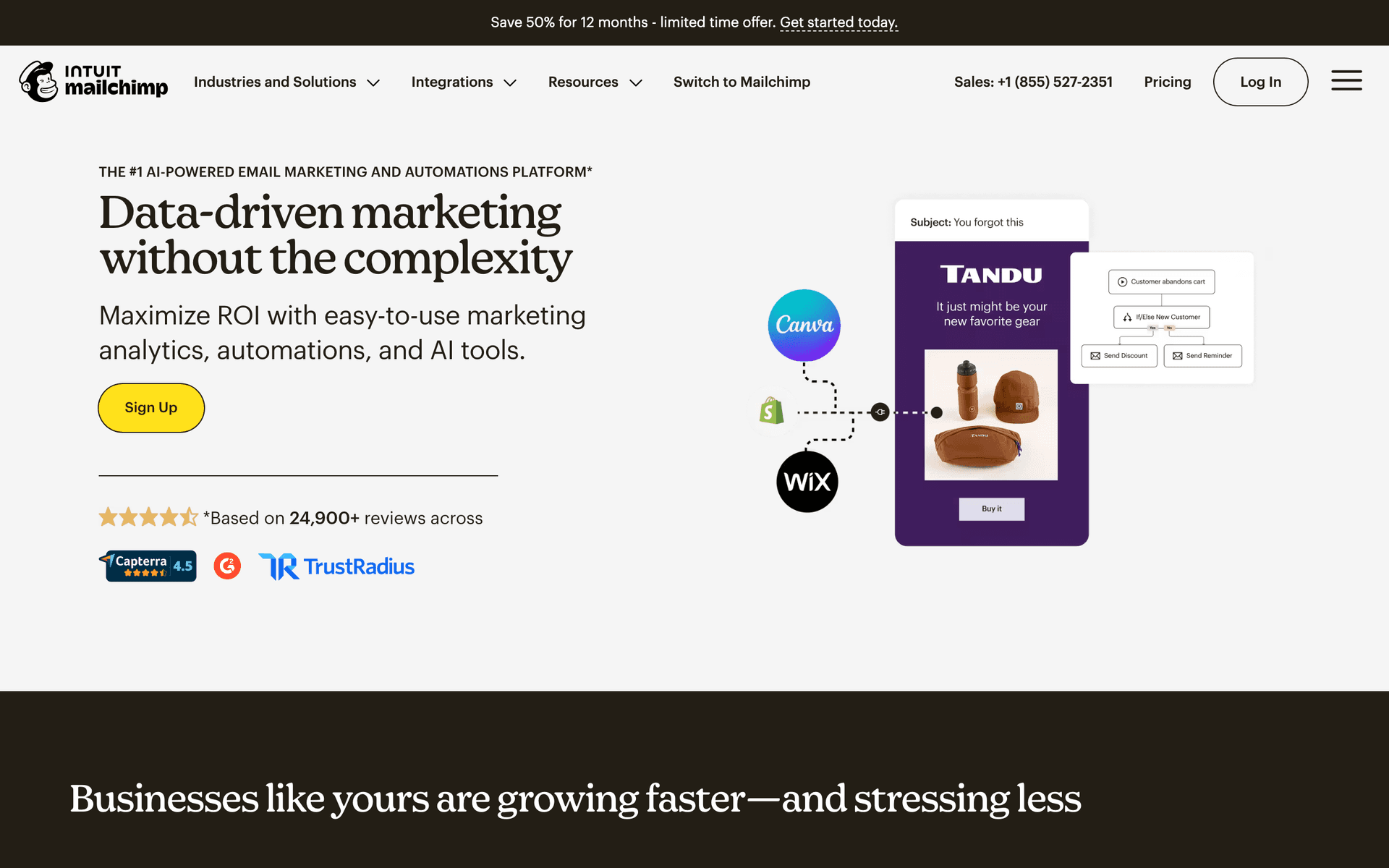
The most popular email marketing platform. Solid features but can get expensive.

Visit

Mailchimp is the platform most therapists have heard of, and that familiarity has value. The template library is extensive with professional designs suitable for wellness branding, and the automation builder handles basic newsletter and lead nurturing sequences. The frustration for therapy practices is the per-contact pricing: once your contact list grows past a few thousand over years of practice, costs add up quickly. The free tier at 500 contacts is limiting for established practices. If you want brand recognition and are comfortable with the pricing, Mailchimp is competent.

Best for
Therapists wanting a well-known platform
Pricing
Free up to 500 contacts, then $13-350/month

Pros

  • Extensive templates
  • Many integrations
  • Strong deliverability
  • Good analytics

Cons

  • Gets expensive fast
  • Interface overwhelming
  • Support has declined
  • Not designed for healthcare
#3
Constant Contact

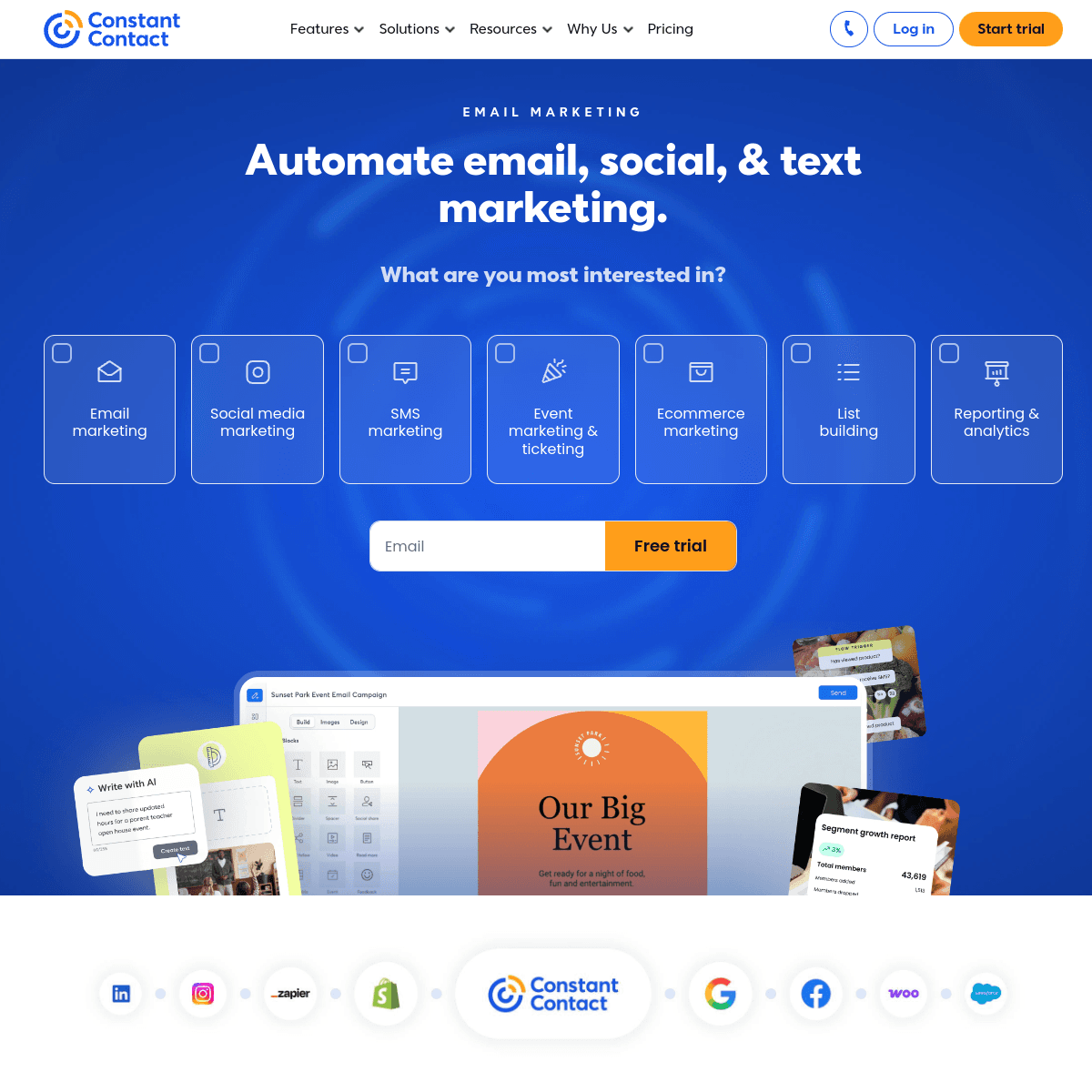
Long-standing email platform popular with small businesses.

Visit

Constant Contact is reliable and genuinely easy to use. The phone support stands out - you can call and get help from a real person, which matters when you are a therapist who would rather spend time with clients than learning email software. Event features work well for promoting workshops and group sessions. Templates are a bit dated compared to newer platforms, but the simplicity and support quality make up for it.

Best for
Therapists wanting simple email with phone support
Pricing
From $12/month for 500 contacts

Pros

  • Very easy to use
  • Excellent phone support
  • Event management
  • Social integration

Cons

  • Limited automation
  • Dated templates
  • Higher prices
  • Basic segmentation
#4
ActiveCampaign

Powerful automation platform with a learning curve.

Visit

ActiveCampaign is the most powerful automation tool on this list. You can build sophisticated sequences with conditional logic based on client journey stage, service type, or engagement level. The CRM tracks each contact through the intake pipeline. This is excellent for group practices with administrative support staff who can manage the complexity. For solo practitioners, the learning curve is steep and the features are likely more than you need.

Best for
Group practices with administrative support
Pricing
From $29/month for 1,000 contacts

Pros

  • Excellent automation
  • CRM included
  • Great deliverability
  • Detailed scoring

Cons

  • Steep learning curve
  • Overkill for solo therapists
  • Complex interface
  • Price jumps with features
#5
Brevo

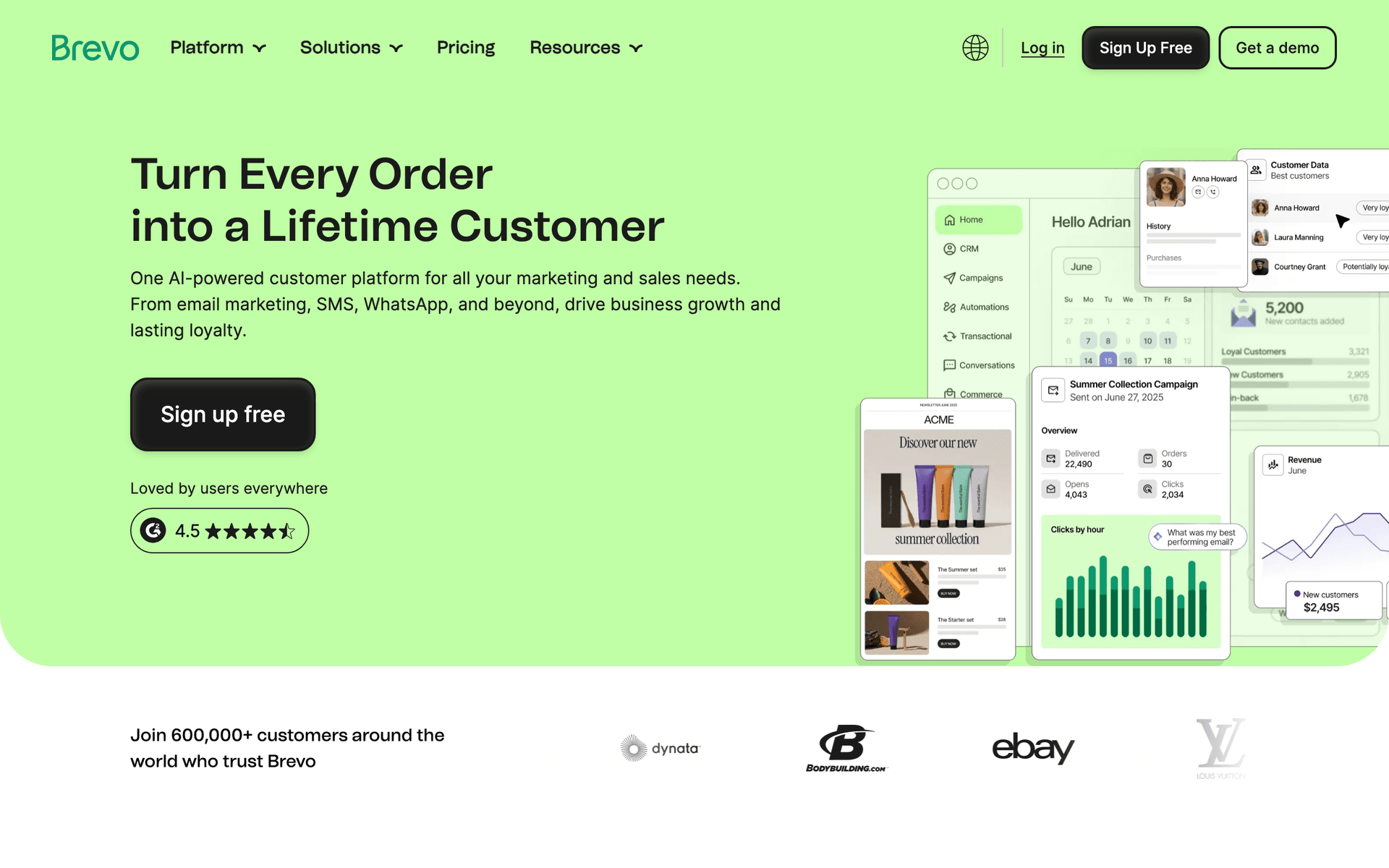
Formerly Sendinblue. Good value with transactional email included.

Visit

Brevo offers great value for therapy practices watching their budget. The free tier gives 300 emails per day, which covers most solo practitioners. SMS is included for appointment reminders, which is genuinely useful for reducing no-shows. For budget-conscious therapists wanting email and SMS together without paying for two tools, Brevo is an excellent choice. Support response times can vary, which is the main drawback.

Best for
Budget-conscious therapists needing email and SMS
Pricing
Free up to 300 emails/day, then from $25/month

Pros

  • SMS included
  • Generous free tier
  • Transactional included
  • Good automation

Cons

  • Daily limits on free
  • Support can be slow
  • Limited integrations
  • Branding on free tier
#6
MailerLite

Clean, simple email marketing with good automation.

Visit

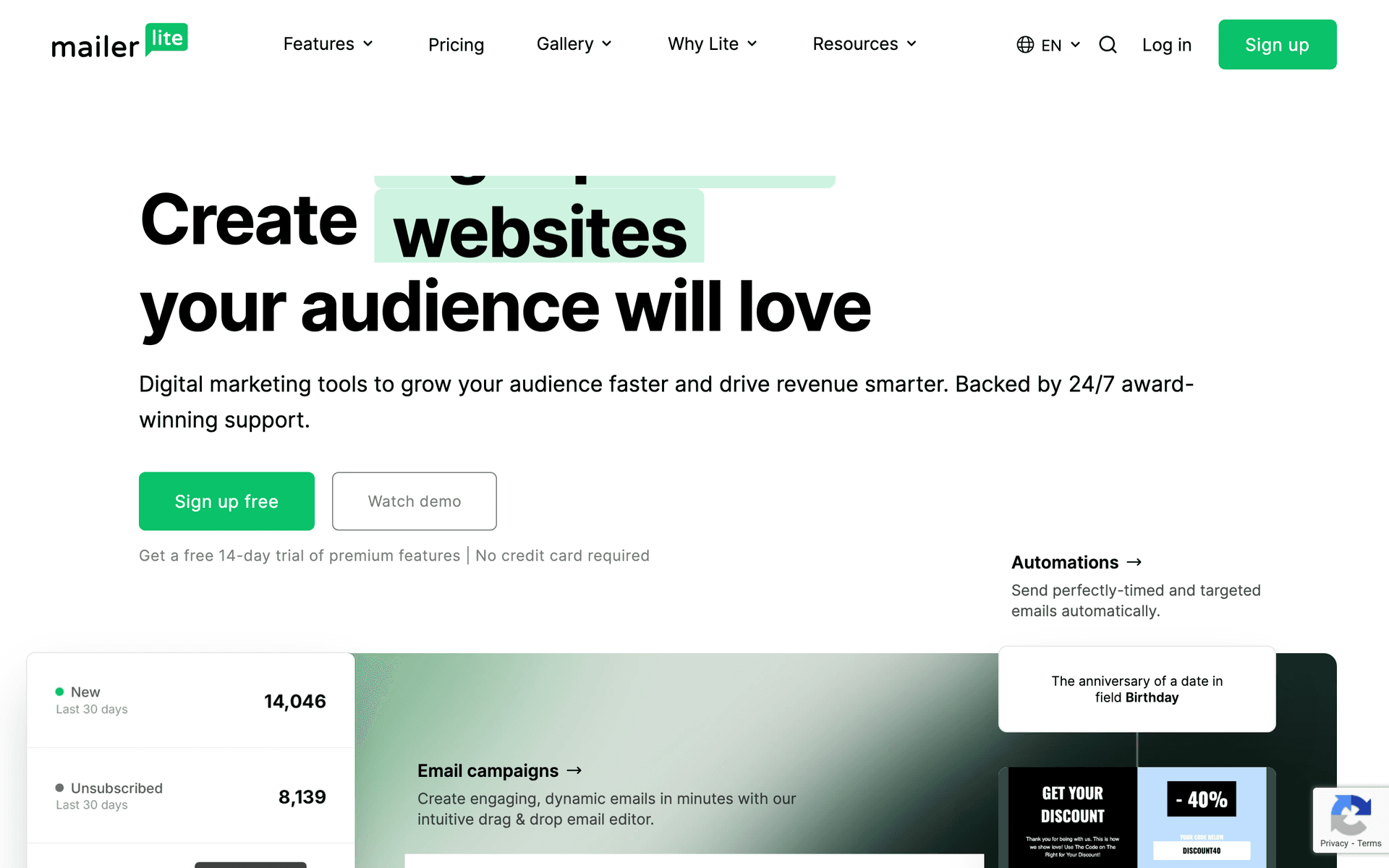
MailerLite is my recommendation for therapists wanting simple and affordable email marketing. The interface is clean and modern, the free tier is generous at 1,000 subscribers, and the automation workflows are intuitive enough for non-technical users. Perfect for therapists wanting email to just work without a learning curve. The strict approval process occasionally flags healthcare businesses, which can delay getting started by a few days.

Best for
Therapists wanting simplicity and affordability
Pricing
Free up to 1,000 subscribers, then from $10/month

Pros

  • Very affordable
  • Clean interface
  • Good landing pages
  • Generous free tier

Cons

  • Strict approval
  • Limited advanced features
  • Basic reporting
  • Healthcare sometimes flagged
#7
Drip

E-commerce focused but works for selling courses or programs.

Visit

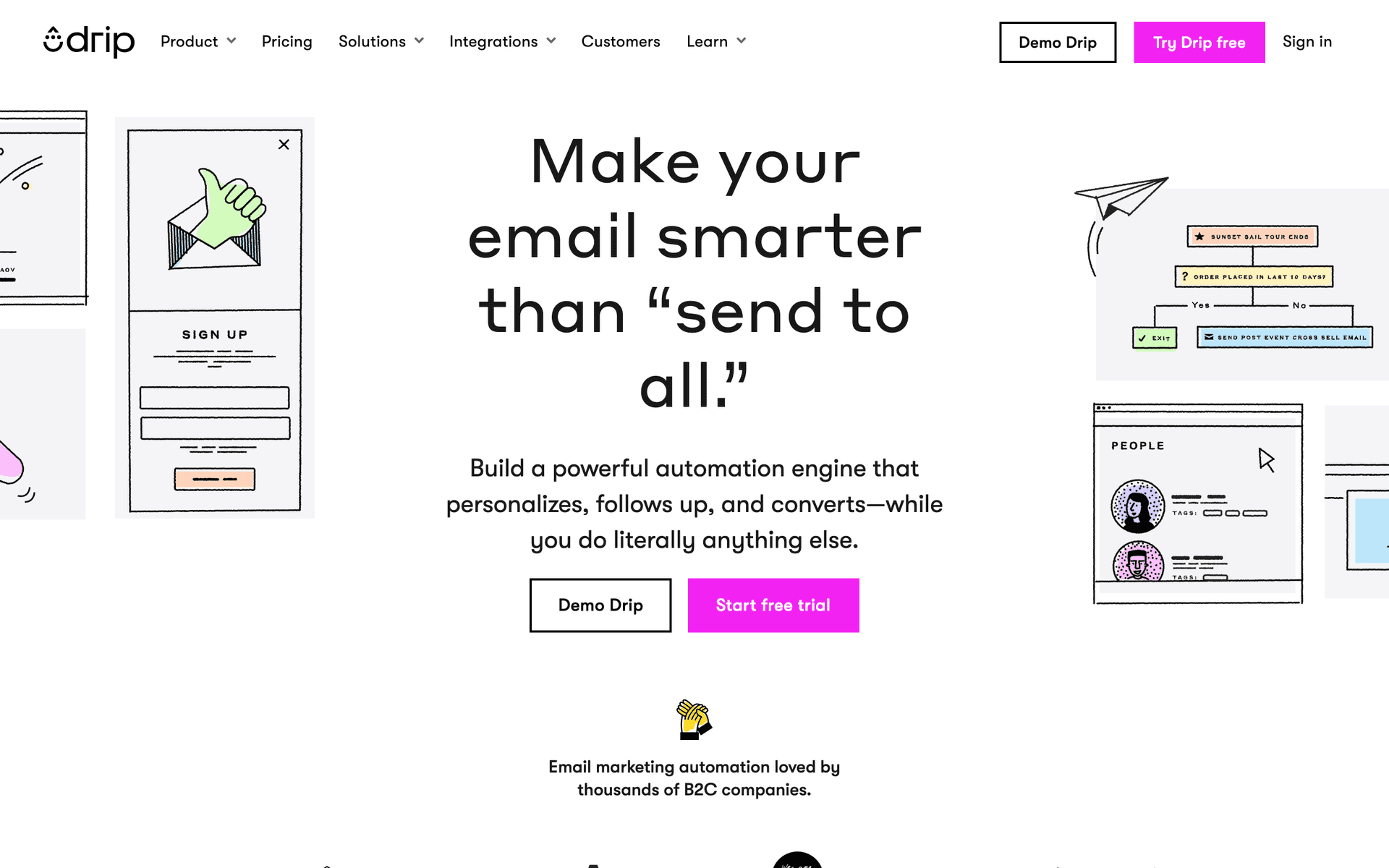
Drip is built for online sales, and it shows. If you sell online courses, workbooks, meditation programs, or digital therapeutic resources, Drip tracks revenue attribution beautifully. At $39/month minimum though, only consider Drip if digital product sales are a significant part of your practice income. For service-only therapy practices, there are better options.

Best for
Therapists selling online courses or programs
Pricing
From $39/month for 2,500 contacts

Pros

  • Strong automation
  • Revenue tracking
  • E-commerce features
  • Detailed analytics

Cons

  • Built for e-commerce
  • Expensive
  • Overkill for therapy-only
  • Learning curve
#8
GetResponse

All-in-one marketing platform with webinars and landing pages.

Visit

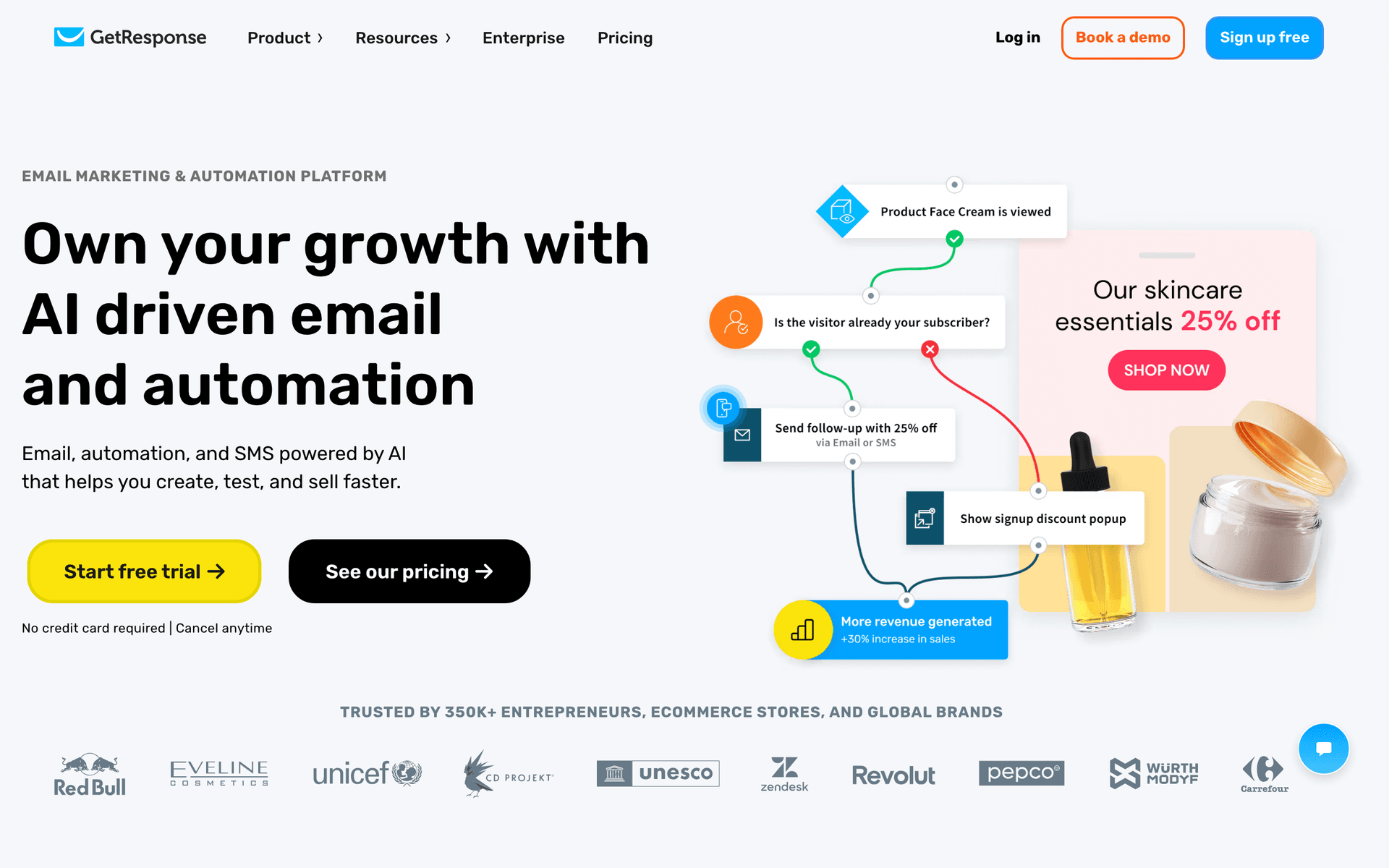
GetResponse includes email, landing pages, and webinars in one package. For therapists running workshops, psychoeducation groups, or online programs, the webinar hosting is genuinely useful. The landing page builder works well for promoting group therapy sessions or new client intake. Good value if you use the additional features beyond basic email.

Best for
Therapists running workshops or group programs
Pricing
From $19/month for 1,000 contacts

Pros

  • Webinar hosting
  • Landing page builder
  • Automation templates
  • Competitive pricing

Cons

  • Busy interface
  • Email editor could improve
  • Support varies
  • Features feel bolted on
#9
AWeber

One of the original email platforms. Simple and reliable.

Visit

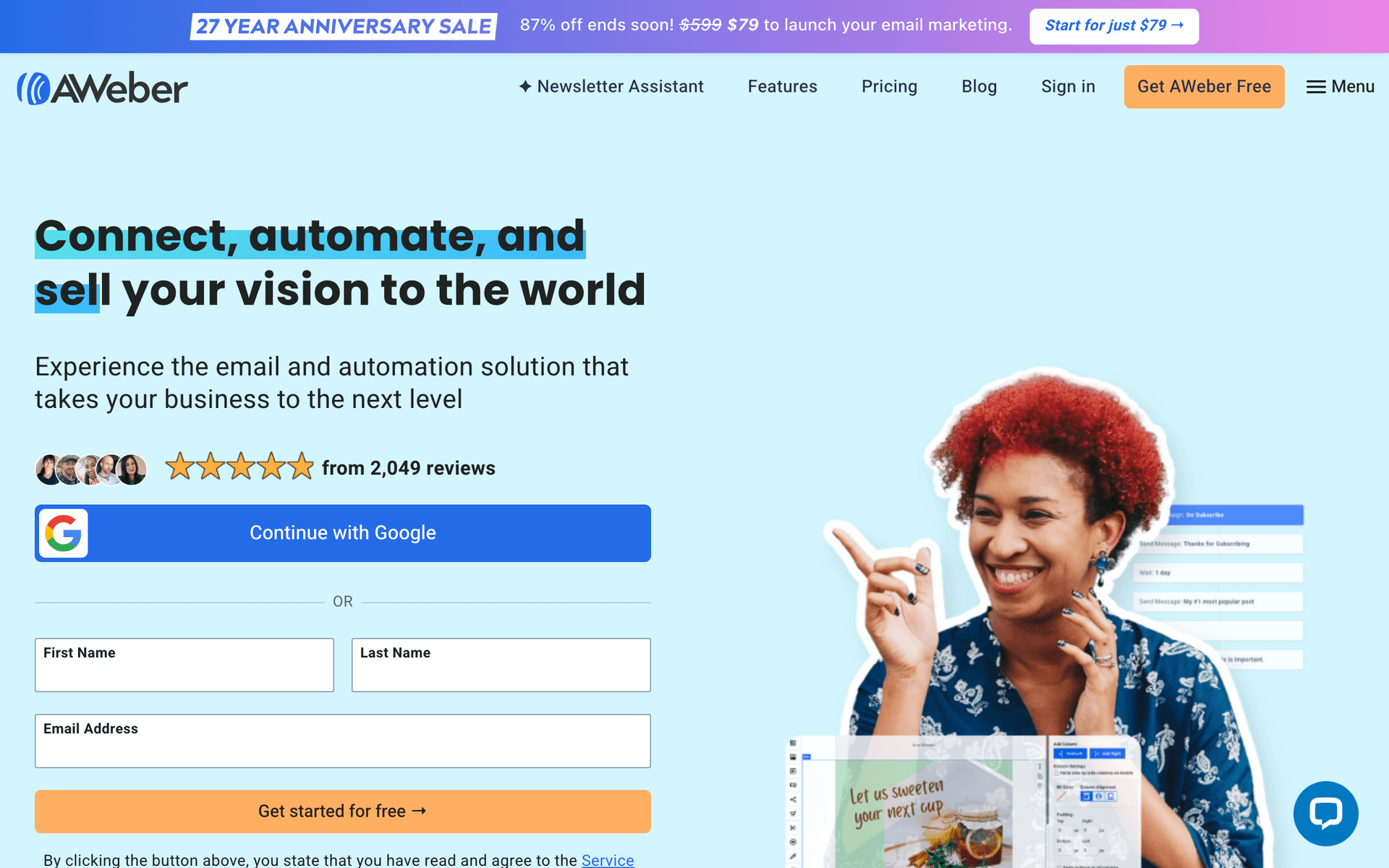
AWeber has been around since 1998 and everything works reliably even if the interface feels dated. Deliverability is excellent from decades of sender reputation building. For therapists wanting simple, dependable wellness newsletters without any complexity or learning curve, AWeber handles the basics well. Do not expect modern features or innovation.

Best for
Therapists wanting no-frills reliability
Pricing
Free up to 500 subscribers, then from $15/month

Pros

  • Reliable deliverability
  • Simple to use
  • Good support
  • Long track record

Cons

  • Feels dated
  • Limited automation
  • Basic templates
  • Little innovation
#10
ConvertKit

Built for creators but works for content-focused therapists.

Visit

ConvertKit is designed for content creators, and it serves therapists who create regular educational content well. If you write a mental health blog, host a podcast, or create regular newsletter content about wellness topics, ConvertKit handles subscriber management beautifully. The tag-based automation is intuitive. If you are not producing regular content though, this is the wrong tool for your practice.

Best for
Therapists who create content regularly
Pricing
Free up to 1,000 subscribers, then from $29/month

Pros

  • Great for newsletters
  • Clean management
  • Tag-based automation
  • Creator features

Cons

  • Not for healthcare
  • Limited design
  • No free landing pages
  • Expensive at scale
#11
HubSpot

Enterprise marketing platform with email included.

Visit

HubSpot is the enterprise solution built for large organizations with dedicated marketing teams. For large group practices with marketing staff and complex multi-provider operations, it can make sense. For typical solo or small group therapy practices, HubSpot is massive overkill with unnecessary complexity and significant cost.

Best for
Large group practices with marketing staff
Pricing
Free basic, paid from $50/month (realistically $200+)

Pros

  • Full CRM
  • Great for teams
  • Excellent reporting
  • Many integrations

Cons

  • Overkill for solo therapists
  • Expensive
  • Complex setup
  • Ecosystem commitment
#12
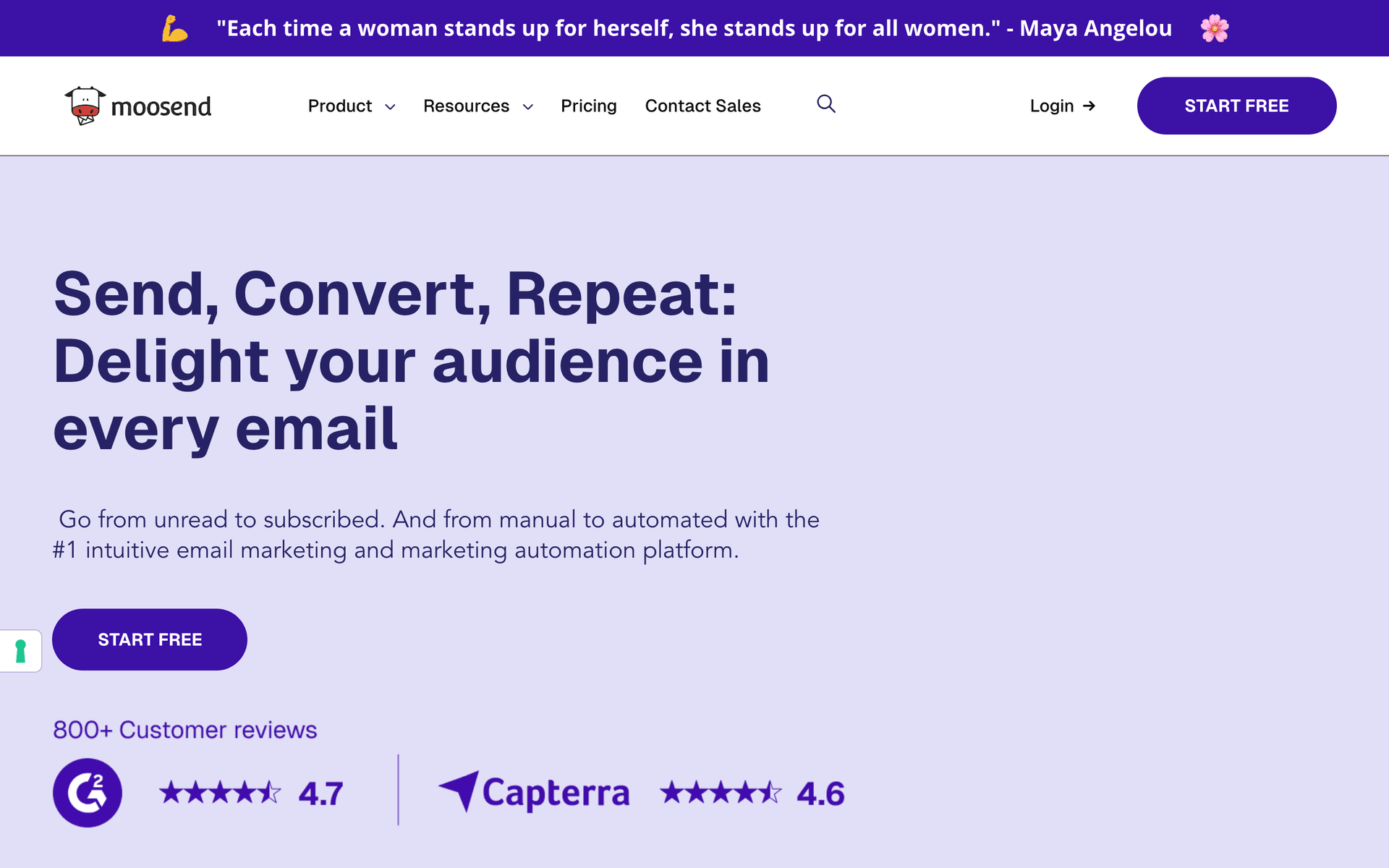
Moosend

Budget email marketing with solid features.

Visit

Moosend is the budget underdog that delivers more than expected for the price. Starting at $9/month, you get automation workflows, landing pages, and decent reporting. Support is responsive when you need help. If budget is your primary concern and you need more than the most basic email capabilities, Moosend provides solid value.

Best for
Very price-conscious therapists
Pricing
From $9/month for 500 subscribers

Pros

  • Very affordable
  • Good automation
  • Responsive support
  • Landing pages

Cons

  • Less known
  • Limited integrations
  • Smaller templates
  • Fewer features
#13
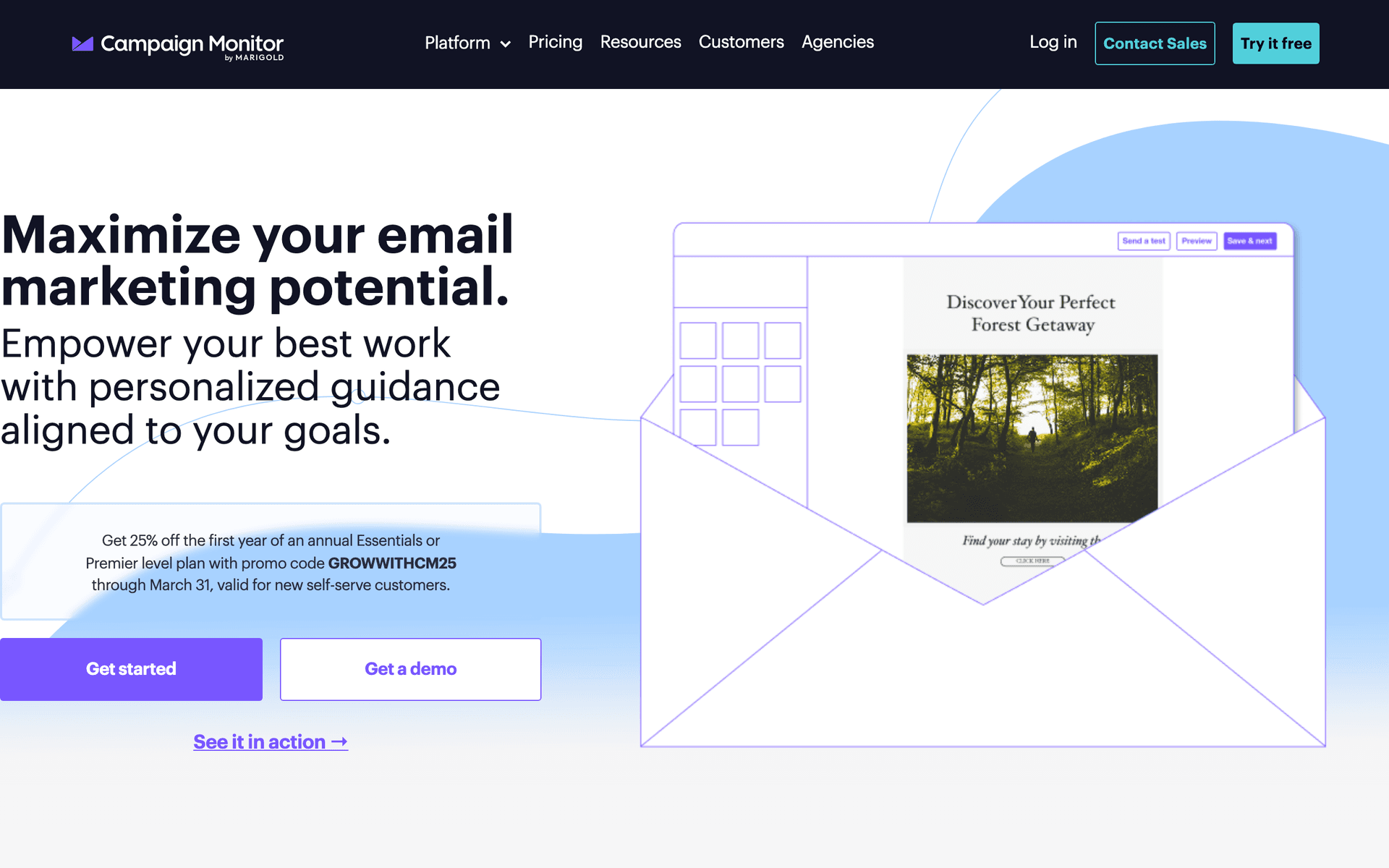
Campaign Monitor

Professional email marketing with beautiful templates.

Visit

Campaign Monitor has some of the best-looking templates available. If your practice brand emphasizes aesthetics and professionalism, Campaign Monitor delivers beautifully designed emails that reflect that positioning. The editor is smooth and the link review feature catches errors before sending. Automation is limited compared to dedicated platforms, but the visual presentation is excellent.

Best for
Therapists prioritizing email design
Pricing
From $9/month for 500 contacts

Pros

  • Beautiful templates
  • Professional emails
  • Reliable delivery
  • Link review

Cons

  • Contact-based pricing
  • Limited automation
  • Gets expensive
  • Not healthcare-specific

Feature Comparison

FeatureSequenzyMailchimpConstant ContactActiveCampaign
Session reminders
Resource sharing sequences
Basic
AI content generation
Drag-and-drop editor
Automation workflows
Basic
SMS marketing
Free tier available

Common Mistakes to Avoid

We see these mistakes over and over. Skip the learning curve and avoid these from day one.

Including clinical information in marketing emails

Never reference specific sessions, diagnoses, or treatment details in marketing emails. This violates privacy boundaries and potentially HIPAA. Keep marketing content general and educational. Clinical communication belongs in your secure messaging system, not your email marketing tool.

Going silent for months between campaigns

Many therapists send one newsletter, get busy with clients, and forget about email for six months. This inconsistency makes your occasional emails feel random rather than valuable. Set up a monthly cadence with pre-written content so it runs even during your busiest periods.

Using clinical language in subject lines

Subject lines mentioning 'anxiety,' 'depression,' or 'therapy' can feel uncomfortable for subscribers who read email in public or shared spaces. Use softer, wellness-focused language like 'A breathing exercise for stressful days' rather than 'Managing your anxiety symptoms.'

Not having an easy unsubscribe process

For therapy practices especially, subscribers must feel in control of the relationship. A difficult unsubscribe process can damage trust with current or past clients. Make it one click, and honor requests immediately.

Treating all contacts the same

Sending the same email to a prospective client exploring therapy for the first time and a long-term client with years of history creates an impersonal experience. At minimum, separate your list into prospects, active clients, and past clients.

Email Sequences Every Therapist Needs

These are the essential automated email sequences that will help you grow your business and keep clients coming back.

New Client Welcome

When client books first session

Set expectations and reduce first-session anxiety. Help clients feel prepared and comfortable.

Immediately
Welcome to your therapy journey, {{first_name}}

Thank them for reaching out. What to expect in the first session.

2 days before
Preparing for your first session

Practical information. Where to park, what to bring, how sessions work.

1 day after
Thank you for sharing with me

Acknowledge their courage. Confirm next steps.

Between-Session Support

After each session

Support client progress between sessions with resources and encouragement.

Day after session
A resource for what we discussed

Share relevant article, exercise, or worksheet based on session content.

3 days after
How are you doing this week?

Gentle check-in. Reminder they can reach out if needed.

Workshop or Group Promotion

When launching new program

Promote therapy groups, workshops, or educational events to your community.

2 weeks before
New {{program_type}} starting soon

Introduce the program. Who it is for and what they will gain.

1 week before
Questions about {{program_name}}?

Address common questions. Build trust.

3 days before
Last spots available for {{program_name}}

Create gentle urgency. Easy signup link.

Referral Source Nurturing

Quarterly

Stay connected with doctors, schools, and other referral sources.

Quarterly
Update from {{practice_name}}

Share your specialties, availability, and any new services. Keep relationship warm.

How to Choose the Right Email Tool for Your Therapy Practice

The best email marketing tool depends on your specific practice structure and communication needs.

Solo vs Group Practice

Solo therapists can use simpler tools like Sequenzy or MailerLite. You do not need team collaboration features or complex role-based access when one person handles everything. Group practices with multiple providers need platforms that support multiple sender identities and shared templates, which ActiveCampaign and HubSpot handle well.

Content Creation Habits

If you regularly blog, create educational content, or run a mental health newsletter, tools like ConvertKit are designed for that workflow. If you want to send occasional newsletters and automated sequences without creating content from scratch, AI-powered tools like Sequenzy save significant time.

Budget Considerations

Therapists often run lean practices with tight margins. Calculate what each tool costs at your actual contact list size, not the starting price. A tool advertising $13/month might cost $75+ when you have accumulated 3,000 contacts over years of practice. Per-email pricing protects you from this inflation.

What Actually Works for Therapy Practices

After talking to many therapists about their email marketing experiences:

Respect Boundaries Always

Keep marketing completely separate from clinical communication. General wellness content works better than anything that feels like therapy. Subscribers should never wonder if an email is personal clinical correspondence or a general newsletter.

Support Without Intruding

Between-session emails should feel supportive and empowering, never demanding or anxiety-inducing. Resources, exercises, and gentle check-ins work well. Avoid language that creates urgency or obligation around engagement.

Focus on Education

The best therapy newsletters teach readers something useful about mental health without crossing into clinical territory. One actionable wellness tip per email is more valuable than a lengthy clinical discussion. Keep emails under 300 words for the highest engagement.

Privacy and Compliance Considerations

Therapy practices operate in a sensitive space where privacy is paramount. While standard email marketing tools are not HIPAA-covered entities, you should still practice good data hygiene.

What to Include in Marketing Emails

General wellness tips, practice announcements, new service offerings, workshop promotions, seasonal mental health content, and educational resources are all appropriate for marketing emails.

What to Never Include

Individual client information, session details, treatment plans, diagnoses, or any content that identifies someone as a current or past therapy client should never appear in marketing communications.

List Management

Keep your marketing email list separate from your EHR system. Contacts should opt in to marketing communications voluntarily. When a client terminates therapy, do not automatically add them to your marketing list - let them choose.

Building Your Email Program

Month 1: Foundation

Set up your tool, import contacts with proper segmentation, and create a new client welcome sequence. This is your highest-priority automation because it immediately improves the client experience.

Month 2: Content

Create your first monthly wellness newsletter template. Build a small library of between-session resource emails that can be triggered manually or automatically after sessions.

Month 3: Growth

Set up a referral source nurturing sequence and a prospective client nurture campaign. Add an email signup form to your website with a downloadable wellness resource as the incentive.

Ongoing

Send monthly newsletters consistently. Review metrics quarterly. Adjust content based on what your audience engages with most. The most successful therapy practice email programs are built slowly and consistently over time.

Getting Started

Pick a tool from this list. Then:

  1. Import your contact list with proper segmentation
  2. Set up a new client welcome sequence
  3. Create a monthly wellness newsletter template
  4. Build a referral source quarterly update

Start simple and expand later. Consistency matters more than complexity.

How We Evaluated These Tools

Tools were evaluated based on their fit for therapy practice needs - HIPAA-adjacent privacy considerations, boundary-appropriate communication features, simple interfaces for solo practitioners, and pricing that works with smaller but highly engaged contact lists.

Frequently Asked Questions

Ready to grow your therapist practice?

Start your free trial today. Set up your first email sequence in minutes with AI-powered content generation.

Related Industries

Sequenzy - Complete Pricing Guide

Pricing Model

Sequenzy uses email-volume-based pricing. You only pay for emails you send. Unlimited contacts on all plans — storing subscribers is always free.

All Pricing Tiers

  • 2.5k emails/month: Free (Free annually)
  • 15k emails/month: $19/month ($205/year annually)
  • 60k emails/month: $29/month ($313/year annually)
  • 120k emails/month: $49/month ($529/year annually)
  • 300k emails/month: $99/month ($1069/year annually)
  • 600k emails/month: $199/month ($2149/year annually)
  • 1.2M emails/month: $349/month ($3769/year annually)
  • Unlimited emails/month: Custom pricing (Custom annually)

Yearly billing: All plans offer a 10% discount when billed annually.

Free Plan Features (2,500 emails/month)

  • Visual automation builder
  • Transactional email API
  • Reply tracking & team inbox
  • Goal tracking & revenue attribution
  • Dynamic segments
  • Payment integrations
  • Full REST API access
  • Custom sending domain

Paid Plan Features (15k - 1.2M emails/month)

  • Visual automation builder
  • Transactional email API
  • Reply tracking & team inbox
  • Goal tracking & revenue attribution
  • Dynamic segments
  • Payment integrations (Stripe, Paddle, Lemon Squeezy)
  • Full REST API access
  • Custom sending domain

Enterprise Plan Features (Unlimited emails)

  • Visual automation builder
  • Transactional email API
  • Reply tracking & team inbox
  • Goal tracking & revenue attribution
  • Dynamic segments
  • Payment integrations
  • Full REST API access
  • Custom sending domain

Important Pricing Notes

  • You only pay for emails you send — unlimited contacts on all plans
  • No hidden fees - all features included in the price
  • No credit card required for free tier

Contact

  • Pricing Page: https://sequenzy.com/pricing
  • Sales: hello@sequenzy.com