
Overview
Mailgun and Brevo (formerly Sendinblue) serve different purposes. Mailgun is a developer-focused transactional email API. Brevo is an all-in-one marketing platform with email, SMS, CRM, and automation. See our Mailgun comparison and Brevo alternatives for more options.
Different Tools for Different Needs
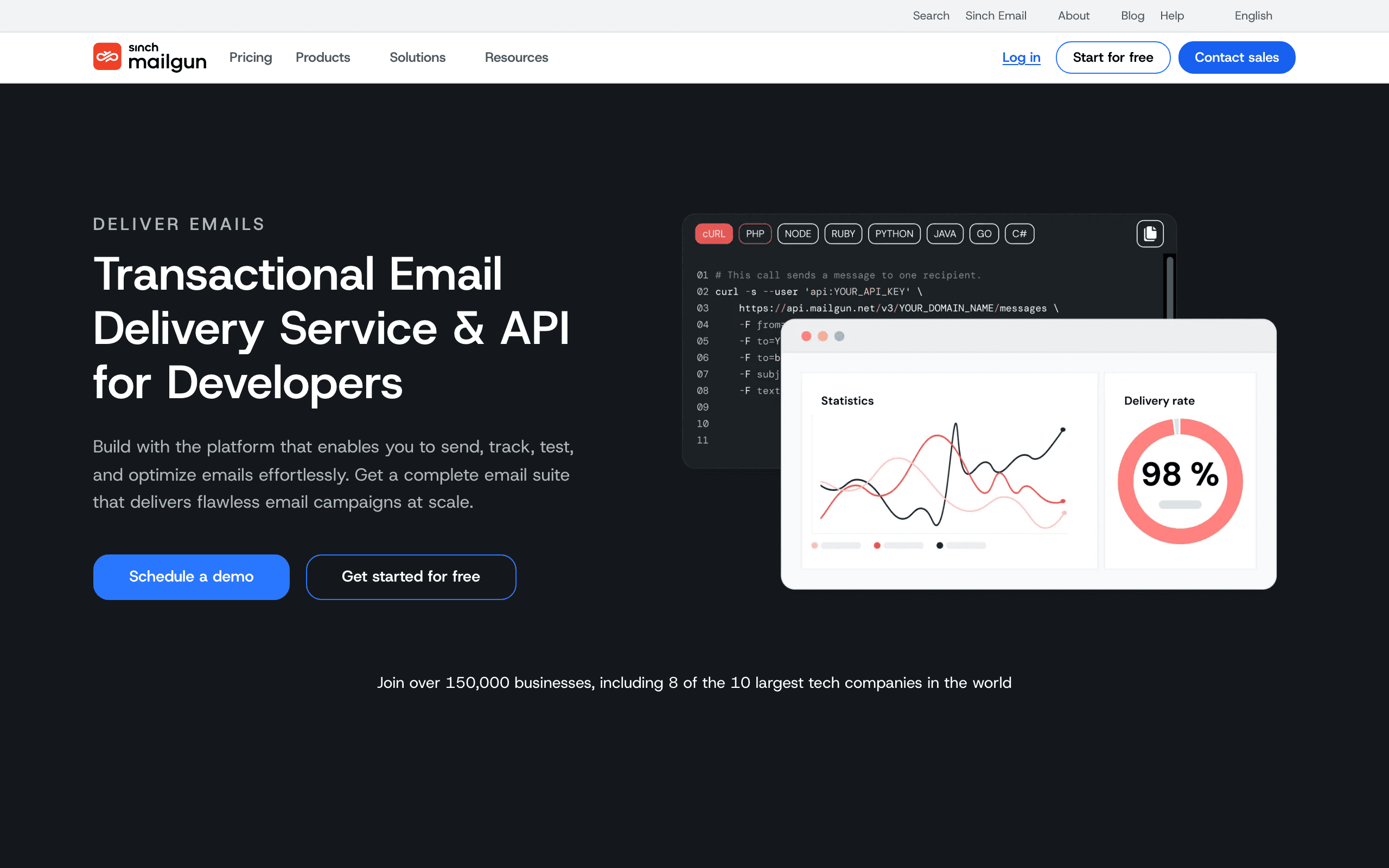
Mailgun excels at email delivery infrastructure. Reliable API, detailed webhooks, email validation, and comprehensive analytics. It is what developers want for transactional email.
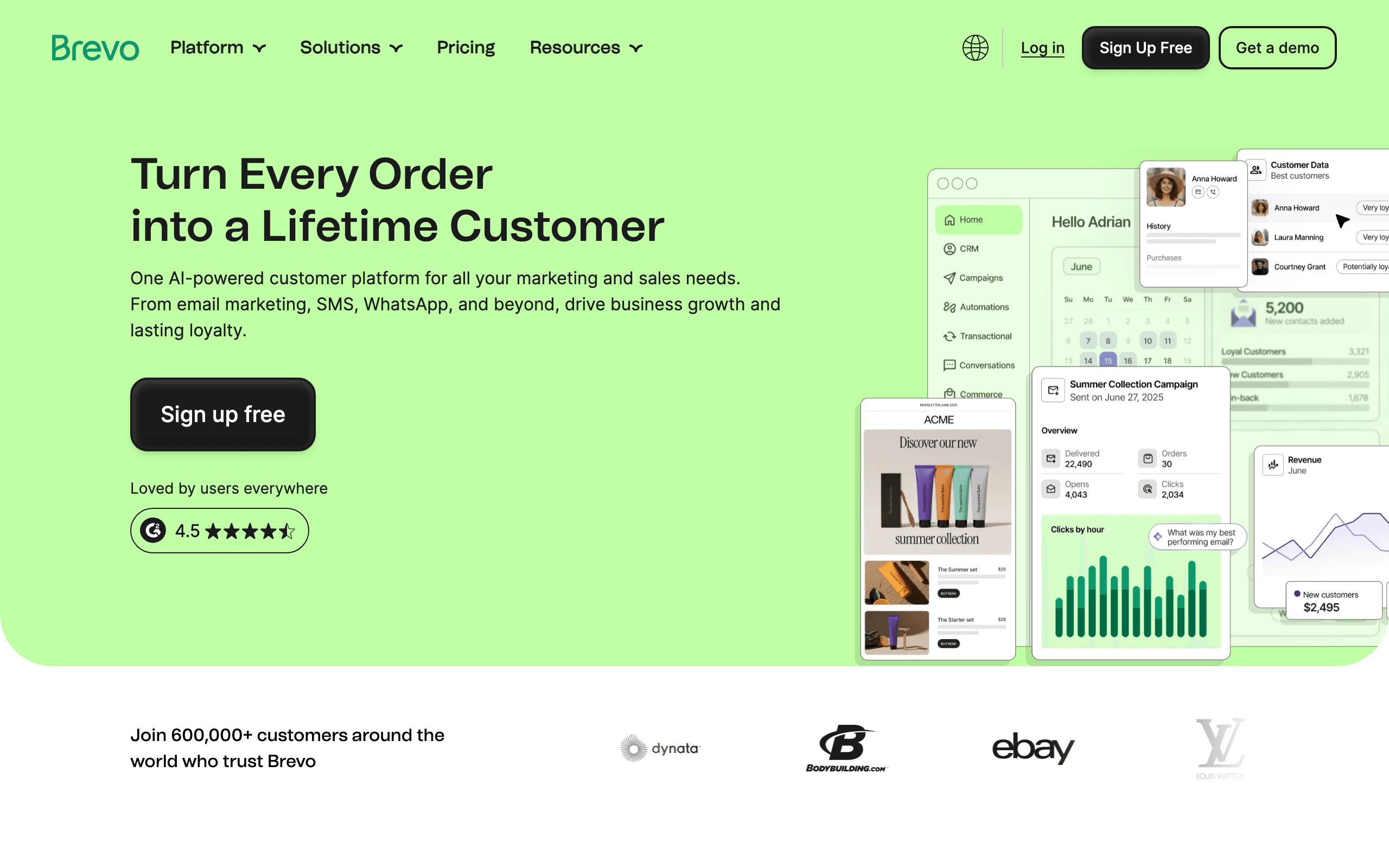
Brevo excels at marketing. Visual campaign builders, automation workflows, SMS marketing, and built-in CRM. It is what marketers want for customer engagement.
Choosing between them depends on what you need, not which is better.
Transactional Email Comparison
For pure transactional email, Mailgun has the edge. Better API design, more SDKs, detailed webhook events, built-in validation, and deeper deliverability tools.
Brevo handles transactional email adequately but lacks Mailgun's depth. Brevo's transactional is good enough for most use cases but not its primary focus.
Marketing Features
Brevo includes full marketing capabilities: campaigns, automation, landing pages, SMS, and CRM. All in one platform with one login.
Mailgun has basic campaign features but is not a marketing platform. If you need marketing automation, you will need another tool alongside Mailgun.
Pricing Comparison
At 100,000 emails/month, Mailgun costs $75 and Brevo costs $65. Both are reasonable for the value provided. Brevo includes marketing features in that price. Mailgun's price is for infrastructure only.
For unified email marketing and transactional at simpler pricing, consider Sequenzy.
Making the Decision
Choose Mailgun for developer-focused transactional email with deep infrastructure tools. Choose Brevo for all-in-one marketing with adequate transactional capabilities. For SaaS with Stripe integration, Sequenzy offers a unified approach.
The Sequenzy Alternative
For SaaS companies, Sequenzy combines transactional and marketing email with native Stripe integration, smart segmentation, and AI sequences in one platform.
The Developer vs Marketer Divide
Mailgun and Brevo represent a fundamental divide in email tooling. Mailgun is infrastructure: APIs, SDKs, webhooks, deliverability management. Brevo is a marketing platform: campaigns, automation, CRM, SMS. They overlap on transactional sending but diverge everywhere else.
For organizations where developers own email, Mailgun's depth is valuable. For organizations where marketing drives email strategy, Brevo's visual tools and campaign features matter more. The worst choice is picking one for the other's use case.
Total Cost of Ownership
Brevo appears cheaper at $65/month versus Mailgun's $75 at 100,000 emails. But Brevo includes marketing features, CRM, and SMS in that price. If you need those features, Brevo's total cost is dramatically lower than Mailgun plus separate marketing, CRM, and SMS tools.
Conversely, if you only need transactional email, Brevo's bundled features are wasted cost. Mailgun's focused pricing makes more sense when you have dedicated tools for marketing, CRM, and communication.
When to Use Both
Some companies use Mailgun for transactional and Brevo for marketing. This dual-tool approach gives you Mailgun's API depth for transactional while leveraging Brevo's marketing capabilities. The tradeoff is managing two platforms and potentially two billing relationships.
For SaaS companies wanting a simpler unified approach, Sequenzy combines transactional and marketing with Stripe integration in a single platform designed specifically for subscription businesses.
Delivery Speed and Reliability
Mailgun and Brevo both deliver transactional email reliably, so neither wins on raw speed. The difference is scope: Mailgun sticks to email infrastructure, with built-in validation and detailed deliverability analytics for developers who just need dependable sending. Brevo wraps transactional email inside a full marketing suite with campaigns, automation, SMS, and a built-in CRM. If your need is purely transactional, Mailgun's focus shows; if you also run marketing campaigns, Brevo covers both from one dashboard.
API Design and Developer Experience
Mailgun's documentation and SDKs across eight or more languages are built specifically for developers who need detailed webhooks and validation tooling. Brevo's API is capable but aimed at a broader audience, with visual tools that matter more to marketers than to engineers writing integration code. Since Mailgun's pricing rose after its Sinch acquisition, weigh that developer-first depth against Brevo's lower entry cost and its included marketing features before assuming Mailgun is worth the premium.
Scaling and Cost at Volume
At 100,000 emails a month, Mailgun's Scale plan runs about $75 while Brevo's Starter plan costs roughly $65, though Brevo throws in campaigns, automation, and a CRM at that price. Mailgun's total can climb further once you add validation or dedicated IPs as extras. If your monthly volume is mostly transactional, budget for Mailgun's add-on costs; if you are also sending marketing email, Brevo's bundled pricing is likely to work out cheaper overall.
Use-case matchups
| Situation | Best first look | Why |
|---|---|---|
| Developer-owned transactional infrastructure | Mailgun | Mailgun has the stronger API, SDK, webhook, validation, and deliverability tooling. |
| Marketer-owned campaigns, CRM, SMS, and automation | Brevo | Brevo is the better first look when the buyer needs an all-in-one marketing suite. |
| Team that only needs app emails such as resets and receipts | Mailgun | Brevo's CRM and campaign tools are overhead if the job is pure infrastructure. |
| SMB that wants email, SMS, CRM, and landing pages together | Brevo | Brevo's bundled surface can replace several separate marketing tools. |
| SaaS company that wants unified lifecycle and transactional email with Stripe | Sequenzy | Sequenzy fits when product and billing events need to drive marketing and transactional emails. |
Best Fit by Developer Email Infrastructure and Marketer-Owned Messaging
Best transactional email API for product and infrastructure teams
Mailgun is the better fit when developers need API delivery, SMTP, validation, inbound routing, webhooks, logs, suppression handling, and detailed deliverability tooling.
Best marketing platform for email, SMS, CRM, and transactional sends
Brevo is the better fit when marketers or SMB teams need email campaigns, SMS, CRM, landing pages, automation, and transactional email in a bundled business tool.
Best email tool for SaaS lifecycle and transactional messages with Stripe
Sequenzy is the better fit when product events, billing events, marketing campaigns, and transactional emails should share one SaaS lifecycle workflow.
Pricing reality
Mailgun's price should be evaluated as infrastructure cost. The important add-ons are validation, dedicated IPs, inbound routing, support, and the value of detailed event data.
Brevo's price should be evaluated as bundled marketing software. It can be cheaper overall if it replaces campaign software, CRM, SMS tooling, and transactional email, but less efficient if you only need API delivery.
Sequenzy is relevant if the team wants the unified model without Brevo's broader CRM and multi-channel scope, especially for SaaS subscription events.
Review signals
The Mailgun snippets are strong on API power, inbound routing, and validation, with cautions around price increases and free-tier limits.
The Brevo snippets are strong on multi-channel marketing, free CRM, and transactional support, with cautions around free-plan daily limits, automation reliability, editor limits, and reporting depth.
Migration checklist
| Workstream | Moving to Mailgun | Moving to Brevo | Moving to Sequenzy |
|---|---|---|---|
| Ownership | Keep implementation developer-led with API, webhooks, and observability. | Move campaign, CRM, SMS, and automation ownership into marketing operations. | Centralize lifecycle email around subscriber and billing events. |
| Transactional email | Rebuild app sends, inbound routes, validations, and event webhooks. | Configure Brevo transactional templates and API/SMTP sending. | Move transactional templates into the same workspace as campaigns. |
| Marketing data | Keep campaign data in a separate marketing tool if needed. | Import contacts, lists, CRM fields, SMS consent, and automation history. | Import subscribers, attributes, tags, suppressions, and Stripe/customer state. |
| Deliverability | Configure authentication, monitoring, validation, and warmup. | Configure authentication, sender reputation, and list hygiene across channels. | Warm domains and preserve unsubscribe/bounce history. |
| Reporting | Validate delivery logs and failure handling. | Validate campaign, CRM, SMS, automation, and transactional reports. | Validate campaign, automation, transactional, and subscription reporting. |
Decision checklist
- Is the primary buyer engineering or marketing?
- Do you need Brevo's CRM and SMS, or would they add clutter?
- Does Mailgun's API depth justify adding a separate marketing platform?
- Which system will own consent, suppressions, and customer attributes?
- Are subscription events important enough to prefer a SaaS-specific workflow?









