
Overview
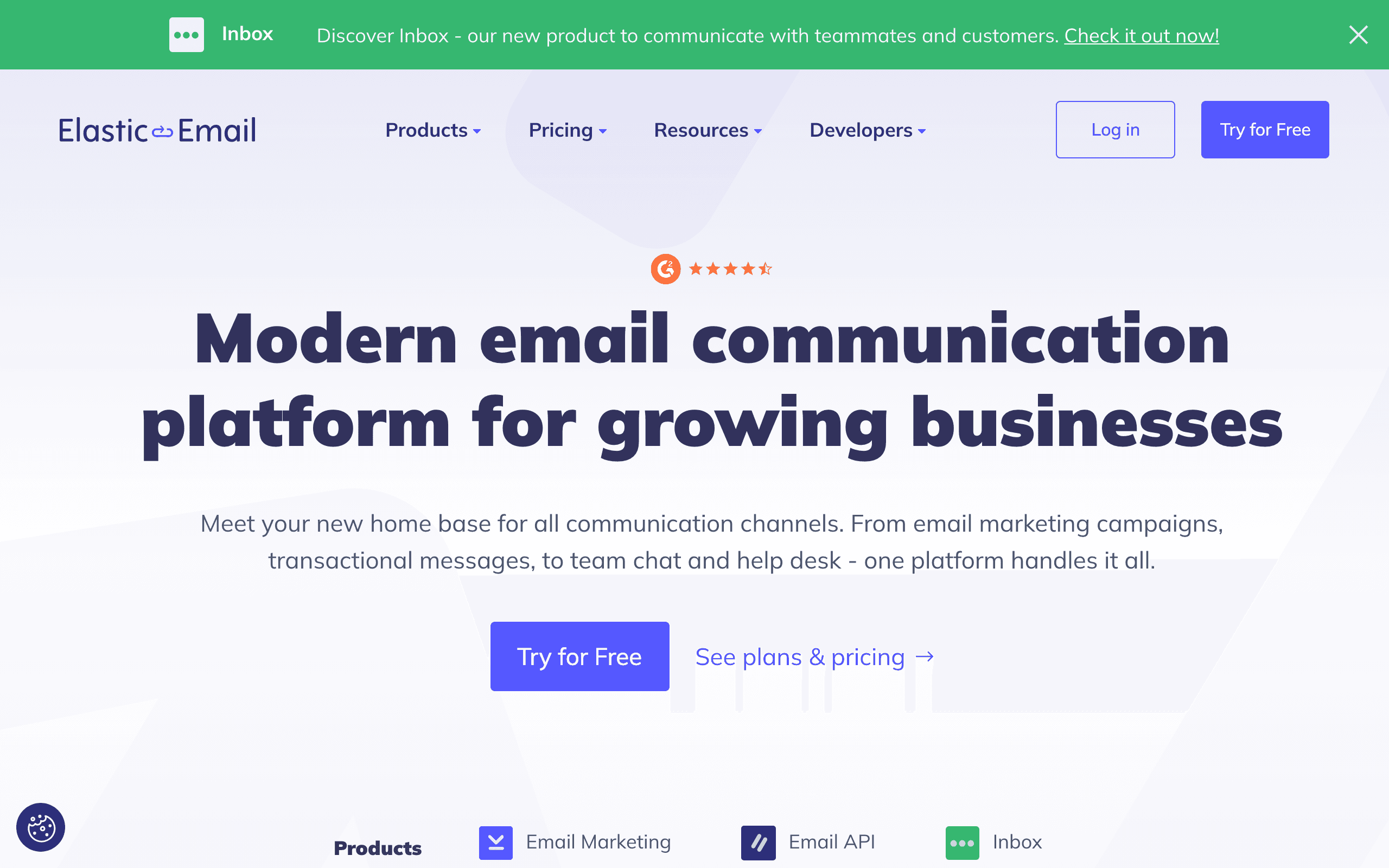
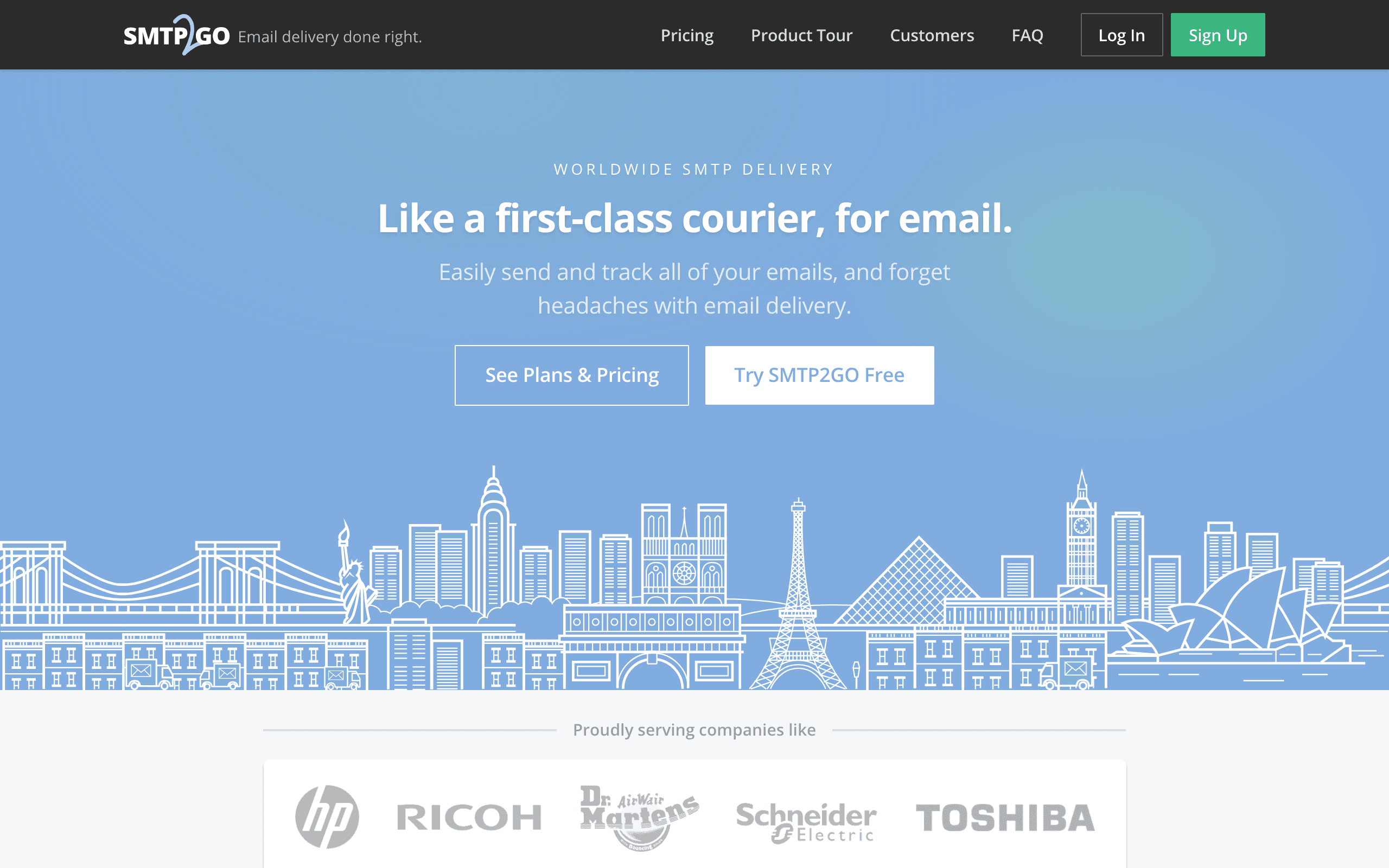
Elastic Email and SMTP2GO serve different needs in the email space. Elastic Email is a budget-friendly email delivery and marketing platform. SMTP2GO is a simple SMTP relay with good support.
The choice depends on what you need: very affordable (Elastic Email) or simple setup (SMTP2GO). For SaaS businesses specifically, Sequenzy offers purpose-built features that neither tool provides.
Pricing reality
- Elastic Email: $19/month - Budget delivery + basic marketing. Free tier available.
- SMTP2GO: $10/month - SMTP relay focus. Good support. Detailed analytics.
- Sequenzy: $99/month for 120,000 emails, unlimited subscribers, fully managed. See pricing.
Review signals
The Elastic Email reviews on this page support the all-in-one budget angle: one reviewer values getting marketing and transactional email together for $19/month because SMTP2GO is relay-only.
The caution signal is specialization. Another reviewer says the team added SMTP2GO for transactional email because they wanted better delivery analytics and support while keeping Elastic Email for marketing.
SMTP2GO's reviews emphasize support, analytics, and reliable relay setup. The limitation is equally clear: reviewers still need a separate tool for newsletters and marketing workflows.
Where Elastic Email Wins
Very affordable
Elastic Email offers very affordable, which is a genuine advantage for teams that need it.
Marketing + transactional
Elastic Email offers marketing + transactional, which is a genuine advantage for teams that need it.
Template library
Elastic Email offers template library, which is a genuine advantage for teams that need it.
Basic automation
Elastic Email offers basic automation, which is a genuine advantage for teams that need it.
Where SMTP2GO Wins
Simple setup
SMTP2GO offers simple setup, which matters for teams that prioritize this.
Good support
SMTP2GO offers good support, which matters for teams that prioritize this.
Detailed analytics
SMTP2GO offers detailed analytics, which matters for teams that prioritize this.
Affordable
SMTP2GO offers affordable, which matters for teams that prioritize this.
Delivery Speed and Reliability
Elastic Email and SMTP2GO both send transactional email, but they're built around different priorities. Elastic Email bundles delivery with basic marketing tools and a template library, so it's doing more than routing your messages. SMTP2GO stays narrowly focused on reliable SMTP relay with detailed delivery analytics, which is part of why its setup tends to go faster.
API Design and Developer Experience
Neither tool markets itself purely to developers, but both offer an API alongside SMTP. Elastic Email pairs its REST API and SMTP relay with pay-as-you-go pricing and a template library for campaign work. SMTP2GO keeps things simpler, leaning on clear documentation and responsive support rather than a broad feature set, which shows in how quickly a relay integration typically goes live.
Scaling and Cost at Volume
At $19 a month, Elastic Email adds marketing features and a free tier on top of its delivery pricing. SMTP2GO starts a bit lower at $10 a month with its own free tier for 1,000 emails, but stays SMTP-focused with no marketing automation. Which one costs less depends on whether you're paying for delivery alone or delivery plus campaign tools.
The Marketing vs SMTP Relay Focus
Elastic Email combines basic marketing features with transactional sending, offering contact management, a simple campaign editor, and automation alongside its API. SMTP2GO is primarily an SMTP relay service focused on reliable email delivery without marketing features. The choice depends on whether you need marketing capabilities alongside delivery.
For businesses that only need reliable SMTP relay -- sending application notifications, system alerts, or transactional emails -- SMTP2GO's focused approach means less interface complexity and faster setup. Elastic Email's marketing features are basic compared to dedicated platforms but provide a starting point for teams that want both delivery and campaign capability without two tools.
SaaS companies typically need more than either platform offers. The gap between basic marketing features and subscription-aware automation is significant. Sequenzy provides event-based sequences triggered by Stripe billing events that neither Elastic Email's basic automation nor SMTP2GO's relay-only approach can match.
The Support and Reliability Factor
SMTP2GO has built a strong reputation for responsive, knowledgeable customer support. Their team specializes in email delivery and provides actionable help with authentication, deliverability, and configuration issues. Elastic Email's support handles a broader range of questions across marketing and delivery but with less specialized depth.
For teams without dedicated email operations expertise, support quality directly impacts the cost of email problems. A deliverability issue that SMTP2GO's support resolves in one email might take multiple rounds with Elastic Email. The time and revenue lost during deliverability problems often exceeds the price difference between platforms.
Both platforms offer free tiers for testing. SMTP2GO provides 1,000 emails per month free, while Elastic Email offers a limited free plan. The free tiers let you evaluate support quality, interface usability, and delivery performance before committing to paid plans.
The Analytics and Reporting Divide
SMTP2GO provides detailed delivery reporting showing exactly what happened to every email -- delivered, bounced, deferred, opened, clicked. This granular visibility helps identify and resolve delivery issues before they become critical. Elastic Email also offers analytics but spread across marketing metrics and delivery data in a less focused interface.
For operations teams monitoring email delivery health, SMTP2GO's reporting dashboard provides clearer signal. Delivery rate trends, bounce categorization, and ISP-specific performance data surface problems that broader analytics dashboards might obscure. Elastic Email's reporting is adequate but less specialized for delivery monitoring.
Neither platform connects email analytics to business outcomes like subscription revenue, user retention, or trial conversion. For SaaS companies that need to understand how email drives business metrics, subscriber segmentation tied to billing data provides insights that delivery-focused analytics cannot capture.
Use-case matchups
| Situation | Best first look | Why |
|---|---|---|
| Team needs low-cost delivery plus basic campaigns | Elastic Email | Elastic Email is broader, with basic marketing features alongside transactional sending. |
| Team only needs a reliable SMTP relay with clear support | SMTP2GO | SMTP2GO is focused on setup, support, delivery analytics, and SMTP reliability. |
| Small business sending newsletters and some app notifications | Elastic Email | One lightweight tool may cover both without adding a separate relay. |
| Operations team troubleshooting delivery issues often | SMTP2GO | SMTP2GO's focused reporting and support are stronger for delivery operations. |
| SaaS team tying email to billing and lifecycle events | Sequenzy | Sequenzy adds the subscriber and billing context neither delivery-first option includes. |
Best Fit by Relay vs Platform Need
Best budget email platform for newsletters and app notifications
Elastic Email fits small teams that want basic campaigns, templates, and transactional sending without adding a separate SMTP relay.
Best SMTP relay for delivery operations and support
SMTP2GO is the better fit when existing systems only need reliable SMTP credentials, delivery analytics, and focused troubleshooting support.
Best SaaS email platform for billing and lifecycle events
Sequenzy fits subscription teams that need transactional email and lifecycle campaigns tied to customer and billing state.
Pricing reality details
SMTP2GO is cheaper in the listed comparison and can be the better value when the only job is SMTP relay. Paying for Elastic Email's marketing features does not help if the team will never send campaigns.
Elastic Email's higher price can make sense when the team wants basic newsletters and transactional delivery in one low-cost platform. It is still not a deep automation system.
Sequenzy's price is relevant when email needs to connect to customer lifecycle, billing events, campaigns, and transactional messages. That is a different buying question from SMTP relay cost.
Migration checklist
| Workstream | Moving toward Elastic Email | Moving toward SMTP2GO | Simplifying to Sequenzy |
|---|---|---|---|
| Sending setup | Configure domains, SMTP/API credentials, bounce handling, and contact lists. | Configure SMTP users, authenticated domains, bounce handling, and relay settings. | Configure domains, transactional sending, campaign sending, and event sources. |
| Templates | Move marketing and transactional templates into Elastic Email where useful. | Keep templates in the app or current system and route delivery through SMTP2GO. | Rebuild transactional, lifecycle, and campaign templates in one place. |
| Lists | Import contacts, unsubscribes, bounces, and basic segments. | Keep recipient state outside SMTP2GO unless only relay reporting is needed. | Import subscribers, attributes, tags, suppressions, and billing identifiers. |
| Monitoring | Track delivery plus basic campaign analytics. | Track delivery, bounces, deferrals, opens, clicks, and support-relevant logs. | Track delivery, lifecycle, campaign, and billing-triggered outcomes. |
| Automations | Keep expectations limited to basic email workflows. | Keep automation in application code or another marketing platform. | Rebuild lifecycle and transactional automations around events. |
Decision checklist
- Is the job primarily SMTP relay or marketing plus delivery?
- How important is responsive delivery support?
- Will the team use Elastic Email's campaign tools enough to justify broader scope?
- Are subscriber segments and billing events part of the email workflow?
- Would separating relay and marketing make operations clearer or more fragmented?









