Overview
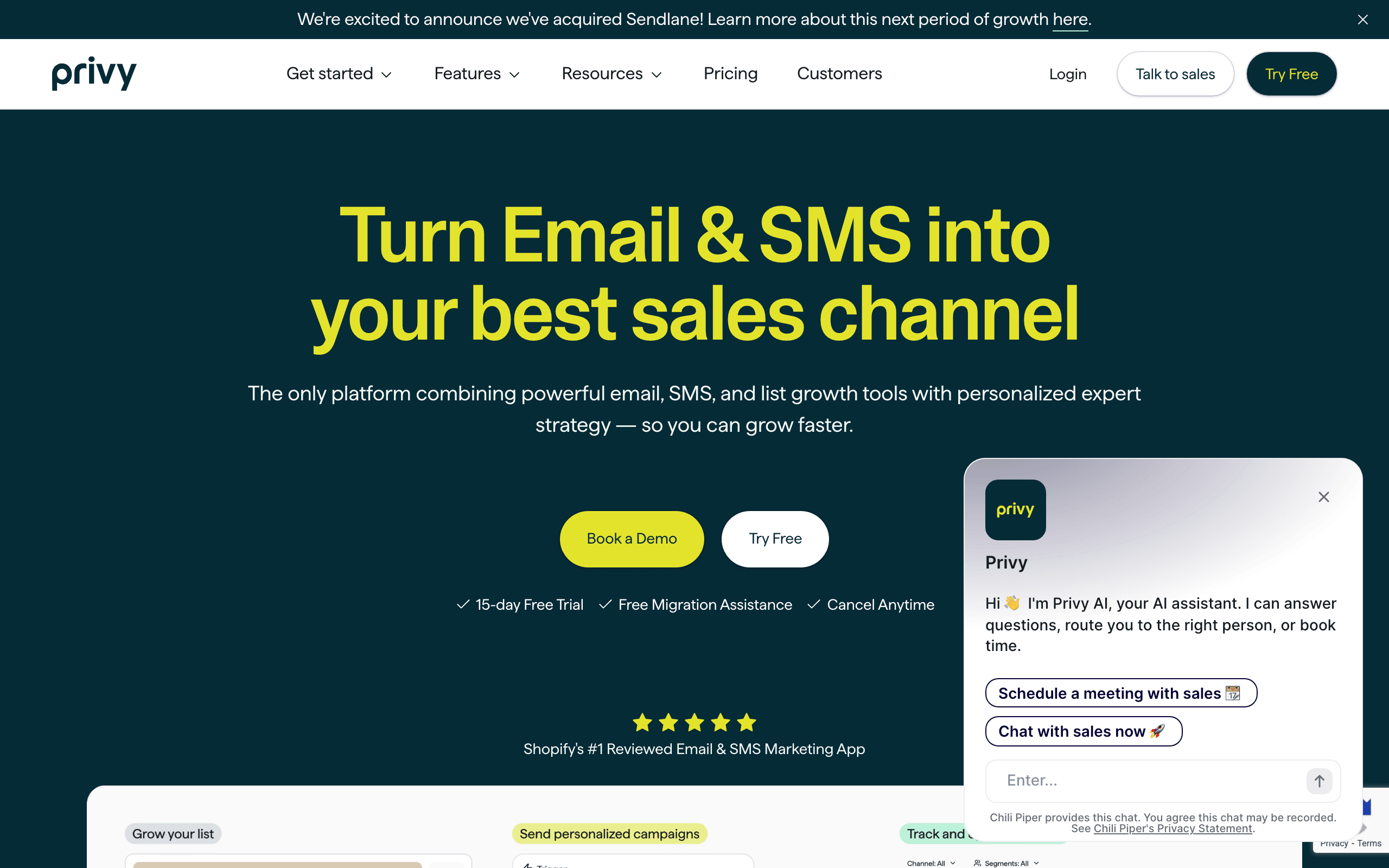
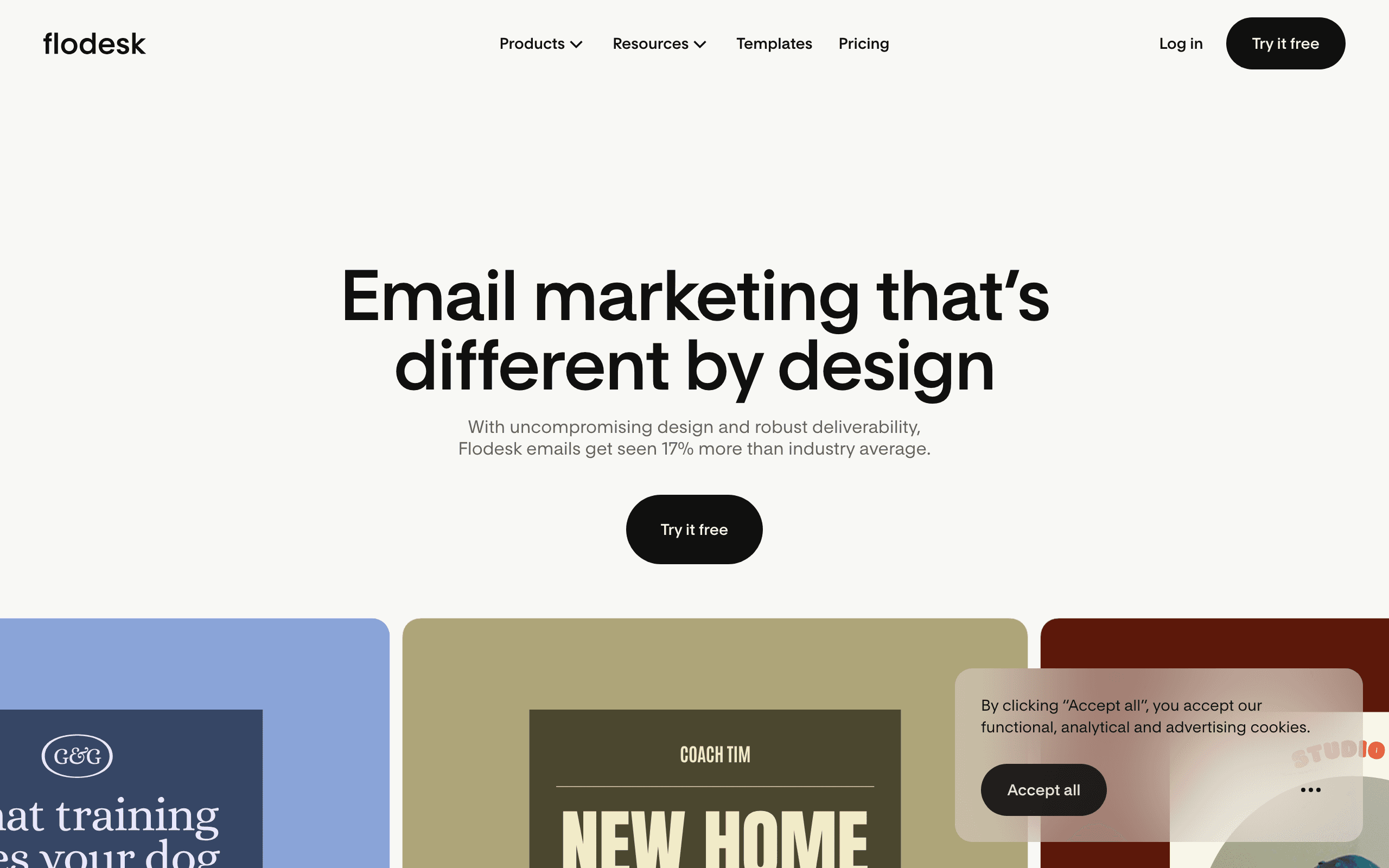
Privy and Flodesk appeal to different priorities. Privy is all about Shopify popup conversion. Flodesk is all about beautiful email design at a flat price. If your store needs strong e-commerce automation more than gorgeous templates, consider Sequenzy or Omnisend instead.
Two Tools That Prioritize Form Over Function
Privy builds beautiful popups. Flodesk builds beautiful emails. Neither excels at the marketing fundamentals that actually drive e-commerce revenue - behavioral segmentation, purchase-triggered automation, product recommendation engines, and revenue attribution. Both platforms prioritize visual appeal over analytical depth, which attracts design-conscious brands but frustrates data-driven marketers.
Flodesk's flat $38/month pricing regardless of subscriber count is genuinely appealing for growing lists. Privy's pricing scales with traffic and contacts, making it increasingly expensive as your store grows. But flat pricing does not compensate for missing features. Flodesk has no A/B testing for subject lines, no purchase-based segmentation, and limited automation triggers. For e-commerce stores where revenue per email is the metric that matters, design sophistication alone does not drive results.
Brand-first or revenue-first?
| Priority | Privy | Flodesk | Sequenzy |
|---|---|---|---|
| Onsite popup conversion | Strong | Weak | Not the capture tool. |
| Beautiful campaign design | Weak | Strong | Good enough, but not Flodesk-level design-first. |
| Predictable flat list pricing | No | Strong | Strong at the stated included email volume. |
| Purchase-triggered lifecycle automation | Basic | Basic | Stronger fit. |
| Aesthetic brand newsletters | Weak | Strong | Good if lifecycle logic matters more than design polish. |
| Revenue attribution from ecommerce flows | Limited | Limited | Stronger fit. |
When Flodesk is the right tradeoff
Flodesk is easiest to justify for brands where visual presentation is a meaningful part of the product. Jewelry, fashion, interiors, creators, and premium digital products may prefer consistently polished emails over deeper automation controls.
That choice has a cost. A beautiful campaign still needs the right audience, timing, and trigger. If the store lacks abandoned cart depth, post-purchase follow-up, replenishment reminders, or winback logic, Flodesk's design quality may not recover the revenue left by missing automations.
Privy can still stay in the stack if popup capture is the weak point. Sequenzy becomes relevant when the store already has design and capture handled, but needs email behavior tied more closely to purchases, attributes, and transactional events.
Pricing reality
Flodesk's flat-rate model is useful when list size is growing and email volume is predictable. The question is whether that pricing advantage still holds after accounting for missing ecommerce automation or extra tools needed around it.
Privy's cost belongs in the capture budget. It should be measured against popup conversion lift, cart-save performance, and the value of new subscribers, not against the visual quality of sent campaigns.
Sequenzy should be evaluated as the operational email system: campaigns, lifecycle flows, transactional messages, and store events. It is not the best choice if brand design is the only buying criterion.
Review signals
Privy review themes should be read for popup conversion, list growth, onsite targeting, setup effort, and subscriber quality. Flodesk review themes should be read for visual design, flat-rate pricing, ease of campaign creation, and limits around ecommerce automation depth. The review split is capture performance versus design-led sending.
Migration checklist
| Area | Moving toward Privy | Moving toward Flodesk | Moving toward Sequenzy |
|---|---|---|---|
| Visual system | Design popup offers that match the store without hurting conversion. | Rebuild campaign templates, brand sections, image treatments, and sales pages. | Build clean reusable templates for campaigns, flows, and transactional messages. |
| Capture | Recreate popup triggers, discount logic, and exit-intent tests. | Use Flodesk forms where simple capture is enough. | Keep capture elsewhere, then sync subscribers and consent into Sequenzy. |
| Ecommerce logic | Use basic cart and capture context. | Confirm exactly what Shopify data can drive campaigns. | Map orders, products, tags, customer state, and attributes into automations. |
| Automation | Keep flows simple or send to another email tool. | Rebuild basic workflows without assuming deep branching. | Rebuild welcome, cart, post-purchase, replenishment, winback, and transactional flows. |
| Measurement | Track opt-in conversion and buyer quality. | Track engagement and sales from design-led campaigns. | Track flow revenue, campaign performance, deliverability, and transactional reliability. |
Decision questions
- Is brand presentation the main source of email lift, or is automation depth the real gap?
- Will flat pricing still look good if you need extra tools for ecommerce triggers?
- Does the store need A/B testing, purchase segments, or product-triggered flows?
- Is Privy's popup conversion strong enough to keep it beside a design-focused email sender?
- Should the next platform optimize for prettier campaigns or more revenue-driving lifecycle logic?
The Automation Gap That Costs Real Revenue
Privy's automation is limited to basic welcome emails, cart abandonment, and simple drip campaigns. Flodesk's automation is even more constrained - workflow triggers are basic and there are no e-commerce-specific automation templates. Neither platform offers browse abandonment, price drop alerts, replenishment reminders, or win-back sequences based on purchase recency.
These missing automations represent measurable lost revenue. A browse abandonment flow typically recovers 1-3% of sessions that viewed products but did not add to cart. A replenishment reminder for consumable products drives repeat purchases at a fraction of acquisition cost. Stores using Privy or Flodesk are leaving these revenue streams untapped because their tools cannot automate them.
When Aesthetics Meet Subscription Software
Neither Privy nor Flodesk was built for software businesses. Privy's Shopify focus and Flodesk's creator-centric design leave SaaS companies without tools for subscription lifecycle automation, transactional email, or billing-triggered sequences. A beautifully designed email from Flodesk still cannot detect that a customer's trial expires tomorrow.
Sequenzy at $49/month combines marketing campaigns with transactional email and native Stripe integration. Billing events - trial expiration, payment failure, plan upgrade - trigger email sequences automatically. For SaaS founders who value clean design, Sequenzy's drag-and-drop editor produces professional emails without sacrificing the subscription-aware automation that software businesses require.
Use-case matchups
| Need | Better fit | Why |
|---|---|---|
| Popup capture, onsite offers, and Shopify list growth | Privy | Privy is strongest when the immediate bottleneck is converting store traffic into subscribers. |
| Beautiful newsletters and simple design-led email | Flodesk | Flodesk is stronger for visual email design and flat-rate newsletter workflows. |
| Email-first ecommerce or SaaS lifecycle messages | Sequenzy | Sequenzy fits when the useful next step is post-capture email automation, transactional email, and store or Stripe lifecycle messages. |
Best Fit by Design vs Capture Need
Best Shopify popup tool for onsite conversion offers
Privy is the better fit when the business needs popups, coupons, banners, and forms to convert store visitors into subscribers.
Best email marketing tool for beautiful newsletters
Flodesk is the better fit when visual design, branded newsletters, simple sends, and flat-rate email workflows matter more than Shopify popup capture.
Best email platform for lifecycle automation after signup
Sequenzy is the better fit when captured subscribers need automated lifecycle email, transactional messages, and store or subscription follow-up.
Decision checklist
- Choose Privy if turning Shopify visitors into subscribers is the bottleneck, given its cart-value triggers and exit-intent popups.
- Choose Flodesk if beautiful newsletters and simple design-led email is the main requirement.
- Skip Privy if popups fill your list and lifecycle email is the gap, since its flows stop at welcome and cart abandonment.
- Avoid Flodesk if onsite capture and popup targeting are the actual gaps.
- Consider Sequenzy if you need automation beyond popups and design, such as AI-generated sequences for welcome, cart recovery, and post-purchase emails, plus Stripe-triggered messages.