This is a stage-of-company decision
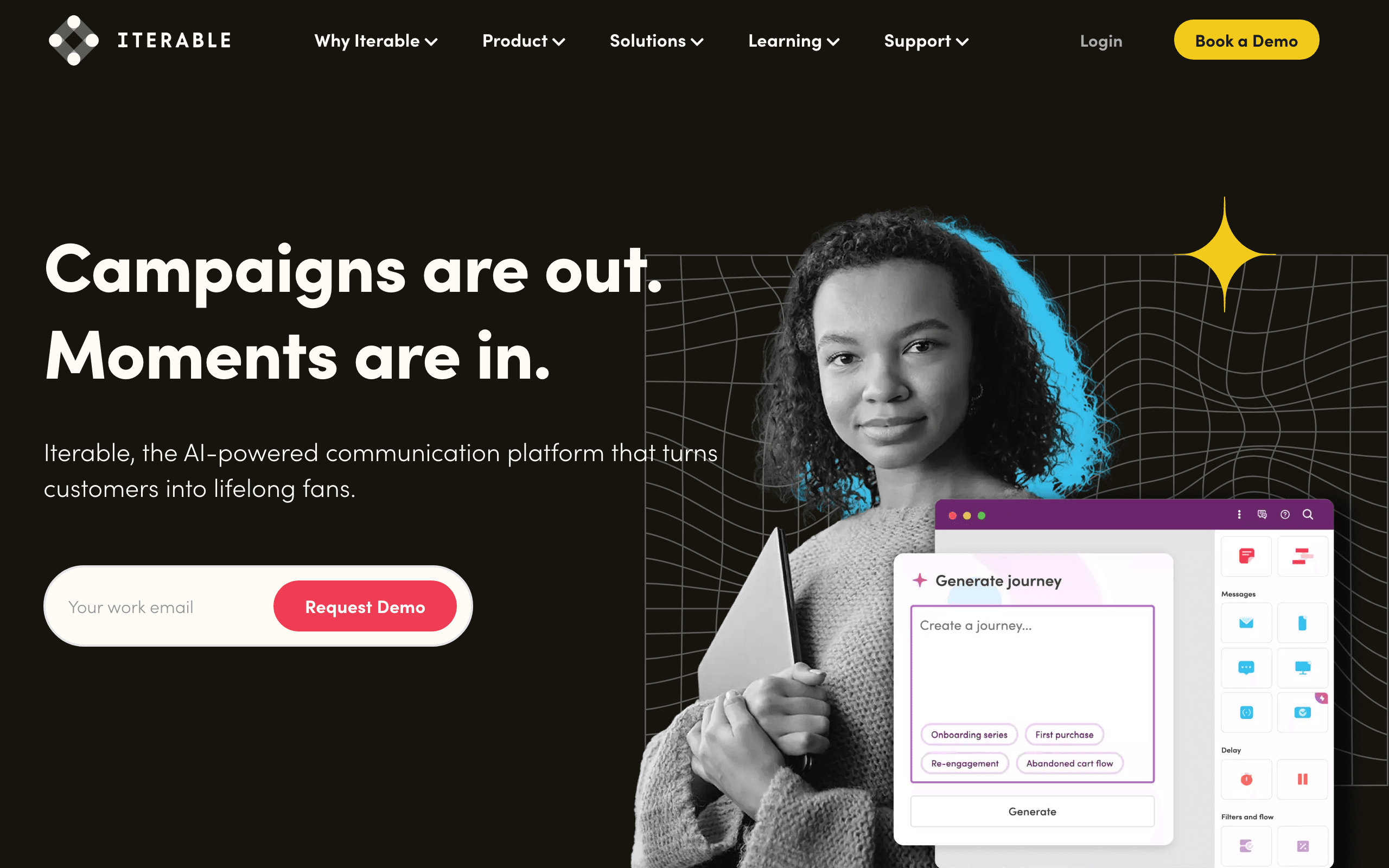
Iterable is not a small upgrade from PostHog Workflows. It is a different class of product. It assumes that customer messaging is a major operational function with planning, ownership, channels, campaigns, governance, and reporting.
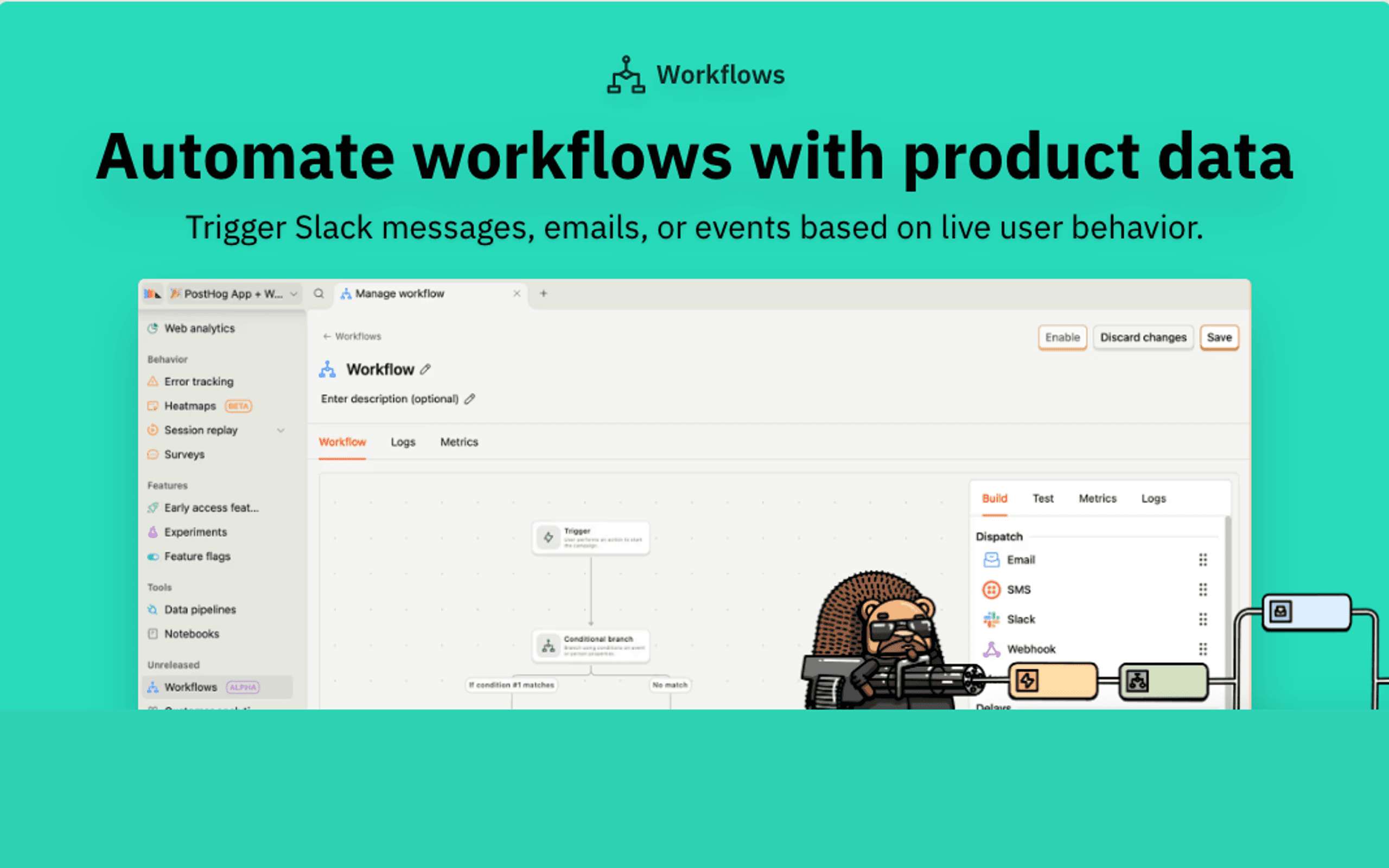
PostHog Workflows is closer to the product team. It lets teams act on signals as they appear in analytics.
For an early product-led team, that directness can be the point. For a mature lifecycle organization, it can be too narrow.
When PostHog Workflows is enough
PostHog Workflows is enough when the team wants to react to usage: send a message after a user misses activation, notify customer success when a key account hits a risk signal, update a property, or call a webhook.
Those actions are valuable because they are immediate and attached to the product truth.
When Iterable is the better system
Iterable is better when the company needs to run customer communication as a full operation. That includes campaign calendars, segmentation, cross-channel journeys, testing, templates, approvals, deliverability ownership, and a team that works in the platform every day.
At that point, product events are only one input. The campaign operation itself becomes the thing being managed.
Where Sequenzy fits
Sequenzy is for SaaS teams that have outgrown ad hoc product-triggered emails but have not grown into enterprise marketing software. It gives lifecycle and transactional email a focused home while keeping PostHog as the product analytics layer.
Practical rule
Use PostHog Workflows when the work is product-triggered action.
Use Iterable when the work is enterprise lifecycle marketing.
Use Sequenzy when the work is SaaS lifecycle email and the team wants depth without enterprise overhead.