My take
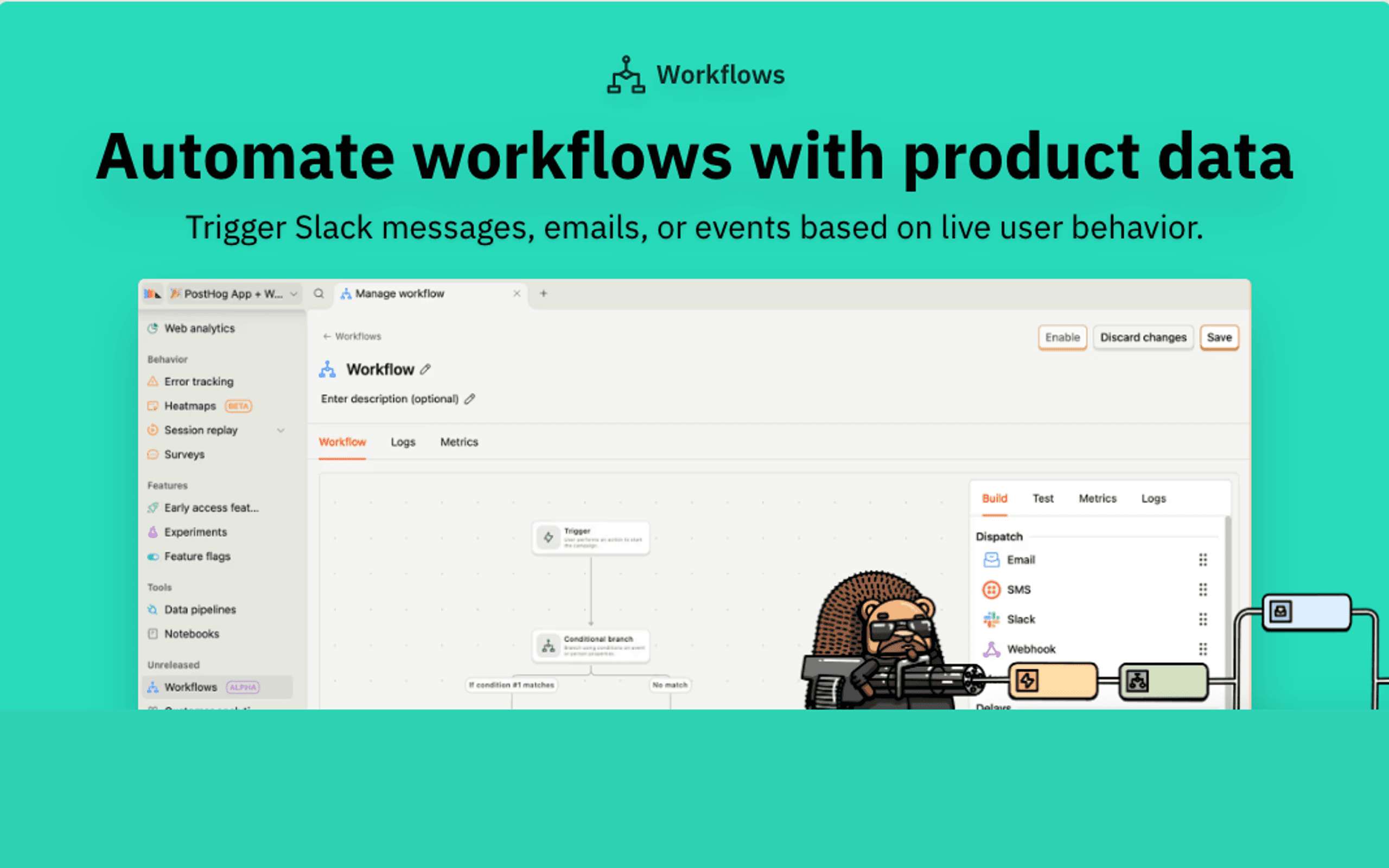
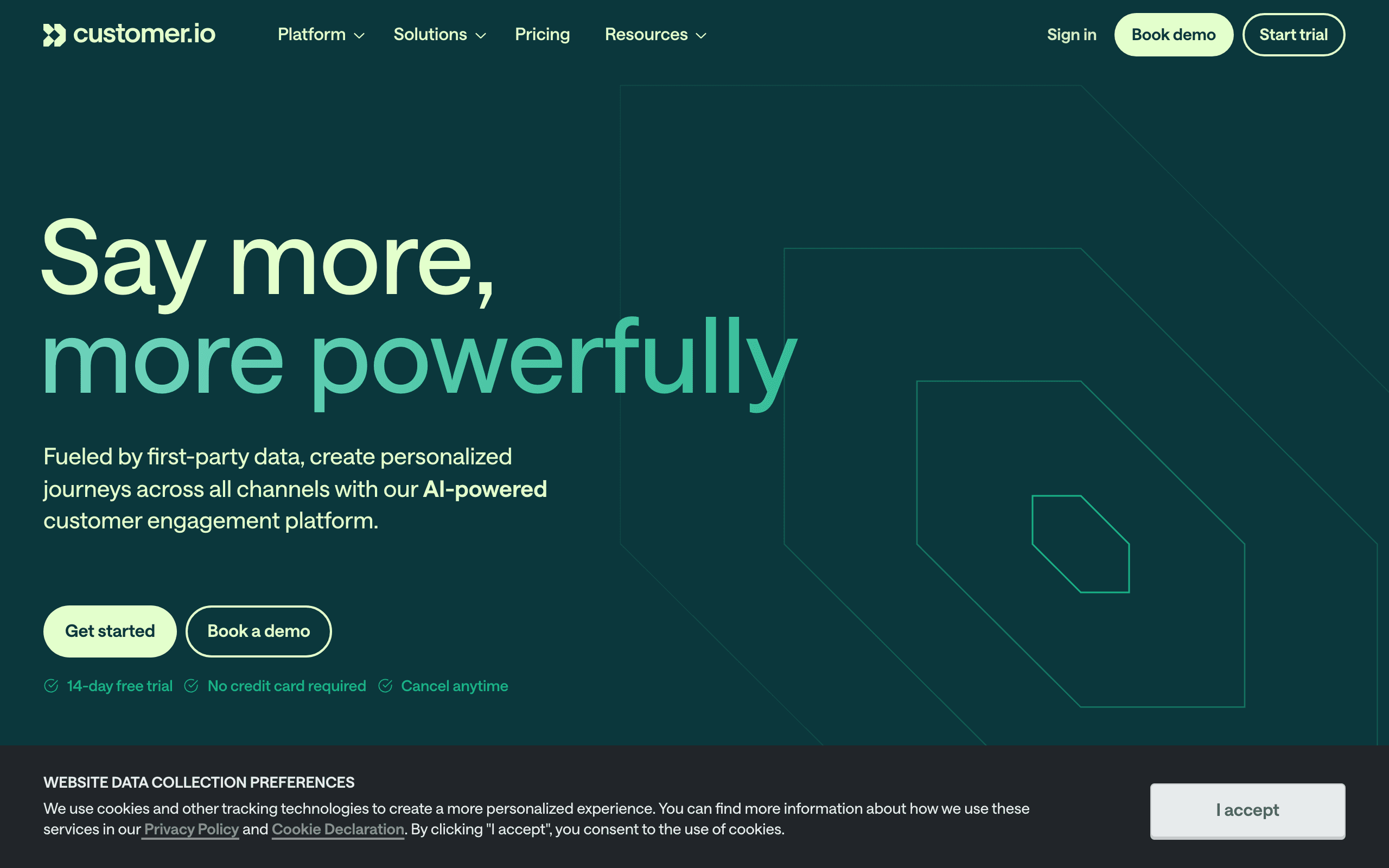
Customer.io is the platform you buy when messaging has become a discipline. PostHog Workflows is the feature you use when product data should trigger an action.
That distinction sounds small until you are six months in. In PostHog, a workflow can stay close to the event that caused it. That is excellent for product-led nudges, internal alerts, and operational logic. In Customer.io, the journey can become a living lifecycle system with branching, channels, tests, and ownership outside analytics.
Use PostHog Workflows when the question is "what just happened?"
PostHog already knows the event. It knows the user, the cohort, the property, the funnel, and the retention impact. If the action is lightweight, keep it there.
Examples:
- A user activated a feature and should get one follow-up
- A sales-qualified product event should alert Slack
- A user property should change after a condition
- A webhook should notify an internal service
Use Customer.io when the question is "what journey should this customer be on?"
That is a different question. It needs lifecycle state, message history, channel rules, profile data, suppression decisions, and a dedicated team process.
Examples:
- A trial onboarding path with different branches by activation state
- A multi-week lifecycle journey with email and in-app messages
- A reactivation program that depends on multiple event patterns
- A customer messaging system owned by growth, not analytics
The middle option
Many SaaS teams do not need Customer.io's full depth. They need email to stop living in analytics. That is where Sequenzy fits: PostHog measures the product, Sequenzy runs SaaS email, and the results flow back into analytics.