
Retail lifecycle and B2B marketing ops rarely mean the same thing
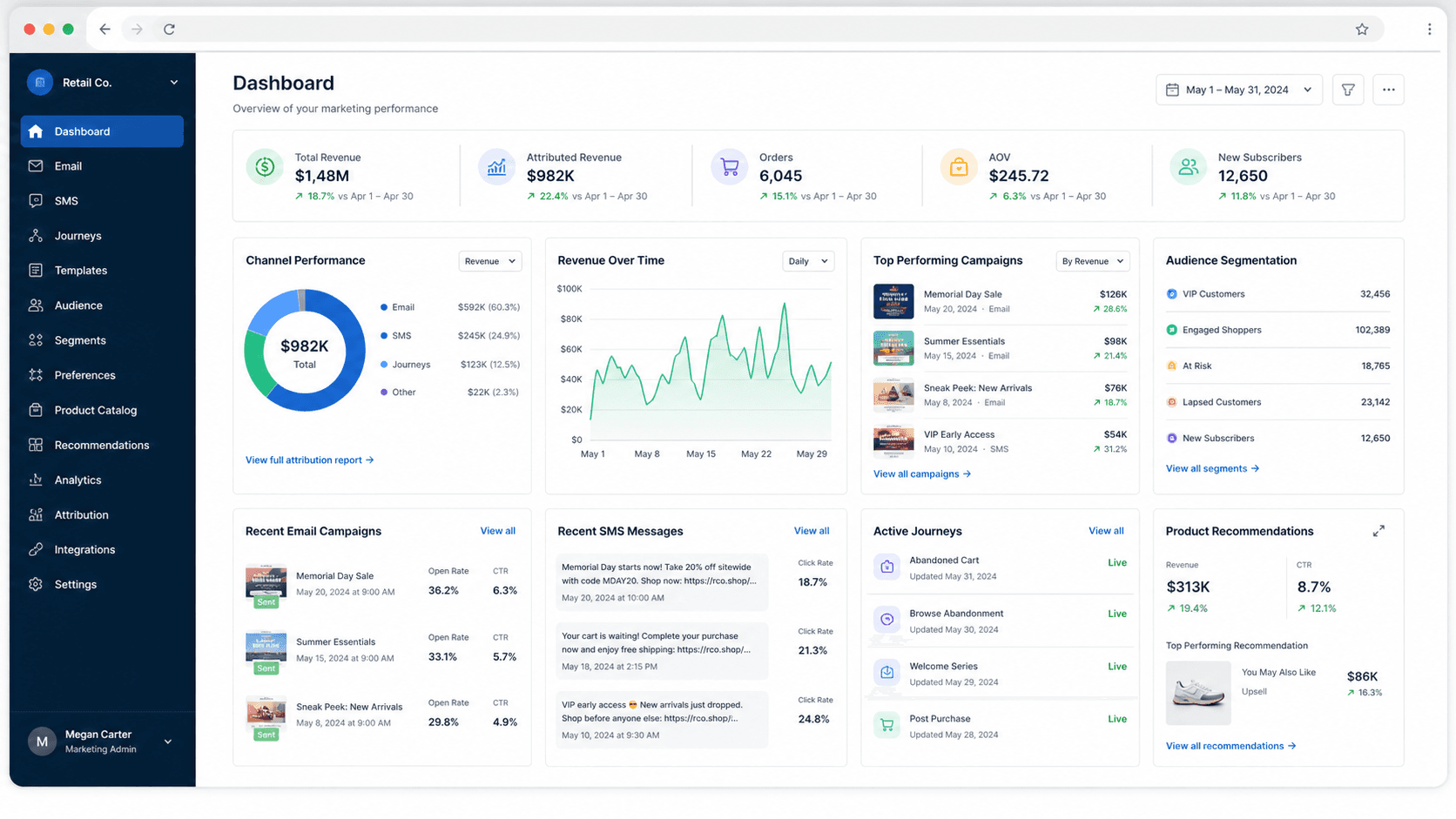
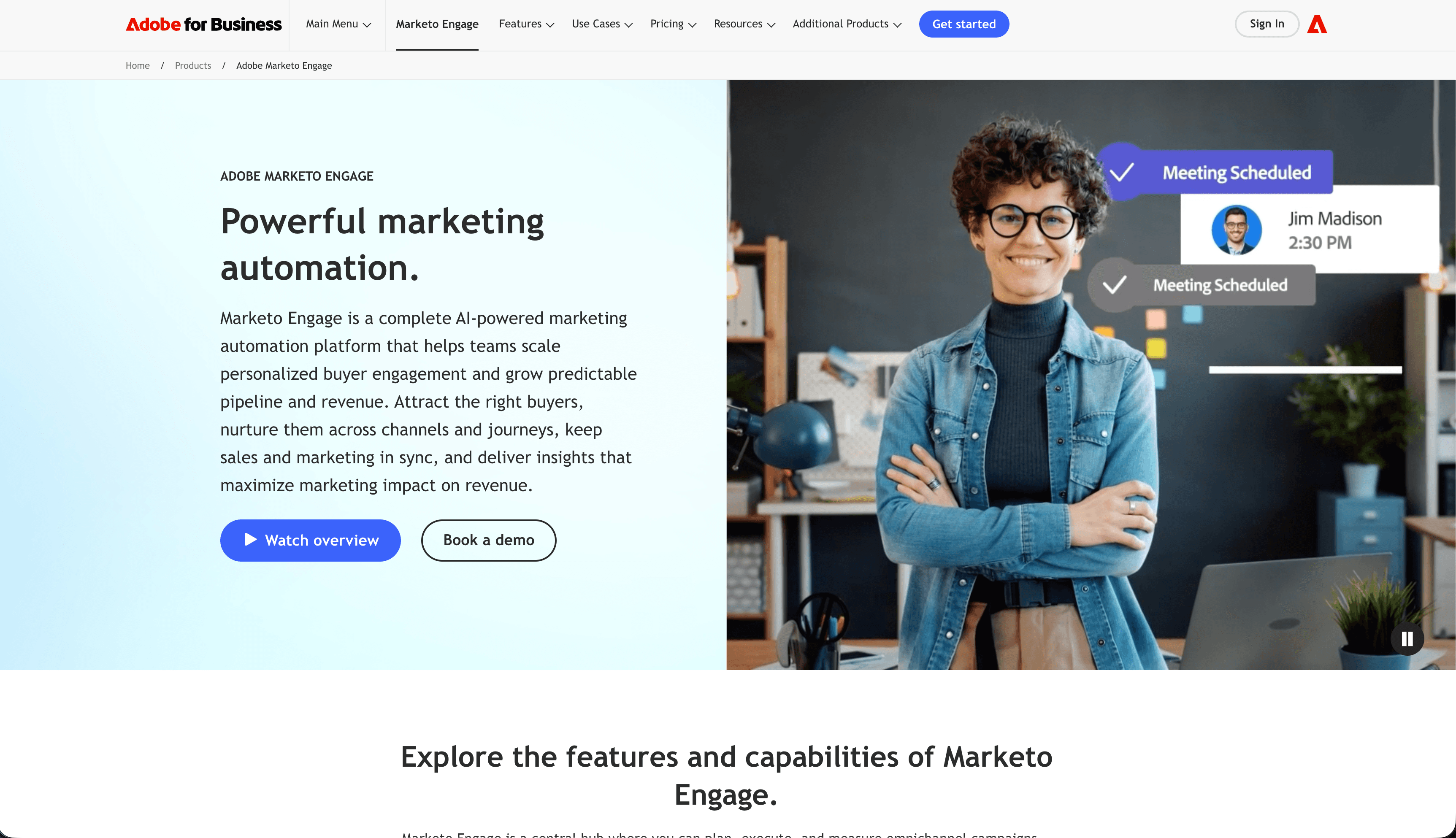
Listrak and Marketo are both marketing platforms, but they usually serve different teams. Listrak is a retail retention platform for ecommerce campaigns, SMS, cart recovery, recommendations, and managed support. Marketo is a marketing-ops platform for lead management, scoring, nurture programs, CRM sync, and sales handoff.
This comparison is useful when a commerce business has both retail and lead-generation needs. If the buyer is a retail marketer, Listrak is closer. If the buyer is demand generation or marketing operations, Marketo is closer.
Why Listrak can be the better fit
Listrak is the stronger choice when customer data is mainly store behavior: browsing, carts, purchases, product affinity, email consent, SMS consent, and repeat purchase patterns. It is designed around retail revenue workflows.
It is not built to be the center of lead scoring, account journeys, sales-qualified lead handoff, or Adobe-style marketing operations.
Why Marketo can be the better fit
Marketo is more relevant when the organization needs a structured lead database, scoring model, nurture programs, CRM sync, sales alerts, and pipeline reporting. That is a different operating model from retail campaign execution.
For an ecommerce-only retention team, Marketo can introduce complexity without adding the retail tools that Listrak emphasizes.
Where Sequenzy fits
Sequenzy fits when both enterprise directions are too heavy and the actual need is ecommerce and subscription email: Shopify, WooCommerce, Stripe-aware lifecycle messages, newsletters, and transactional email.
Use-case matchups
| Decision point | Listrak | Marketo | Sequenzy |
|---|---|---|---|
| Retail email, SMS, recommendations, and services are the center | Stronger fit | Partial | No SMS/recommendations. |
| Enterprise lead management, scoring, and sales handoff matter | Weak | Stronger fit | Partial email only. |
| B2B nurture programs are part of the same system | Weak | Stronger fit | Narrower. |
| Ecommerce cart recovery and retail lifecycle depth matter | Stronger fit | Limited compared with retail tools | Email recovery only. |
| Adobe/enterprise marketing ops alignment matters | Not the reason to buy | Stronger fit | No. |
| Core need is practical store email | Too heavy | Too heavy | Stronger fit. |
Best Fit by B2C vs B2B Marketing Motion
Best retail retention suite for ecommerce lifecycle campaigns
Listrak fits B2C retail teams that need email, SMS, recommendations, cart recovery, and support around customer retention programs.
Best marketing automation platform for B2B lead management
Marketo is the better fit when the work is lead scoring, sales handoff, B2B nurture, enterprise marketing ops, and Adobe ecosystem alignment.
Best email platform for practical store and subscription email
Sequenzy fits when the team needs practical commerce or subscription lifecycle email rather than a retail suite or B2B marketing-ops platform.
When Marketo is the real competitor
Marketo is the real competitor when ecommerce marketing is part of a larger enterprise marketing-ops system: lead management, scoring, nurture programs, CRM sync, sales handoff, and Adobe stack alignment.
Listrak is the real competitor when the buyer is a retail retention team that needs campaigns, SMS, recommendations, cart recovery, and services around ecommerce revenue.
Sequenzy belongs when neither enterprise operating model is needed and the practical job is email lifecycle automation plus transactional messages.
Pricing reality
Listrak pricing should be scoped around retail channels, SMS, recommendations, managed services, integrations, and reporting.
Marketo pricing should be modeled around database size, modules, implementation partners, CRM sync, marketing-ops labor, scoring complexity, and Adobe ecosystem requirements.
Sequenzy should be evaluated only for email lifecycle scope. It does not replace Marketo's lead-management operations or Listrak's retail services.
Review signals
The cited Listrak review themes point to retail marketing workflows, reporting, ecommerce retention fit, setup effort, and pricing clarity. The cited Marketo review themes should be read for enterprise marketing operations, CRM sync, lead management, implementation effort, and operational overhead. The review split is clear: Listrak feedback is about retail retention execution, while Marketo feedback belongs in an enterprise marketing-ops context.
Migration checklist
| Area | Moving toward Listrak | Moving toward Marketo | Moving toward Sequenzy |
|---|---|---|---|
| Data readiness | Prepare customers, products, orders, email consent, SMS consent, and recommendation data. | Prepare lead database, lifecycle stages, scoring model, CRM sync, programs, forms, and suppression rules. | Map subscribers, consent, tags, attributes, ecommerce events, and billing triggers. |
| Ownership | Assign retention marketing and vendor-service owners. | Align marketing ops, demand gen, sales ops, CRM admins, and compliance. | Assign email lifecycle and deliverability owners. |
| Automation | Rebuild retail triggers, SMS, recommendations, and campaign reporting. | Rebuild nurture streams, scoring, sales handoff, program templates, and operational alerts. | Rebuild welcome, cart, post-purchase, winback, campaigns, and transactional email. |
| Reporting | Measure campaign revenue, SMS contribution, recommendations, and services impact. | Measure program influence, lead progression, pipeline contribution, and engagement. | Measure flow revenue, campaign performance, deliverability, and transactional reliability. |
| Rollout risk | Plan retail onboarding and channel migration. | Plan database cleanup, CRM sync, scoring governance, and operations documentation. | Keep scope focused and launch email first. |
Decision checklist
- Is this a retail retention project or an enterprise marketing-ops project?
- Does sales handoff or lead scoring matter to the buyer?
- Are SMS and product recommendations required in phase one?
- Is the Adobe/Marketo ecosystem already part of the operating model?
- Would focused ecommerce email automation solve the near-term problem without enterprise migration?









