
Start with the workflow
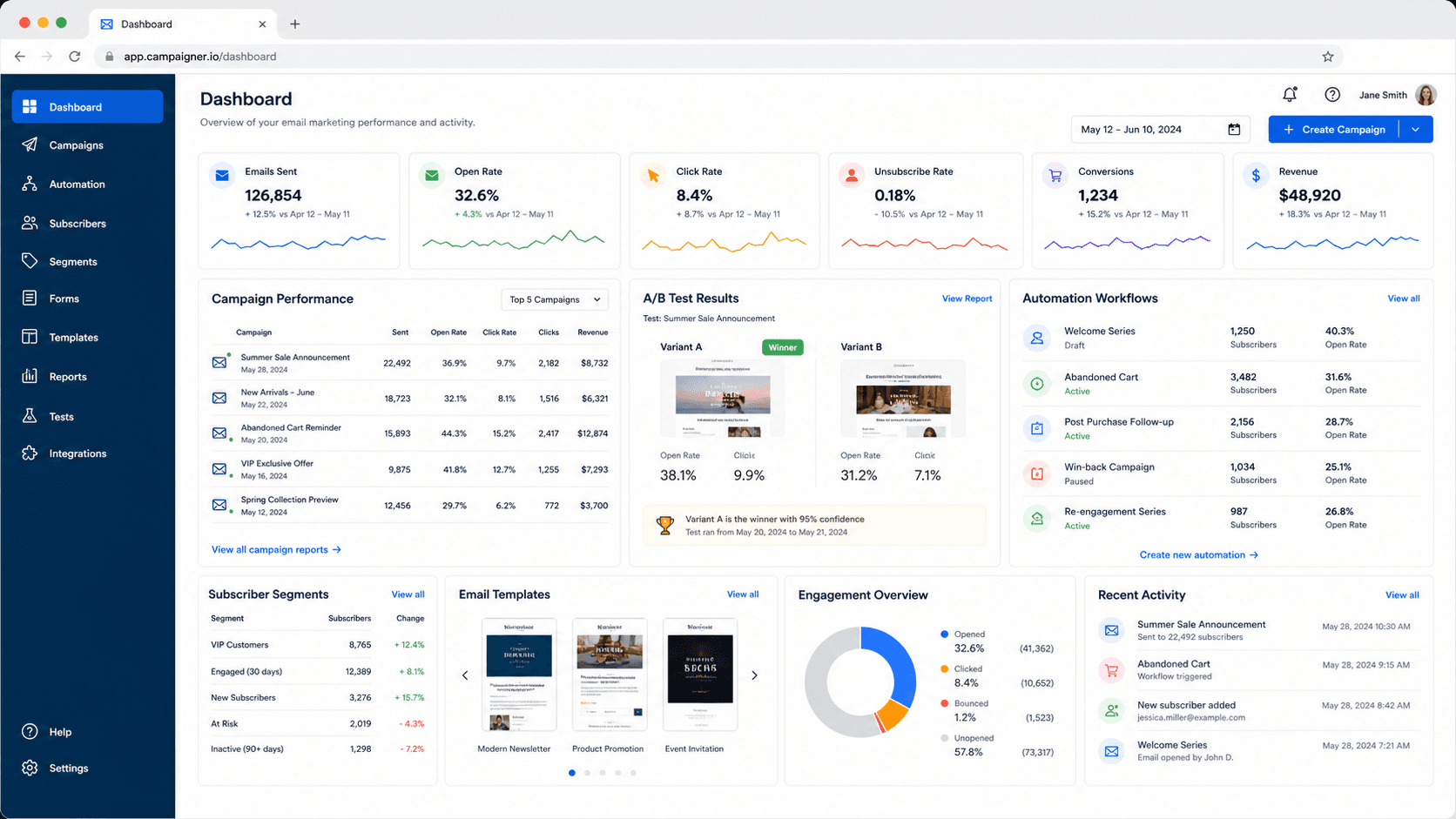
Campaigner and Sendlane can both look good on a comparison chart. The real question is which one matches the way your team works. If email marketing with advanced testing is central to your retention strategy, Campaigner deserves a closer look. If your team already prefers Sendlane's editor, reporting, or ecosystem, that may matter more than a marginal feature difference.
Where Campaigner wins
Campaigner wins when you will actually use multivariate testing, email campaigns, automation workflows. It is easiest to justify when those features are tied directly to revenue recovery or repeat purchase campaigns.
Where Sendlane wins
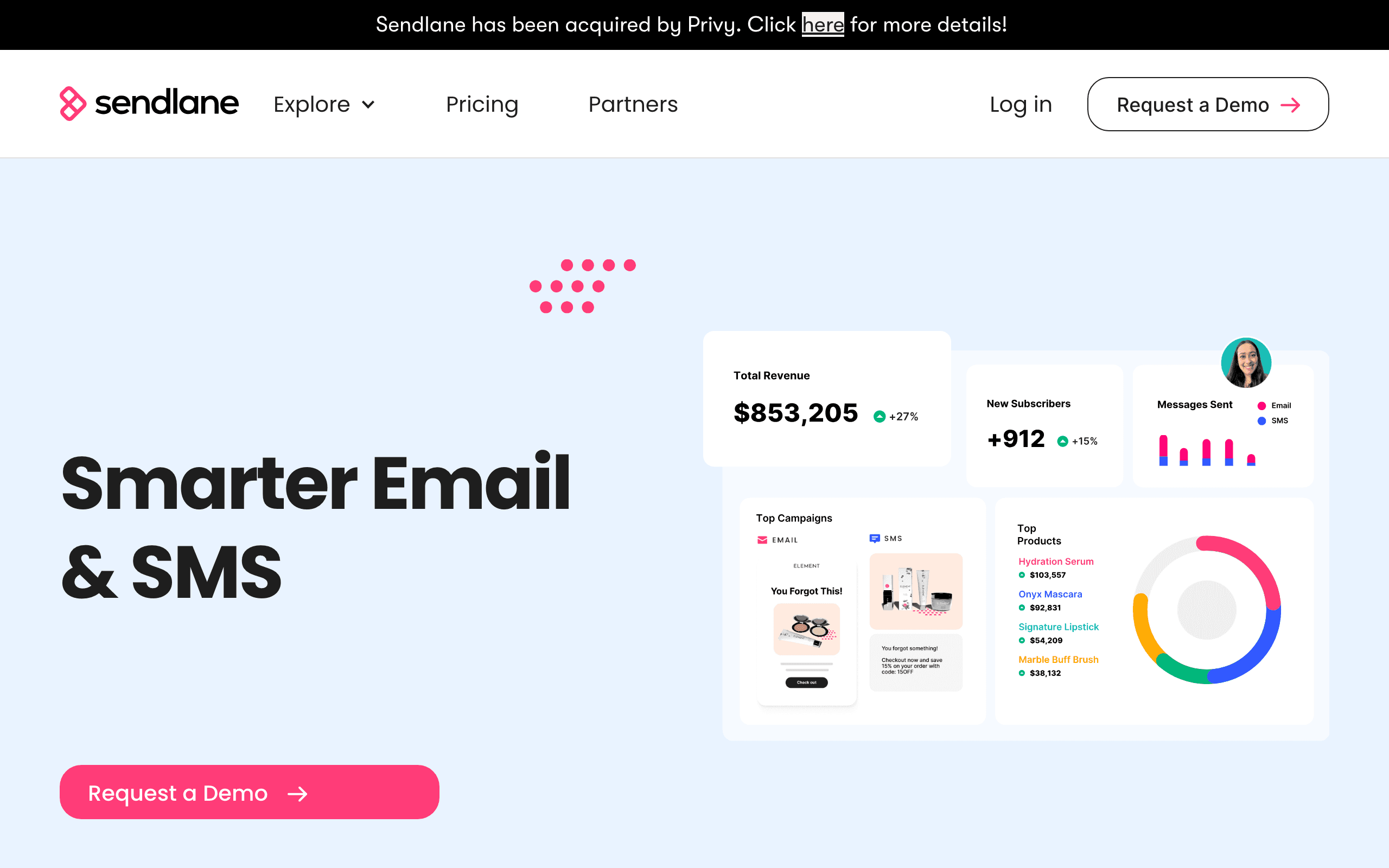
Sendlane wins when it is easier for the team to operate. A tool with slightly less specialized depth can still be the better choice if campaigns ship faster and reporting is easier to understand.
Use-case matchups
| Use case | Better fit | What to verify |
|---|---|---|
| Email optimization and testing | Campaigner | Confirm multivariate testing, template workflow, ecommerce triggers, reporting, and current plan limits. |
| Ecommerce lifecycle email plus SMS | Sendlane | Verify Shopify/WooCommerce integration, SMS pricing, segmentation, automations, and migration support. |
| Advanced campaign experimentation | Campaigner | Campaigner fits if testing sophistication is used every week and revenue lift can justify the setup. |
| Store-focused retention workflows | Sendlane | Sendlane is stronger when day-to-day work is ecommerce retention rather than broad template production. |
| Simpler commerce email plus transactional | Sequenzy | Compare if the team mostly needs Shopify/WooCommerce email, Stripe lifecycle triggers, and transactional email together. |
Best Fit by Ecommerce Retention Workflow
Best email marketing tool for advanced campaign experimentation
Campaigner fits teams that use testing sophistication every week and need broad template production, reports, and campaign optimization. It is strongest when a marketing team has the time to run experiments, interpret results, and turn testing depth into measurable revenue lift.
Best ecommerce platform for email, SMS, and store retention
Sendlane is the better fit when Shopify or WooCommerce integration, SMS pricing, segmentation, automations, and retention workflows drive the purchase.
Best email platform for commerce lifecycle and transactionals
Sequenzy fits when the team mostly needs Shopify, WooCommerce, Stripe lifecycle triggers, and transactional email together. It is the leaner option when SMS and advanced experimentation are not the buying reason.
Review signals
| Platform | Review signal used here | What it suggests | What to validate |
|---|---|---|---|
| Campaigner | Public review themes in this comparison | Teams often mention multivariate testing, ecommerce workflows, and reporting. | Validate plan limits, setup effort, support expectations, and whether testing depth is worth the workflow complexity. |
| Sendlane | Public review themes in this comparison | Teams often mention campaign workflow, integrations, and day-to-day usability. | Validate pricing at real usage, SMS scope, support, reporting, segmentation, and migration support. |
Do not stop at star ratings. Read reviews from teams with similar list sizes and ecommerce platforms. Look for comments about onboarding, deliverability, support, editor speed, segmentation, and billing surprises.
Pricing reality
Both platforms need current plan validation because ecommerce usage can change the real bill. Campaigner is easier to justify when advanced testing and campaign optimization are central. Sendlane should be modeled against contacts, email volume, SMS usage, migration services, support, and feature tier.
Sequenzy's $49/month comparison price is only relevant when the team wants email automation and transactional email without SMS, loyalty, reviews, or advanced product recommendations.
Migration checklist
| Step | What to confirm |
|---|---|
| Audience data | Export contacts, lists, tags, custom fields, segments, unsubscribes, bounces, consent, and ecommerce identifiers. |
| Ecommerce and SMS data | Preserve order, cart, browse, product, coupon, SMS consent, suppression, and customer lifecycle fields. |
| Testing assets | If leaving Campaigner, save multivariate test results, winning variants, templates, dynamic content, and reports. |
| Automations | Rebuild welcome, abandoned-cart, post-purchase, win-back, reactivation, repeat-purchase, SMS, and suppression workflows. |
| Integrations | Reconnect Shopify, WooCommerce, CRM, analytics, ads, reviews, loyalty, support, and payment tools. |
| Reporting | Export campaign, flow, revenue, SMS, test, deliverability, and contact-history reports before switching. |
Decision checklist
- Will multivariate testing and campaign experimentation be used often enough to choose Campaigner?
- Is Sendlane's ecommerce workflow, SMS support, and migration help more useful than Campaigner's testing depth?
- What is the real cost after contacts, sends, SMS, support, onboarding, and plan gates?
- Which tool maps more cleanly to Shopify/WooCommerce revenue flows and reporting?
- Can a simpler email-only stack cover the job without paying for extra ecommerce channels?
Where Sequenzy fits
Sequenzy is the simpler route when ecommerce email is the job. It is built for Shopify, WooCommerce, Stripe lifecycle email, newsletters, and transactional messages without adding SMS, loyalty, or enterprise personalization you may not use.
How to make the Campaigner vs Sendlane decision
Campaigner is stronger when you need email marketing with advanced testing. Sendlane is better when its ecosystem, workflow, or pricing is a closer match for your team.
The decision should start with the workflow, not the brand. In a email-marketing stack, the right platform is the one that makes your next important campaign easier to launch and easier to improve. If the team needs deep platform capability but has no owner for setup, reporting, and iteration, the larger product will underperform. If the team needs only a narrow workflow and buys a broad suite, the extra features become drag.
Look hardest at these differences: Campaigner wins when multivariate testing is central; Sendlane can be better for ecosystem fit; Sequenzy keeps email simpler. Those are the areas most likely to affect daily work after the demo is over.
| Decision area | Pick Campaigner when... | Pick Sendlane when... |
|---|---|---|
| Primary workflow | Its core strength matches the campaign you need next. | Its core strength matches the campaign you need next. |
| Data model | Your customer data already fits its segments and triggers. | Your customer data already fits its segments and triggers. |
| Team ownership | Someone can own setup, testing, and reporting inside the tool. | Someone can own setup, testing, and reporting inside the tool. |
| Budget | The price is justified by workflows you will use now. | The price is justified by workflows you will use now. |
My read: Choose Campaigner if email marketing with advanced testing is the reason you are buying. Choose Sendlane if its ecosystem or campaign workflow is a better operational fit. Choose Sequenzy if your team wants simpler ecommerce email automation with transactional email in the same platform.
Before committing, rebuild one live use case in the preferred tool. Use a real audience, real copy, a real trigger, and a real success metric. If that test feels clear, the platform is probably a good fit. If it requires workarounds before the first campaign is live, keep evaluating.









