Updated 2026-03-15

Best Email Marketing Tools for Bookstores

Build a loyal reader community, promote events, and grow your bookstore with the right email marketing platform.

Independent bookstores survive by building community. Readers who feel connected to your store become regulars who buy books, attend events, and recommend you to friends. Email is the direct line to your reading community. Announce author visits, share staff picks, and create the personal connection that brings readers back. Here are 13 email marketing platforms that work for bookstores.

TL;DR

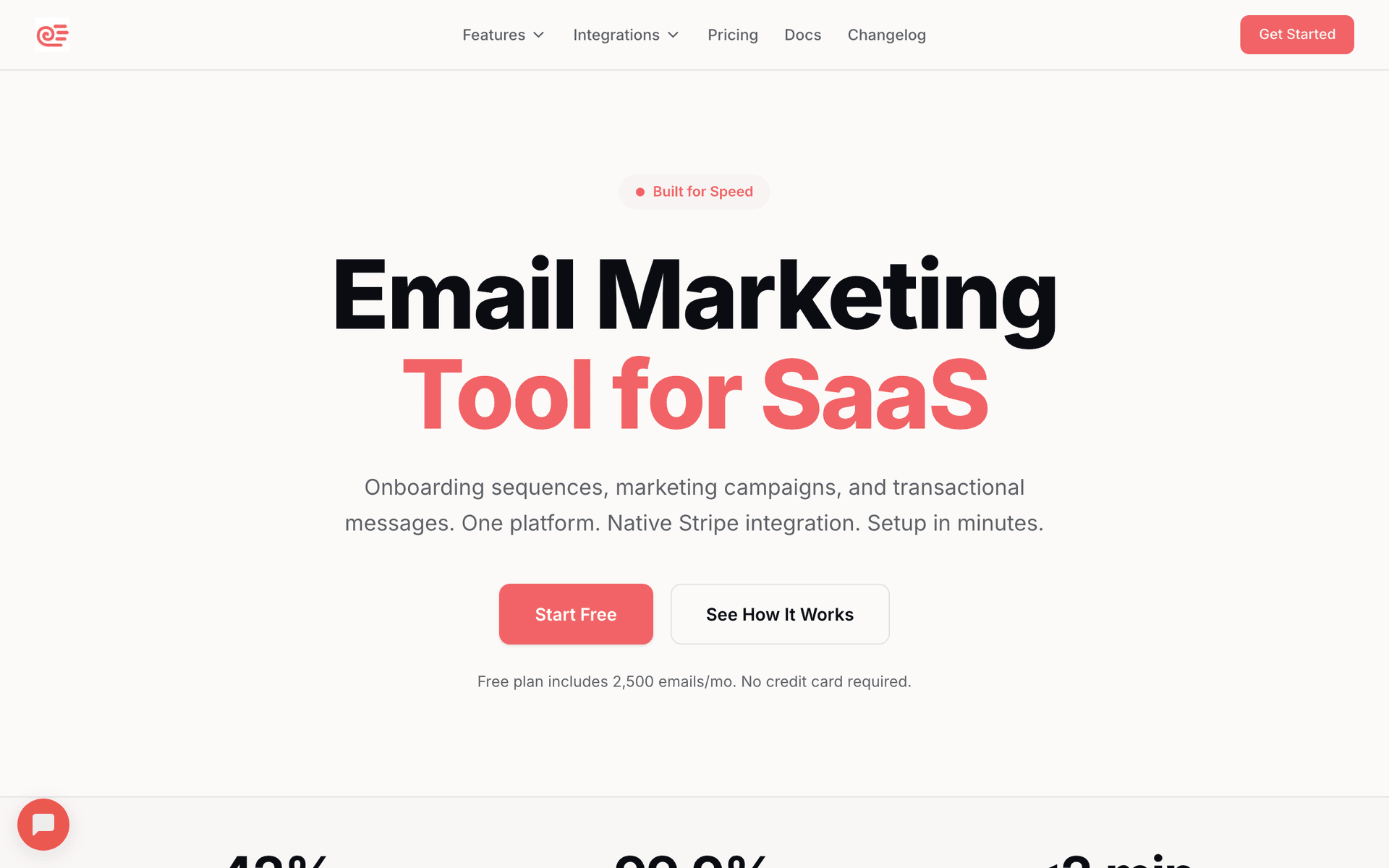
Sequenzy is the best overall choice for bookstores because the AI generates event promotions and recommendation newsletters instantly, and the free tier lets you start at no cost with pay-per-email pricing that suits book margins. MailerLite is a strong budget alternative with a clean interface and generous free tier for indie bookshops. ConvertKit works well if your store creates literary content and blogs about books.

Why Bookstores Need Email Marketing

Promote Author Events

Author signings and readings fill seats with email promotion. Reach readers who want to meet their favorite writers.

Share Staff Picks

Readers trust bookseller recommendations. Email staff picks to customers who value your curation.

Announce New Arrivals

Readers want to know what just came in. Weekly new arrivals emails drive visits from book hunters.

Build Community

Book clubs, reading groups, and literary events. Email connects the community that makes your store special.

Bookstores Email Marketing Benchmarks

Know these numbers before you start. They'll help you set realistic goals and pick the right tool.

28-38%
Average Open Rate

Bookstore emails achieve above-average open rates because readers are genuinely interested in book recommendations. Staff picks and author event emails typically outperform generic newsletters.

3-5%
Average Click Rate

Click rates are highest for staff picks with personal notes and for author event RSVPs. Including book cover images increases clicks significantly compared to text-only recommendations.

Tuesday-Thursday, 9-11 AM
Best Send Time

Mid-morning on weekdays when readers are thinking about their next read. Weekend mornings also work well for bookstore newsletters.

15-25%
Event Attendance from Email

A well-promoted author event should generate 15-25% of attendees from email promotion. Multi-touch promotion (announcement, reminder, final reminder) dramatically outperforms single-email announcements.

Important Tips Before You Choose

Lessons from bookstoreswho've been doing this for years. Save yourself the trial and error.

Make staff picks the centerpiece of your emails

Readers trust bookseller recommendations more than algorithms. A weekly or monthly staff picks email with personal notes about why each book matters is the single most engaging content type for bookstore emails. Include the staff member's name and photo to make it personal.

Promote author events 3-4 weeks in advance

Author signings and readings need promotion time. Start with an announcement 3-4 weeks out, send a reminder at one week, and a final reminder the day before. Each email should feature the author, their latest book, and a clear RSVP or ticket link.

Segment by genre for better recommendations

Track what genres customers buy and tag them accordingly. A mystery reader getting romance recommendations is a fast path to unsubscribes. Even basic genre segmentation improves engagement rates by 30-50%.

Use seasonal reading lists to drive sales

Create curated reading lists for every season and occasion - summer beach reads, cozy winter picks, holiday gift guides, back-to-school titles. These themed lists give readers a reason to buy multiple books at once.

Collect emails at every checkout

Make email collection part of your standard checkout process. Offer a small incentive like 10% off the next purchase. Every customer who walks out without giving their email is a lost opportunity to build a lasting relationship.

13 Best Email Marketing Tools for Bookstores

Our Top Pick for Bookstores
#1
Sequenzy

AI-powered email marketing for small businesses.

Visit

I built Sequenzy for small businesses that need simple tools that work without a marketing degree. For bookstores, the AI sequence builder creates event promotions, new arrivals announcements, and reader newsletters in seconds - describe your store and what you want to communicate, and get a ready-to-send email. We offer a free tier up to 2,500 emails per month, and paid plans start at $29 for 50,000 emails. We price by emails sent rather than contacts stored, which is ideal for bookstores with years of customer data. Independent bookstores typically have tight margins, and pay-per-email pricing keeps costs proportional to your actual email activity. The interface is simple enough to use between helping customers on the shop floor.

Best for
Bookstores wanting automated reader communication
Pricing
Free up to 2,500 emails/mo, then $29/mo for 50K emails (unlimited contacts)

Pros

  • AI writes bookstore sequences
  • Simple interface
  • Pay per emails sent
  • Direct founder support

Cons

  • Launched in 2025, less track record
  • No built-in SMS
  • Fewer templates
#2
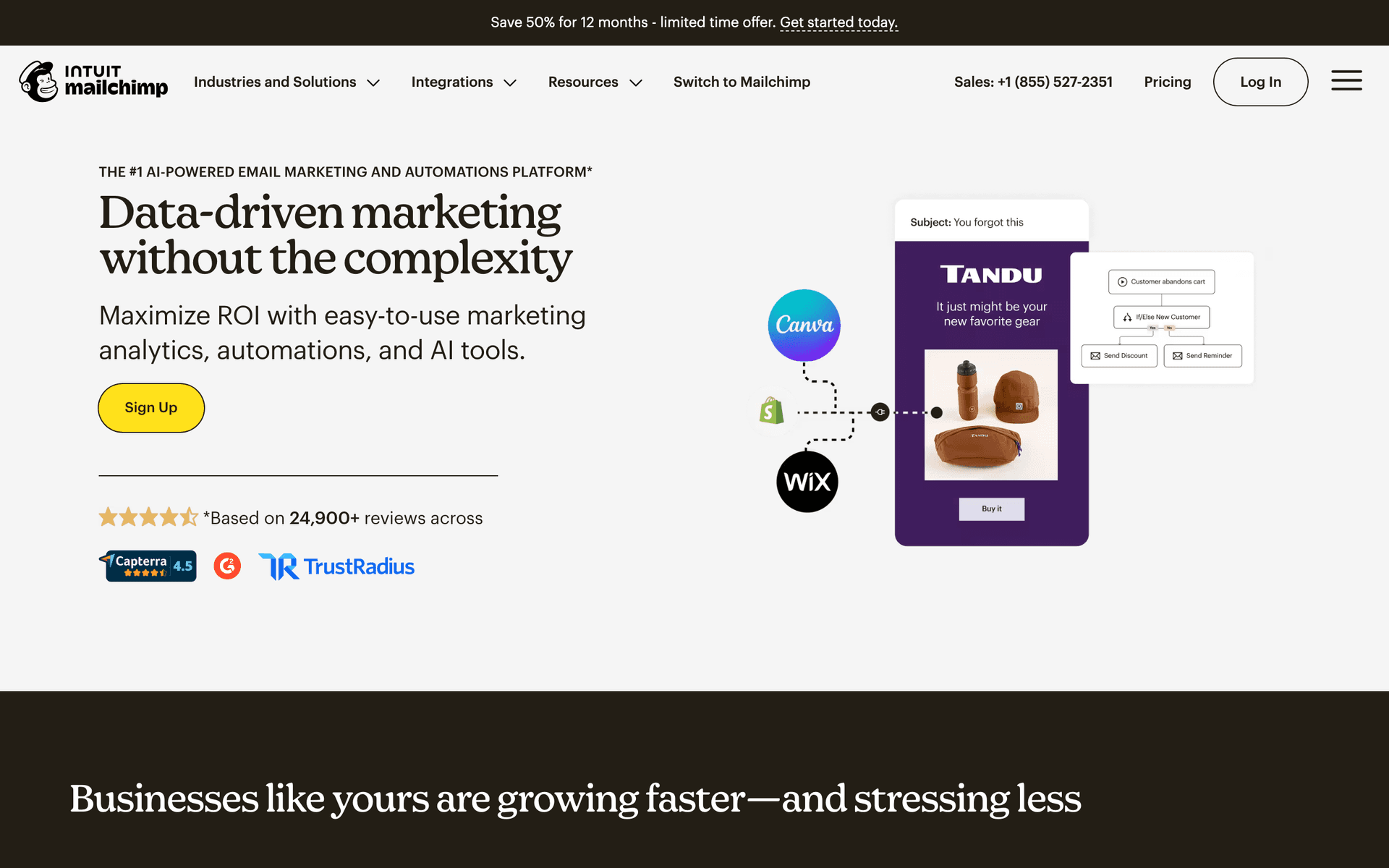
Mailchimp

Popular platform with broad integrations.

Visit

Mailchimp is what many bookstores try first because of brand familiarity and the free tier (500 contacts). The template library includes clean designs that showcase book covers well. Handles newsletters and event promotions fine. The frustration comes when your reader list grows past 500 contacts - costs climb fast, and you are paying for customers who bought one book three years ago. Interface can feel overwhelming when all you want to do is send a weekly newsletter with staff picks.

Best for
Bookstores wanting a well-known platform
Pricing
Free up to 500 contacts, then $13-350/month

Pros

  • Many templates
  • Broad integrations
  • Strong deliverability
  • Good analytics

Cons

  • Gets expensive
  • Not bookstore-focused
  • Support declined
  • Interface overwhelming
#3
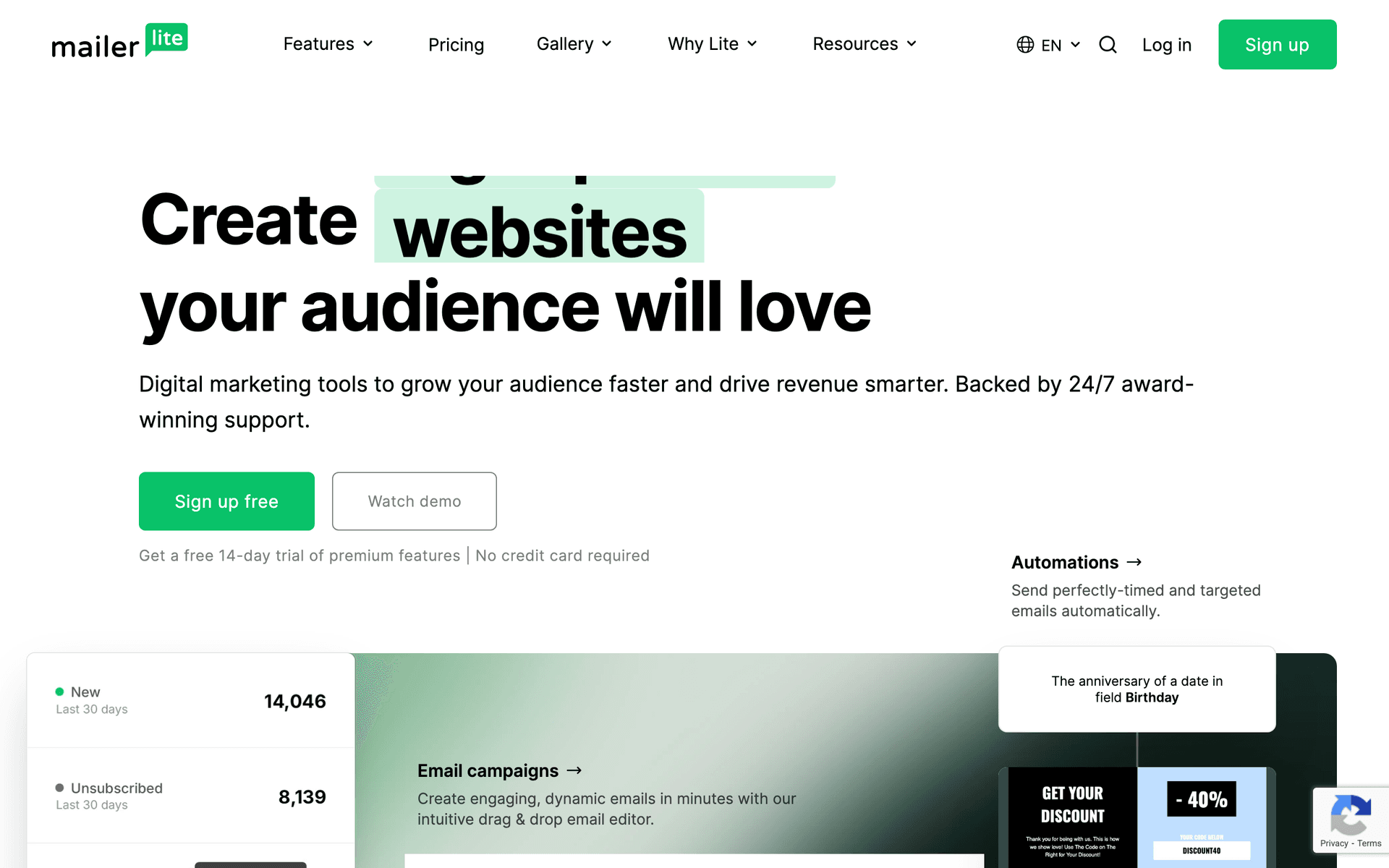
MailerLite

Clean and affordable for newsletters.

Visit

MailerLite is simple, affordable, and produces clean newsletters that showcase books beautifully. The free tier covers 1,000 subscribers with real automation. Landing pages work great for author event signups and reading challenge registrations. For indie bookshops that want a professional weekly newsletter without fighting complicated software, MailerLite is an excellent choice. The clean interface means any staff member can manage it.

Best for
Bookstores wanting simplicity
Pricing
Free up to 1,000 subscribers, then from $10/month

Pros

  • Very affordable
  • Clean interface
  • Good landing pages
  • Generous free tier

Cons

  • Strict approval
  • Limited features
  • Basic reporting
  • Approval time
#4
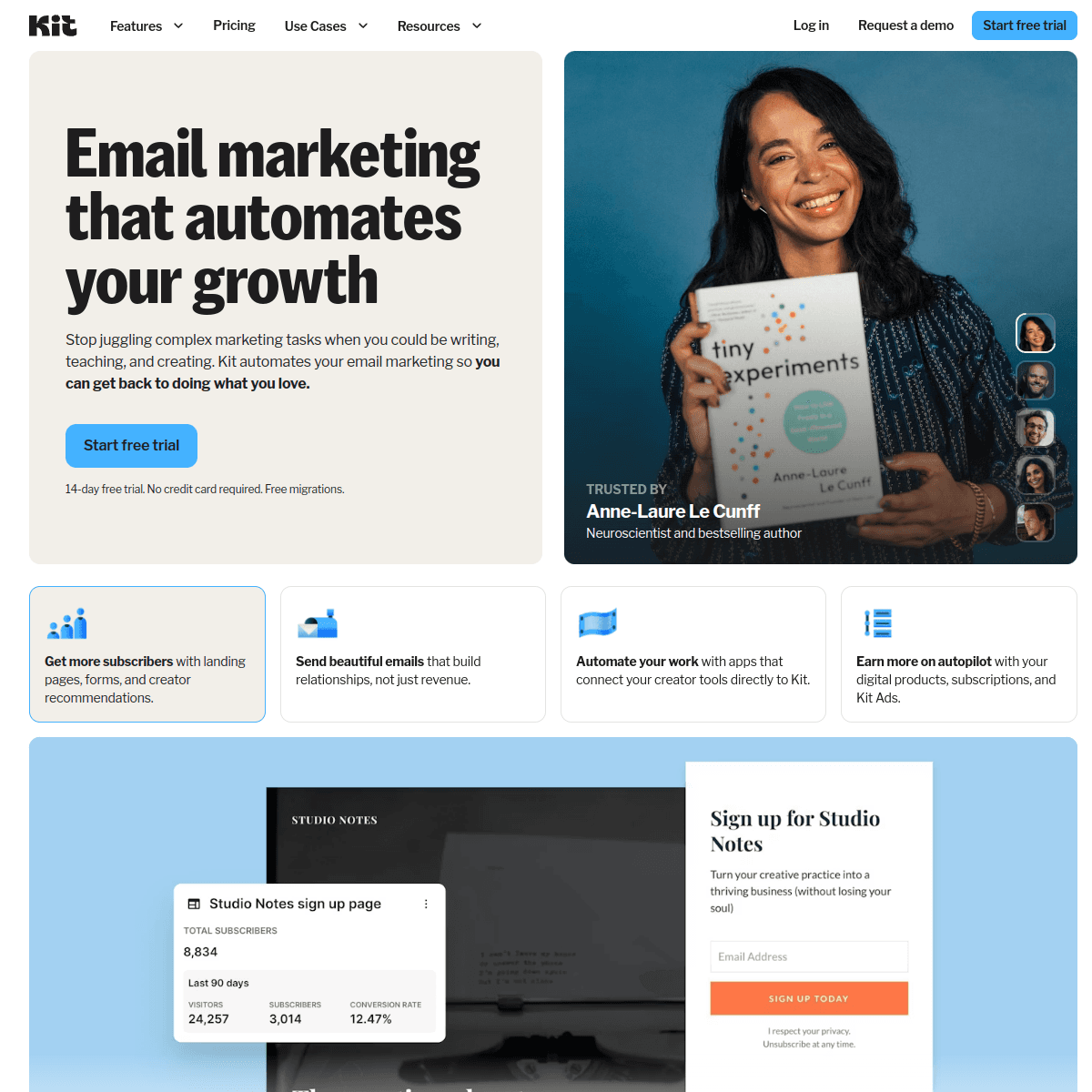
ConvertKit

Built for creators who share content.

Visit

ConvertKit works well for bookstores that actively blog about books and create literary content. The newsletter format suits thoughtful book reviews and author interviews beautifully. Tag-based automation handles genre segmentation cleanly. If your bookstore has a strong content marketing presence - you blog about books, share reading lists, or interview authors - ConvertKit is built for exactly this kind of content-driven approach. For stores that mainly send simple promotional emails, other options are simpler.

Best for
Bookstores who write about books
Pricing
Free up to 1,000 subscribers, then from $29/month

Pros

  • Creator-focused
  • Great newsletters
  • Tag automation
  • Creator community

Cons

  • Minimal design
  • Less visual focus
  • Expensive at scale
  • No free landing pages
#5
Brevo

Good value with automation included.

Visit

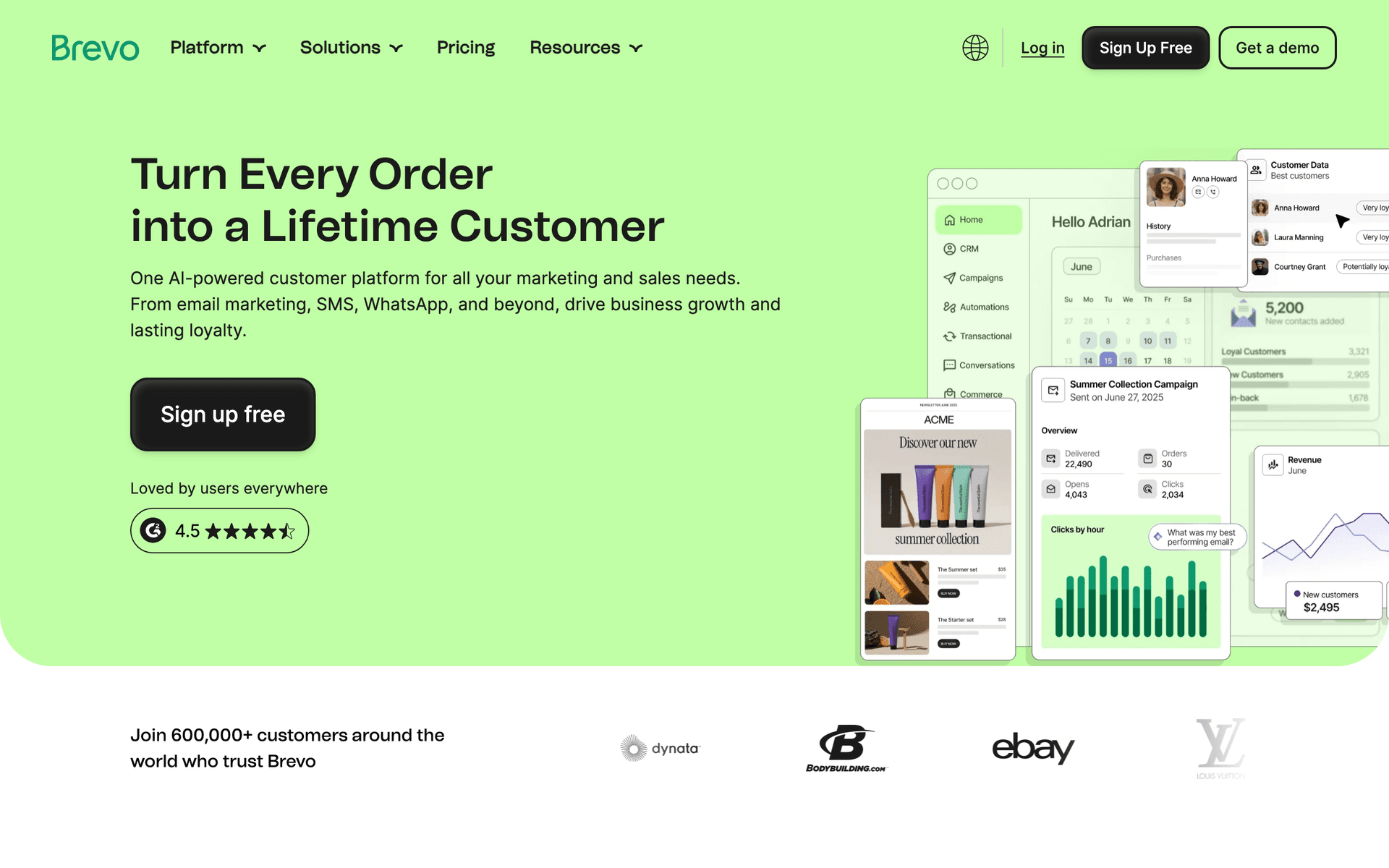
Brevo offers strong value for budget-conscious bookstores. The free tier gives 300 emails per day, which covers most small bookshop needs. SMS is included for event reminders - useful for author signings when you want to send a day-of reminder to attendees. Pay-by-email pricing means your reader list can grow without increasing costs. For bookstores wanting email and text capabilities on a tight budget, Brevo is a solid choice.

Best for
Budget-conscious bookstores
Pricing
Free up to 300 emails/day, then from $25/month

Pros

  • SMS included
  • Generous free tier
  • Good automation
  • Transactional email

Cons

  • Daily limits
  • Support slow
  • Limited integrations
  • Branding on free
#6
Constant Contact

Reliable with phone support.

Visit

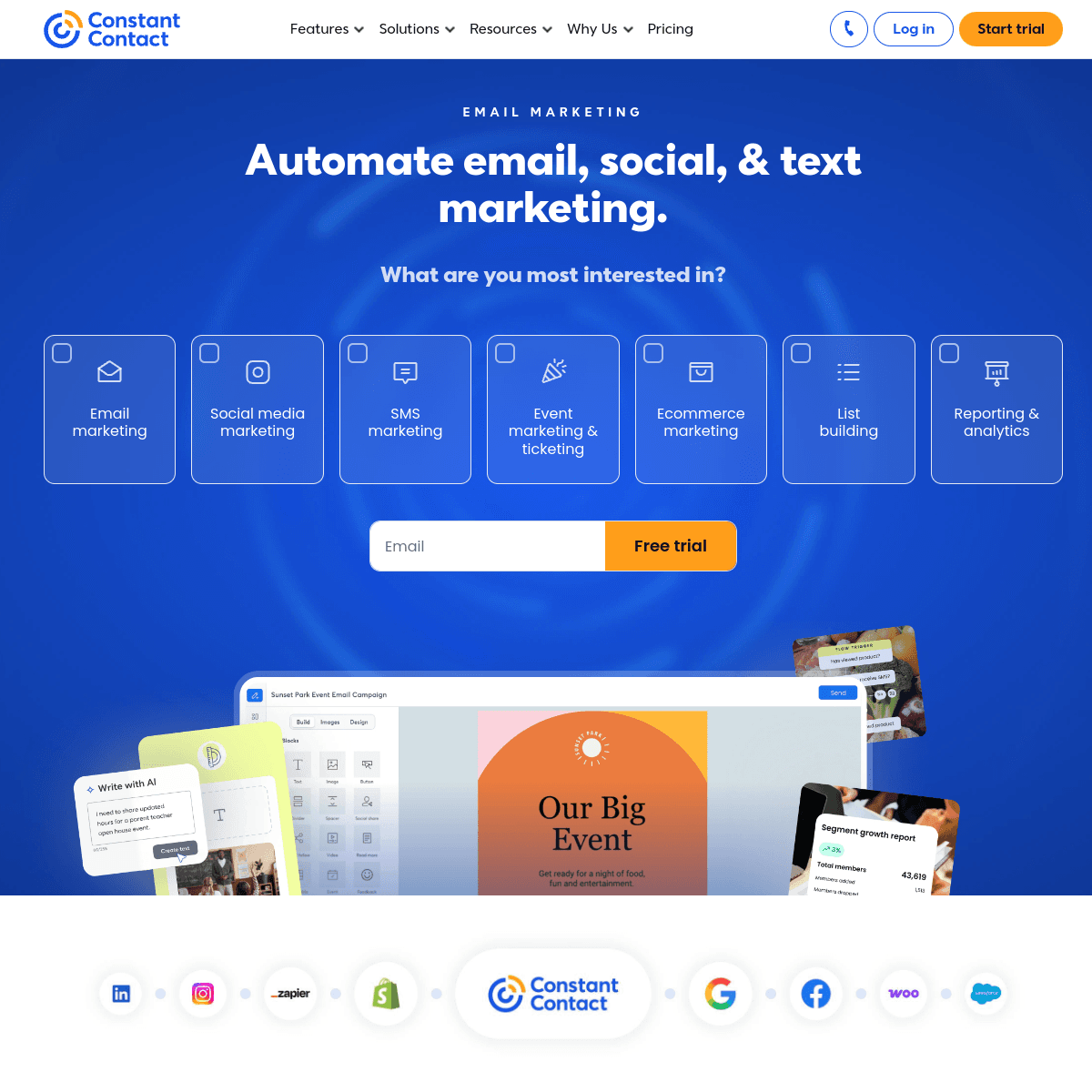
Constant Contact is straightforward and reliable with phone support that bookstore staff appreciate. The event management feature is genuinely useful for author visits, book clubs, and literary events - you can manage RSVPs and send reminders from the same platform. For bookstores that host regular events and want someone to call when they need help, Constant Contact delivers.

Best for
Bookstores wanting phone support
Pricing
From $12/month for 500 contacts

Pros

  • Easy to use
  • Phone support
  • Event features
  • Reliable

Cons

  • Limited automation
  • Templates dated
  • Higher prices
  • Not bookstore-focused
#7
ActiveCampaign

Powerful automation for growing businesses.

Visit

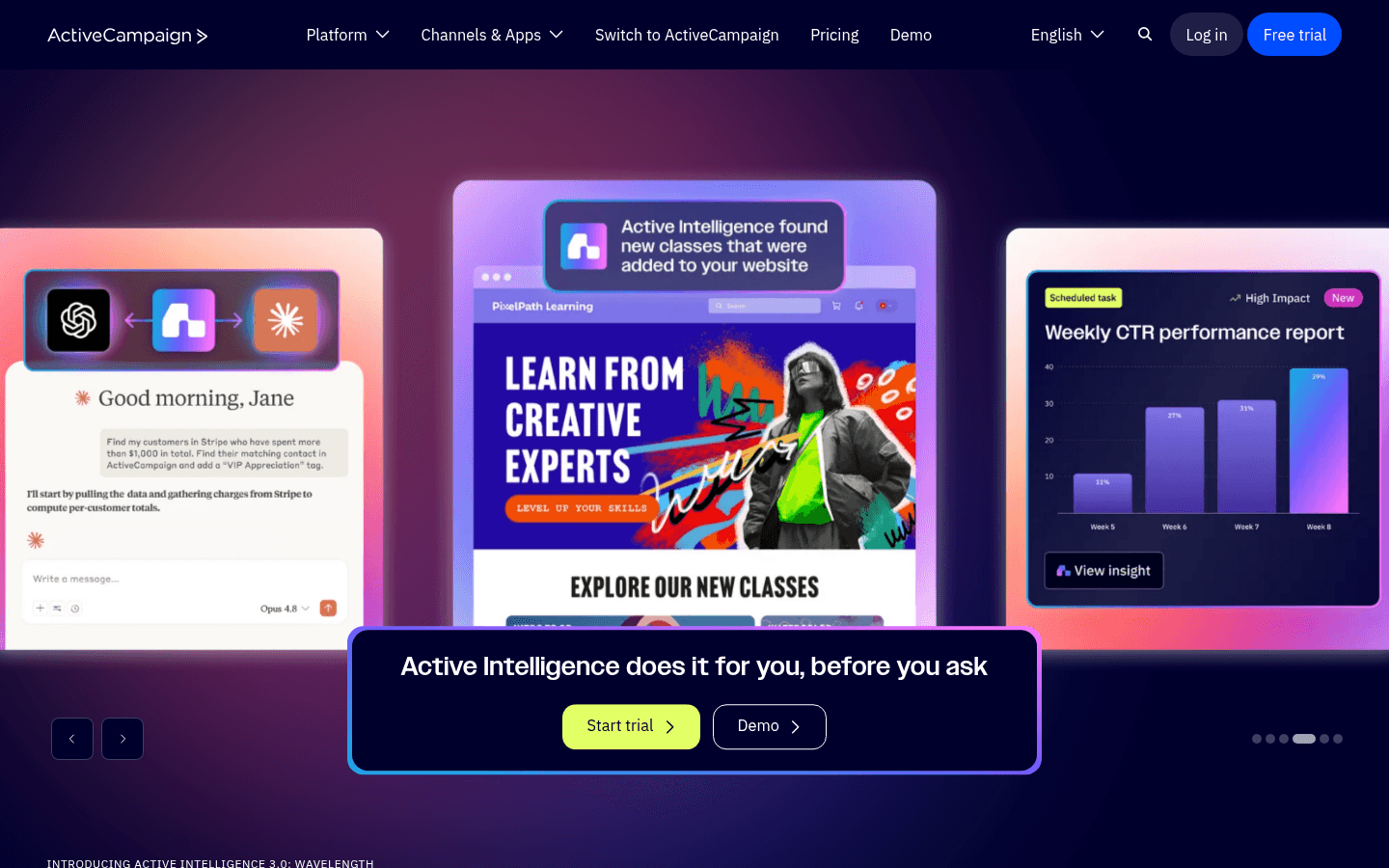
ActiveCampaign offers powerful automation for bookstores with complex needs. Segment readers by genre preferences, purchase history, event attendance, and engagement level. Build sophisticated recommendation flows that branch based on reader behavior. For larger bookstores with diverse programming and a dedicated marketing person, ActiveCampaign's depth is valuable. For small indie shops without technical staff, the complexity will slow you down.

Best for
Large bookstores with complex needs
Pricing
From $29/month for 1,000 contacts

Pros

  • Excellent automation
  • CRM included
  • Great deliverability
  • Detailed tracking

Cons

  • Steep learning curve
  • Complex interface
  • Price jumps
  • Overkill for most
#8
AWeber

Simple and reliable for newsletters.

Visit

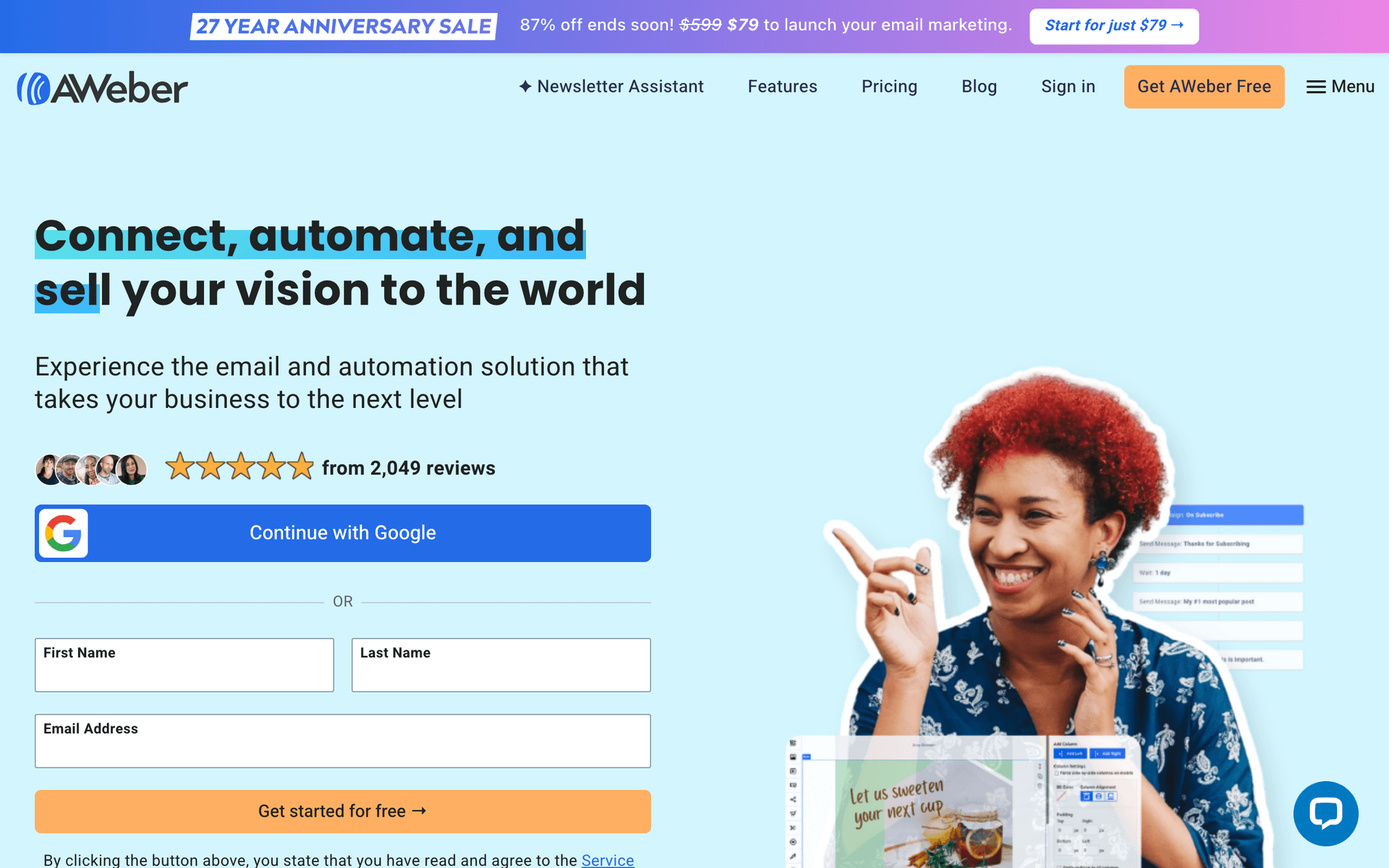
AWeber is dated but delivers on reliability. Your weekly newsletters will reach inboxes consistently - deliverability is among the best. The free tier covers 500 subscribers. For bookstores wanting simple, no-frills weekly newsletters without learning a complex platform, AWeber does the basic job. Templates feel aged compared to modern options, which matters when you want to showcase book covers attractively.

Best for
Bookstores wanting reliability
Pricing
Free up to 500 subscribers, then from $15/month

Pros

  • Reliable
  • Simple
  • Good support
  • Track record

Cons

  • Dated
  • Limited automation
  • Basic templates
  • Little innovation
#9
GetResponse

All-in-one with webinar capability.

Visit

GetResponse includes webinars for virtual author talks and online book club discussions. Landing pages work for event registration and seasonal promotion pages. Good value if you actively use the webinar feature for author Q&As or virtual reading events. Most other bundled features are unnecessary for typical bookstore marketing.

Best for
Bookstores doing virtual events
Pricing
From $19/month for 1,000 contacts

Pros

  • Webinar hosting
  • Landing pages
  • Automation
  • Competitive pricing

Cons

  • Busy interface
  • Editor basic
  • Support varies
  • Features scattered
#10
Campaign Monitor

Beautiful templates for visual content.

Visit

Campaign Monitor has the most visually polished templates on this list. Book covers and author photos look elegant and professional in their layouts. For bookstores that want every email to reflect the literary sophistication of their brand, Campaign Monitor delivers. The trade-off is limited automation and contact-based pricing that increases costs as your reader list grows.

Best for
Bookstores prioritizing visual presentation
Pricing
From $9/month for 500 contacts

Pros

  • Beautiful templates
  • Great for visuals
  • Reliable delivery
  • Professional look

Cons

  • Contact pricing
  • Limited automation
  • Gets expensive
  • Not bookstore-specific
#11
Drip

E-commerce focused for online sales.

Visit

Drip excels at tracking which emails drive revenue. If you have significant online sales through your website, Drip shows which recommendation emails generate the most purchases. At $39/month minimum with no free tier, the cost only makes sense if e-commerce is a major revenue stream for your store.

Best for
Bookstores with heavy online sales
Pricing
From $39/month for 2,500 contacts

Pros

  • Revenue tracking
  • Strong automation
  • E-commerce features
  • Analytics

Cons

  • Built for e-commerce
  • Expensive
  • Learning curve
  • Overkill for local shops
#12
HubSpot

Enterprise solution for large operations.

Visit

HubSpot is massive overkill for most bookstores. The complexity and cost are designed for companies with dedicated marketing departments. Only consider for large chain bookstores with marketing teams. Independent bookshops should look elsewhere.

Best for
Large bookstore chains only
Pricing
Free basic, paid from $50/month

Pros

  • Full CRM
  • Great for teams
  • Reporting
  • Integrations

Cons

  • Overkill
  • Expensive
  • Complex
  • Lock-in
#13
Moosend

Budget-friendly with good features.

Visit

Moosend offers solid value starting at $9/month with automation workflows and landing pages included. For bookstores just starting with email marketing or watching every dollar, Moosend covers the basics at the lowest cost. Template library is smaller than established platforms, but adequate for bookstore newsletter needs.

Best for
Very price-conscious bookstores
Pricing
From $9/month for 500 subscribers

Pros

  • Very affordable
  • Good automation
  • Responsive support
  • Landing pages

Cons

  • Less known
  • Limited integrations
  • Smaller templates
  • Fewer features

Feature Comparison

FeatureSequenzyMailchimpMailerLiteConvertKit
Event promotion
New arrivals
AI content
Drag-and-drop editor
Automation
Landing pages
Free tier available

Common Mistakes to Avoid

We see these mistakes over and over. Skip the learning curve and avoid these from day one.

Only emailing about sales and discounts

Independent bookstores cannot compete on price with Amazon. If your emails are all about discounts, you are playing the wrong game. Focus on curation, community, and the personal experience that only your store can provide.

Inconsistent sending schedule

Readers forget about stores that email sporadically. Commit to a regular weekly or bi-weekly newsletter. Consistency matters more than perfection - a good-enough weekly email beats a perfect monthly one.

Ignoring event promotion in emails

Author events fill seats primarily through email promotion. If you host events but do not promote them systematically through email, you are leaving attendance (and book sales) on the table.

Not leveraging book club content

Book clubs create natural email content - current picks, discussion questions, meeting reminders. If you run a book club but do not email about it, you are missing one of the easiest engagement drivers.

Email Sequences Every Bookstore Needs

These are the essential automated email sequences that will help you grow your business and keep clients coming back.

New Subscriber Welcome

When someone joins mailing list

Welcome new readers to your community.

Immediately
Welcome to {{store_name}}, {{first_name}}!

Thank them. Store story. What to expect from emails.

Day 3
This month's staff picks

Featured recommendations. Why we love these books.

Day 7
Upcoming events at {{store_name}}

Author visits. Book clubs. Ways to get involved.

Author Event Promotion

Before author events

Fill seats for author visits and signings.

3 weeks before
{{author_name}} is coming to {{store_name}}

Event announcement. Author bio. RSVP link.

1 week before
Limited seats for {{author_name}} event

Urgency. Book preview. Final RSVP call.

Day before
See you tomorrow for {{author_name}}

Final reminder. Event details. Arrival tips.

Weekly New Arrivals

Weekly schedule

Share what is new on the shelves.

Weekly
This week at {{store_name}}: New arrivals

New books. Staff favorites. What is selling.

Book Club Updates

Before book club meetings

Keep book club members engaged.

2 weeks before
Next book club pick: {{book_title}}

Book announcement. Discussion questions. Purchase link.

Day before
Book club tomorrow: {{book_title}}

Reminder. Meeting details. What to bring.

How to Choose the Right Email Tool for Your Bookstore

The best tool depends on your store size, how much content you create, and whether you host events regularly.

Small indie bookshops need affordable, simple tools. MailerLite (free up to 1,000 contacts) or Sequenzy (free up to 2,500 emails) get you started with professional newsletters at no cost.

Content-focused bookstores that blog about books, interview authors, or create literary content should consider ConvertKit, which is built for this kind of creator-driven approach.

Event-heavy bookstores that host regular author visits benefit from Constant Contact's event management features or GetResponse's webinar capabilities for virtual events.

Quick Decision Framework

  • Just getting started: Sequenzy (free up to 2,500 emails) or MailerLite (free up to 1,000 contacts)
  • Strong content/blog presence: ConvertKit
  • Regular author events: Constant Contact for event management
  • Virtual events: GetResponse for webinars
  • Large reader list, tight margins: Sequenzy (pay per email, not per contact)

What Actually Works for Bookstore Marketing

Curation Builds Trust

Readers value your recommendations above all else. Staff picks drive more sales than any promotion because they leverage the trust relationship between bookseller and reader. Make personal recommendations the centerpiece of every email you send.

Events Build Community

Author visits and book clubs create the connections that keep customers coming back. Email is the most effective channel for event promotion. A multi-touch email sequence (announcement, reminder, final reminder) fills seats significantly better than social media posts.

Consistency Matters Most

A weekly email keeps your store top of mind when readers want books. Consistency builds the habit of readers checking your emails. Start with a weekly commitment and maintain it - irregular emailing trains readers to ignore you.

The Bookstore Email Calendar

Weekly Newsletter Template

  • One staff pick with a personal note
  • 3-5 new arrivals with cover images
  • Upcoming events and book club updates
  • One seasonal or themed reading suggestion

Monthly Additions

  • Genre-specific recommendation emails (segment by reader preference)
  • Author spotlight for backlist discovery
  • Community content - reading challenges, customer favorites

Seasonal Campaigns

  • Holiday season: Gift guides, gift cards, and stocking stuffer picks
  • New Year: Reading resolution lists and annual reading challenges
  • Summer: Beach reads, vacation book bundles
  • Back to school: Required reading, educational titles

Getting Started This Week

  1. Start collecting emails at every checkout with a small incentive
  2. Set up a weekly new arrivals newsletter with staff picks
  3. Create author event promotion templates for your next event
  4. Build a new subscriber welcome that introduces your store and current staff picks

Start with the weekly newsletter. It is the foundation of every successful bookstore email program. Add event promotion sequences and genre segmentation as you build your subscriber base.

How We Evaluated These Tools

I tested each platform by building three core workflows for bookstores: a new subscriber welcome with staff picks, an author event promotion sequence, and a weekly new arrivals newsletter. I evaluated visual design quality for book covers, event management features, cost at 500-3,000 contacts, and ease of use for non-technical bookstore staff.

Frequently Asked Questions

Ready to grow your bookstore practice?

Start your free trial today. Set up your first email sequence in minutes with AI-powered content generation.

Related Industries

Sequenzy - Complete Pricing Guide

Pricing Model

Sequenzy uses email-volume-based pricing. You only pay for emails you send. Unlimited contacts on all plans — storing subscribers is always free.

All Pricing Tiers

  • 2.5k emails/month: Free (Free annually)
  • 15k emails/month: $19/month ($205/year annually)
  • 60k emails/month: $29/month ($313/year annually)
  • 120k emails/month: $49/month ($529/year annually)
  • 300k emails/month: $99/month ($1069/year annually)
  • 600k emails/month: $199/month ($2149/year annually)
  • 1.2M emails/month: $349/month ($3769/year annually)
  • Unlimited emails/month: Custom pricing (Custom annually)

Yearly billing: All plans offer a 10% discount when billed annually.

Free Plan Features (2,500 emails/month)

  • Visual automation builder
  • Transactional email API
  • Reply tracking & team inbox
  • Goal tracking & revenue attribution
  • Dynamic segments
  • Payment integrations
  • Full REST API access
  • Custom sending domain

Paid Plan Features (15k - 1.2M emails/month)

  • Visual automation builder
  • Transactional email API
  • Reply tracking & team inbox
  • Goal tracking & revenue attribution
  • Dynamic segments
  • Payment integrations (Stripe, Paddle, Lemon Squeezy)
  • Full REST API access
  • Custom sending domain

Enterprise Plan Features (Unlimited emails)

  • Visual automation builder
  • Transactional email API
  • Reply tracking & team inbox
  • Goal tracking & revenue attribution
  • Dynamic segments
  • Payment integrations
  • Full REST API access
  • Custom sending domain

Important Pricing Notes

  • You only pay for emails you send — unlimited contacts on all plans
  • No hidden fees - all features included in the price
  • No credit card required for free tier

Contact

  • Pricing Page: https://sequenzy.com/pricing
  • Sales: hello@sequenzy.com