Updated 2026-03-15

Best Email Marketing Tools for Craft Stores

Build a crafting community, promote classes, and grow your store with the right email marketing platform.

Craft stores are more than retail. They are community hubs where makers gather, learn, and create. Email helps you nurture that community. Share new supplies, promote classes, and inspire projects. The stores that stay connected between visits build loyal customers who see your shop as their creative home. Here are 13 email marketing platforms that work for craft stores.

TL;DR

Sequenzy is the best pick for craft stores because the AI writes class promotions and project inspiration emails in seconds, and the free tier (2,500 emails/mo) covers most small shops. Mailchimp is a solid runner-up with good visual templates for showcasing crafts. MailerLite is the best value option with a generous free tier and landing pages for class registration.

Why Craft Stores Need Email Marketing

Promote Classes and Workshops

Craft classes need attendance. Email reaches people who want to learn new techniques and meet fellow crafters.

Announce New Supplies

Crafters want to know when their favorite yarns, fabrics, or supplies arrive. Email gets them in the door.

Share Project Inspiration

Ideas drive craft purchases. Project ideas and tutorials inspire customers to try new things and buy supplies.

Build Community

Craft stores thrive on community. Email connects makers between visits and builds the relationships that matter.

Craft Stores Email Marketing Benchmarks

Know these numbers before you start. They'll help you set realistic goals and pick the right tool.

30-40%
Average Open Rate

Craft store emails enjoy high open rates because customers are genuinely interested in inspiration and class schedules. If you are below 25%, your subject lines may not be specific enough about the content inside.

3-5%
Average Click Rate

Project tutorials and class registration links drive the highest click rates. Generic newsletters without clear calls to action see lower engagement.

Tuesday or Wednesday, 9-11 AM
Best Send Time

Mid-week mornings give crafters time to plan weekend store visits and class attendance. Avoid Friday and weekend sends when personal email volume is highest.

50-70% of seats
Class Fill Rate from Email

A well-promoted class should fill 50-70% of seats through email marketing alone. If your rate is lower, try adding project photos and urgency messaging to your class promotion sequence.

Important Tips Before You Choose

Lessons from craft storeswho've been doing this for years. Save yourself the trial and error.

Send project tutorials that require your supplies

Every project tutorial email should include a supply list that links to items available in your store. This turns inspiration into foot traffic. A 'Weekend Project' email featuring a beginner tote bag pattern with links to the fabric, thread, and tools you carry drives both engagement and sales.

Segment by craft interest from day one

Knitters, quilters, paper crafters, and scrapbookers have very different interests. Ask customers their primary craft when they sign up, and tag them accordingly. A knitter receiving emails about paper punches will unsubscribe. A knitter receiving emails about new yarn arrivals will come in and buy.

Promote classes 3 weeks out with urgency at 1 week

Craft classes need a 3-email promotion sequence: announcement at 3 weeks, details at 2 weeks, and urgency (limited spots) at 1 week. Show a photo of what students will create. Classes that sell out consistently become your most powerful marketing tool.

Feature customer projects in your newsletter

Ask customers to share photos of their finished projects and feature them in your weekly email. This builds community, encourages more sharing, and shows potential customers what they can create with your supplies and classes.

Time new arrival emails to weekday mornings

Crafters who shop at local stores tend to plan weekend visits. Send new arrival and supply alerts on Tuesday or Wednesday morning so customers have time to plan a visit. Weekend sends get lost in personal email noise.

Create a VIP email for your best customers

Identify your top 20% of customers by purchase frequency or class attendance. Send them early access to new supplies, exclusive class registrations, and special discounts. This VIP treatment turns good customers into ambassadors who bring friends.

13 Best Email Marketing Tools for Craft Stores

Our Top Pick for Craft Stores
#1
Sequenzy

AI-powered email marketing for small businesses.

Visit

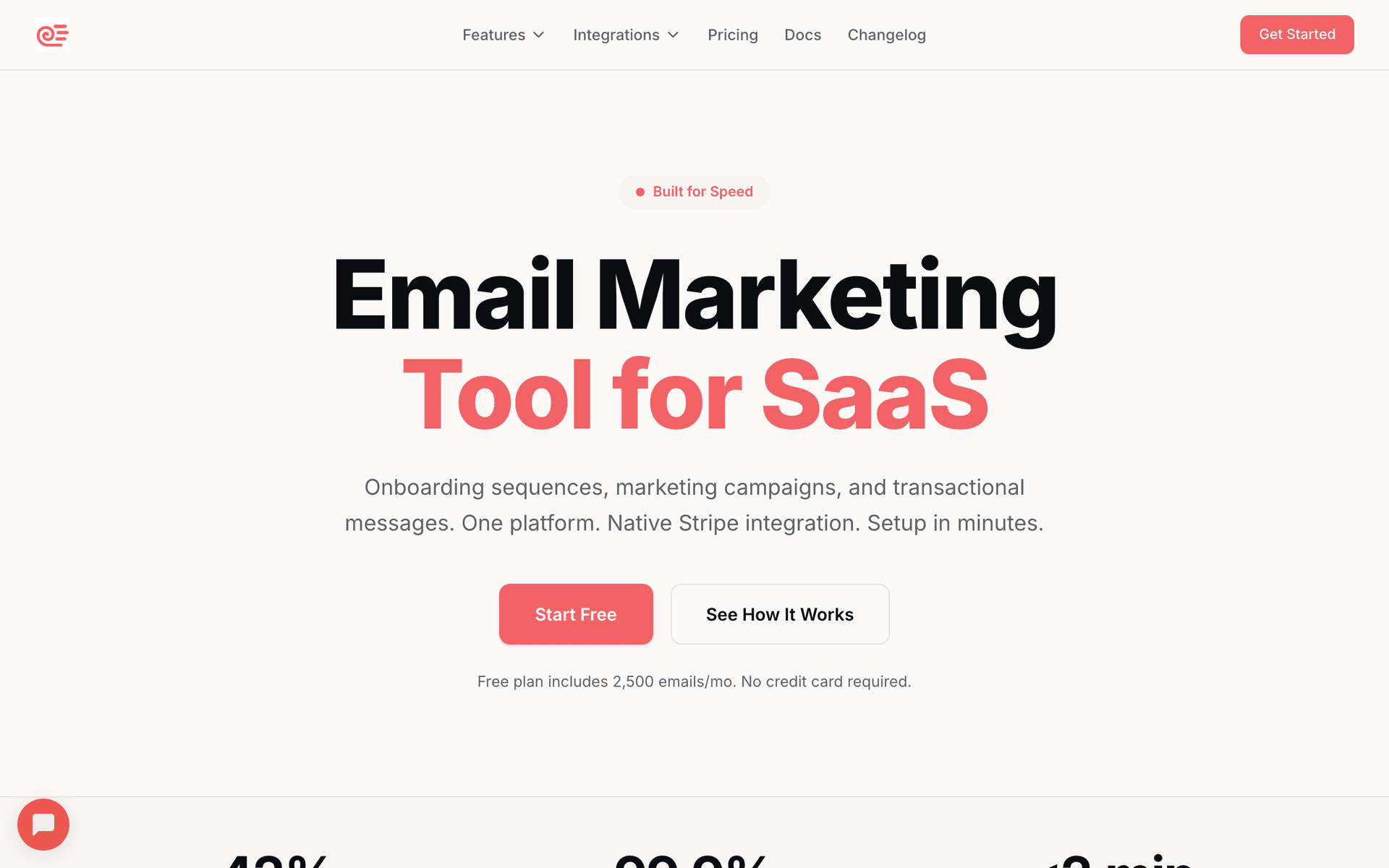
Sequenzy is ideal for craft stores because the AI creates class promotions, project inspiration emails, and customer follow-ups in seconds. Tell the AI you need a promotion for a Saturday quilting class and it generates a complete email with subject line, body copy, and a call to action. The free tier covers up to 2,500 emails per month, which handles a small shop with a few hundred customers emailing weekly. When you grow, the paid plan at $29 for 50,000 emails is priced by sends rather than contacts - perfect for craft stores that have accumulated years of customer records but only email active crafters regularly. The interface is simple enough to use between helping customers, which matters when you are running a shop and doing marketing in spare moments.

Best for
Craft stores wanting automated community communication
Pricing
Free up to 2,500 emails/mo, then $29/mo for 50K emails (unlimited contacts)

Pros

  • AI writes craft sequences
  • Free tier for small shops
  • Simple interface
  • Pay per emails sent

Cons

  • Launched in 2025, less track record
  • No built-in SMS
  • Fewer templates
#2
Mailchimp

Popular platform with visual templates.

Visit

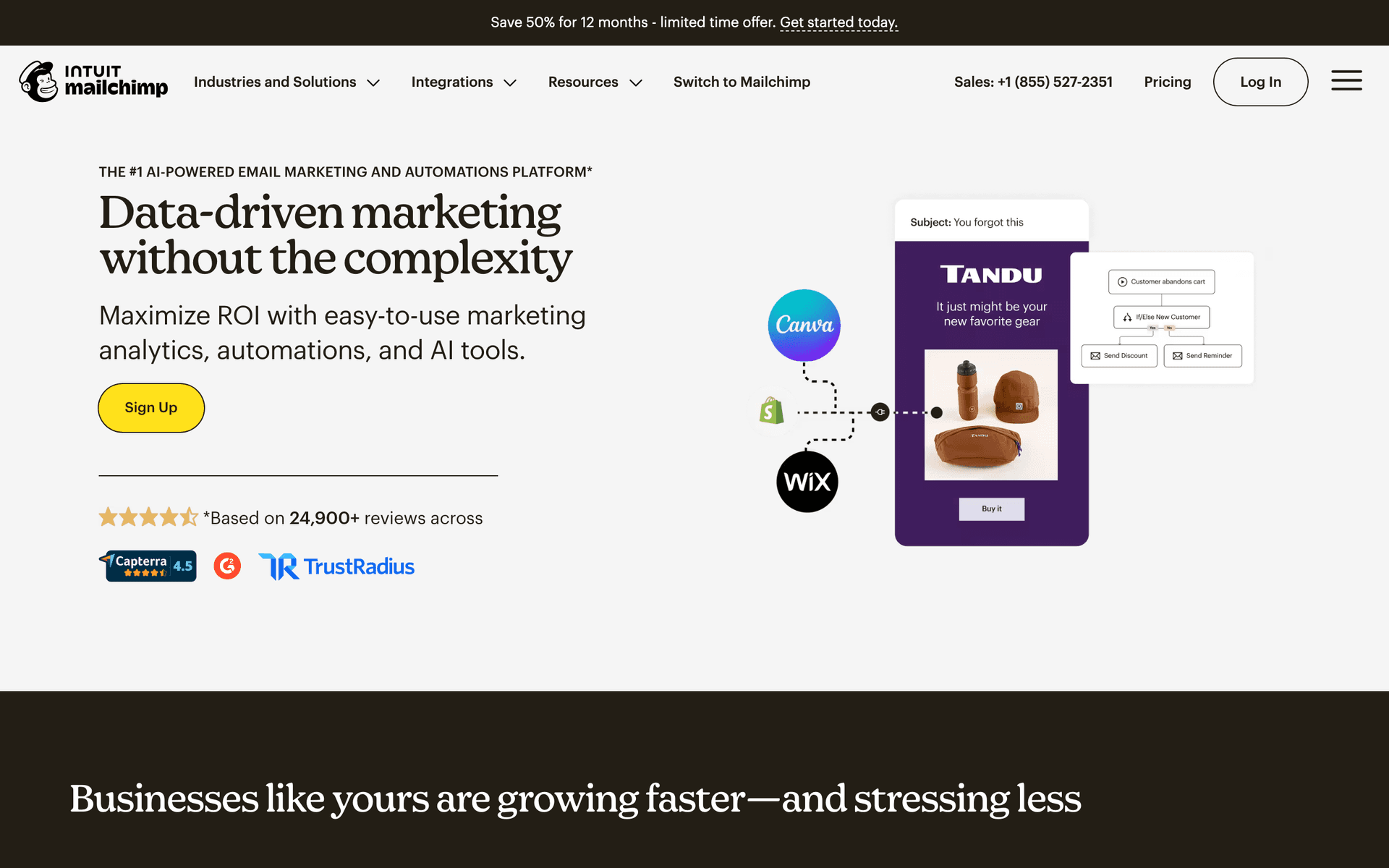
Mailchimp is what many craft stores try first, and the visual templates are genuinely good for showcasing colorful projects and supplies. The image-heavy layouts work well when you are featuring new yarn arrivals or class project photos. The free tier covers 500 contacts to get started. Integrations with Shopify and Square mean your POS system can sync customer data automatically. The frustration comes when your customer list grows past 2,500 contacts and costs climb to $50+ per month, especially painful when many of those contacts are inactive past customers. The automation is basic for the price, and class promotion workflows require the Standard plan.

Best for
Craft stores wanting a well-known platform
Pricing
Free up to 500 contacts, then $13-350/month

Pros

  • Many templates
  • Broad integrations
  • Strong deliverability
  • Good analytics

Cons

  • Gets expensive
  • Not craft-focused
  • Support declined
  • Interface overwhelming
#3
MailerLite

Clean and affordable for newsletters.

Visit

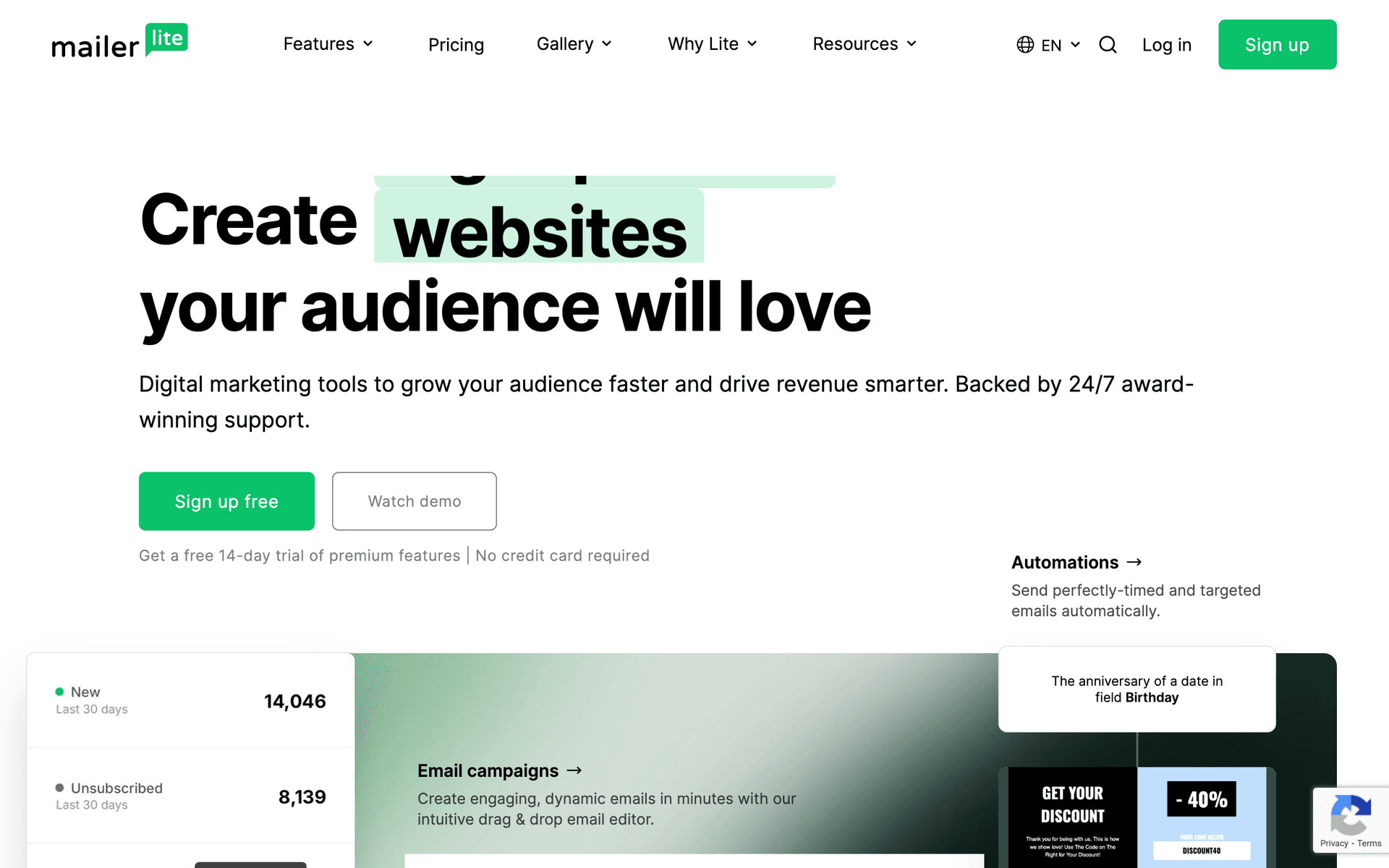
MailerLite is simple and affordable, which is exactly what most craft store owners need. The clean interface makes creating a weekly project inspiration email or class announcement straightforward. The landing page builder creates class registration pages in minutes - share the link on social media and in-store signage to capture registrations. The free tier covers 1,000 subscribers with most features unlocked, including automation. For craft stores that want professional email marketing without complexity or high costs, MailerLite is the value champion. The strict account approval process can take a few days, which is the main frustration.

Best for
Craft stores wanting simplicity
Pricing
Free up to 1,000 subscribers, then from $10/month

Pros

  • Very affordable
  • Clean interface
  • Good landing pages
  • Generous free tier

Cons

  • Strict approval
  • Limited features
  • Basic reporting
  • Approval time
#4
ConvertKit

Built for creators who share tutorials.

Visit

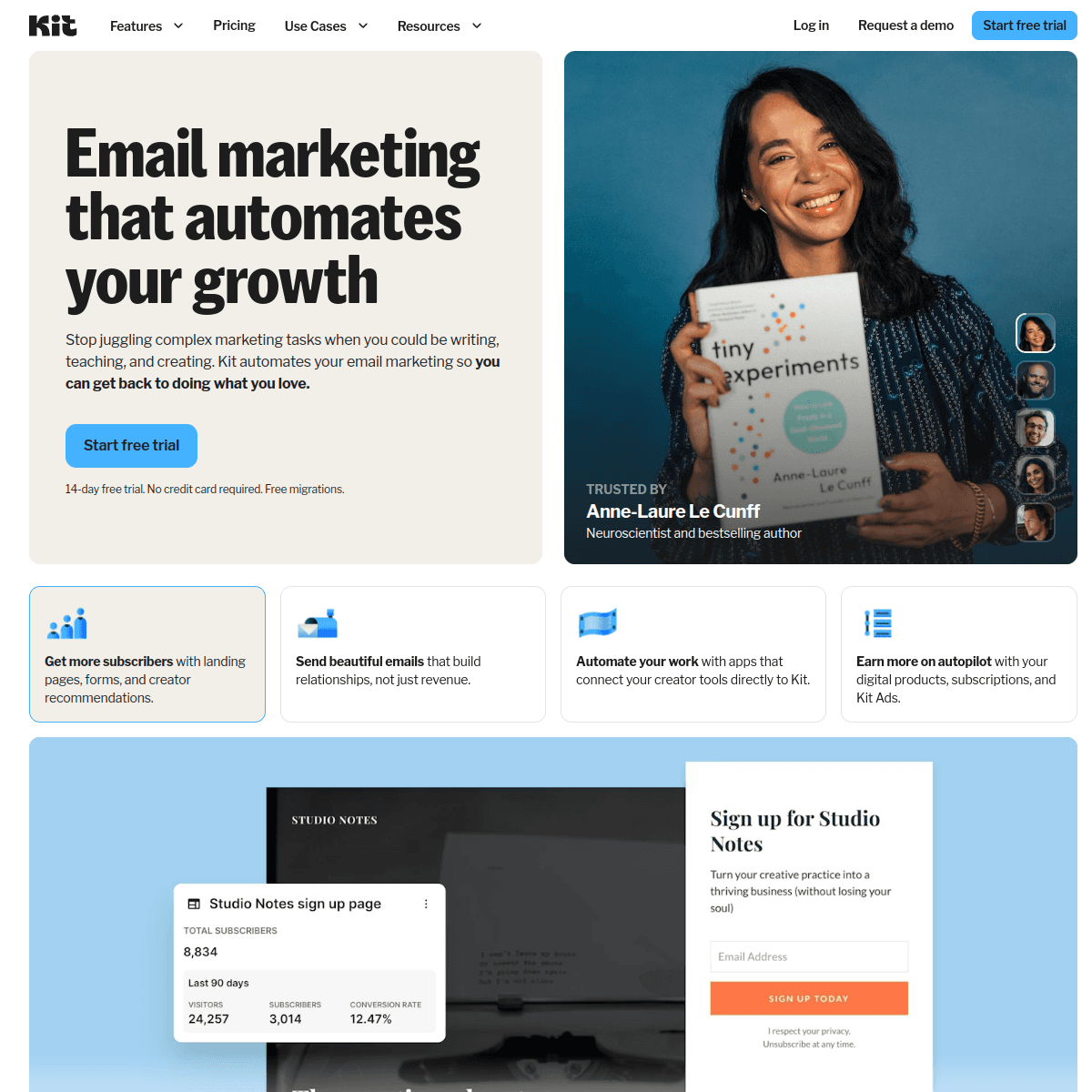
ConvertKit (Kit) works beautifully for craft stores that double as content creators - sharing tutorials, project ideas, and technique guides. If you blog about crafting, run a YouTube channel, or publish a regular tutorial newsletter, Kit's creator-focused features feel natural. The newsletter format is clean and text-friendly, which suits tutorial content well. Tag-based automation lets you segment by craft interest and send targeted project ideas. The free tier covers 1,000 subscribers. The limitation is visual design - Kit favors simple text layouts over the image-heavy designs that craft stores often want for showcasing colorful supplies and projects.

Best for
Craft stores who share tutorials
Pricing
Free up to 1,000 subscribers, then from $29/month

Pros

  • Creator-focused
  • Great newsletters
  • Tag automation
  • Creator community

Cons

  • Minimal design
  • Less visual focus
  • Expensive at scale
  • No free landing pages
#5
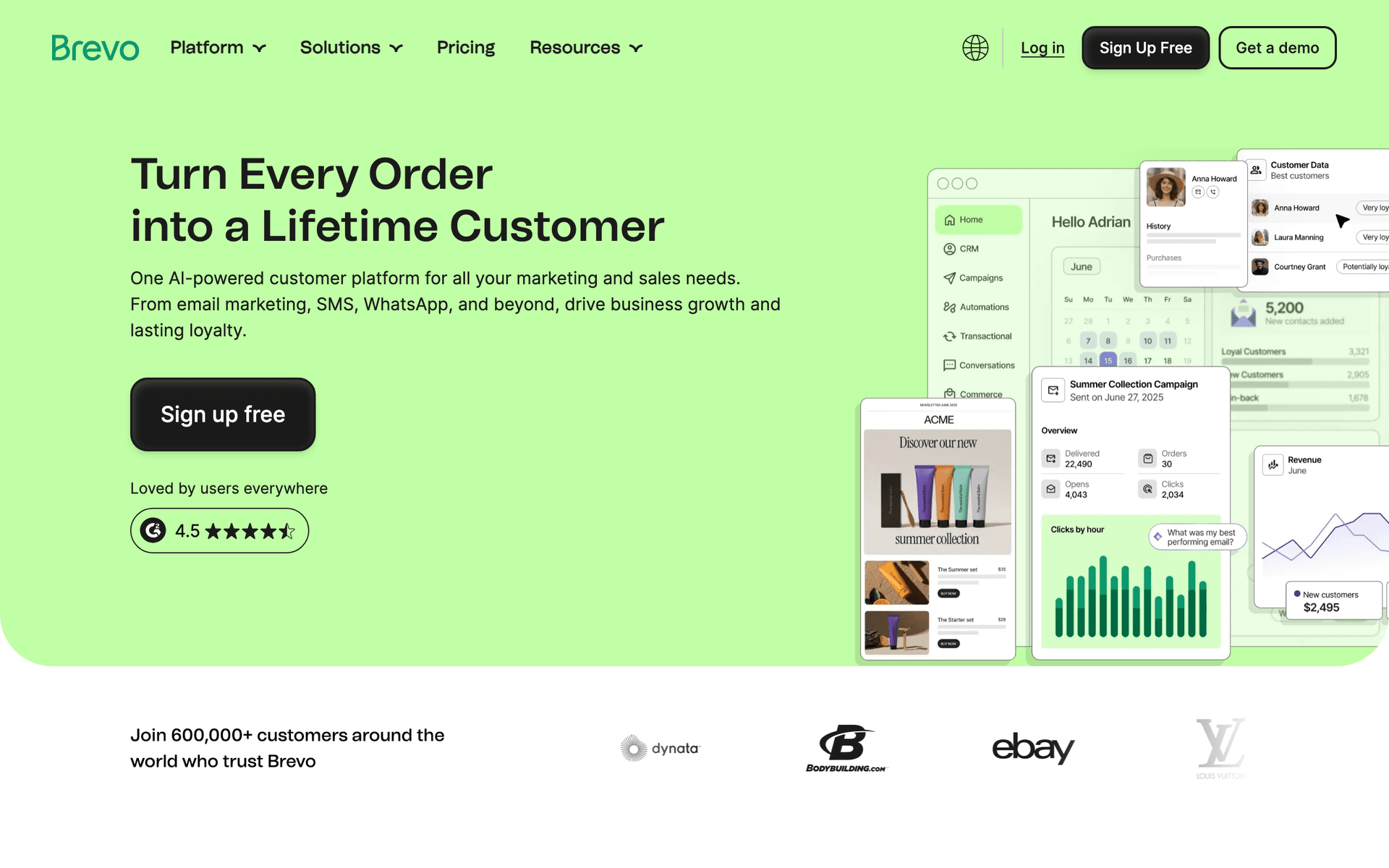
Brevo

Good value with SMS included.

Visit

Brevo offers great value for craft stores that want both email and SMS in one platform. The free tier gives 300 emails per day with unlimited contacts. SMS is included for time-sensitive messages like class reminders, flash sales, or new arrival alerts. For craft stores wanting to send a text reminder the day before a class and a weekly email newsletter from the same tool, Brevo consolidates two channels into one affordable platform. The automation handles class promotion sequences and welcome emails for new customers.

Best for
Budget-conscious craft stores
Pricing
Free up to 300 emails/day, then from $25/month

Pros

  • SMS included
  • Generous free tier
  • Good automation
  • Transactional email

Cons

  • Daily limits
  • Support slow
  • Limited integrations
  • Branding on free
#6
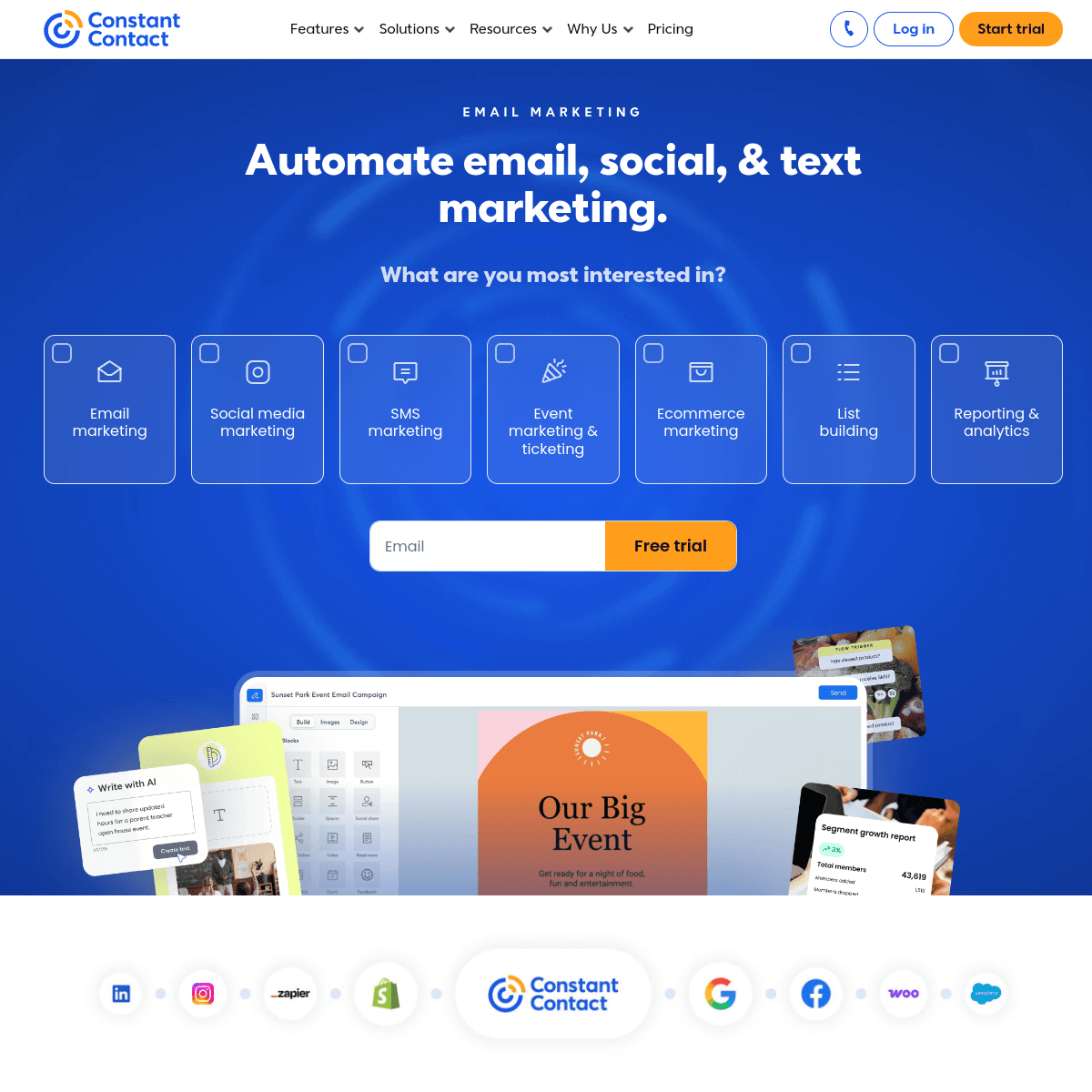
Constant Contact

Reliable with phone support.

Visit

Constant Contact is straightforward and reliable, with phone support that is genuinely helpful when you get stuck. The event features work well for classes and craft nights - create an event, send invitations, and track RSVPs from one place. Social media posting is included so you can share class announcements across channels. For craft store owners who want someone to call when they need help and do not want to figure things out from documentation alone, Constant Contact provides that human support. The automation is basic and the templates feel dated, but the ease of use and support quality compensate.

Best for
Craft stores wanting phone support
Pricing
From $12/month for 500 contacts

Pros

  • Easy to use
  • Phone support
  • Event features
  • Reliable

Cons

  • Limited automation
  • Templates dated
  • Higher prices
  • Not craft-focused
#7
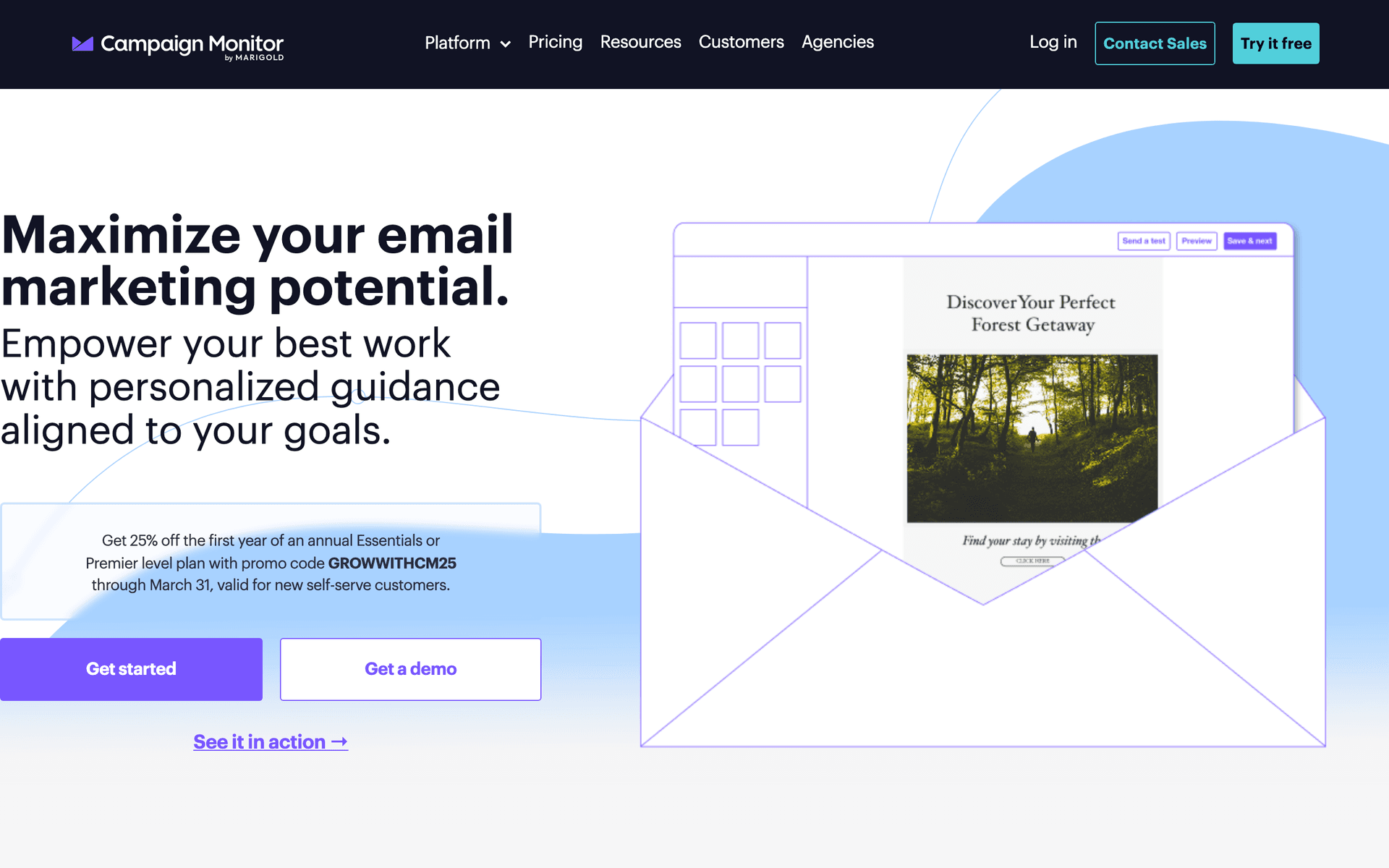
Campaign Monitor

Beautiful templates for visual content.

Visit

Campaign Monitor has beautiful templates that showcase craft projects and colorful supplies elegantly. If visual presentation is your priority - and for a craft store, it should be - Campaign Monitor makes every email look like a magazine spread. Your project photos, new supply arrivals, and class announcements will look stunning. The editor is smooth and the link review catches broken links before you send. The limitation is automation depth and contact-based pricing that adds up as your customer list grows.

Best for
Craft stores prioritizing visual presentation
Pricing
From $9/month for 500 contacts

Pros

  • Beautiful templates
  • Great for visuals
  • Reliable delivery
  • Professional look

Cons

  • Contact pricing
  • Limited automation
  • Gets expensive
  • Not craft-specific
#8
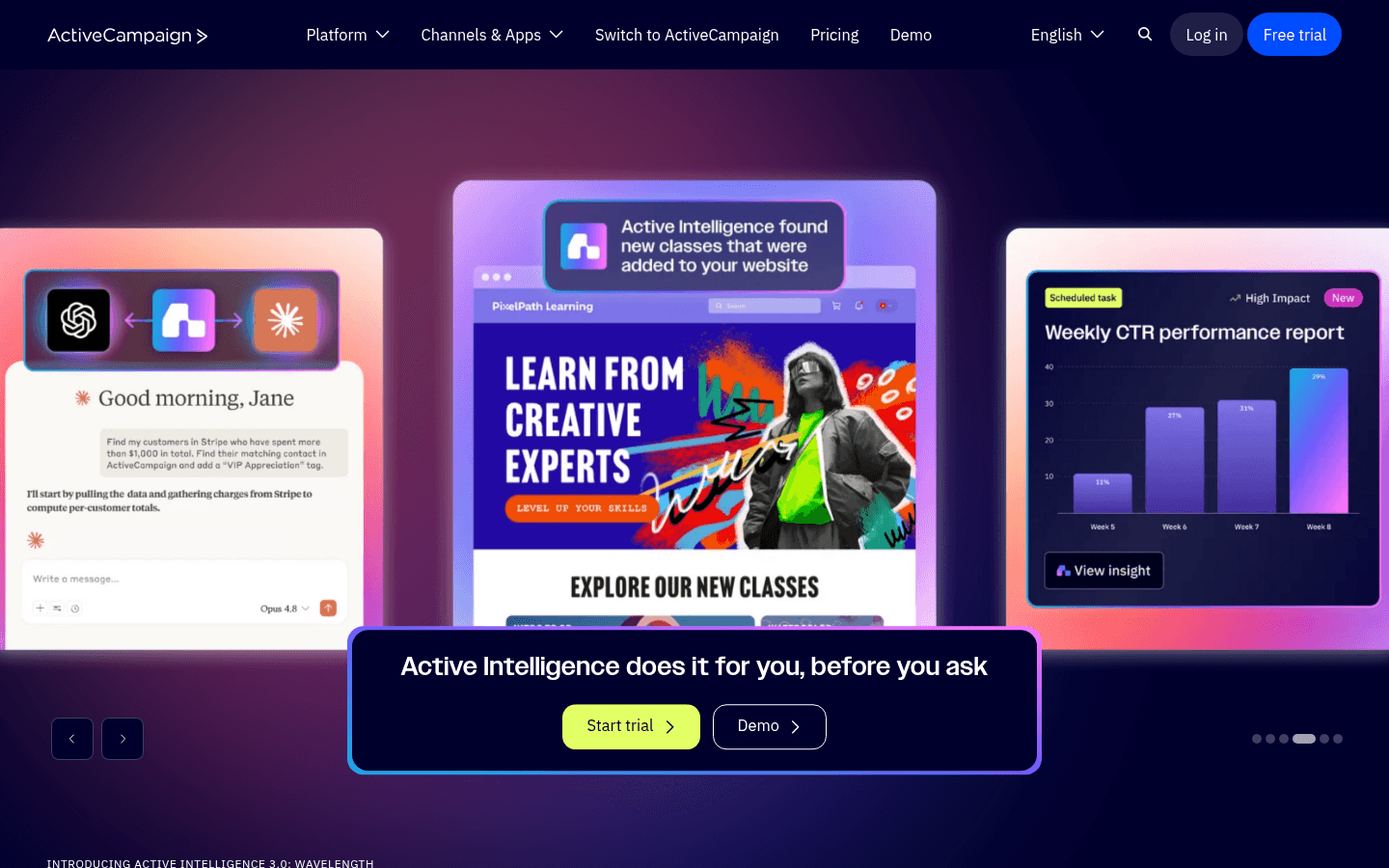
ActiveCampaign

Powerful automation for growing businesses.

Visit

ActiveCampaign offers powerful automation that larger craft stores with diverse offerings will appreciate. Segment crafters by interest (knitting, sewing, paper crafts, jewelry making), track class attendance history, and build automated sequences that suggest the next class based on what they have taken before. The CRM tracks customer lifetime value so you know who your most valuable crafters are. For stores with 5,000+ customers, multiple class categories, and both online and in-store sales, ActiveCampaign provides the organization. For small shops with a few hundred customers, it is overkill and the learning curve is not worth it.

Best for
Large craft stores with diverse offerings
Pricing
From $29/month for 1,000 contacts

Pros

  • Excellent automation
  • CRM included
  • Great deliverability
  • Detailed tracking

Cons

  • Steep learning curve
  • Complex interface
  • Price jumps
  • Overkill for most
#9
AWeber

Simple and reliable for newsletters.

Visit

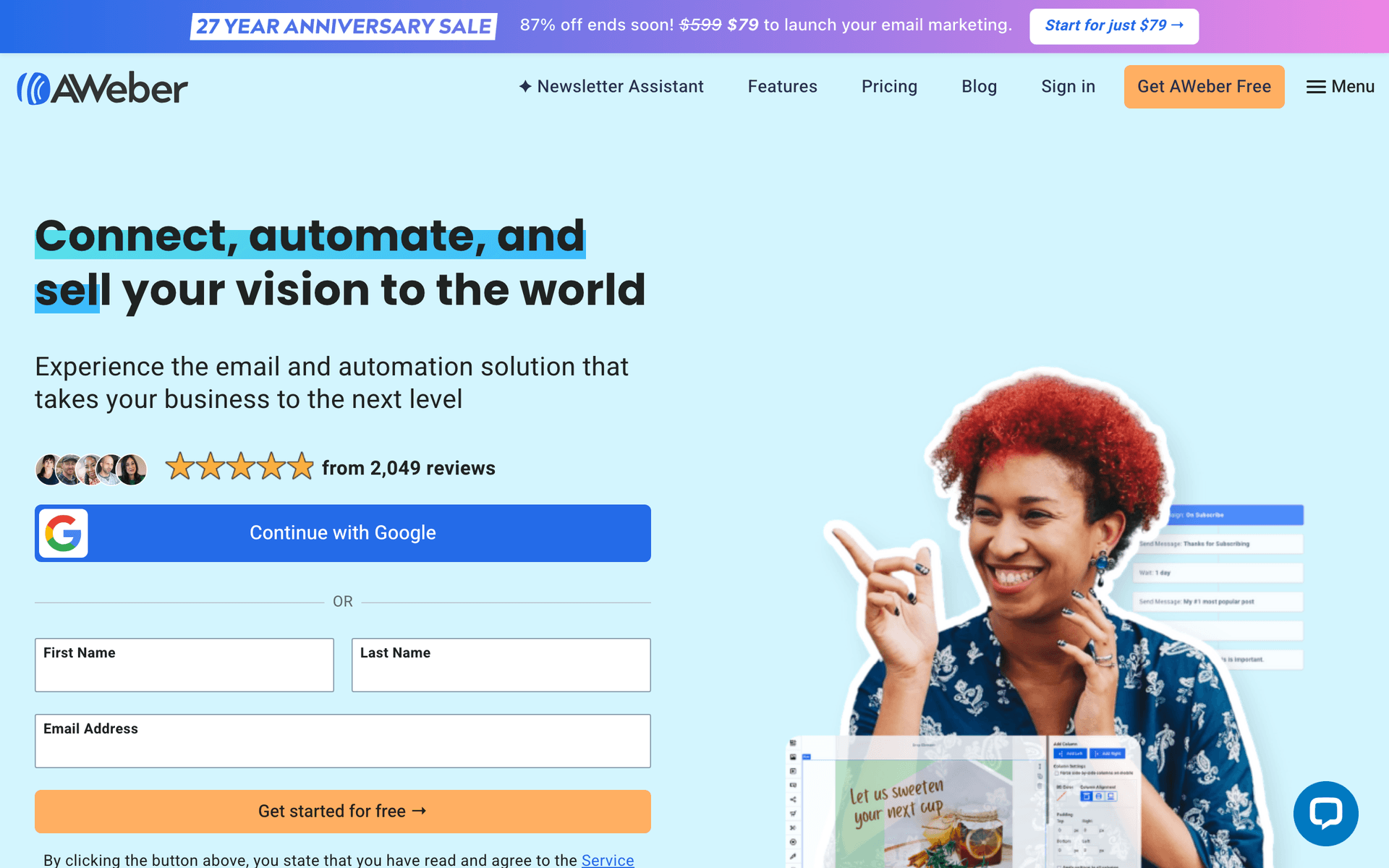
AWeber is dated but reliable with good deliverability built over 25+ years. Phone support is available when you need help. The free tier covers 500 subscribers. For craft stores wanting simple weekly updates about new supplies and upcoming classes without any complexity, AWeber handles the basics. The templates look outdated and the automation is limited, but it sends emails reliably.

Best for
Craft stores wanting reliability
Pricing
Free up to 500 subscribers, then from $15/month

Pros

  • Reliable
  • Simple
  • Good support
  • Track record

Cons

  • Dated
  • Limited automation
  • Basic templates
  • Little innovation
#10
GetResponse

All-in-one with webinar capability.

Visit

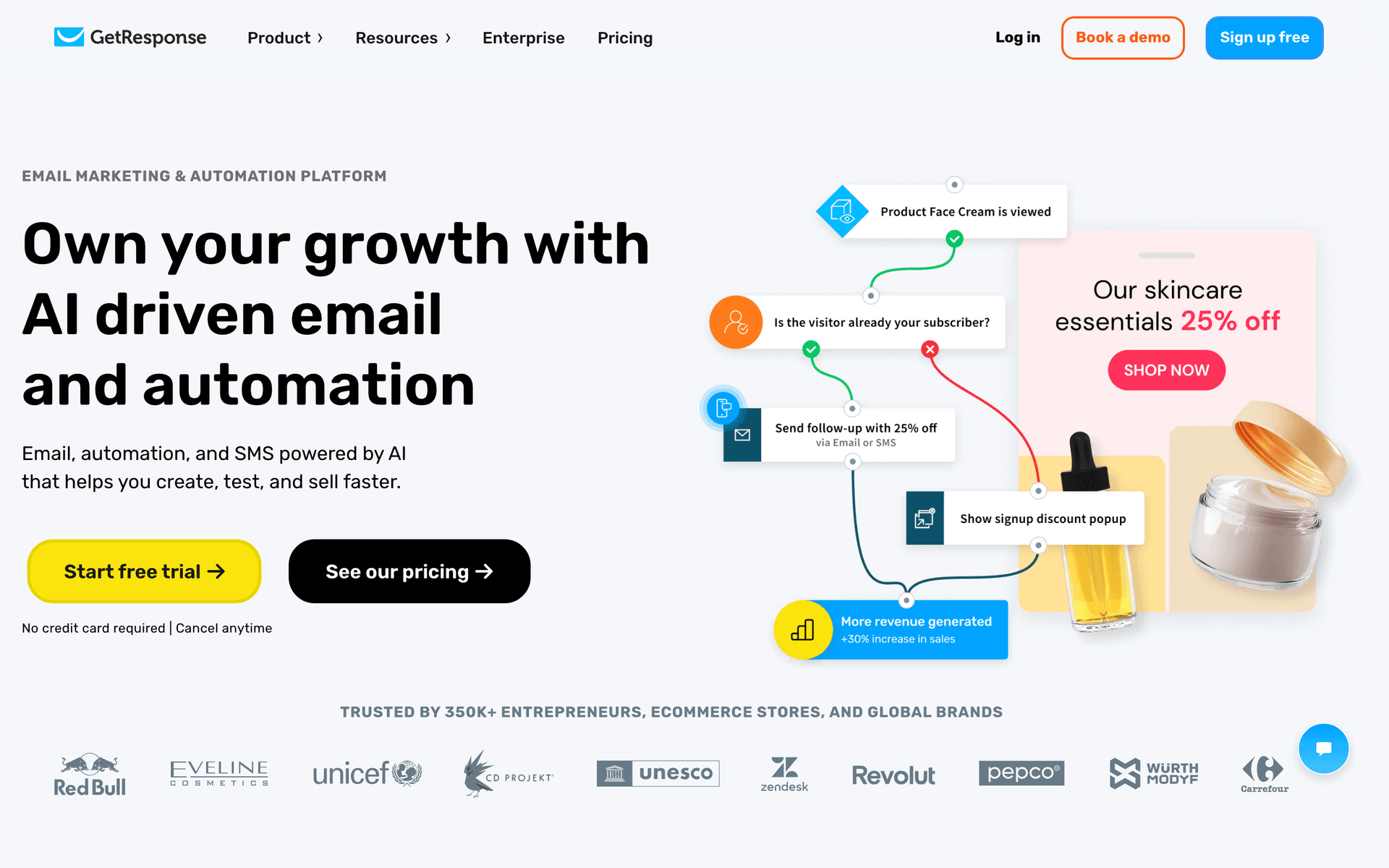
GetResponse includes webinars alongside email marketing, which is useful for craft stores offering virtual classes and demonstrations. Host a live quilting technique demo, capture registrant emails, and automatically follow up with attendees via email. Landing pages work well for class registration. For stores running both in-person and virtual classes, GetResponse consolidates webinar hosting and email marketing into one platform.

Best for
Craft stores doing virtual classes
Pricing
From $19/month for 1,000 contacts

Pros

  • Webinar hosting
  • Landing pages
  • Automation
  • Competitive pricing

Cons

  • Busy interface
  • Editor basic
  • Support varies
  • Features scattered
#11
Drip

E-commerce focused for online sales.

Visit

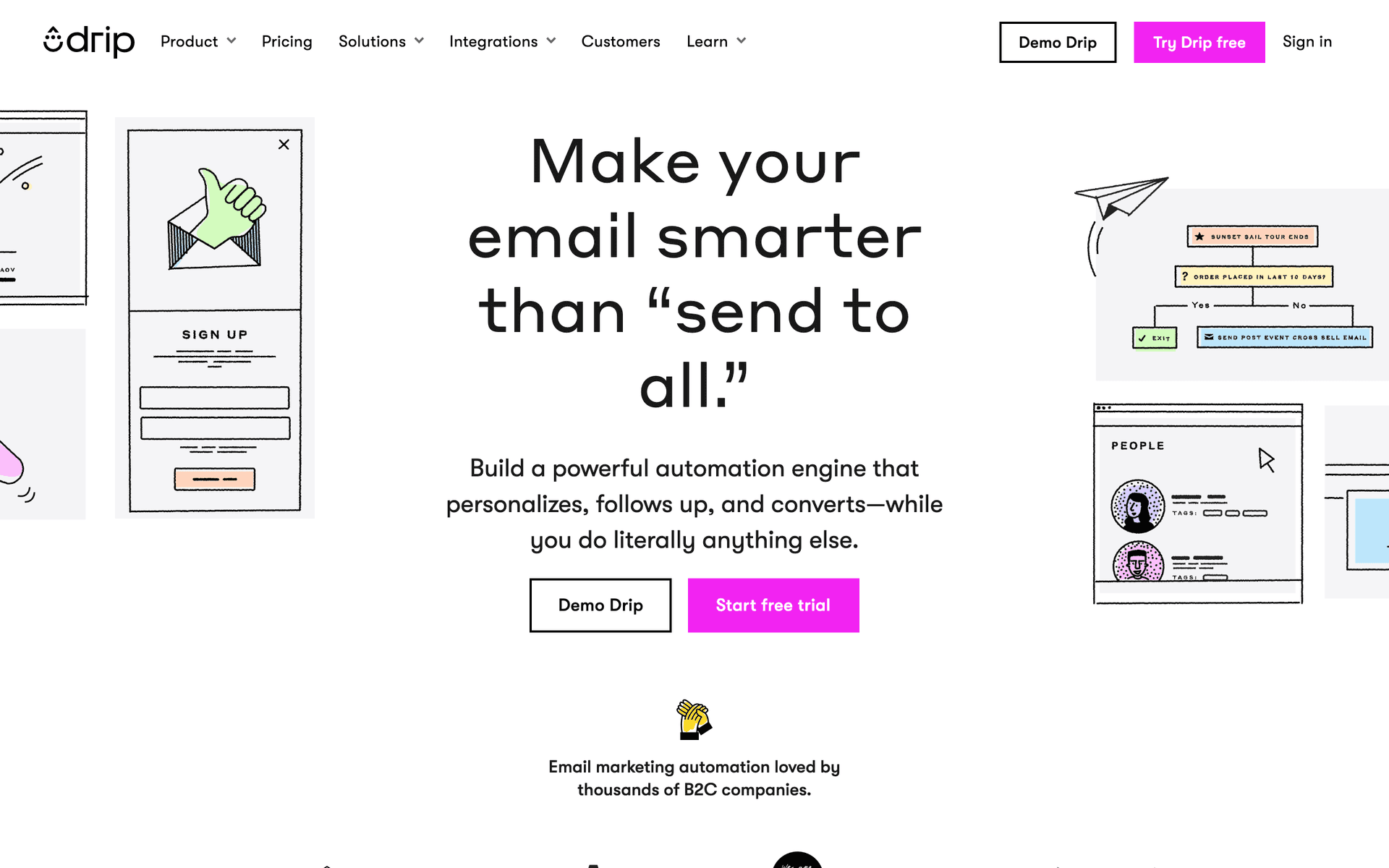
Drip excels at tracking revenue from online supply sales. If your craft store has a significant e-commerce presence selling supplies, yarns, or kits online, Drip shows exactly which emails drive purchases and tracks customer lifetime value. The automation handles abandoned cart recovery and post-purchase follow-ups. At $39 per month minimum, only consider Drip if online sales are a substantial part of your revenue.

Best for
Craft stores with heavy online sales
Pricing
From $39/month for 2,500 contacts

Pros

  • Revenue tracking
  • Strong automation
  • E-commerce features
  • Analytics

Cons

  • Built for e-commerce
  • Expensive
  • Learning curve
  • Overkill for local shops
#12
HubSpot

Enterprise solution for large operations.

Visit

HubSpot is overkill for most craft stores. The free CRM is functional but the marketing features that matter are locked behind expensive paid tiers. Only consider HubSpot if you run a chain of craft stores with a dedicated marketing team. For a single location or small chain, the complexity and cost are not justified.

Best for
Large craft chains only
Pricing
Free basic, paid from $50/month

Pros

  • Full CRM
  • Great for teams
  • Reporting
  • Integrations

Cons

  • Overkill
  • Expensive
  • Complex
  • Lock-in
#13
Moosend

Budget-friendly with good features.

Visit

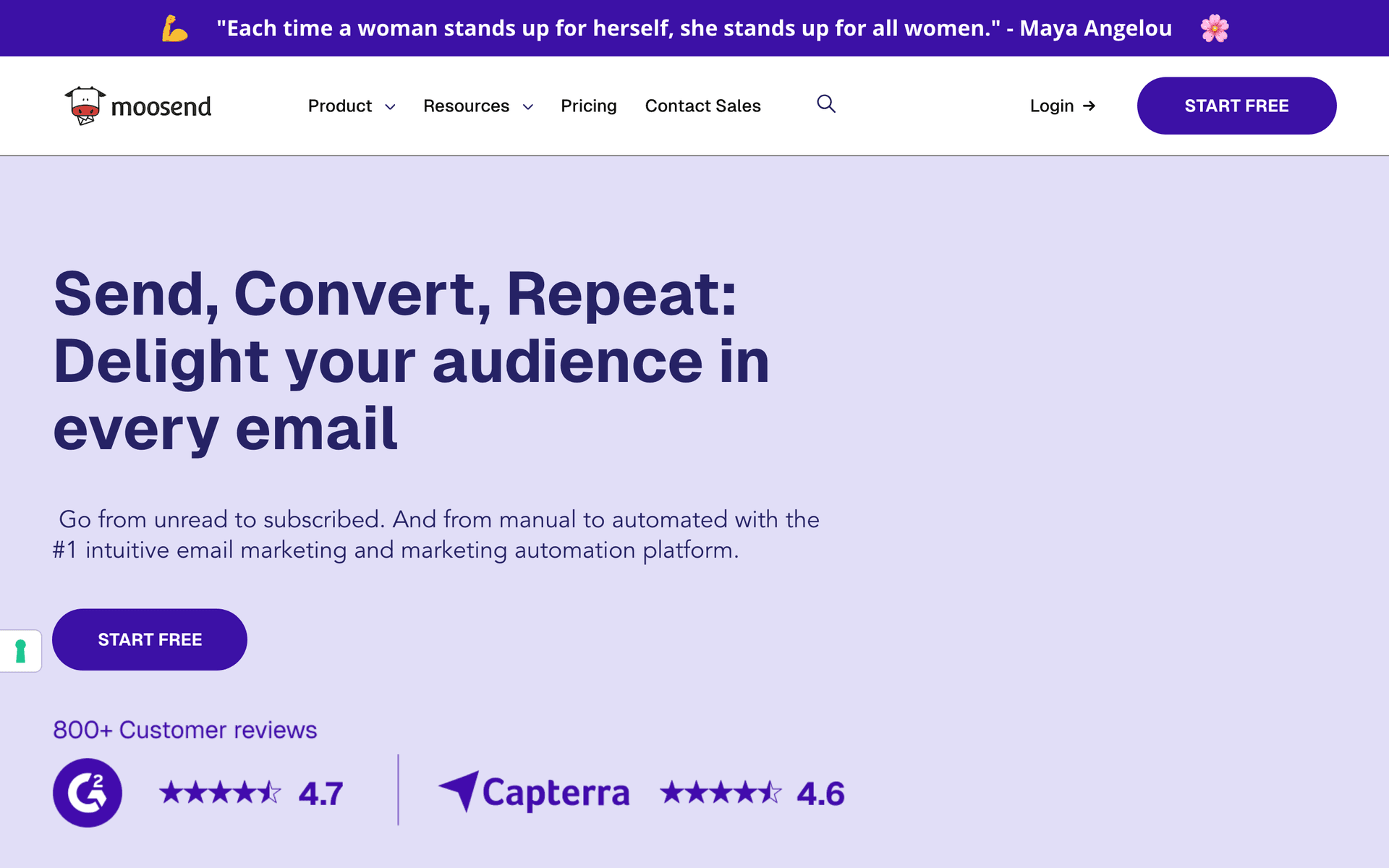
Moosend offers good value at $9 per month, making it the cheapest paid option. Automation and landing pages are included, which means you can build class promotion sequences and lead magnet pages on a tight budget. For craft stores just starting with email marketing that need more than a free tier but cannot justify premium pricing, Moosend keeps costs minimal while providing functional tools.

Best for
Very price-conscious craft stores
Pricing
From $9/month for 500 subscribers

Pros

  • Very affordable
  • Good automation
  • Responsive support
  • Landing pages

Cons

  • Less known
  • Limited integrations
  • Smaller templates
  • Fewer features

Feature Comparison

FeatureSequenzyMailchimpMailerLiteConvertKit
Class promotions
Project ideas
AI content
Drag-and-drop editor
Automation
Landing pages
Free tier available

Common Mistakes to Avoid

We see these mistakes over and over. Skip the learning curve and avoid these from day one.

Only emailing about sales and discounts

Craft store customers are motivated by inspiration and community, not just discounts. An email showcasing a beautiful project idea drives more store visits than a 15% off coupon. Mix inspiration, education, and community content with occasional promotions.

Neglecting class promotion emails

Classes are often a craft store's highest-margin offering and best community builder. Yet many stores mention classes only in their general newsletter. Dedicated class promotion emails with photos of finished projects and instructor bios fill seats consistently.

Sending the same email to everyone

A quilter does not care about new knitting needles. Sending generic emails to your entire list leads to unsubscribes from people who feel the content is not relevant. Even basic segmentation by 2-3 craft categories dramatically improves engagement.

Forgetting to collect emails at checkout

Every in-store transaction is an opportunity to grow your list. Train staff to ask for email at checkout with a simple pitch: 'Want to hear about new supplies and classes first?' In-store signups convert at higher rates than website forms because the customer already trusts you.

Using stock photos instead of your own

Crafters can spot a stock photo instantly. Use photos of actual projects made with your supplies, your store interior, and real class sessions. Authenticity builds the community feel that sets local craft stores apart from online retailers.

Email Sequences Every Craft Store Needs

These are the essential automated email sequences that will help you grow your business and keep clients coming back.

New Crafter Welcome

When someone joins mailing list

Welcome new customers and introduce your community.

Immediately
Welcome to {{store_name}}, {{first_name}}!

Thanks. What makes your store special. Community overview.

Day 3
Your first project: Easy ideas to get started

Beginner projects. Supplies needed. Class suggestions.

Day 7
This week's classes and events

Upcoming classes. Community events. Ways to get involved.

Class Promotion

Before craft classes

Fill seats for craft workshops.

3 weeks before
Learn {{technique}} at {{store_name}}

Class details. What you will make. Supply list. Registration.

1 week before
Only {{spots}} spots left for {{class_name}}

Urgency. Project preview. Final registration call.

Day before
See you tomorrow for {{class_name}}!

Reminder. What to bring. Arrival time.

New Supplies Alert

When new inventory arrives

Share exciting new products.

When available
Just in: New {{category}} at {{store_name}}

New products. Photos. Project ideas. Come see.

Project Inspiration

Weekly or bi-weekly schedule

Inspire with project ideas.

Regular schedule
Weekend project: {{project_name}}

Project tutorial. Supply list. Tips and variations.

How to Choose the Right Email Tool for Your Craft Store

The right email tool for your craft store depends on your size, technical comfort, and how you use email. Here is how to think about it.

Visual Presentation Matters for Crafts

Craft projects need to look inspiring in email. Choose platforms with strong image support and beautiful templates. Mailchimp and Campaign Monitor excel at visual layouts. Sequenzy's AI generates well-structured emails, though you will want to add your own project photos. Avoid text-heavy tools like Buttondown that are designed for writers, not visual retailers.

Event and Class Features Save Time

Classes and workshops are core to many craft stores. Look for platforms with event support (Constant Contact), landing page builders for class registration (MailerLite, GetResponse), or automation sequences that handle the promotion-reminder-followup cycle (Sequenzy, ActiveCampaign).

Keep It Simple Enough to Actually Use

The best email tool is one you will actually use consistently. Craft store owners are busy running their shops, teaching classes, and helping customers. A tool that requires 2 hours per email is one you will abandon. Prioritize ease of use over features you might use someday.

The Craft Store Email Strategy That Works

Weekly Project Inspiration (Your Core Email)

The single most effective email a craft store can send is a weekly project tutorial. Pick one project, include step-by-step instructions or a link to a tutorial, list the supplies needed (available at your store), and add a call to action to visit or shop online. This email drives more store traffic than any sale announcement.

Class Promotion Sequence

For every class you offer, run a 3-email sequence: announcement at 3 weeks, details at 2 weeks, and urgency at 1 week. Include a photo of what students will create in every email. Feature the instructor briefly. Make registration a single click. Classes that sell out create FOMO that sells future classes.

New Arrival Alerts

Crafters want to know when new supplies arrive. A dedicated new arrival email with photos, brief descriptions, and project ideas for each new product drives foot traffic from your most engaged customers. Time these for Tuesday or Wednesday mornings so customers can plan a weekend visit.

Community Spotlight

Monthly emails featuring customer projects, community events, and behind-the-scenes content build the community feel that distinguishes local craft stores from online retailers. Feature a different customer project each month (with permission), highlight upcoming community events, and share staff favorites.

Building Your Craft Store Email List

Growing your email list is the foundation of effective craft store marketing. Here are the strategies that work:

At checkout - Train staff to ask every customer for their email. A simple pitch works: "Would you like to hear about new supplies and classes first?" In-store captures are your highest-quality subscribers because they already know and love your store.

Class registration - Every class attendee should be added to your list. They have already demonstrated interest in learning and community, making them ideal subscribers.

Website signup - Offer a free project download (a popular pattern or tutorial PDF) in exchange for an email address. Feature this prominently on your homepage.

Social media - Share your project inspiration emails on Instagram and Facebook with a link to subscribe for more ideas.

Community events - Stitch-and-chat nights, crop events, and trunk shows are opportunities to collect emails from attendees.

What a Healthy Craft Store Email List Looks Like

List size: 500-5,000 active subscribers for a single-location store. Focus on local customers who can actually visit your shop.

Open rate: 30-40% for a well-targeted craft community. Craft audiences are passionate and engaged. If you are below 25%, your content may not be matching their interests.

Class fill rate from email: 50-70% of seats should come from email promotion. If less, your class promotion sequence needs stronger project photos and urgency messaging.

Monthly growth: 3-5% through consistent in-store collection and online signups. A store adding 20-50 new subscribers per month through checkout captures is on track.

Getting Started: Your First Month

  1. Import your existing customer list from your POS system or checkout records
  2. Segment by craft interest if you have that data, or send a quick survey
  3. Create a weekly project inspiration template that you can reuse with different projects
  4. Set up your first class promotion sequence for your next upcoming class
  5. Build a new customer welcome sequence with 3 emails introducing your store and community

Start with these basics and add complexity as you get comfortable. The most important thing is consistency - a craft store that sends one good email every week outperforms one that sends a burst of five emails then goes silent for a month.

How We Evaluated These Tools

Each tool was evaluated for craft store needs: visual email templates for showcasing projects and supplies, event and class promotion features, ease of use for non-technical store owners, and affordability for small retail businesses.

Frequently Asked Questions

Ready to grow your craft store practice?

Start your free trial today. Set up your first email sequence in minutes with AI-powered content generation.

Related Industries

Sequenzy - Complete Pricing Guide

Pricing Model

Sequenzy uses email-volume-based pricing. You only pay for emails you send. Unlimited contacts on all plans — storing subscribers is always free.

All Pricing Tiers

  • 2.5k emails/month: Free (Free annually)
  • 15k emails/month: $19/month ($205/year annually)
  • 60k emails/month: $29/month ($313/year annually)
  • 120k emails/month: $49/month ($529/year annually)
  • 300k emails/month: $99/month ($1069/year annually)
  • 600k emails/month: $199/month ($2149/year annually)
  • 1.2M emails/month: $349/month ($3769/year annually)
  • Unlimited emails/month: Custom pricing (Custom annually)

Yearly billing: All plans offer a 10% discount when billed annually.

Free Plan Features (2,500 emails/month)

  • Visual automation builder
  • Transactional email API
  • Reply tracking & team inbox
  • Goal tracking & revenue attribution
  • Dynamic segments
  • Payment integrations
  • Full REST API access
  • Custom sending domain

Paid Plan Features (15k - 1.2M emails/month)

  • Visual automation builder
  • Transactional email API
  • Reply tracking & team inbox
  • Goal tracking & revenue attribution
  • Dynamic segments
  • Payment integrations (Stripe, Paddle, Lemon Squeezy)
  • Full REST API access
  • Custom sending domain

Enterprise Plan Features (Unlimited emails)

  • Visual automation builder
  • Transactional email API
  • Reply tracking & team inbox
  • Goal tracking & revenue attribution
  • Dynamic segments
  • Payment integrations
  • Full REST API access
  • Custom sending domain

Important Pricing Notes

  • You only pay for emails you send — unlimited contacts on all plans
  • No hidden fees - all features included in the price
  • No credit card required for free tier

Contact

  • Pricing Page: https://sequenzy.com/pricing
  • Sales: hello@sequenzy.com