
How to Choose the Right Email Tool
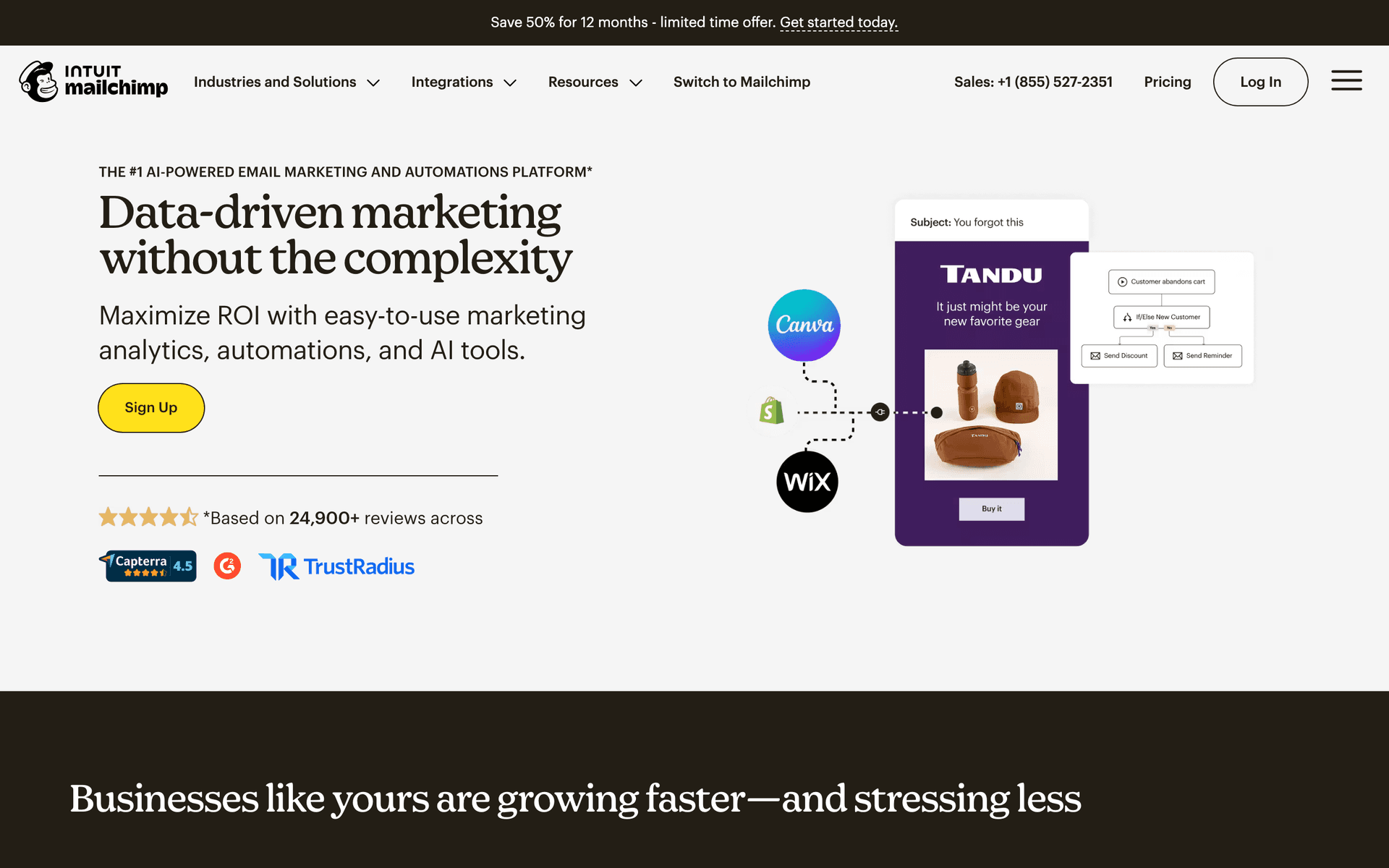
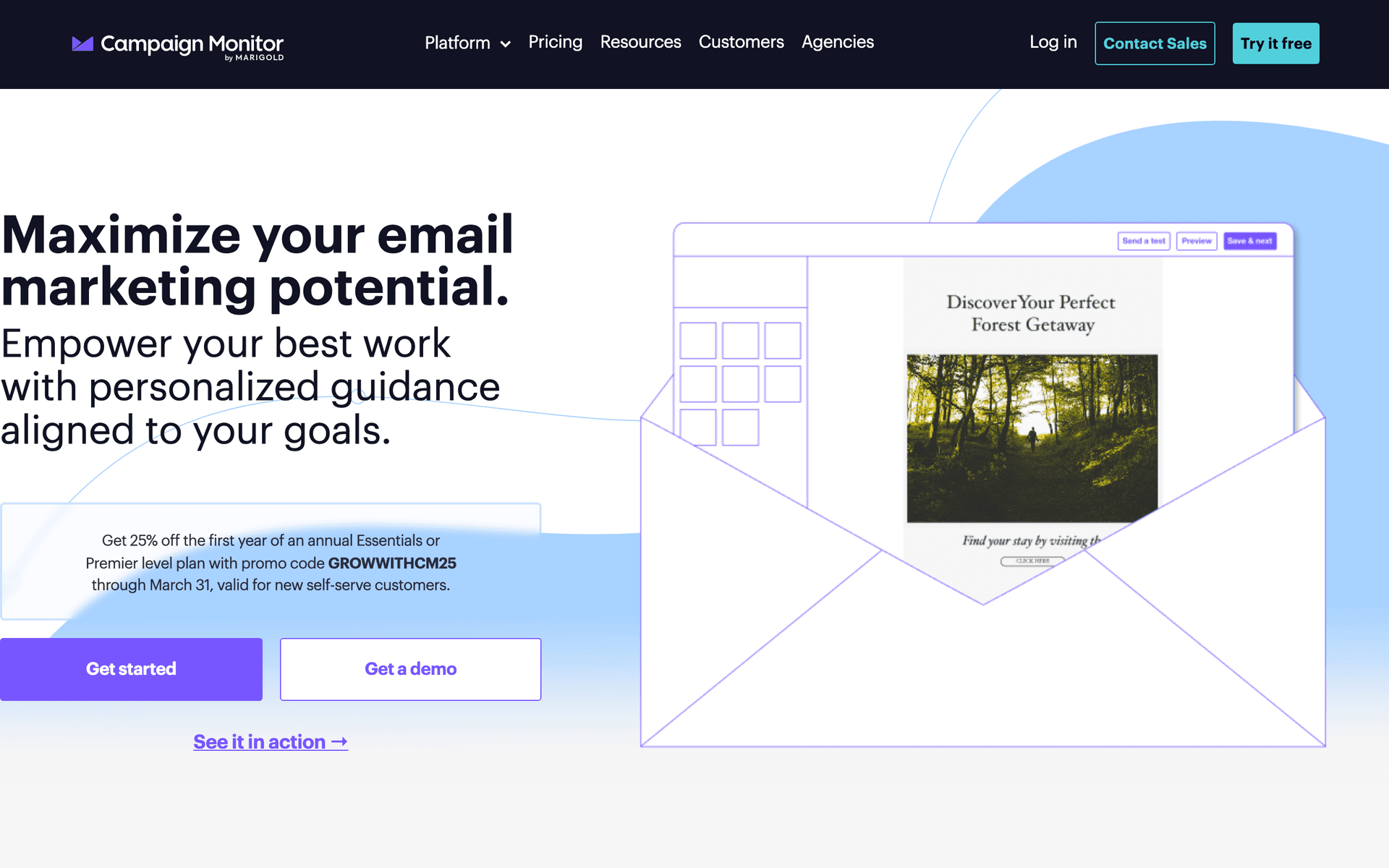
Visual quality matters. Antiques sell through photos. Choose platforms that display images beautifully with large image blocks, clean layouts, and professional typography. Campaign Monitor and Mailchimp lead in visual design quality.
Simplicity for busy dealers. Between shows, sourcing trips, and running your shop, you need tools that work fast. Choose platforms where creating an acquisition announcement takes 10 minutes, not an hour. Sequenzy's AI and MailerLite's clean interface both prioritize speed.
List management for decades of contacts. Dealers accumulate contacts over years of shows, transactions, and networking. Choose platforms that handle segmentation well so you can tag collectors by specialty, price range, and buying history. Pay attention to pricing at your actual list size - per-email pricing avoids penalties for large contact databases.
| Dealer need | Email tool requirement | Why it matters | Best-fit tool style |
|---|---|---|---|
| New acquisition alerts | Fast campaign creation with large images | Unique pieces sell quickly to the right collector | Sequenzy, MailerLite, Campaign Monitor |
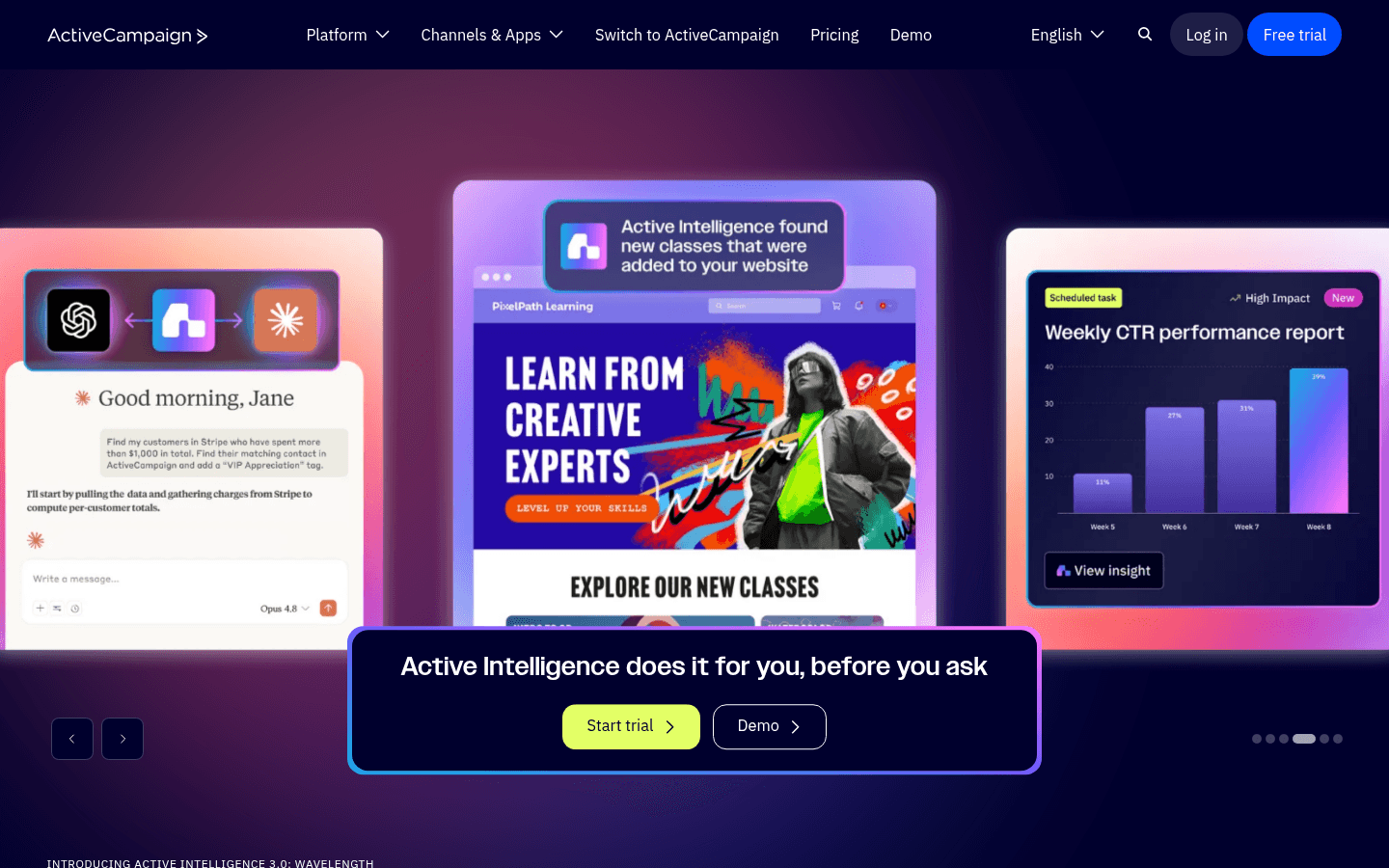
| Collector segmentation | Tags by period, category, maker, and price range | Relevance matters more than frequency | Mailchimp, Sequenzy, ActiveCampaign |
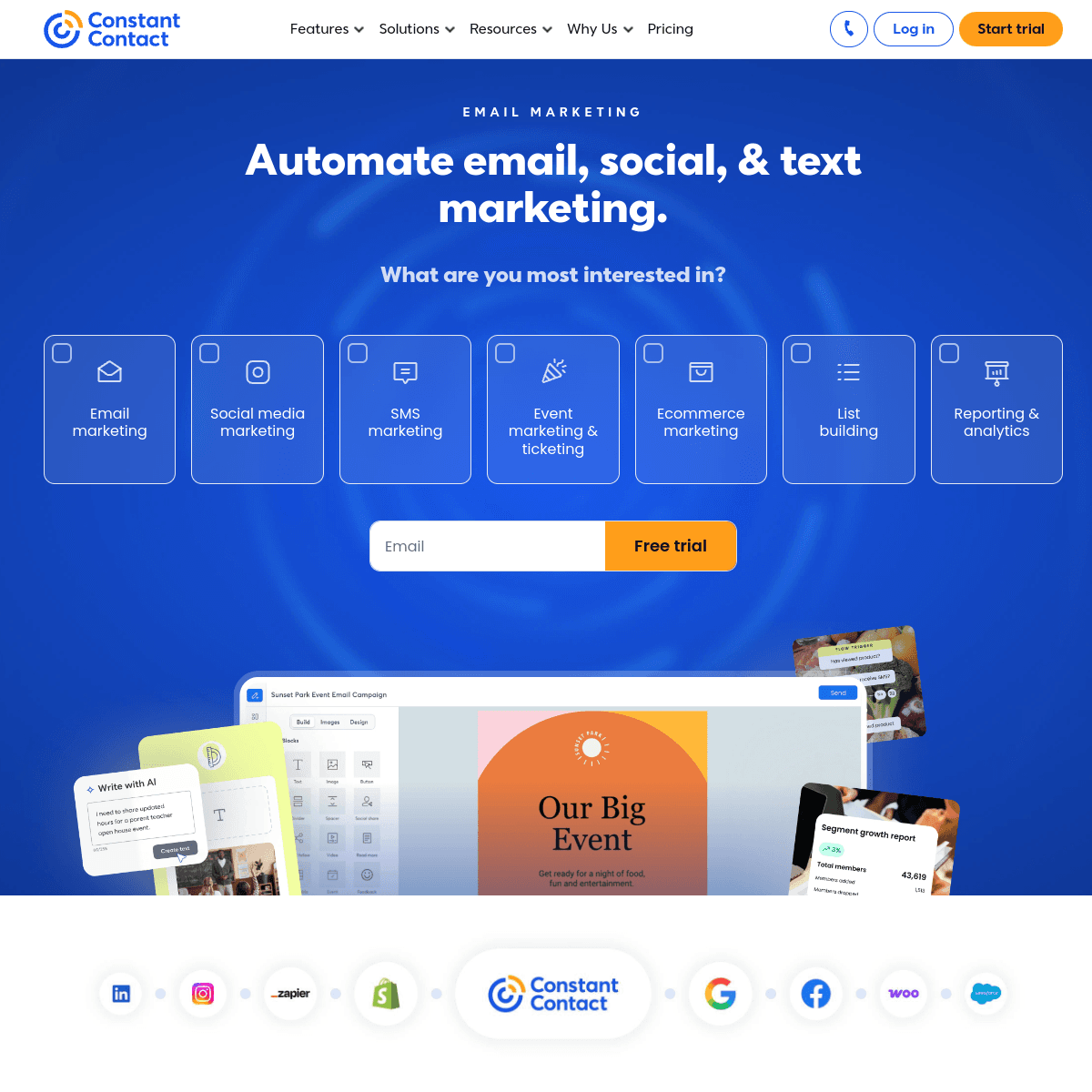
| Show promotion | Reusable event templates and reminders | Booth traffic depends on repeated touchpoints | Constant Contact or MailerLite |
| Large legacy list | Pricing that tolerates many older contacts | Dealers keep years of show and inquiry contacts | Pay-per-email platforms |
| High-end presentation | Elegant image layouts and typography | Trust rises when pieces look professionally presented | Campaign Monitor or Mailchimp |
What Works for Antique Dealer Marketing
Acquisition alerts sell pieces. Get inventory in front of the right collectors quickly. First access matters in a market where every piece is unique. A segmented acquisition alert to interested collectors is the highest-converting email you can send.
Expertise builds trust. Share your knowledge freely through regular educational content. Collectors buy from dealers they trust, and trust comes from demonstrated expertise. A dealer who teaches me about authenticating period silver is the dealer I buy silver from.
Shows need multi-touch promotion. A single email about an upcoming show gets forgotten. A three-email sequence (save-the-date, inventory preview, day-before reminder) builds anticipation and drives booth traffic. Pair with SMS for same-day reminders to local collectors.
| Email type | Best timing | Collector intent | What to include |
|---|---|---|---|
| New acquisition alert | Immediately after cataloging the piece | First access to unique inventory | Photos, dimensions, condition, provenance, price |
| Market insight | Monthly or between shows | Learn from a trusted specialist | Trend, maker note, authentication tip, example piece |
| Show save-the-date | 3 weeks before show | Decide whether to attend | Show details, booth number, appointment option |
| Inventory preview | 1 week before show | Plan what to inspect in person | Standout pieces and price ranges |
| Post-purchase follow-up | 1-30 days after sale | Care for the piece and buy again | Thank-you, care notes, related inventory |
Photography Tips for Email Marketing
Your acquisition alert emails are only as good as your photos. Invest in a simple setup:
Lighting: Use natural window light or two inexpensive LED panels. Avoid harsh overhead lighting that creates shadows and misrepresents finish quality.
Background: A clean white or neutral background lets the piece speak for itself. A folded white sheet works in a pinch.
Multiple angles: Include at least 3 photos - full view, detail shot of maker marks or condition, and a contextual shot showing scale.
Consistency: Use the same photo setup for every piece so your emails develop a recognizable, professional visual style.
Building Your Show Calendar Email Strategy
Plan your email calendar around your show schedule. Each show should have a 3-email promotional sequence plus a post-show follow-up:
| Show email | Send timing | Main goal | Example subject |
|---|---|---|---|
| Save-the-date | 3 weeks before | Put the show on the collector's calendar | "Find me at {{show_name}} - booth {{booth_number}}" |
| Inventory preview | 1 week before | Create appointments around standout pieces | "A few special pieces coming to {{show_name}}" |
| Logistics reminder | Day before | Make it easy to find you | "See you tomorrow - booth details inside" |
| Post-show follow-up | 1-3 days after | Continue conversations and sell remaining pieces | "Still available from {{show_name}}" |
Getting Started
- Compile contacts from years of business cards, show inquiries, and transactions
- Segment by specialty, price range, and buying recency
- Create a new acquisition announcement template with prominent photography
- Set up a show promotion template you can customize for each event
- Plan a monthly newsletter with market insights and collecting tips
- Start collecting emails systematically at every show with a tablet or signup form
Start with one email type - acquisition alerts - and expand from there as you see results.
What Antique Dealers should prioritize first
For Antique Dealers, email works when it supports repeat purchases, product discovery, and local loyalty. The software matters, but the operating habit matters more: collect the right contacts, send messages at the right moments, and keep the content useful enough that people keep opening.
Start by comparing the ranked tools above around the workflows you will actually run. A good tool for Antique Dealers should make it easy to segment contacts, write a campaign quickly, automate the obvious follow-ups, and see whether the email produced a booking, sale, reply, renewal, or return visit.
The first workflows to build are usually simple. For this page, the natural starting points are New Collector Welcome, New Acquisition Alert, Show Promotion, Post-Purchase Follow-Up. Do not build a complicated journey until those basics are working.
A practical rollout looks like this:
| Week | Focus |
|---|---|
| 1 | Import contacts, clean segments, and write the first useful campaign. |
| 2 | Launch the highest-value reminder or follow-up automation. |
| 3 | Add one educational or trust-building email that is not a promotion. |
| 4 | Review opens, clicks, replies, bookings, purchases, or returned customers. |
The most important page-specific ideas are Photograph pieces before listing them for email; Segment collectors by specialty and price range; Send new acquisition alerts within 24 hours. Those should become your first campaigns before you worry about advanced automation.
Choose the tool that makes this cadence realistic. If a platform has more features but makes weekly sending harder, it is the wrong fit. If a simpler platform helps the team communicate consistently and measure the result, it will usually produce more value.