
Email Marketing Strategy for Dropshipping
Dropshipping is a volume game with thin margins. Email marketing is one of the few channels that can dramatically improve profitability because it turns one-time ad-driven buyers into repeat customers at nearly zero acquisition cost.
The math that matters: If your average customer acquisition cost from ads is $15 and your average profit per order is $12, you lose money on the first sale. The second purchase (driven by email) has zero acquisition cost, making it pure profit minus your email platform cost. This is why email-driven repeat purchases are the single most important lever for dropshipping profitability.
Three Priorities for Dropshipping Email Marketing
- Cart recovery to capture impulse-buy intent before it fades
- Shipping expectation emails to reduce chargebacks and complaints
- Repeat purchase campaigns to make existing customers buy again
These three automations running on autopilot can transform a break-even dropshipping store into a profitable one. Everything else - welcome series, promotional campaigns, win-back sequences - builds on this foundation.
Cart Recovery Timing Matters
Traditional e-commerce cart recovery advice suggests waiting 1 hour for the first email. Dropshipping is different because purchases are often impulse-driven. A 30-minute first email catches impulse buyers while desire is still fresh. Test your timing, but start aggressive and adjust based on data.
Protecting Margins
Dropshipping margins are typically 15-30%, which means your email marketing tool needs to deliver clear ROI without consuming a significant portion of your margin.
Pay-Per-Email vs Per-Contact Pricing
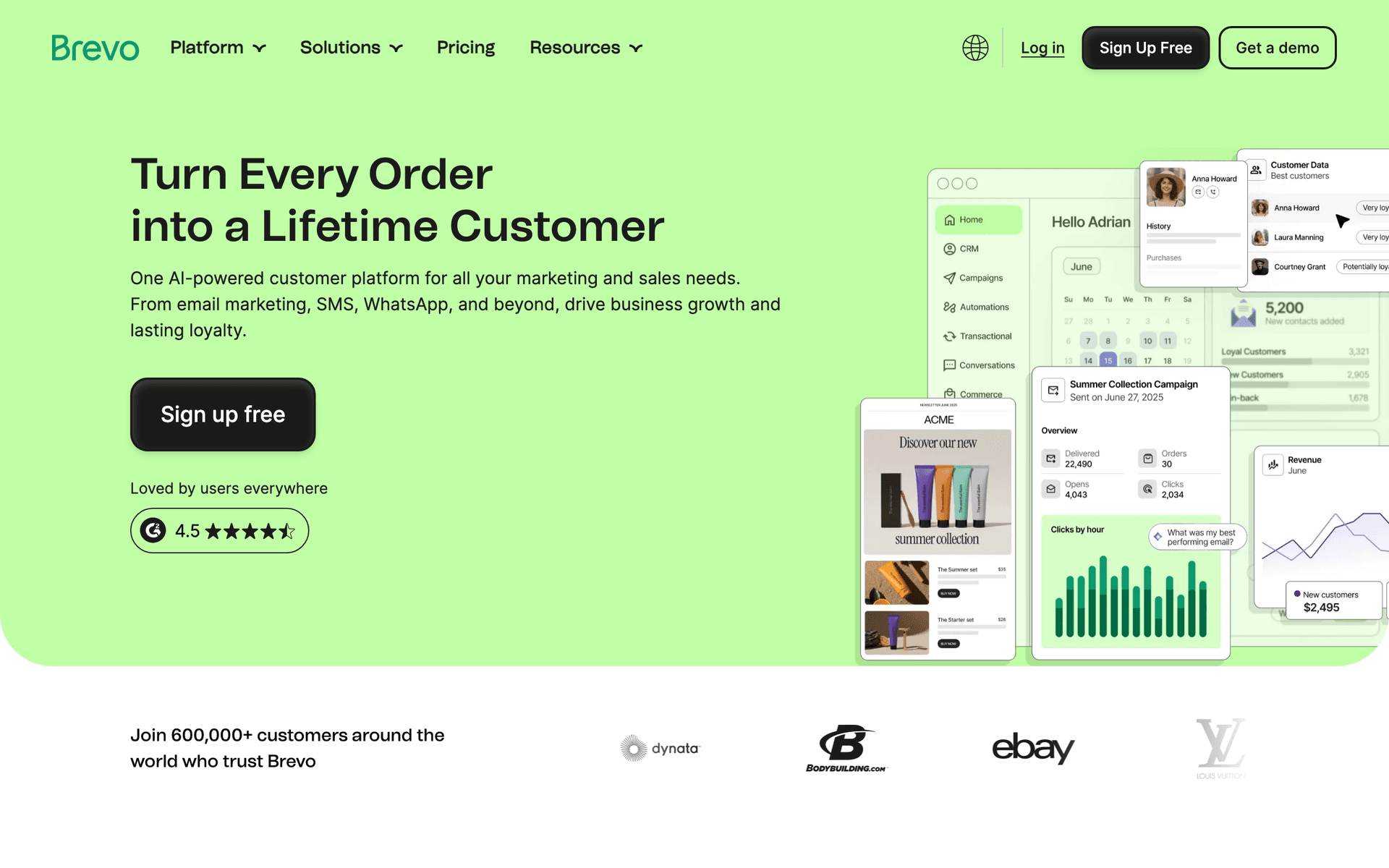
Pay-per-email pricing models (Sequenzy, Brevo) tend to work better for dropshipping than contact-based pricing because you only pay when you actually send. A 30,000-subscriber list where you only email 10,000 per month costs the same as having 10,000 subscribers on a per-email platform, but could cost 3x more on a per-contact platform. For dropshipping margins, this difference directly impacts profitability.
The Free Shipping Advantage in Email
When crafting incentives for cart recovery and promotional emails, free shipping often outperforms percentage discounts for dropshipping stores. Customers perceive free shipping as high value, but the actual cost to you is typically lower than a 10-15% product discount. This preserves margin while still driving conversions.
Building Brand Through Email
Dropshipping stores often struggle with brand perception because customers receive products in generic packaging from unfamiliar fulfillment centers. Email is your opportunity to build a brand experience that feels premium and trustworthy.
Post-Purchase Brand Building
Your post-purchase email sequence is where brand building happens. Usage tips, care instructions, and styling suggestions transform a generic product delivery into a branded customer experience. Customers who receive thoughtful follow-up emails are more likely to view your store as a legitimate brand and return for future purchases.
The Review Generation Strategy
Reviews are critical for dropshipping stores because they overcome the trust barrier. Your delivery check-in email (sent 3 days after estimated delivery) should include a review request with a direct link. Incentivize reviews with a small discount on the next purchase. This creates a virtuous cycle of social proof that improves conversion rates across your entire store.
Dropshipping Email Benchmarks
Dropshipping email should be judged by recovered margin, repeat purchase rate, and fewer support issues. Opens are useful, but profitability improves when email makes paid traffic work harder.
| Email type | Healthy open rate | Healthy click rate | Main conversion |
|---|---|---|---|
| Cart recovery | 35-55% | 8-18% | Recovered checkout |
| Shipping expectation update | 55-80% | 12-25% | Tracking view or reduced support contact |
| Post-purchase product guide | 40-60% | 6-14% | Product use, review, or cross-sell click |
| Repeat purchase campaign | 28-45% | 4-10% | Second order |
| Win-back offer | 20-35% | 3-8% | Reactivated customer |
Dropshipping Automation Priority Table
Dropshipping stores should build automations that protect cash flow first. The best workflows recover impulse purchases, prevent chargebacks, and create second purchases without more ad spend.
| Priority | Automation | Trigger | Profit impact |
|---|---|---|---|
| 1 | Cart recovery | Cart abandoned | Recovers paid traffic before intent fades |
| 2 | Shipping expectation sequence | Order placed | Reduces support tickets, refunds, and disputes |
| 3 | Delivery check-in | Estimated delivery plus 3 days | Generates reviews and catches issues early |
| 4 | Cross-sell sequence | First order delivered | Creates repeat purchases without ad cost |
| 5 | Win-back campaign | 60-90 days since purchase | Reactivates customers before they forget the store |
Dropshipping Incentive Comparison
Discounts can damage thin margins. Test incentives based on profit per order, not only conversion rate.
| Incentive | Best use | Margin risk |
|---|---|---|
| Free shipping | Cart recovery and repeat purchase | Lower than percentage discounts in many stores |
| Small fixed discount | Higher-ticket products | Predictable cost, easier to cap |
| Percentage discount | Win-back campaigns | Can erase margin on low-cost items |
| Bundle offer | Complementary products | Improves average order value |
| Bonus item | Products with low supplier cost | Good perceived value if fulfillment is reliable |
Best Fit by Dropshipping Margin Need
Best email marketing tool for dropshipping cart recovery
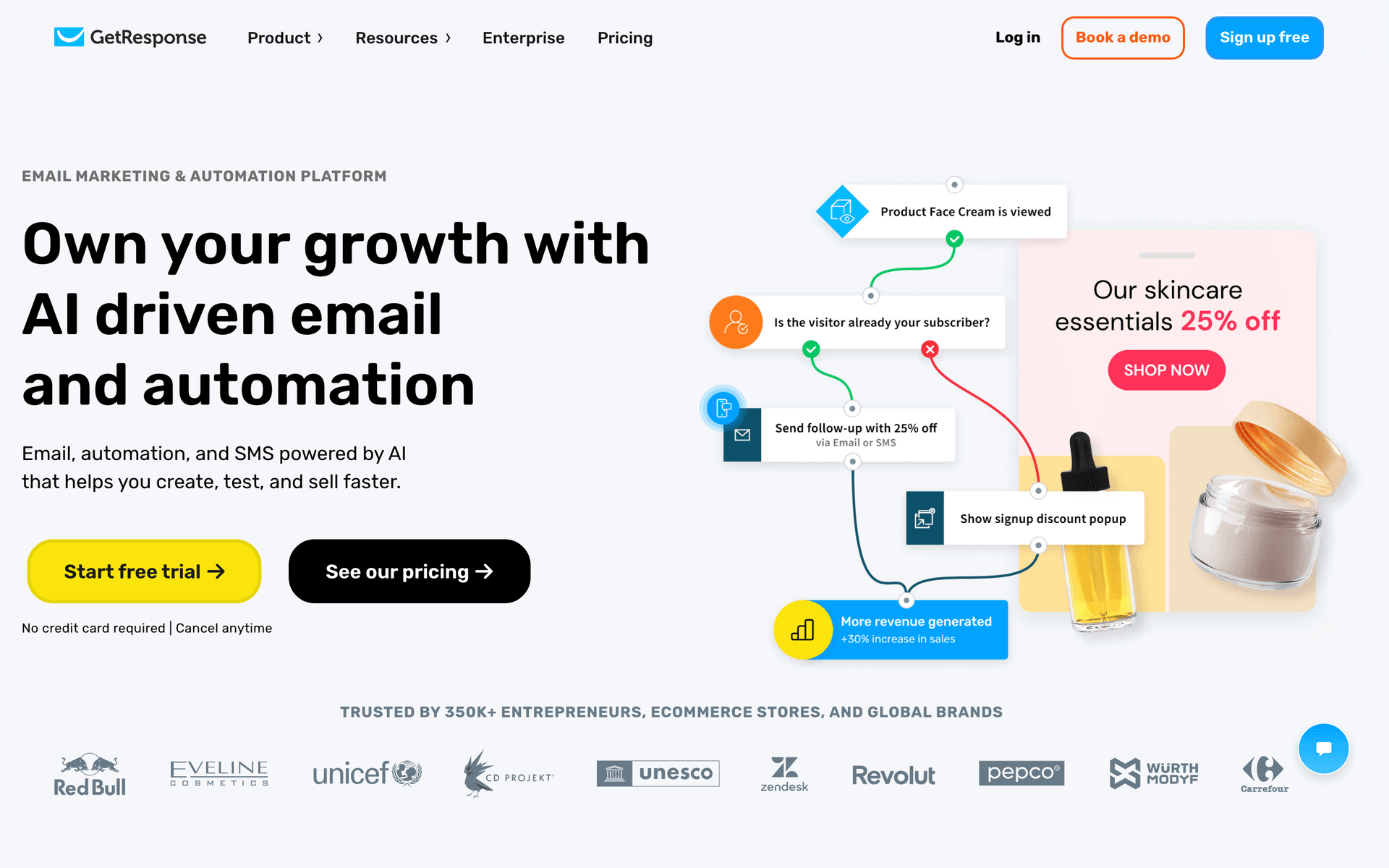
Choose Omnisend, Klaviyo, or Sequenzy when paid traffic makes abandoned carts expensive. The best fit is a tool that can recover intent quickly without relying on margin-destroying percentage discounts.
Best email marketing tool for dropshipping shipping expectation emails
Choose a platform that can send order updates, expectation-setting sequences, and delivery check-ins tied to fulfillment timing. Clear shipping communication reduces support tickets, refunds, and chargeback risk.
Best email marketing tool for dropshipping repeat purchase campaigns
Choose a tool that can segment by product, supplier reliability, and first-order experience. Repeat purchase email should promote items that the store can actually fulfill well, not every product in the catalog.
Getting Started
Set up these three automations in order of priority:
- Cart recovery sequence - fastest path to recovered revenue
- Shipping expectation sequence - reduces chargebacks and support load
- Repeat purchase campaign - drives profitable second and third orders
These three sequences running automatically will deliver measurable ROI within the first month for most dropshipping stores.