
Choosing the Right Platform for Your Online Business
The best email marketing tool depends on what kind of online business you run and how complex your needs are.
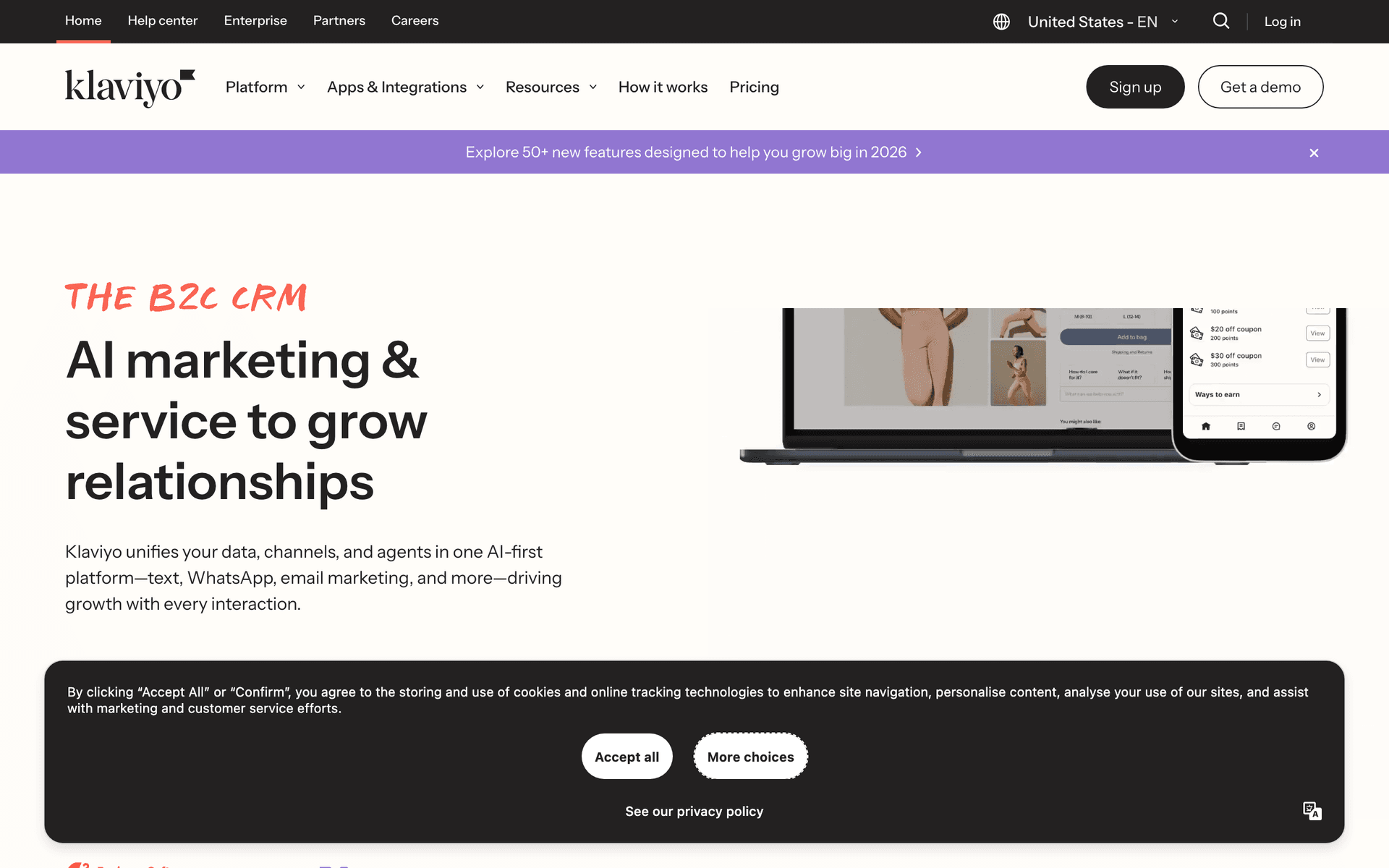
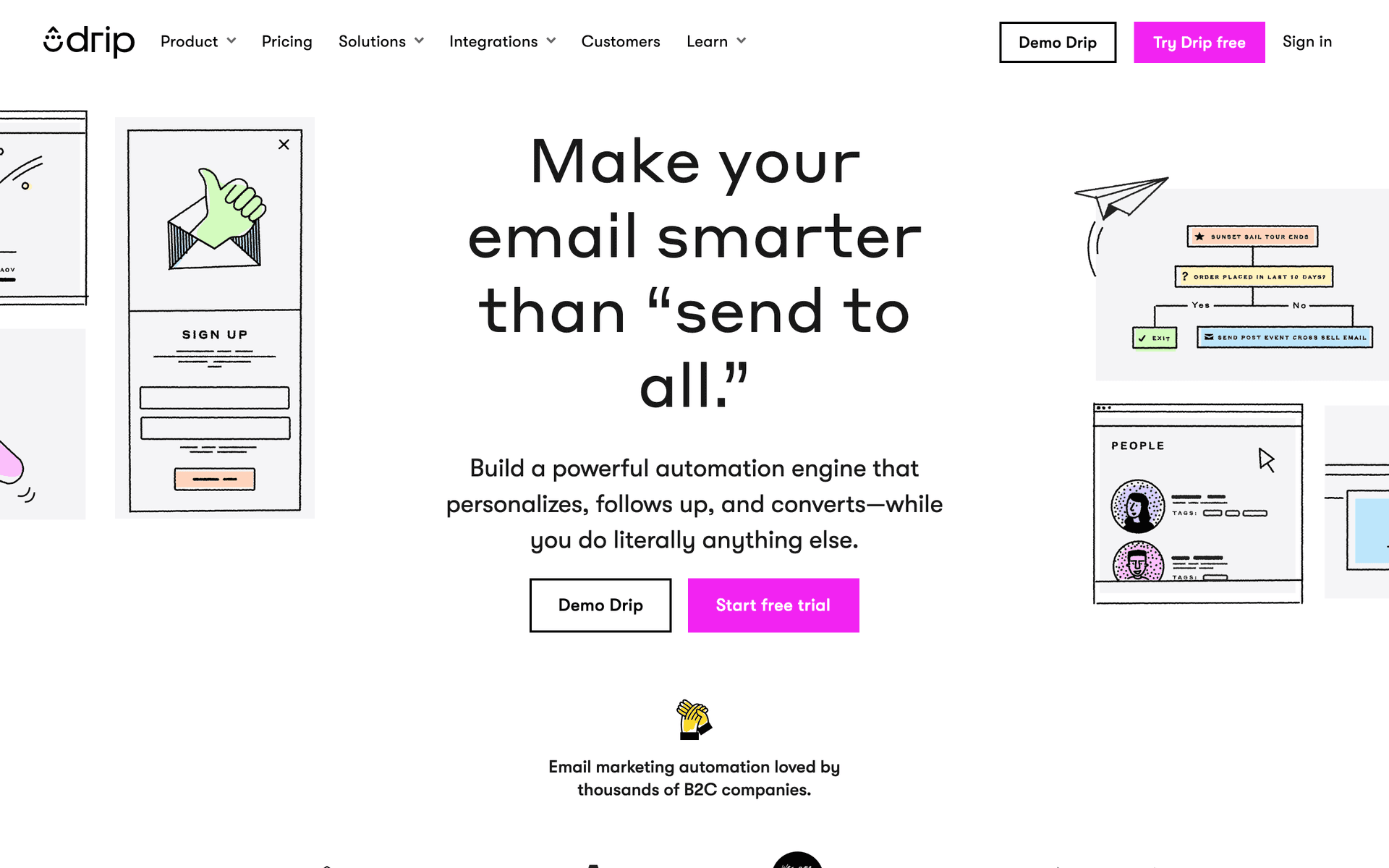
If you sell physical products online, Klaviyo and Drip have the deepest e-commerce integrations. They sync with your store, track purchase behavior, and automate cart recovery and product recommendations.
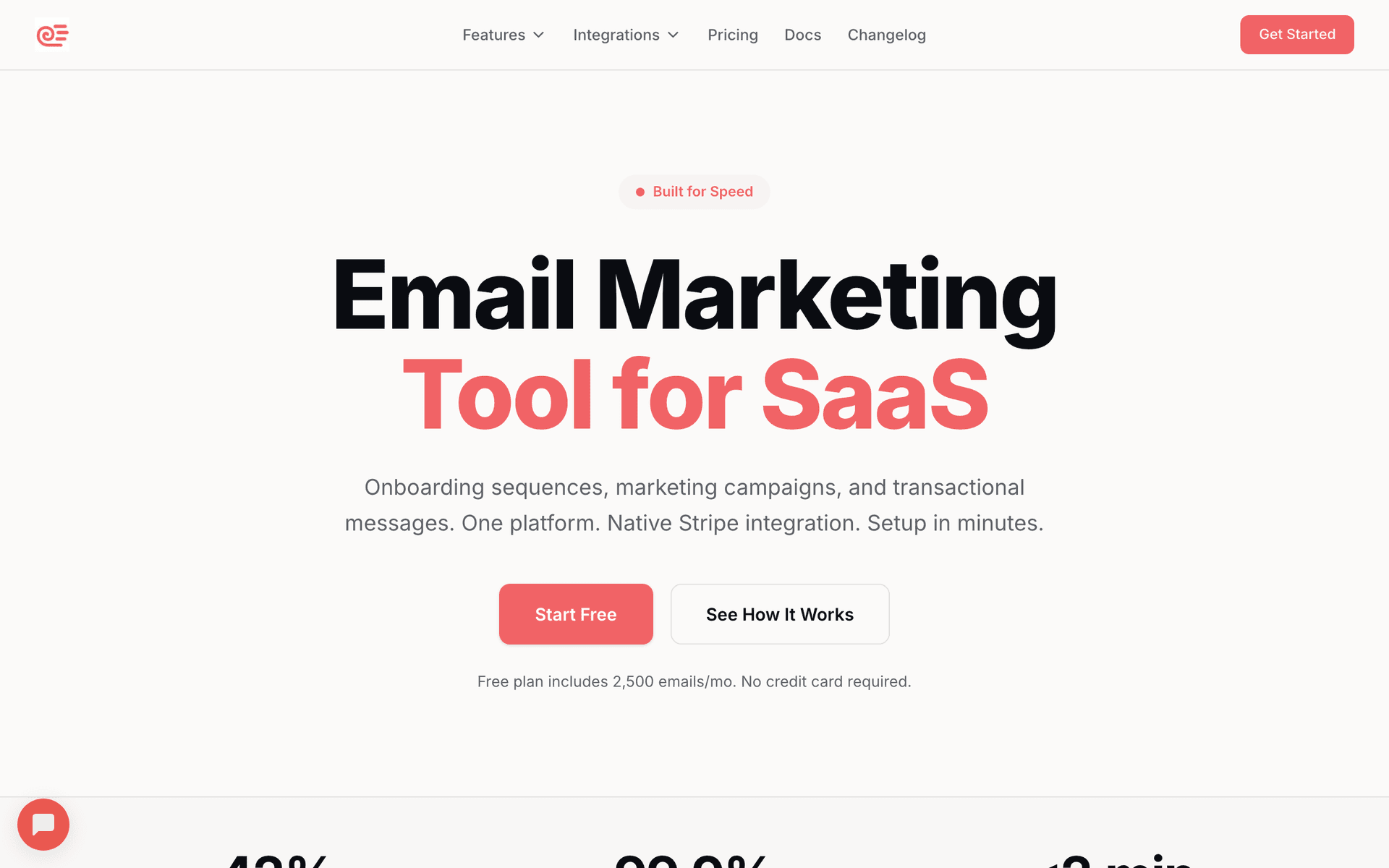
If you sell digital products, Kit and Sequenzy are better choices. Kit handles digital product sales directly. Sequenzy's AI creates the sales sequences that convert free subscribers into paying customers.
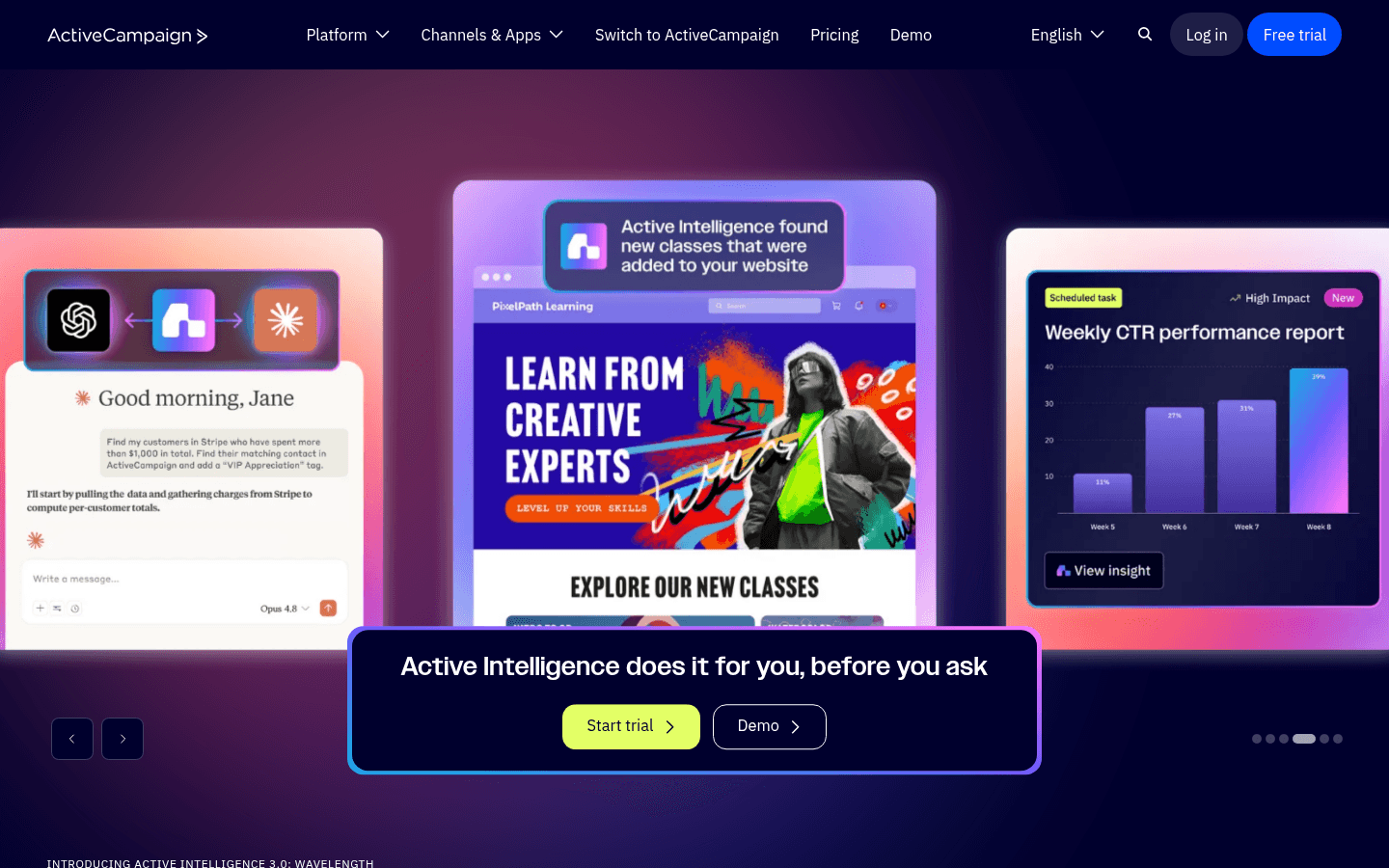
If you have complex funnels, ActiveCampaign gives you the most control with its advanced automation builder, CRM, and lead scoring. The learning curve is worth it for businesses with sophisticated sales processes.
The Online Business Email Revenue Formula
Three automations generate the most revenue for online businesses:
Lead capture and nurture converts traffic into revenue. Most visitors will not buy on their first visit. A lead magnet captures their email, and a nurture sequence builds enough trust and desire to convert them into customers.
Post-purchase retention maximizes lifetime value. Follow-up emails with usage tips, cross-sells, and loyalty offers turn one-time buyers into repeat customers. The second purchase is where profit starts.
Win-back campaigns recover lost revenue. Customers who have not purchased in 90 days get a targeted sequence with new offerings and an incentive. This costs a fraction of acquiring new customers.
Online Business Email Benchmarks
Online businesses should judge email by revenue per send and customer lifetime value.
| Email type | Healthy open rate | Healthy click rate | Revenue metric |
|---|---|---|---|
| Lead magnet delivery | 50-75% | 18-40% | Subscriber activated |
| Nurture sequence | 32-50% | 6-16% | First purchase |
| Cart abandonment | 40-65% | 12-28% | Cart recovered |
| Post-purchase follow-up | 42-62% | 10-22% | Second purchase |
| Win-back offer | 22-36% | 4-10% | Customer reactivated |
Online Business Model Table
Different online business models need different first automations.
| Business model | First automation to build | Why first |
|---|---|---|
| Physical products | Cart abandonment | Recovers immediate lost revenue |
| Digital products | Lead nurture to sales | Builds trust before purchase |
| Subscription | Trial or onboarding sequence | Drives activation and retention |
| Services | Inquiry follow-up | Converts warm leads |
| Creator business | Welcome and offer sequence | Turns audience into buyers |
Best Fit by Online Business Model
Best email marketing tool for digital product businesses
Sequenzy is a strong fit when an online business sells templates, courses, downloads, or workshops and needs lead nurture, launch sequences, post-purchase onboarding, and cross-sell emails. The important job is moving subscribers from interest to purchase without manually writing every follow-up.
Best email marketing tool for physical product ecommerce
Klaviyo, Omnisend, or Sequenzy can work depending on store maturity. Choose the ecommerce specialist when product recommendations, SMS, and deep catalog behavior matter; choose Sequenzy when the store needs simpler cart, post-purchase, and lifecycle email without enterprise-level complexity.
Best email marketing tool for subscription online businesses
Sequenzy is the better fit when revenue depends on trials, renewals, failed payments, upgrades, and retention. Subscription businesses need email tied to billing and product state, not only campaign broadcasts.
Online Business Revenue Automation Table
Prioritize automations by their proximity to revenue.
| Automation | Trigger | Goal |
|---|---|---|
| Lead nurture | New subscriber | Convert first purchase |
| Cart recovery | Checkout abandoned | Recover missed revenue |
| Post-purchase | Order completed | Increase LTV |
| Cross-sell | Product used or delivered | Expand order value |
| Win-back | No purchase in 90 days | Recover dormant customer |
Getting Started
Start with these steps regardless of which platform you choose:
- Set up lead capture with a valuable lead magnet and opt-in forms across your website
- Build a nurture sequence that converts new subscribers into first-time buyers
- Create post-purchase automation to maximize customer lifetime value
- Add cart abandonment recovery if you sell products with a checkout process
- Segment your list by purchase history and engagement to send relevant content
The online businesses that win at email marketing are the ones that build systems. Set up the right automations, measure results, and optimize over time.
What Online Businesses should prioritize first
For Online Businesses, email works when it supports clear communication, consistent follow-up, and measurable customer action. The software matters, but the operating habit matters more: collect the right contacts, send messages at the right moments, and keep the content useful enough that people keep opening.
Start by comparing the ranked tools above around the workflows you will actually run. A good tool for Online Businesses should make it easy to segment contacts, write a campaign quickly, automate the obvious follow-ups, and see whether the email produced a booking, sale, reply, renewal, or return visit.
The first workflows to build are usually simple. For this page, the natural starting points are Lead Nurture Funnel, Post-Purchase Retention, Cart Abandonment, Win-Back Campaign. Do not build a complicated journey until those basics are working.
A practical rollout looks like this:
| Week | Focus |
|---|---|
| 1 | Import contacts, clean segments, and write the first useful campaign. |
| 2 | Launch the highest-value reminder or follow-up automation. |
| 3 | Add one educational or trust-building email that is not a promotion. |
| 4 | Review opens, clicks, replies, bookings, purchases, or returned customers. |
The most important page-specific ideas are Build a lead capture system before spending money on traffic; Create a nurture sequence that builds trust before the ask; Set up cart abandonment recovery if you sell products. Those should become your first campaigns before you worry about advanced automation.
Choose the tool that lets your team send on a weekly cadence you can sustain. If a platform has more features but makes weekly sends harder for your online business, it is the wrong fit. If a simpler tool helps you send consistently and track which emails drive sales, it will usually produce more value.