
How to Choose the Right Email Tool
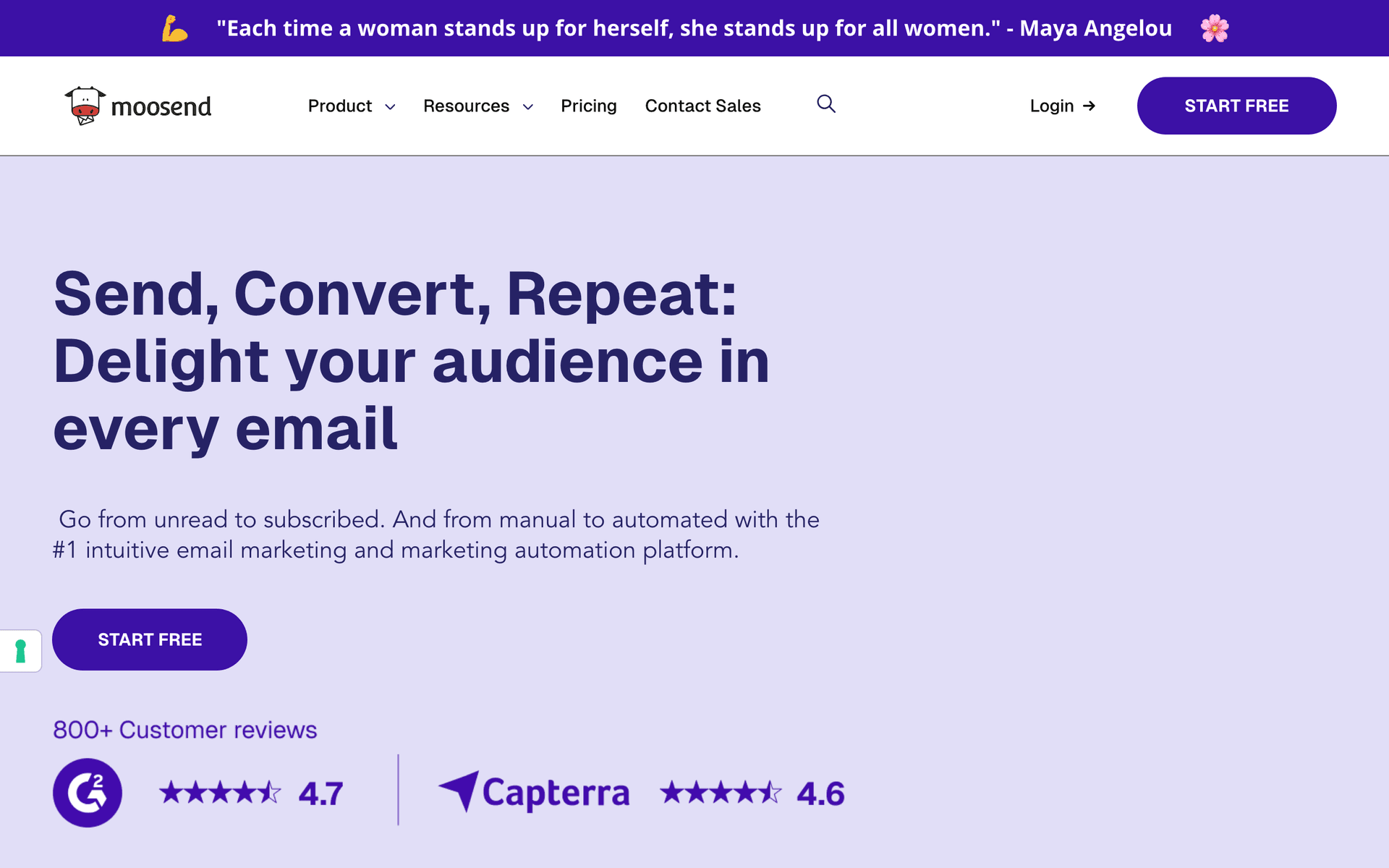
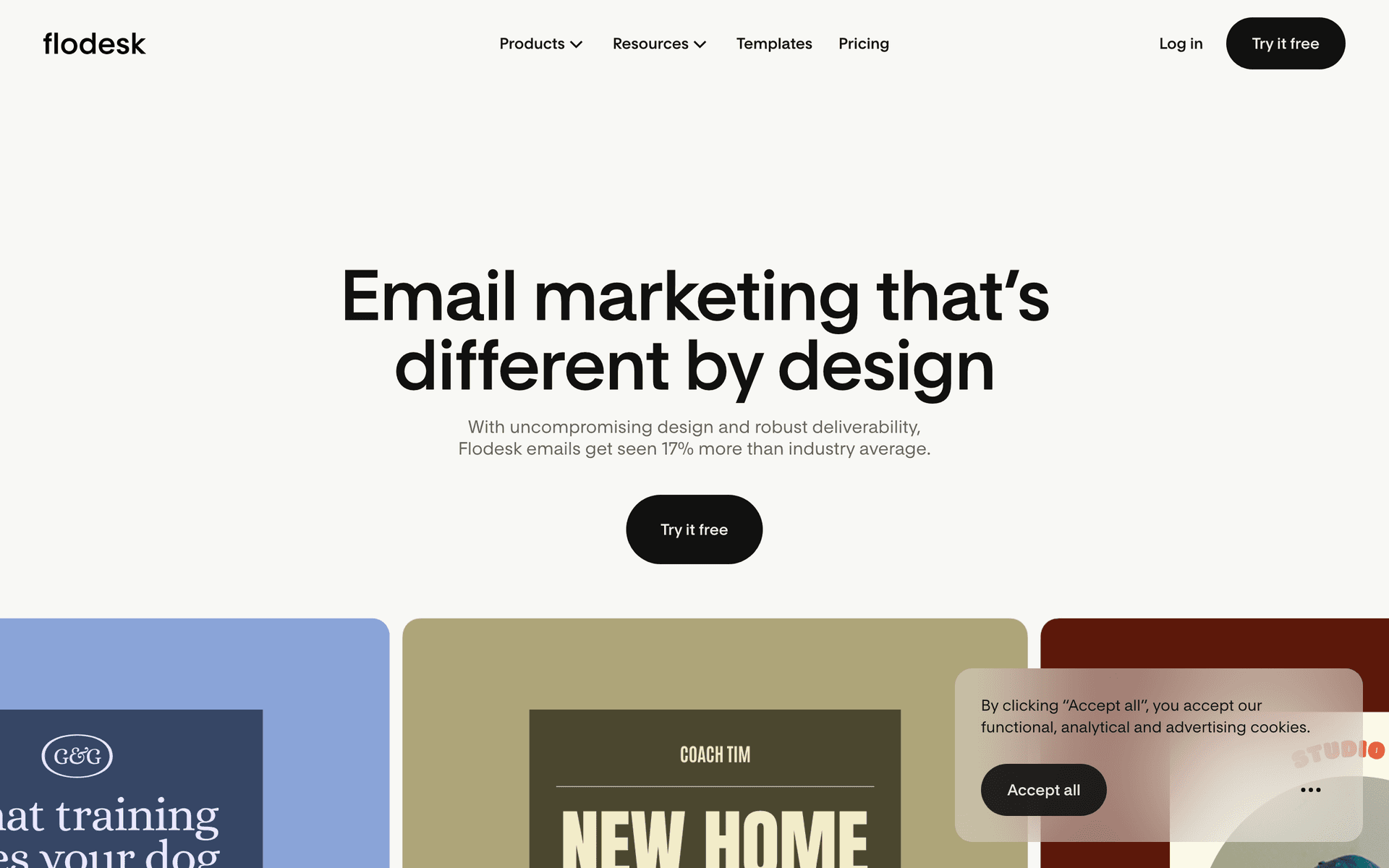
Visual presentation. Your art needs to look stunning in emails. Choose platforms with strong visual templates, large image support, and clean designs that let your work be the focus.
Simplicity. You want to spend time creating art, not managing email software. Choose user-friendly tools that let you create and send an email in 30 minutes or less.
Budget. Calculate costs at your expected list size, not starting prices. Artists typically accumulate 1,000-5,000 collector contacts over several years of shows and events.
| Artist need | Tool requirement | Why it matters | Best-fit direction |
|---|---|---|---|
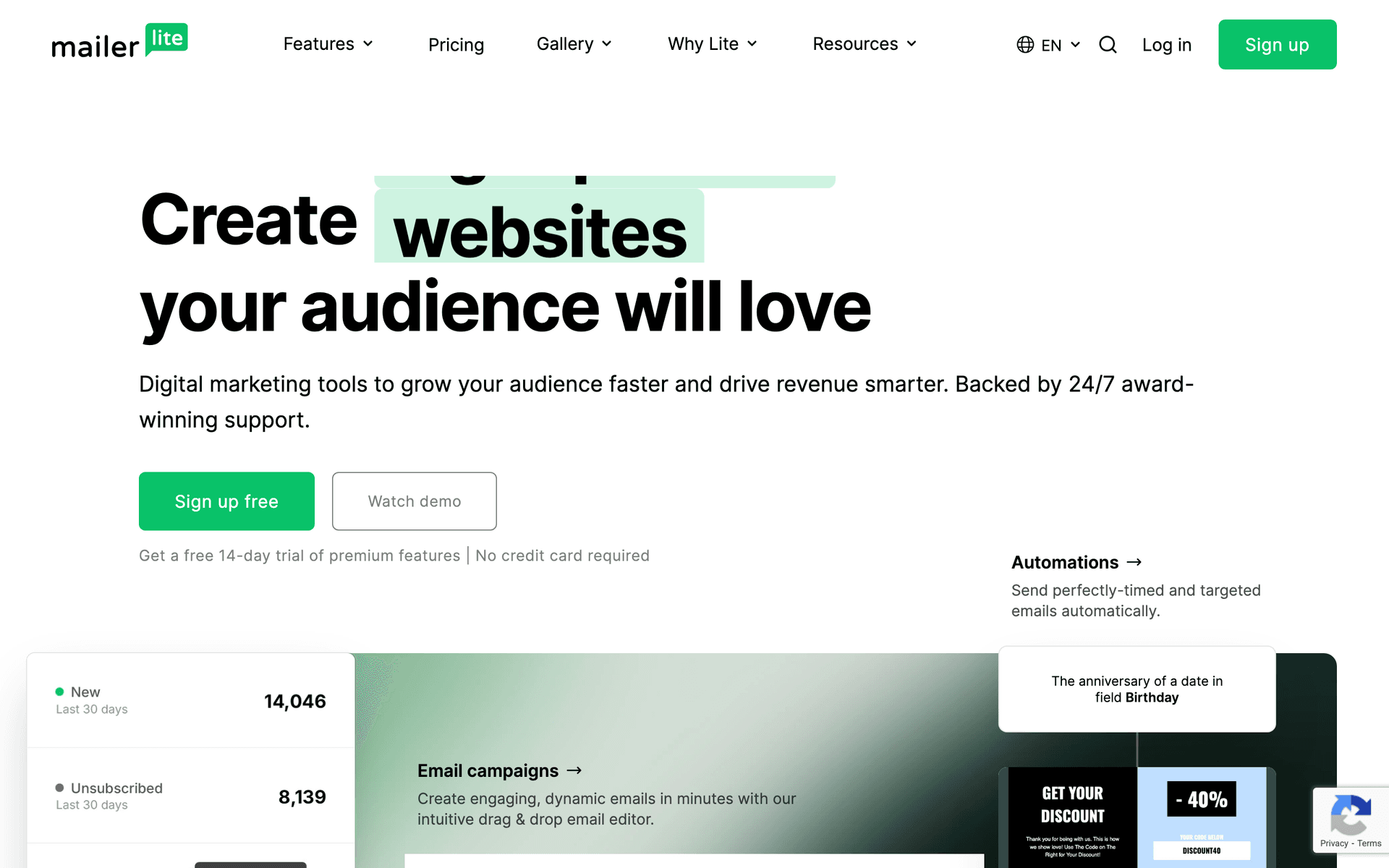
| Visual presentation | Large image blocks and clean templates | Art must look valuable in the inbox | Campaign Monitor, MailerLite, or Sequenzy templates |
| Low-maintenance sending | Simple editor and reusable layouts | Studio time matters more than software time | Sequenzy or MailerLite |
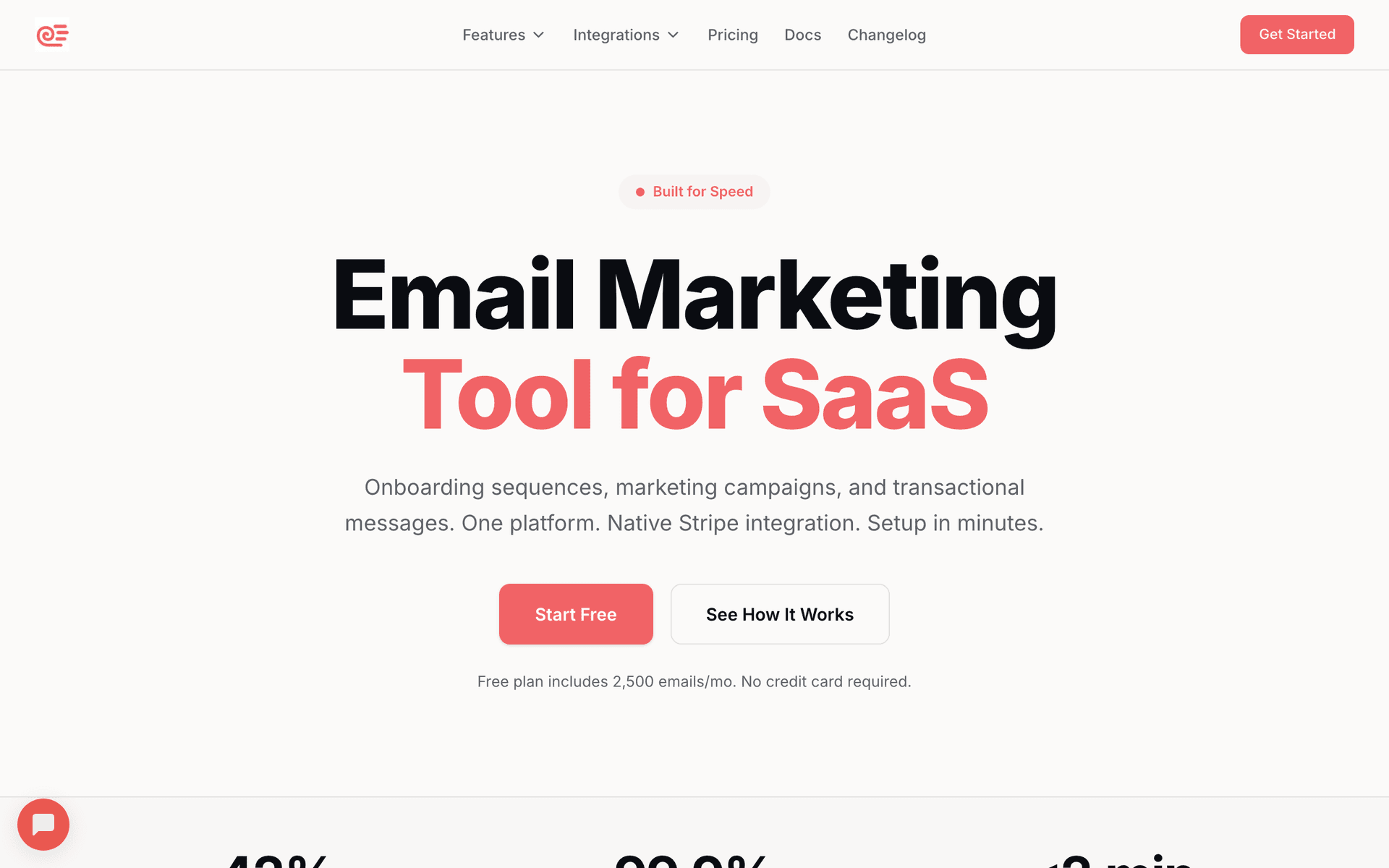
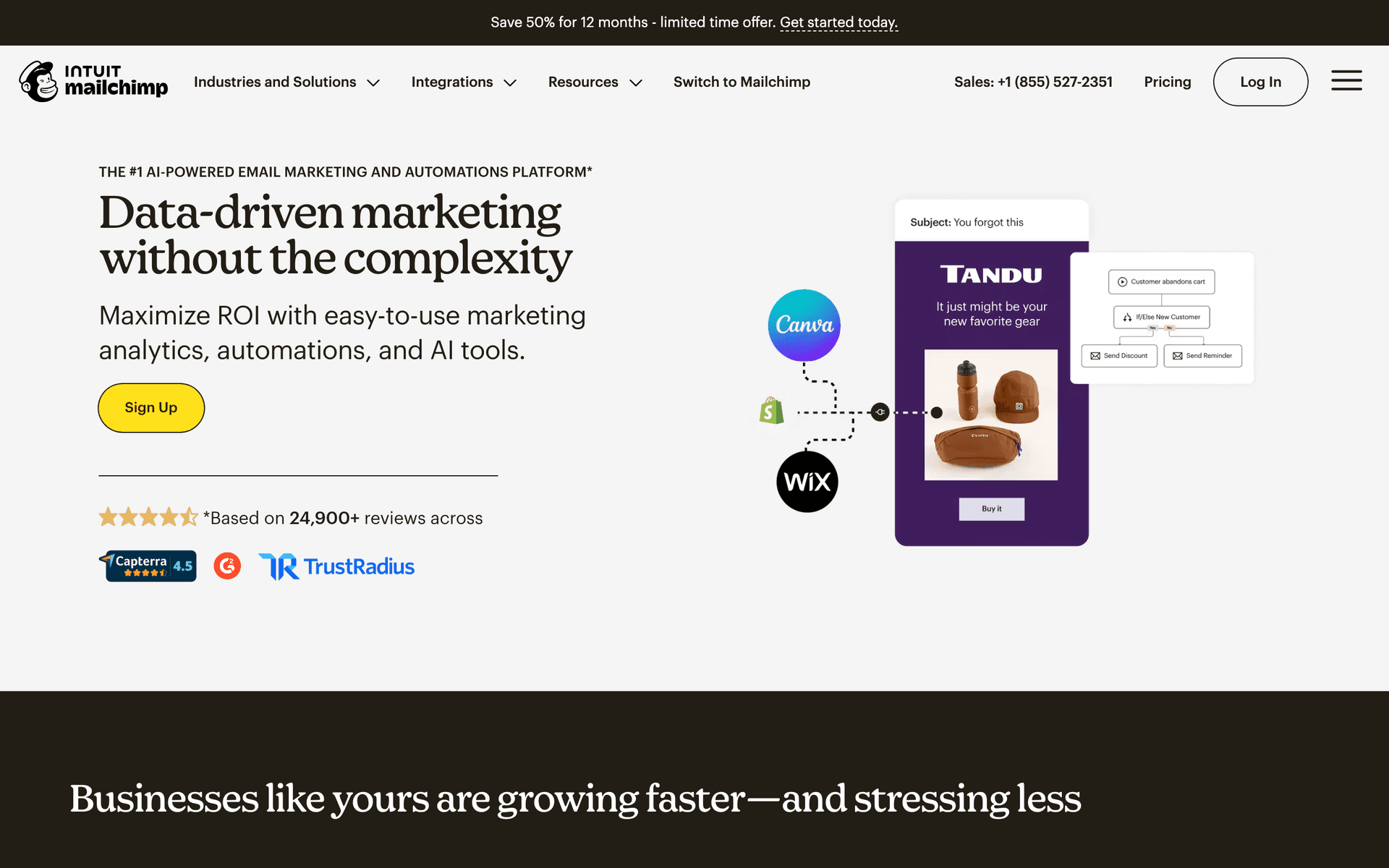
| Collector segmentation | Tags for buyers, interests, geography, and price range | Different collectors care about different work | Mailchimp, ActiveCampaign, or Sequenzy |
| Show promotion | Event invite templates and geography filters | Local collectors need timely reminders | Any tool with easy segments and scheduling |
| Direct sales | Product links, payment links, or shop integrations | Make buying or inquiring immediate | Shopify-connected tools or simple payment links |
What Works for Artists
Relationships sell art. Collectors buy from artists they feel connected to. Sharing your creative process, inspiration, and personal story through email builds the emotional connection that drives purchases. A collector who follows your journey for months is far more likely to buy than someone who sees your work for the first time.
Process fascinates. Behind-the-scenes content about your creative process consistently gets the highest engagement. How you choose subjects, mix colors, handle mistakes, and evolve your style - this is content collectors genuinely want to read.
Consistency matters. Regular communication keeps you top of mind when collectors are ready to buy. A monthly email builds a relationship over time. Silence between launches means you are starting cold every time you have new work to sell.
Email vs. Social Media for Artists
Social media gives you reach. Email gives you revenue. Here is why:
| Channel | Strength | Weakness | Best use |
|---|---|---|---|
| Instagram or TikTok | Reach and discovery | Algorithm limits who sees each post | Attract new people into your world |
| Revenue and relationship depth | Requires consistent list building | Sell new work and invite collectors to shows | |
| Website | Permanent portfolio and purchase path | Low traffic without promotion | Host available work, bio, and signup forms |
| In-person shows | High-trust collector conversations | Limited by geography and schedule | Capture serious collector emails |
Building Your Collector List
Start collecting emails from every point of contact:
Shows and events: Tablet or signup sheet at every booth. Offer early access to new work as the incentive. A 3-day art fair should add 20-50 contacts.
Website: Simple signup form offering something valuable - a studio tour video, art care guide, or early access to new work.
Social media: Regularly mention your email list on social platforms. Share exclusive content that is only available to subscribers.
Every interaction: When someone inquires about a piece, ask for their email. When someone visits your studio, capture their contact. Every interested person is a potential collector.
The Artist Email Calendar
Keep it simple and sustainable:
| Email type | Timing | Purpose | Example subject |
|---|---|---|---|
| Studio update | Monthly | Build the relationship between launches | "What I have been working on this month" |
| New work announcement | When pieces are available | Drive inquiries and sales | "New series: Coastal Light" |
| Show invitation | 2 weeks, 1 week, and 1 day before | Bring local collectors to the event | "You are invited to my studio opening" |
| Collector re-engagement | Quarterly for inactive contacts | Bring quiet collectors back gently | "A few new pieces since we last connected" |
Getting Started
- Create a simple signup form for collectors offering early access to new work
- Set up a 3-email welcome sequence introducing yourself and your art
- Plan monthly updates about your work and creative process
- Announce shows and new pieces to your list with professional photography
- Collect emails at every show, event, and interaction
Start simple with a monthly email and expand from there. The most important thing is to start building your collector list today.
What Artists should prioritize first
For Artists, email works when it supports audience trust, launches, sponsorships, and community updates. The software matters, but the operating habit matters more: collect the right contacts, send messages at the right moments, and keep the content useful enough that people keep opening.
Start by comparing the ranked tools above around the workflows you will actually run. A good tool for Artists should make it easy to segment contacts, write a campaign quickly, automate the obvious follow-ups, and see whether the email produced a booking, sale, reply, renewal, or return visit.
The first workflows to build are usually simple. For this page, the natural starting points are New Collector Welcome, New Work Announcement, Show Invitation, Collector Re-engagement. Do not build a complicated journey until those basics are working.
A practical rollout looks like this:
| Week | Focus |
|---|---|
| 1 | Import contacts, clean segments, and write the first useful campaign. |
| 2 | Launch the highest-value reminder or follow-up automation. |
| 3 | Add one educational or trust-building email that is not a promotion. |
| 4 | Review opens, clicks, replies, bookings, purchases, or returned customers. |
The most important page-specific ideas are Share your creative process between sales; Announce new work to your most engaged collectors first; Include professional photography in every email. Those should become your first campaigns before you worry about advanced automation.
Choose the tool that makes this cadence realistic. If a platform has more features but makes weekly sending harder, it is the wrong fit. If a simpler platform helps the team communicate consistently and measure the result, it will usually produce more value.