
Overview
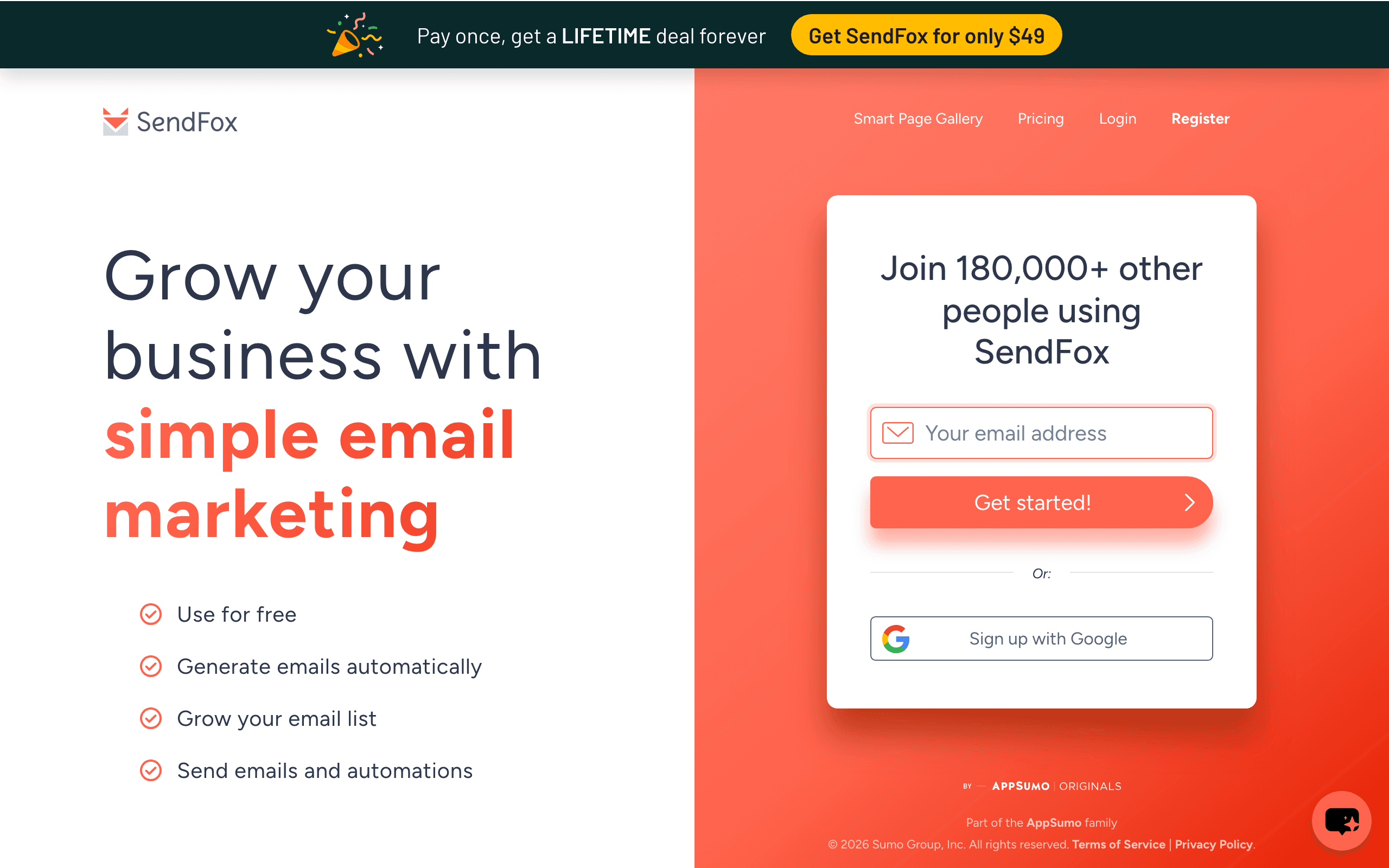
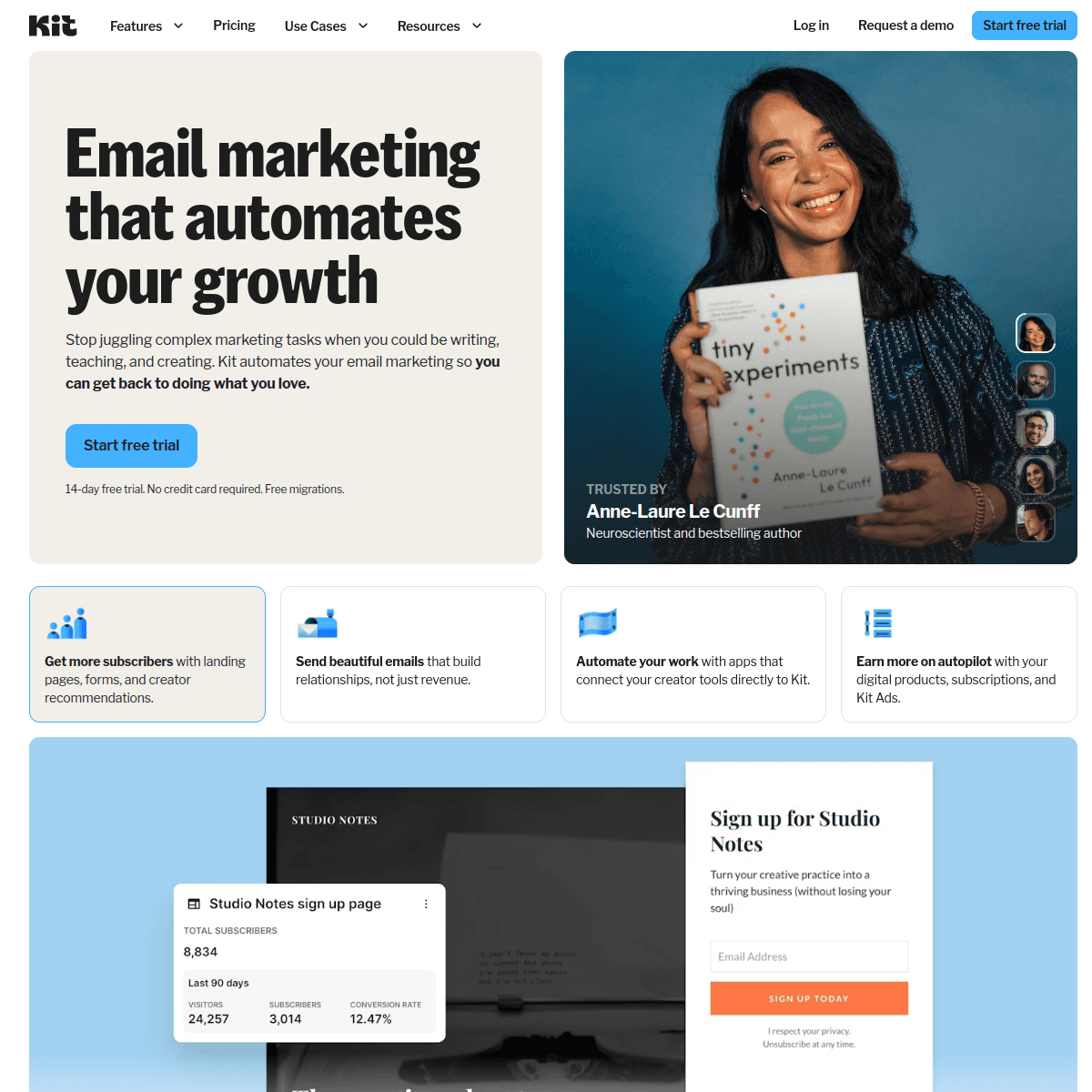
SendFox and ConvertKit both claim to serve creators, but at fundamentally different capability levels. SendFox is a bare-bones newsletter tool for budget bloggers. ConvertKit is a full creator platform with visual automation, paid subscriptions, digital product sales, and a recommendation network. For SaaS businesses, Sequenzy offers purpose-built features that neither provides.
The Creator Commerce Ecosystem
ConvertKit's biggest advantage over SendFox is its built-in commerce ecosystem. Paid newsletter subscriptions let writers charge monthly rates for premium content. Tip jars allow supporters to contribute directly. Digital product sales handle courses, ebooks, templates, and other downloadable content. All of this runs within ConvertKit, keeping the subscriber relationship unified.
SendFox has no commerce features whatsoever. Creators who want to monetize through SendFox need separate tools for payments, product delivery, and subscriber management. This fragmentation adds cost, complexity, and conversion friction that ConvertKit eliminates.
For creators who view their newsletter as a business rather than a hobby, ConvertKit's commerce features are not optional extras. They are the foundation of a monetization strategy that pays for the platform many times over.
Visual Automation vs Time Delays
ConvertKit's visual automation builder lets you create multi-path subscriber journeys based on tags, actions, purchases, and time. A subscriber who buys a digital product enters a different path than one who only reads free content. A reader who clicks a specific link gets tagged and receives targeted follow-up sequences. These visual workflows make complex subscriber journeys manageable.
SendFox's automation is limited to linear drip sequences. Send email A, wait X days, send email B. No conditional branching, no tag-based routing, no purchase triggers. For any creator who wants to personalize the subscriber experience beyond simple time delays, SendFox is insufficient.
The automation gap becomes critical as your audience grows. Small lists can survive with one-size-fits-all sequences. But once you have free and paid subscribers, different content interests, and various engagement levels, ConvertKit's conditional logic becomes essential for relevant communication.
The Tag-Based Organization Model
ConvertKit uses a tag-only system instead of traditional email lists. Subscribers are tagged based on behavior, interests, purchases, and signup source. Tags combine to create segments. This model eliminates the problem of subscribers appearing on multiple lists and being counted multiple times for billing purposes.
SendFox uses a simpler list-based model. Subscribers belong to lists. Moving subscribers between lists or segmenting based on behavior requires manual work. There is no automatic tagging based on link clicks or purchases because these features do not exist.
For creators with diverse content and multiple audience segments, ConvertKit's tag system is more flexible and powerful. For creators with a single audience and one newsletter, SendFox's simpler model is adequate.
The Creator Network Effect
ConvertKit's Creator Network connects newsletter writers for cross-promotion. When a subscriber finishes reading one newsletter, they see recommendations for related newsletters. This creates organic growth that no amount of landing page optimization on SendFox can replicate.
The network effect benefits all participants. Larger newsletters drive discovery for smaller ones. Niche topics find their audiences through related recommendations. The growth compounds as the network itself grows, creating a sustainable subscriber acquisition channel.
SendFox has no recommendation or discovery network. Growing a SendFox newsletter relies entirely on external traffic sources. For creators starting from zero, ConvertKit's network provides a growth channel that accelerates the journey from unknown to established.
For SaaS Companies
Neither SendFox nor ConvertKit is designed for software businesses. Both lack Stripe integration for subscription lifecycle automation, transactional email, and billing-aware sequences. Sequenzy at $49/month combines marketing and transactional email with native Stripe integration for SaaS companies. Use our email validator to clean your contact list when switching platforms.
Use-case matchups
| Need | Better fit | Why |
|---|---|---|
| Low-cost creator newsletter sending | SendFox | SendFox is stronger when the buyer wants a simple, low-cost newsletter tool and can accept fewer advanced features. |
| Creator newsletters and monetization | ConvertKit | ConvertKit is stronger when creator newsletters and monetization are the main requirements. |
| SaaS lifecycle and transactional email | Sequenzy | Sequenzy fits when the team needs Stripe-aware lifecycle campaigns, newsletters, and transactional email in one product. |
Best Fit by Creator Monetization
Best newsletter tool for creators prioritizing a lifetime deal
SendFox fits creators who mainly want an inexpensive list and simple sending before they have a full product, course, or paid newsletter funnel.
Best creator email platform for paid products and audience monetization
Kit is the better fit when the creator business depends on paid newsletters, digital products, courses, sponsorships, and audience segmentation.
Best SaaS email platform for onboarding and billing email
Sequenzy fits software companies that need product onboarding, transactional email, and subscription events rather than creator-first monetization tools.
Pricing reality
The page data lists SendFox at "$49 lifetime", ConvertKit at "$119"/month, and Sequenzy at "$49"/month for the cited comparison tier. SendFox's lifetime-style pricing can be attractive, but it should not be compared as if it includes every workflow in more mature platforms.
Review signals
For SendFox, pay attention to simplicity, lifetime pricing appeal, and feature limits. For ConvertKit, pay attention to creator newsletters and monetization, onboarding effort, pricing, and support quality.
Migration checklist
| Workstream | What to verify |
|---|---|
| Subscriber data | Export subscribers, tags, custom fields, segments, consent, unsubscribes, bounces, and suppressions. |
| Content archive | Preserve broadcasts, newsletters, subject lines, templates, and performance history. |
| Automations | Rebuild welcome, nurture, newsletter, promotion, reactivation, and lifecycle workflows manually. |
| Forms and pages | Recreate signup forms, landing pages, embeds, incentives, and confirmation flows. |
| Integrations | Reconnect website forms, ecommerce, CRM, payment, analytics, and Zapier-style handoffs. |
| Sender setup | Recheck SPF, DKIM, DMARC, branded links, sender identities, and warmup. |
Decision checklist
- Pick SendFox if a simple newsletter is all you need and the $49 lifetime deal suits your budget.
- Choose ConvertKit if creator newsletters and monetization matter more than lifetime-price simplicity.
- Skip SendFox if you plan to sell paid newsletters or digital products, or need transactional email, since it has no commerce features.
- Avoid ConvertKit if the buyer only needs a simple newsletter sender.
- Sequenzy is worth a look if your core work is SaaS lifecycle email, transactional messages, and Stripe-triggered sends.








