
23 Best Free Email APIs in 2026

Free email APIs are useful, but "free" is not one category.
Some providers offer a real permanent free tier. Some offer a developer sandbox. Some offer an open-source product that is free to run but still needs SMTP infrastructure. Some offer a short trial and call it free. If you choose only by the largest number in the pricing table, you will pick the wrong tool.
This guide compares 23 free email APIs and API-accessible email platforms in 2026. Sequenzy is first because it is the best starting point for SaaS teams that need transactional email, lifecycle email, subscribers, events, and marketing workflows in one product instead of a send-only API.
If you need receiving and reply parsing, read best free inbound email APIs. If you want the broader paid landscape, read the best email APIs for developers.
Quick Ranking
| Rank | Tool | Free Starting Point | Card Required? | Best For |
|---|---|---|---|---|
| 1 | Sequenzy | 2,500 emails/month | No | SaaS transactional plus lifecycle email |
| 2 | Sender | 15,000 emails/month, 2,500 contacts | No | Generous free marketing email |
| 3 | EmailOctopus | 10,000 emails/month, 2,500 contacts | No | Simple newsletters with API access |
| 4 | Resend | 3,000 emails/month, 100/day | No | Clean transactional email API |
| 5 | SMTP2GO | 1,000 emails/month | No | Simple SMTP/API sending |
| 6 | Loops | 4,000 sends/month, 1,000 subscribed contacts | No | Event-driven SaaS lifecycle email |
| 7 | Brevo | 300 emails/day | No | Broad suite with transactional email |
| 8 | Mailjet | 6,000 emails/month, 200/day | No | API and SMTP relay with basic marketing |
| 9 | Maileroo | 3,000 emails/month | No | Budget transactional and marketing sending |
| 10 | Mailgun | 100 emails/day | Yes | Raw email infrastructure |
| 11 | OneSignal | 10,000 email sends/month | No | Multichannel messaging API |
| 12 | Novu | 10,000 workflow runs/month | No | Open-source notification workflows |
| 13 | Knock | 10,000 messages/month | No | Product notification infrastructure |
| 14 | Courier | Free developer plan | No | Provider-agnostic notifications |
| 15 | Plunk | 1,000 emails/month or self-hosted | No | Open-source email platform |
| 16 | Listmonk | Free self-hosted | Self-hosted | Newsletter and transactional API on your server |
| 17 | Buttondown | Free for first 100 subscribers | No | Newsletter API for small audiences |
| 18 | Mailtrap | 4,000 emails/month | No | Testing-to-production delivery workflow |
| 19 | Postmark | 100 emails/month | No | Testing critical transactional email |
| 20 | Amazon SES | Shared AWS credits for eligible new accounts | Yes (AWS) | AWS-native low-cost infrastructure |
| 21 | MailerSend | 500 emails/month after approval | Yes | Transactional templates and SDKs |
| 22 | SendGrid | 100 emails/day for 60 days | Yes | Trialing mature high-volume email |
| 23 | ZeptoMail | Free credit/trial, then credit packs | Yes | Cheap transactional email after trial |
Free tiers and card requirements verified September 2026 against each vendor's public pricing and signup flow. SendGrid's free offering is a 60-day trial, not a permanent plan, and MailerSend's free plan requires approval and a card on file.
Send your first email: curl, Python and Node
Every provider below has an SDK, but the fastest way to compare them is a single authenticated POST. These are the minimal working calls for the free tiers you are most likely to try first.
curl -X POST https://api.sequenzy.com/v1/emails \
-H "Authorization: Bearer $SEQUENZY_API_KEY" \
-H "Content-Type: application/json" \
-d '{
  "from": "hello@yourdomain.com",
  "to": "user@example.com",
  "subject": "Reset your password",
  "html": "<p>Click the link to reset.</p>"
}'import os
import requests
response = requests.post(
"https://api.sequenzy.com/v1/emails",
headers={
"Authorization": "Bearer " + os.environ["SEQUENZY_API_KEY"],
"Content-Type": "application/json",
},
json={
"from": "hello@yourdomain.com",
"to": "user@example.com",
"subject": "Reset your password",
"html": "<p>Click the link to reset.</p>",
},
timeout=10,
)
response.raise_for_status()
print(response.json())const response = await fetch("https://api.sequenzy.com/v1/emails", {
method: "POST",
headers: {
Authorization: "Bearer " + process.env.SEQUENZY_API_KEY,
"Content-Type": "application/json",
},
body: JSON.stringify({
from: "hello@yourdomain.com",
to: "user@example.com",
subject: "Reset your password",
html: "<p>Click the link to reset.</p>",
}),
});
if (!response.ok) throw new Error(await response.text());
console.log(await response.json());The shape is the same on Resend, Brevo and Mailgun: a bearer token or basic-auth key, a JSON body with from, to, subject and an HTML body, and a message ID back. Where they differ is what happens next - whether the recipient becomes a subscriber record you can automate against, or just a log line.
For Python specifically, requests is enough for transactional sending on every provider on this list; you do not need a vendor SDK to evaluate one. Add the SDK later for typed responses and retry handling.
Which email API guide you actually need
| If you are looking for | Read this instead |
|---|---|
| Receiving and parsing inbound email for free | Best free inbound email APIs |
| The paid, API-first platform landscape | Best API-first email platforms |
| Providers ranked purely on transactional delivery | Best transactional email services |
| APIs designed for AI agents and MCP | Best email APIs with MCP support |
| Per-email pricing and breakeven maths | Best pay-per-email platforms |
| Full developer tooling, not just the send endpoint | Best developer-friendly email tools |
| Inbound routing and reply handling | Best email receiving APIs |
Free Tier Reality Check
| Free Model | What It Means | Good Examples | Watch Out For |
|---|---|---|---|
| Permanent hosted free tier | You can keep sending at low volume without paying | Sequenzy, Sender, Resend, Mailtrap, Brevo, Mailjet, Mailgun, SMTP2GO | Branding, daily caps, low logs, support limits |
| Developer or testing tier | Enough for evaluation, not production volume | Postmark, MailerSend, SendGrid trial | Do not design production around it |
| Open-source/self-hosted | Software is free, infrastructure is yours | Listmonk, Plunk, Postal-like stacks | Deliverability, DNS, IP reputation, maintenance |
| Notification platform tier | Email is one channel inside a larger messaging API | Novu, Knock, Courier, OneSignal | May not replace a dedicated ESP |
How We Ranked Free Email APIs
We checked whether the no-cost offer supports a custom domain, production API or SMTP sending, delivery webhooks, logs, suppressions, and a realistic paid upgrade path. Permanent hosted plans rank differently from trials, sandboxes, and self-hosted software because those models solve different problems.
Free allowances and plan types were rechecked on September 3, 2026. We do not convert a daily limit into a larger-looking monthly claim, and we call out approval requirements or expiration dates where they affect whether a plan can support a real application. Providers change these limits often, so confirm the current plan before designing production volume around it.
Best Tool by Use Case
| Use Case | Best Free Starting Point | Why |
|---|---|---|
| SaaS lifecycle email | Sequenzy | Transactional, marketing, subscribers, events, automations, and analytics in one place |
| Pure transactional DX | Resend | Clean SDKs, React Email support, simple API shape |
| Free campaign volume | Sender or EmailOctopus | Large no-cost sending allowances |
| Testing and staging | Mailtrap | Built around sandbox and production delivery workflows |
| Raw infrastructure | Mailgun or Amazon SES | More control, more engineering responsibility |
| Product notifications | Novu, Knock, Courier, OneSignal | Workflow APIs across email and other channels |
| Self-hosted newsletter/API | Listmonk or Plunk | No SaaS subscription, but you own operations |
What Counts as a Good Free Email API?
A free email API should give you more than a demo endpoint.
Look for:
- Custom domain sending
- API keys and SMTP credentials
- Webhooks for delivery, bounces, complaints, opens, and clicks
- Logs while you debug setup
- Suppression handling
- Unsubscribe handling if you send marketing email
- A paid path that does not force a migration
For SaaS products, a send endpoint is rarely enough. Welcome emails, trial nudges, dunning, product updates, and receipts all touch the same user lifecycle. That is why Sequenzy ranks first: it handles more of the email system, not only the email transport.
The 23 Best Free Email APIs
1. Sequenzy
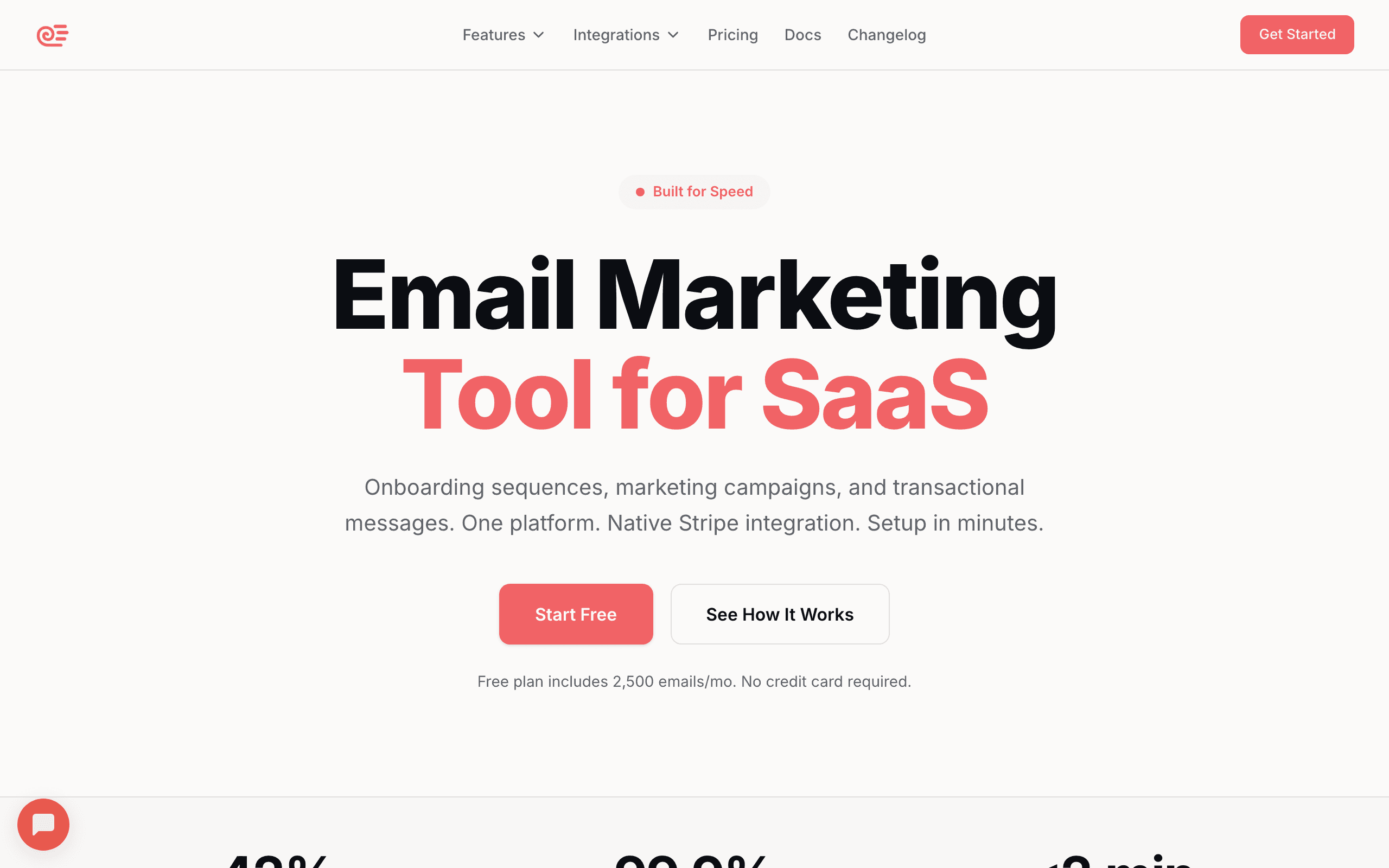
Best for: SaaS teams that want transactional email, marketing email, subscribers, events, and automations in one free starting point.
Sequenzy gives you 2,500 emails per month on the free plan with API access, transactional sending, campaigns, automations, subscribers, tags, events, and analytics. That is a better shape for SaaS than a send-only transactional API because email is connected to the customer lifecycle from day one.
A password reset is transactional. A trial-expiration reminder is lifecycle. A product update is marketing. A failed-payment notice affects revenue. Most products need all of those within the first few months. If you start with a pure API, you eventually build or buy the missing subscriber and automation layer.
Sequenzy is the right first choice when you want one system for transactional emails, Stripe integration, API-triggered events, and lifecycle email.
- Free tier: 2,500 emails/month
- API fit: Transactional sends, subscribers, tags, events, campaigns, automations, analytics
- No credit card required: Sign up, verify a sending domain, and start calling the API
- Beyond the API: A CLI and an MCP server with 200+ tools, so agents and scripts can drive the same operations
- Main limitation: Smaller ecosystem than older infrastructure providers
2. Sender
Best for: The most generous hosted free marketing-email allowance.
Sender's free plan is unusually generous: 2,500 subscribers and 15,000 emails per month with newsletters, automation, landing pages, forms, popups, and transactional emails. For small businesses and early audience building, that is a real free plan, not a token trial.
The tradeoff is branding on free emails and a less developer-native experience than Resend, Mailgun, or Sequenzy. Use it when send volume matters more than API elegance.
- Free tier: 15,000 emails/month and 2,500 subscribers
- API fit: Marketing and transactional workflows
- Main limitation: Sender branding and less SaaS lifecycle depth
3. EmailOctopus
Best for: Simple newsletters with a generous free allowance.
EmailOctopus is strong when you need low-cost list email rather than a full automation suite. Its free plan supports 2,500 subscribers and 10,000 emails per month. It also has API access for subscriber and campaign workflows.
This is not the best fit for complex product-event automation, but it is practical for founders who want a clean newsletter system and a cheap upgrade path.
- Free tier: 10,000 emails/month and 2,500 subscribers
- API fit: Subscriber and newsletter operations
- Main limitation: Basic automation compared with lifecycle platforms
4. Resend
Best for: Developers who want the cleanest transactional email API.
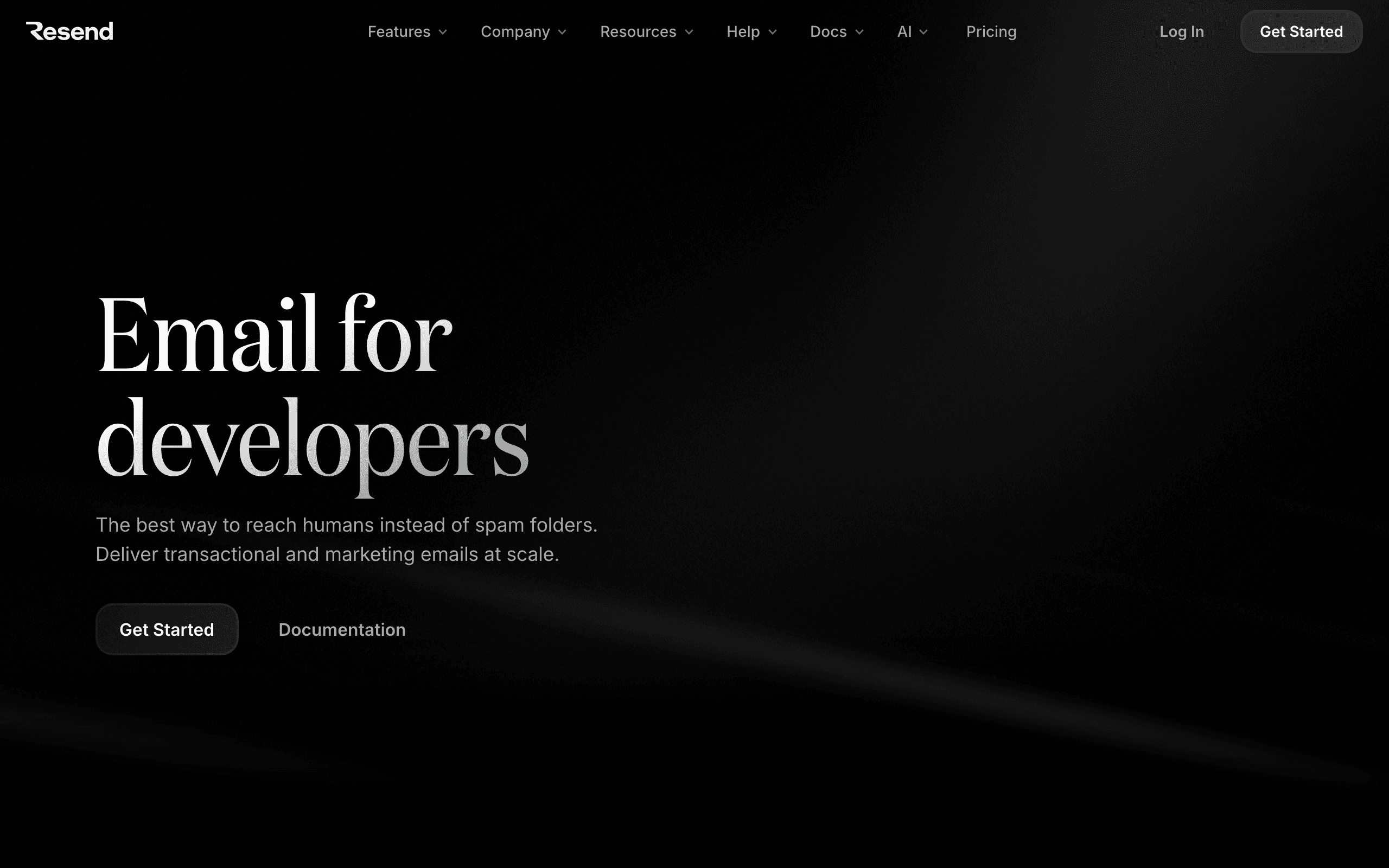
Resend is the best free choice when the job is "send email from code." The TypeScript SDK, React Email support, docs, and error model make integration fast.
Resend's free plan includes 3,000 emails per month with a 100-email daily cap. Resend also supports inbound email, and inbound messages count against the same quota. That is fine for prototypes and small products, but it matters if you expect reply traffic.
- Free tier: 3,000 emails/month, 100/day
- API fit: Transactional sending, domains, webhooks, inbound, React Email
- Main limitation: Limited marketing automation depth
5. SMTP2GO
Best for: Simple SMTP/API sending that does not try to be a marketing suite.
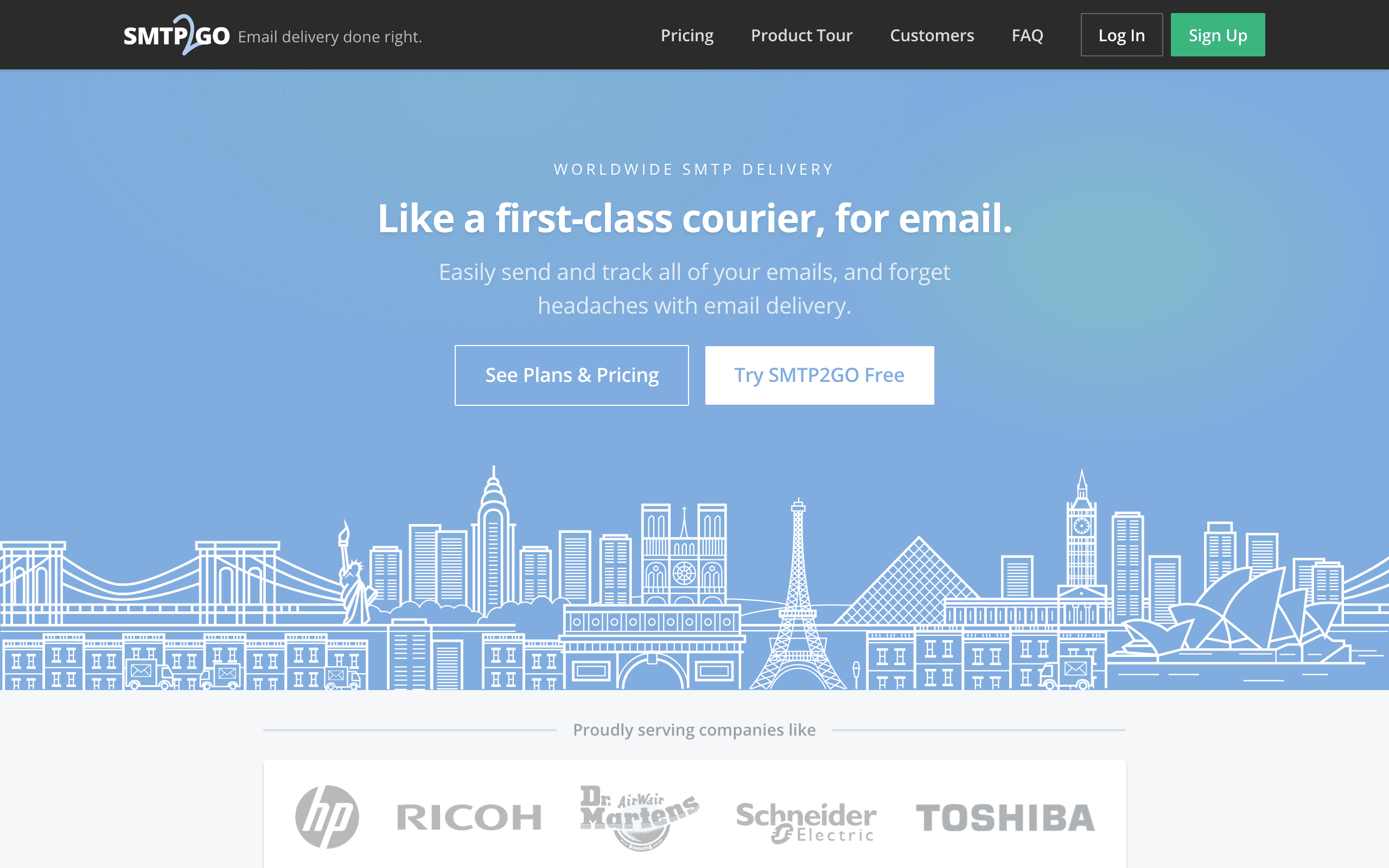
SMTP2GO offers 1,000 emails per month on its free plan. It is practical for internal apps, side projects, and low-volume transactional sending.
The 200-email daily limit matters. Do not use it for batch campaigns unless the volume is tiny.
- Free tier: 1,000 emails/month
- API fit: SMTP relay, API, reporting, bounce handling
- Main limitation: Low-volume and less modern workflow tooling
6. Loops
Best for: SaaS startups that want event-triggered email on a free plan.
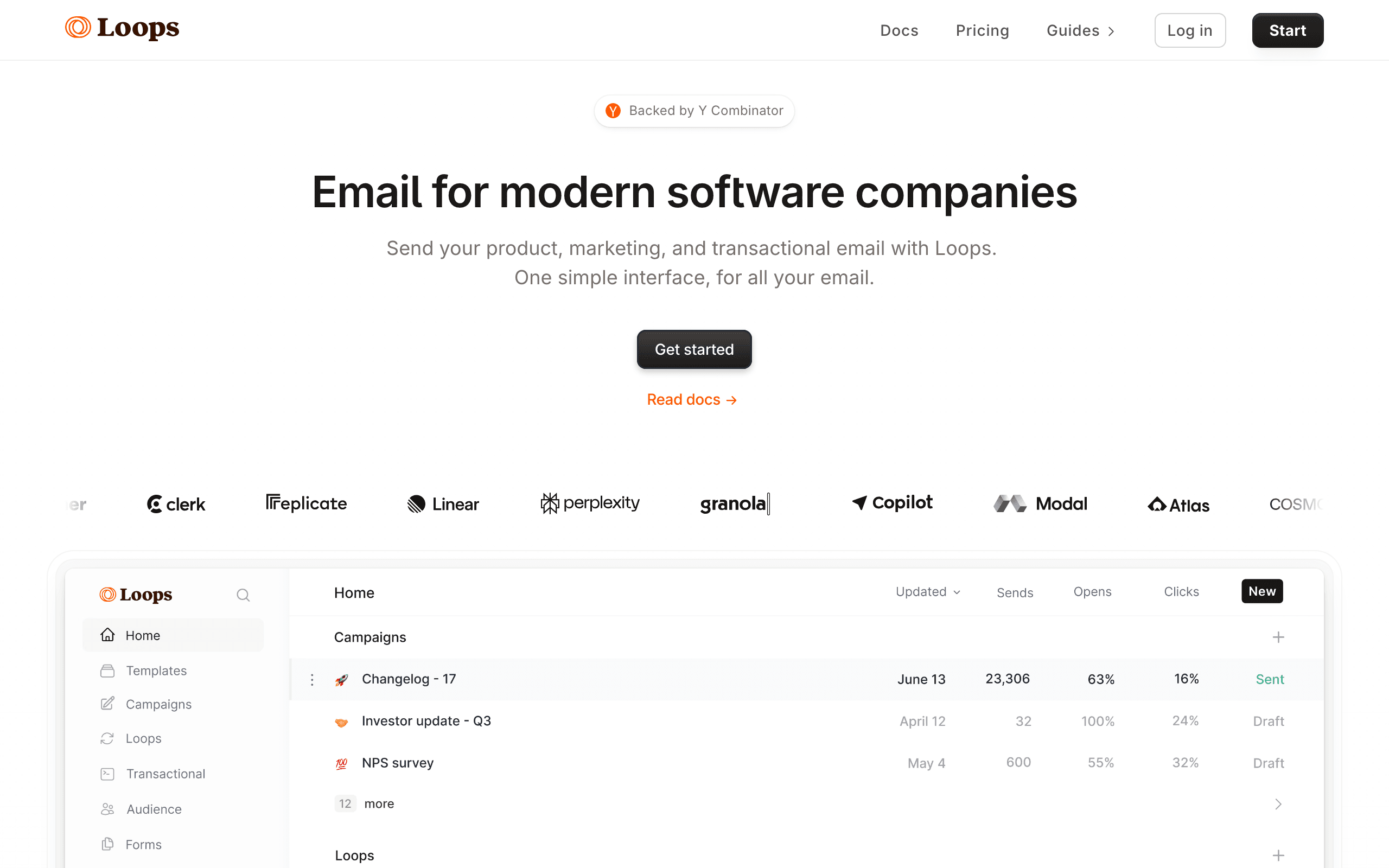
Loops gives you up to 1,000 subscribed contacts and 4,000 sends every 30 days. The API shape is SaaS-friendly: contacts, properties, events, transactional sends, and lifecycle loops.
It is simpler than Sequenzy or Customer.io, which can be a strength for small teams. The free-plan catch is Loops branding, and the paid jump is higher than pure send APIs.
- Free tier: 4,000 sends/month to 1,000 subscribed contacts
- API fit: Contacts, events, transactional emails, SaaS loops
- Main limitation: Branding on free and lighter segmentation
7. Brevo
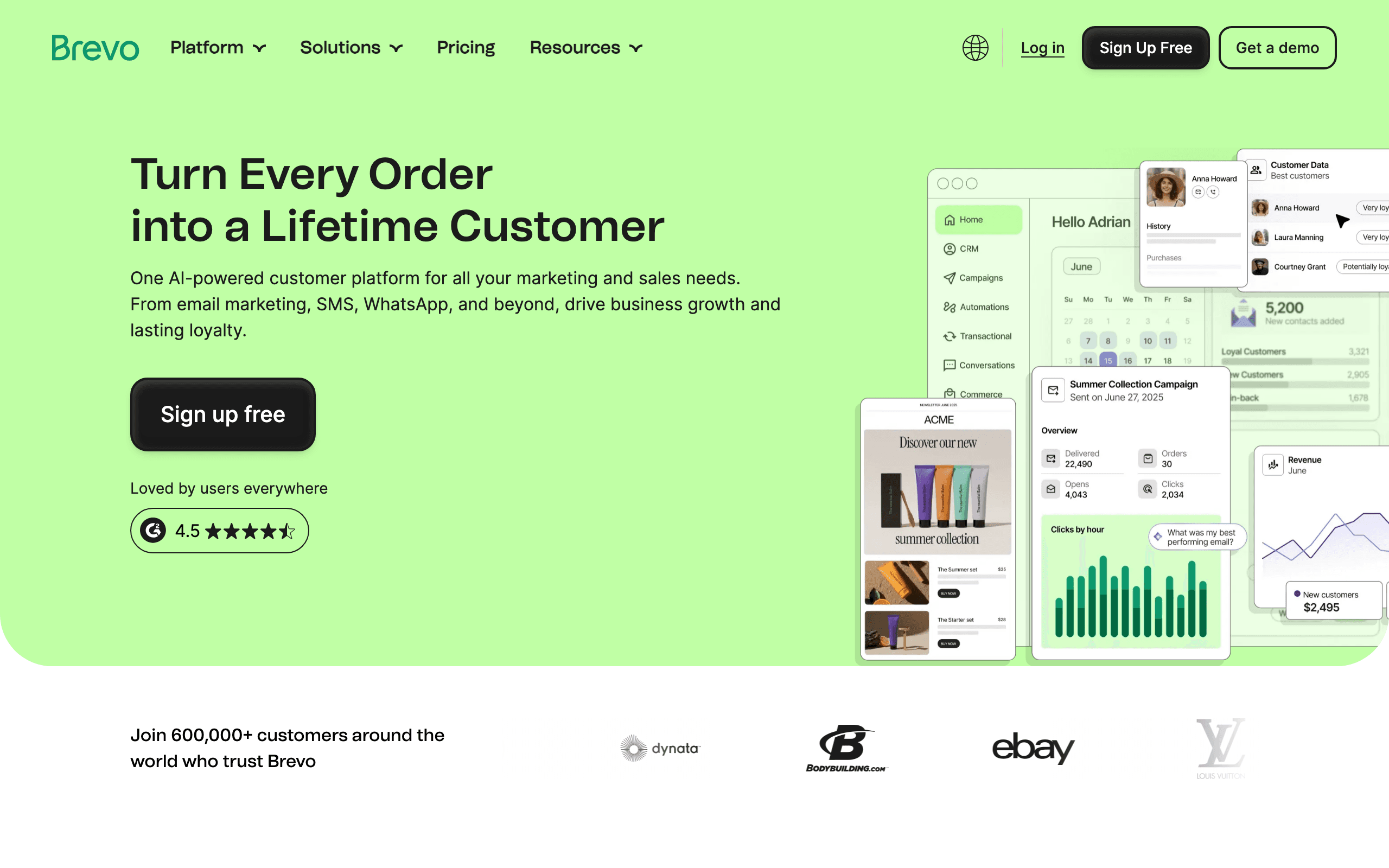
Best for: A broad free suite with transactional email included.
Brevo's free plan includes 300 email sends per day and supports marketing and transactional email. The contact allowance is large, so the constraint is daily sends, not list size.
That makes Brevo good for low-volume transactional email and slow-drip campaigns. It is less pleasant for a one-day launch email to a larger list because the daily cap stretches delivery.
- Free tier: 300 emails/day
- API fit: Transactional email, campaigns, contacts, automation, SMS add-ons
- Main limitation: Daily cap and broad, less developer-focused product surface
8. Mailjet
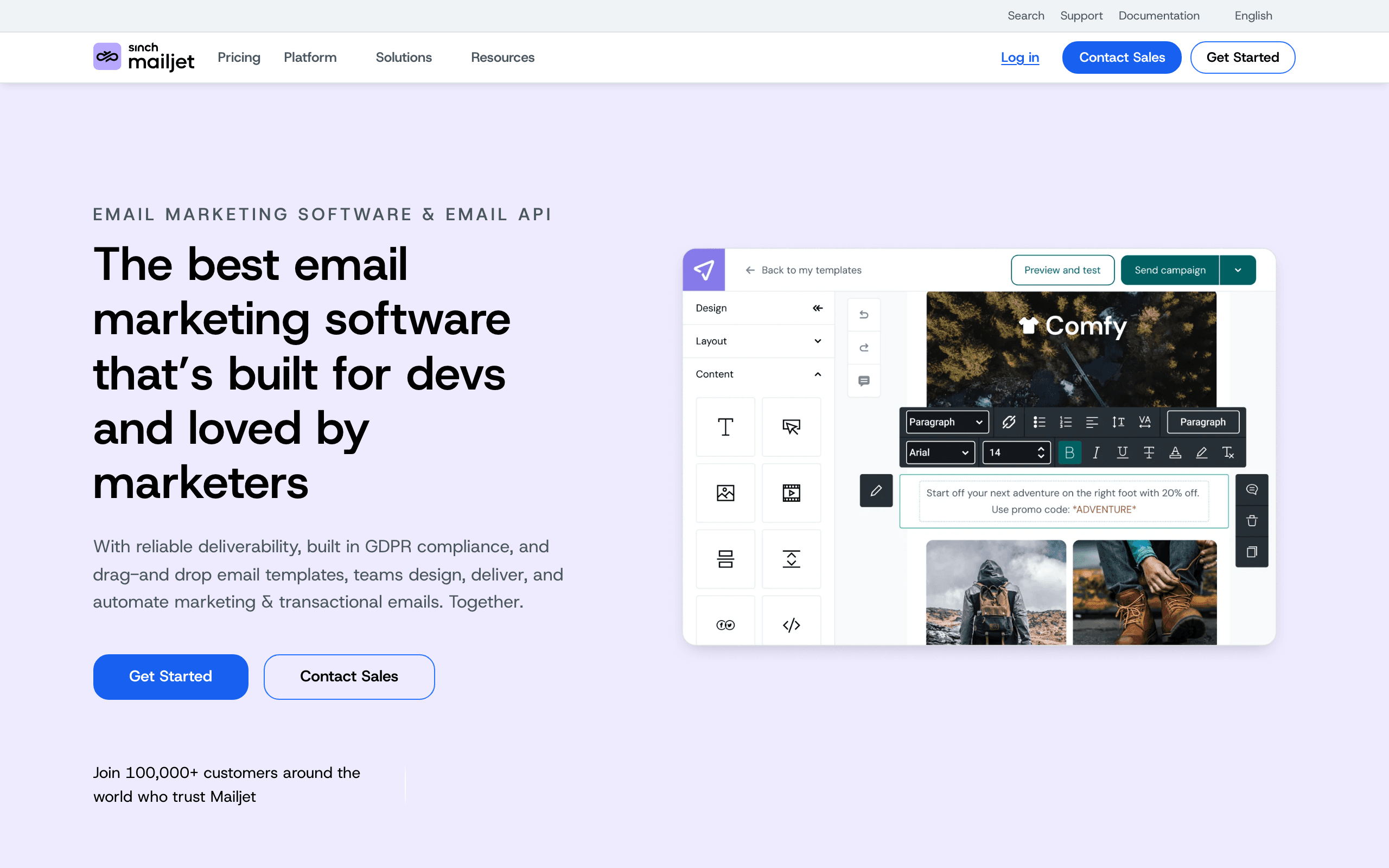
Best for: Simple API and SMTP sending with a lightweight marketing layer.
Mailjet's free plan includes 6,000 emails per month with a 200-email daily cap. It includes API, SMTP relay, webhooks, an editor, forms, and basic stats.
Mailjet is a practical option if you want both API sending and a basic campaign editor. It is not the strongest lifecycle automation tool.
- Free tier: 6,000 emails/month, 200/day
- API fit: API, SMTP, webhooks, basic campaigns
- Main limitation: Daily cap and limited automation depth
9. Maileroo
Best for: Budget transactional sending with a useful free starting point.
Maileroo offers a free email API plan with monthly sending included and paid tiers that stay inexpensive. It is worth considering if you want a smaller provider with simple SMTP/API sending and analytics.
It does not have the ecosystem depth of SendGrid, Mailgun, or Resend, so evaluate docs, support, and logs before using it for critical authentication email.
- Free tier: 3,000 emails/month
- API fit: SMTP relay, email API, transactional and marketing sending
- Main limitation: Smaller provider and ecosystem
10. Mailgun
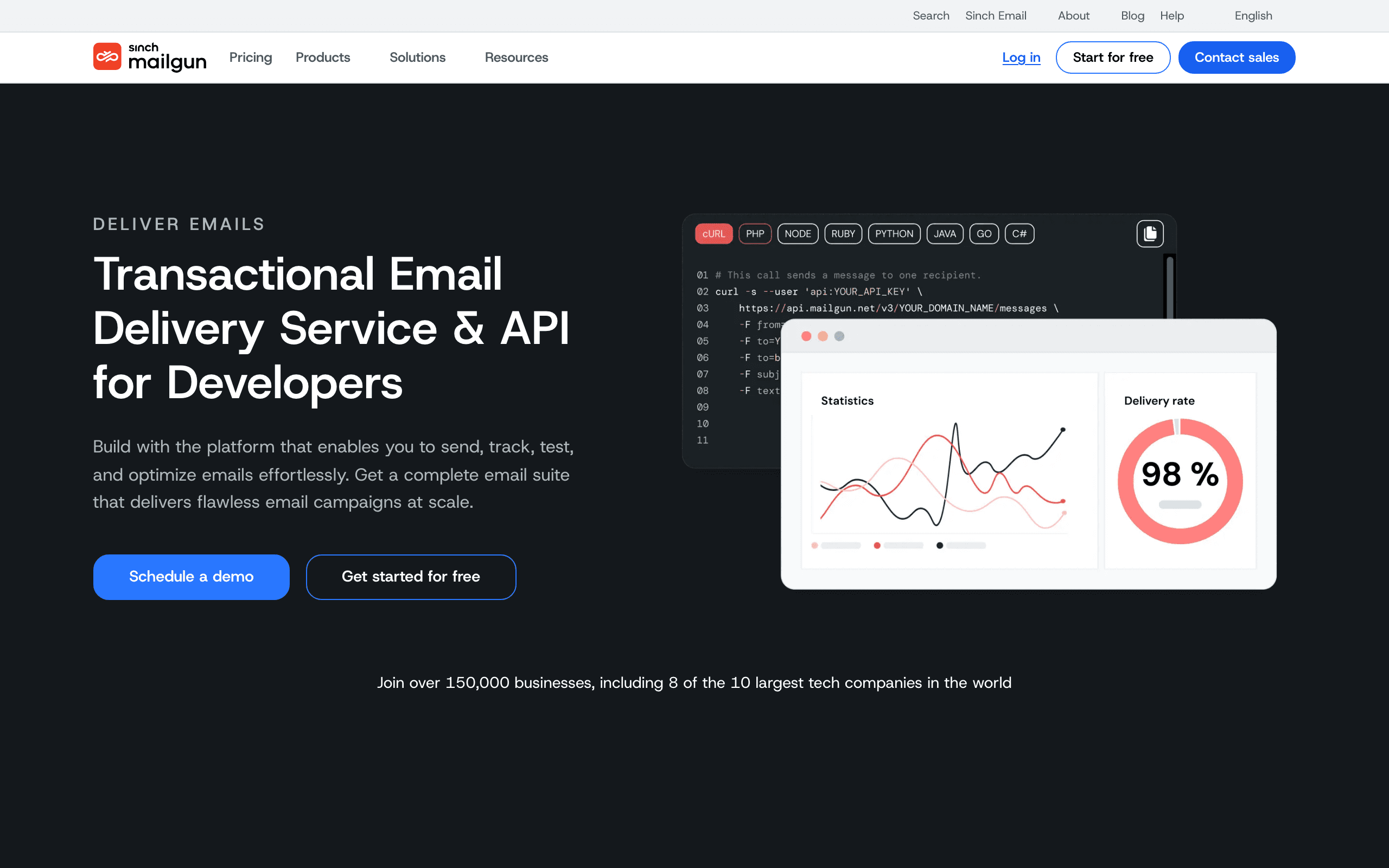
Best for: Raw email infrastructure, inbound routing, and flexible webhooks.
Mailgun's free plan includes 100 emails per day, API and SMTP sending, webhooks, one sending domain, two API keys, one inbound route, and short log retention.
This is a strong developer option if you want infrastructure primitives. You get control, but you also build more of the product layer yourself.
- Free tier: 100 emails/day
- API fit: Sending, SMTP, webhooks, inbound routes, analytics
- Main limitation: Short logs and no full marketing layer
11. OneSignal
Best for: Apps that treat email as one channel in a broader notification system.
OneSignal is better known for push notifications, but it also exposes email through its messaging API. The free plan includes monthly email sends, and the API can manage users, subscriptions, segments, and cross-channel messaging.
Use OneSignal when mobile push, in-app, SMS, and email belong together. Do not choose it as a pure email deliverability tool unless the multichannel layer is the point.
- Free tier: 10,000 email sends/month
- API fit: Email, push, SMS, in-app messaging, users, segments
- Main limitation: Email is one channel, not the whole product
12. Novu
Best for: Open-source notification workflows with email as a channel.
Novu gives developers a workflow engine across email, in-app, SMS, chat, and push. The free cloud plan includes workflow runs, and the project is open source.
Novu is not a classic ESP. It orchestrates notifications and connects providers. If you want a unified notification layer, it is useful. If you want a deliverability-first email service, pair it with a provider underneath.
- Free tier: 10,000 workflow runs/month
- API fit: Notification workflows across multiple channels
- Main limitation: Requires provider choices and workflow design
13. Knock
Best for: Product notification infrastructure.
Knock has a developer plan with 10,000 messages and supports multichannel notification workflows. It is strong for product notifications, preference management, batching, delays, and user-facing notification systems.
It is not the cheapest path after free, but the product is well-shaped if notifications are a core feature in your app.
- Free tier: 10,000 messages/month
- API fit: Workflows, broadcasts, guides, preferences, multichannel notifications
- Main limitation: Paid jump can be steep for small teams
14. Courier
Best for: Routing messages through multiple providers from one API.
Courier abstracts notification delivery across channels and providers. That can be useful if you want email, SMS, push, and chat from one API while swapping providers underneath.
The tradeoff is abstraction. You gain one interface, but you may lose some direct control over provider-specific email behavior.
- Free tier: Free developer plan
- API fit: Provider routing, notification design, multichannel delivery
- Main limitation: Abstraction can hide email-specific details
15. Plunk
Best for: Open-source email with a simple hosted free tier.
Plunk combines transactional email, campaigns, workflows, analytics, and custom domains. It also has an open-source version for teams that want to self-host.
The hosted free plan is useful for small projects, while self-hosting removes platform subscription cost but puts deliverability on you.
- Free tier: 1,000 emails/month hosted; self-hosted software is free
- API fit: Transactional, campaigns, workflows, contacts
- Main limitation: You own more operations if self-hosted
16. Listmonk
Best for: Self-hosted newsletters and transactional messages.
Listmonk is free and open source. It has an API, campaign management, lists, templates, and a transactional message API. It is very fast and can run cheaply.
The catch is that it is not an email delivery provider by itself. You still need SMTP infrastructure such as SES, Postmark, Mailgun, or another relay.
- Free tier: Free self-hosted software
- API fit: Lists, campaigns, subscribers, transactional messages
- Main limitation: Requires hosting and SMTP delivery
17. Buttondown
Best for: Newsletter API workflows for very small audiences.
Buttondown is a simple newsletter platform with API access available on all plans, including free. The free tier covers the first 100 subscribers.
Use it for developer-friendly newsletters, not product-event lifecycle automation.
- Free tier: First 100 subscribers
- API fit: Newsletter publishing, subscribers, archives
- Main limitation: Small free audience and newsletter-focused scope
18. Mailtrap
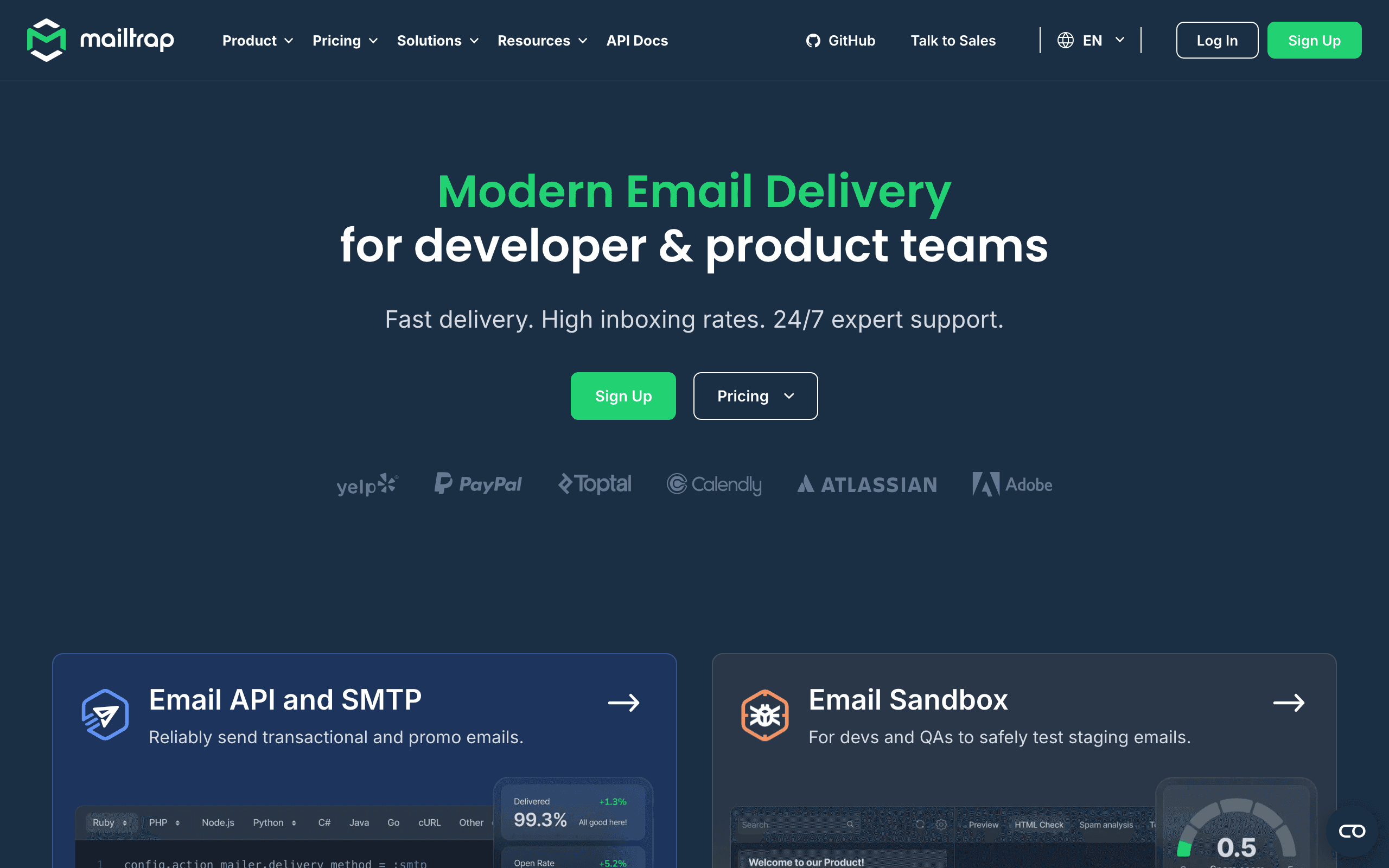
Best for: Teams that want a disciplined path from sandbox testing to production delivery.
Mailtrap is useful because email testing is part of its DNA. The Email API/SMTP product has a free plan for live sending, while the sandbox product helps teams catch broken templates and accidental sends before production.
Use it when QA, staging, logs, and deliverability debugging are more important than having a full marketing automation platform.
- Free tier: 4,000 emails/month for Email API/SMTP
- API fit: SMTP, API, webhooks, delivery logs, sandbox workflows
- Main limitation: API, marketing, and sandbox are separate product areas
19. Postmark
Best for: Testing a high-quality transactional provider before paying.
Postmark's free Developer plan includes 100 emails per month. That is not a production free tier, but it is enough to test message streams, templates, inbound processing, and the API.
Postmark is excellent when the email is critical: password resets, magic links, receipts, invoices, and security notifications.
- Free tier: 100 emails/month
- API fit: Transactional send, templates, message streams, webhooks, inbound
- Main limitation: Free volume is tiny
20. Amazon SES
Best for: AWS-native teams optimizing for cost after the free period.
Amazon SES has API and SMTP sending, inbound receiving, events, IAM controls, and AWS-native integrations. AWS ended the SES-specific 3,000-message allowance for new customers on July 21, 2026. Eligible new AWS accounts can still apply shared AWS Free Tier credits to SES, while customers already using the older SES allowance keep it for the remainder of their original 12-month period.
SES is cheap at scale, but you build the product layer: templates, approvals, logs, suppression UI, unsubscribe handling, and analytics.
- Free tier: No SES-specific allowance for new customers; eligible AWS credits can cover SES usage
- API fit: SMTP, API, inbound, AWS events
- Main limitation: Infrastructure-heavy; credits and legacy allowances are time-limited
21. MailerSend
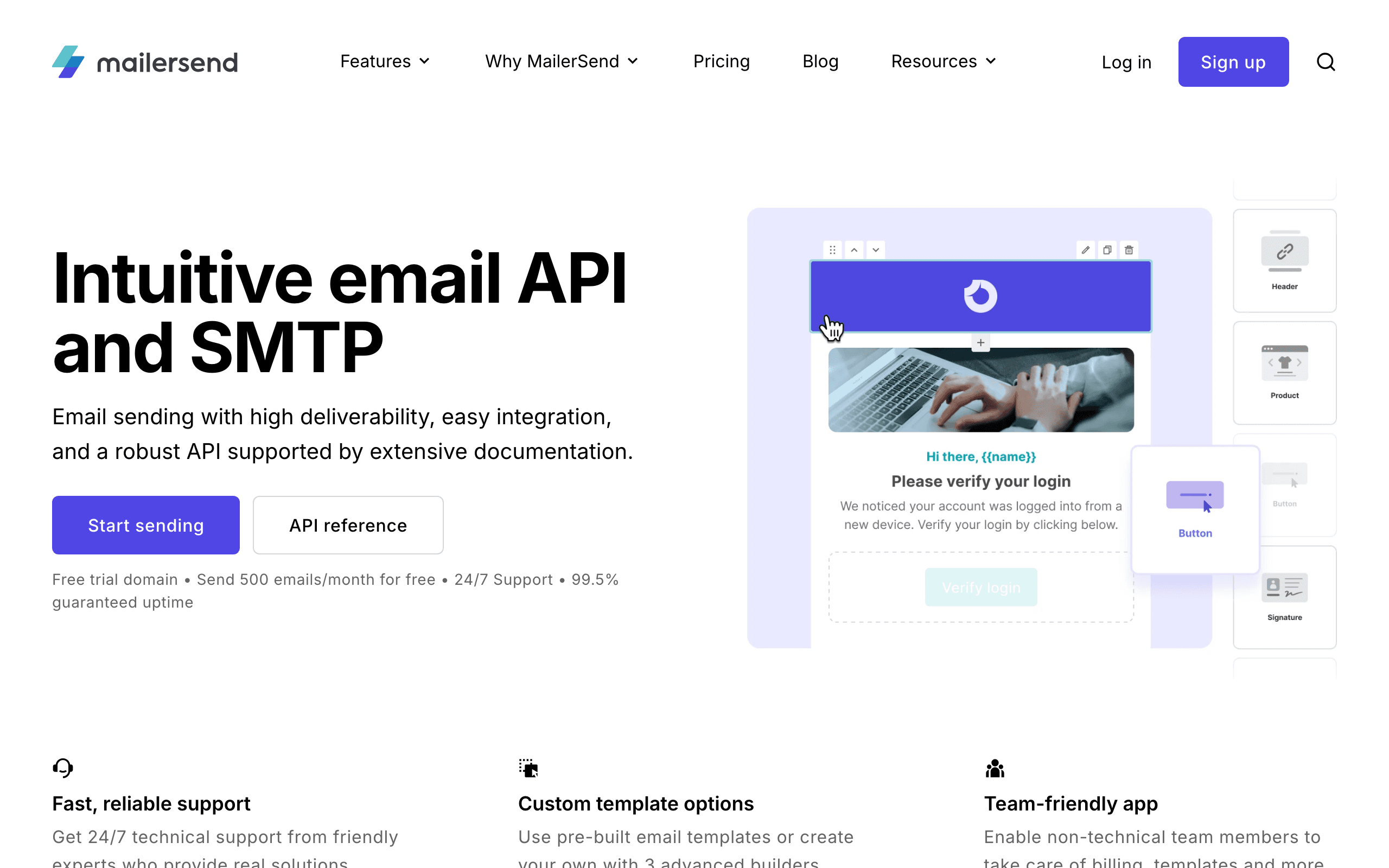
Best for: Low-volume transactional template testing.
MailerSend has a modern transactional API, SMTP relay, templates, webhooks, SDKs, and inbound routing. Its approved free plan includes 500 emails per month, so treat it as a testing plan rather than a generous startup tier.
It is still useful when non-developers need to edit templates and developers trigger them through an API.
- Free tier: 500 emails/month after approval
- API fit: Transactional API, SMTP, templates, webhooks, inbound routing
- Main limitation: Tight free quota
22. SendGrid
Best for: Trialing a mature enterprise email API.
SendGrid is mature, scalable, and widely integrated. The catch is that its current free Email API offer is a trial: 100 emails per day for 60 days.
Use it when your organization already expects Twilio SendGrid or when you want to evaluate a high-volume platform before paying. Do not treat it as a permanent free tier.
- Free tier: 100 emails/day for 60 days
- API fit: Transactional sending, templates, contacts, event webhooks
- Main limitation: Trial-based, not long-term free
23. ZeptoMail
Best for: Very cheap transactional email after a short evaluation.
Zoho ZeptoMail is transactional-only and supports SMTP plus email API integration. It offers a free credit/trial path, then uses inexpensive email credits.
It is not the best permanent free plan, but it can be a very low-cost option once you are past the trial.
- Free tier: Free credit/trial, then paid credits
- API fit: Transactional email API and SMTP
- Main limitation: Not a long-term free tier
Final Recommendation
Use Sequenzy first if you are building a SaaS product and want free email API access plus the rest of the lifecycle email system: subscribers, events, campaigns, automations, transactional sends, and analytics.
Use Resend if you only want the cleanest transactional send API.
Use Sender or EmailOctopus if free campaign volume matters most.
Use Mailgun, SES, or SMTP2GO if you want infrastructure control.
Use Novu, Knock, Courier, or OneSignal if email is one channel inside a broader notification system.
The mistake is choosing based on free volume alone. Pick the API that matches the workflow you will still need six months from now.
Frequently asked questions
Which free email APIs need no credit card?
Sequenzy, Resend, Brevo, Sender, EmailOctopus, Mailjet, SMTP2GO, Loops, Buttondown, Mailtrap and Postmark all let you create an account, verify a domain and send through the API without entering a card. MailerSend requires a card and manual approval before the free plan activates, SendGrid requires a card for its 60-day trial, and Amazon SES requires an AWS account with billing attached even though the first 3,000 message charges are covered. If "no credit card" is a hard requirement, start with Resend for pure transactional or Sequenzy if you also need subscribers and automations.
What is the best free transactional email API for Python?
Any provider on this list works from Python with requests alone - none of them require an SDK. On free-tier limits, Sender (15,000/month) and EmailOctopus (10,000/month) give the most volume but are marketing-shaped; Resend (3,000/month, 100/day) and Mailtrap (4,000/month) are the cleanest pure transactional fits; Sequenzy (2,500/month) is the pick if the same Python service will later need subscriber records, events and automations rather than only sends. The Python snippet above works unchanged against Sequenzy; swap the base URL and auth header for the others.
Is there a free anonymous email API?
Not in the sense people usually mean. Every provider on this list requires a verified account and a verified sending domain before it will deliver mail, because unauthenticated sending is how spam infrastructure is built. If you are looking for throwaway addresses for testing, that is a different tool: use a sandbox like Mailtrap that captures mail without delivering it, or a disposable-address service for receiving. If you want to send without your own domain, some providers allow a shared subdomain on free plans, but deliverability on shared sending domains is poor and the mail is often filtered.
How many free emails can I send per month?
The permanent free tiers on this list range from 100 emails a month (Postmark, testing only) to 15,000 (Sender). The useful middle is 2,500 to 4,000: Sequenzy at 2,500 with unlimited contacts, Resend at 3,000 (100/day), Maileroo at 3,000, Loops at 4,000 sends, and Mailtrap at 4,000. Watch the daily cap as much as the monthly one - a 3,000/month plan with a 100/day limit cannot absorb a launch spike.
Do free email API tiers include automation, or only sending?
Mostly only sending. Resend, Mailgun, SMTP2GO, Postmark and MailerSend give you an endpoint and a log. Sequenzy, Sender, Brevo, Loops and EmailOctopus keep subscriber records and let you run automations on the free plan, which matters if the second email you need to send is a follow-up rather than another receipt.
Can I use a free email API in production?
For low volume, yes - permanent free tiers are designed for it. Do not build production on a trial (SendGrid) or a testing plan (Postmark's 100/month), and do not build critical delivery on a plan without a support path. The practical test: if hitting the cap would break password resets, you need a paid plan, whatever the free tier says.
Get a free API key
Sequenzy's free plan sends 2,500 emails a month with unlimited contacts, no credit card required. It includes the transactional API, SMTP relay, webhooks, the full developer API for subscribers, events and campaigns, and an MCP server with 200+ tools for agent-driven workflows. Start free or see the pricing tiers.