Overview
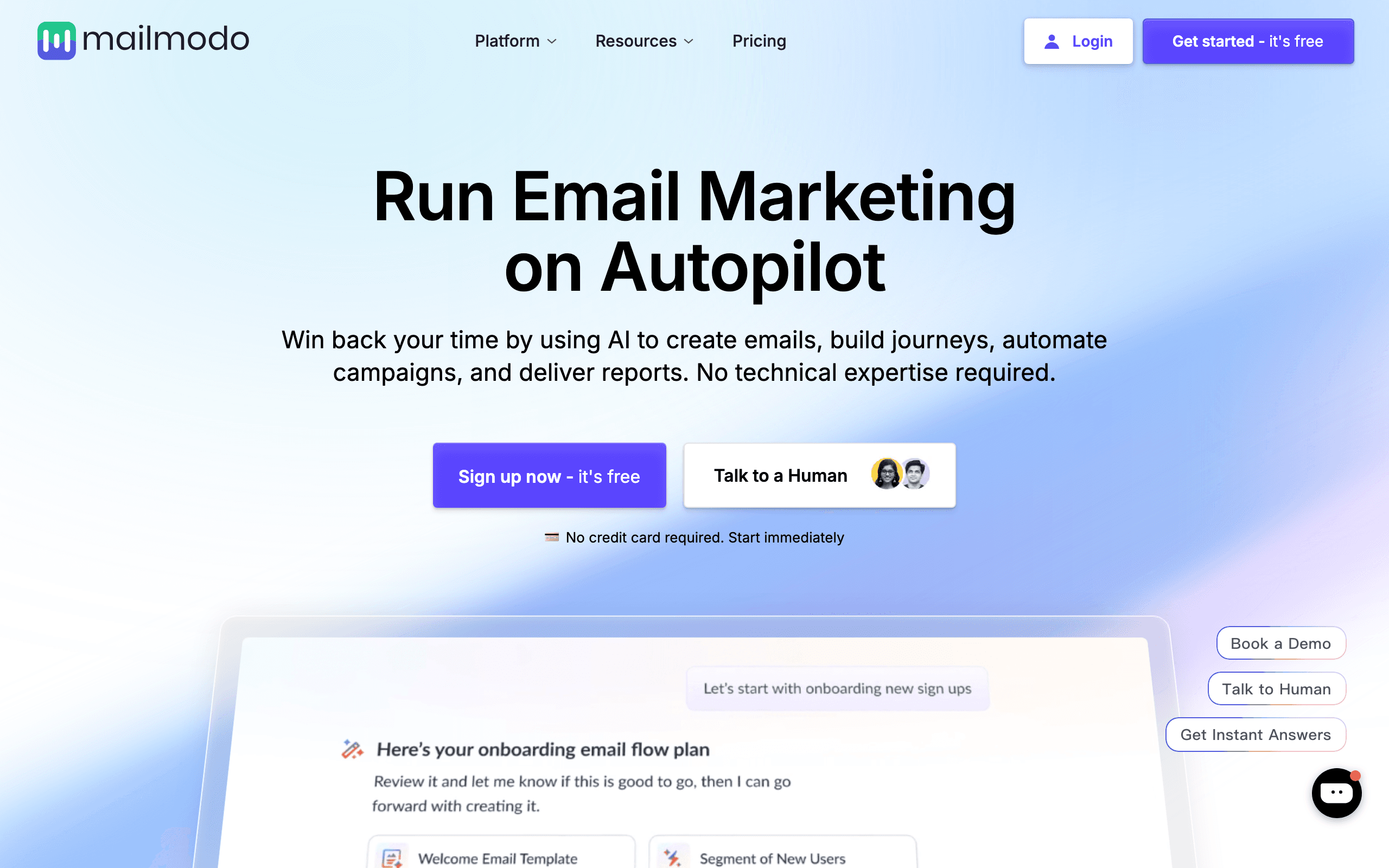
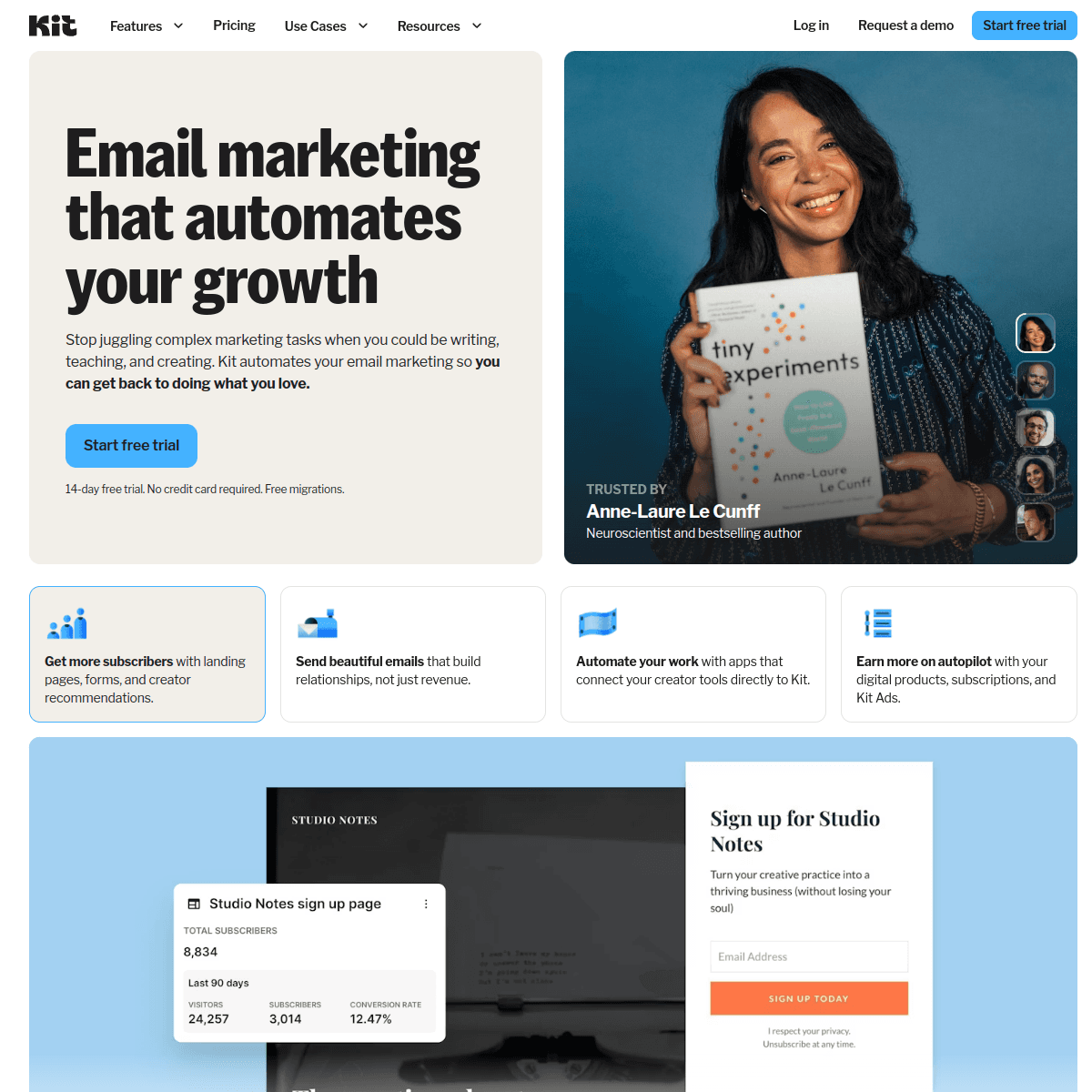
Mailmodo and ConvertKit (now called Kit) serve entirely different audiences. Mailmodo focuses on AMP technology for interactive email marketing. ConvertKit is built specifically for creators - bloggers, podcasters, and course sellers. See our ConvertKit comparison for more context.
Comparing them is comparing innovation to specialization.
AMP Email Technology
Mailmodo's core feature is AMP (Accelerated Mobile Pages) for email. Subscribers can fill forms, take quizzes, and submit surveys without leaving their inbox. For Gmail and Yahoo Mail users, this reduces friction and can improve conversions.
ConvertKit uses simple, plain-text style emails. No AMP, no fancy interactivity. But this approach has excellent deliverability and readers often prefer the personal, letter-like format.
Creator Tools
ConvertKit is purpose-built for creators. Paid newsletters let subscribers pay for premium content. Built-in commerce handles digital product sales. Tip jars accept one-time support. The Creator Network connects newsletter writers with sponsors.
Mailmodo has none of these creator-specific features. Its AMP technology could enhance feedback collection, but doesn't address how creators build businesses.
Free Plan Comparison
ConvertKit's free plan is exceptionally generous - up to 10,000 subscribers with basic features and limited automation. Many creators can use it indefinitely.
Mailmodo only offers a 21-day trial. No ongoing free tier. For creators starting out, ConvertKit's free plan provides real value.
Email Client Support
ConvertKit emails work in every email client with consistent experience. The plain-text style actually improves deliverability.
Mailmodo's AMP features only work in Gmail and Yahoo Mail. Other clients receive HTML fallback. For creators with diverse audiences, ConvertKit provides reliability.
When Each Platform Shines
Choose Mailmodo when: Your audience is Gmail-heavy. In-email forms or surveys are central to your strategy. You're a business, not a creator.
Choose ConvertKit when: You're a creator - blogger, podcaster, course seller. You want to monetize your newsletter. Simple, deliverable emails matter more than interactive features.
For SaaS Companies
Neither platform is built for SaaS. Mailmodo's AMP features don't address subscription management. ConvertKit is creator-focused, not software-focused.
For Stripe integration and subscription-aware automation, consider Sequenzy. It costs less than both ($49 vs $78-139) while focusing on what SaaS companies actually need.
Creator Economy vs General Marketing
ConvertKit has carved out a dominant position in the creator economy. Bloggers, podcasters, YouTubers, and course sellers rely on it for audience building and monetization. The platform's features reflect these needs: paid newsletters generate recurring revenue, digital product sales handle course and ebook distribution, and the Creator Network connects newsletter writers with sponsors.
Mailmodo serves a broader market with its AMP technology. It can work for any industry that sends email, but it does not specialize in creator business needs. For creators, this difference between general capability and specialized tooling matters enormously.
The Free Plan Advantage
ConvertKit's free plan supporting up to 10,000 subscribers is one of the most generous in the industry. Creators can build a substantial audience before paying anything. This removes the financial barrier that stops many creators from starting.
Mailmodo's 21-day trial provides a time-limited evaluation window with no ongoing free option. For creators who need months or years to build an audience, the lack of a free tier is a significant disadvantage. The paid pricing at $78/month is also substantial for creators in early stages.
Deliverability and Email Style
ConvertKit's reputation for deliverability partly stems from its approach to email design. The platform encourages simple, plain-text style emails that feel personal rather than promotional. Email providers tend to favor this format, resulting in better inbox placement.
Mailmodo's AMP emails are visually richer and more interactive, but this complexity can sometimes face additional scrutiny from email providers. Both platforms deliver emails reliably, but ConvertKit's approach aligns with what email providers and readers increasingly prefer.
Two Opposite Design Philosophies That Reveal Your Priorities
Kit deliberately limits email design options to encourage plain-text-style emails that feel personal. This philosophy stems from creator marketing research showing that simple, text-focused emails build stronger relationships with audiences. The constraint is intentional - fewer design choices mean faster email creation and better deliverability since plain emails rarely trigger spam filters.
Mailmodo takes the opposite approach, pushing email design as far as technology allows. AMP-powered forms, surveys, carousels, and interactive elements transform emails into mini-applications. This design richness serves businesses where visual engagement drives conversions - product showcases, interactive surveys, and in-email commerce. For creators who value personal connection over visual presentation, Kit's simplicity wins. For businesses where interactivity drives measurable results, Mailmodo's innovation wins.
The Creator Commerce Gap Mailmodo Cannot Fill
Kit includes built-in tools for selling digital products, paid newsletters, and course content directly through the platform. Creators can monetize their audience without external e-commerce tools. The commerce features integrate natively with email - purchase events trigger automated sequences, customer segments update based on buying behavior, and revenue attribution connects directly to email campaigns.
Mailmodo has no native commerce functionality. Selling digital products through Mailmodo requires external e-commerce integrations and manual workflow connections. While Mailmodo's AMP emails could theoretically embed purchase flows inside emails, the commerce infrastructure - payment processing, product delivery, customer management - does not exist within the platform. For creators whose business model depends on selling to their audience, Kit's integrated commerce is a fundamental advantage.
When Creators Build Software Products
Both Kit and Mailmodo serve content creators and marketing teams respectively, but neither handles the transition when a creator launches a software product. SaaS applications need transactional email for account notifications, billing-triggered sequences for subscription management, and Stripe integration for payment lifecycle events. These requirements fall outside what either platform was designed to provide.
Sequenzy at $49/month combines marketing campaigns and transactional email with native Stripe integration. For creators who have built software products or subscription services, Sequenzy provides the billing-aware automation that Kit's creator tools and Mailmodo's AMP innovation cannot offer. Subscription events drive automated sequences without the manual workflow configuration both platforms would require.
Use-case matchups
| Situation | Better fit | Why |
|---|---|---|
| You want subscribers to complete forms or surveys inside the email | Mailmodo | Mailmodo's AMP workflow is built for in-email interaction where supported. |
| You publish newsletters, sell digital products, or run a creator business | Kit | Kit is built around creator workflows, paid newsletters, commerce, landing pages, and audience growth. |
| You need an ongoing free plan while growing an audience | Kit | The page data lists Kit's free plan up to 10,000 subscribers with limited features. |
| You want emails that render reliably in every major inbox | Kit | Kit's simpler email style works broadly, while AMP support depends on the recipient's email client. |
| You are moving from creator business to SaaS product | Sequenzy | Sequenzy is a better fit when Stripe subscriptions and product events drive the email strategy. |
Pricing reality
Mailmodo is cheaper than Kit's paid Creator plan in the listed 10,000-subscriber scenario: $78/month versus $139/month. Kit's free plan changes the calculation for early creators because some teams may not need the paid tier immediately.
The right pricing question is whether you are buying interaction or creator monetization. Mailmodo's price makes sense if AMP campaigns create measurable lift. Kit's paid plan makes sense if commerce, creator growth, and newsletter workflows replace separate tools.
Review signals
The Mailmodo reviews highlight interactive AMP emails, in-email forms, surveys, and the no-code editor. The caveats are AMP client support and the learning curve.
Kit reviews point to creator-focused features, visual automation, landing pages, and a simpler publishing workflow. The trade-offs called out here are limited design flexibility and basic reporting, which matter more for teams expecting a full marketing analytics suite.
Best Fit by Interaction and Creator Commerce
Best email platform for interactive AMP campaigns
Mailmodo fits teams that need forms, surveys, bookings, or other interactive experiences inside the inbox. It is strongest when the campaign strategy depends on reducing friction inside a specific email.
Best creator email platform for audience monetization
ConvertKit is the better fit when the creator needs newsletters, sequences, forms, paid subscriptions, and digital products around an owned audience. It works best when creator commerce matters more than AMP-specific campaign design.
Best lifecycle email platform for software products
Sequenzy fits SaaS teams that need onboarding, transactionals, billing, and retention emails driven by product and subscription events. It is more relevant when the audience is a customer base inside software.
Migration checklist
- Export subscribers, tags, segments, forms, landing pages, sequences, products, and suppression data.
- Decide which creator-commerce features must be replaced if moving away from Kit.
- If moving to Mailmodo, identify the exact campaigns where AMP interactivity is worth rebuilding.
- Recreate welcome sequences, paid-product delivery flows, lead magnets, and newsletter templates before switching forms.
- Test emails in Gmail, Yahoo, Outlook, Apple Mail, and mobile clients so AMP fallbacks are visible.
- Keep the old platform live until forms, commerce links, unsubscribe handling, and automations are verified.
Decision checklist
- Choose Mailmodo if interactive email campaigns are central to the strategy.
- Choose Kit if the business is primarily newsletter, creator, course, or digital-product driven.
- Choose Sequenzy if the creator business has become a SaaS product and email should follow billing and product events.