Updated 2026-03-15

Best Email Marketing Tools for Thrift Stores

Alert treasure hunters, promote sales, and engage donors with the right email platform.

Thrift stores have a unique email advantage: constantly changing inventory. Regular email alerts about new arrivals, special finds, and sales events keep customers coming back. For nonprofit thrift stores, email also engages donors and volunteers. Here are 19 tools ranked for thrift stores.

TL;DR

For most thrift stores, Sequenzy offers the best value - the AI creates new arrival alerts, sale campaigns, and donor appreciation sequences, and you can start free with up to 2,500 emails/month. If you need a platform your whole team already knows, Mailchimp works but gets expensive. For nonprofit thrift stores wanting event tools and phone support, Constant Contact is worth considering.

Why Thrift Stores Need Email Marketing

New Arrival Alerts

Thrift inventory changes daily. Email alerts about notable finds, brand-name items, and special collections drive repeat visits.

Sale Promotions

Color tag sales, holiday discounts, and clearance events fill your store. Email is the most effective promotion channel.

Donor Engagement

For nonprofit thrift stores, email recruits donors, acknowledges donations, and shares impact stories.

Community Building

Thrift shopping is a community. Email builds this community with styling tips, upcycling ideas, and store stories.

Thrift Stores Email Marketing Benchmarks

Know these numbers before you start. They'll help you set realistic goals and pick the right tool.

28-36%
Average Open Rate

Thrift store emails see 28-36% open rates, driven by the treasure-hunt excitement of new arrival alerts. Sale announcements perform highest. If you are below 25%, improve your subject lines with specific item mentions.

3-6%
Average Click Rate

Click rates of 3-6% are typical, with photo-heavy arrival alerts driving the most clicks. Include direct links to directions or store hours to boost clicks further.

Thursday-Friday, 10am-12pm
Best Send Time

Thrift shoppers plan weekend trips. Sending Thursday or Friday morning catches them while they are planning their weekend activities. Wednesday works well for mid-week sale announcements.

15-25% of list per week
Email-Driven Store Visits

A well-run weekly arrival alert should drive 15-25% of your email subscribers to visit your store that week. Track this by asking at checkout how customers heard about specific items.

Important Tips Before You Choose

Lessons from thrift storeswho've been doing this for years. Save yourself the trial and error.

Send weekly arrival alerts with photos of your best finds

Thrift shoppers are treasure hunters. A weekly email showcasing 5-8 of your most interesting items - with photos - creates excitement and drives store visits. Feature vintage furniture, brand-name clothing, and unique collectibles. The visual nature of these emails makes them your highest-engagement content.

Segment by interest category for targeted alerts

Tag customers by what they buy: vintage clothing, furniture, books, housewares, or collectibles. Send targeted new arrival alerts based on their interests. A furniture collector does not care about your new clothing arrivals, and vice versa. Even basic segmentation dramatically improves click rates.

Use color tag sale emails as your biggest revenue driver

Color tag rotation sales are unique to thrift stores and customers love them. Build a 2-email sequence: announcement email with the tag color and discount, then a reminder on the last day. These emails consistently outperform all other thrift store marketing in terms of revenue generated.

Build separate communication tracks for shoppers and donors

If you are a nonprofit thrift store, shoppers and donors have completely different motivations. Shoppers want deals and new arrivals. Donors want to know their contributions make a difference. One-size-fits-all emails serve neither audience well.

Promote donation drives with impact storytelling

Donor emails perform best when they include specific impact data. Instead of 'Thanks for donating,' try 'Your donation helped furnish 12 apartments for families this month.' Concrete numbers and stories motivate repeat donations far more than generic thank-you messages.

19 Best Email Marketing Tools for Thrift Stores

#ToolDescriptionBest ForPricing
1SequenzyEmail marketing with AI-powered sequences and automation.Thrift stores wanting automated arrival alerts and sale campaignsFree up to 2,500 emails/mo, then $19/mo (unlimited contacts)
2MailchimpWell-known email platform.Small thrift stores starting with email marketingFree up to 500 contacts, then $13/month
3Constant ContactSmall business email with event tools.Nonprofit thrift stores wanting event tools and support$12/month for 500 contacts
4ActiveCampaignAdvanced automation platform.Larger thrift store operations or chains$29/month for 1,000 contacts
5BrevoAffordable email and SMS platform.Budget-conscious thrift storesFree up to 300 emails/day
6ConvertKitCreator-focused platform.Content-focused thrift stores with blogs or social media presenceFree up to 10,000
7GetResponseAll-in-one platform with landing pages.Thrift stores running fundraising events$15.60/month
8AWeberSimple and reliable email.Very small thrift stores wanting simplicityFree up to 500
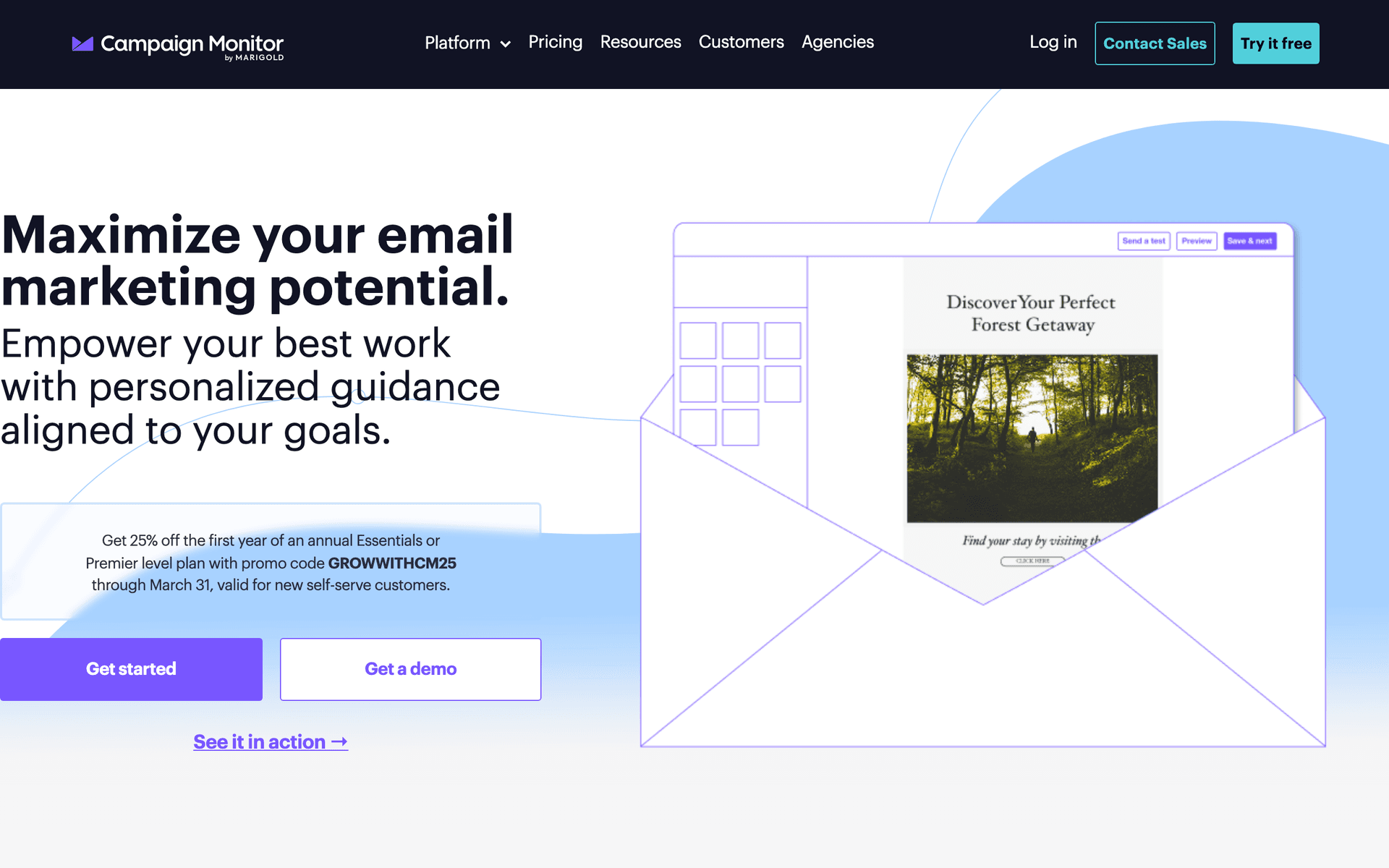
9Campaign MonitorProfessional templates.Design-focused thrift stores$11/month
10HubSpotEnterprise CRM platform.Not recommended for most thrift storesFree CRM, marketing from $50/month
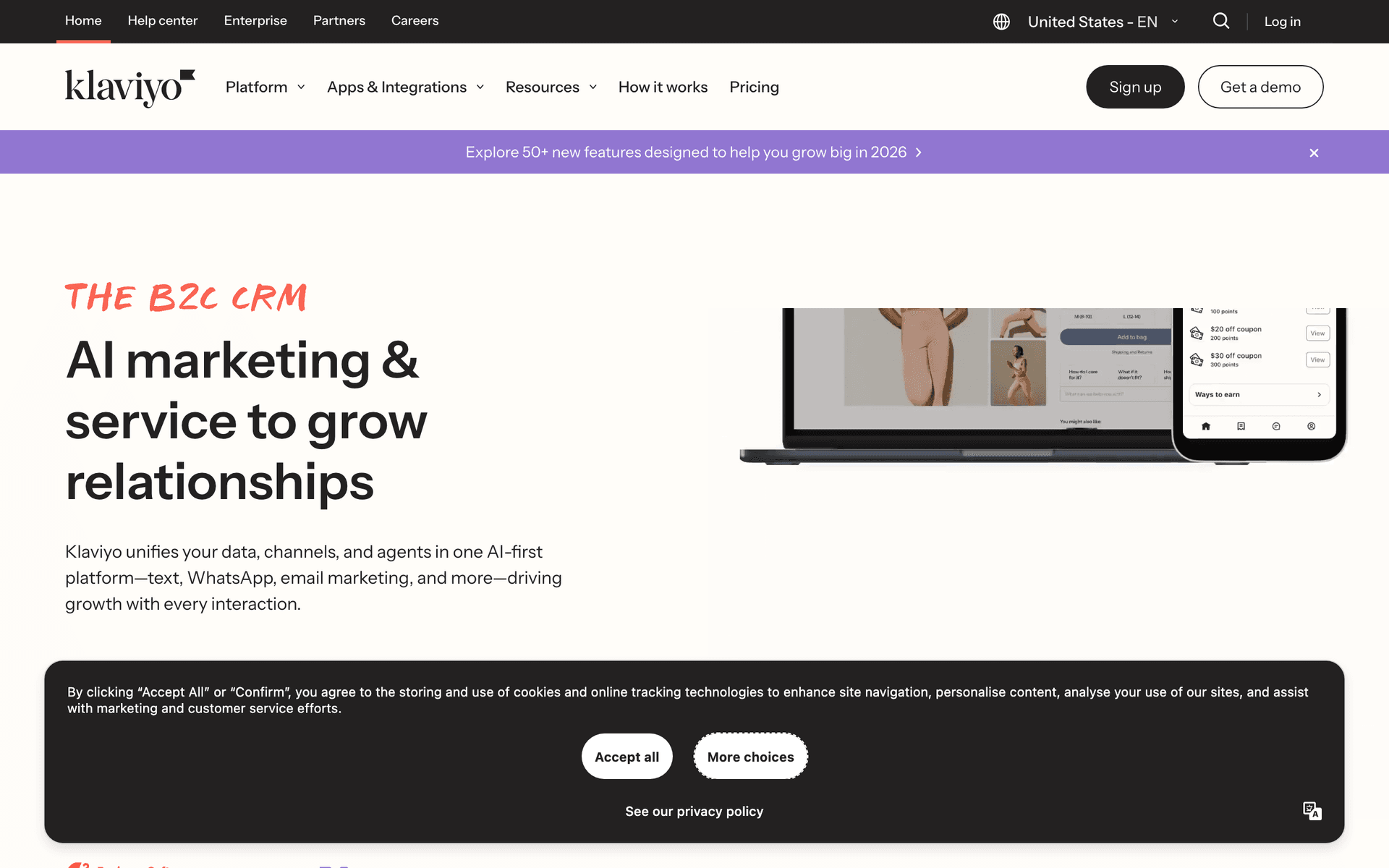
11KlaviyoE-commerce focused platform.Thrift stores with online e-commerce presenceFree up to 250
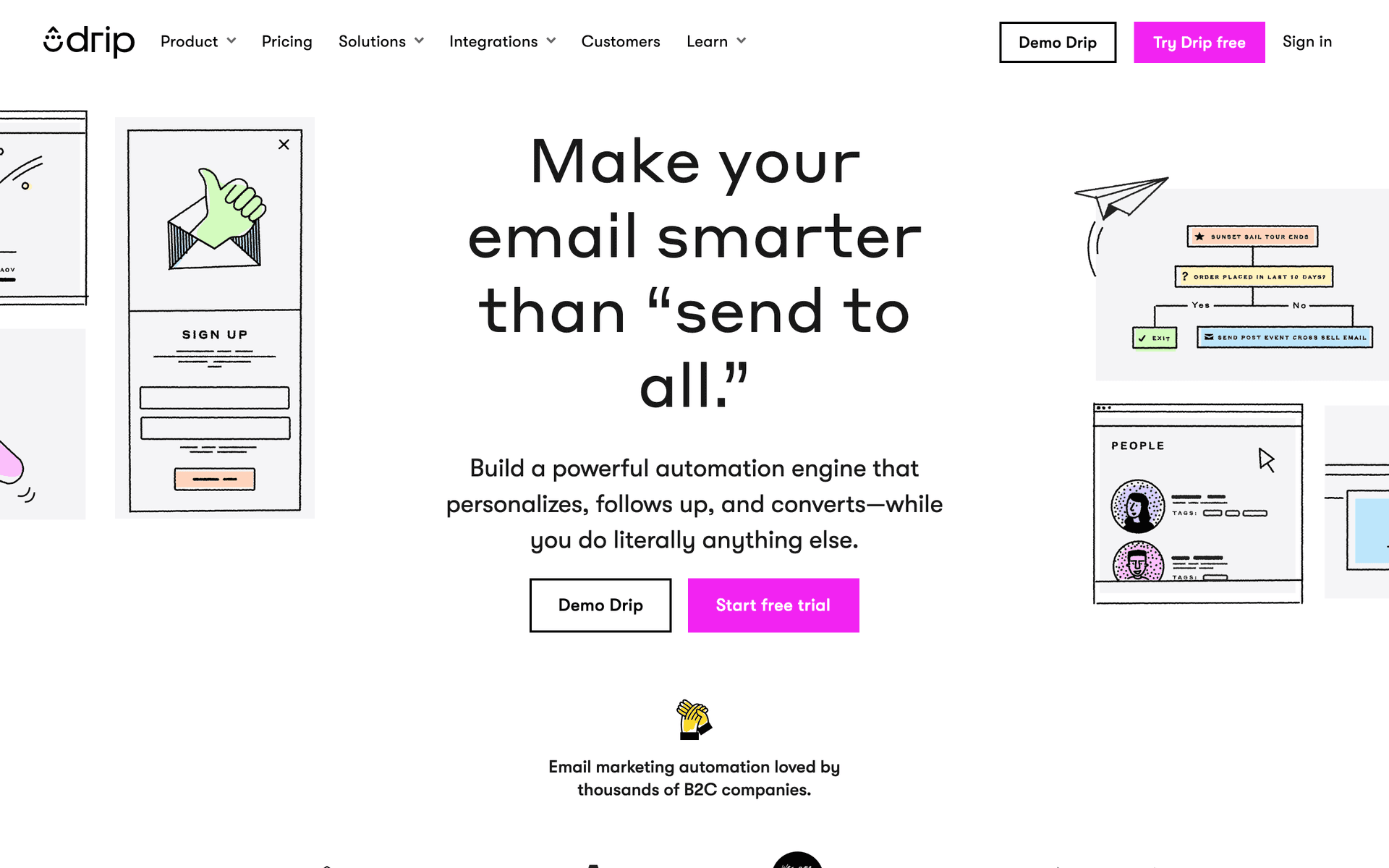
12DripE-commerce automation.Thrift stores with online reselling businesses$39/month
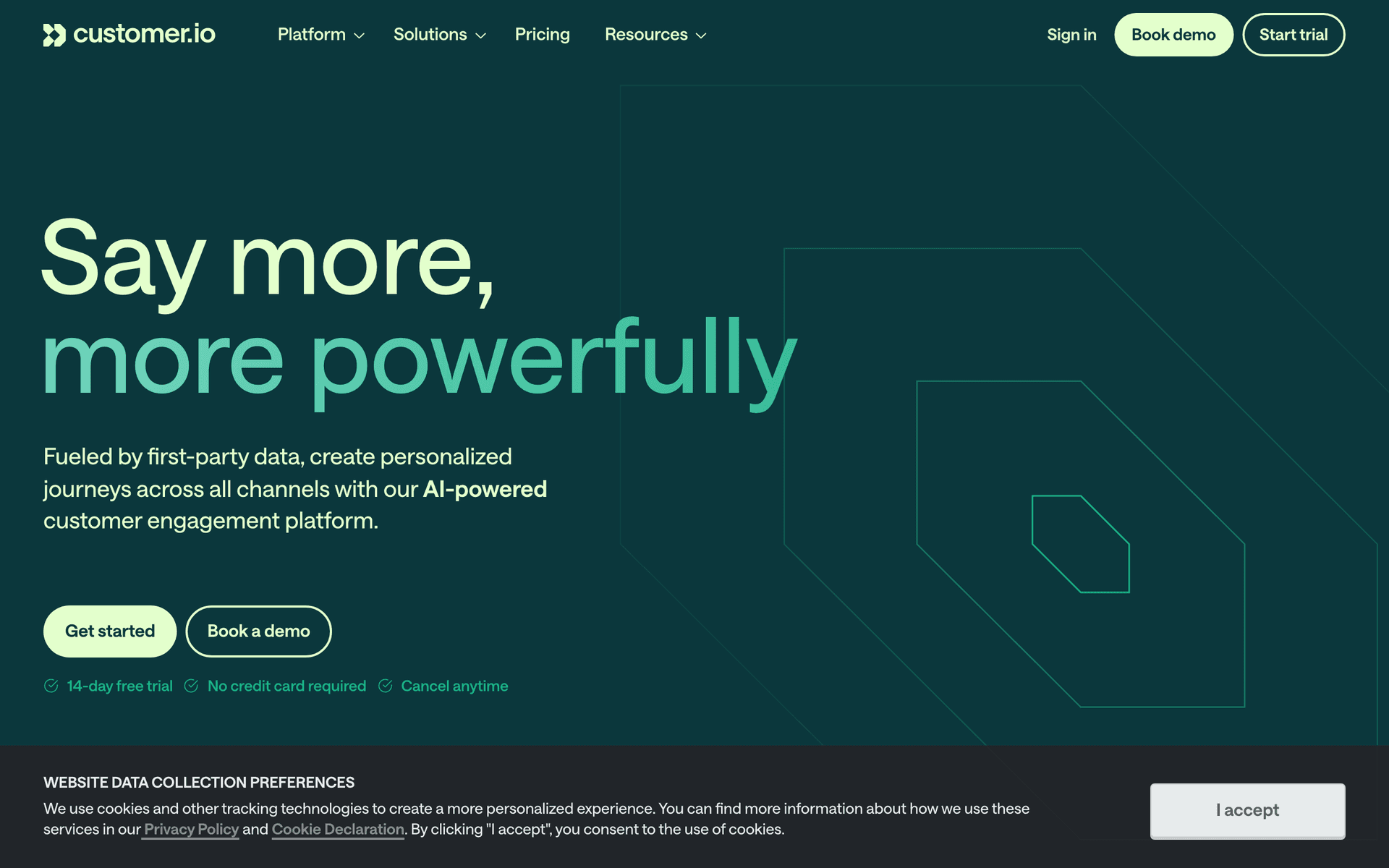
13Customer.ioEvent-driven messaging.Not recommended for thrift stores$100/month
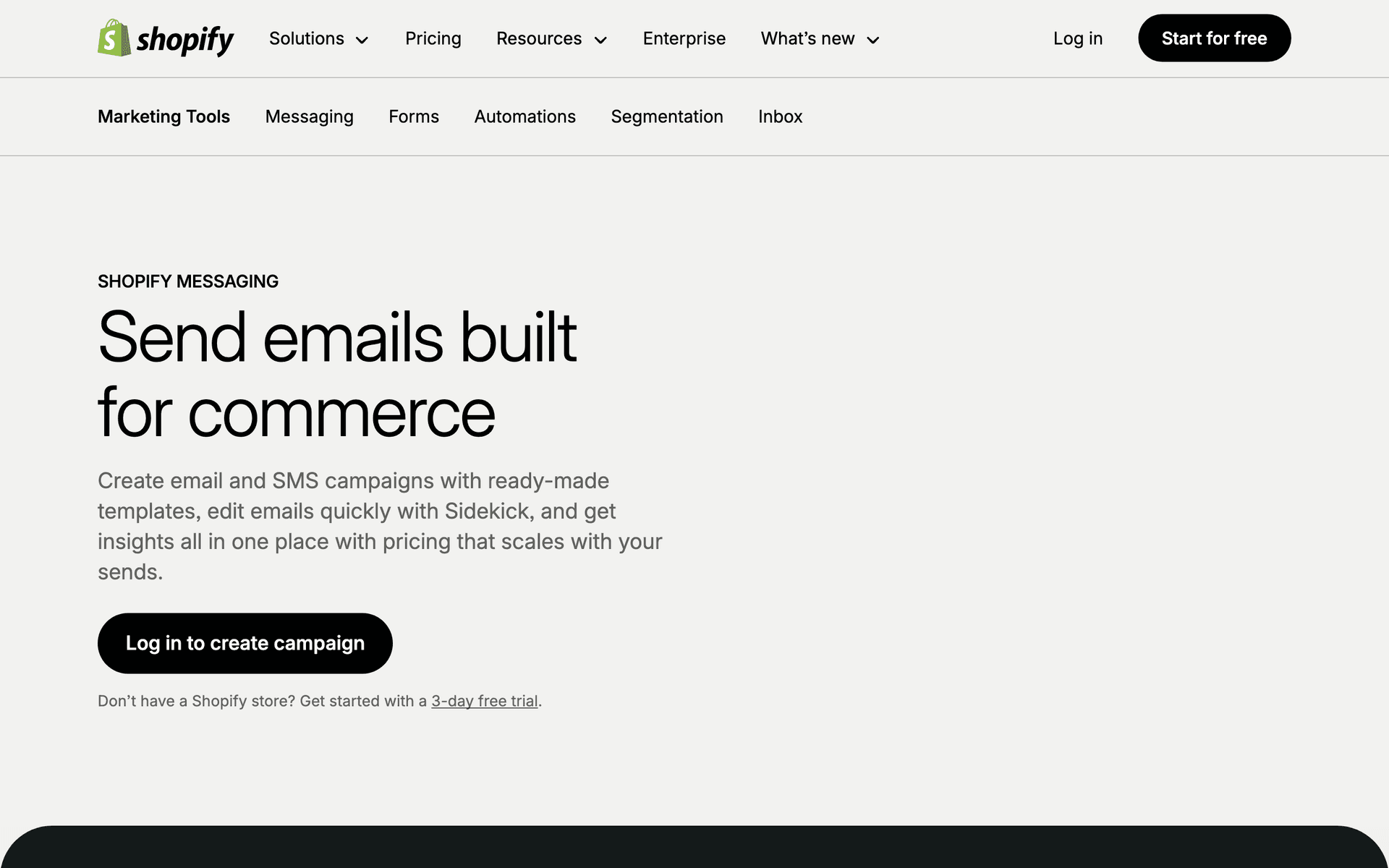
14Shopify EmailBuilt-in email marketing for thrift stores selling vintage and secondhand items online through Shopify.Online thrift and resale shops on Shopify wanting new unique item announcement emailsFree first 10,000 emails/month with Shopify subscription, then $1/1,000 emails
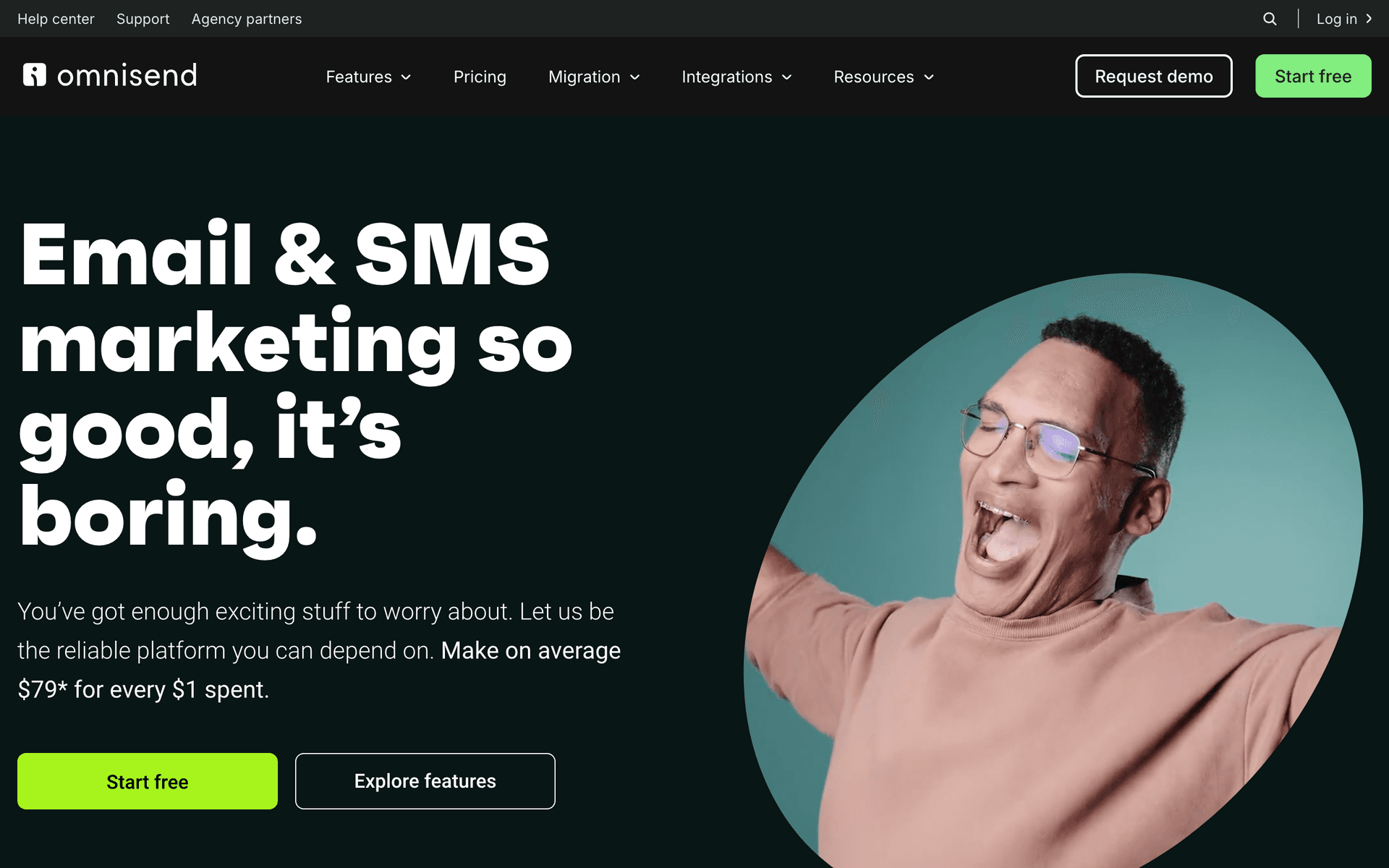
15OmnisendMulti-channel retail automation for thrift stores with flash sale and browse recovery tools.Online thrift and resale stores wanting browse abandonment recovery and flash new-arrival SMS campaignsFree up to 250 contacts, from $16/month
16KlaviyoE-commerce email marketing for thrift resale businesses with collector and category segmentation.Online resale and vintage businesses with large buyer databases wanting category-specific new arrival targetingFree up to 250 contacts, from $20/month
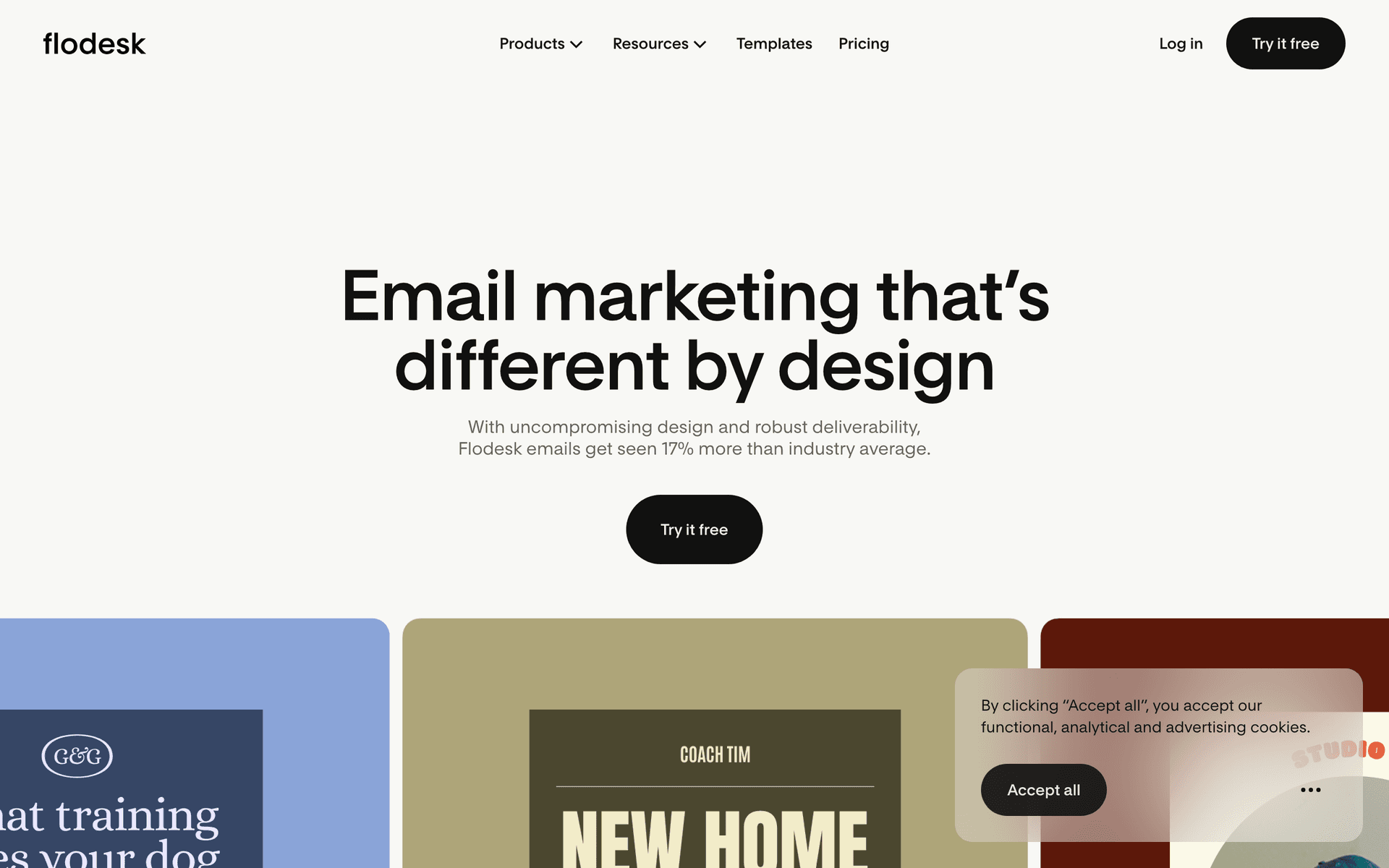
17FlodeskBeautifully designed email marketing for thrift shops with aesthetic and vintage brand positioning.Curated vintage and thrift boutiques with distinctive aesthetics wanting editorial-quality new arrival emailsFlat $38/month, unlimited subscribers
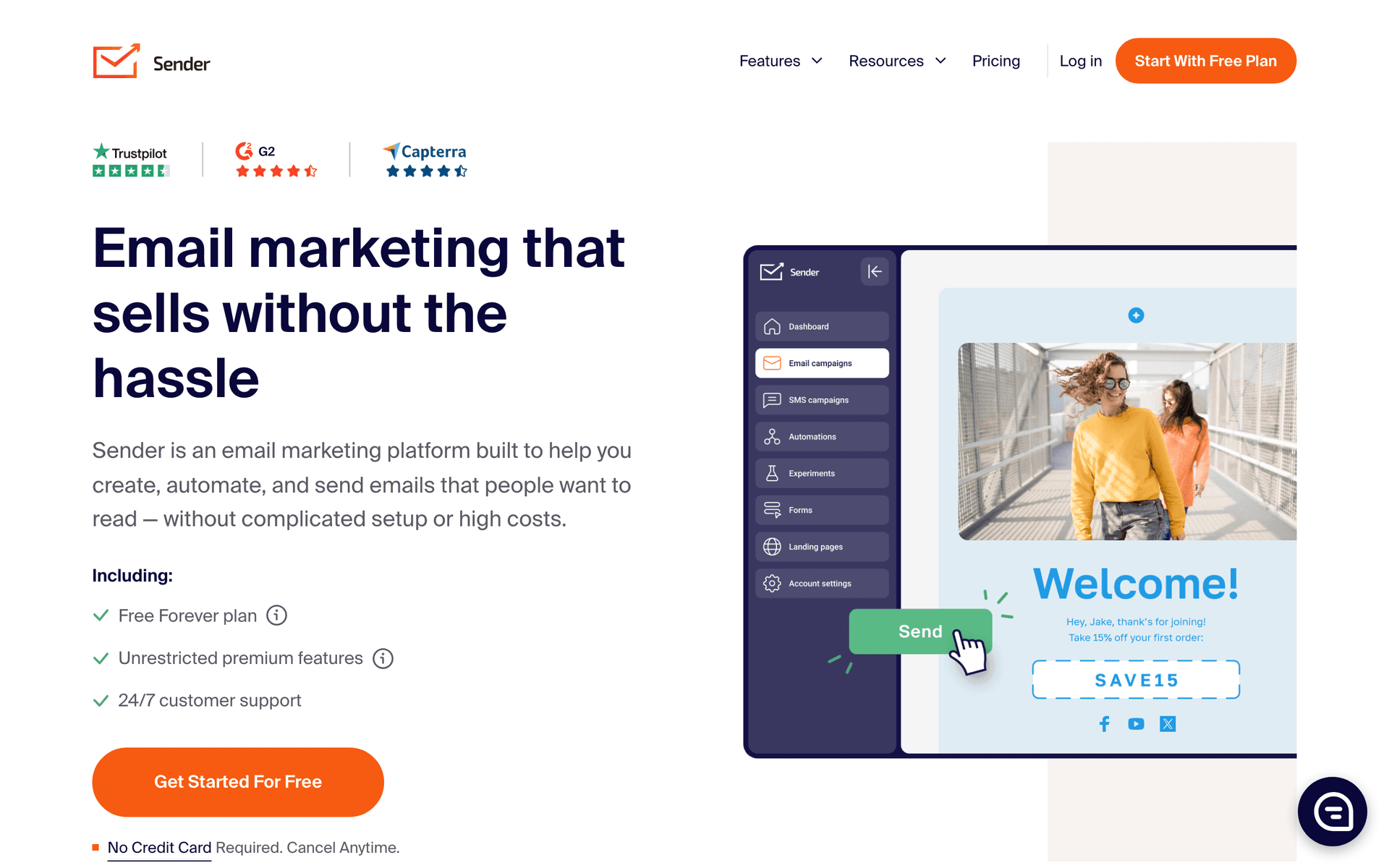
18SenderFree-first email and SMS marketing for thrift stores on tight budgets.Nonprofit and community thrift stores wanting free email with SMS for donation drives and flash salesFree up to 2,500 subscribers and 15,000 emails/month
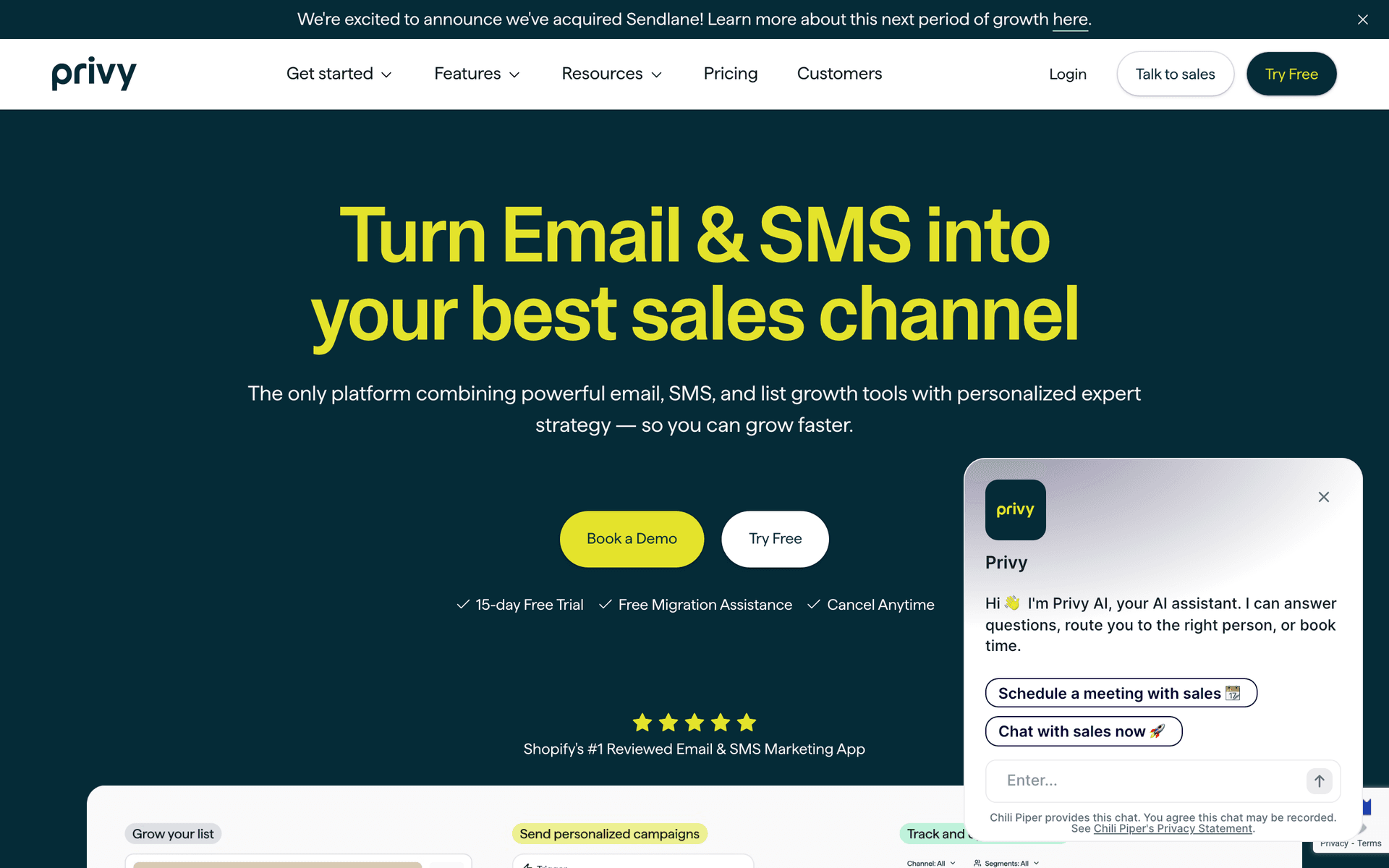
19PrivyEmail capture pop-ups for thrift e-commerce and resale stores.Online thrift and resale shops wanting to convert social media traffic into first-access email subscribersFree up to 100 contacts, from $30/month
Our Top Pick for Thrift Stores
#1
Sequenzy

Email marketing with AI-powered sequences and automation.

Visit
Sequenzy dashboard screenshot

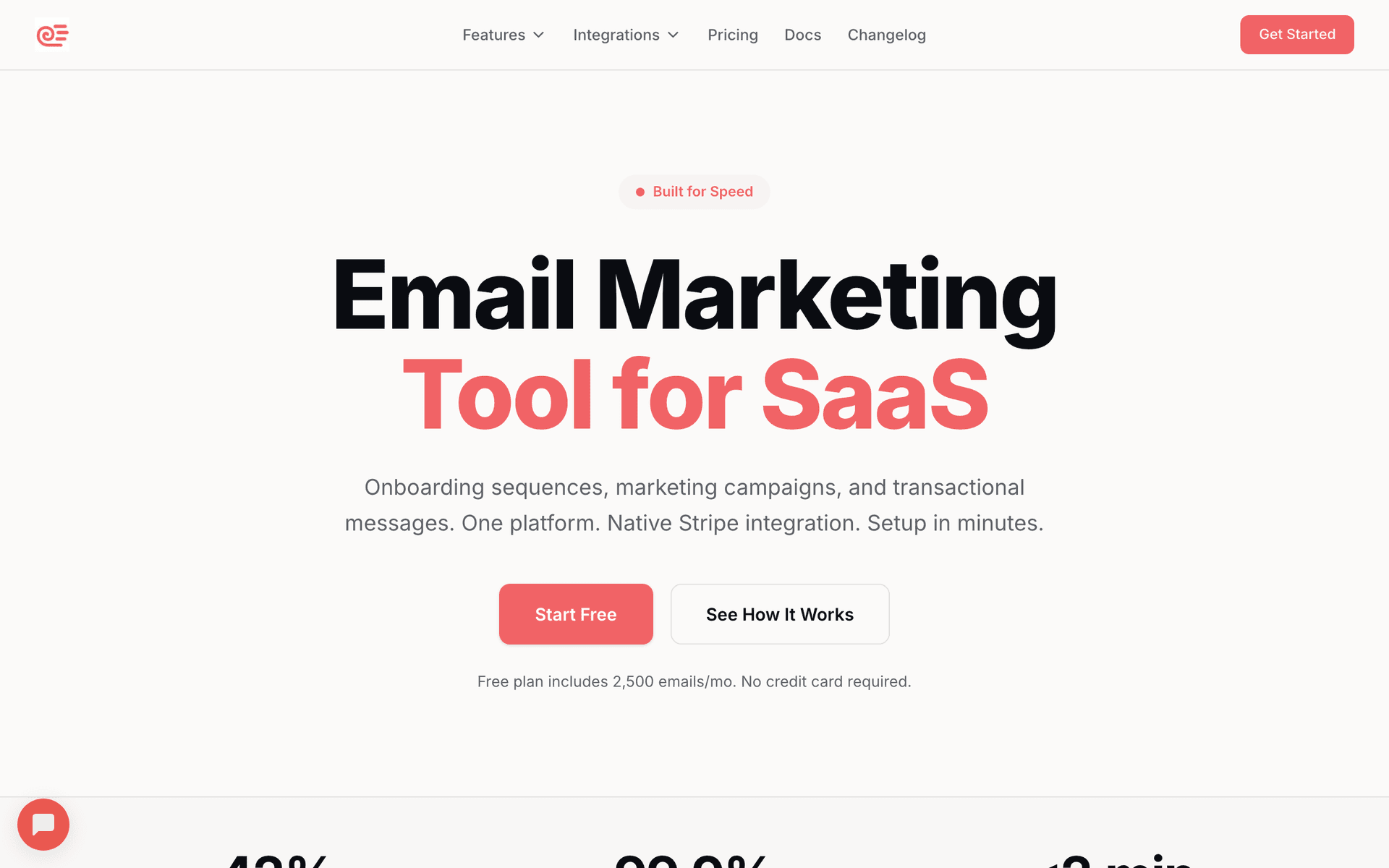
Sequenzy is the best fit for most thrift stores because the AI handles the content creation that busy shop owners struggle to find time for. Tell it to create a new arrival alert sequence or a donor appreciation campaign and you get ready-to-customize emails in seconds. The free tier covers up to 2,500 emails per month, which is enough for smaller stores to run their entire program at zero cost. The $29/month plan covers 50,000 emails with unlimited contacts, and the pay-per-email model means your growing customer list does not inflate costs. Tag customers by interest category (vintage, furniture, clothing, books) for targeted alerts.

Best for
Thrift stores wanting automated arrival alerts and sale campaigns
Pricing
Free up to 2,500 emails/mo, then $19/mo (unlimited contacts)

Pros

  • AI generates thrift-specific sequences
  • Interest-based tagging
  • Pay per email

Cons

  • No POS integration
  • Newer platform
#2
Mailchimp

Well-known email platform.

Visit
Mailchimp dashboard screenshot

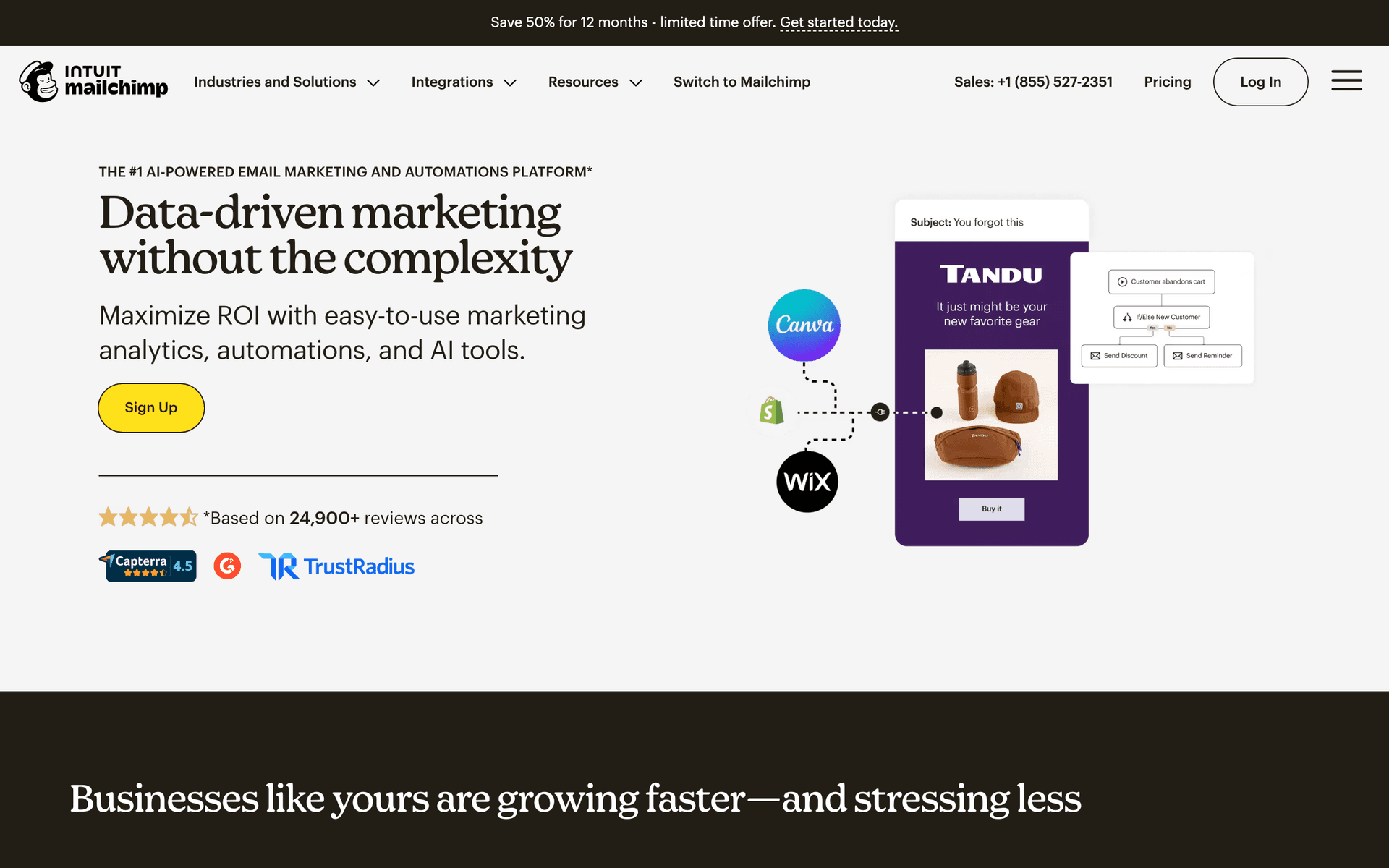
Mailchimp is the platform most small business owners know, and that familiarity saves time during setup. The template library works well for photo-heavy arrival alerts, and the free tier at 500 contacts is decent for new stores. The frustration comes as your customer list grows - per-contact pricing means your 3,000+ loyal shoppers become an expensive liability. For small stores just starting out, Mailchimp is a reasonable choice. For established stores with large lists, the costs add up.

Best for
Small thrift stores starting with email marketing
Pricing
Free up to 500 contacts, then $13/month

Pros

  • Easy to use
  • Free tier
  • Good photo templates

Cons

  • Gets expensive with growth
  • Basic automation
#3
Constant Contact

Small business email with event tools.

Visit
Constant Contact dashboard screenshot

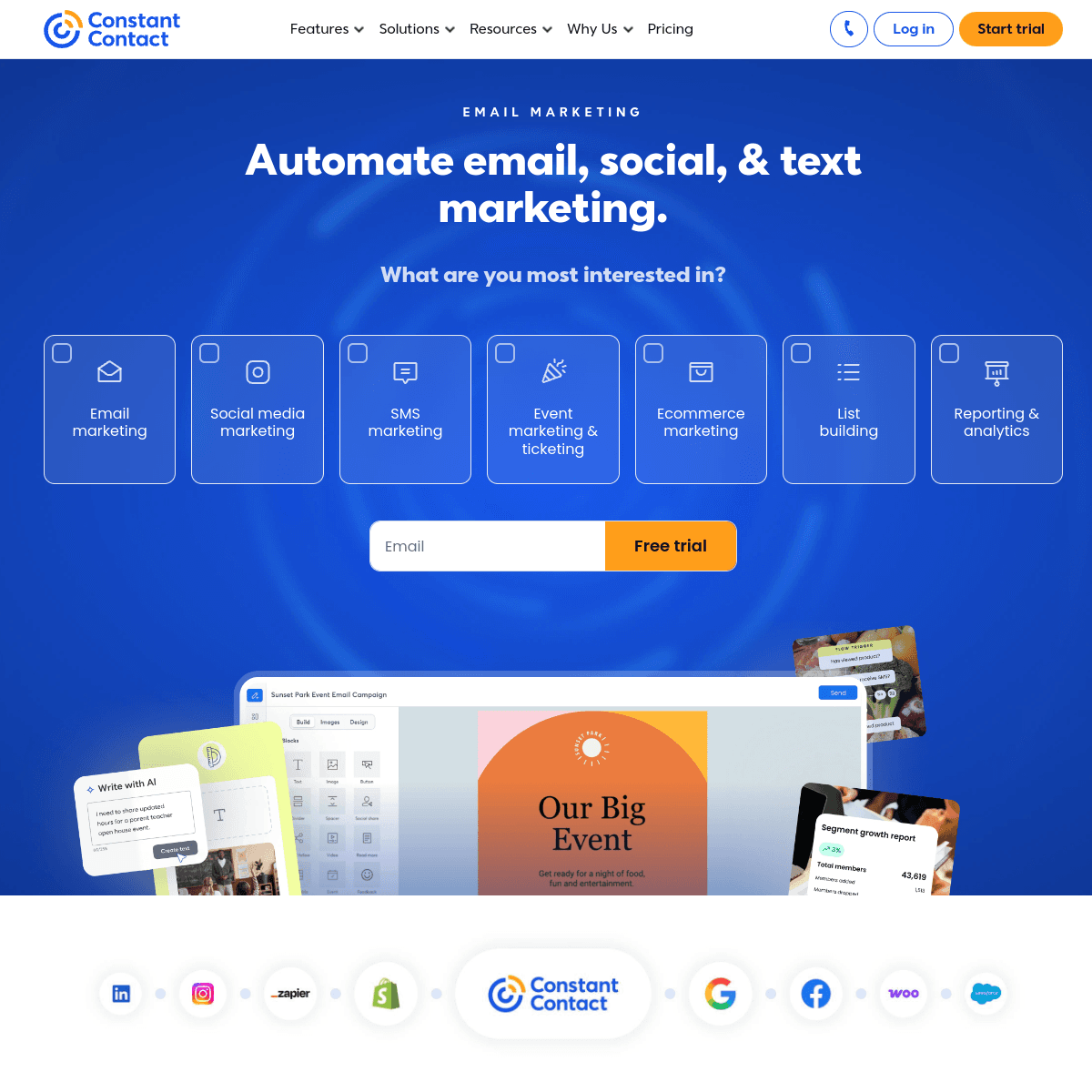
Constant Contact shines for nonprofit thrift stores because of its event management features. Donation drives, volunteer recruitment events, and community fundraisers are easy to promote and manage. Phone support is genuinely helpful when you need guidance. The templates feel dated compared to newer tools, but the overall reliability and support quality make it a solid choice for non-technical store managers.

Best for
Nonprofit thrift stores wanting event tools and support
Pricing
$12/month for 500 contacts

Pros

  • Phone support
  • Event tools
  • Reliable

Cons

  • Dated templates
  • Higher pricing
#4
ActiveCampaign

Advanced automation platform.

Visit
ActiveCampaign dashboard screenshot

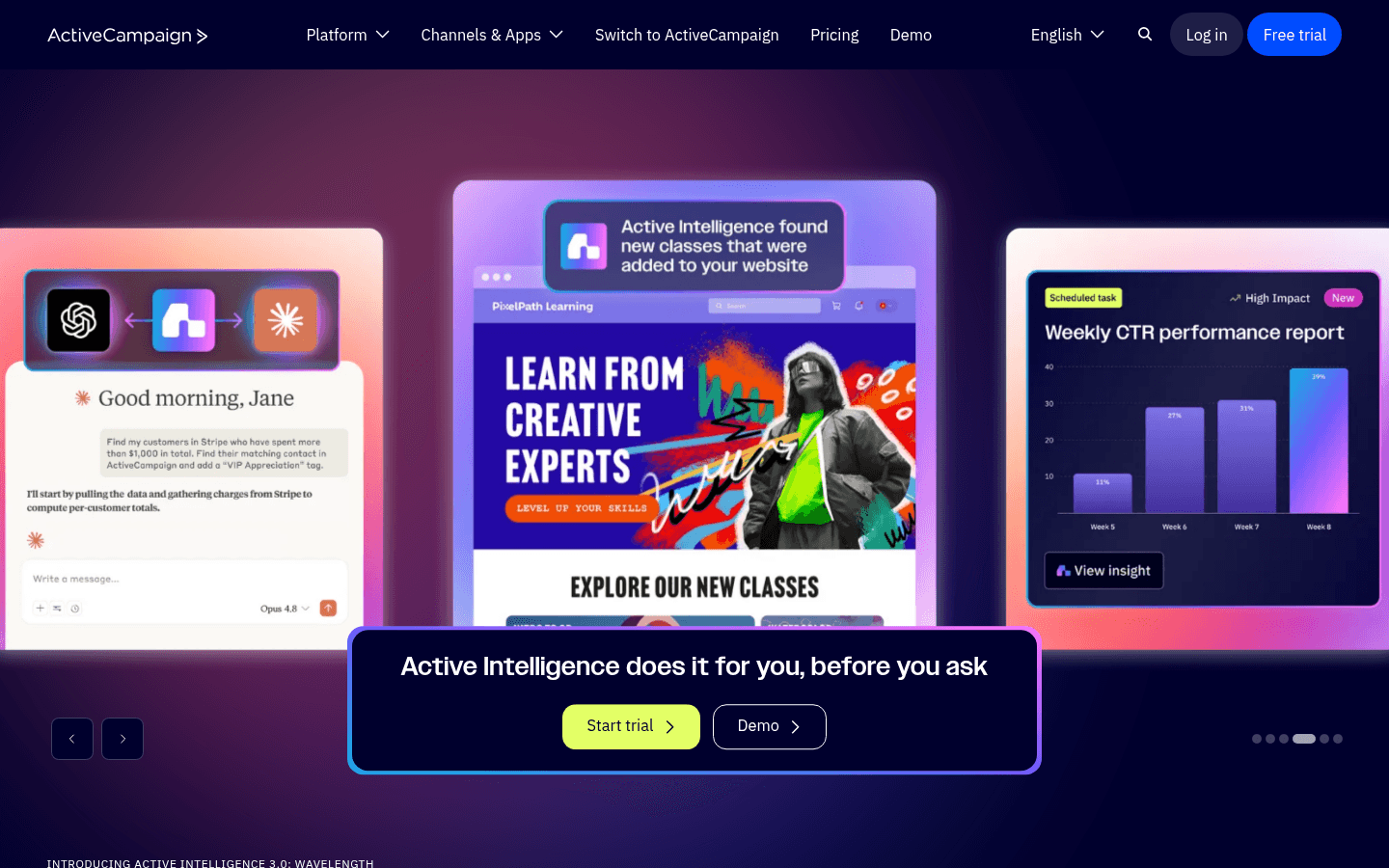
ActiveCampaign offers the most sophisticated automation for thrift stores with complex needs. Build separate donor and customer journeys with conditional logic, track donation history alongside purchase behavior, and automate follow-ups based on engagement patterns. This is best suited for larger thrift store operations or chains with dedicated office staff. For single-location stores, the complexity and cost exceed what most need.

Best for
Larger thrift store operations or chains
Pricing
$29/month for 1,000 contacts

Pros

  • Powerful automation
  • CRM included

Cons

  • Complex for small stores
  • Expensive
#5
Brevo

Affordable email and SMS platform.

Visit
Brevo dashboard screenshot

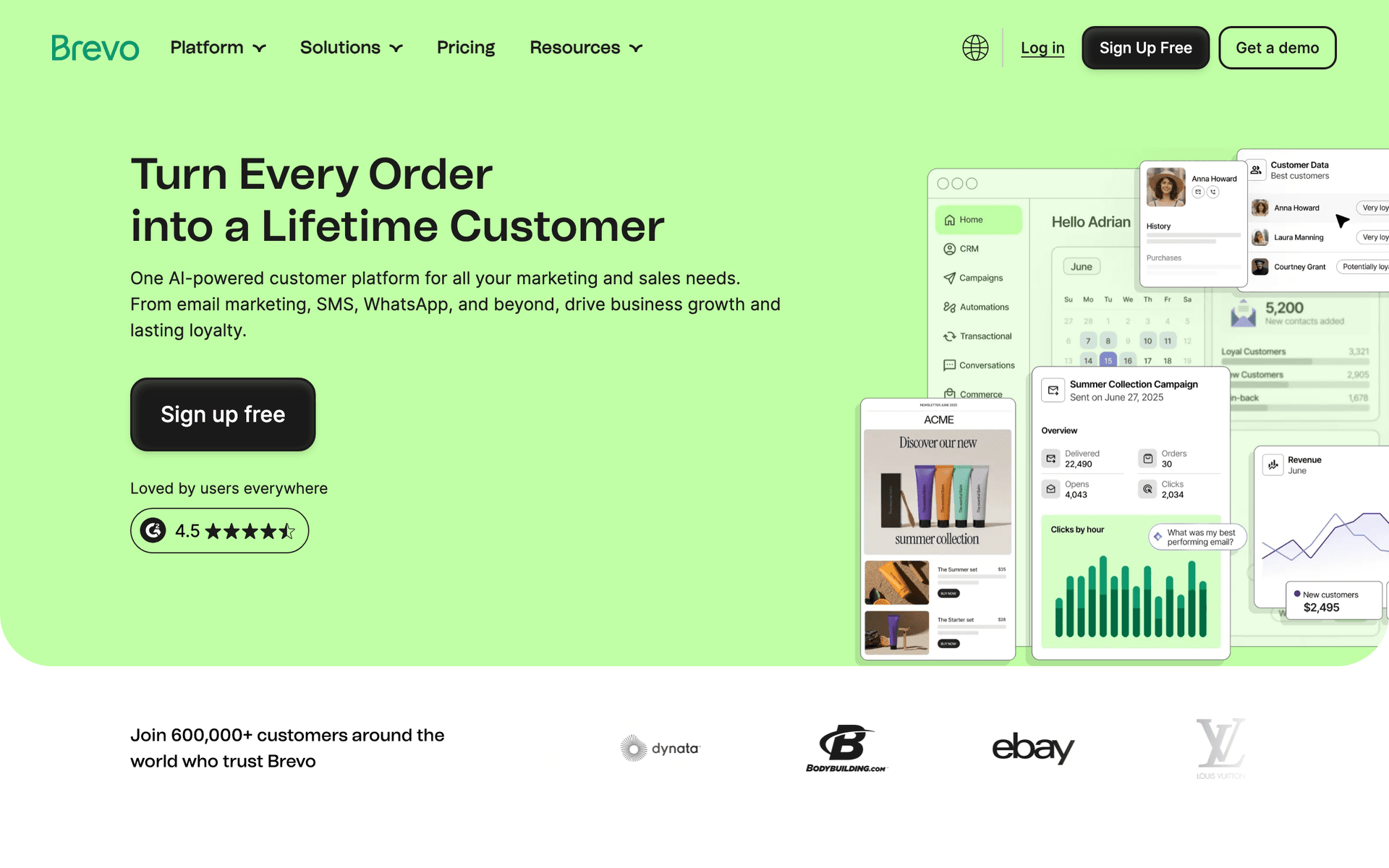
Brevo is the budget-friendly option that still delivers real value. The free tier at 300 emails per day covers most small thrift stores. SMS is included for flash sale announcements, which is genuinely useful for driving same-day foot traffic. The automation builder handles basic sale sequences and donor follow-ups. For thrift stores watching every dollar, Brevo provides solid email and SMS at the lowest cost.

Best for
Budget-conscious thrift stores
Pricing
Free up to 300 emails/day

Pros

  • Very affordable
  • SMS included

Cons

  • Basic automation
  • Daily sending limits
#6
ConvertKit

Creator-focused platform.

Visit
ConvertKit dashboard screenshot

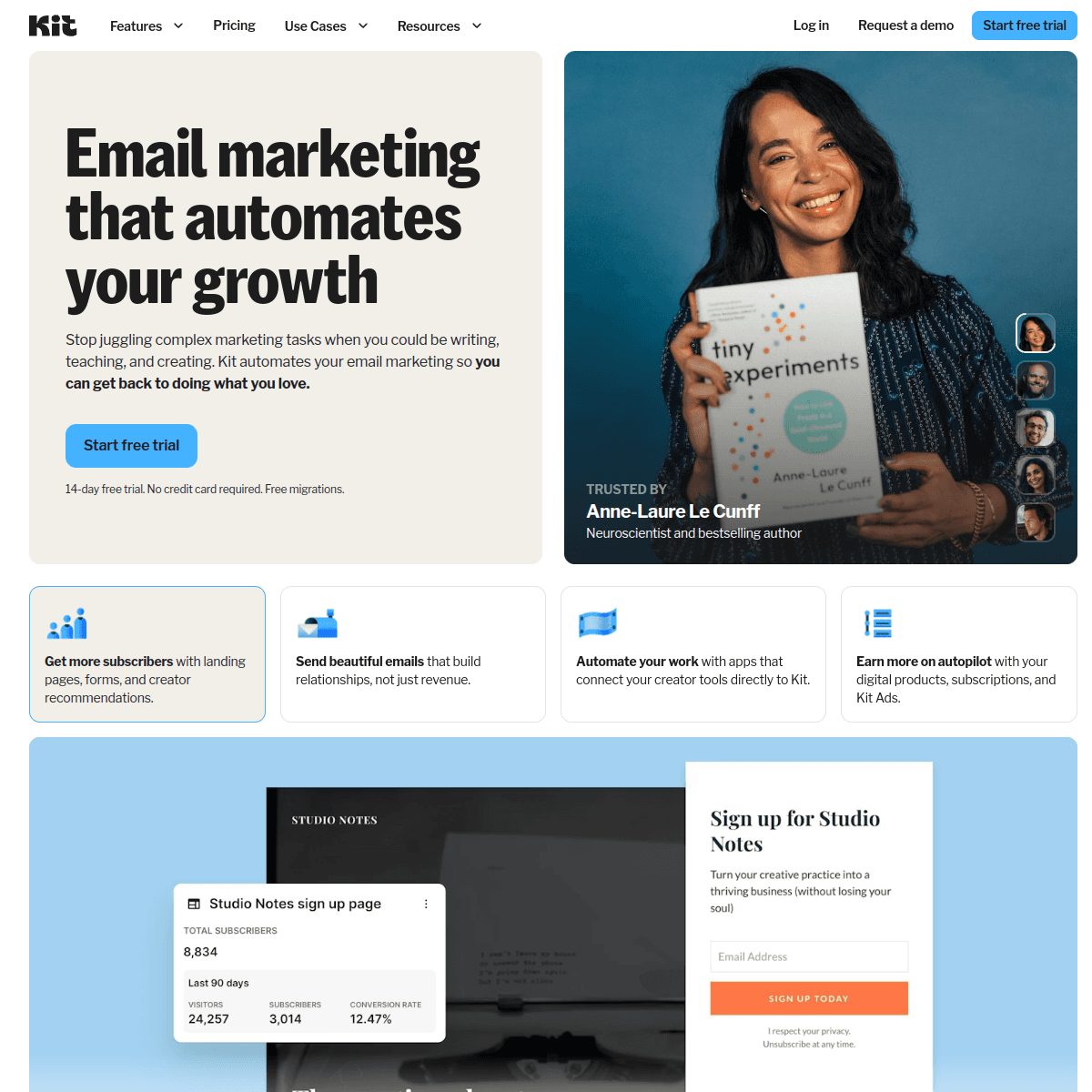
ConvertKit works for thrift stores with a strong content presence - stores that blog about vintage finds, sustainable fashion, or upcycling projects. The generous free tier at 10,000 subscribers is excellent. For standard thrift store communication (sale alerts, arrival notifications), other tools are better suited.

Best for
Content-focused thrift stores with blogs or social media presence
Pricing
Free up to 10,000

Pros

  • Generous free tier
  • Good for content creators

Cons

  • Limited retail features
  • Minimal design options
#7
GetResponse

All-in-one platform with landing pages.

Visit
GetResponse dashboard screenshot

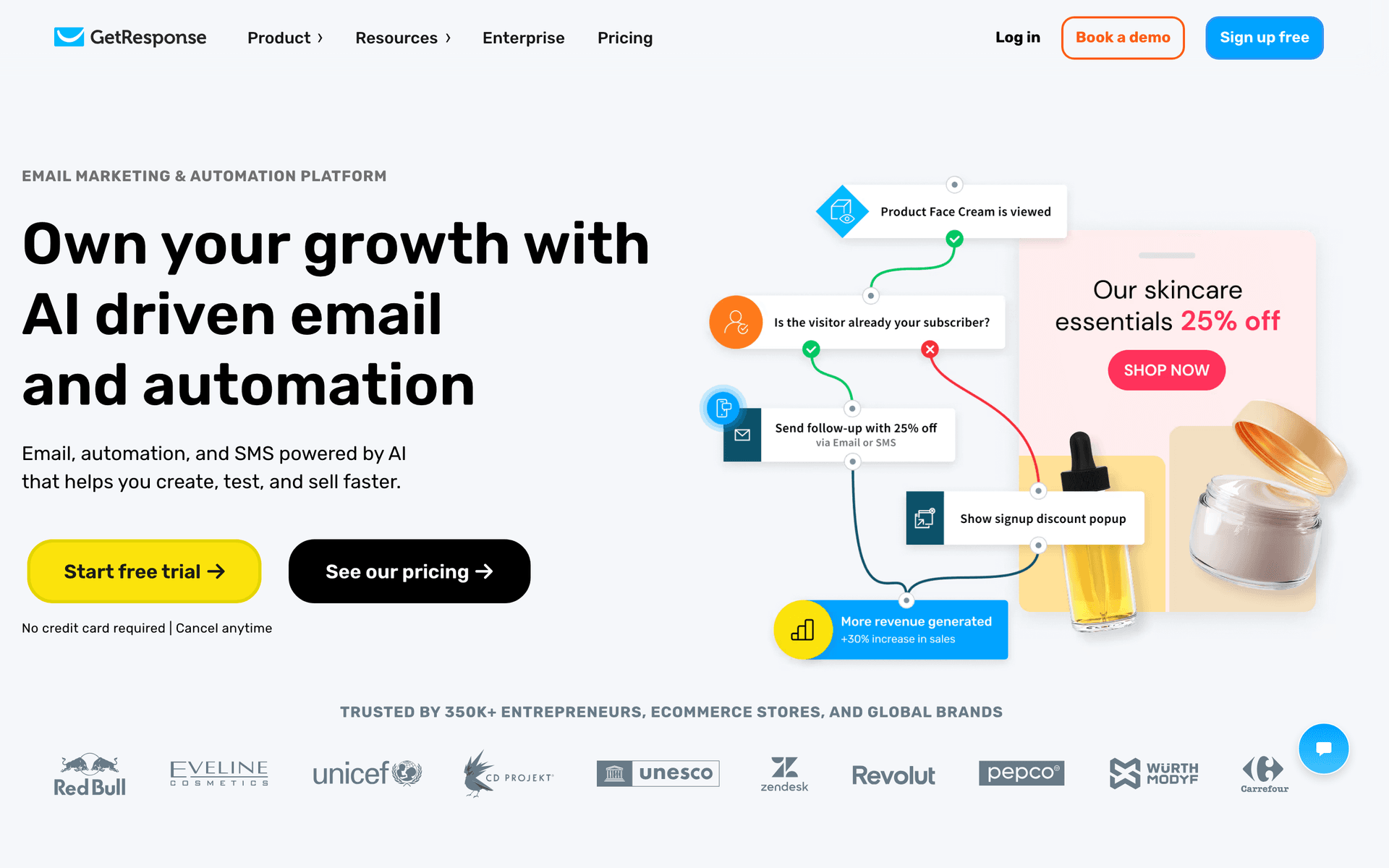
GetResponse includes landing pages that work well for donation drive campaigns, volunteer recruitment, and special event promotion. The landing page builder creates professional pages without a web developer. For nonprofit thrift stores running regular fundraising campaigns, the landing pages add genuine value beyond basic email.

Best for
Thrift stores running fundraising events
Pricing
$15.60/month

Pros

  • Landing pages included
  • Automation templates

Cons

  • Per-contact pricing
  • Interface can feel busy
#8
AWeber

Simple and reliable email.

Visit
AWeber dashboard screenshot

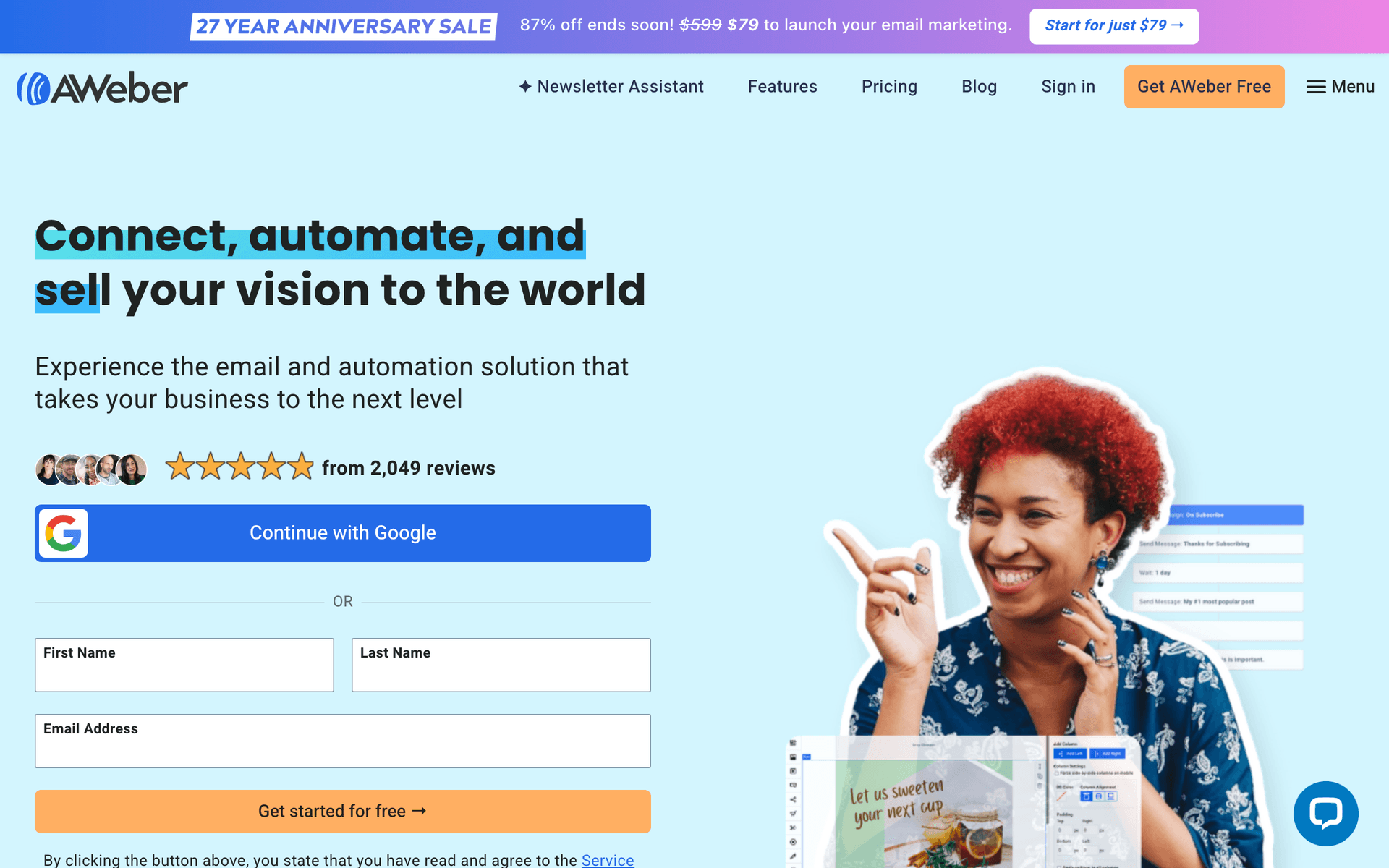
AWeber is dated but reliable. For thrift stores wanting the simplest possible setup to send weekly newsletters and sale announcements, it handles the basics without surprises. The free tier at 500 subscribers gets you started. Do not expect modern features or innovation.

Best for
Very small thrift stores wanting simplicity
Pricing
Free up to 500

Pros

  • Simple to use
  • Reliable delivery

Cons

  • Feels dated
  • Basic features
#9
Campaign Monitor

Professional templates.

Visit
Campaign Monitor dashboard screenshot

Campaign Monitor has clean, professional templates that make arrival alert photos look great. For thrift stores that invest in good photography of their finds, the visual presentation elevates the shopping experience. Automation is limited, but if design quality is your priority, Campaign Monitor delivers.

Best for
Design-focused thrift stores
Pricing
$11/month

Pros

  • Beautiful templates
  • Great for photos

Cons

  • Limited automation
  • Contact-based pricing
#10
HubSpot

Enterprise CRM platform.

Visit
HubSpot dashboard screenshot

HubSpot is designed for enterprise businesses and is significantly overbuilt for thrift store needs. The free CRM is interesting but the marketing features you actually need are locked behind expensive paid tiers. Not recommended for most thrift stores.

Best for
Not recommended for most thrift stores
Pricing
Free CRM, marketing from $50/month

Pros

  • Free CRM

Cons

  • Expensive for what you need
  • Overkill
#11
Klaviyo

E-commerce focused platform.

Visit
Klaviyo dashboard screenshot

Klaviyo is built for online e-commerce stores and priced accordingly. For thrift stores without significant online sales, the cost is hard to justify and the features do not align with in-store retail needs. The free tier at 250 contacts is too small for most stores.

Best for
Thrift stores with online e-commerce presence
Pricing
Free up to 250

Pros

  • E-commerce features

Cons

  • Expensive for thrift retail
  • Tiny free tier
#12
Drip

E-commerce automation.

Visit
Drip dashboard screenshot

Drip is built for online stores with sophisticated e-commerce funnels. For brick-and-mortar thrift stores, the features are irrelevant and the $39/month starting price is hard to justify. Only consider if you have a significant online reselling operation.

Best for
Thrift stores with online reselling businesses
Pricing
$39/month

Pros

  • Automation depth

Cons

  • Wrong use case for most stores
  • Expensive
#13
Customer.io

Event-driven messaging.

Visit
Customer.io dashboard screenshot

Customer.io is designed for software companies and tech products. At $100/month starting price, it is far too expensive and complex for thrift store needs. Not recommended.

Best for
Not recommended for thrift stores
Pricing
$100/month

Pros

  • Powerful if needed

Cons

  • Overkill and overpriced for retail
#14
Shopify Email

Built-in email marketing for thrift stores selling vintage and secondhand items online through Shopify.

Visit
Shopify Email dashboard screenshot

Thrift stores and resale shops that have moved to online selling through Shopify gain access to Shopify Email with 10,000 free emails per month. The unique challenge of thrift email marketing - every item is unique and quantities are always limited to one - actually aligns well with Shopify Email's product showcase templates, because individual item announcement emails are exactly what drives impulse purchase behavior in thrift buyers. New arrival emails featuring a gorgeous vintage denim jacket or a rare mid-century ceramic piece can create the kind of urgency and excitement that drives immediate purchases from engaged followers. For shops with meaningful online secondhand sales, Shopify Email's integration with one-of-a-kind product listings is the most natural starting point.

Best for
Online thrift and resale shops on Shopify wanting new unique item announcement emails
Pricing
Free first 10,000 emails/month with Shopify subscription, then $1/1,000 emails

Pros

  • Free up to 10,000 emails/month
  • One-of-a-kind item announcement templates
  • Native product listing integration
  • Zero setup for Shopify merchants

Cons

  • Only available on Shopify
  • Limited automation depth
  • Less suitable for in-store-only thrift shops
  • Basic analytics
#15
Omnisend

Multi-channel retail automation for thrift stores with flash sale and browse recovery tools.

Visit
Omnisend dashboard screenshot

Online thrift stores and resale platforms find Omnisend useful for the specific behavior pattern around secondhand shopping - buyers browse items across multiple sessions, add them to wishlists or carts, and often delay purchasing while deciding. Browse abandonment sequences for unique vintage items drive urgency effectively because unlike regular retail, the item truly will not be restocked if someone else buys it. The scarcity message - 'the 1970s leather jacket you were looking at is still available, but we cannot guarantee how long' - converts at higher rates in secondhand retail than almost any other category. Flash sale SMS campaigns reach impulse buyers immediately when a category of new items has arrived.

Best for
Online thrift and resale stores wanting browse abandonment recovery and flash new-arrival SMS campaigns
Pricing
Free up to 250 contacts, from $16/month

Pros

  • Browse abandonment with real scarcity messaging
  • Flash new arrival SMS campaigns
  • Email and SMS for urgency-based selling
  • E-commerce integrations

Cons

  • Pricing grows with contact list
  • Less relevant for in-store-only stores
  • Complex for simple newsletters
  • E-commerce focus misses community thrift culture content
#16
Klaviyo

E-commerce email marketing for thrift resale businesses with collector and category segmentation.

Visit
Klaviyo dashboard screenshot

Online thrift and resale businesses with large customer databases find Klaviyo's segmentation useful for the niche taste profiles that secondhand buyers develop over time - a vintage denim collector, a mid-century furniture buyer, and a designer handbag hunter all want very different new arrival notifications. Segmenting buyers by the categories they have purchased and browse previously, then sending targeted new arrival alerts only for relevant categories, reduces email fatigue while dramatically increasing purchase rates. VIP buyer identification for customers who buy frequently at higher price points enables exclusive early access to premium consignment drops before public listing. For resale businesses with large, loyal buying communities, Klaviyo's sophistication pays off.

Best for
Online resale and vintage businesses with large buyer databases wanting category-specific new arrival targeting
Pricing
Free up to 250 contacts, from $20/month

Pros

  • Category and taste-based buyer segmentation
  • VIP early access for premium item drops
  • Behavioral purchase history automation
  • Revenue attribution analytics

Cons

  • Expensive for large lists
  • Complex setup
  • Overkill for small in-store-only thrift shops
  • Learning curve significant
#17
Flodesk

Beautifully designed email marketing for thrift shops with aesthetic and vintage brand positioning.

Visit
Flodesk dashboard screenshot

Thrift boutiques that have built a distinctive aesthetic brand - curated vintage clothing stores, carefully merchandised retro housewares shops, or artfully presented secondhand furniture studios - find Flodesk's visual quality communicates their curation in a way that generic template platforms cannot. An email showcasing this week's curated vintage finds with editorial-quality photography and beautiful typography creates the kind of brand impression that turns occasional browsers into loyal weekly openers. For shops where the curation and aesthetic experience is the brand differentiator from Goodwill and larger chains, Flodesk's visual quality is the most authentic representation of what makes these shops special.

Best for
Curated vintage and thrift boutiques with distinctive aesthetics wanting editorial-quality new arrival emails
Pricing
Flat $38/month, unlimited subscribers

Pros

  • Editorial quality for curated vintage presentation
  • Aesthetic matching for brand-forward thrift shops
  • Flat pricing for large follower lists
  • Simple and enjoyable to use

Cons

  • Limited e-commerce automation
  • No browse abandonment or scarcity automation
  • Less data-driven than Klaviyo
  • Manual segment management
#18
Sender

Free-first email and SMS marketing for thrift stores on tight budgets.

Visit
Sender dashboard screenshot

Community thrift stores - often nonprofit operations running on thin margins - find Sender's free tier covers their complete email program at no cost. Donation drive announcements, sale event promotions, new category arrival newsletters, and volunteer recruiting are all manageable within 2,500 subscribers and 15,000 emails per month. SMS on paid plans is useful for flash sale alerts when a major donation lot arrives and the store wants to drive immediate traffic. Without e-commerce integration, online item notifications require manual effort, but for community-focused thrift operations where in-store traffic is primary, Sender handles the fundamentals reliably and free.

Best for
Nonprofit and community thrift stores wanting free email with SMS for donation drives and flash sales
Pricing
Free up to 2,500 subscribers and 15,000 emails/month

Pros

  • Very generous free tier (important for nonprofits)
  • SMS for flash new arrival announcements
  • Donation drive and event email workflows
  • Good deliverability

Cons

  • Design quality does not match curated vintage branding
  • No e-commerce integration
  • Basic automation
  • Manual list management
#19
Privy

Email capture pop-ups for thrift e-commerce and resale stores.

Visit
Privy dashboard screenshot

Online thrift and resale stores that attract social media traffic from Instagram and TikTok - where thrift haul content and vintage finds have significant audiences - use Privy to capture email addresses from that traffic before visitors leave the website. A pop-up offering 'first access to new vintage arrivals' captures followers who want to know before anyone else, which is the primary value proposition for resale buyers who fear missing out on limited items. For online resale businesses where social media drives website traffic but conversion is low due to browse-without-buying behavior, building the email list from that traffic creates an owned audience for future item launch announcements.

Best for
Online thrift and resale shops wanting to convert social media traffic into first-access email subscribers
Pricing
Free up to 100 contacts, from $30/month

Pros

  • Exit-intent pop-ups for social media traffic
  • First-access vintage arrival signup incentive
  • Converts Instagram and TikTok followers to subscribers
  • E-commerce integrations

Cons

  • Email features less powerful than Klaviyo
  • Free tier too small for active stores
  • Better for list building than ongoing campaigns
  • Not suited for in-store-only thrift operations

Feature Comparison

FeatureSequenzyMailchimpConstant ContactActiveCampaign
Arrival alerts
AI-automated
Manual
Calendar
Automation
Donor tools
Tags
Basic
Events
CRM
AI content generation
SMS marketing
Free tier available
Starting price
$29/mo
$13/mo
$12/mo
$29/mo

Common Mistakes to Avoid

We see these mistakes over and over. Skip the learning curve and avoid these from day one.

Emailing too infrequently because inventory changes daily

Some thrift stores avoid email because they think their inventory is too unpredictable to showcase. Weekly arrival alerts do not need to represent your entire inventory - just highlight 5-8 standout items. Consistency matters more than comprehensiveness.

Sending the same email to shoppers and donors

A donor getting an email about 50% off red tags does not feel valued as a contributor. A bargain hunter getting an email about tax deduction receipts is confused. Segment these audiences from day one.

Not collecting emails at checkout

Your checkout counter is your best list-building tool. Train staff to ask every customer if they want to receive new arrival alerts. Most thrift shoppers say yes because they genuinely want to know what comes in. A simple tablet at the register makes this easy.

Using low-quality photos in arrival alert emails

Thrift store email marketing lives and dies by photography. Blurry phone photos of items on cluttered shelves do not drive visits. Take 30 seconds to stage each featured item with good lighting. The effort difference between a bad photo and a good one is minimal, but the engagement difference is massive.

Email Sequences Every Thrift Store Needs

These are the essential automated email sequences that will help you grow your business and keep clients coming back.

Weekly Arrival Alert

Weekly schedule

Drive repeat visits with notable new finds.

Weekly
This week's best finds - you do not want to miss these

Photos of notable items: vintage furniture, brand-name clothing, unique collectibles.

Sale Campaign

Sale schedule

Promote color tag and clearance sales.

Sale start
50% off all red tags this weekend!

Sale details, featured deals, and store hours.

Last day
Last day for red tag deals - do not miss out

Reminder with urgency. Best remaining items.

Donor Appreciation

Donation received

Thank donors and encourage repeat donations.

Day 1
Thank you for your donation - here is the impact you made

Donation acknowledgment with impact story. Tax receipt information.

Day 30
Your donations at work - a community update

Share what donations have accomplished. Invite them to donate again.

Changing Inventory Is Your Email Superpower

Most retailers have the same products week after week, making email repetitive. Thrift stores have entirely new inventory every day. This constant change is your biggest marketing advantage. Weekly email alerts showcasing notable finds give customers a reason to visit that no other retail email can match.

The key is consistency. Even if you only feature 5-8 items per email, a weekly arrival alert trains your audience to expect and look forward to your emails. Over time, this drives habitual store visits from your most engaged customers.

The Treasure Hunt Drives Loyalty

Thrift shoppers are treasure hunters at heart. A weekly email showing the best finds creates excitement and genuine fear of missing out. Customers who see amazing items in your emails visit more frequently because they want to find their own treasures before someone else does.

Photography Makes or Breaks Your Emails

Invest 30 minutes per week in photographing your best arrivals. Good lighting, clean backgrounds, and close-up details make items look desirable. Blurry photos on cluttered shelves tell customers your store is messy, even if it is not. The quality difference between a quick phone snap and a staged photo is minimal in effort but massive in engagement.

Feature Items That Create Stories

The best thrift store emails feature items with stories - a mid-century modern chair, a vintage band t-shirt, a first-edition book. Items that spark conversation and curiosity get shared on social media, extending your reach beyond your email list.

Donors and Shoppers Are Different Audiences

Nonprofit thrift stores serve two distinct audiences with different motivations, and treating them the same is a mistake.

For Shoppers

Product highlights, new arrival alerts, sale announcements, and styling tips. These emails should feel exciting and create urgency to visit.

For Donors

Impact stories, tax receipt information, donation drive announcements, and community updates. These emails should feel warm and demonstrate that their contributions make a real difference.

For Volunteers

Schedule information, training updates, appreciation messages, and community event invitations. Volunteers want to feel valued and informed.

Building Your Sale Promotion Calendar

Color tag sales are unique to thrift stores and your email list is the best channel to promote them.

Monthly Sale Emails

Plan your color tag rotation a month in advance and build a 2-email sequence for each sale: an announcement 2-3 days before and a last-day reminder. These consistently generate the highest revenue per email of any thrift store communication.

Seasonal Clearance

Major seasonal clearance events deserve a 3-email sequence: early announcement, day-of reminder, and final hours alert. Time these around seasonal transitions when customers are already thinking about refreshing their homes and wardrobes.

Holiday Sales

Thanksgiving weekend, back-to-school, and spring cleaning seasons are natural promotion windows. Build email campaigns around these moments with curated collections relevant to each holiday.

Getting Started

Pick a tool from this list. Then follow this priority order:

  1. Import your customer and donor contacts with proper segmentation
  2. Create your first weekly arrival alert email with photos
  3. Set up a color tag sale announcement template
  4. Build a donor appreciation sequence for nonprofit stores
  5. Add an email signup form at your checkout counter

Start with the weekly arrival alert. It is your highest-value email and the one that drives the most store traffic. Everything else can follow.

How We Evaluated These Tools

Tools were evaluated based on their fit for thrift store operations - photo-heavy email templates, interest-based segmentation, donation tracking for nonprofits, and pricing that works for small retail businesses with growing customer lists.

Frequently Asked Questions

Ready to grow your thrift store practice?

Start your free trial today. Set up your first email sequence in minutes with AI-powered content generation.

Related Industries

Sequenzy - Complete Pricing Guide

Pricing Model

Sequenzy uses email-volume-based pricing. You only pay for emails you send. Unlimited contacts on all plans — storing subscribers is always free.

All Pricing Tiers

  • 2.5k emails/month: Free (Free annually)
  • 15k emails/month: $19/month ($205/year annually)
  • 60k emails/month: $29/month ($313/year annually)
  • 120k emails/month: $49/month ($529/year annually)
  • 300k emails/month: $99/month ($1069/year annually)
  • 600k emails/month: $199/month ($2149/year annually)
  • 1.2M emails/month: $349/month ($3769/year annually)
  • Unlimited emails/month: Custom pricing (Custom annually)

Yearly billing: All plans offer a 10% discount when billed annually.

Free Plan Features (2,500 emails/month)

  • Visual automation builder
  • Transactional email API
  • Reply tracking & team inbox
  • Goal tracking & revenue attribution
  • Dynamic segments
  • Payment integrations
  • API, MCP, and CLI access
  • Custom sending domain

Paid Plan Features (15k - 1.2M emails/month)

  • Visual automation builder
  • Transactional email API
  • Reply tracking & team inbox
  • Goal tracking & revenue attribution
  • Dynamic segments
  • Payment integrations (Stripe, Paddle, Lemon Squeezy)
  • API, MCP, and CLI access
  • Custom sending domain

Enterprise Plan Features (Unlimited emails)

  • Visual automation builder
  • Transactional email API
  • Reply tracking & team inbox
  • Goal tracking & revenue attribution
  • Dynamic segments
  • Payment integrations
  • API, MCP, and CLI access
  • Custom sending domain

Important Pricing Notes

  • You only pay for emails you send — unlimited contacts on all plans
  • No hidden fees - all features included in the price
  • No credit card required for free tier

Contact

  • Pricing Page: https://sequenzy.com/pricing
  • Sales: hello@sequenzy.com