
How to Choose the Right Email Tool for Your Boutique
The best email marketing tool depends on how your boutique operates:
Sales channel matters. Online-focused boutiques benefit from e-commerce integrations that track purchase behavior and automate post-purchase sequences. In-store-focused shops need simpler tools that handle new arrival announcements, event invitations, and VIP communication without requiring e-commerce data.
Visual quality is non-negotiable. Fashion sells on imagery. Choose tools with excellent photo handling, responsive layouts that look good on phones, and templates that let your product photography shine. Test how your images look on mobile before committing to any platform.
Budget reality check. Most boutiques are small businesses with lean marketing budgets. Before choosing a tool, calculate what it will cost at your expected list size in 12 months, not just what the starting price looks like. Per-contact pricing tools can double or triple in cost as your customer list grows.
Boutique Email Tool Fit
| Boutique type | Best-fit tool profile | Email features that matter | Lowest-value feature |
|---|---|---|---|
| In-store first | Simple campaigns and customer tags | VIP segments, event invites, mobile templates | Complex ecommerce attribution |
| Shopify boutique | Ecommerce automation platform | Browse abandonment, purchase history, product blocks | Generic newsletter-only tools |
| Luxury or designer boutique | Brand-safe visual builder | High-end templates, private sale segments | Heavy discount automation |
| Sale-driven boutique | Strong promo scheduling | VIP early access, coupon tracking, countdowns | Long editorial newsletters |
| Appointment-led boutique | CRM-style customer notes | Stylist follow-ups and appointment reminders | Large broadcast-only plans |
Best Fit by Boutique Sales Model
Best email marketing tool for in-store boutiques
Sequenzy or MailerLite is the better fit when most sales happen in person and the owner needs new arrival announcements, VIP previews, event invites, and win-back emails without a heavy ecommerce data setup.
Best email marketing tool for Shopify boutiques
Klaviyo or Drip is the better fit when online sales are a meaningful part of revenue and the boutique wants browse abandonment, purchase history, product recommendations, and revenue attribution tied to the store catalog.
Best email marketing tool for luxury boutiques
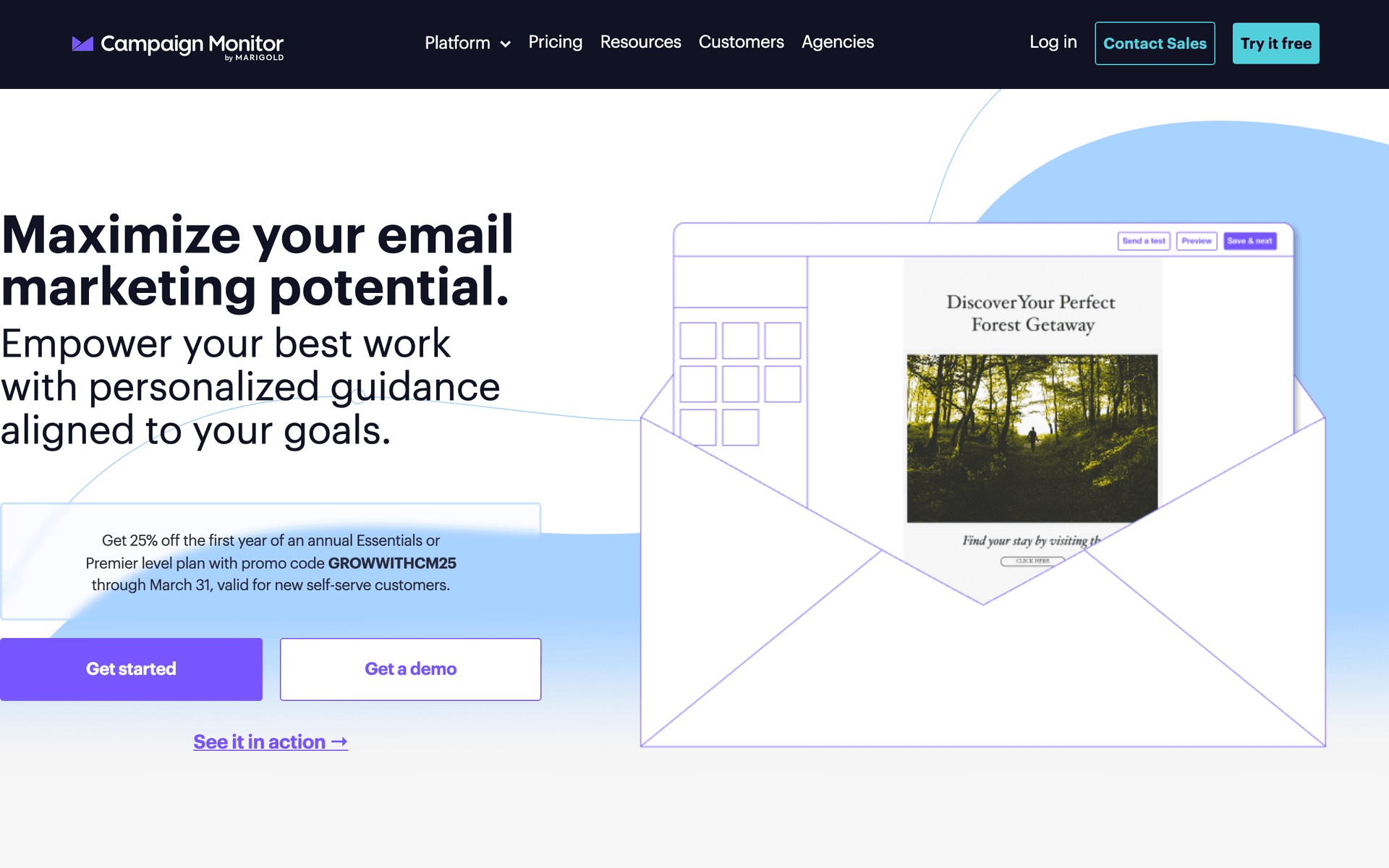
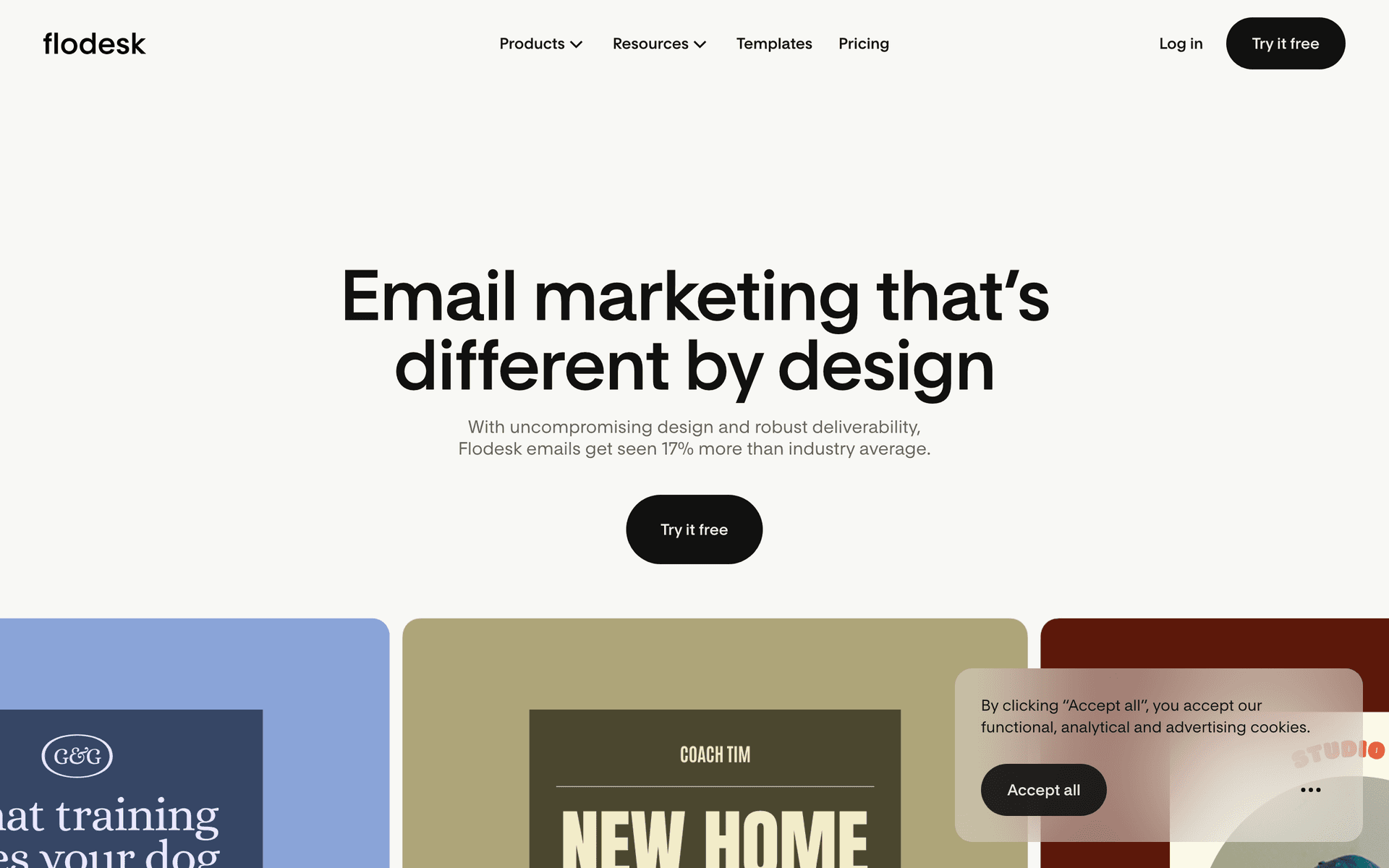
Campaign Monitor or Flodesk can make more sense when visual polish, private sale presentation, and brand-safe templates matter more than deep automation. Luxury buyers respond poorly to generic discount-heavy emails.
What Actually Drives Revenue for Boutiques
After years of working with boutique owners on their email marketing, a few patterns are clear:
New Arrivals Are Your Highest-Value Emails
Your best customers want first access to new inventory. Sending a new arrival email the same day pieces hit the floor creates urgency that drives immediate visits. Include 3-5 hero images of the best pieces, mention that quantities are limited (which is true for most boutiques), and make it easy to shop or visit.
VIP Recognition Builds Lifetime Value
Acknowledging your best customers with exclusive early access, birthday perks, and personalized recommendations makes them feel valued and keeps them coming back. A simple VIP program - early access to sales 24 hours before the general list, plus a birthday discount - costs nothing extra but measurably increases retention and spend per visit.
Boutique Customer Segments
| Segment | How to define it | Email to send | CTA |
|---|---|---|---|
| VIP full-price buyers | Top 20% by spend or 3+ purchases | Early access to new arrivals | "Reserve your size" |
| Sale shoppers | Mostly buys discounted items | End-of-season edits | "Shop sale before it ends" |
| Occasion buyers | Dresses, gifts, event outfits | Wedding, holiday, and party edits | "Book a styling appointment" |
| Online browsers | Viewed products without buying | Browse reminder with similar pieces | "Take another look" |
| Lapsed locals | No purchase in 90+ days | New arrivals in past categories | "Visit this weekend" |
Beautiful Photography Is Not Optional
Professional product photography in emails dramatically increases both click rates and foot traffic. Invest in photographing your pieces in your store with natural lighting, on models or styled flat lays. One afternoon of shooting gives you content for weeks of emails. The difference between a phone snapshot and a properly lit, styled photo is measurable in sales.
Building Your Email List as a Boutique
Your customer list is one of your most valuable business assets. Here is how to build it effectively:
At the Register
Train every staff member to ask for email addresses during checkout. Offer a clear incentive - 10% off their next visit or early access to your next sale. Make it part of the checkout routine, not an afterthought. A simple tablet or paper signup form at the register works.
On Your Website
Place a signup form prominently on your homepage and include a popup for first-time visitors offering a welcome discount. Your form should explain what subscribers get - new arrival notifications, exclusive offers, and VIP early access.
On Social Media
Link to your email signup in your Instagram bio and occasionally post about the benefits of being on your email list. When you send a popular new arrival email, share a teaser on social and tell followers to join your list for first access.
At Events
Trunk shows, styling events, and in-store parties are natural opportunities to collect emails. Set up a signup station and make joining the list part of the event experience.
Seasonal Email Calendar for Boutiques
Having a planned email calendar prevents the feast-or-famine pattern where you email constantly during sales but go silent for weeks in between. Here is a framework:
January-February: New year style refresh, spring preview, Valentine's Day gift guide
March-April: Spring arrivals (weekly new arrival emails), Easter or Mother's Day preparation
May-June: Summer preview, end-of-spring clearance, wedding season styling
July-August: Summer arrivals, back-to-school, end-of-summer clearance
September-October: Fall arrivals (weekly new arrival emails), layering and styling guides
November-December: Holiday gift guides, Black Friday or Small Business Saturday, holiday party styling, end-of-year clearance
Weekly Merchandising Email Plan
| Week type | Main email | Secondary send | Best audience |
|---|---|---|---|
| New delivery week | New arrivals edit | VIP first-look reminder | Full-price buyers |
| Slow traffic week | Styled outfit guide | In-store appointment invite | Local customers |
| Sale week | VIP early access | Public sale announcement | Sale shoppers and lapsed buyers |
| Event week | Trunk show or styling event | Day-before reminder | In-store and high-spend customers |
| Seasonal transition | Closet refresh guide | Category-specific follow-up | Past category buyers |
Getting Started This Week
- Import your customer list from your POS system with purchase history if available
- Set up a welcome email for new subscribers with a first-purchase incentive
- Create your first new arrivals email template that showcases 3-5 products with beautiful photos
- Identify your top 20% of customers by spend and tag them as VIPs
- Plan your next seasonal sale campaign with VIP early access 24 hours before general release
- Set up an automated birthday email if you collect birthdates at checkout
Start with these basics and add more sophisticated automation as you see what resonates with your specific customers.
What a Healthy Boutique Email List Looks Like
A boutique with 2,000 email subscribers should expect roughly 500-600 opens per email (25-30% open rate) and 50-80 clicks (2.5-4% click rate). New arrival emails should generate measurable foot traffic within 48 hours of sending. Your list should grow by 5-10% per month through in-store signup and website forms.
If your open rates drop below 20%, your content is not resonating or you are sending too frequently. If your list is not growing, your staff is not consistently asking for emails at checkout. If you see high unsubscribe rates on promotional emails, you are likely emailing too often without providing enough value between promotions.