
Choosing the Right Platform for Your Store
The best tool depends on your budget, whether you have an online presence, and how much time you have for marketing.
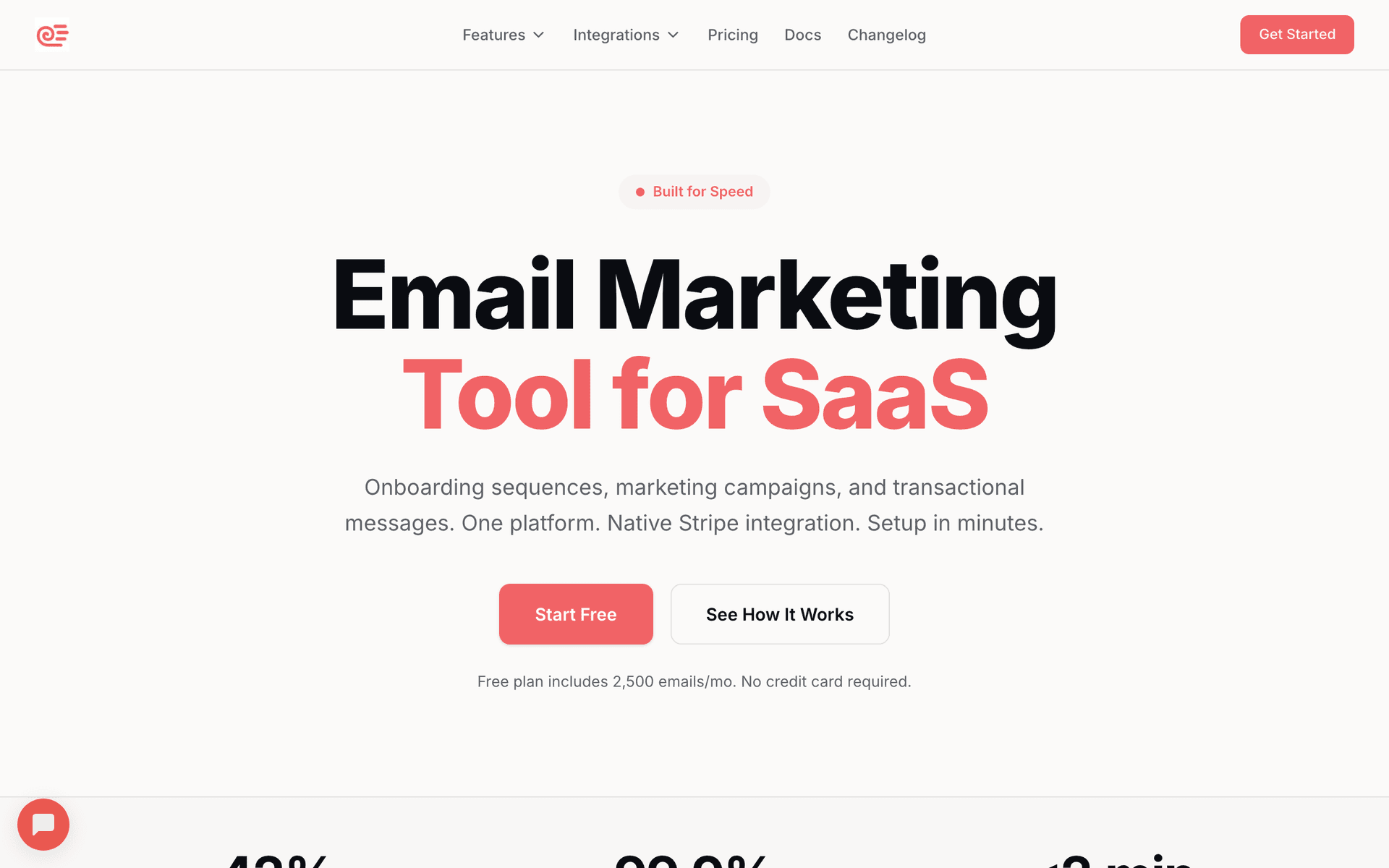
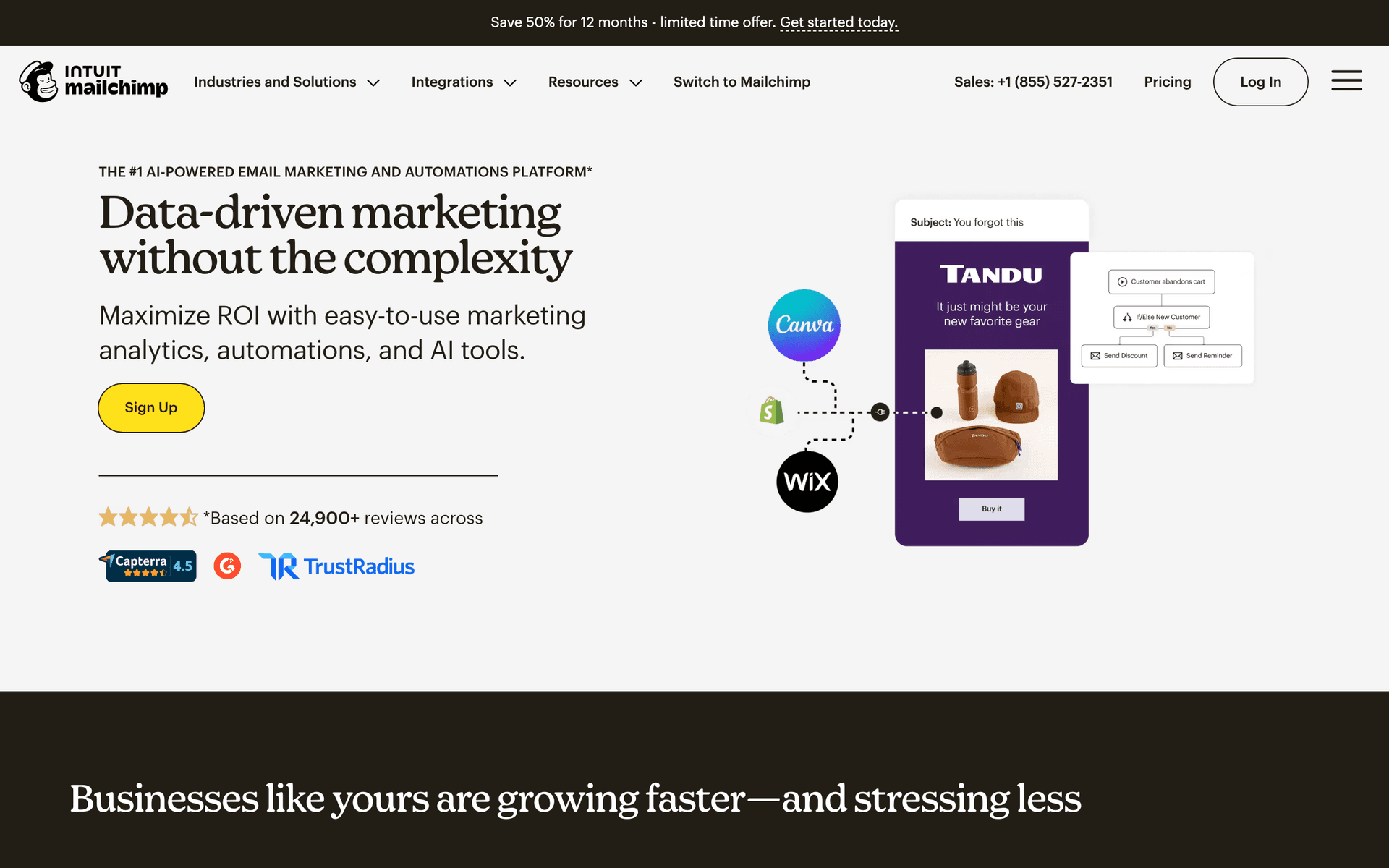
If budget is tight, start with free tiers. Kit (10,000 subscribers), MailerLite (1,000), Sequenzy (2,500 emails per month), or Mailchimp (500) all get you started at no cost.
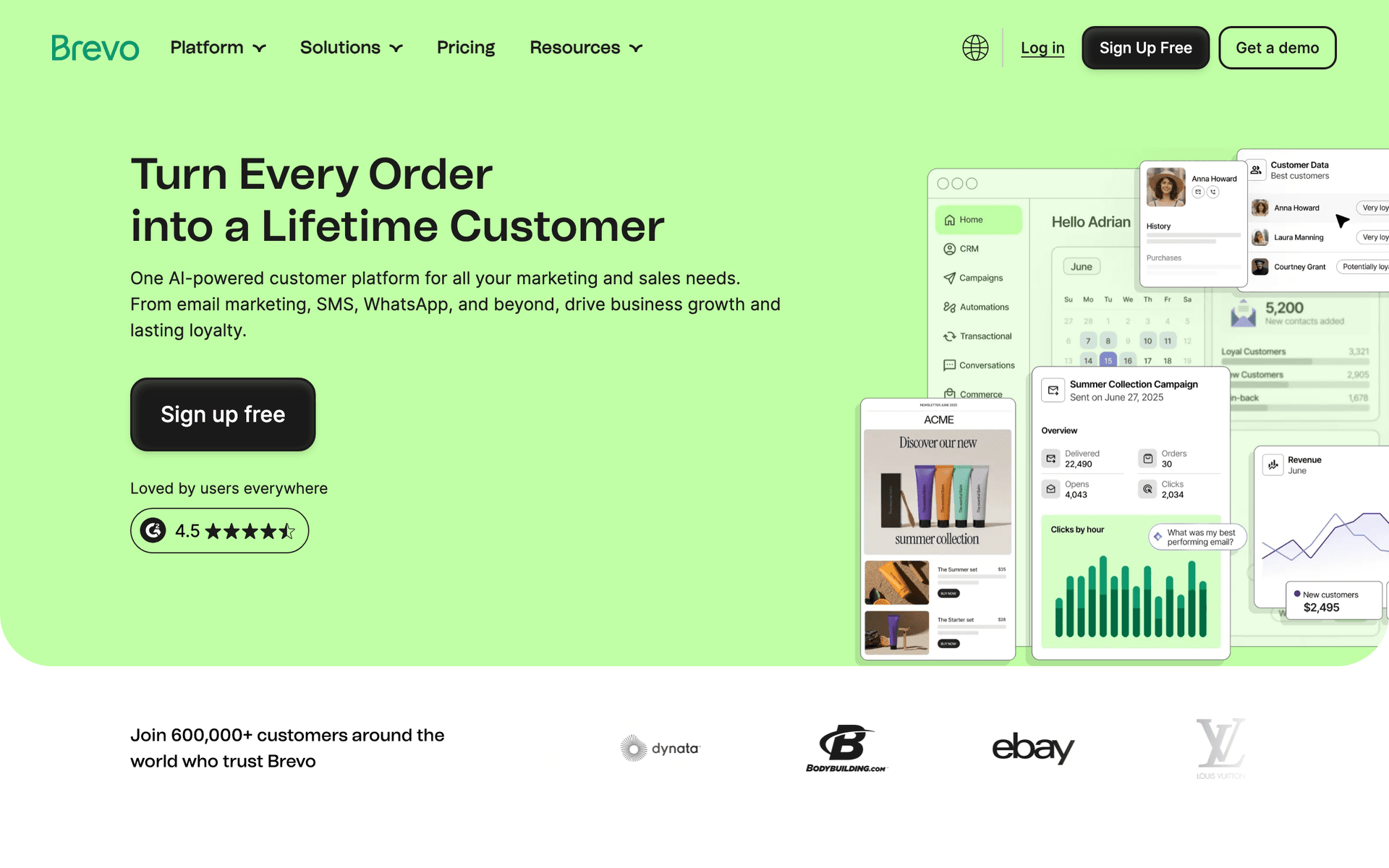
If you need SMS for flash sales, Brevo includes SMS alongside email at an affordable price. Flash sale texts drive immediate foot traffic faster than any other channel.
If time is your biggest constraint, Sequenzy's AI creates complete campaigns in seconds. For busy store owners, this is the fastest path to professional email marketing.
If you need POS integration, Mailchimp connects with Square and Shopify POS to automatically sync customer data from in-store transactions.
Brick-and-Mortar Platform Decision Table
| Store situation | Best-fit tool | Must-have feature | Do not overpay for |
|---|---|---|---|
| New local shop | Sequenzy, MailerLite, or Mailchimp | Welcome offer and simple campaigns | Enterprise automation |
| Flash-sale driven store | Brevo or Sequenzy | Fast campaigns and SMS option | Long-form creator newsletters |
| POS-heavy retailer | Mailchimp or Omnisend | Customer and purchase sync | Manual CSV-only workflows |
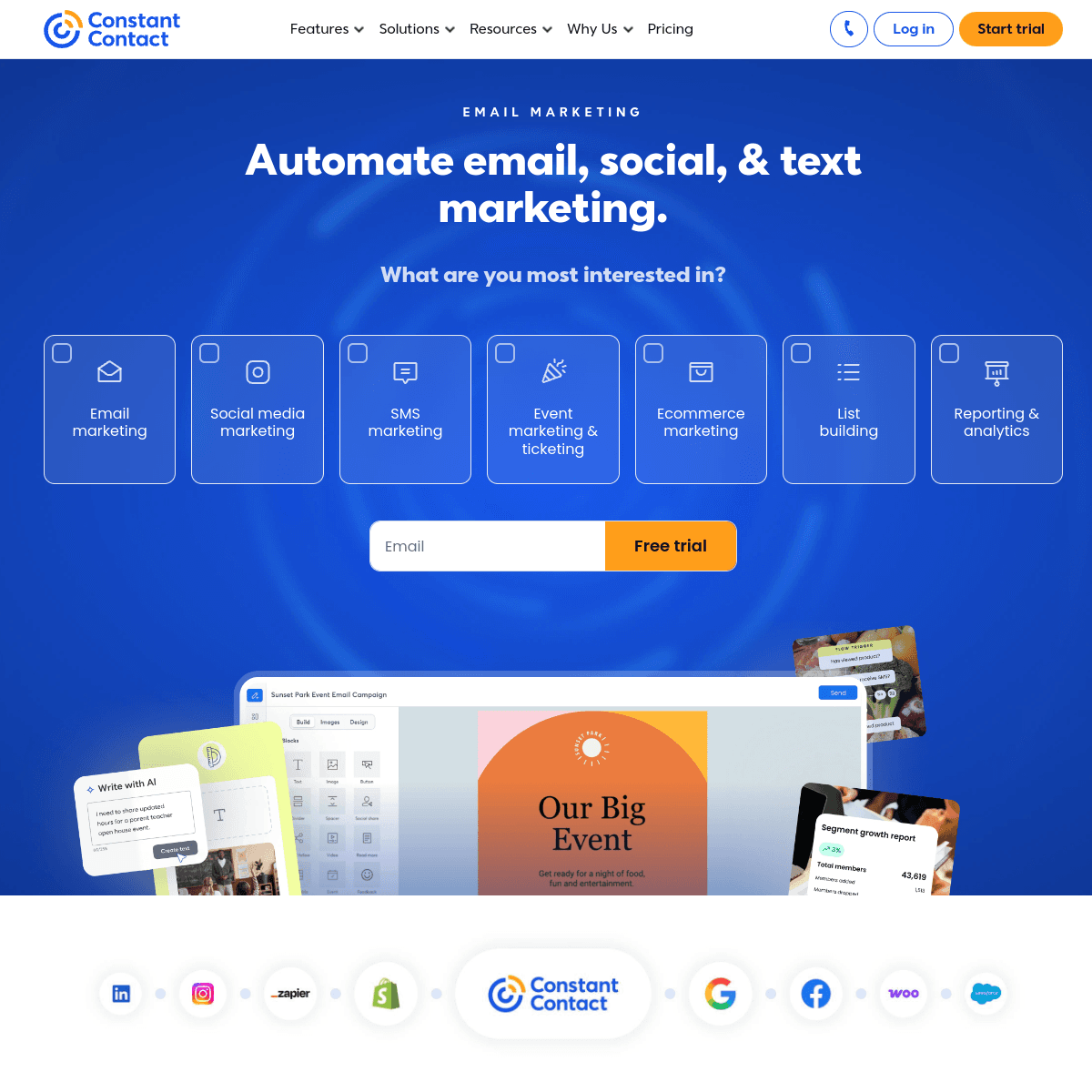
| Event-oriented store | Constant Contact or Sequenzy | Event invites and reminders | Ecommerce-only attribution |
| Large local list | Sequenzy or Brevo | Predictable list-cost scaling | Per-contact pricing cliffs |
The Brick-and-Mortar Email Playbook
Three strategies drive the most foot traffic and loyalty:
Welcome New Customers with a Return-Visit Incentive
The second visit is where loyalty starts forming. A welcome email with a return-visit discount sent immediately after signup, followed by store highlights and a reminder about the expiring offer, converts 25-35% more first-time visitors into repeat customers.
Monthly Newsletter Keeps You Visible
Your monthly newsletter should not be all about selling. Share new products, store stories, staff spotlights, community involvement, and upcoming events. The goal is to be the store customers remember when they need what you sell. One promotion per newsletter is enough.
Flash Sale Alerts Drive Immediate Traffic
Time-limited, in-store-only promotions create urgency that drives customers through your door today. Email (and SMS if you have it) in the morning, and watch foot traffic increase within hours. These work best during traditionally slow periods.
Foot-Traffic Campaign Matrix
| Goal | Email angle | Best timing | How to measure |
|---|---|---|---|
| Bring back first-time customers | Return-visit discount | Same day or next morning after signup | Coupon redemption |
| Fill a slow weekday | Today-only in-store offer | Morning of the slow day | Same-day transactions |
| Promote new inventory | First look for subscribers | Day products hit the floor | Visits within 48 hours |
| Increase event attendance | RSVP and reminder sequence | 2 weeks, 3 days, day before | RSVPs and check-ins |
| Move seasonal stock | End-of-season clearance | Final 7-10 days of season | Revenue per email |
Seasonal Marketing Calendar for Retail
Spring
- New arrivals and seasonal product launches
- Mother's Day and Father's Day promotions
- Spring cleaning or renewal-themed events
Summer
- Summer sales and clearance events
- Back-to-school (if relevant to your products)
- Local community event tie-ins
Fall
- Fall collection launches
- Halloween and Thanksgiving promotions
- Holiday shopping preview and gift guides
Winter
- Holiday gift guides and last-minute shopping alerts
- Post-holiday clearance
- New Year promotions and fresh starts
Local Retail Email Calendar
| Month range | Campaign focus | Best customer segment | Store-level goal |
|---|---|---|---|
| January-February | New year refresh and clearance | Past seasonal buyers | Clear inventory and restart visits |
| March-April | Spring arrivals and gifting | Full local list | Introduce new products |
| May-June | Graduation, Father's Day, summer prep | Gift buyers and families | Increase gift-driven visits |
| July-August | Slow-season flash sales | Lapsed and deal-sensitive customers | Fill low-traffic weeks |
| September-October | Fall launch and local events | Loyal customers | Build pre-holiday momentum |
| November-December | Gift guides and last-minute shopping | Full list, VIPs first | Maximize holiday foot traffic |
Measuring Success for Physical Stores
Traditional email metrics like open rates matter less for brick-and-mortar stores. Focus on:
- Coupon redemption rate: How many email offers are redeemed in-store
- Return visit frequency: Are email subscribers visiting more often
- Revenue per email: Track promotional email revenue through unique codes
- List growth rate: Are you consistently adding new customer emails
- New customer source: Ask new customers how they heard about you
Getting Started This Week
- Start collecting emails today with a signup form at your counter and a small incentive
- Set up a welcome sequence that thanks new subscribers and offers a return-visit discount
- Commit to a monthly newsletter with one promotion, one store story, and one community update
- Plan seasonal campaigns around your product calendar and local events
- Use flash sale emails during slow periods to drive immediate traffic
The stores that thrive are the ones that stay connected with their customers between visits. Email makes that possible without taking you away from running your business.
What Brick-and-Mortar Stores should prioritize first
For Brick-and-Mortar Stores, email works when it supports clear communication, consistent follow-up, and measurable customer action. The software matters, but the operating habit matters more: collect the right contacts, send messages at the right moments, and keep the content useful enough that people keep opening.
Start by comparing the ranked tools above around the workflows you will actually run. A good tool for Brick-and-Mortar Stores should make it easy to segment contacts, write a campaign quickly, automate the obvious follow-ups, and see whether the email produced a booking, sale, reply, renewal, or return visit.
The first workflows to build are usually simple. For this page, the natural starting points are New Customer Welcome, Flash Sale Alert, Seasonal Campaign, Birthday Celebration. Do not build a complicated journey until those basics are working.
A practical rollout looks like this:
| Week | Focus |
|---|---|
| 1 | Import contacts, clean segments, and write the first useful campaign. |
| 2 | Launch the highest-value reminder or follow-up automation. |
| 3 | Add one educational or trust-building email that is not a promotion. |
| 4 | Review opens, clicks, replies, bookings, purchases, or returned customers. |
The most important page-specific ideas are Use the welcome sequence to drive the second visit; Send flash sale alerts for immediate foot traffic; Include your address and hours in every email. Those should become your first campaigns before you worry about advanced automation.
Choose the tool that makes a steady store email rhythm realistic for your staff. If a platform has more features but makes it harder to send each week, it is the wrong fit for your shop. If a simpler tool helps your team send consistently and see whether emails brought customers back through the door, it will usually produce more value.