
Related Resources for Agency Email Services
| Agency growth goal | Best next page | Why it helps |
|---|---|---|
| Package email for specific agency models | Marketing agency email tools and web development agency email tools | A retainer agency and a project-based web shop need different nurture and reporting workflows. |
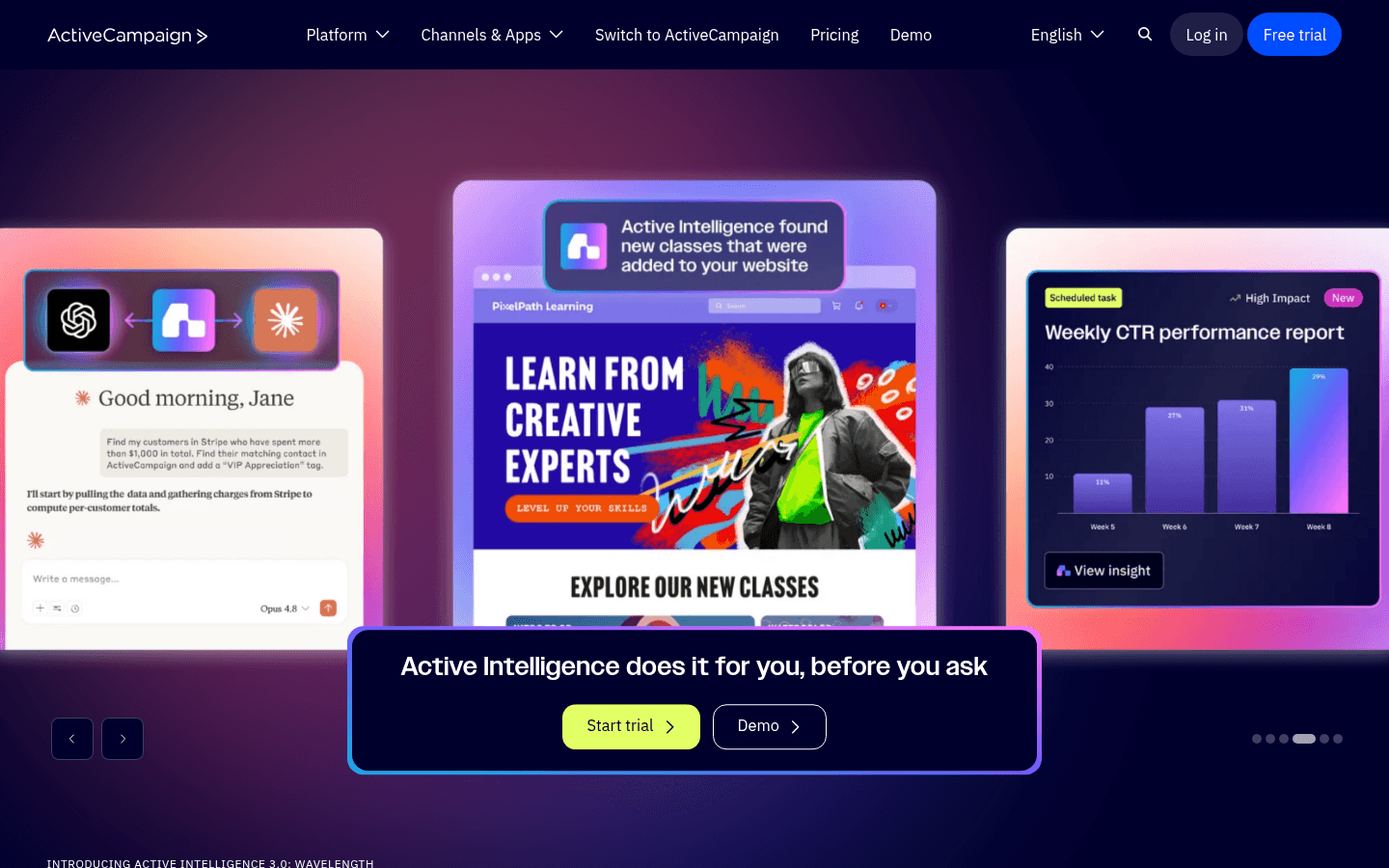
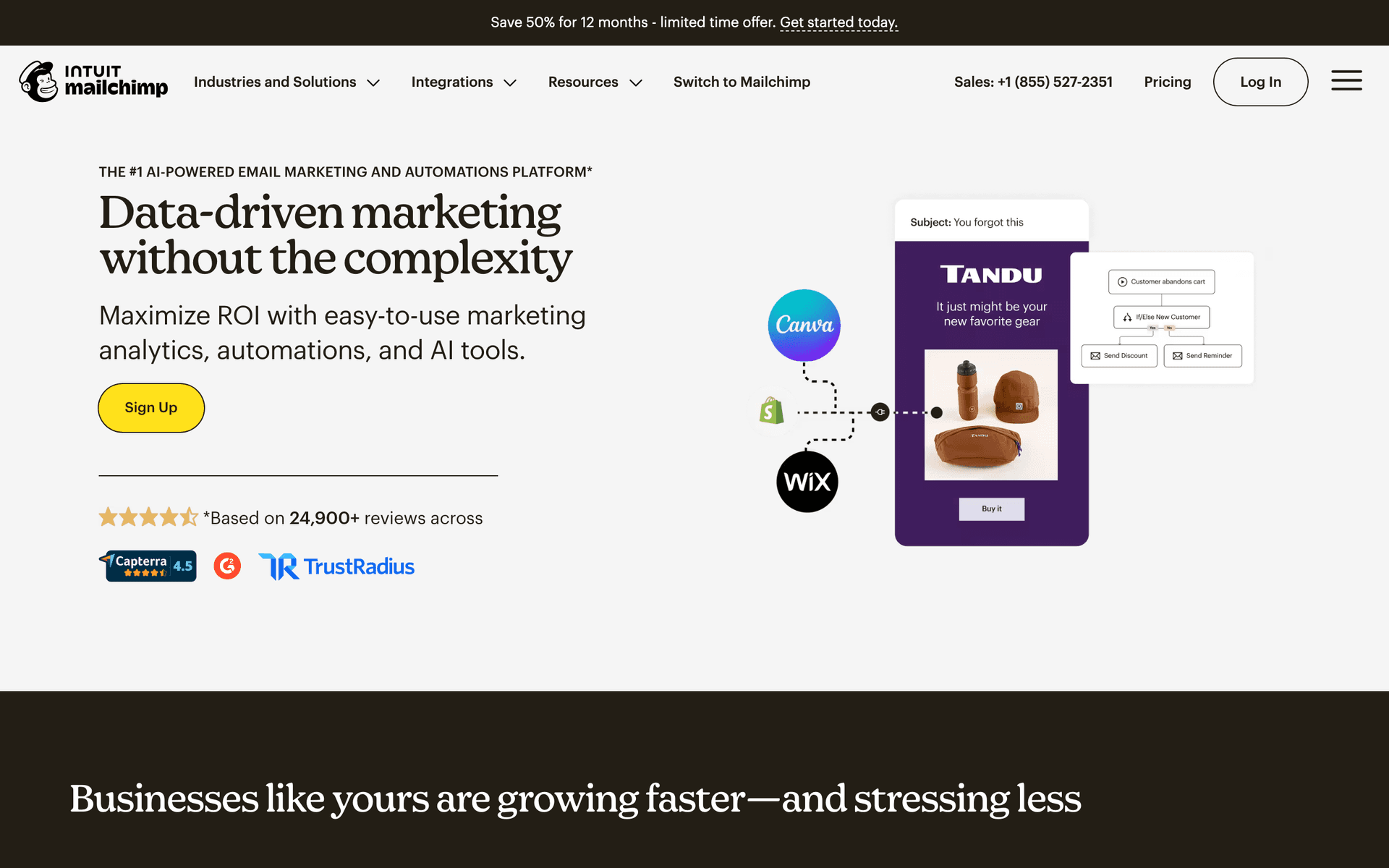
| Pick a client-ready platform | ActiveCampaign comparison, Mailchimp comparison, and ActiveCampaign alternatives | Agencies need to balance automation power, client usability, and margin. |
| Create repeatable client assets | Newsletter templates, sales subject lines, and follow-up subject lines | Templates and reusable subject lines make delivery faster without making every client sound the same. |
| Fill the client content calendar | Agency newsletter ideas | Retainers are easier to keep when clients can see a steady queue of useful campaign ideas. |
Choosing the Right Platform for Your Agency
The best tool depends on your client types, team size, and pricing model. There is no single platform that works perfectly for every agency, so consider your specific mix of clients and services.
If you serve e-commerce clients, Klaviyo and Drip have the deepest store integrations and revenue attribution. Klaviyo's agency partner program is particularly strong, offering certification training and a partner directory that drives referrals.
If you want efficiency, Sequenzy's AI generates client sequences in seconds, dramatically increasing team productivity. This translates directly to higher margins on email services because you spend less time on campaign creation and more time on strategy.
If you want the most features, ActiveCampaign's agency partner program includes the most powerful automation, CRM, and multi-client management tools. The investment in learning pays off across all clients as you build sophisticated workflows once and replicate them.
| Agency client mix | Best platform default | Why it fits | When to override it |
|---|---|---|---|
| E-commerce-heavy agency | Klaviyo or Drip | Store data, product feeds, and revenue attribution matter most | Use Sequenzy for smaller stores that cannot justify contact-based pricing |
| General marketing agency | ActiveCampaign | Flexible automation and CRM features work across many client types | Use MailerLite for simple newsletter-only retainers |
| Lean service agency | Sequenzy | AI sequence creation protects margins when team time is the constraint | Use a client-owned platform if migration would delay launch |
| Creator or newsletter agency | Kit or MailerLite | Forms, broadcasts, and content workflows are easy to manage | Use Sequenzy when automation and client reporting matter more |
| Enterprise agency | HubSpot or Salesforce ecosystem tools | Sales, marketing, and reporting need to live in one operating system | Use specialist tools for clients with strict ecommerce or lifecycle needs |
Best Fit by Agency Client Mix
Best email marketing tool for ecommerce agencies
Choose Klaviyo or Drip when most clients depend on Shopify, WooCommerce, product feeds, cart recovery, and revenue attribution. Use Sequenzy for smaller ecommerce clients where contact-based pricing would eat too much of the retainer margin.
Best email marketing tool for lean service agencies
Choose Sequenzy when the agency sells repeatable lifecycle sequences, newsletters, and client campaign setup with a small delivery team. AI-assisted sequence creation and predictable per-send pricing help protect margins.
Best email marketing tool for CRM-heavy agencies
Choose ActiveCampaign, HubSpot, or Salesforce ecosystem tools when client work includes sales pipelines, lead scoring, rep handoff, and multi-team reporting. These platforms are heavier, but they fit retainers where email is tied to sales operations.
The Agency Email Playbook
Three strategies make email marketing profitable for agencies:
Standardize delivery with templates, workflows, and processes that adapt to each client. Building from scratch for every client kills margins. Create reusable assets that your team customizes efficiently. A good template library should cover welcome series, nurture sequences, promotional campaigns, seasonal emails, and re-engagement flows.
Demonstrate ROI with clear reporting tied to revenue. Email marketing's attributability is its superpower for agencies. Monthly reports showing revenue from email campaigns keep clients engaged and justify your fees. Structure reports with revenue first, engagement metrics second.
Upsell through results by starting with basic email campaigns and expanding into automation, segmentation, and advanced strategies as results prove out. Clients who see email ROI expand their budgets. A client who starts with a monthly newsletter often grows into a full lifecycle email program within 6 months.
| Service package | Monthly deliverables | Typical client fee | Best KPI to report |
|---|---|---|---|
| Newsletter management | 1-2 campaigns, light list cleanup, monthly report | $500-$1,000 | Clicks to offers or booked calls |
| Lifecycle setup | Welcome, nurture, re-engagement, and basic segmentation | $1,000-$2,500 setup plus retainer | Automated revenue or qualified leads |
| E-commerce email management | Campaign calendar, cart recovery, post-purchase, win-back | $1,500-$4,000 | Email-attributed revenue |
| B2B nurture program | Lead magnet delivery, case study nurture, sales handoff | $1,500-$3,500 | Sales-qualified leads and booked demos |
| Full email department | Strategy, campaigns, automations, reporting, deliverability | $3,000+ | Revenue, retention, and list growth |
Per-Client Cost Analysis
Understanding per-client economics is critical for agency profitability. Here is how the costs typically break down:
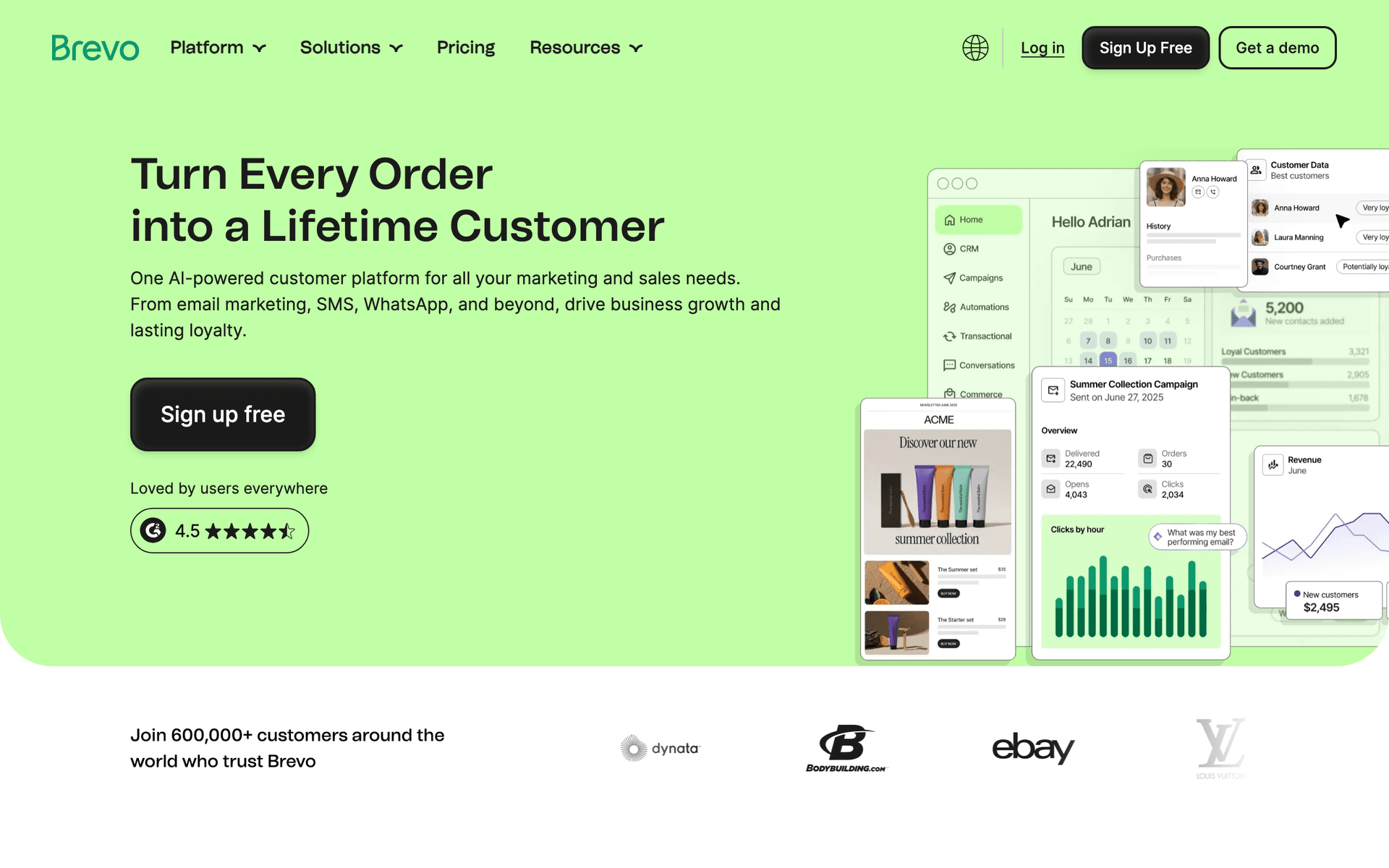
Platform fees range from $0 (free tiers) to $100+ per client per month depending on list size and features. Pay-per-email pricing from Sequenzy and Brevo keeps costs predictable regardless of list size. Contact-based pricing from Mailchimp, ActiveCampaign, and Klaviyo scales with list growth.
Team time is your largest cost. A junior email marketer spends 4-8 hours per client per month on campaign creation, scheduling, and reporting. AI tools like Sequenzy reduce campaign creation time by 60-70%, directly improving margins.
Total cost per client (platform + labor) typically runs $200-500 per month against agency fees of $500-2,500, creating healthy margins of 50-80% for well-run agencies.
| Cost driver | Low-complexity client | High-complexity client | Margin lever |
|---|---|---|---|
| Platform fee | $0-$30/month | $100-$500+/month | Choose pricing that matches send volume and list size |
| Campaign creation | 2-4 hours/month | 8-15 hours/month | Reuse templates and AI-generated first drafts |
| Reporting | 30-60 minutes/month | 2-4 hours/month | Standardize revenue-first report formats |
| Deliverability monitoring | Quarterly review | Weekly review | Build a checklist for SPF, DKIM, DMARC, bounces, and complaints |
| Strategy calls | Monthly async summary | Monthly or biweekly live call | Reserve live calls for clients with expansion potential |
Building Your First Case Study
Your first email marketing case study is the most important sales tool you will create. Choose a client who is willing to share results. Track metrics from day one - list growth, open rates, click rates, and most importantly, revenue attributed to email.
After 90 days, compile the results into a one-page case study with the headline format: "How [Client] Generated [Revenue] from Email Marketing in [Timeframe]." Use specific numbers. Share this on your website, in proposals, and in your own lead nurture sequence.
Managing Deliverability Across Accounts
Deliverability management across multiple clients is an agency responsibility that directly impacts results. Set up monitoring for each client account and review weekly.
Domain authentication - ensure every client has SPF, DKIM, and DMARC configured before any sends. Use our SPF checker and DMARC checker to verify.
List hygiene - schedule quarterly cleaning for every client. Remove hard bounces immediately, suppress unengaged contacts after 6 months, and validate new list imports before sending.
Warm-up protocols - when onboarding new clients, warm up their sending domain gradually. Start with your most engaged subscribers and increase volume over 2-4 weeks.
Getting Started
- Choose one primary platform and build deep expertise across your team
- Create reusable templates and workflows you can adapt per client in 30 minutes or less
- Build your first case study by delivering measurable results for an existing client
- Standardize your reporting to clearly show email marketing ROI with revenue-first formatting
- Package email marketing as a defined service with clear deliverables, pricing tiers, and KPIs
- Document your processes so new team members can be productive within their first week
The agencies that profit most from email marketing are the ones that systemize delivery without sacrificing quality. Start with one platform, one process, and one case study - then scale from there.