

How to Choose the Right Email Tool
Practice size matters. Solo advisors can use simpler tools like Sequenzy or MailerLite. Larger RIAs need platforms with CRM integration and sophisticated segmentation.
Content creation. If you publish original market commentary regularly, tools with AI content generation save significant time. If you use third-party content, simpler tools work fine.
Compliance needs. Ensure your chosen tool maintains email records as required and allows you to include standard disclaimers in every communication.
Best Fit by Advisor Communication Model
Best email marketing tool for financial advisor market commentary
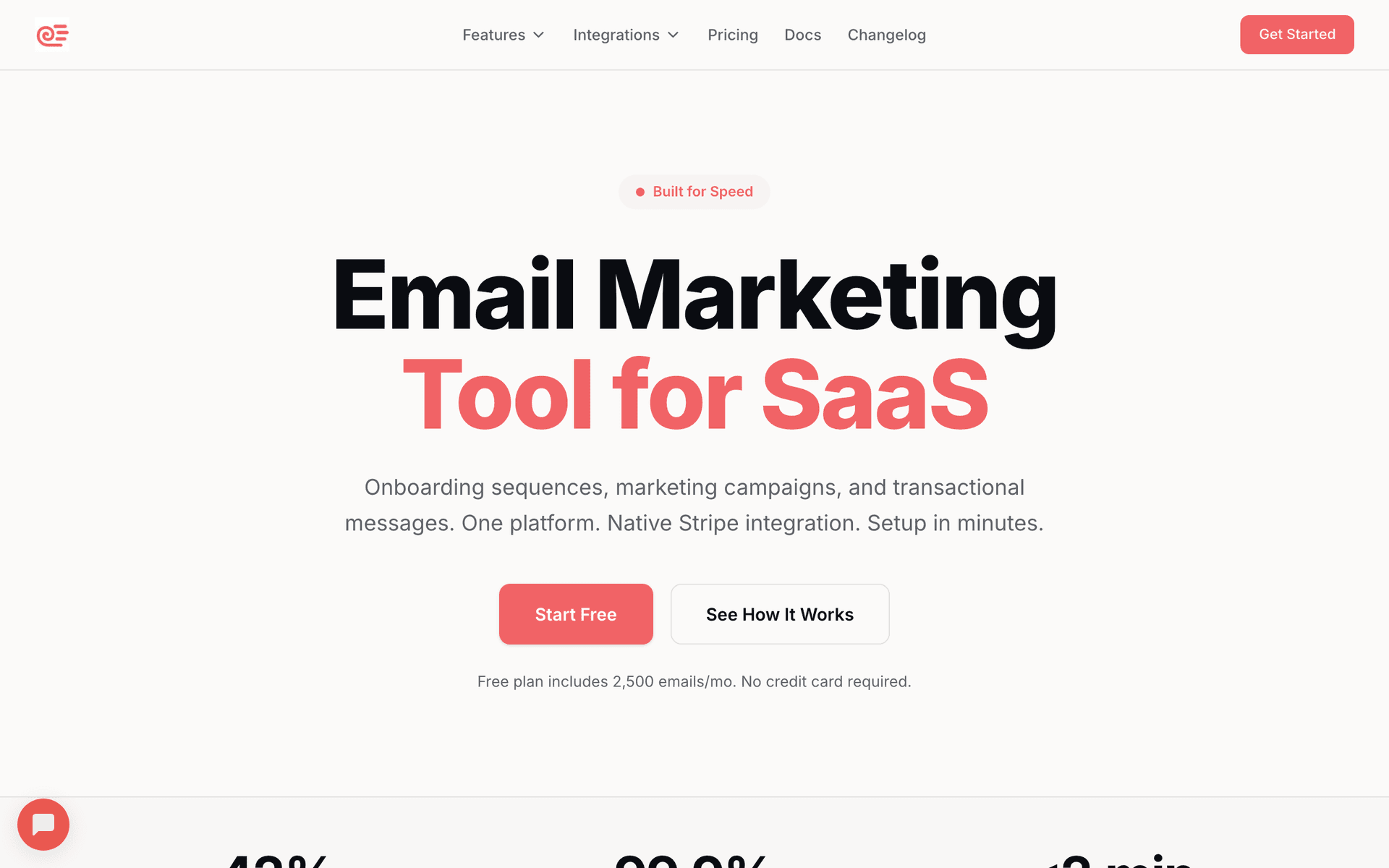
Sequenzy is the better fit when the advisor needs timely market updates, client education, onboarding sequences, and annual review reminders without spending hours turning each topic into polished email copy.
Best email marketing tool for RIA prospect nurture
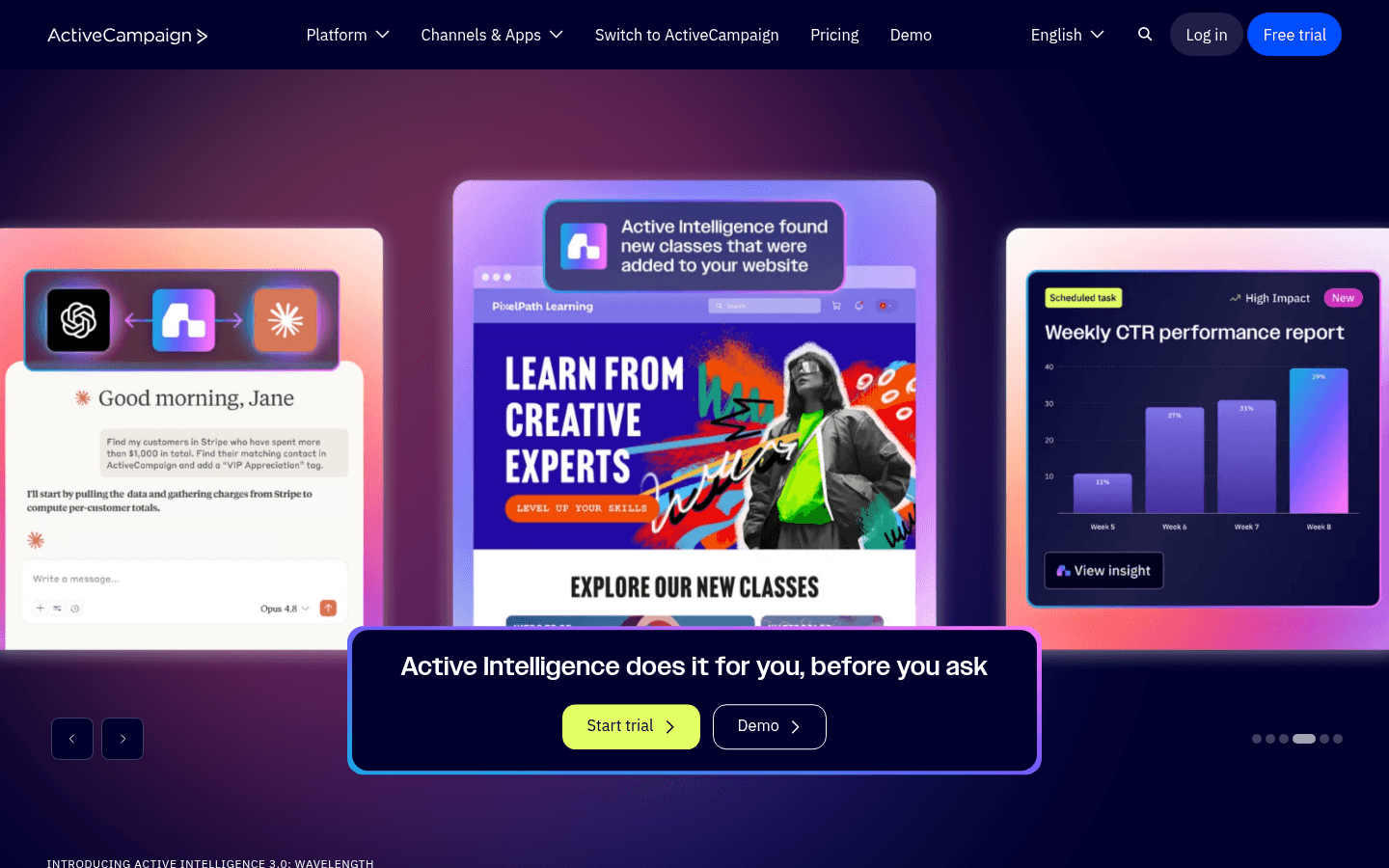
ActiveCampaign is the better fit when the practice has a larger prospect database, seminar leads, consultation stages, AUM tiers, and dedicated staff who can maintain segmentation and pipeline follow-up.
Best email marketing tool for financial advisor events
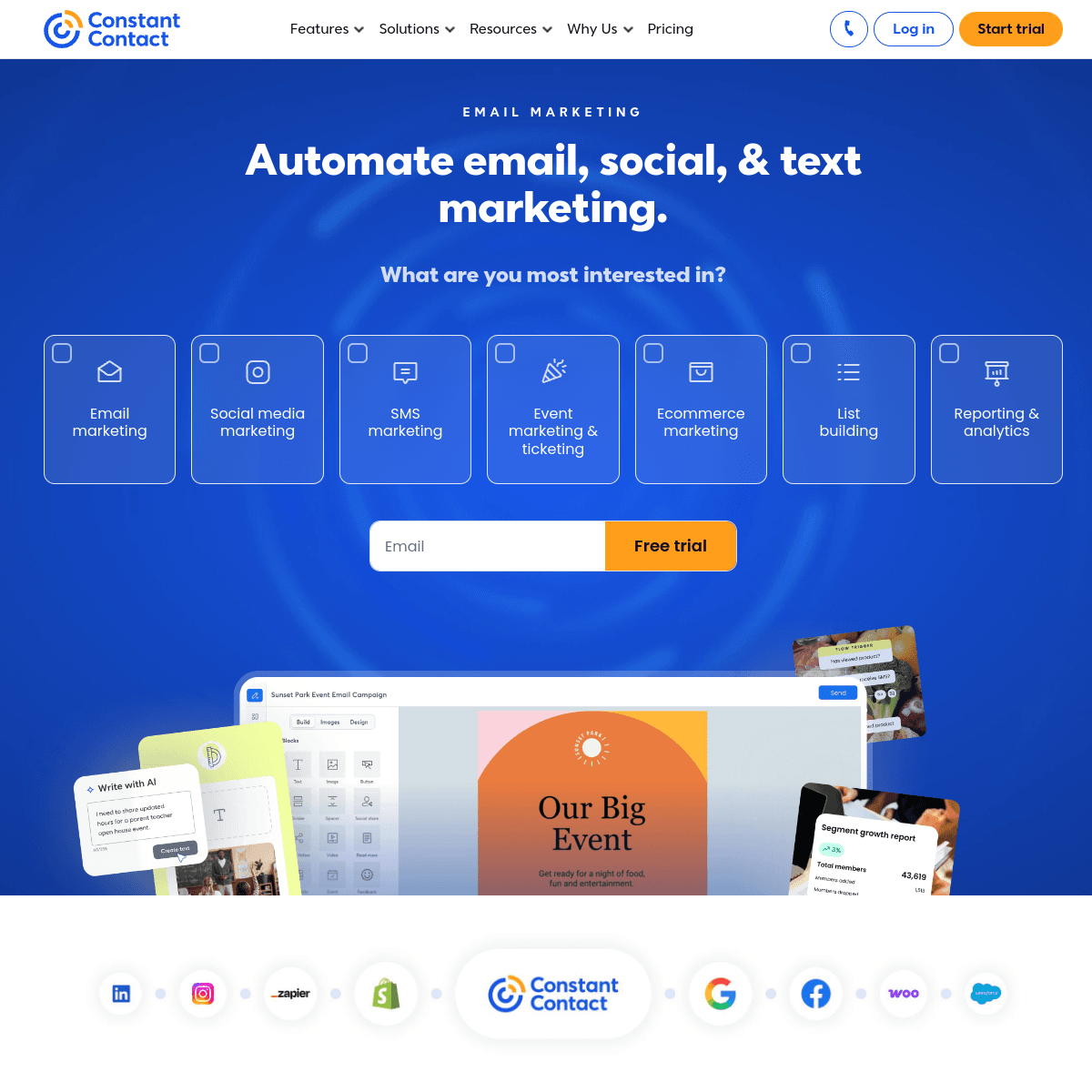
Constant Contact is the better fit when client appreciation events, retirement seminars, webinars, or educational workshops are central to the practice's growth strategy and phone support matters.
Market Commentary Builds Trust
When clients hear your specific perspective during volatile market periods, it builds confidence in your guidance that no generic newsletter can match. The advisors who communicate proactively during market stress retain more clients and receive more referrals than those who wait for clients to call.
The Rapid Response Template
Keep a market commentary template ready for quick deployment. When markets drop significantly, customize the template with your specific perspective and send within 24 hours. The structure should include: what happened, why it happened, what it means for your clients' plans, and what action (if any) you recommend. Calm, confident communication during chaos is the most valuable thing you can provide.
Consistency Beats Frequency
A reliable monthly newsletter that clients learn to expect and value beats sporadic communication that only appears during market events. Clients learn to anticipate and look forward to your regular updates. This consistency creates a habit of engagement that keeps you relevant between meetings.
The Prospect Nurture Pipeline
Financial advisory prospects often take 6-24 months to become clients. A monthly nurture sequence with genuinely valuable content - retirement planning tips, tax strategies, market perspective - keeps you in their consideration set throughout this decision period. Many of your best future clients are currently receiving your nurture emails and building trust with your expertise.
Referral Generation Through Email
Your most effective referral strategy is creating content that clients want to share. When a client forwards your market commentary to a friend who asks "who's your advisor?", that is a pre-qualified referral. Write your emails knowing they will be forwarded, and include your contact information and a brief description of who you help.
Financial Advisor Email Benchmarks
Advisor email should be judged by trust, consultation requests, review scheduling, and referrals. A smaller list of engaged clients and prospects is more valuable than a broad list that never acts.
| Email type | Healthy open rate | Healthy click rate | Main conversion |
|---|---|---|---|
| Market commentary | 35-60% | 4-10% | Reply, forward, or planning article click |
| Prospect nurture | 28-45% | 3-8% | Consultation request |
| Annual review reminder | 45-70% | 8-18% | Review meeting scheduled |
| New client onboarding | 55-75% | 12-25% | Completed documents or portal login |
| Referral-friendly newsletter | 32-50% | 3-8% | Forward or referred inquiry |
Financial Advisor Content Calendar
Planning topics perform best when they match external deadlines and client life stages. Keep a recurring calendar so content is timely.
| Timing | Content focus | Best CTA |
|---|---|---|
| January-February | Goal setting, retirement contributions | Schedule annual plan review |
| March-April | Tax planning coordination | Share with CPA or book tax-season check-in |
| May-June | College funding and summer planning | Review education savings |
| September-October | Year-end tax and charitable planning | Schedule Q4 planning call |
| Market volatility | Calm market perspective | Read advisor note or reply with concerns |
Advisor Segmentation Table
Segmentation keeps compliance-friendly content relevant without making individual recommendations in broad marketing emails.
| Segment | Best content | Avoid sending |
|---|---|---|
| Prospects | Educational guides, process overview, case examples | Client-only account commentary |
| Active clients | Market perspective, review reminders, planning deadlines | Generic lead magnets they already consumed |
| Pre-retirees | Withdrawal planning, healthcare, Social Security topics | Early-career accumulation content |
| Retirees | Income planning, legacy, tax-efficient withdrawals | Aggressive growth messaging |
| Referral partners | Shareable planning notes and collaboration prompts | Consumer-only onboarding sequences |
Getting Started
- Import your client and prospect databases
- Create a monthly market commentary and planning tips template
- Set up a new client onboarding sequence with welcome and expectation-setting
- Build a prospect nurture sequence with educational content
- Configure annual review reminders based on client anniversary dates
Start with the monthly commentary - it builds trust with existing clients and creates shareable content that generates referrals.
What Financial Advisors should prioritize first
For Financial Advisors, email works when it supports trust, compliance, referrals, and long sales cycles. The software matters, but the operating habit matters more: collect the right contacts, send messages at the right moments, and keep the content useful enough that people keep opening.
Start by comparing the ranked tools above around the workflows you will actually run. A good tool for Financial Advisors should make it easy to segment contacts, write a campaign quickly, automate the obvious follow-ups, and see whether the email produced a booking, sale, reply, renewal, or return visit.
The first workflows to build are usually simple. For this page, the natural starting points are New Client Onboarding, Lead Nurturing Sequence, Monthly Market Commentary, Annual Review Reminder. Do not build a complicated journey until those basics are working.
A practical rollout looks like this:
| Week | Focus |
|---|---|
| 1 | Import contacts, clean segments, and write the first useful campaign. |
| 2 | Launch the highest-value reminder or follow-up automation. |
| 3 | Add one educational or trust-building email that is not a promotion. |
| 4 | Review opens, clicks, replies, bookings, purchases, or returned customers. |
The most important page-specific ideas are Send market commentary during volatility, not just scheduled newsletters; Segment clients by life stage for relevant communication; Build a prospect nurture sequence that provides value for months. Those should become your first campaigns before you worry about advanced automation.
Choose the tool that makes this cadence realistic. If a platform has more features but makes weekly sending harder, it is the wrong fit. If a simpler platform helps the team communicate consistently and measure the result, it will usually produce more value.