
How to Choose the Right Email Tool for Your Flower Shop
The best email marketing tool for your flower shop depends on how you sell, what your budget looks like, and how much time you can dedicate to marketing.
Online Sales vs. Walk-In Focus
If you generate significant revenue through online orders, platforms with e-commerce integration like Drip or Mailchimp add value through cart recovery and purchase tracking. If your business is primarily walk-in and phone orders, a simpler platform like Sequenzy or MailerLite handles your needs without unnecessary complexity.
Visual Quality Matters More Than Features
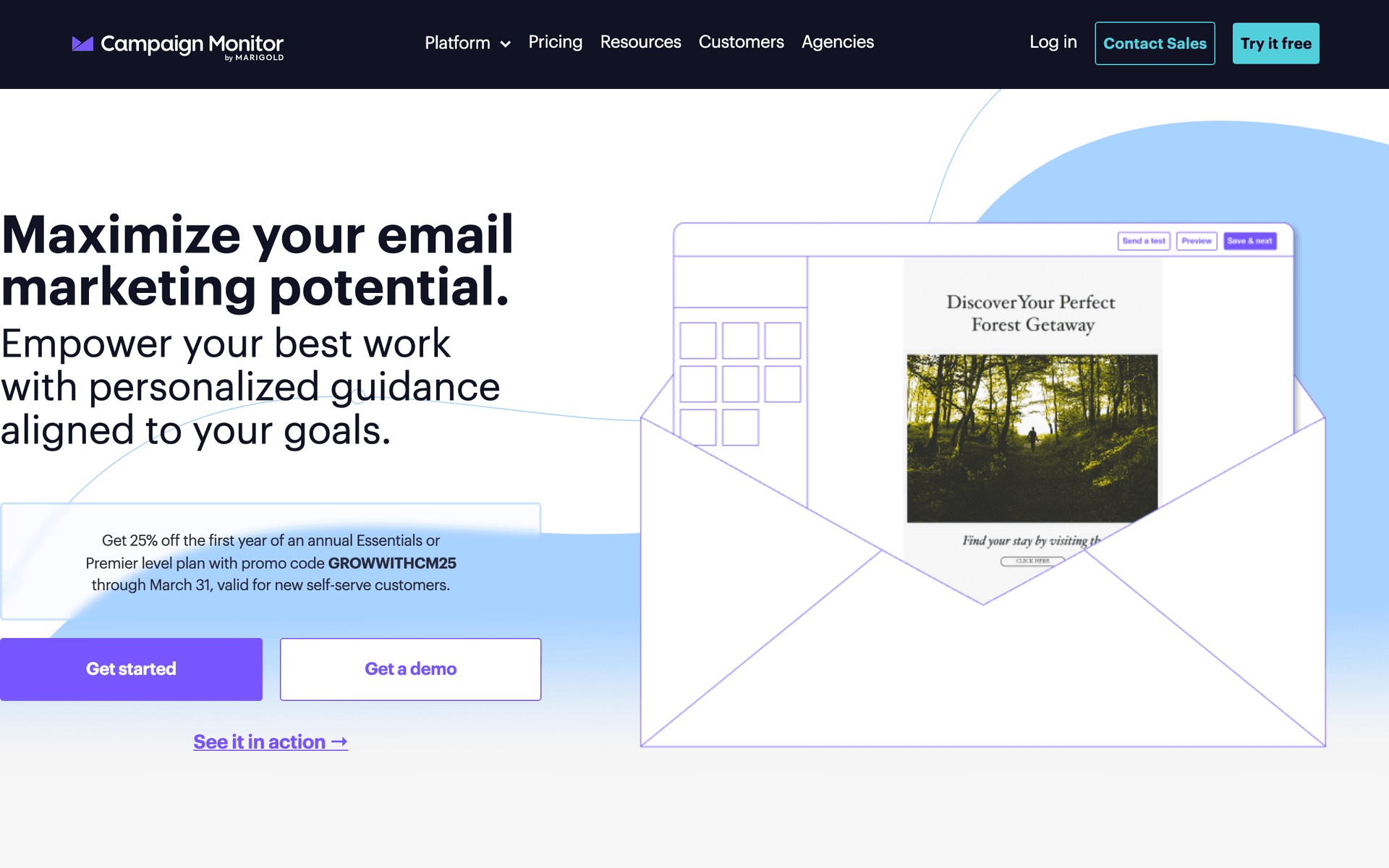
Flowers sell on beauty. The email tool you choose needs to display your arrangement photography gorgeously on both desktop and mobile. Test how each platform renders high-quality images before committing. Campaign Monitor and Mailchimp have the best visual templates, but even simpler platforms like MailerLite display photos well in clean layouts.
Budget Reality for Flower Shops
Most flower shops operate on tight margins outside of peak holidays. Calculate the real cost at your expected list size - a shop with 2,000 customer records needs to know the monthly cost at that level, not just the starting price. Pay-per-email models like Sequenzy are particularly friendly for florists because your send volume naturally spikes during holidays and drops during slower months.
What Actually Works for Florists
After talking to many flower shop owners about email marketing, these strategies consistently drive results:
Date Reminders Are Your Highest-ROI Automation
Automated birthday and anniversary reminders are the single most profitable email you can send. Set them once and they generate revenue annually with zero ongoing effort. A reminder 2 weeks before the date with arrangement suggestions, followed by a nudge 1 week out, and a final deadline reminder 3 days before creates a natural buying sequence. Some flower shops report that date reminders generate 15-20% of their total email revenue.
Holiday Timing Is Everything
The difference between a great holiday campaign and a wasted one often comes down to timing. Start too late and customers have already ordered from a competitor. Start too early and they forget. The 3-4 week window before each major flower holiday is the sweet spot: early access for premium arrangements, a mid-point showcase of popular picks, a week-out urgency message, and a final last-chance email.
Beautiful Photos Sell More Than Discounts
Florists who lead with stunning arrangement photography consistently outperform those who lead with discount offers. A gorgeous seasonal centerpiece photo that makes someone think "I want that in my home" drives more orders than "20% off all arrangements." Save discounts for slow periods and let your photography do the selling during peak seasons.
Industry-Specific Strategies for Florist Email Marketing
The Seasonal Calendar Approach
Map your email marketing to the flower industry calendar:
- January-February: Valentine's Day campaign (start 3-4 weeks out)
- March-April: Spring arrangements, Easter, administrative professionals' week
- May: Mother's Day campaign (your biggest email push of the year)
- June-August: Wedding season showcases, summer arrangement promotions
- September-October: Fall arrangements, Thanksgiving centerpieces
- November-December: Holiday entertaining, Christmas and Hanukkah, corporate gifting
Between these peaks, monthly emails with seasonal arrangement showcases and care tips keep your audience engaged.
Wedding and Event Pipeline
Wedding inquiries deserve their own email sequence separate from your regular customer communication:
- Immediate response confirming the inquiry and sharing your portfolio link
- Day 3 with inspiration photos matched to their event style
- Day 7 inviting them to schedule a consultation
- After consultation with a summary and proposal
- After the wedding with anniversary reminder setup
Converting Gift Recipients Into Customers
Every arrangement you deliver introduces your shop to a new potential customer. With the sender's permission, include a small card with the arrangement inviting the recipient to join your email list. Create a dedicated welcome sequence for gift recipients that introduces your shop and offers a discount on their first personal order.
Integration Recommendations
POS Systems
If you use a florist POS system like Floranext, Teleflora, or a general retail POS like Square, check whether your email platform can sync customer data. Automatic sync eliminates the need to manually enter customer emails after every sale.
Website and Online Ordering
Connect your email platform to your website's order form or e-commerce system. This enables purchase-triggered automations like order confirmations, delivery notifications, and post-purchase follow-ups without manual intervention.
Social Media
Most email platforms offer social media posting alongside email. While not essential, the ability to share your email content to Instagram and Facebook from one place saves time during busy holiday periods.
Getting Started Guide for Florists
- Choose your platform - Sequenzy for AI-powered simplicity, MailerLite for the best free tier, or Mailchimp for familiarity
- Import your customer list with any special dates you have collected
- Set up date reminders - This is your first and most valuable automation
- Create your first holiday campaign - Build a template for the next major flower holiday
- Plan monthly seasonal emails - One email per month showcasing current arrangements
- Collect dates at every sale - Make it a habit for you and your staff
What a Healthy Email List Looks Like for Florists
After 1-2 years of consistent email collection, a typical flower shop has 800-3,000 subscribers:
- Active customers (50-60%): People who have purchased in the past 12 months
- Lapsed customers (20-25%): Past customers who have not purchased recently but still open emails
- Date reminder subscribers (10-15%): People specifically signed up for birthday and anniversary reminders
- Wedding and event leads (5-10%): Inquiry contacts in various stages of the planning process
A healthy florist email list has open rates above 28%, strong seasonal revenue spikes tied to holiday campaigns, and a steady stream of date-triggered orders throughout the year.
Florist Email Benchmarks
Florist emails perform best when they are tied to a date, holiday, or visually irresistible seasonal arrangement.
| Email type | Healthy open rate | Healthy click rate | Main conversion |
|---|---|---|---|
| Birthday or anniversary reminder | 45-70% | 10-24% | Arrangement order |
| Valentine's or Mother's Day campaign | 35-60% | 8-20% | Holiday pre-order |
| Wedding inquiry follow-up | 45-65% | 8-18% | Consultation booked |
| Seasonal arrangement showcase | 30-50% | 5-12% | Shop visit or order |
| Weekly subscription promo | 28-45% | 4-10% | Subscription inquiry |
Florist Holiday Email Calendar
Flower holidays have real ordering deadlines. Start early enough to capture planners and use final reminders for last-minute buyers.
| Holiday or season | Start campaign | Email focus |
|---|---|---|
| Valentine's Day | 3-4 weeks before | Premium arrangements, delivery slots, deadline reminders |
| Mother's Day | 3-4 weeks before | Gift guide, popular picks, local delivery deadlines |
| Wedding season | January-March | Portfolio, consultations, floral budget planning |
| Thanksgiving | 3 weeks before | Centerpieces and host gifts |
| December holidays | 5-6 weeks before | Corporate gifting, home decor, delivery cutoffs |
Florist Automation Priority Table
Date-triggered automations create steady revenue between big holidays. Build those before complex newsletters.
| Priority | Automation | Trigger | Revenue role |
|---|---|---|---|
| 1 | Birthday reminder | Customer-saved date | Recurring annual gift order |
| 2 | Anniversary reminder | Customer-saved date | Higher-value sentimental order |
| 3 | Holiday pre-order | Seasonal calendar | Captures peak flower demand early |
| 4 | Wedding inquiry follow-up | Inquiry submitted | Converts high-value event leads |
| 5 | Post-purchase review and care | Order delivered | Improves reviews and repeat trust |