
Why People Consider SFMC Alternatives
Salesforce Marketing Cloud is genuinely powerful enterprise software. But power comes with trade-offs. First-year total cost routinely exceeds $75,000 when you factor in subscription fees, implementation consulting, Salesforce CRM licenses, and training - and that's before you've sent your first campaign. The 3-6 month implementation timeline means half a year of planning before you see results. For companies that truly need enterprise omnichannel orchestration across email, SMS, push, ads, and Journey Builder, SFMC delivers. But a growing number of companies are realizing they've been paying enterprise prices for capabilities they never use.
The Cost Problem
SFMC isn't just expensive monthly - it's expensive to start:
| SFMC cost layer | Typical range | Practical impact |
|---|---|---|
| Subscription | $1,250-4,200/month minimum | Enterprise spend before implementation work |
| Implementation | $25,000-100,000+ | Consultants and months of setup before launch |
| Salesforce CRM/CDP dependencies | Additional | Best value requires deeper Salesforce commitment |
| Training and admin | Ongoing | Dedicated marketing ops is usually required |
Year-one cost for even a modest implementation can exceed $75,000. Many companies realize this spend doesn't match their actual marketing needs. Read our guide to email marketing costs for context.
The Time Problem
3-6 months for full SFMC implementation. That's months of:
- Data migration
- Journey building
- Integration work
- User training
- Testing
Simpler tools let you start sending emails in hours or days, not months. If you're a SaaS founder, that speed matters.
The Complexity Problem
Journey Builder is powerful. Omnichannel orchestration is sophisticated. Einstein AI adds predictive capabilities.
But if you mainly need "send emails to customers," you're paying for complexity you won't use. See our email automation guide for what most teams actually need.
The Lock-in Problem
SFMC works best within Salesforce ecosystem - CRM, Service Cloud, CDP, Commerce Cloud. If you're not committed to Salesforce, the ecosystem advantages don't apply. Check our Salesforce Marketing Cloud comparison for a detailed breakdown.
The Alternatives, Honestly
Best Salesforce Marketing Cloud alternative for enterprise omnichannel: Braze, Netcore, or Iterable
Braze is mobile-first customer engagement, Iterable excels at cross-channel growth, and Netcore introduces agentic AI with deep WhatsApp/RCS capabilities. All three offer enterprise-grade orchestration without Salesforce dependency.
The trade-off: still enterprise-priced, still require implementation, and still need technical/data resources. But they offer modern architecture, deep channel coverage, and less Salesforce ecosystem lock-in.
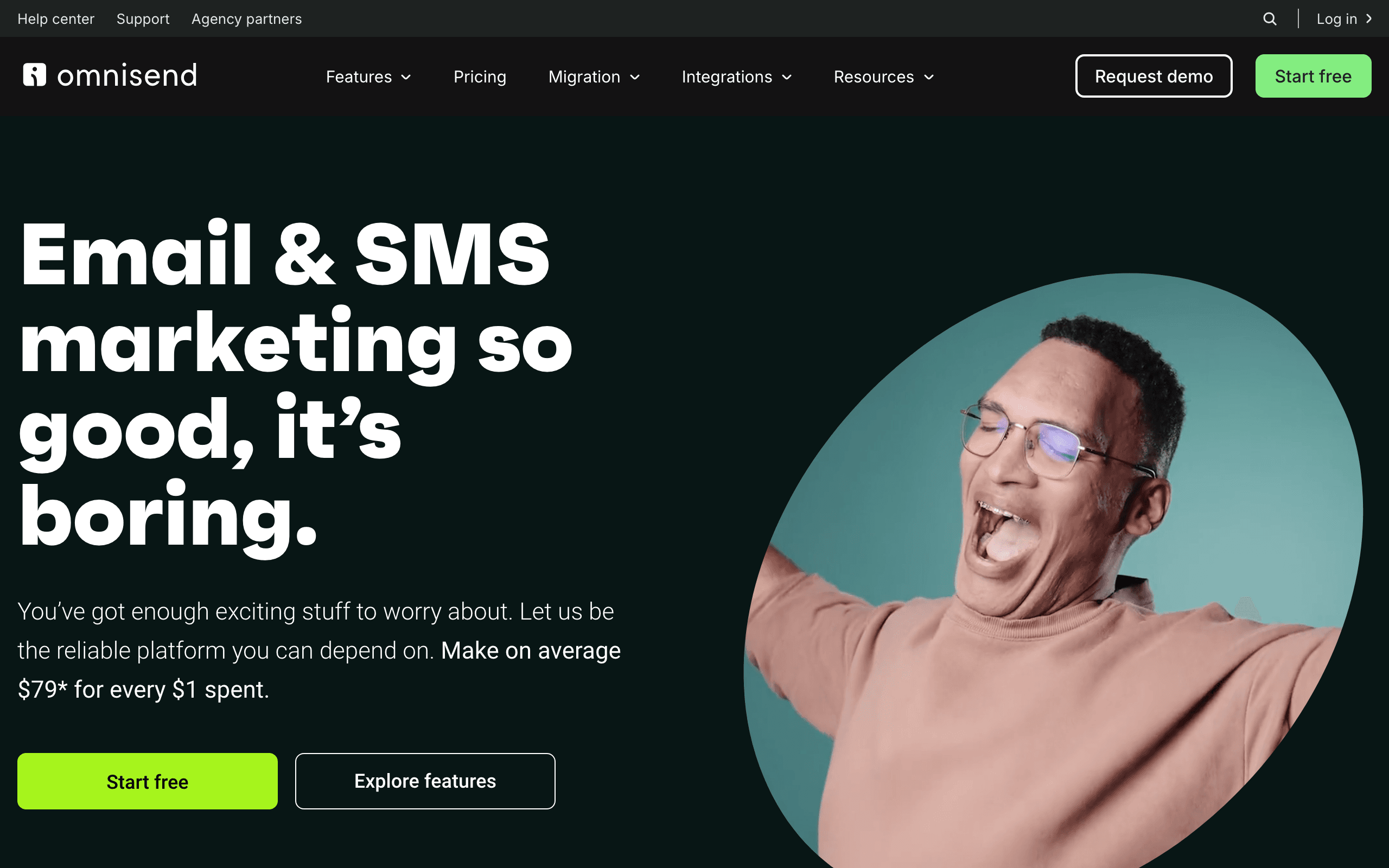
Best Salesforce Marketing Cloud alternative for e-commerce: Klaviyo or Omnisend
Klaviyo is email + SMS for e-commerce with the deepest Shopify integration. Omnisend adds push notifications at a lower price point. If you're retail and don't need full SFMC, either delivers the essentials.
The trade-off: e-commerce focused, gets expensive at scale. But self-serve and much faster to implement.
Best Salesforce Marketing Cloud alternative for B2B marketing: HubSpot or Marketo
HubSpot Marketing Hub is the most popular alternative for B2B inbound. Marketo is the enterprise B2B option within the Adobe ecosystem.
The trade-off: limited omnichannel, expensive at enterprise tier. But better B2B tooling than SFMC offers.
Best Salesforce Marketing Cloud alternative for mid-market automation: ActiveCampaign
ActiveCampaign delivers excellent marketing automation at $49-149/month. CRM included, good automation builder, self-serve.
The trade-off: no push notifications, limited enterprise features, smaller ecosystem. But handles 80% of needs at 5% of cost. Read our ActiveCampaign alternatives page for more options.
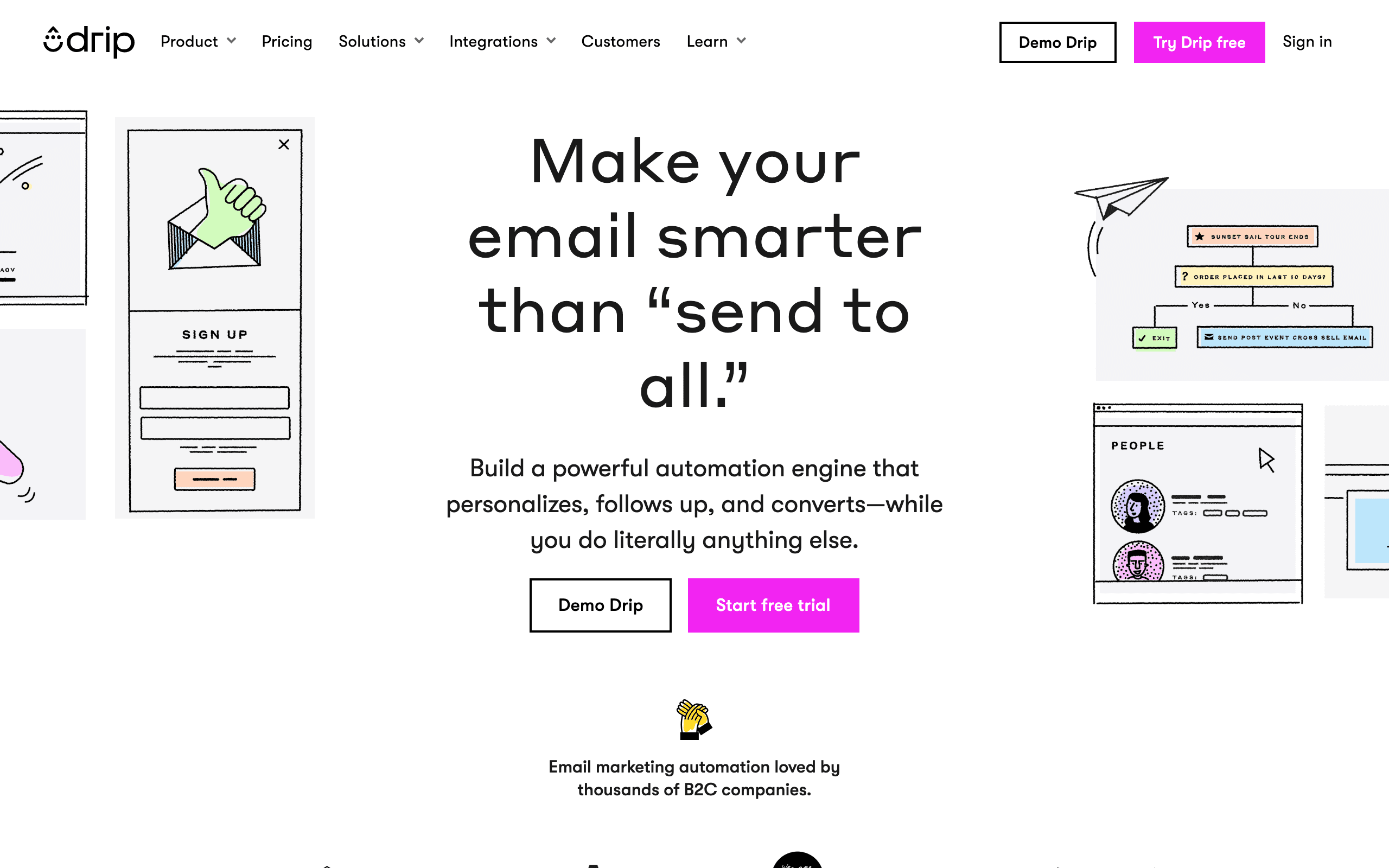
Best Salesforce Marketing Cloud alternative for SaaS email: Sequenzy
Sequenzy is focused email marketing for SaaS at $19/month. AI-generated sequences, Stripe integration, transactional + marketing. If SFMC is overkill, this might be enough.
The trade-off: email-first (push included, SMS as a US/Canada add-on, no ads), no Journey Builder equivalent. But 25x cheaper and you can start today.
| Primary channel mix | SFMC fit | Better alternative |
|---|---|---|
| Email + SMS + push + ads at enterprise scale | Strong | Stay with SFMC, Braze, Netcore, or Iterable |
| Shopify email/SMS | Too broad | Klaviyo or Omnisend |
| B2B inbound and sales alignment | Good but not focused | HubSpot or Marketo |
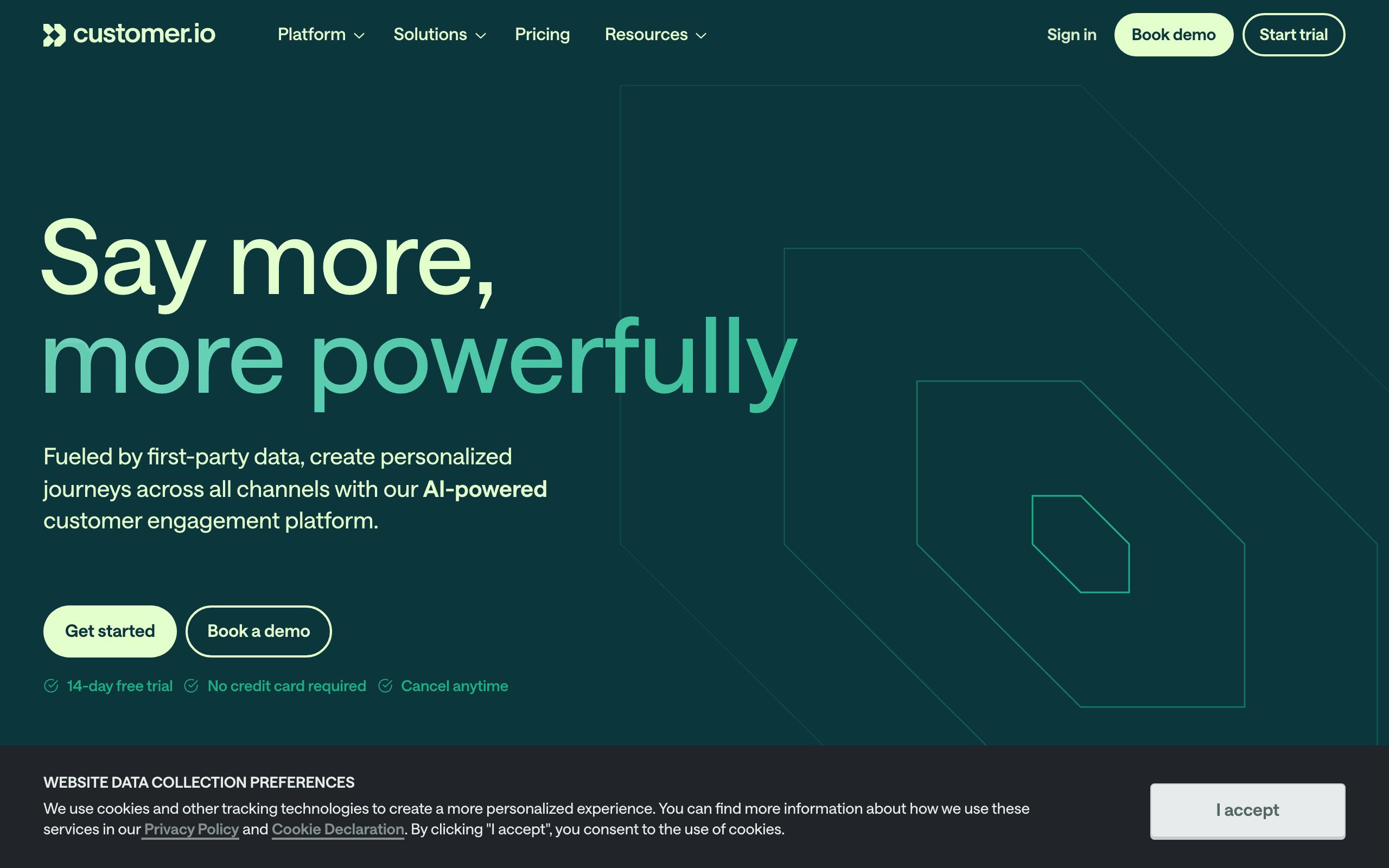
| SaaS lifecycle email | Overbuilt | Sequenzy or Customer.io |
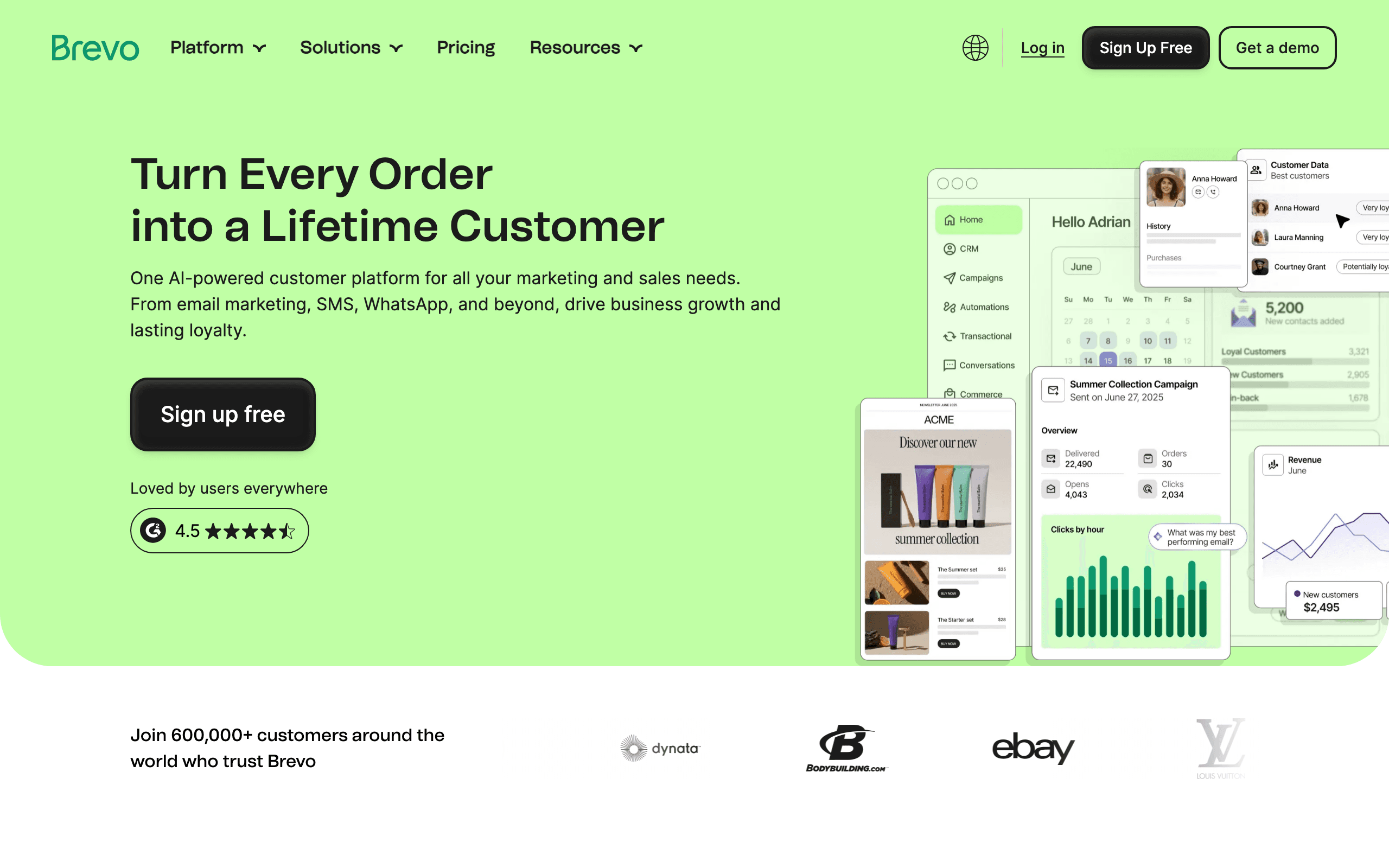
| Budget email/SMS | Too expensive | Brevo or Zoho Campaigns |
Cheapest Salesforce Marketing Cloud alternative: Brevo or Zoho Campaigns
Brevo (formerly Sendinblue) offers email + SMS with unlimited contacts from $65/month. Zoho Campaigns integrates with the broader Zoho suite from $15/month. Both are dramatically cheaper than SFMC.
The trade-off: basic automation, no omnichannel, limited enterprise features. But covers core email/SMS needs.
The Cost Reality
At 10,000 contacts, annual cost comparison:
| Platform | Annual Cost | Notes |
|---|---|---|
| SFMC Engagement | $15,000-50,000+ | Plus implementation |
| Braze | $60,000-200,000 | Enterprise commitment |
| Netcore | Custom | Performance-based alpha pricing model |
| Iterable | $20,000+ | Sales process required |
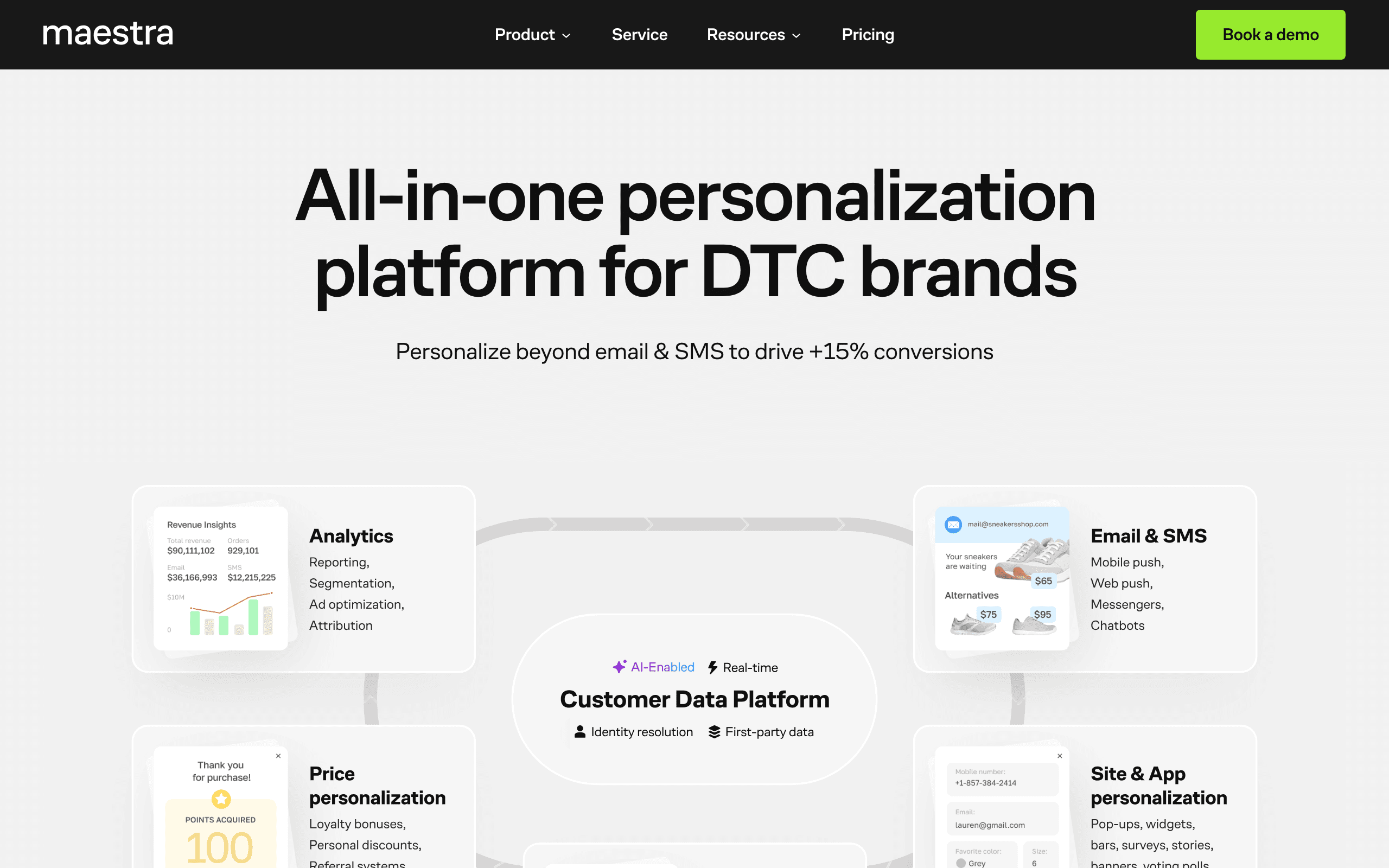
| Maestra | ~$36,000 | Dedicated CSM included |
| Marketo | $12,000+ | Adobe ecosystem |
| HubSpot Pro | $9,600 | Includes free CRM |
| Ortto Pro | $6,100 | Built-in CDP |
| Klaviyo | $1,800 | E-commerce focused |
| ActiveCampaign Pro | $1,788 | Includes CRM |
| Customer.io | $1,200 | Event-driven |
| Omnisend | $1,200 | E-commerce multi-channel |
| Sequenzy | $588 | AI-powered, Stripe integration |
| Brevo | $780 | Basic multi-channel |
| Zoho Campaigns | $360 | Zoho ecosystem |
SFMC makes sense at enterprise scale with omnichannel needs. For companies that mainly need email, the alternatives deliver similar value at 5-50x lower cost.
When SFMC Is Still the Right Choice
Stay with Salesforce Marketing Cloud if:
| Stay with SFMC when... | Switch when... |
|---|---|
| You have true omnichannel needs across email, SMS, push, and ads | Your actual campaigns are mostly email |
| Journey Builder is central to marketing strategy | Journey Builder is expensive workflow theater |
| You invested heavily in Salesforce ecosystem | Salesforce lock-in is slowing decisions |
| Dedicated marketing ops can manage complexity | Marketers need self-serve speed |
| Implementation budget and timeline are not constraints | You need results this quarter |
| Salesforce-grade security and compliance are required | Mid-market compliance is enough |
SFMC is excellent software for the right use case. The question is whether you have that use case.
Migration Considerations
Moving away from SFMC:
- Contact export: Export data extensions and subscriber lists
- Journeys: Document manually, recreate in new platform (won't transfer)
- Content: Export content blocks and templates
- Integrations: Rebuild any custom work
- Salesforce data: Separate migration if leaving CRM too
- Timeline: Plan for 4-12 weeks depending on complexity
The biggest question is whether you're also leaving Salesforce CRM. If so, that's a larger migration project to plan together. Read our email deliverability guide for best practices during transitions.
Use our email validator tool to verify your list quality, and check our SPF checker and DKIM checker to ensure your email authentication is configured correctly.








