
Why People Consider Pardot Alternatives
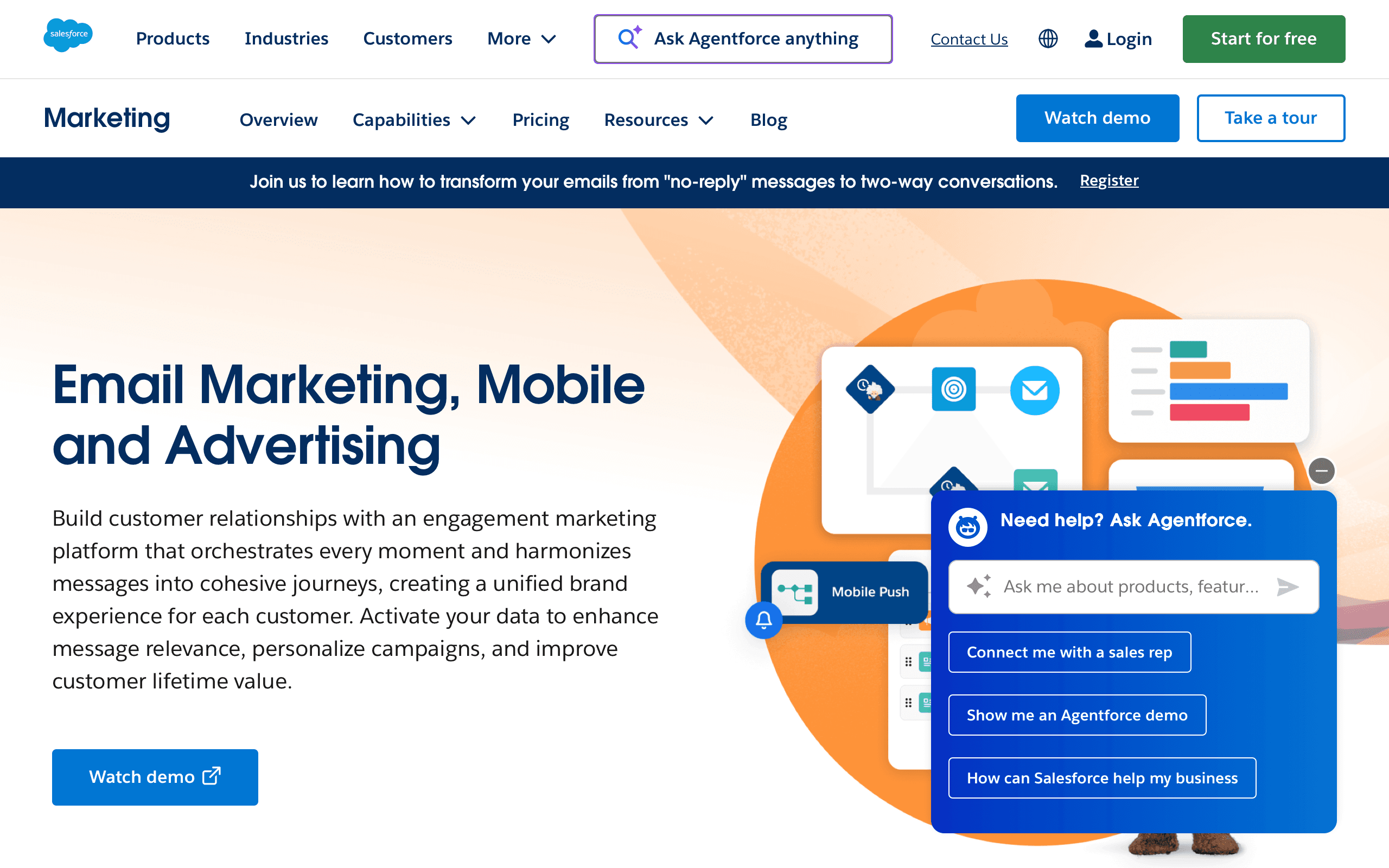
Pardot is genuinely powerful B2B marketing automation - for Salesforce users. But power comes with trade-offs. Now rebranded as Marketing Cloud Account Engagement, Pardot remains tightly coupled to the Salesforce ecosystem - which is either its greatest strength or its biggest limitation depending on your CRM strategy. The total cost of ownership including Salesforce licenses, implementation, and ongoing administration routinely exceeds $30,000 in the first year alone, making it one of the most expensive marketing automation options on the market.
The Salesforce Dependency Problem
Pardot is designed for Salesforce CRM. If you don't use Salesforce, Pardot's main value proposition disappears. If you're considering alternatives to Salesforce CRM, Pardot goes with it. Other marketing tools work independently. Read our Pardot comparison page for a detailed breakdown.
The Cost Problem
Pardot starts at $1,250/month, but that's not the full picture:
| Pardot cost layer | Typical impact | Why teams reconsider |
|---|---|---|
| Pardot Growth at $1,250/mo | $15k/year before add-ons | Too much for basic email and nurture |
| Salesforce CRM licenses | $25-300/user/month | Marketing cost depends on sales-seat footprint |
| Implementation | $2,000-10,000+ | Delays value before campaigns launch |
| Admin/training | Ongoing internal cost | Requires Salesforce and marketing ops expertise |
Year-one total for a small team can easily exceed $30,000. Many companies realize this cost doesn't match their marketing complexity.
The Complexity Problem
Lead scoring, nurturing workflows, engagement history, ABM features - Pardot has sophisticated B2B capabilities. But if your marketing is "send emails to customers," you're paying for unused complexity. Check our email automation glossary for what most teams actually need.
The Lock-in Problem
Once you're in Salesforce + Pardot, migrating away is a significant project. Data, automations, integrations all need rebuilding. The ecosystem lock-in is real. See our guide on choosing an email marketing platform for a fresh perspective.
The Alternatives, Honestly
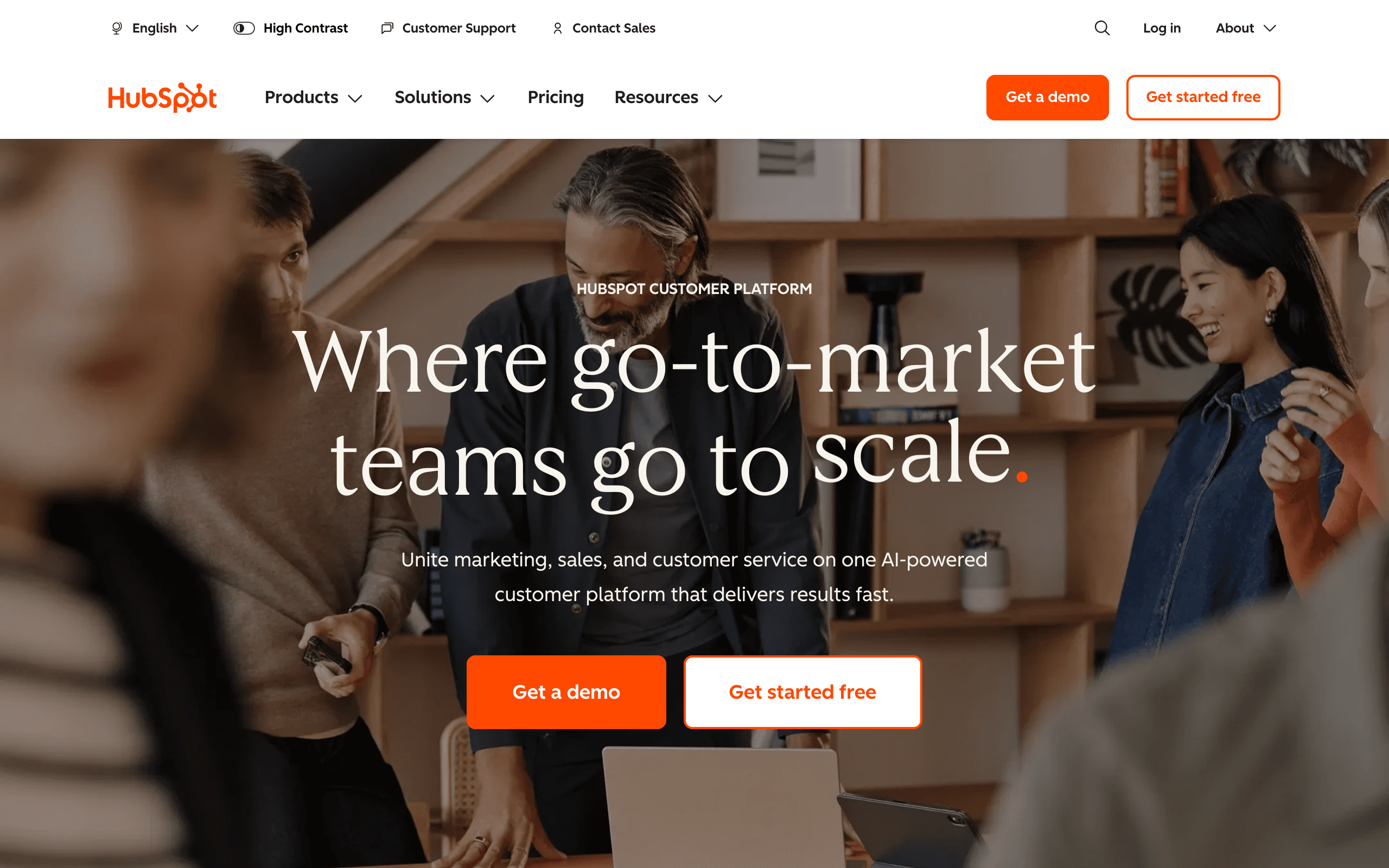
Best Pardot alternative without Salesforce: HubSpot
HubSpot Marketing Hub is the most popular Pardot alternative for companies not committed to Salesforce. Full marketing automation with its own (free) CRM, no dependencies. Check our HubSpot alternatives for more context.
The trade-off: still expensive at scale (Pro $800/mo), and HubSpot's CRM is less sophisticated than Salesforce for complex sales.
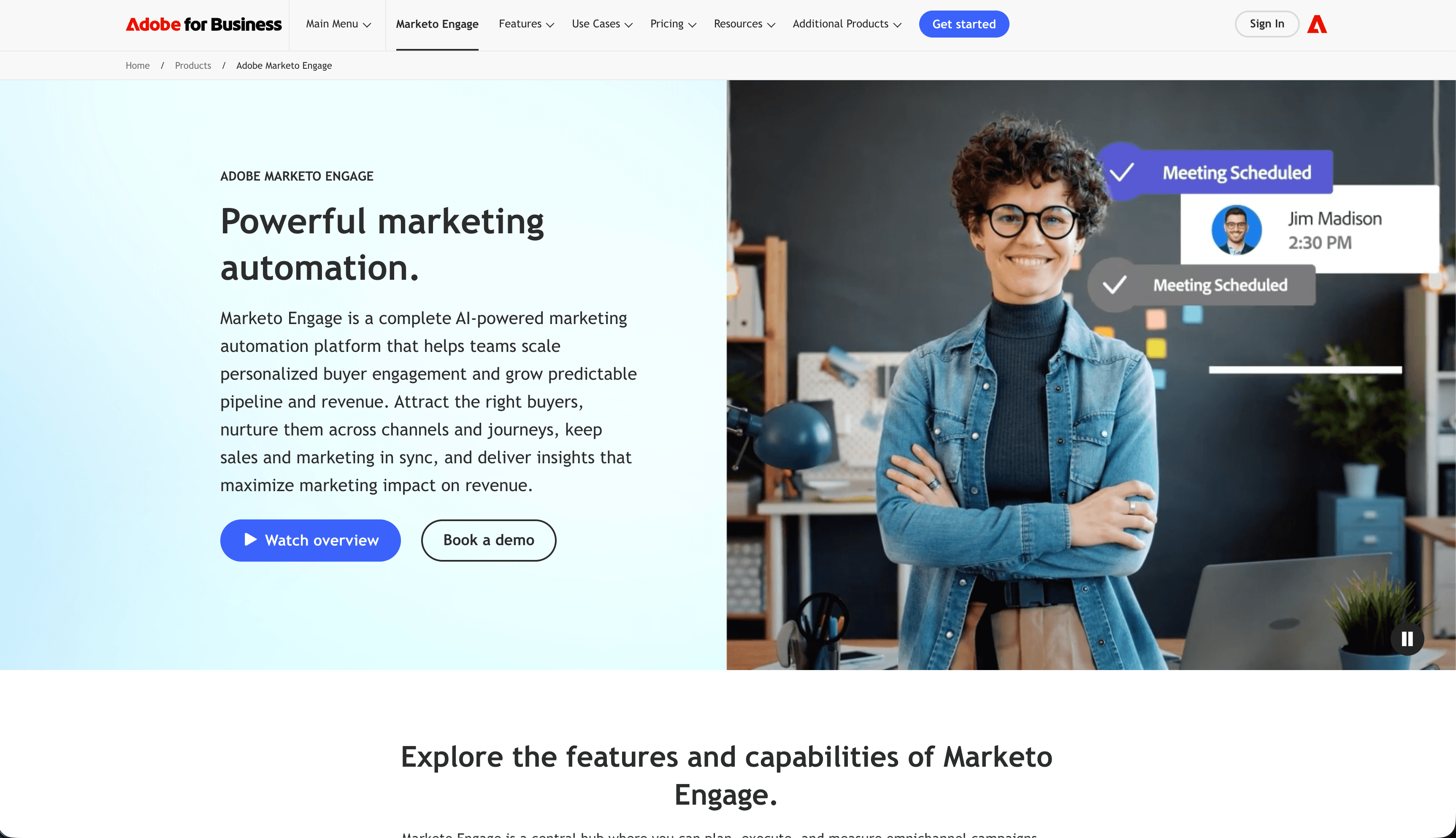
Best Pardot alternative for enterprise B2B: Marketo
Marketo is enterprise marketing automation without Salesforce dependency. Actually more sophisticated than Pardot for complex B2B marketing, with revenue attribution and ABM. See our Marketo alternatives page for comparisons.
The trade-off: very expensive ($895+/mo), complex implementation, steep learning curve. Enterprise commitment required.
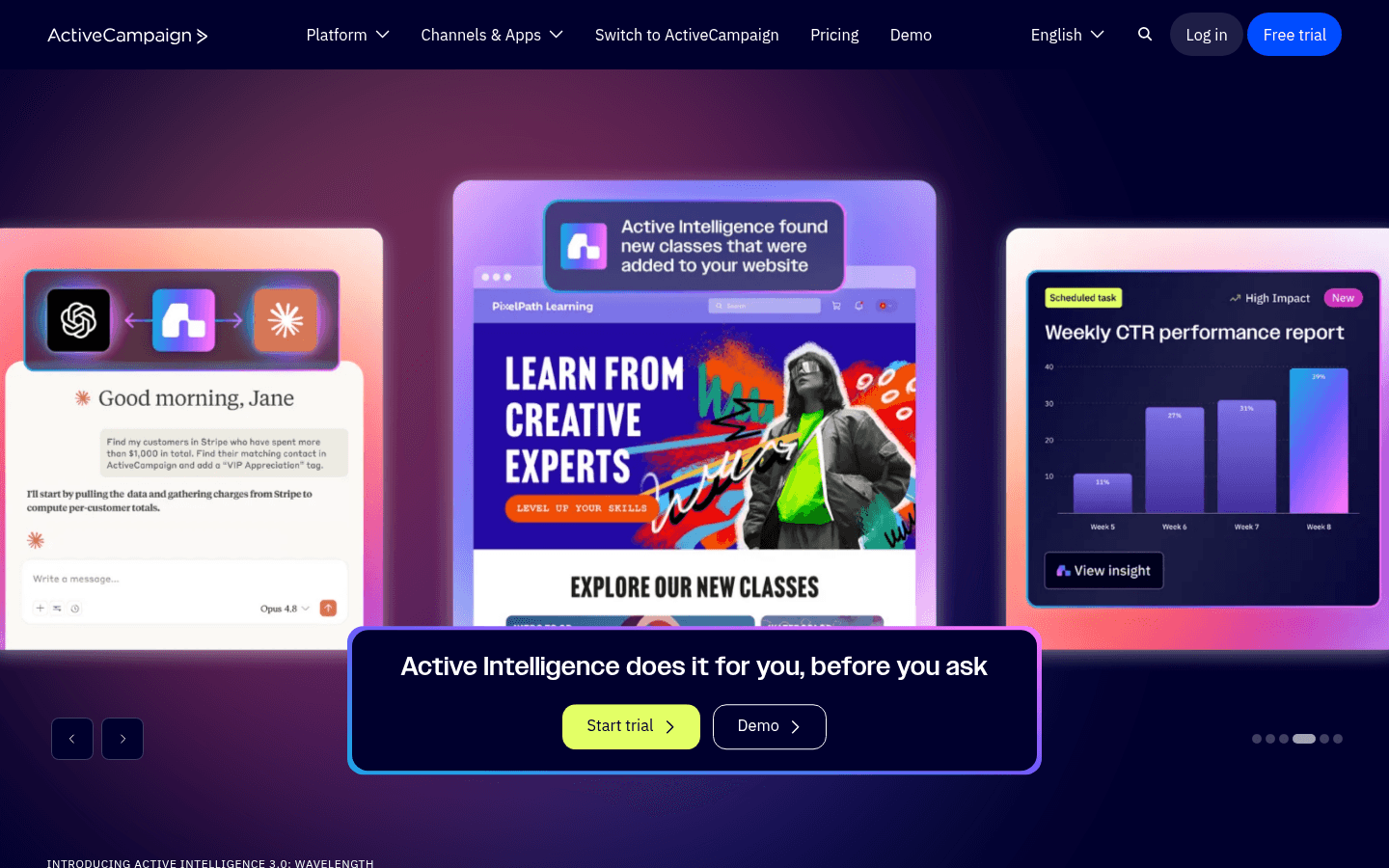
Best Pardot alternative for mid-market B2B: ActiveCampaign
ActiveCampaign delivers good B2B automation with built-in CRM at a fraction of Pardot's cost. Pro tier ($149/mo) handles most marketing automation needs.
The trade-off: CRM simpler than Salesforce, less sophisticated lead scoring, smaller ecosystem. But handles 80% of B2B needs.
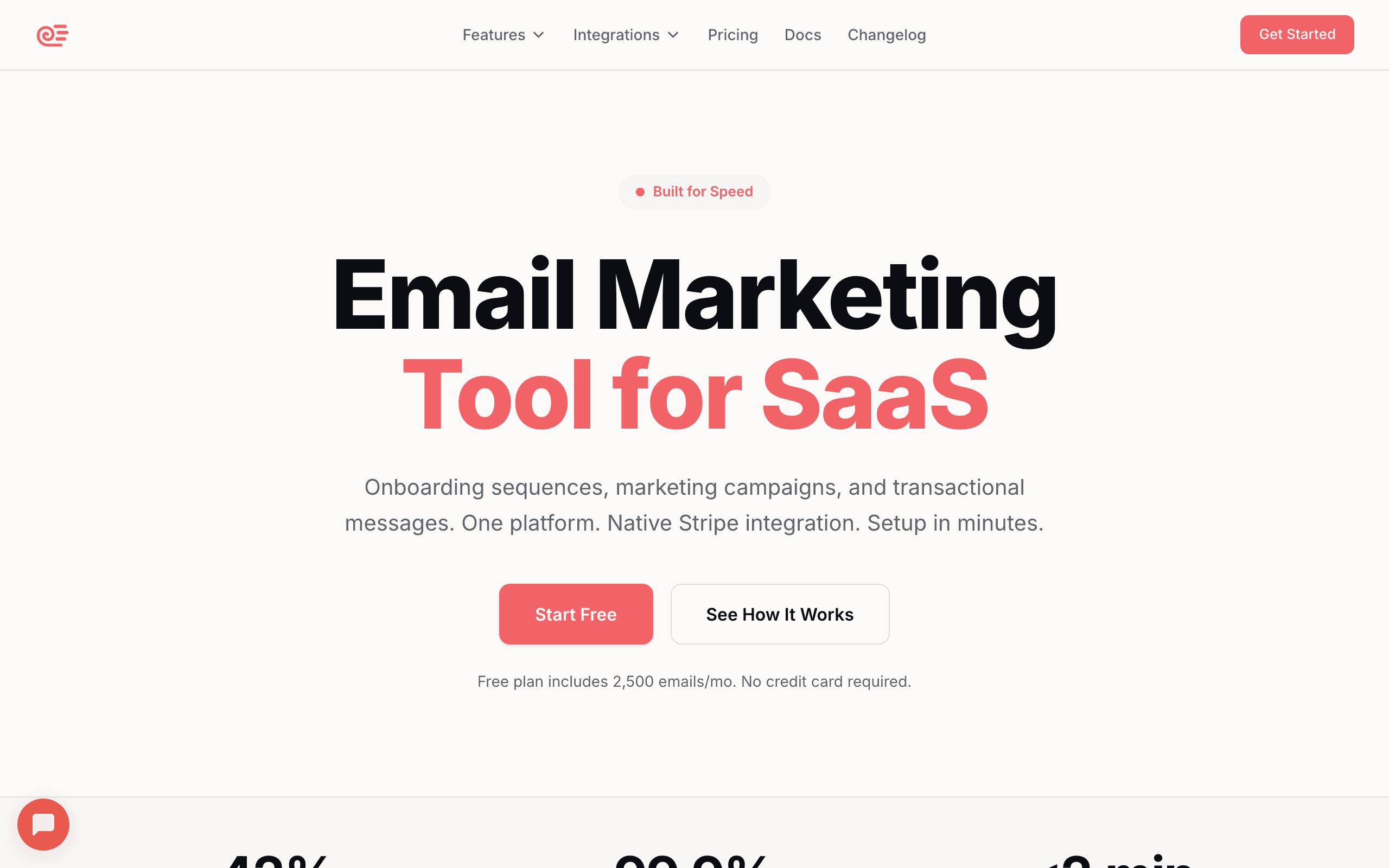
Best Pardot alternative for SaaS companies: Sequenzy
Sequenzy is focused email marketing for SaaS at $19/month. AI-generated sequences, Stripe integration, transactional + marketing. If Pardot is overkill, this might be enough.
The trade-off: no Salesforce integration, no B2B lead scoring, email only. But also 25x cheaper.
| CRM strategy | Best Pardot replacement | Why |
|---|---|---|
| Staying all-in on Salesforce | Stay with Pardot or compare SFMC | Native sales alignment matters |
| Leaving Salesforce too | HubSpot | CRM and marketing move together |
| Need enterprise B2B without Salesforce | Marketo | Stronger independent B2B automation |
| Need CRM plus automation at mid-market price | ActiveCampaign | Lower cost with enough CRM depth |
| SaaS email without sales-led complexity | Sequenzy | Billing-aware lifecycle email is more relevant |
Cheapest Pardot alternative for basic automation: Brevo
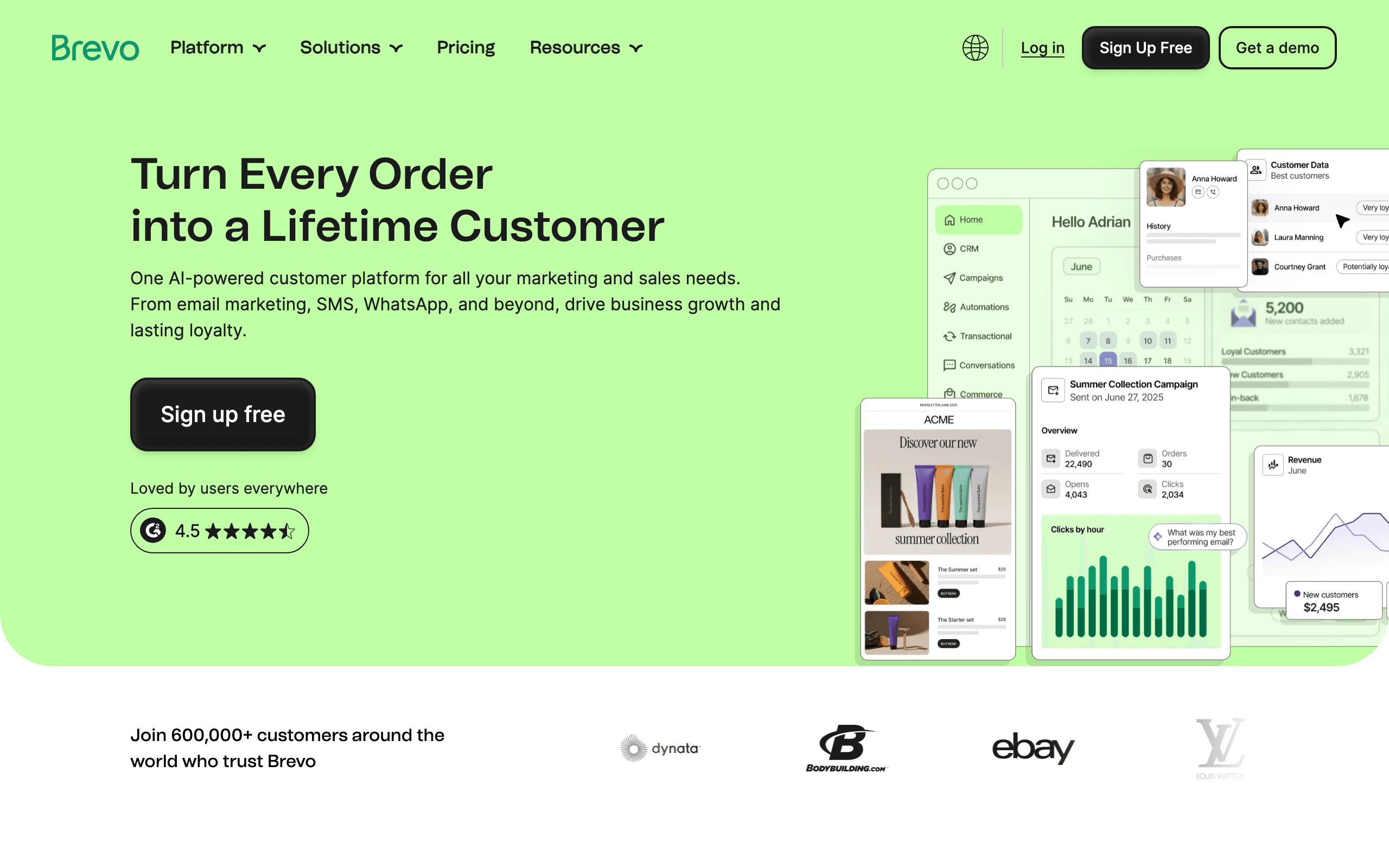
Brevo (formerly Sendinblue) offers unlimited contacts with marketing automation from $65/month. Dramatically cheaper than Pardot. Good for teams that need transactional email alongside marketing.
The trade-off: basic lead scoring, less sophisticated automation, no deep CRM integration. But covers core needs.
If you're staying in Salesforce but need more: Marketing Cloud
Salesforce Marketing Cloud is Salesforce's broader marketing platform - more omnichannel (email, SMS, push, ads) but less B2B sales-focused than Pardot. Different use cases.
If you want open-source: Mautic
Mautic provides Pardot-like features - lead scoring, visual automation, CRM, landing pages - at zero software cost if you can self-host. The trade-off is significant DevOps commitment.
The Cost Reality
At 10,000 contacts, annual cost comparison:
| Platform | Annual Cost | Notes |
|---|---|---|
| Pardot Growth | $15,000+ | Plus Salesforce licenses |
| Marketo Select | $10,740+ | Plus implementation |
| HubSpot Pro | $9,600 | Includes free CRM |
| Ortto Professional | $6,108 | Independent |
| ActiveCampaign Pro | $1,788 | Includes CRM |
| Encharge | $1,188 | SaaS-focused |
| Customer.io | $1,200+ | Event-driven |
| Sequenzy | $588 | AI-powered, Stripe integration |
| Brevo | $780 | Basic automation |
| MailerLite | $600 | Simple email |
| Mautic | ~$420 | Self-hosted |
Pardot makes sense when Salesforce is central to your business. For companies not committed to Salesforce, alternatives deliver similar or better value at lower cost.
When Pardot Is Still the Right Choice
Stay with Pardot if:
| Stay with Pardot when... | Switch when... |
|---|---|
| Salesforce CRM is central to business operations | Salesforce is not your long-term CRM |
| Sales needs lead intelligence inside Salesforce | Marketing can work from a lighter CRM or CDP |
| B2B lead scoring and nurturing is critical | You mostly need lifecycle email and newsletters |
| Account-based marketing matters to strategy | ABM is not actively managed by the team |
| You invested heavily in Salesforce ecosystem | Ecosystem lock-in is now the problem |
Pardot is excellent software for Salesforce shops. The question is whether you're a Salesforce shop.
Migration Considerations
Moving away from Pardot:
- Contact export: Export prospects and engagement data
- Salesforce data: Separate export if leaving Salesforce too
- Automations: Manual recreation in new platform
- Lead scores: Rebuild scoring logic (won't transfer)
- Integrations: Rebuild any custom work
- Timeline: Plan for 4-8 weeks minimum
The biggest decision is whether you're also leaving Salesforce CRM. If so, that's a larger migration project that should be planned together.
Use our email validator tool to verify your list quality, check our SPF checker and DKIM checker to ensure your email authentication is configured correctly, and review our email deliverability guide before migrating.









