

How to Choose the Right Email Tool for Your Tutoring Practice
Choosing the right email tool depends on your tutoring business structure, technical comfort level, and budget.
Solo Tutor vs. Tutoring Center
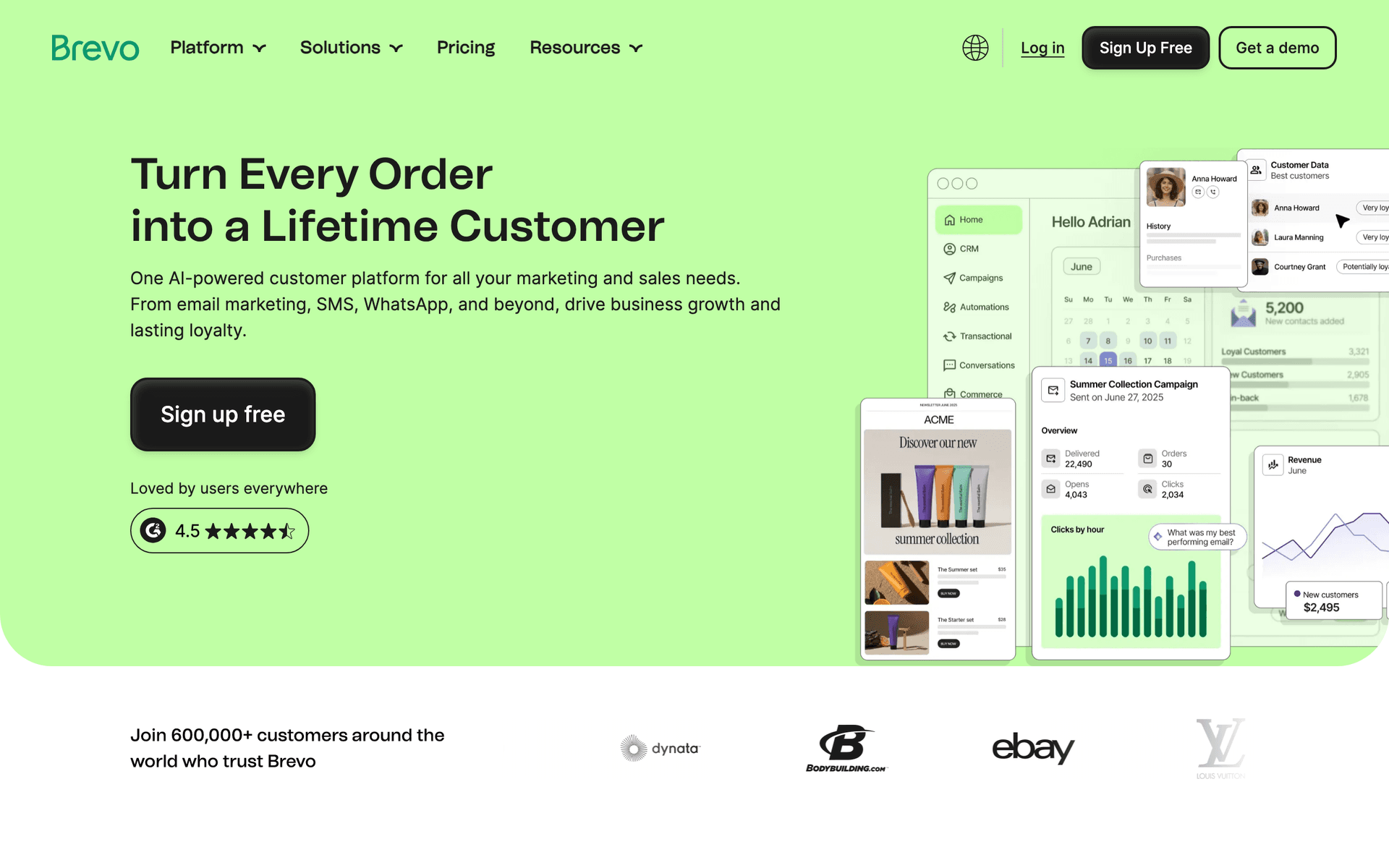
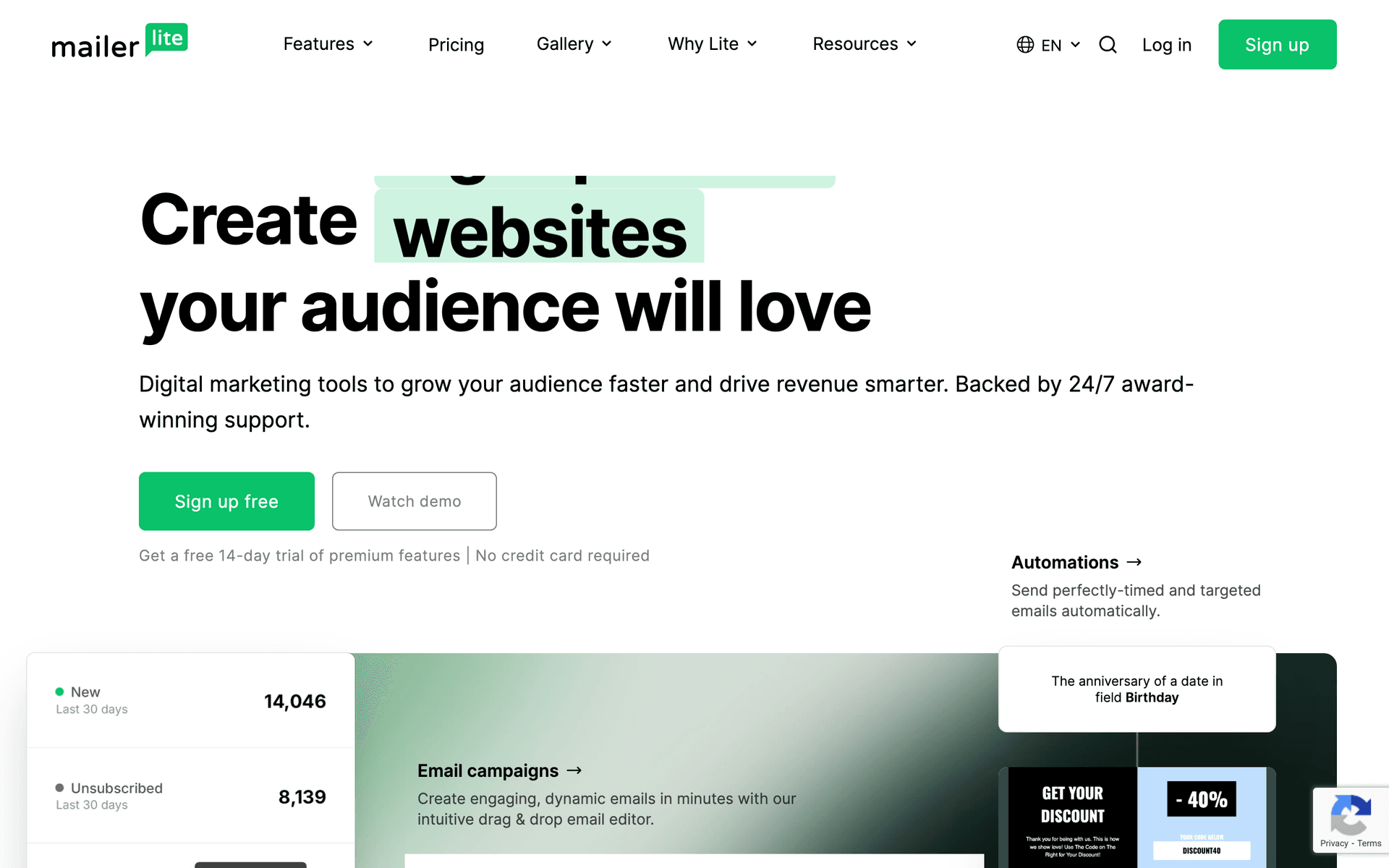
Solo tutors need simplicity above all else. You are doing everything - teaching, marketing, scheduling, and billing. Choose the simplest tool that handles automated session reminders, monthly progress emails, and seasonal promotions. Sequenzy, MailerLite, or even the Mailchimp free tier work well. Tutoring centers with multiple tutors and administrative staff can justify more complex tools like ActiveCampaign that offer CRM capabilities and multi-user access.
Online vs. In-Person
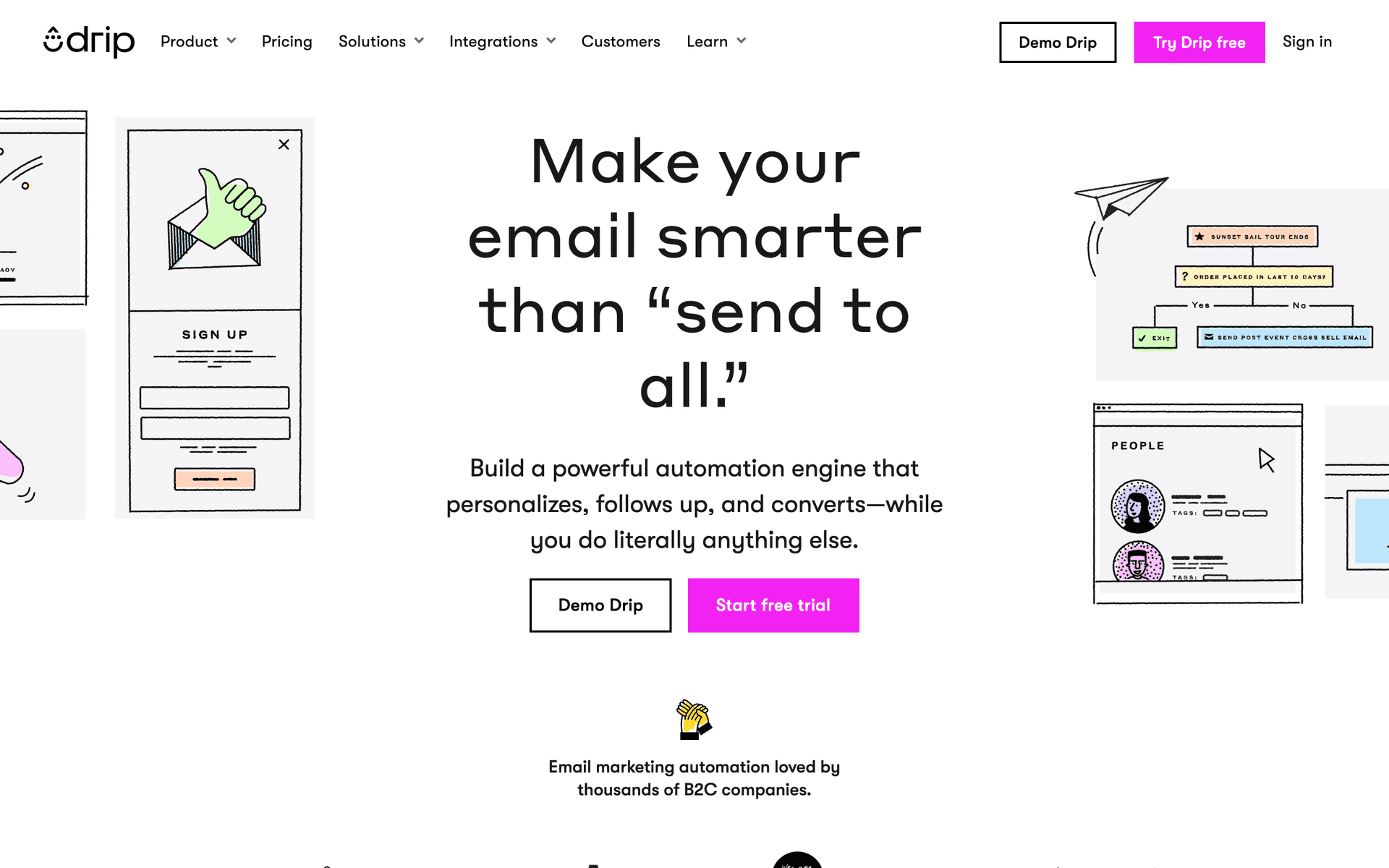
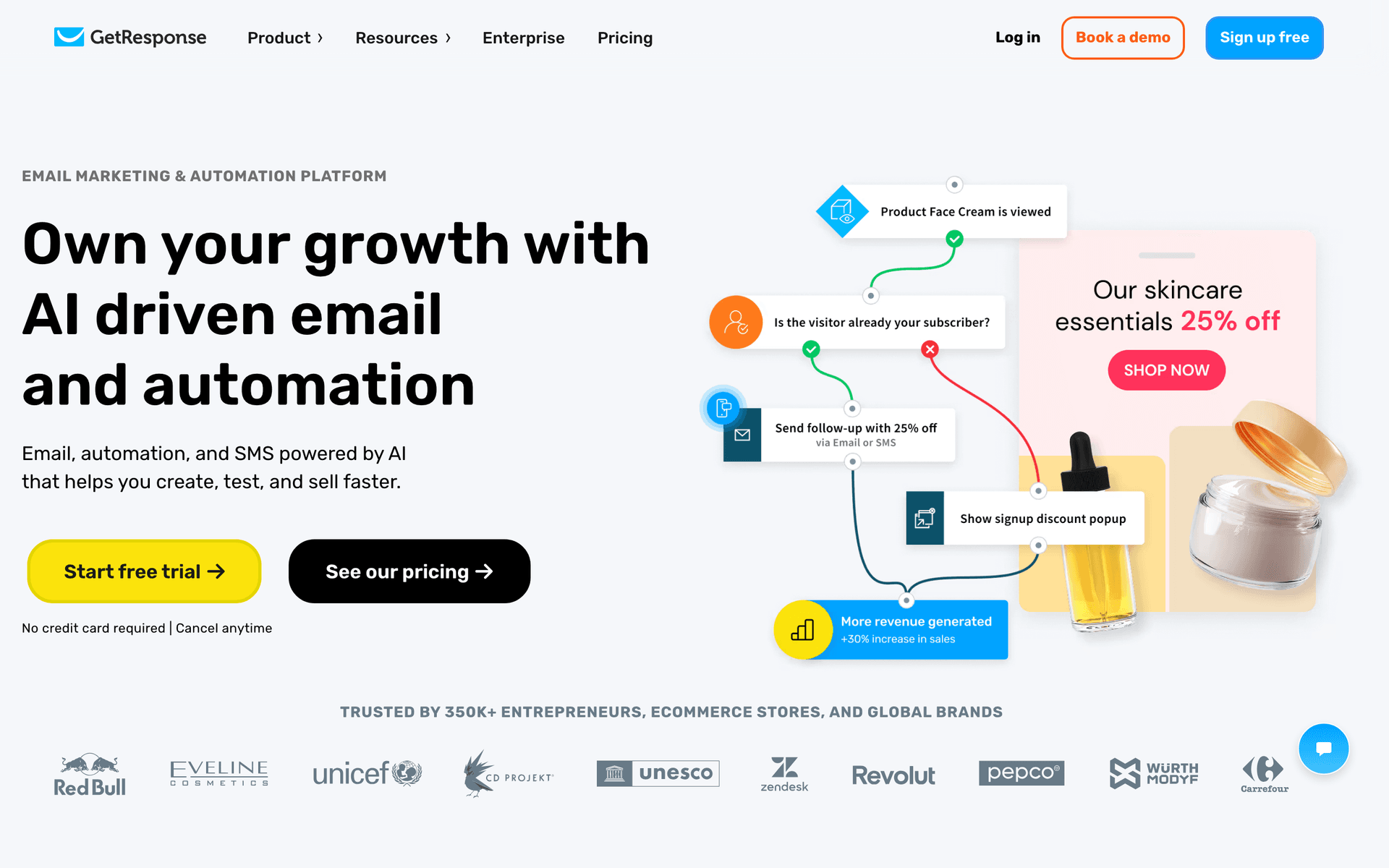
If you offer online courses or digital study materials alongside live tutoring, consider tools with e-commerce capabilities (Drip) or webinar features (GetResponse). If you are purely session-based, stick with simpler platforms focused on communication and automation.
Budget Reality for Tutors
Most solo tutors run lean operations. Your email tool should cost less than the revenue from one tutoring session per month. Calculate the actual cost at your contact list size - not the advertised starting price. Pay-per-email models (Sequenzy) or generous free tiers (MailerLite, ConvertKit) tend to be the most affordable for tutors.
Tutor Email Benchmark Table
| Email type | Healthy range | What it indicates | Improvement lever |
|---|---|---|---|
| Session reminder open rate | 55-75% | Parents rely on scheduling details | Include student name, time, and prep notes |
| Monthly progress update open rate | 60-80% | Parents value evidence of improvement | Lead with specific progress |
| Seasonal campaign click rate | 6-14% | Timing matches academic demand | Align with report cards and test dates |
| Referral request conversion | 4-10% | Families are satisfied enough to share | Ask after a milestone |
| Past-family reactivation | 5-12% | Previous clients still trust the tutor | Tie offer to current school season |
What Actually Works for Tutoring Email Marketing
Parents Want Progress Evidence
The single most impactful email a tutor can send is a monthly progress update. Parents are investing hundreds or thousands of dollars in tutoring and want evidence it is working. A structured monthly email covering what was taught, what improved, and what to focus on next gives parents confidence in their investment and dramatically reduces cancellation rates.
| Progress update section | What to include | Why parents care | CTA |
|---|---|---|---|
| What we covered | Topics and skills from recent sessions | Shows the work is structured | Review practice material |
| What improved | Specific skill, confidence, or score gain | Proves tutoring is working | Celebrate milestone |
| What needs practice | One clear focus area | Keeps expectations realistic | Complete assigned practice |
| What is next | Next lesson goal or test milestone | Shows a plan | Confirm next sessions |
| Parent note | How they can help at home | Makes support practical | Reply with questions |
Seasonal Timing Drives Enrollment
Tutoring demand follows the academic calendar. Back-to-school in August and September brings families looking for academic support. October and November trigger test prep demand. Report card periods generate urgent inquiries. January brings New Year resolution families. Summer program promotions fill between April and June. Align your promotional emails with these natural demand windows.
Referrals Are Your Best Marketing Channel
Happy tutoring families are incredibly effective at generating new clients. Parents talk to other parents about their children's education constantly. A tutor who systematically asks for referrals through email at the right moments - after test score improvements, after milestone achievements - can build their practice almost entirely through word of mouth.
Industry-Specific Email Strategies for Tutors
The Parent Communication Framework
Structure your ongoing parent communication around three types of emails:
- Progress updates (monthly): What was covered, what improved, what is next
- Practical value (bi-monthly): Study tips, homework strategies, learning resources
- Seasonal promotions (as needed): Test prep, summer programs, new services
This mix keeps parents engaged without feeling like every email is a sales pitch.
Test Prep Season Campaigns
Test prep is the highest-margin tutoring service and has built-in urgency. Start your SAT/ACT prep campaign 10-12 weeks before the test date. Send a three-email sequence: introduction to your approach and results (8 weeks out), social proof with past score improvements (6 weeks out), and final enrollment push with limited spots (4 weeks out). Include specific score improvement data from past students whenever possible.
Summer Program Promotion
Summer is make-or-break for many tutoring businesses. Start promoting summer programs by early April. Lead with the "summer slide" concept - students lose 2-3 months of learning gains over summer without continued practice. Offer different program formats (intensive daily, weekly maintenance, camp-style) to appeal to different family needs.
Integration Recommendations
Scheduling Tool Integration
Connect your scheduling tool (Calendly, Acuity, TutorBird) to your email platform via Zapier. When a session is booked, automatically send a confirmation email. When a session is completed, trigger a follow-up. This removes manual work and ensures consistent communication.
Payment and Billing
If you use an invoicing tool, connect it to your email platform to trigger re-enrollment campaigns when a package runs out or to send gentle reminders about upcoming renewals.
What a Healthy Email List Looks Like for Tutors
A typical solo tutor's email list after 2-3 years:
- Current families (active students): 15-40 contacts - email weekly (reminders) and monthly (progress)
- Past families (completed or paused): 50-150 contacts - email monthly with tips and seasonal promotions
- Inquiry leads (never enrolled): 30-100 contacts - email bi-monthly with value content and enrollment offers
- Referral prospects (from parent referrals): 10-30 contacts - welcome sequence then standard nurture
Total list size of 100-300 contacts is typical for a solo tutor. Tutoring centers may have 1,000-5,000 contacts. Focus your energy on current and past families - they have the highest conversion and retention rates.
| Segment | Best email content | Cadence | Business goal |
|---|---|---|---|
| Current families | Reminders and progress updates | Weekly/monthly | Retention |
| Past families | Seasonal support and referral asks | Monthly or seasonal | Reactivation |
| Inquiry leads | Proof, availability, and next steps | Short nurture sequence | Enrollment |
| Referral prospects | Welcome and consultation offer | Immediate then weekly | Convert warm lead |
| Test prep families | Deadline-based prep campaigns | 8-12 weeks before test | Higher-margin enrollment |
Getting Started This Week
- Set up automated session reminders - this immediately reduces no-shows and protects your income
- Create a monthly progress update template you can customize for each student
- Build a new student welcome sequence (3 emails over the first week)
- Import your family contacts and segment by status (current, past, inquiry)
- Plan your next seasonal campaign based on the upcoming academic calendar
Start with session reminders and monthly progress updates. These two automations have the biggest immediate impact on retention and professionalism.