
How to Choose the Right Email Tool for Your Test Prep Center
The best email marketing tool depends on your specific situation, and getting this decision right saves you time and money over the long run.
Center Size and Structure
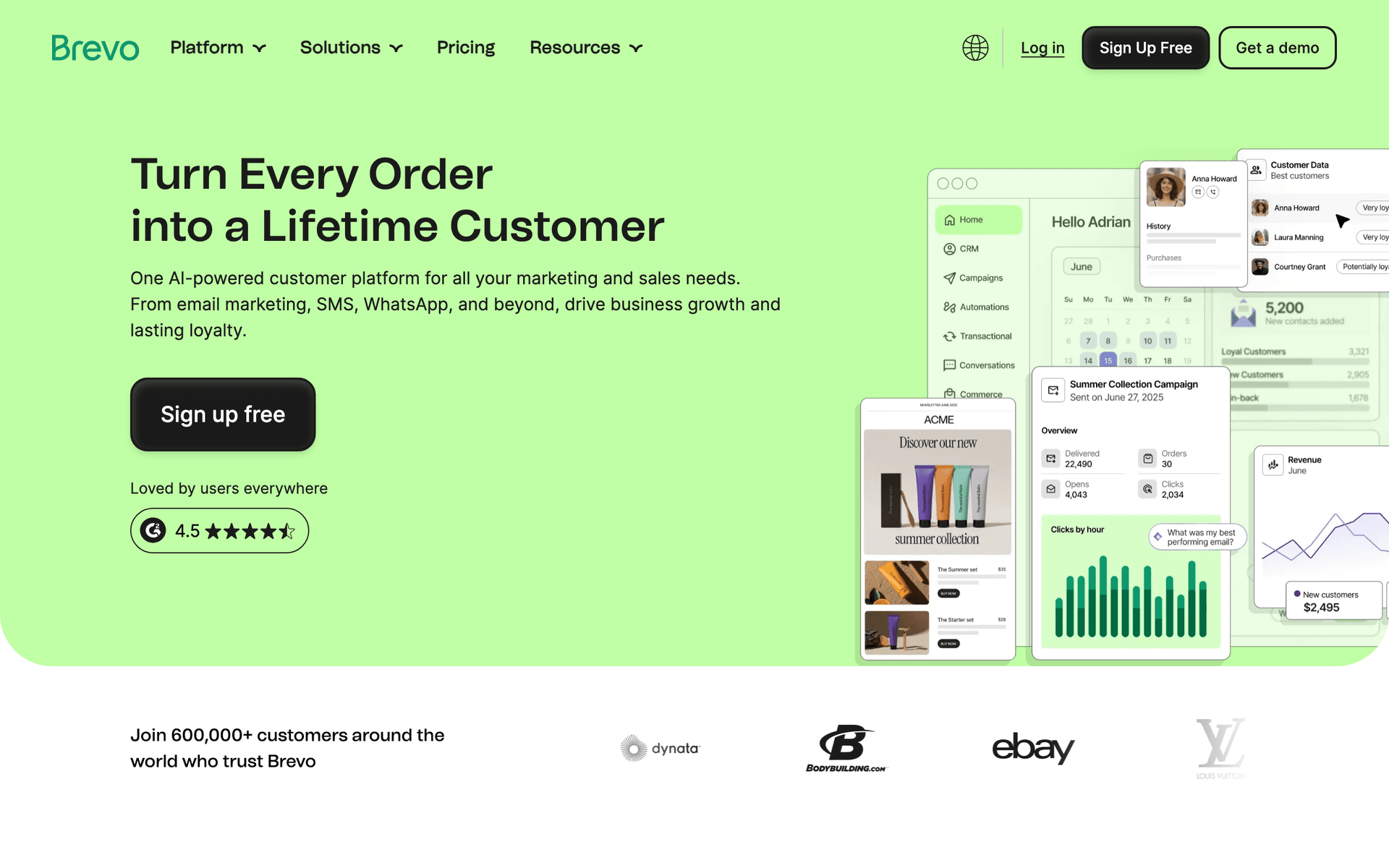
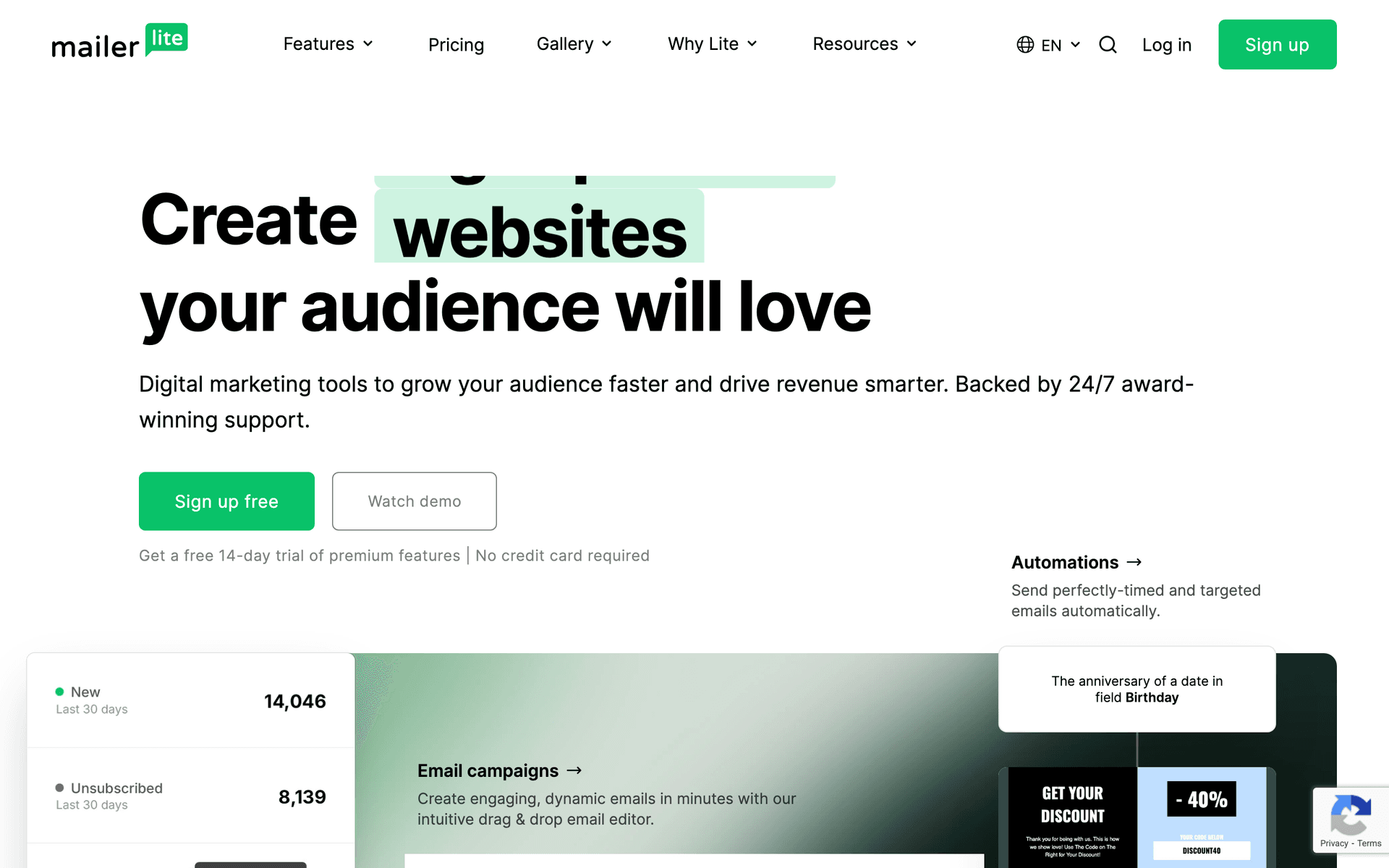
Small, single-location test prep centers can use simpler tools like Sequenzy or MailerLite. You do not need enterprise features when one person handles everything. Multi-location operations or franchises need platforms with team collaboration, role-based access, and multi-location reporting - ActiveCampaign or HubSpot handle this complexity.
Online vs In-Person Focus
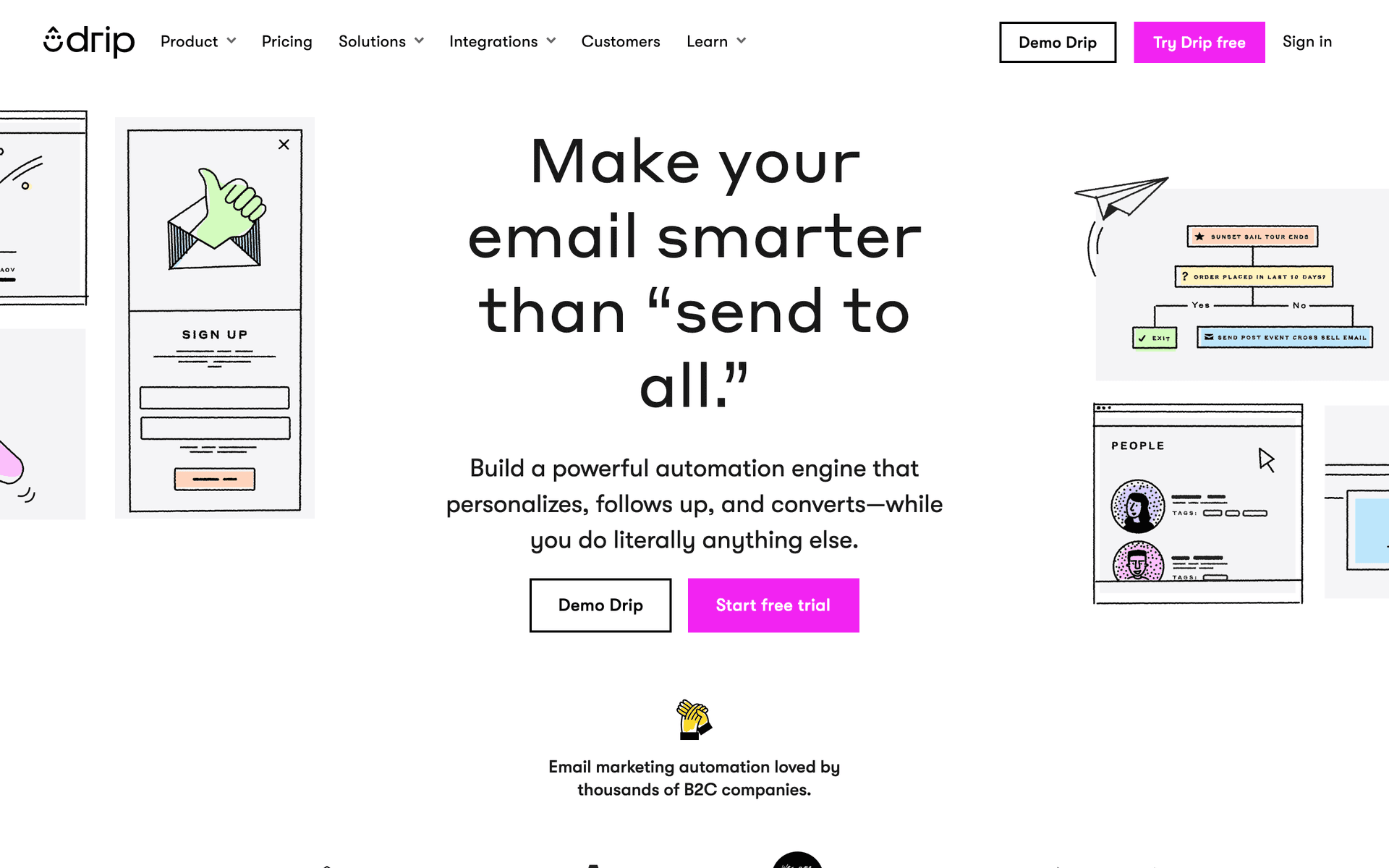
If you sell online courses, practice tests, or digital study materials alongside in-person prep, consider tools with e-commerce features like Drip or Shopify integrations. For centers focused entirely on in-person instruction, a simpler tool with strong automation is the better fit.
Budget Realities
Most test prep centers watch costs carefully, especially during off-peak months. Calculate what each tool costs at your actual contact list size, not the advertised starting price. A tool showing $13/month on the homepage might cost $100/month for the 5,000 student and parent contacts you have accumulated over five years. Per-email pricing (like Sequenzy) protects you from this.
Test Prep Email Benchmark Table
| Email type | Healthy range | What it shows | Improvement lever |
|---|---|---|---|
| Inquiry follow-up open rate | 45-65% | Families still remember the request | Respond within one hour |
| Study resource click rate | 10-20% | Students value the teaching sample | Include one practical exercise |
| Enrollment campaign click rate | 6-14% | Deadline timing is relevant | Segment by test and test date |
| Parent ROI email reply rate | 2-6% | Parents are considering investment seriously | Use score gains and outcomes |
| Referral request conversion | 3-8% | Successful students are willing to share | Ask after score improvement |
What Actually Works for Test Prep Centers
After talking to dozens of test prep professionals about their email marketing:
Timing Is Everything
Test registration deadlines drive enrollment decisions. Email campaigns timed 6-8 weeks before these dates consistently outperform random promotions by 3-5x. Map out every major test registration deadline at the start of each year and build your email calendar around them.
Results Sell Better Than Features
Score improvement stories and testimonials are your most powerful email content. A parent reading that a student improved their SAT score by 200 points is more compelling than any description of your teaching methodology. Share specific, quantified results consistently in your emails.
Parents Make the Decision
Even for college-age students taking the GRE or GMAT, parents often influence the choice of test prep provider. For high school students, parents almost always make the final call. Your emails need to address both audiences - motivational and practical for students, ROI-focused for parents.
Speed Wins Enrollments
The test prep center that responds to an inquiry within one hour is dramatically more likely to win the enrollment than the center that waits a day. Automate your inquiry response so every lead gets an immediate acknowledgment, followed by a structured nurture sequence.
| Lead moment | Email to send | Audience | Goal |
|---|---|---|---|
| New inquiry | Immediate response and next step | Parent and/or student | Book diagnostic or consultation |
| Diagnostic completed | Score review and prep path | Parent decision-maker | Convert to enrollment |
| Registration deadline approaching | Test-date-specific reminder | Students with matching test | Create urgency |
| Mid-program | Progress and motivation update | Student plus parent | Improve completion and retention |
| Score received | Celebration and referral ask | Successful student and parent | Generate proof and referrals |
Building Your Email Calendar Around the Testing Calendar
Test prep email marketing follows a natural calendar driven by standardized test dates. Here is a framework:
January Through March
SAT and ACT spring registration season. Target high school juniors and their parents with enrollment campaigns. Also GRE and GMAT prep for spring test dates.
April Through June
AP exam season. Sports physical season for fall athletes. Summer intensive program promotion. Early fall SAT/ACT registration campaigns.
July Through September
Back-to-school campaigns. Fall SAT, ACT, GRE, and GMAT preparation. LSAT September test date preparation.
October Through December
Early application deadlines drive SAT/ACT urgency. GRE and GMAT winter test dates. Year-end enrollment for spring programs. Holiday gift certificate promotions for tutoring packages.
Measuring Email Marketing Success
Track these metrics to understand what is working:
Inquiry-to-enrollment conversion is your most important metric. A well-optimized email nurture sequence should convert 15-25% of inquiries into enrolled students. If you are below 10%, your follow-up needs work.
Email-driven revenue measures how much of your enrollment comes from email touchpoints. Attribute revenue to the email sequences that contributed to each enrollment decision.
Student retention rate tracks how many enrolled students complete their full program. Between-session study tip emails and motivation sequences directly improve this number.
Referral rate from email measures how many new inquiries come from referral request emails sent to current and past students. Aim for 5-10% of your active student base generating at least one referral per year.
| Metric | Healthy target | Why it matters | Where to improve if low |
|---|---|---|---|
| Inquiry-to-enrollment conversion | 15-25% | Measures whether nurture turns interest into revenue | Response speed and proof emails |
| Diagnostic booking rate | 20-40% | Shows lead quality and offer clarity | First follow-up CTA |
| Study tip engagement | 30%+ opens, 5%+ clicks | Predicts student motivation | More specific test-topic content |
| Program completion rate | 80%+ | Protects outcomes and referrals | Motivation and progress emails |
| Referral rate | 5-10% of successful students | Lowers acquisition cost | Ask after score proof |
Getting Started
Pick a tool from this list. Then follow this priority order:
- Import your student and parent contact list with test type tags
- Set up an automated inquiry follow-up sequence
- Create test date reminder automation
- Build a weekly study tips drip campaign
- Plan enrollment campaigns around the next registration deadline
Start with the inquiry follow-up sequence since it directly drives revenue. Add the others over the following weeks. Do not try to build everything at once.