
Updated 2026-03-15

Best Email Marketing Tools for Plant Nurseries

Drive seasonal traffic, build gardener loyalty, and grow your nursery business with the right email marketing platform.

Plant nurseries live by the seasons. Spring rush, summer care, fall planting, winter planning. Email helps you reach gardeners at the right moments with the right plants and advice. When those first tomato starts arrive or that rare perennial finally comes in, your email list is full of customers waiting for exactly that news. Here are 13 email marketing platforms that work for plant nurseries.

TL;DR

Sequenzy is the best fit for nurseries because its AI generates seasonal announcements and plant care sequences instantly, and pay-per-email pricing handles the wild volume swings between spring rush and winter quiet. For a free starting point, MailerLite offers 1,000 subscribers with good landing pages for workshop signups.

Why Plant Nurseries Need Email Marketing

Drive Seasonal Traffic

Gardeners plan ahead. Spring arrival announcements bring crowds when it matters most. Get them to your nursery before competitors.

Announce New Arrivals

Rare plants and popular varieties sell fast. Email alerts ensure serious gardeners see new inventory immediately.

Share Growing Advice

Your expertise is valuable. Tips and care guides build trust and keep customers coming back for advice and plants.

Promote Events and Classes

Workshops, plant sales, and garden tours need attendance. Email reaches gardeners who want to learn and buy.

Plant Nurseries Email Marketing Benchmarks

Know these numbers before you start. They'll help you set realistic goals and pick the right tool.

30-38%
Average Open Rate

Nursery emails enjoy high open rates because gardeners actively want seasonal information and new arrival alerts. Rates peak during spring planting season.

4-7%
Average Click Rate

Plant arrival alerts and workshop invitations drive strong clicks because they offer immediate, actionable value.

Saturday morning, 8-9 AM
Best Send Time

Gardeners plan their weekend nursery visits Saturday morning. An email landing at 8 AM drives same-day foot traffic.

15-25% per spring season
Seasonal List Growth

A nursery actively collecting emails at checkout and through workshop registrations should grow its list by 15-25% each spring season.

Important Tips Before You Choose

Lessons from plant nurserieswho've been doing this for years. Save yourself the trial and error.

Segment by Plant Interest - Edibles vs. Ornamentals vs. Native Plants

A customer who buys tomato starts every spring does not care about your Japanese maple sale. Tag customers by what they buy and send relevant inventory alerts. This one change can double your click rates.

Send Arrival Alerts the Morning New Shipments Land

Rare plants and popular spring varieties sell out fast. Email your list the moment a shipment arrives - not the next day, not the next week. Serious gardeners will drive to your nursery within hours of getting that alert.

Include Zone-Specific Planting Calendars in Your Emails

A planting calendar for your specific USDA hardiness zone is enormously valuable content. Share what to plant this month and link each plant to your inventory. This drives both trust and sales.

Use Workshop Registration as Your Top List-Building Tool

Gardening workshops are the single best way to grow your email list. Every registration captures an email from an engaged local gardener who is likely to become a repeat customer.

Time Spring Emails to Soil Temperature, Not Calendar Date

Spring planting timing varies by year. Instead of sending your spring rush emails on March 15 every year, tie them to actual soil temperature readings. Your gardening expertise makes this advice authentic and valuable.

Create an End-of-Season Clearance Email Series

Late-season clearance emails move inventory that would otherwise be lost. A three-email series - announcement, reminder, final day - can clear 30-50% of remaining seasonal stock.

13 Best Email Marketing Tools for Plant Nurseries

Our Top Pick for Plant Nurseries
#1
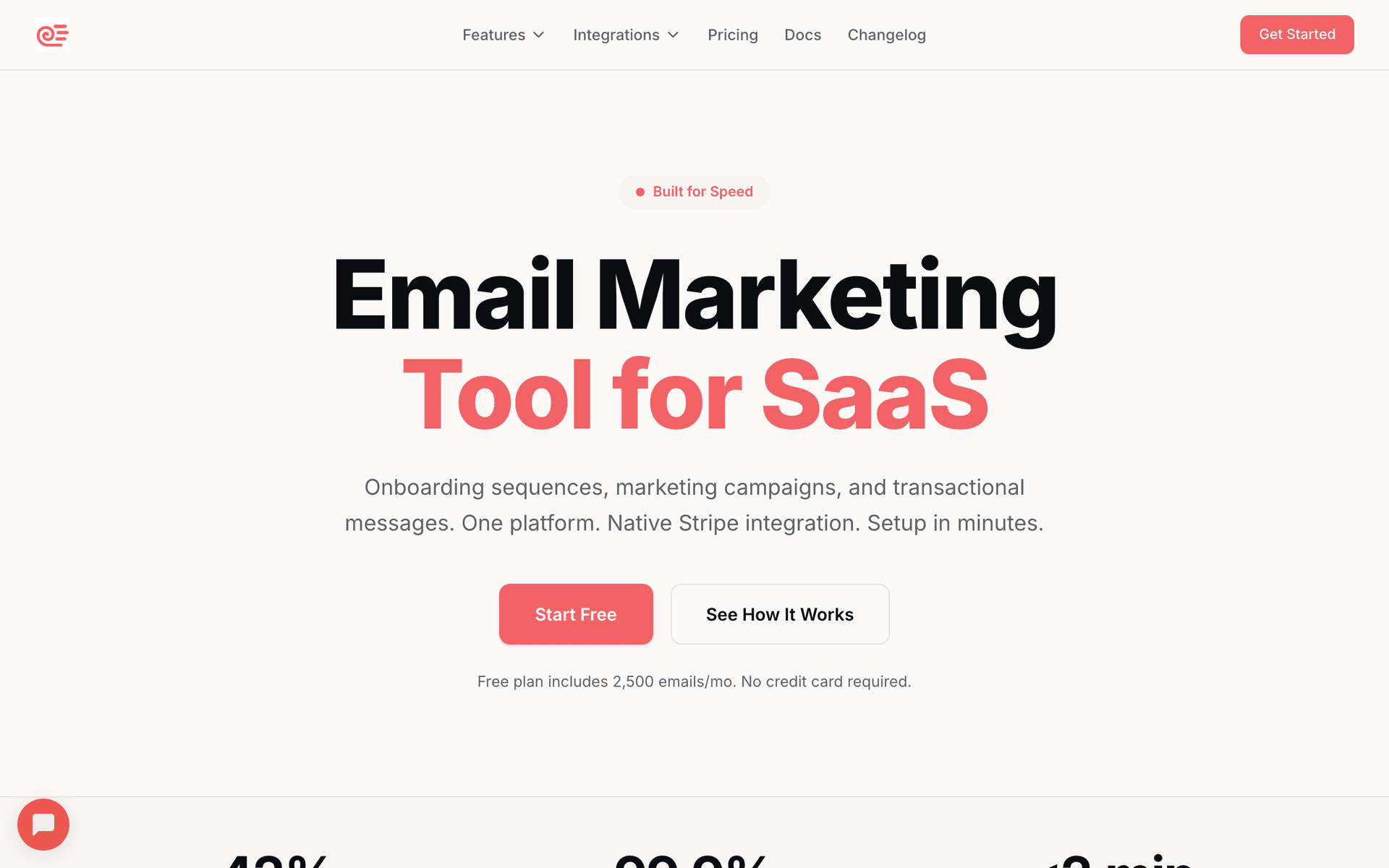
Sequenzy

AI-powered email marketing for small businesses.

Visit

Sequenzy is the top pick for nurseries because the AI sequence builder creates seasonal announcements, plant care tip series, and workshop promotion flows in seconds. Describe your nursery and what you sell, and the AI generates a full seasonal email calendar. The free tier covers up to 2,500 emails per month, which is enough for a small nursery during winter months. The pay-per-email model on the $29/month plan is particularly smart for nurseries because your sending volume swings wildly - you might send 5 emails per week during spring rush and one per month in winter. You only pay for what you send. The interface is simple enough to use between watering rounds, and tagging customers by plant preferences (edibles, ornamentals, natives) lets you send relevant arrival alerts.

Best for
Nurseries wanting automated seasonal marketing
Pricing
Free up to 2,500 emails/mo, then $29/mo for 50K emails (unlimited contacts)

Pros

  • AI writes nursery sequences
  • Simple interface
  • Pay per emails sent
  • Direct founder support
  • Free tier for getting started

Cons

  • Launched in 2025, less track record
  • No built-in SMS
  • Fewer templates
#2
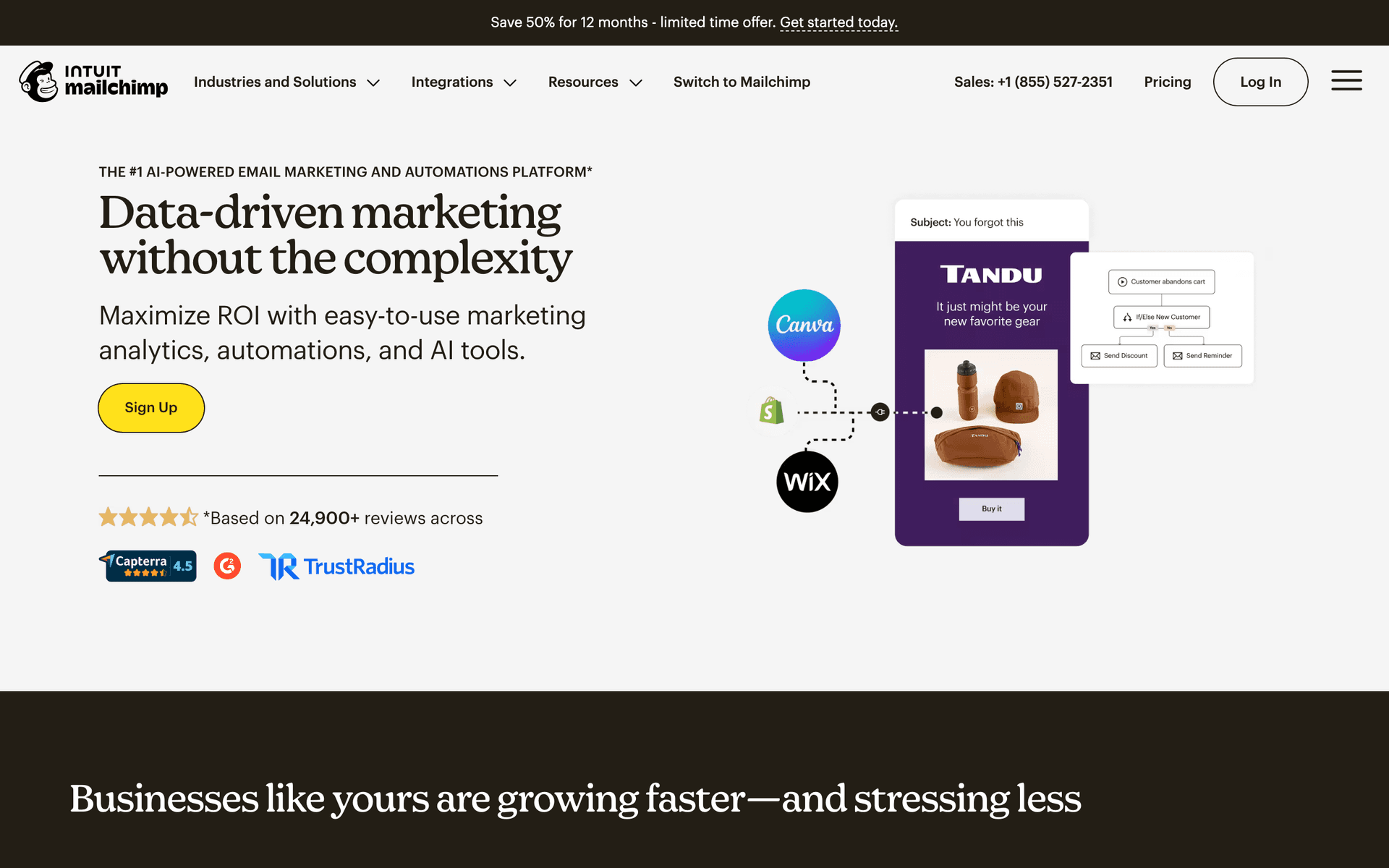
Mailchimp

Popular platform with broad integrations.

Visit

Mailchimp is what many nurseries try first because it is the name everyone knows. The template editor handles plant photography well, and the drag-and-drop interface makes creating seasonal newsletters straightforward. The free tier covers 500 contacts, which works for a very new nursery. The frustration comes when your gardener list grows past 500 and you hit the paid tier at $13/month, then $20/month at 1,500 contacts, and up from there. Over years of collecting emails at checkout, nursery customer lists grow large, and Mailchimp's per-contact pricing punishes that. Automation is basic - welcome sequences work, but seasonal triggers based on dates require manual scheduling.

Best for
Nurseries wanting a well-known platform
Pricing
Free up to 500 contacts, then $13-350/month

Pros

  • Many templates
  • Broad integrations
  • Strong deliverability
  • Good analytics

Cons

  • Gets expensive
  • Not nursery-focused
  • Support declined
  • Interface overwhelming
#3
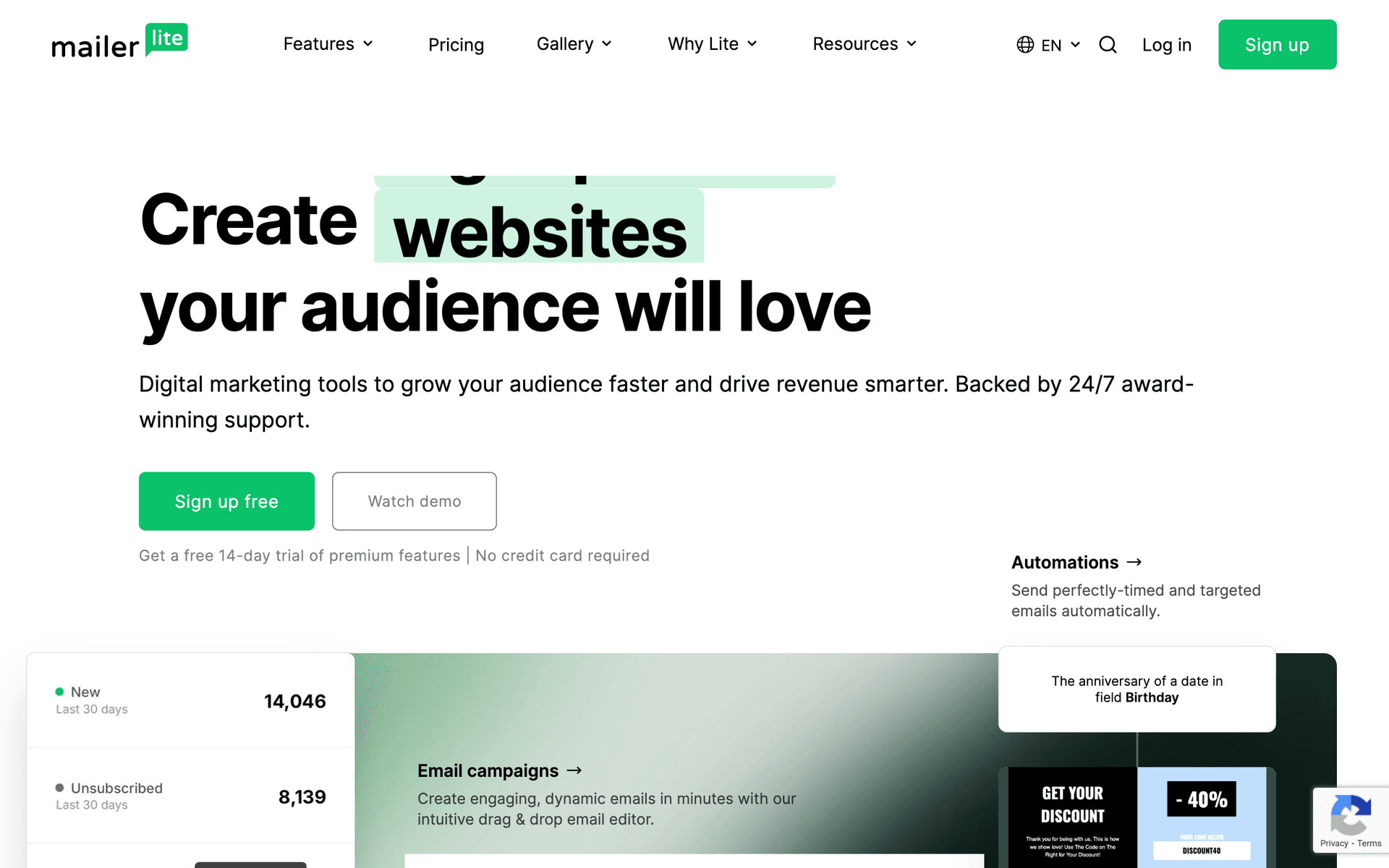
MailerLite

Clean and affordable for newsletters.

Visit

MailerLite is the best value option for nurseries wanting simplicity. The clean interface makes creating seasonal updates and plant announcements fast. The landing page builder is excellent for workshop signups - create a registration page in 10 minutes, embed it on your website or share the link on social media, and collect attendees directly. The free tier covers 1,000 subscribers with real automation, which is more generous than Mailchimp. The approval process can be strict and slow - they review new accounts manually and sometimes flag businesses - but once approved, the platform works reliably.

Best for
Nurseries wanting simplicity
Pricing
Free up to 1,000 subscribers, then from $10/month

Pros

  • Very affordable
  • Clean interface
  • Good landing pages
  • Generous free tier

Cons

  • Strict approval
  • Limited features
  • Basic reporting
  • Approval time
#4
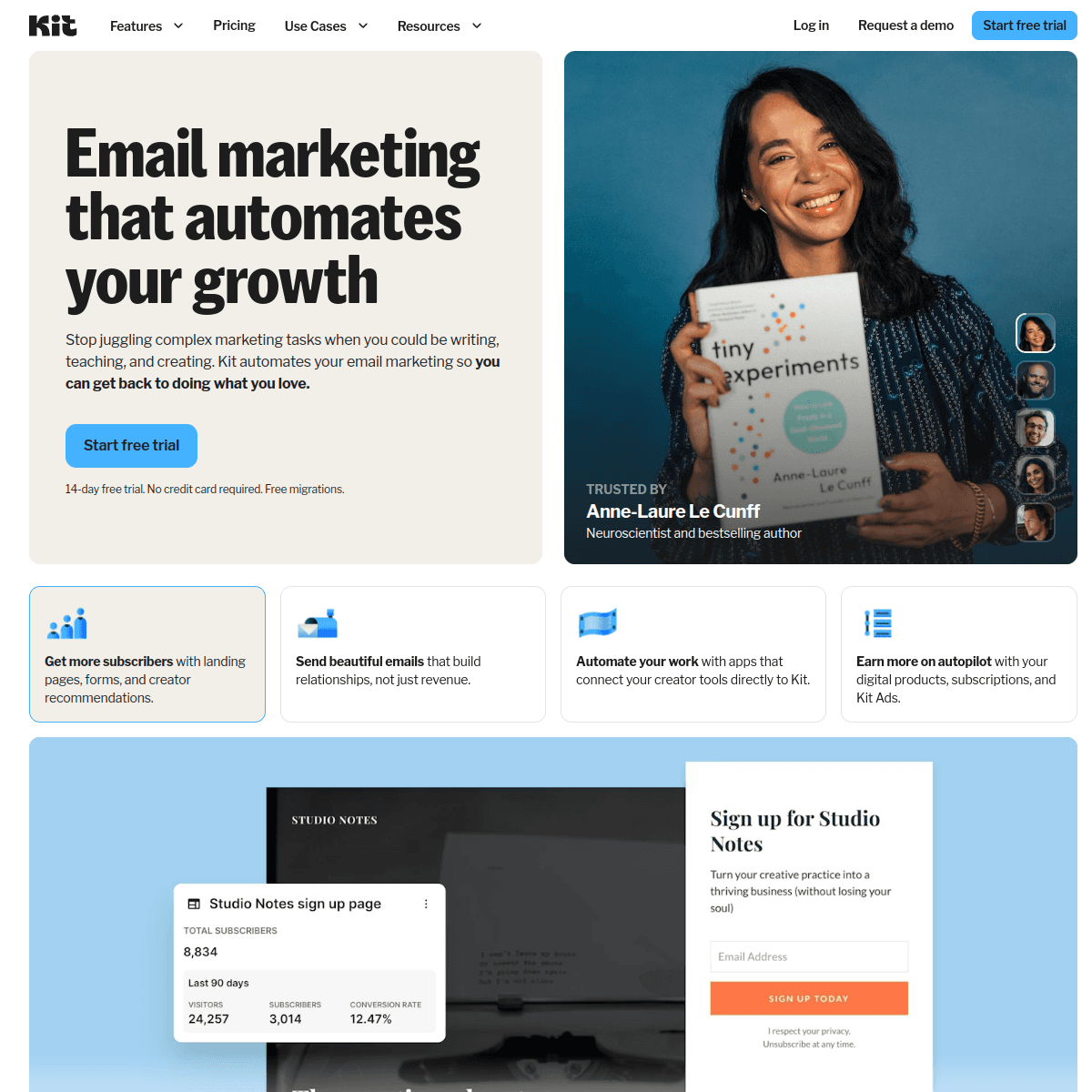
ConvertKit

Built for creators who share expertise.

Visit

ConvertKit (now Kit) works well for nurseries that invest heavily in educational content - gardening blogs, YouTube videos, or regular growing guides. The newsletter format is clean and text-focused, which suits gardening advice emails. The free tier covers 1,000 subscribers. Where Kit falls short for nurseries is the visual side - the templates are intentionally minimal, which means your gorgeous flowering perennials do not get showcased the way they would in a more visual platform. If your emails are 80% advice and 20% photos, Kit works. If you need big, beautiful plant photography front and center, look elsewhere.

Best for
Nurseries who share gardening content
Pricing
Free up to 1,000 subscribers, then from $29/month

Pros

  • Creator-focused
  • Great newsletters
  • Tag automation
  • Creator community

Cons

  • Minimal design
  • Less visual focus
  • Expensive at scale
  • No free landing pages
#5
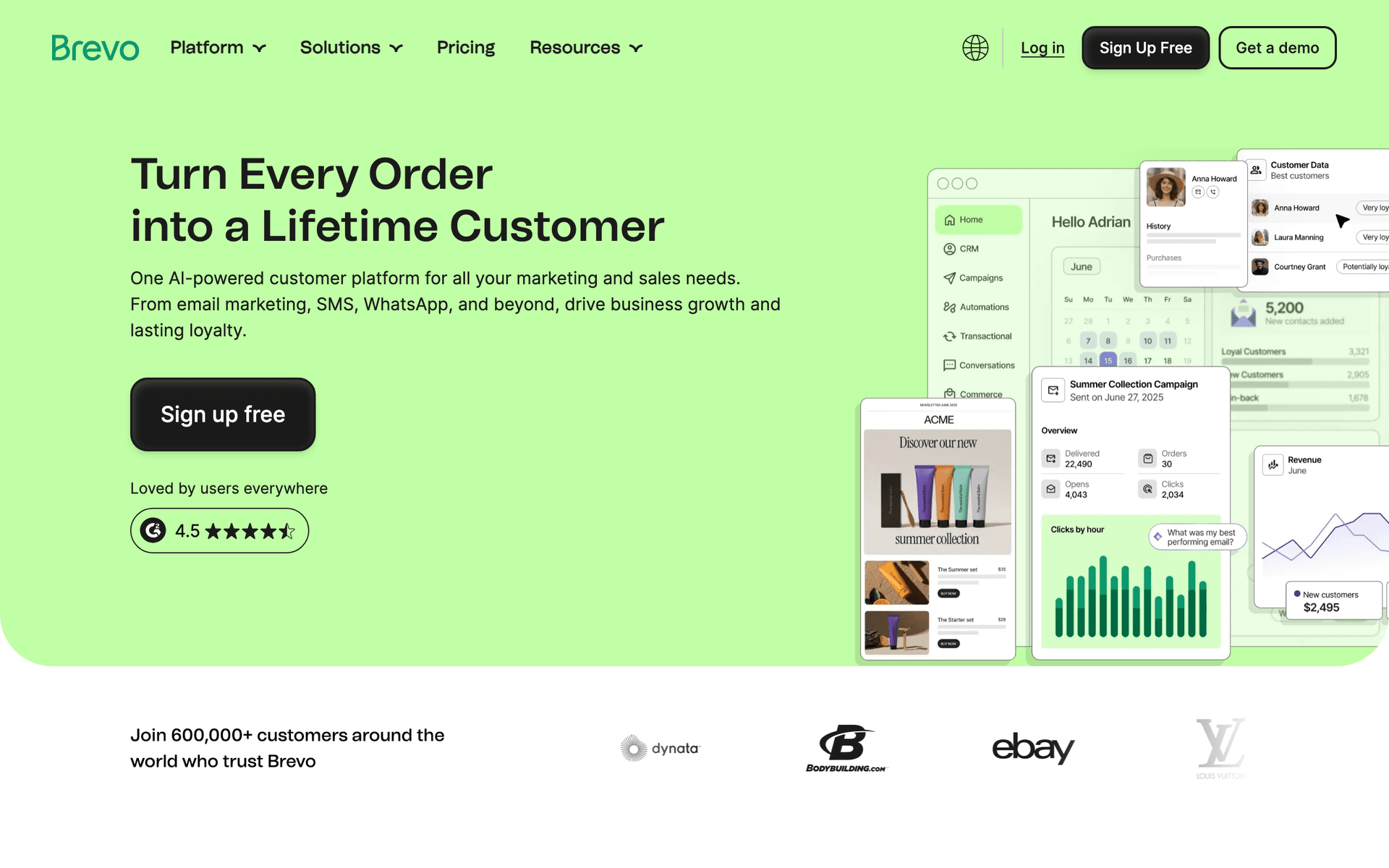
Brevo

Good value with SMS included.

Visit

Brevo is the budget champion for nurseries that want both email and SMS. The free tier gives 300 emails per day with unlimited contacts - you never pay for storing old customer records. SMS is included, which is perfect for sending rare plant alerts that demand immediate attention. When that shipment of high-demand Japanese maples arrives and you have 12 trees that will sell out by noon, a text message reaches customers faster than email. The automation builder handles basic welcome sequences and seasonal reminders. The interface is not as polished as MailerLite, but the value is hard to beat.

Best for
Budget-conscious nurseries
Pricing
Free up to 300 emails/day, then from $25/month

Pros

  • SMS included
  • Generous free tier
  • Good automation
  • Transactional email

Cons

  • Daily limits
  • Support slow
  • Limited integrations
  • Branding on free
#6
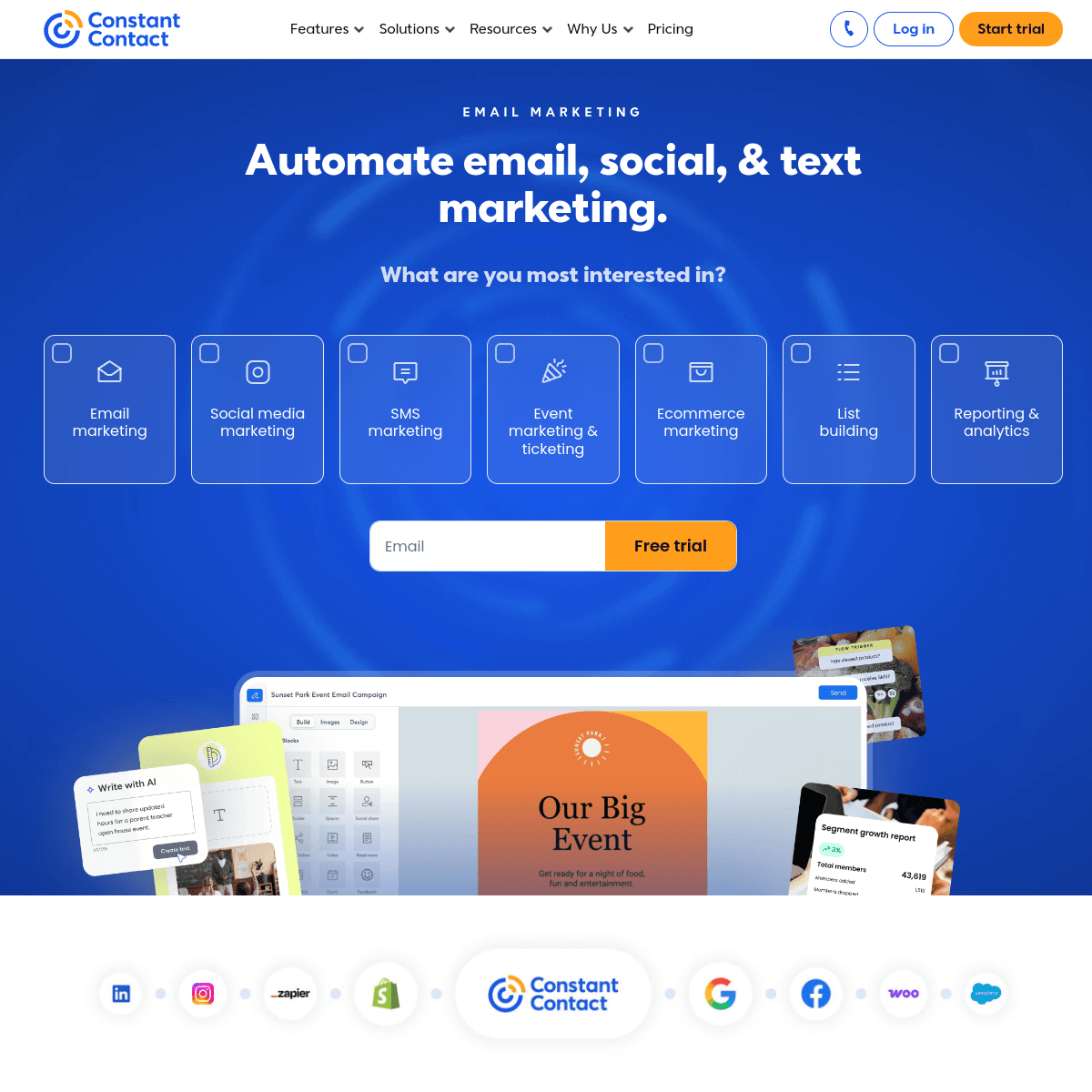
Constant Contact

Reliable with phone support.

Visit

Constant Contact is the go-to for nursery owners who are not tech-savvy and want a human to help them. The phone support is genuinely helpful, and the event features work well for workshop and plant sale promotion. The interface is straightforward and the learning curve is gentle. Templates are a bit dated but functional. At $12/month for 500 contacts, it is slightly pricier than MailerLite, but the support and event management features make up the difference for nurseries that run frequent workshops and plant sales.

Best for
Nurseries wanting phone support
Pricing
From $12/month for 500 contacts

Pros

  • Easy to use
  • Phone support
  • Event features
  • Reliable

Cons

  • Limited automation
  • Templates dated
  • Higher prices
  • Not nursery-focused
#7
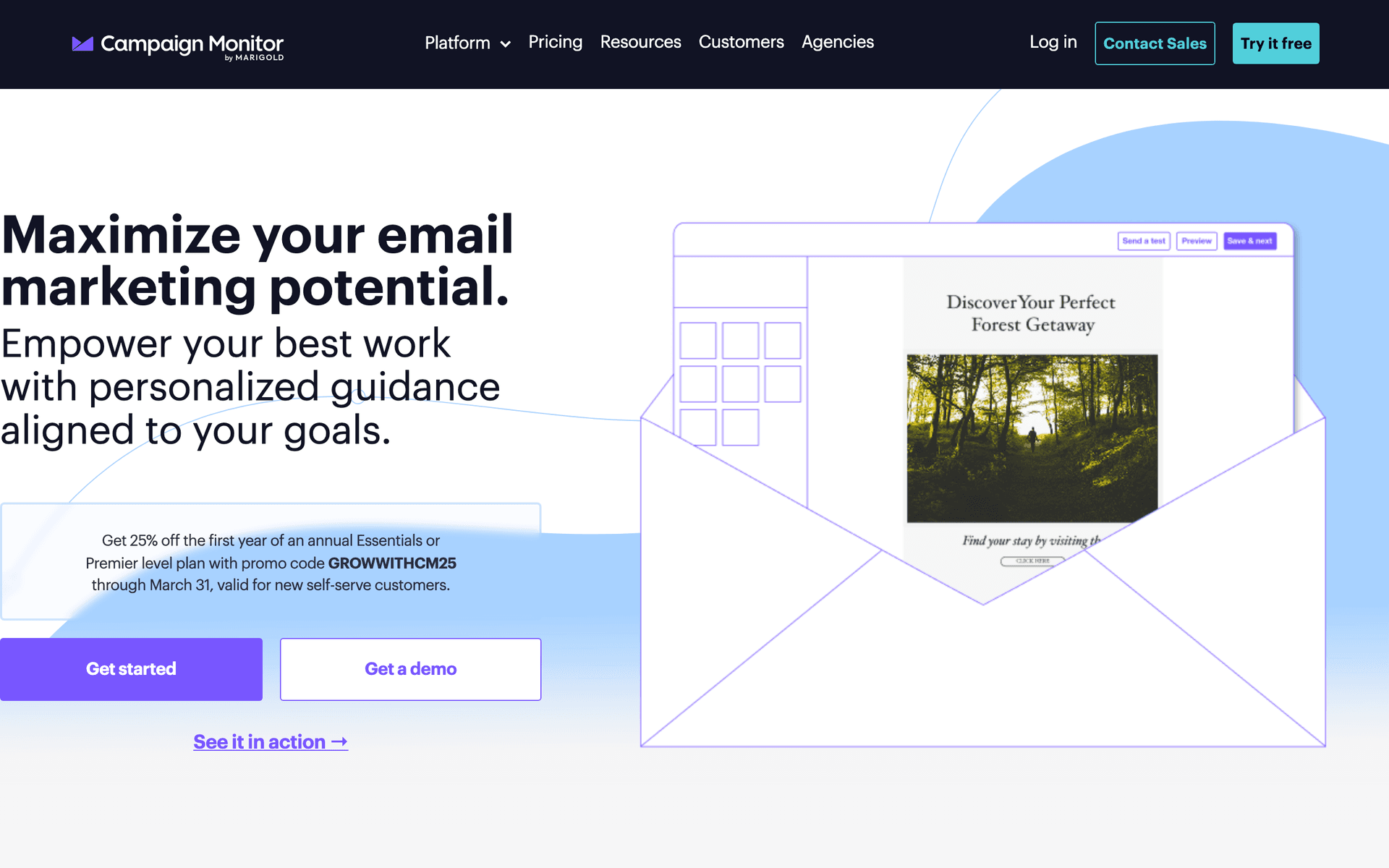
Campaign Monitor

Beautiful templates for visual content.

Visit

Campaign Monitor has the best-looking email templates on this list, which matters for nurseries because your plants need to look stunning. The layout options let plant photography take center stage, and the clean design makes even a simple arrival announcement look professional. For nurseries with a premium brand - think specialty perennials, rare tropicals, or high-end landscape plants - Campaign Monitor matches that brand quality. Automation is limited compared to ActiveCampaign, but for a nursery that primarily sends beautiful newsletters and arrival alerts, it does the job.

Best for
Nurseries prioritizing visual presentation
Pricing
From $9/month for 500 contacts

Pros

  • Beautiful templates
  • Great for photos
  • Reliable delivery
  • Professional look

Cons

  • Contact pricing
  • Limited automation
  • Gets expensive
  • Not nursery-specific
#8
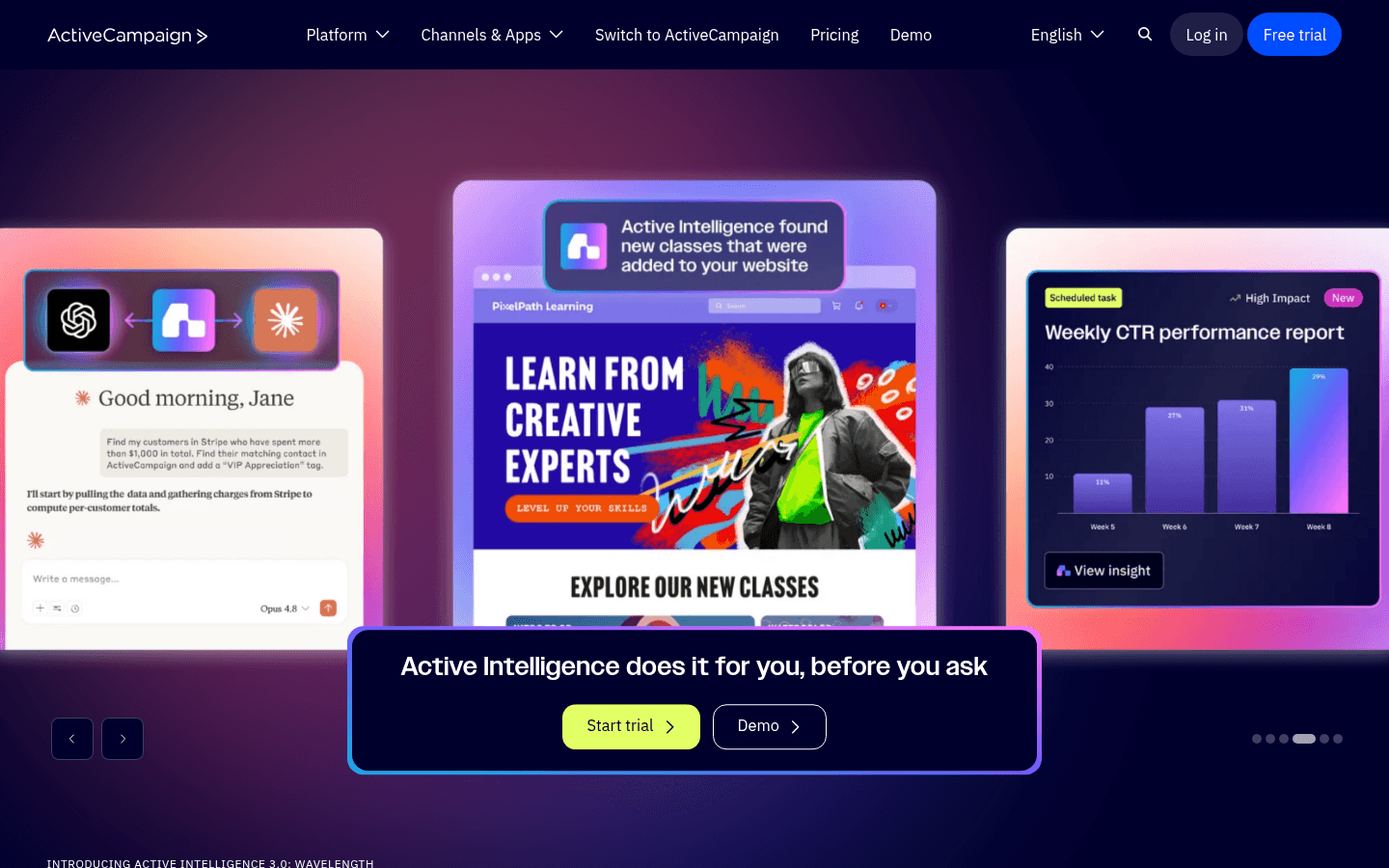
ActiveCampaign

Powerful automation for growing businesses.

Visit

ActiveCampaign is the power tool on this list. For larger garden centers with multiple departments - annuals, perennials, trees, hardgoods - you can build sophisticated automations that segment customers by purchase history and send targeted arrival alerts. The CRM tracks individual customer preferences. But the learning curve is steep and the interface is complex. For a small family nursery, ActiveCampaign is overkill. Consider it only if you have staff dedicated to marketing or if you run a multi-location garden center operation.

Best for
Large garden centers
Pricing
From $29/month for 1,000 contacts

Pros

  • Excellent automation
  • CRM included
  • Great deliverability
  • Detailed tracking

Cons

  • Steep learning curve
  • Complex interface
  • Price jumps
  • Overkill for most
#9
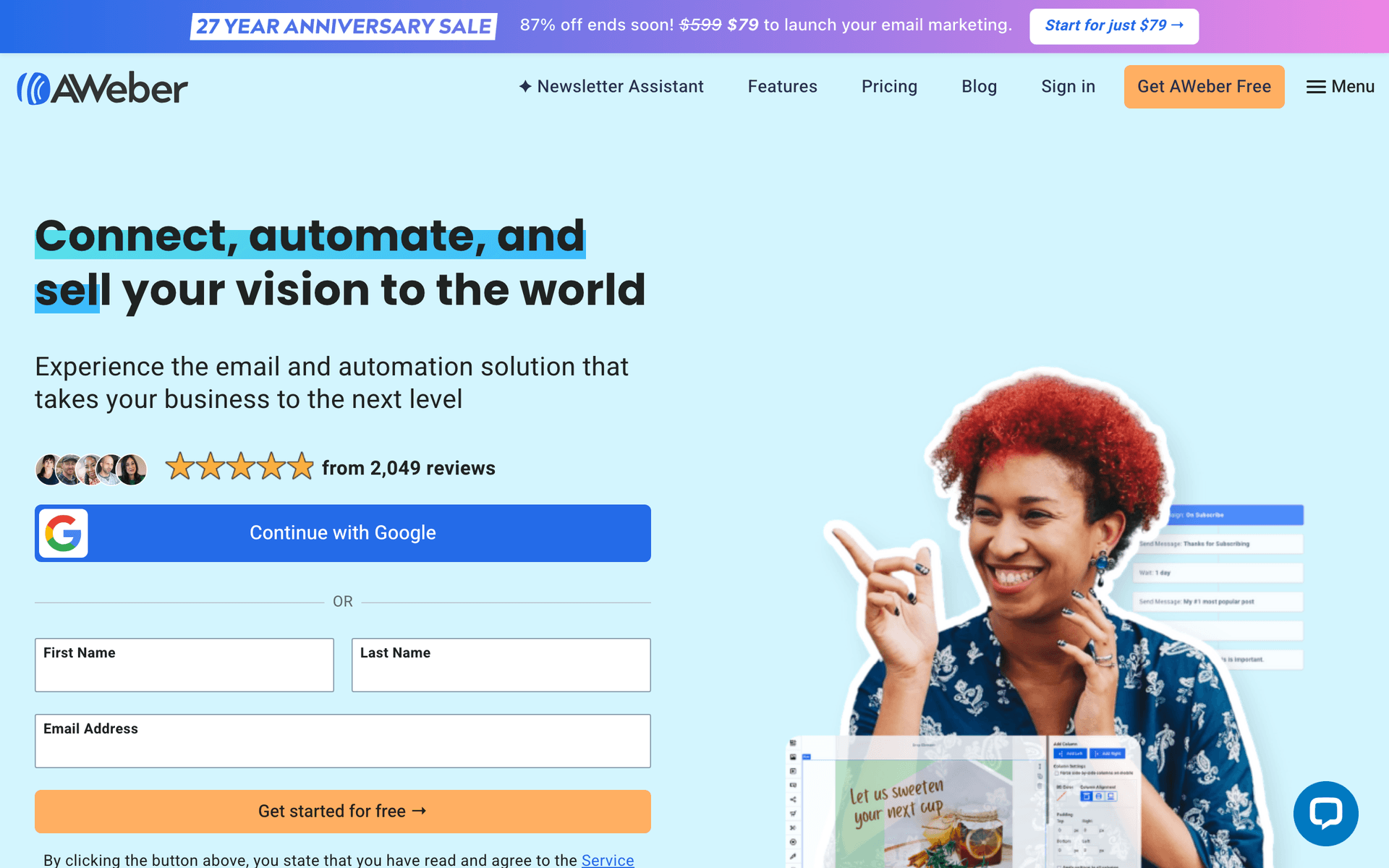
AWeber

Simple and reliable for newsletters.

Visit

AWeber is dated but reliable. It has been around since 1998 and delivers emails consistently. For a nursery that just wants to send a monthly newsletter and occasional arrival alerts without learning a complex system, AWeber handles the basics. The free tier covers 500 subscribers. Templates are basic, automation is minimal, and the interface looks like it has not changed much in a decade. But the deliverability is strong, and for nurseries wanting simplicity above all else, that matters.

Best for
Nurseries wanting reliability
Pricing
Free up to 500 subscribers, then from $15/month

Pros

  • Reliable
  • Simple
  • Good support
  • Track record

Cons

  • Dated
  • Limited automation
  • Basic templates
  • Little innovation
#10
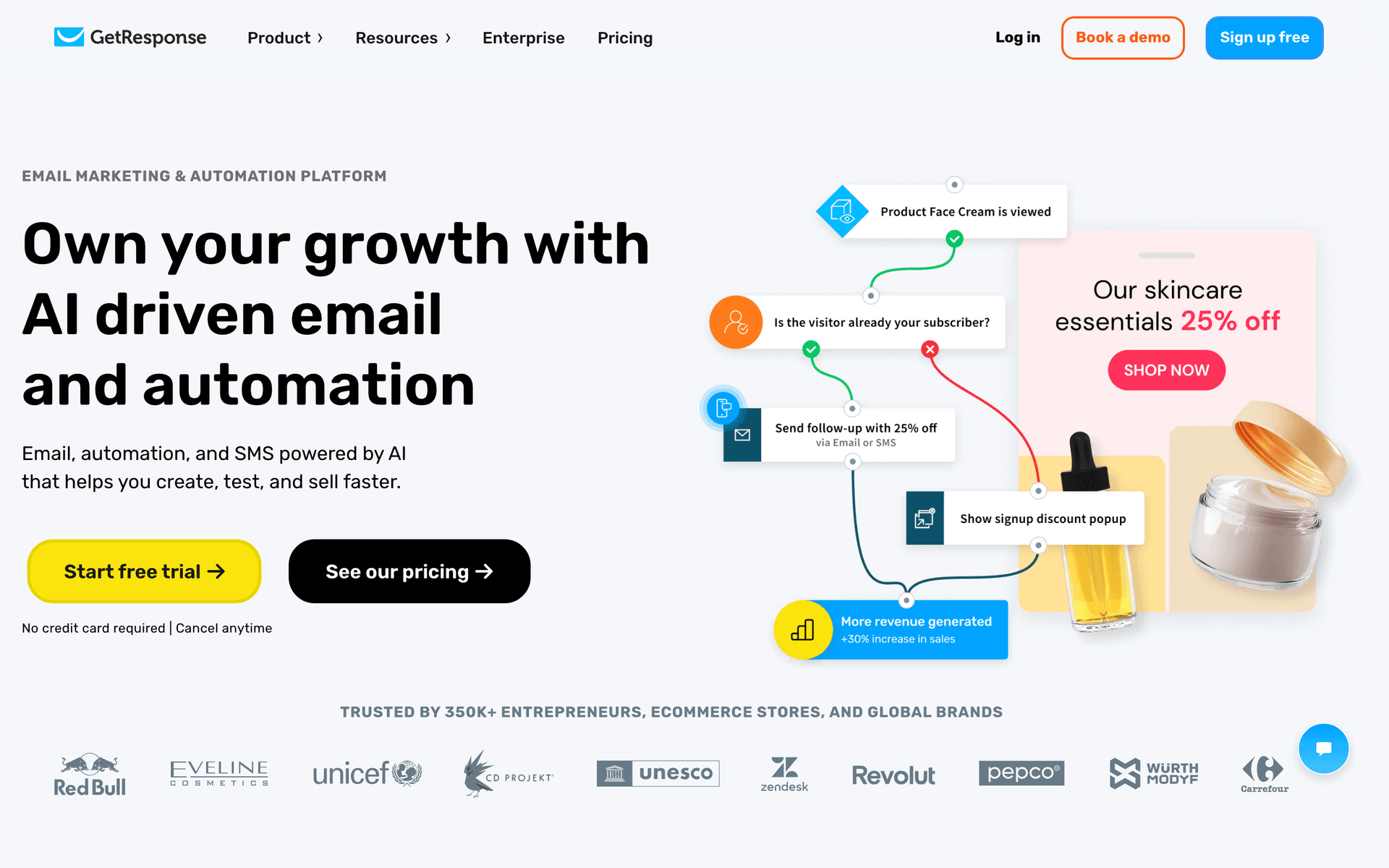
GetResponse

All-in-one with webinar capability.

Visit

GetResponse includes webinar hosting, which is a unique advantage for nurseries that run virtual garden tours, planting demonstrations, or seasonal planning workshops. If you host online events regularly, having email and webinars in one platform simplifies your workflow. Landing pages work well for workshop registration. The email editor is functional but not as polished as Campaign Monitor. At $19/month for 1,000 contacts, it is mid-range on pricing. Consider it primarily if virtual events are part of your marketing strategy.

Best for
Nurseries doing virtual events
Pricing
From $19/month for 1,000 contacts

Pros

  • Webinar hosting
  • Landing pages
  • Automation
  • Competitive pricing

Cons

  • Busy interface
  • Editor basic
  • Support varies
  • Features scattered
#11
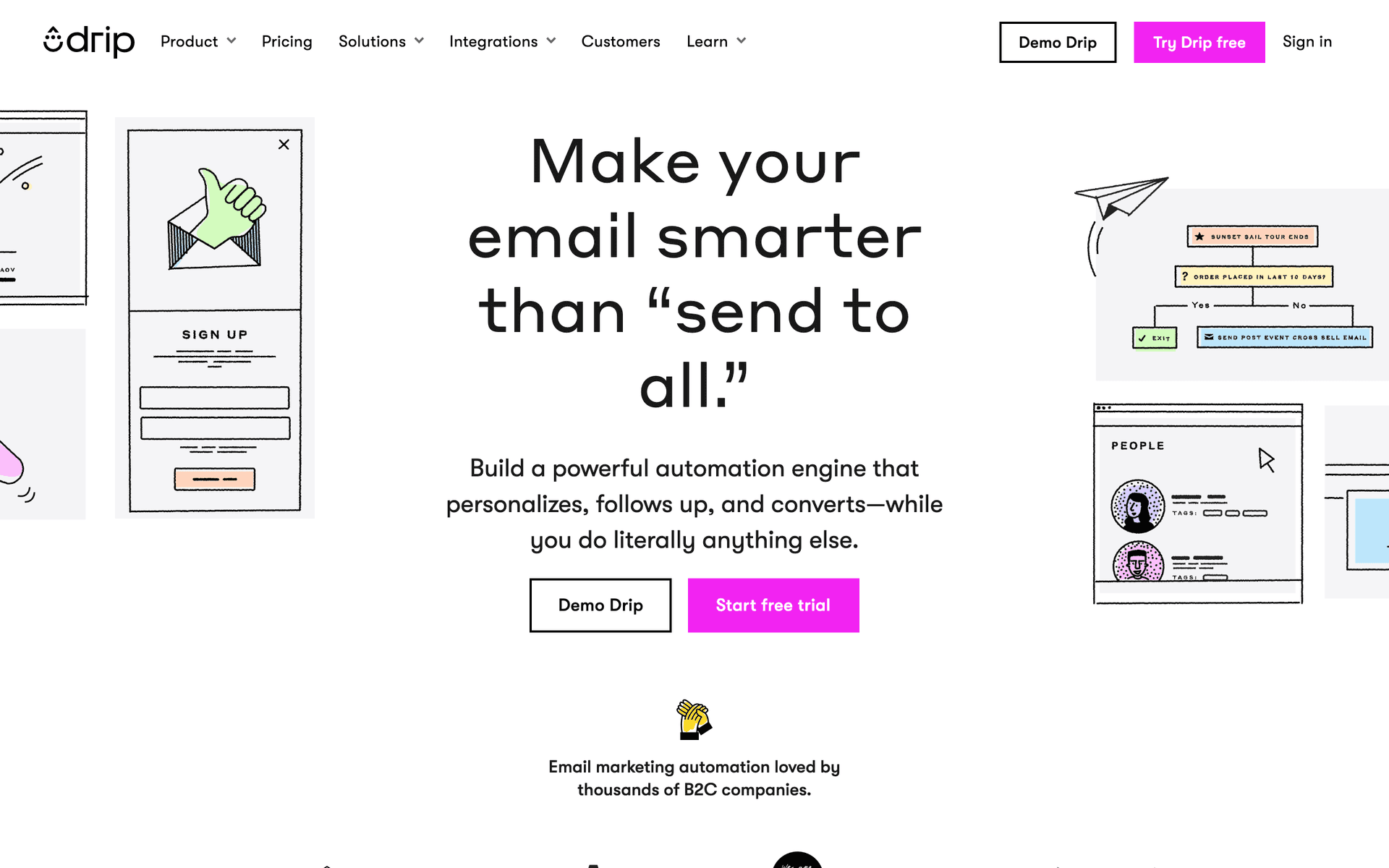
Drip

E-commerce focused for online sales.

Visit

Drip is built for e-commerce and excels at tracking revenue from online plant sales. If your nursery has a significant online ordering or shipping operation - selling plants through your website with full e-commerce checkout - Drip tracks which emails drive purchases and automates post-purchase care instructions. At $39/month minimum, only consider it if online sales are a substantial part of your revenue. For walk-in focused nurseries, this is the wrong tool.

Best for
Nurseries with heavy online sales
Pricing
From $39/month for 2,500 contacts

Pros

  • Revenue tracking
  • Strong automation
  • E-commerce features
  • Analytics

Cons

  • Built for e-commerce
  • Expensive
  • Learning curve
  • Overkill for local shops
#12
HubSpot

Enterprise solution for large operations.

Visit

HubSpot is enterprise software designed for large marketing teams. For most nurseries, it is absurd overkill. The free CRM is nice in theory but the email marketing tools require expensive paid plans ($50+/month minimum for useful features). The interface is complex and the learning curve is steep. Only consider HubSpot if you run a large chain of garden centers with a dedicated marketing department. For typical nurseries, simpler and cheaper tools get the job done much better.

Best for
Large garden center chains only
Pricing
Free basic, paid from $50/month

Pros

  • Full CRM
  • Great for teams
  • Reporting
  • Integrations

Cons

  • Overkill
  • Expensive
  • Complex
  • Lock-in
#13
Moosend

Budget-friendly with good features.

Visit

Moosend is the budget underdog at $9/month for 500 subscribers. It offers automation, landing pages, and decent reporting at a price point lower than almost everything else on this list. For a nursery just starting with email marketing on a tight budget, Moosend provides more functionality per dollar than you would expect. The template library is smaller and integrations are limited, but for basic seasonal newsletters and arrival alerts, it delivers solid value.

Best for
Very price-conscious nurseries
Pricing
From $9/month for 500 subscribers

Pros

  • Very affordable
  • Good automation
  • Responsive support
  • Landing pages

Cons

  • Less known
  • Limited integrations
  • Smaller templates
  • Fewer features

Feature Comparison

FeatureSequenzyMailchimpMailerLiteConvertKit
Seasonal announcements
New arrivals
AI content
Drag-and-drop editor
Automation
Landing pages
Free tier

Common Mistakes to Avoid

We see these mistakes over and over. Skip the learning curve and avoid these from day one.

Going Dark in Winter and Losing Your List

Many nurseries stop emailing from November through February and lose engagement. Winter is the time for garden planning content, seed catalogs, indoor plant care, and early spring previews. Keep the relationship warm even when the ground is cold.

Sending Generic Content Instead of Location-Specific Advice

Your customers chose a local nursery because they want local expertise. Generic gardening tips from the internet do not cut it. Share advice specific to your climate zone, soil conditions, and local pest pressures.

Not Photographing Your Actual Inventory

Stock photos of perfect gardens feel fake. Take photos of your actual plants, your greenhouse, your staff loading trucks. Real photos of real inventory drive more visits than any stock image.

Treating All Customers the Same Regardless of Experience Level

A master gardener and a first-time homeowner need completely different communication. Segment by experience level or buying patterns and adjust your content depth accordingly.

Missing the Pre-Season Planning Window

Gardeners plan 4-8 weeks before planting season. If you wait until plants are in stock to start emailing, you have already lost customers to competitors who sent planning content earlier.

Email Sequences Every Plant Nurserie Needs

These are the essential automated email sequences that will help you grow your business and keep clients coming back.

New Gardener Welcome

When someone joins mailing list

Welcome new customers and share expertise.

Immediately
Welcome to {{nursery_name}}!

Thanks. What makes you special. Seasonal tips.

Day 3
Getting started: Our top picks for your garden

Recommended plants. Beginner-friendly options.

Day 7
This month at {{nursery_name}}

What is in stock. Upcoming events. Seasonal advice.

Spring Arrival Announcement

When spring stock arrives

Drive traffic during spring rush.

Early season
Spring has arrived at {{nursery_name}}

New arrivals. What is ready to plant. Come early for best selection.

Peak season
Tomato starts are here!

Popular items in stock. Varieties available. Selling fast.

Late season
Final spring planting: What's still available

Last chance for spring plants. Clearance items.

Rare Plant Alert

When special or rare plants arrive

Alert collectors to special inventory.

Immediately
Just arrived: {{plant_name}} - Limited quantity

Photos. Plant details. Quantities limited. First come first served.

Workshop Promotion

Before gardening workshops

Fill seats for educational events.

3 weeks before
Learn {{topic}} at {{nursery_name}}

Workshop details. What you will learn. Registration link.

1 week before
Limited spots for {{topic}} workshop

Urgency. Final details. Register now.

How to Choose the Right Email Tool

Seasonal flexibility. Nursery email needs vary dramatically by season. During spring rush, you might send 3-5 emails per week with arrival alerts and workshop promotions. In December, you might send one monthly newsletter. Choose tools that handle variable volumes without charging you for quiet months. Pay-per-email models like Sequenzy naturally accommodate this pattern.

Visual quality. Plants sell with photos. Your flowering perennials, colorful annuals, and stately trees need to look stunning in emails. Choose platforms with visual email editors that display images beautifully across desktop and mobile. Campaign Monitor and Mailchimp excel here.

Simplicity for busy seasons. During spring rush, you do not have time to spend 30 minutes crafting an email. You need to upload a photo, type a quick arrival announcement, and hit send. Tools with clean, fast interfaces like MailerLite and Sequenzy let you send an email in under 5 minutes.

What Works for Nursery Marketing

Seasonal Timing Is Everything

The most successful nursery email programs follow the seasonal calendar religiously. Start sending planning content in late winter (February) before anyone else. Be the first nursery in your area to announce spring arrivals. During peak season, maintain a regular cadence of arrival alerts. In summer, shift to care and maintenance content. In fall, promote bulbs, trees, and end-of-season sales.

Expertise Builds Loyalty

Your knowledge is your competitive advantage over big box stores. Share it generously through email. A monthly growing tip specific to your local climate zone demonstrates expertise that a Home Depot email can never match. Gardeners trust knowledgeable staff, and that trust translates to larger purchases and repeat visits.

New Arrivals Drive Visits

Nothing fills your parking lot faster than an email announcing that a highly anticipated plant has arrived. Build anticipation by mentioning upcoming shipments in advance, then send the arrival alert the moment the truck is unloaded. For rare or limited-quantity items, include the number available - "Only 6 available" creates urgency that drives immediate visits.

Building Your Seasonal Email Calendar

Winter (December - February)

  • Monthly newsletter with garden planning content
  • Indoor plant care tips and houseplant features
  • Seed catalog recommendations and early ordering reminders
  • Spring preview: what is coming and when

Spring (March - May)

  • Weekly arrival announcements
  • Rare plant alerts as they arrive
  • Workshop and class promotions
  • Zone-specific planting guides
  • Mother's Day gift ideas and pre-orders

Summer (June - August)

  • Biweekly care tips for heat management
  • Pest and disease identification guides
  • Mid-season planting opportunities
  • Summer workshop promotions
  • Water-wise gardening advice

Fall (September - November)

  • Fall planting guides for bulbs and trees
  • End-of-season clearance sales
  • Winterization tips
  • Fall color plant features
  • Gift plant guides for the holidays

Integration Recommendations

Most nurseries do not need complex software integrations. Your email tool should work independently - collect emails at the register, send seasonal content, and drive foot traffic. If you have a website with an online catalog, make sure your email tool can link to product pages. If you run workshops, use the landing page builder for registrations.

For POS integration, most nursery POS systems (like Lightspeed or Bindo) can export customer email lists as CSV files for import into your email tool. Set up a monthly import routine to keep your list current.

What a Healthy Email List Looks Like for a Nursery

A well-run local nursery should aim for 500-1,000 email subscribers in year one, growing to 2,000-5,000 over several years. Open rates above 30% and click rates above 4% indicate a healthy, engaged list. If your open rates drop below 20%, your content needs improvement or your list needs cleaning.

The most valuable metric is foot traffic driven by email. Ask customers at checkout how they heard about new arrivals or workshops. Even a rough count helps you measure email ROI. A single arrival alert email that brings 20 extra customers through the door can generate $500-2,000 in additional sales.

Getting Started

  1. Collect emails at every checkout - train all staff
  2. Plan a seasonal email calendar for the full year
  3. Create new arrival announcement templates with photo placeholders
  4. Build workshop promotion and registration workflow
  5. Set up a welcome sequence for new subscribers

Start simple with one arrival alert and one monthly newsletter, then expand as you get comfortable.

How We Evaluated These Tools

We evaluated these tools based on how well they handle nursery-specific needs: seasonal volume swings from near-zero winter sends to daily spring alerts, visual display of plant photography, landing page creation for workshop registration, and simple interfaces that busy nursery owners can operate during peak season.

Frequently Asked Questions

Ready to grow your plant nurserie practice?

Start your free trial today. Set up your first email sequence in minutes with AI-powered content generation.

Related Industries

Sequenzy - Complete Pricing Guide

Pricing Model

Sequenzy uses email-volume-based pricing. You only pay for emails you send. Unlimited contacts on all plans — storing subscribers is always free.

All Pricing Tiers

  • 2.5k emails/month: Free (Free annually)
  • 15k emails/month: $19/month ($205/year annually)
  • 60k emails/month: $29/month ($313/year annually)
  • 120k emails/month: $49/month ($529/year annually)
  • 300k emails/month: $99/month ($1069/year annually)
  • 600k emails/month: $199/month ($2149/year annually)
  • 1.2M emails/month: $349/month ($3769/year annually)
  • Unlimited emails/month: Custom pricing (Custom annually)

Yearly billing: All plans offer a 10% discount when billed annually.

Free Plan Features (2,500 emails/month)

  • Visual automation builder
  • Transactional email API
  • Reply tracking & team inbox
  • Goal tracking & revenue attribution
  • Dynamic segments
  • Payment integrations
  • Full REST API access
  • Custom sending domain

Paid Plan Features (15k - 1.2M emails/month)

  • Visual automation builder
  • Transactional email API
  • Reply tracking & team inbox
  • Goal tracking & revenue attribution
  • Dynamic segments
  • Payment integrations (Stripe, Paddle, Lemon Squeezy)
  • Full REST API access
  • Custom sending domain

Enterprise Plan Features (Unlimited emails)

  • Visual automation builder
  • Transactional email API
  • Reply tracking & team inbox
  • Goal tracking & revenue attribution
  • Dynamic segments
  • Payment integrations
  • Full REST API access
  • Custom sending domain

Important Pricing Notes

  • You only pay for emails you send — unlimited contacts on all plans
  • No hidden fees - all features included in the price
  • No credit card required for free tier

Contact

  • Pricing Page: https://sequenzy.com/pricing
  • Sales: hello@sequenzy.com